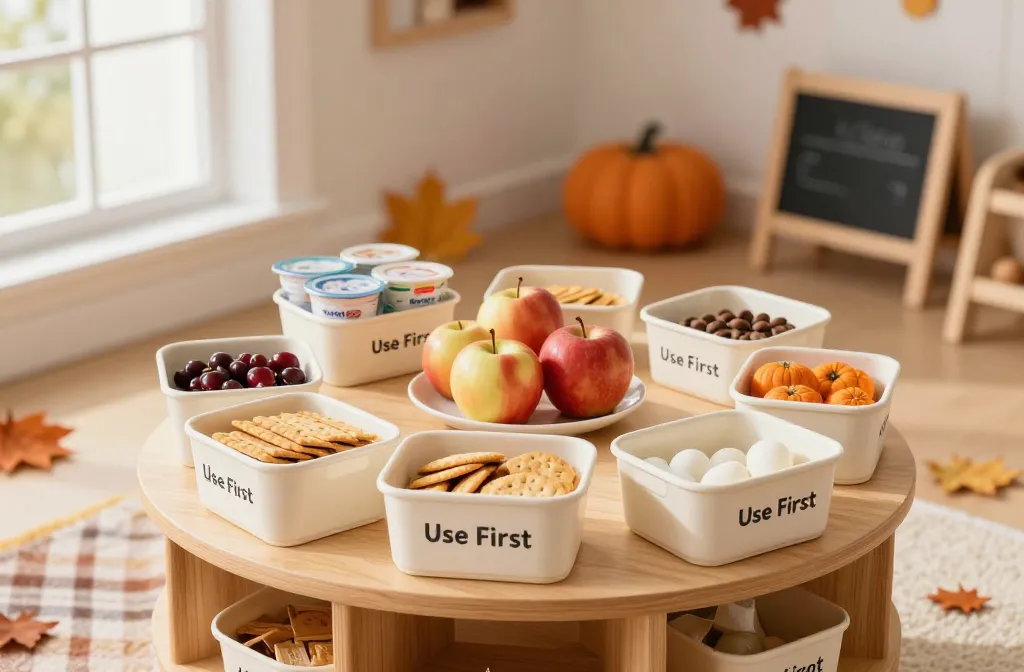
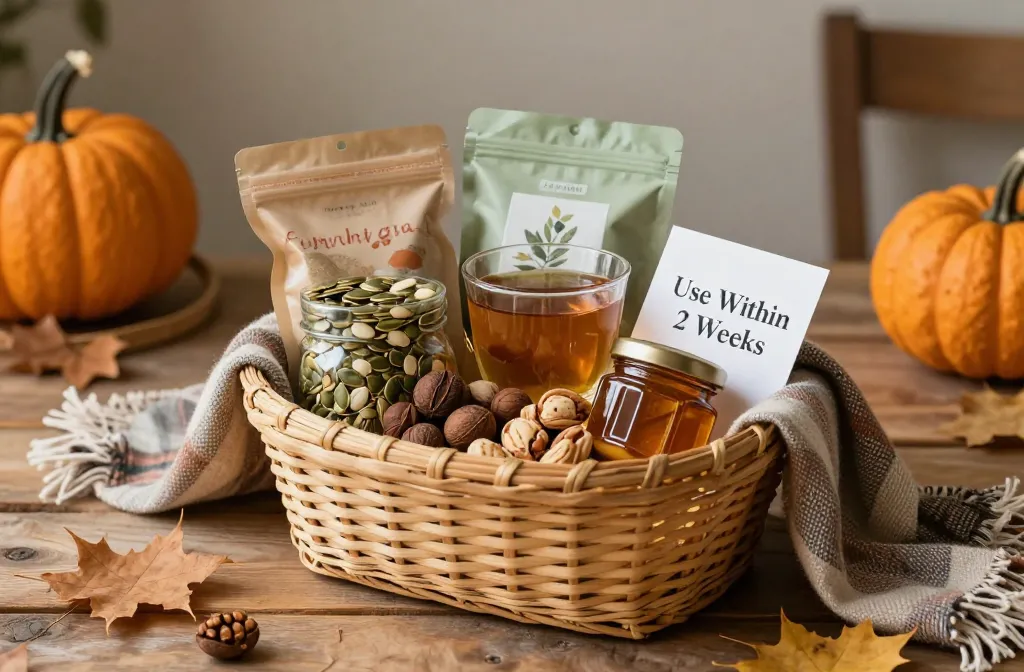
When you’re shopping for fall gifts for friends, neighbors, teachers, or hosts, a truly thoughtful basket feels custom-made, not mass-produced. But in small apartments, crowded households, or tight budgets, a “gift basket” can easily drift into generic clutter. The good news: you can design 21 practical baskets that solve real needs in real homes—without taking over your storage or teaching you to become a professional gift-basket crafter.
This guide helps you navigate the season with purpose. Each idea tackles a specific problem—storage constraints, limited prep time, rental restrictions, or the need to feel personal and warm without being overbearing. You’ll find concrete steps, space-aware ideas, and decision rules you can apply immediately.
1. Use-First Seasonal Snack Box: Keep the Food Fresh and Useful
A. The Problem Food-centric gifts often go stale or get forgotten in a cupboard; guests keep receiving duplicates, and nothing gets used in time.
B. Why It Happens Seasonal snacks and pantry items tempt with novelty but lack a predictable home in small kitchens where cross-uses are limited.
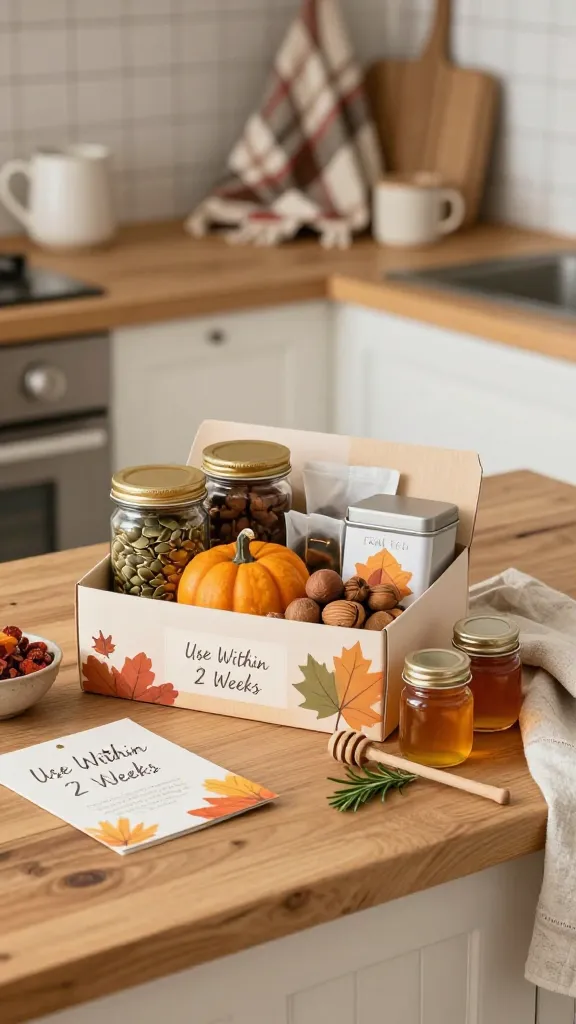
C. The Fix Create a “Use Within 2 Weeks” snack kit that prioritizes items you’d naturally reach for in fall (pumpkin seeds, spiced nuts, fall tea, mini honey jars). Pair with a simple card listing ideas to enjoy items together (coffee + baking snack, cheese board idea, etc.).
D. How to Do It
- Choose 4–6 snack or pantry items with clear opening dates and versatile uses.
- Place items in a shallow, clear tray or a low-profile fabric basket to keep items visible.
- Include a one-page card with quick serving ideas and a reminder to reuse the tray for a small fall snack platter.
E. Real-Life Consideration In a small kitchen, keep the tray on a pantry shelf or coffee table display. If you’re renting, avoid heavy adhesives or mounted signage; use removable labels or tags on the tray.
F. Common Mistake Packing items that have long shelf lives but limited cross-use, which reduces practical value after the initial unwrapping.
G. Better Alternative Pick multi-use items and short-dated treats that complement a current routine (morning coffee, afternoon tea, or after-dinner snacks).
Related Posts:




2. Cozy Countdown Basket: A 7-Item, 7-Day Cozy Ritual
A. The Problem People want a fall ritual but feel overwhelmed by too many options and storage drain.
B. Why It Happens Cluttered ideas without a clear path create decision fatigue.
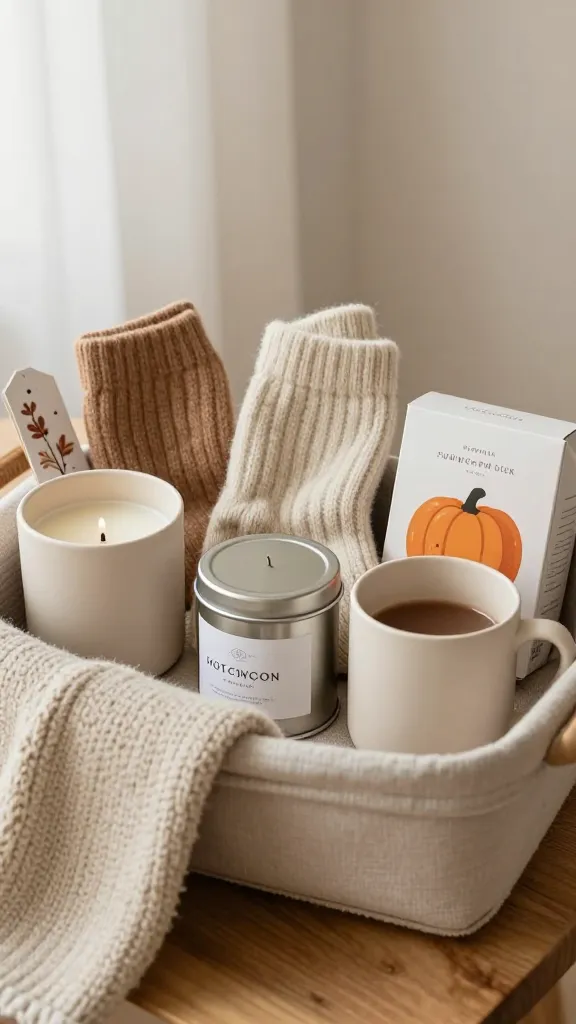
C. The Fix A compact 7-day ritual kit with one item for each day (e.g., autumn-scent candle, wool socks, hot cocoa mix, cozy mug warmer, small throw, pumpkin spice tea, mini seasonal book or magazine).
D. How to Do It
- Choose 7 compact items that are easy to store and visually cohesive (neutral tones with warm accents).
- Label each day with a small sticker or card; place all in a slim tote or a shallow basket.
- Include a brief instruction card for the recipient: “Day 1: Light the candle; Day 2: Drink cocoa with a favorite show.”
E. Real-Life Consideration If you have limited storage, use a single, lightweight tote that can tuck into a cabinet when not in use. In apartments, avoid items that require power outlets beyond one plug or risk spillage.
F. Common Mistake Making the set feel overwhelming with too many tiny items that are hard to store or keep track of.
G. Better Alternative Choose 5 essential items that you know will be used and pair with a small, printable calendar that fits in a standard card folder.
3. Minimalist Tea-and-Reads Basket: Calm That Busy Morning
A. The Problem Gift baskets often feel indulgent rather than practical for a busy household with limited counter space.
B. Why It Happens People assume “cozy” means clutter, so the gift stays unused on a shelf.
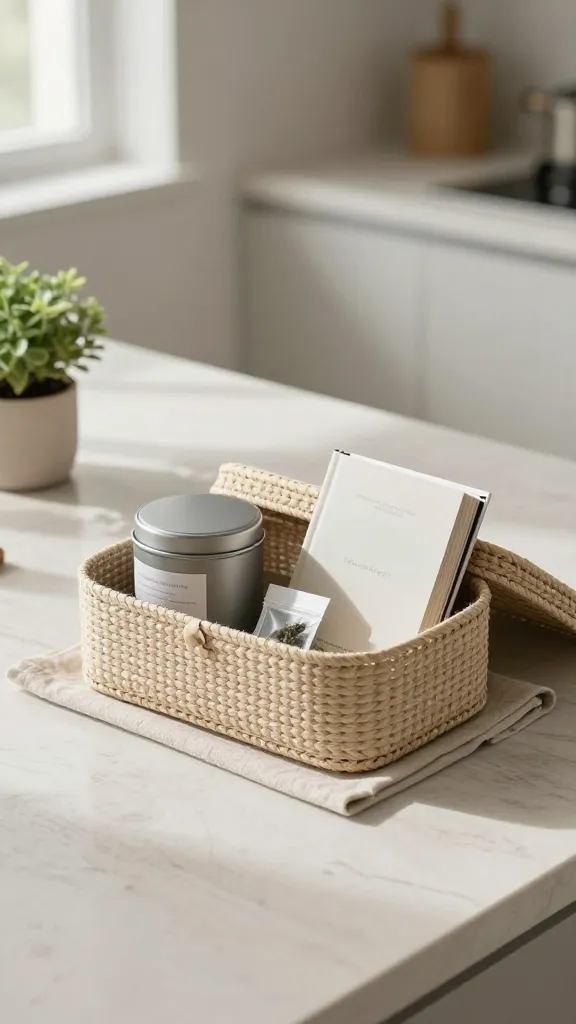
C. The Fix A compact, two-zone basket: a small tin of quality loose-leaf tea or a boxed assortment, and a pocket-friendly paperback or a small magazine. The two items support a quick, restorative break instead of a “thing” that collects dust.
D. How to Do It
- Choose a slim, low-profile basket or tote with a handle for easy transport.
- Include one tea sampler, a compact mug, and a short read (poems, essays, or light fiction).
- Attach a note: “Pause for 10 minutes. Breathe. Sip. Read.”
E. Real-Life Consideration For rental spaces, pick a mug that can be rinsed and reused easily; avoid glass if travel or spill risk is high. Budget-friendly readers can swap in a used-book swap or library-purchased e-reader gift card.
F. Common Mistake Overloading with multiple drink options that create decision paralysis—keep it simple.
G. Better Alternative Swap the book for a magazine subscription or a single-use card for a library loan to keep costs low and usable.
4. Layered Scents, One-Box Solution: Small Space, Big Mood
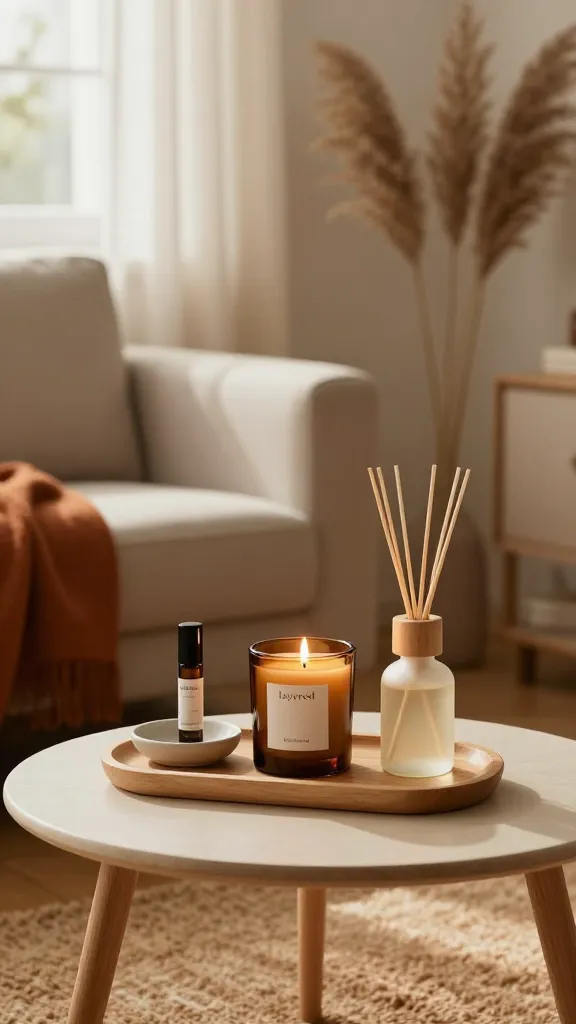
A. The Problem Seasonal fragrance can feel overwhelming or temporary in small spaces, where one strong scent dominates.
B. Why It Happens Many scent bundles offer several strong items that compete for attention or overwhelm a compact room.
C. The Fix Create a “-layered scent” kit in one compact box: a candle, an essential oil roller, and a reed diffuser—each with a specific placement strategy to avoid scent fatigue.
D. How to Do It
- Pick one fall candle (safe for small rooms), one travel-size reed diffuser, and one bottle of essential oil with a gentle, widely appealing fall note (cinnamon, vanilla, or cedar).
- Include simple placement cards: candle on a sturdy tray on a coffee table; diffuser near the entry; oil roller for nighttime routine.
- Balance the scent strength by ensuring each item is used in separate spaces and times of day.
E. Real-Life Consideration In apartments, avoid heavy, long-burning candles near fabrics. Provide an option to switch to a battery-operated candle for renters who can’t burn open flames.
F. Common Mistake Overloading a scent basket with strong notes that clash or feel loud in a small space.
G. Better Alternative Use a single fragrance focus, then rotate accents (diffuser or reed, not both) to maintain a calm, predictable environment.
5. DIY Comfort Kit: Everyday Warmth, On a Budget
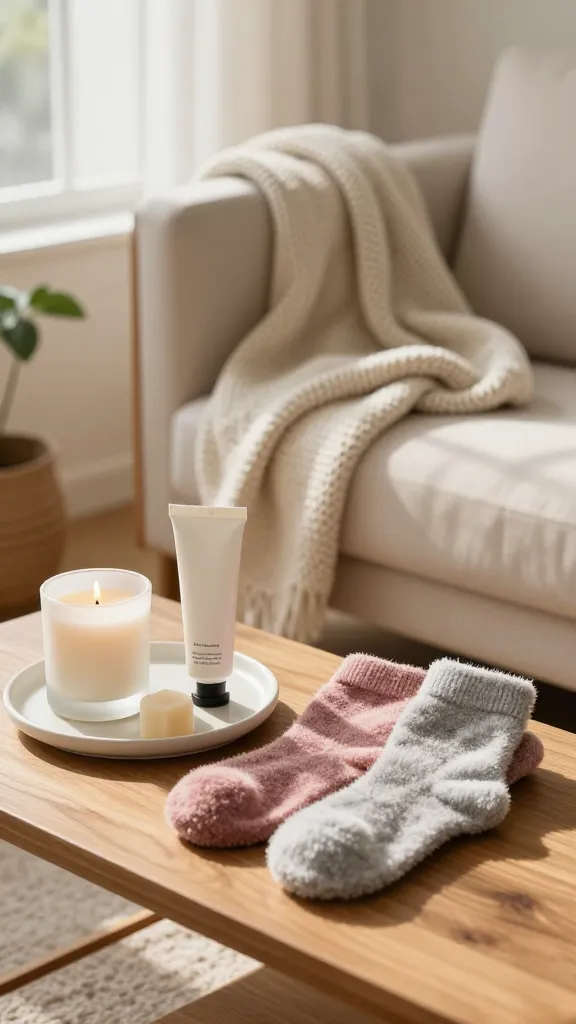
A. The Problem People want to convey warmth but worry about expensive components or fragile items that won’t hold up in storage or transit.
B. Why It Happens Comfort is often equated with luxury, which isn’t feasible when you’re balancing rent, utilities, and groceries.
C. The Fix Assemble a budget-friendly, durable kit focused on comfort: fuzzy socks, a soft throw, a wax melt or small candle, and a simple hand cream in travel-size packaging.
D. How to Do It
- Select 4 components that are inexpensive, durable, and easy to reuse or repurpose.
- Place in a washable fabric basket or tote that can double as a secondary storage solution after use.
- Offer a small card suggesting ways to enjoy: “Movie night wrap-up,” “afternoon hot tea ritual,” etc.
E. Real-Life Consideration In a small apartment, tuck the kit into a linen closet or under a bed with a shallow storage bin to free up visible space.
F. Common Mistake Choosing items that can’t be re-styled or used beyond the container’s initial purpose, leading to disposal churn.
G. Better Alternative Use reversible items (soft throw that also works as a bed scarf, hand cream in a reusable tin) to maximize utility.
6. Practical Warm-Drink Starter: A Zero-Clutter Beverage Kit
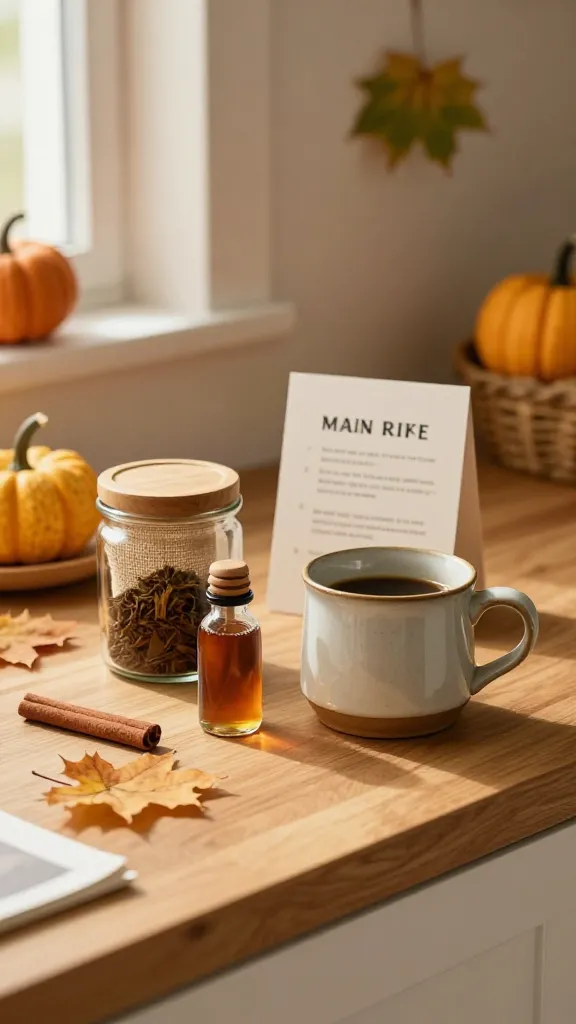
A. The Problem Beverage gifts often come with bulky packaging that wastes space or perplexes the recipient about serving ideas.
B. Why It Happens People assume a “gift” must be a single item, not a curated, compact set that supports a simple ritual.
C. The Fix Put together a compact beverage starter: a small bag of high-quality coffee or tea, a sample of fall syrup or honey, and a small mug or tumbler. Add a one-page pairing card with a few serving ideas.
D. How to Do It
- Choose a single drink base (tea or coffee) and a compatible sweetener or flavoring.
- Include a small, durable mug and a single-use card with pairing ideas (e.g., “tea with lemon and cinnamon stick”).
- Pack in a slim, stackable storage box that fits atop a kitchen shelf or in a narrow cabinet.
E. Real-Life Consideration If you can’t bake or brew, opt for a simple, store-bought syrup in a tiny bottle and a compact tumbler that’s dishwasher-safe.
F. Common Mistake Too many items or oversized mugs that double the footprint of the gift.
G. Better Alternative Choose one high-quality base plus a small, universal accessory (a cinnamon stick or lemon wedge bag) to keep the kit lean and usable.
7. Cleaning-Supply Cheer Basket: Practicality with a Smile
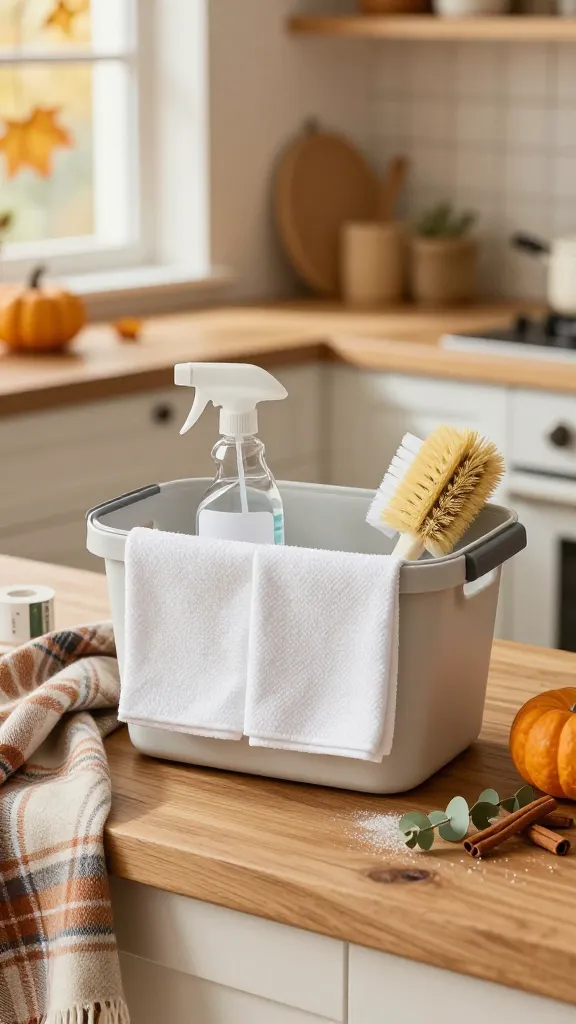
A. The Problem Gifts that focus on decoration but ignore daily life’s reality—households often struggle to maintain a clean, organized space.
B. Why It Happens People see bundles about “refresh” and “spring-clean” but forget autumn is a time of reset, too.
C. The Fix A tiny, purposeful cleaning kit: microfiber dust cloths, a small bottle of all-purpose cleaner, and a compact hand brush. Add a roll of dry-erase labels for easy task tracking on cabinets.
D. How to Do It
- Pack two microfiber cloths, a 2–3 oz spray bottle, and a small scrub brush into a slim caddy or pouch.
- Include a card with 5 quick fall cleaning tasks (e.g., wipe down entry table, dust shelves, clean the fridge handle).
E. Real-Life Consideration For renters, avoid anything that requires a permanent wipe-down area or tools; choose refill-friendly products in small sizes that don’t leak in transit.
F. Common Mistake Including heavy or hazardous cleaning agents in gift baskets or overpacking a tiny container.
G. Better Alternative Choose concentrated cleaners with a simple spray bottle you can reuse, keeping the kit compact and transport-friendly.
8. Seed-and-Sustain Basket: A Garden-In-A-Box for the Balcony
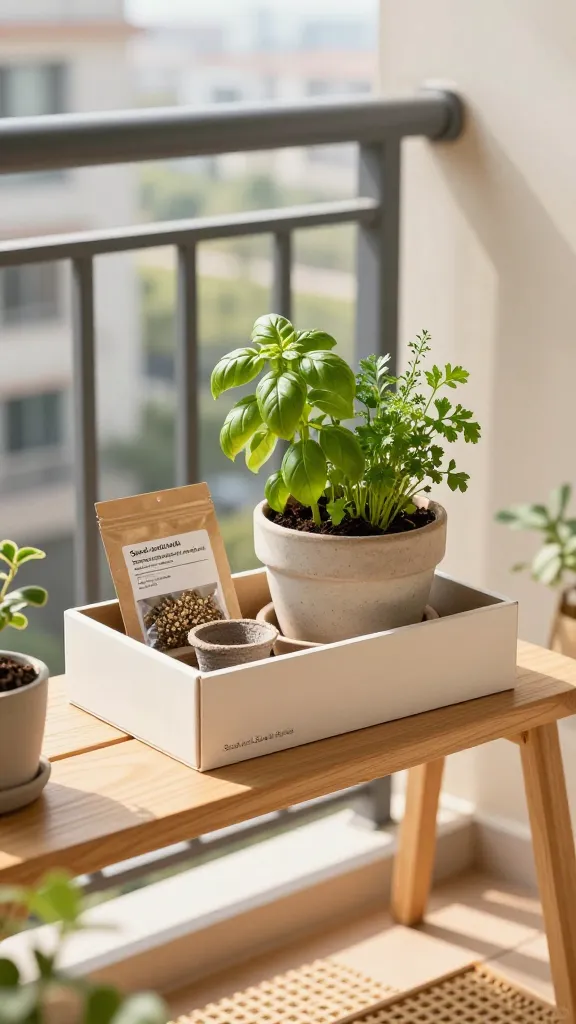
A. The Problem Outdoor space is often limited, yet many households crave a touch of green or a small harvest.
B. Why It Happens People assume garden gifts require land and substantial storage, which isn’t true for many renters or small spaces.
C. The Fix A mini seed-start kit for balcony or windowsill: a packet of easy-to-grow herbs, a small pot, and a compact soil puck. Add a small label for care and placement suggestions.
D. How to Do It
- Choose 2–3 herb seeds and one small pot with a saucer.
- Include a compact bag of seed-starting soil and a simple care card (light, water, harvest time).
- Place everything in a slim, flat box ideal for a shelf or a narrow entryway.
E. Real-Life Consideration For apartments with no balcony, suggest seed kits that can be kept on a sunny kitchen windowsill.
F. Common Mistake Buying complicated seed kits that require a large planter and heavy watering routine.
G. Better Alternative Focus on herbs that thrive in low-light and small pots, maximizing success rates and reducing maintenance.
9. Grab-and-Go Breakfast Tray: A Morning-Boosting Gift
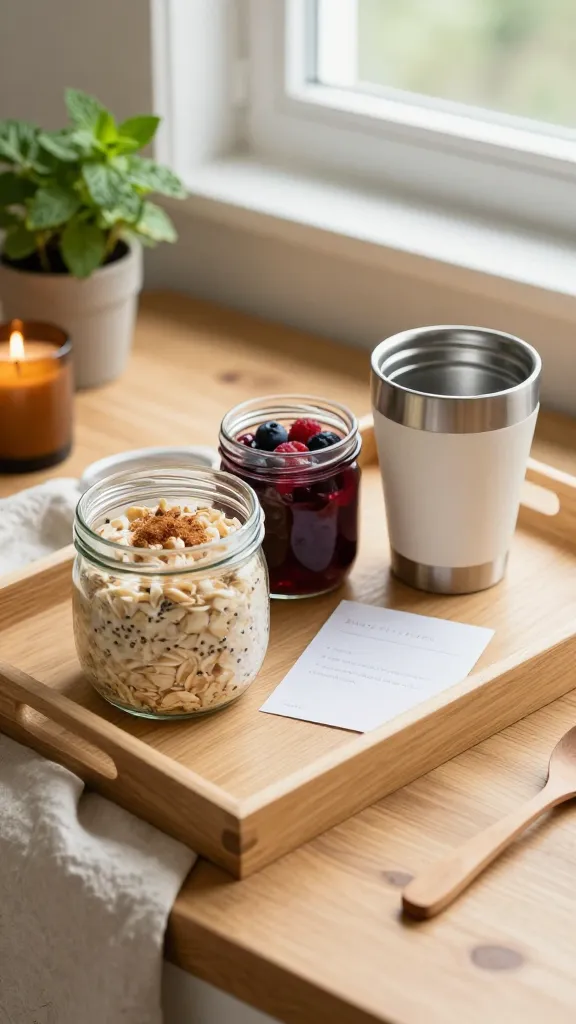
A. The Problem Busy households normalize skipping breakfast, but a thoughtful gift should help them start the day—without more clutter.
B. Why It Happens Breakfast items are sensitive to freshness and space; people fear “one more thing” that gets ignored.
C. The Fix A small, single-serve breakfast kit: a compact jar of overnight oats, a tiny jar of fruit compote, and a reusable travel mug. Include a simple recipe card for two-minute prep ideas.
D. How to Do It
- Select 2–3 dry ingredients (rolled oats, chia, dried fruit) with a visible expiration date.
- Pair with a durable, stackable mug and a compact jar of topping or drizzle.
- Use a slim lunchbox-style container to keep everything neatly contained.
E. Real-Life Consideration In a rental with a single dishwasher, choose items that are dishwasher-safe or easily hand-washed. Keep the packaging minimal to avoid added clutter.
F. Common Mistake Creating a fragile morning routine that requires precise timing and extra steps—keep it as simple as possible.
G. Better Alternative Use ready-to-eat, shelf-stable components with a one-page “grab and go” prep plan.
10. One-Box Gratitude Kit: Thank-You for the Small Things
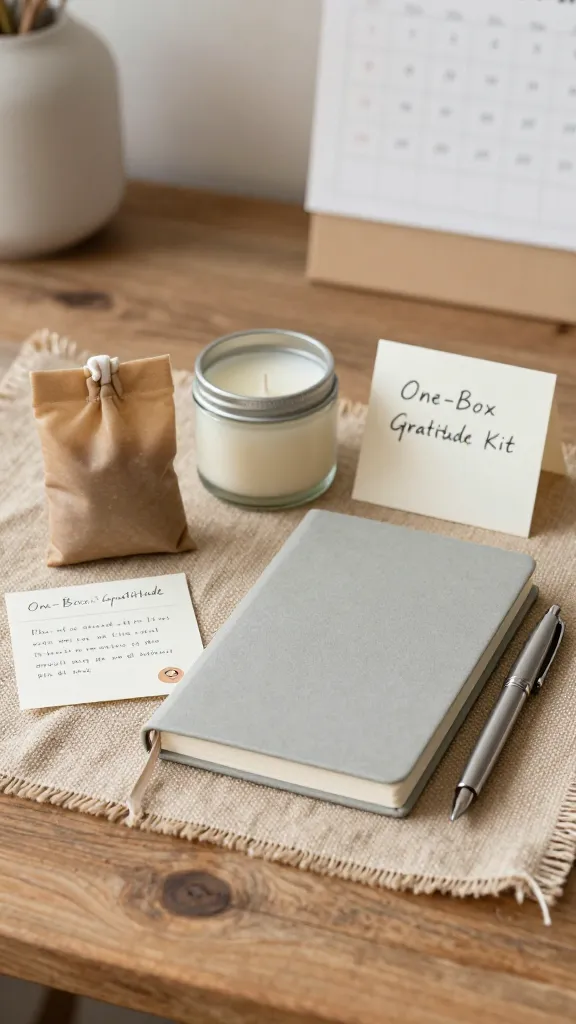
A. The Problem It’s easy to say thanks, but a generic gift loses impact when the recipient feels the gesture is perfunctory.
B. Why It Happens A lack of context about the recipient’s routine or space makes a gift feel impersonal.
C. The Fix A compact “thank you” kit tailored to a familiar routine: a small scented sachet or candle, a compact notebook, and a pen. Include a note with a specific reason why you’re grateful for them.
D. How to Do It
- Select one scent or color theme that matches a common fall mood (comfort, warmth, or sweetness).
- Include a small notebook for quick reflections or to-do lists and a pen.
- Put everything in a flat, stackable box that can slide into a filing cabinet or desk drawer.
E. Real-Life Consideration In households with children, choose a notebook with a durable cover and a washable surface, and avoid small components that could be easily misplaced.
F. Common Mistake Using a generic “thank you” tag instead of a specific, heartfelt note that makes the recipient feel seen.
G. Better Alternative Add a tiny framed photo or a memory card with a shared moment to personalize the gratitude.
11. Digital-Ready Cozy Bundle: Tech-Friendly Comfort
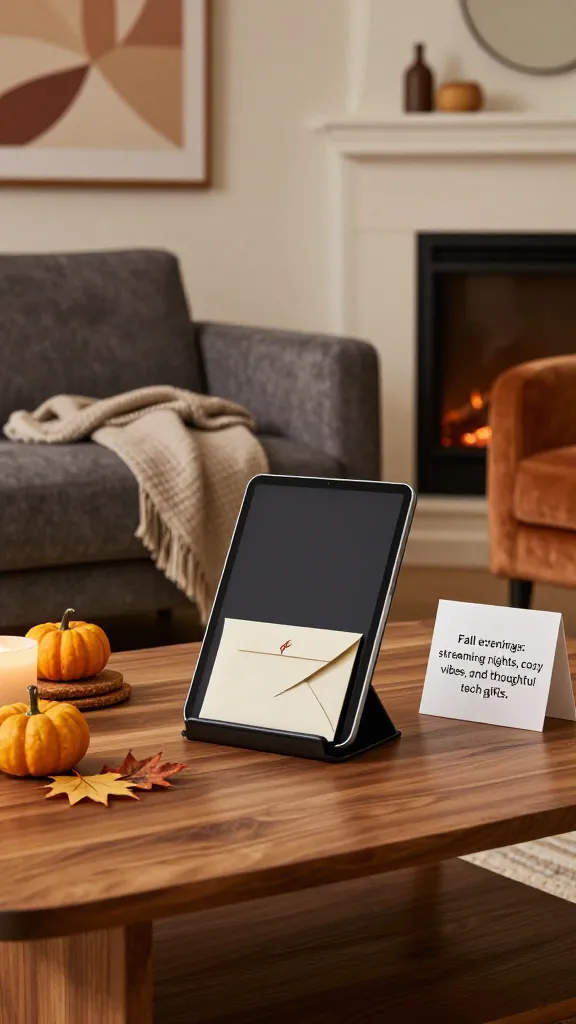
A. The Problem Many gifts rely on analog items that competing with the digital routines of modern households.
B. Why It Happens People assume autumn gifts require physical tokens; however, a thoughtful tech-friendly twist can be more practical.
C. The Fix A digital-ready bundle: a streaming-service gift card or an app subscription card, plus a cozy, tech-friendly sleeve or stand for devices. Include a short note with recommended uses for fall evenings.
D. How to Do It
- Choose a digital gift (subscription, gift card) that’s easy to redeem and fits a fall routine.
- Pair with a small device stand, soft microfiber sleeve, or a warm-toned tote to carry tech accessories.
- Include a short guide card detailing how to integrate into a cozy autumn evening routine.
E. Real-Life Consideration For renters, ensure the gift card is transferable and usable across platforms; avoid anything that requires a complicated setup.
F. Common Mistake Adding bulky devices that require storage space or frequent charging when the recipient has a small, cluttered charging area.
G. Better Alternative Focus on a lightweight add-on (device stand or sleeve) combined with a digital gift that can be easily activated on an existing device.
12. Seasonal Kitchen Reset Basket: Quick, Practical Pantry Refresh
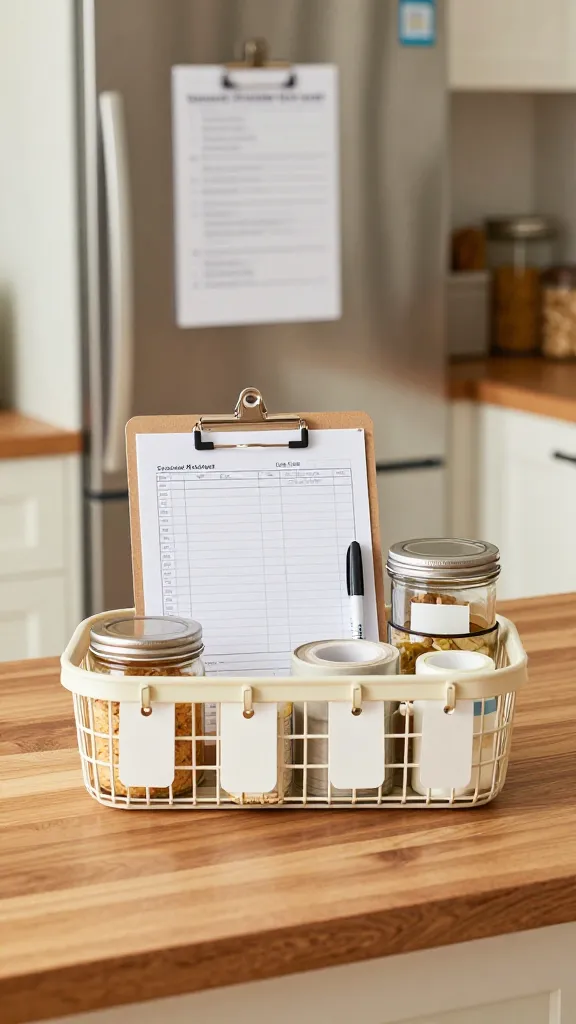
A. The Problem Autum gifts often ignore the practical side of kitchen organization—pantries get disorganized fast when busy schedules collide with holiday prep.
B. Why It Happens We underestimate the amount of time needed to reset a kitchen or the cognitive load of decision-making about what to keep or discard.
C. The Fix A compact kitchen-reset basket: a small clipboard with a one-page inventory, a marker, a magnetic list, and a few essential labels for containers. Include a “Use First” plan to reduce duplication.
D. How to Do It
- Include a simple inventory sheet for the most-used categories (coffee/tea, snacks, baking supplies, canned goods).
- Provide 6 removable labels and a dry-erase marker to tag containers during the reset.
- Instruct the recipient to complete the inventory in 20 minutes and then reorganize the most-used items to the front.
E. Real-Life Consideration For small spaces, keep the inventory sheet at eye level on a cabinet door and use removable labels that won’t leave residue if removed later.
F. Common Mistake Overcomplicating the reset with too many labeled categories that slow progress.
G. Better Alternative Focus on 3–4 core zones (coffee/tea, daily snacks, cooking basics) to keep it achievable in one session.
13. Laundry-Boost Basket: A Small-Space Truth About Clean Clothes
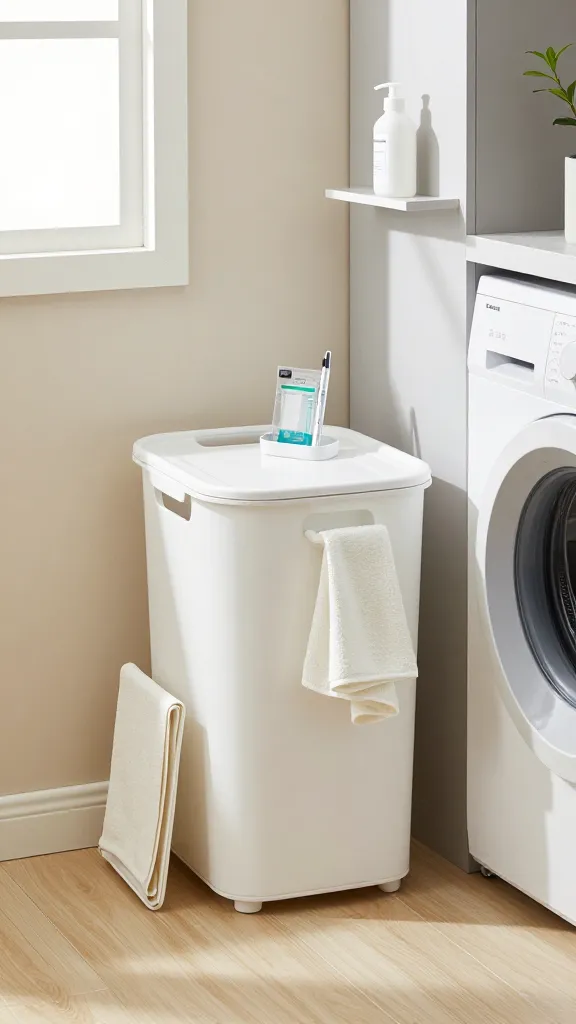
A. The Problem Laundry is a daily chore that can feel heavier when clutter blocks the path to the hamper or the detergent shelf.
B. Why It Happens The laundry area often becomes a magnet for clutter due to lack of a simple workflow and insufficient storage near the machine.
C. The Fix A compact “laundry boost” basket with a detergent pod pack, stain remover pen, microfiber cloth, and a small collapsible hamper to help clear the space near the washer/dryer.
D. How to Do It
- Place the basket near the laundry area with a small instruction card: “Pre-treat, wash, dry, fold.”
- Include a collapsible hamper for small spaces and a stain-spot pen for quick fixes.
E. Real-Life Consideration In apartments, ensure the kit is lightweight and easy to carry to a shared laundry room; consider reusable, compact containers for storage in the closet.
F. Common Mistake Including bulk products that aren’t easily stored or too heavy to move, defeating the purpose of quick access.
G. Better Alternative Use travel-size or compact versions of common items and a small, collapsible hamper that tucks away when not in use.
14. Entertaining Essentials Basket: Easy Hosting, No Stress
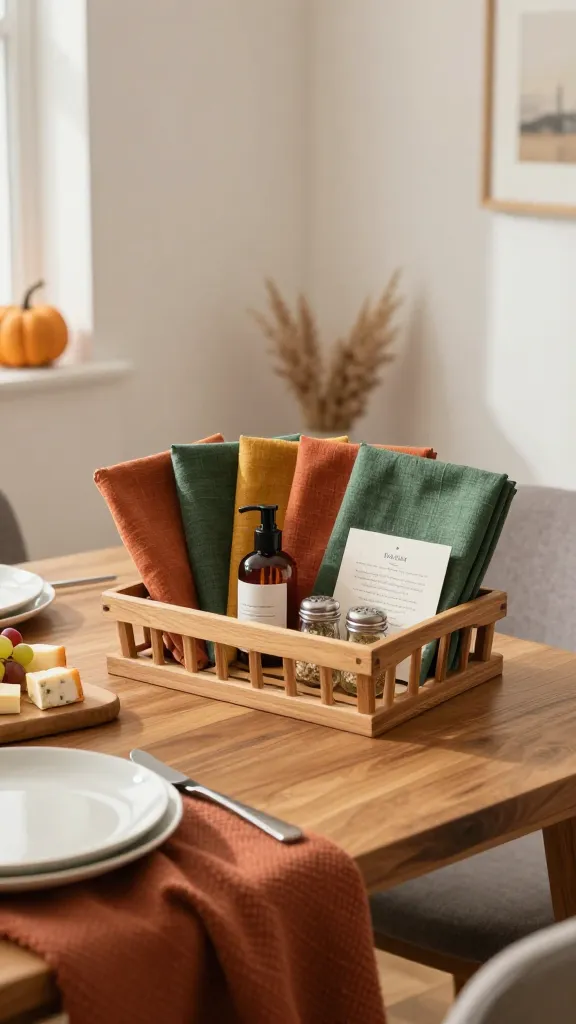
A. The Problem Hosts feel unprepared for spontaneous fall gatherings, especially in small spaces where guests can overrun the area.
B. Why It Happens People assume hosting gifts must be extravagant, which can overwhelm limited space.
C. The Fix A compact hosting kit: a set of 6 durable napkins, a bottle of autumn-scent hand soap, a small spice blend shaker, and a simple cheese-pairing card. Keep it in a slim tote or a shallow tray.
D. How to Do It
- Choose an essential serving trio (napkins, soap, spice) with a matching design.
- Include a one-page card with easy, no-stress hosting ideas (how to set a fall cheese board, simple cocktails, or mocktails).
- Pack everything in a shallow, easy-to-store tray that lives on a bar cart or kitchen shelf.
E. Real-Life Consideration For renters, avoid items that require assembly or hardware and choose items that can be easily wiped clean and stored in a standard cabinet.
F. Common Mistake Offering a large, bulky gift that takes up valuable counter space during gatherings.
G. Better Alternative Prioritize compact, kitchen-ready items that can be used without extra setup and store the kit in a cabinet between events.
15. Cozy Night-In Basket: Film Night, Right-Size
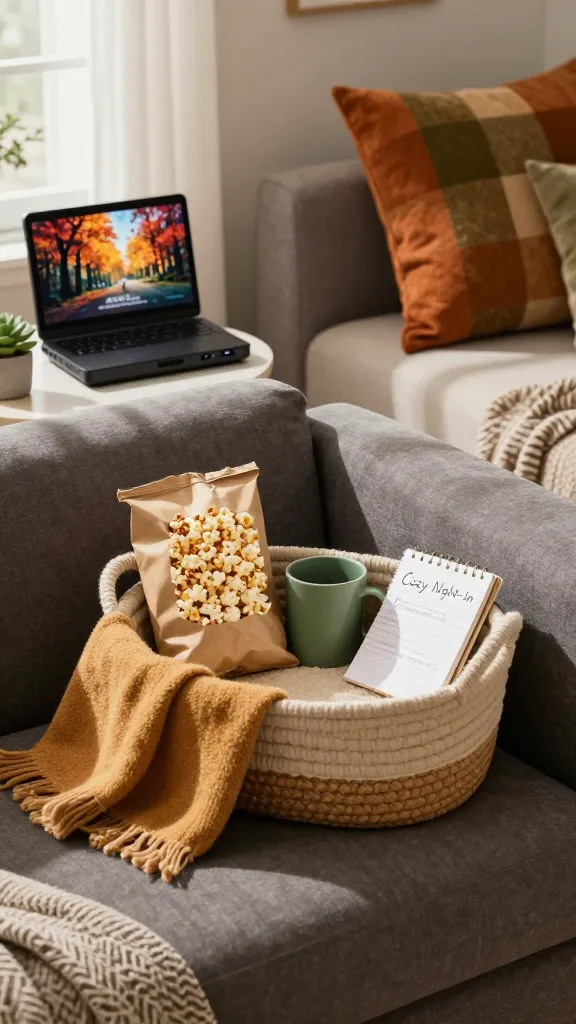
A. The Problem A gift meant to be comforting can feel indulgent if it requires too much setup or space.
B. Why It Happens People assume a “movie night” needs elaborate equipment, which isn’t always feasible in small homes.
C. The Fix A compact night-in kit: a popular fall movie, a bag of microwave popcorn, a small blanket, and a reusable mug or cup. Include a simple note with two movie-night ideas that pair with snacks.
D. How to Do It
- Pick a single, widely appealing fall film or a streaming card if you’re comfortable with a digital gift.
- Choose a warm throw and a compact mug for drinks and a bag of popcorn kernels or pre-popped bag.
- Pack everything in a cozy, easy-to-store basket that can live under a couch or beside a chair.
E. Real-Life Consideration In apartments, ensure the throw isn’t too large or heavy to store. Use a compact blanket that’s easy to fold and tuck away.
F. Common Mistake Choosing a bulky throw that makes the basket unwieldy and hard to store in a small closet.
G. Better Alternative Opt for a lightweight throw and a compact snack option that stays organized in a small storage bin.
16. Seasonal Home Maintenance Kit: Fall Upkeep in One Box
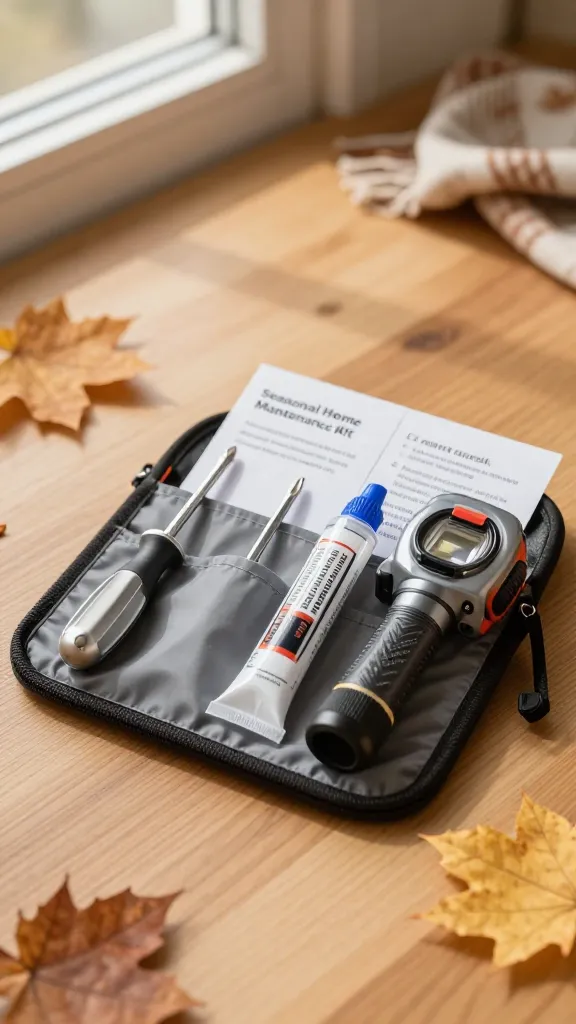
A. The Problem Home maintenance feels overwhelming during seasonal transitions, especially when rental restrictions limit alterations to space or hardware.
B. Why It Happens People assume home upkeep requires tools or permanent changes, which isn’t always feasible in apartments or rentals.
C. The Fix A compact maintenance kit: a small screwdriver set, a measuring tape, a tube of silicone sealant, and a flashlight. Include laminated quick-reference cards with 3 simple autumn upkeep tasks (seal gaps, check weather stripping, test smoke detector battery).
D. How to Do It
- Include a basic toolkit that’s easy to carry and store in a single drawer or tote.
- Provide 3 simple maintenance tasks with a one-page guide and a checklist to track completion.
E. Real-Life Consideration In rental homes, ensure you’re not altering walls or fixtures; focus on non-permanent tasks you can complete without tools beyond the kit.
F. Common Mistake Underestimating the importance of a simple, portable toolset and letting it languish in a closet.
G. Better Alternative Choose modular tools that double as a household set and fit within a small carry case for easy storage.
17. Healthy Fall Pantry Kit: Nutrition Without Clutter
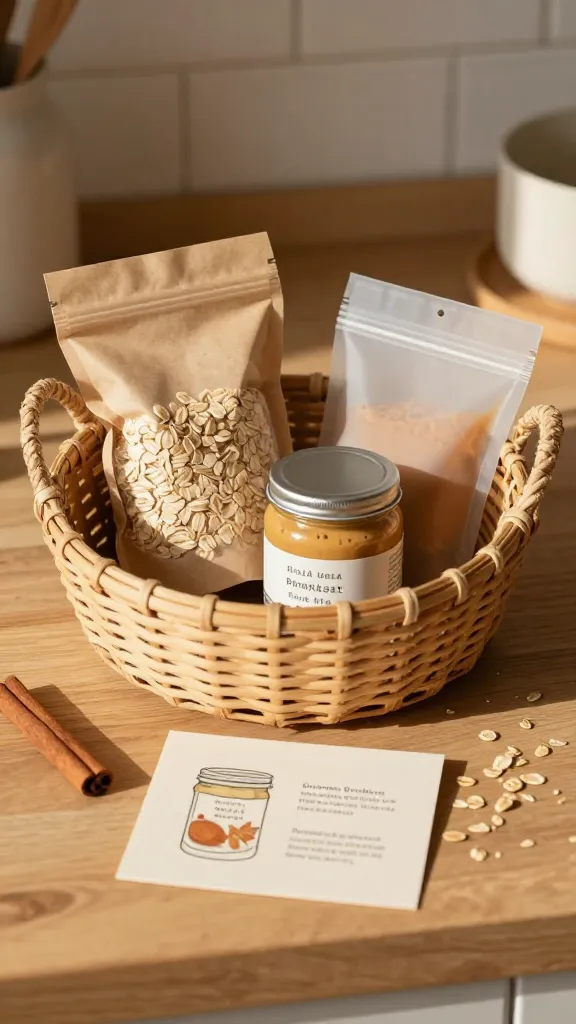
A. The Problem Health-forward gifts often rely on bulky, specialty items that don’t fit a small kitchen’s daily routine.
B. Why It Happens It’s tempting to offer “healthful” items that are indulgent yet impractical for everyday use.
C. The Fix A compact, nutrition-focused basket: a bag of instant oats or a small jar of nut butter, a spice mix for flavoring, and a small reusable snack bag. Include a simple card with 2 healthy recipe ideas that use the included items.
D. How to Do It
- Choose 2–3 practical, shelf-stable nutrition items with clear usage.
- Include a compact recipe card with 2 fall-friendly meals or snacks.
- Pack in a small, stackable container to fit on a shelf or inside a cabinet.
E. Real-Life Consideration For smaller homes, avoid bulky ingredients and emphasize multipurpose items that serve multiple meals.
F. Common Mistake Filling the basket with specialty products that require careful timing or preparation beyond a busy schedule.
G. Better Alternative Use pantry staples that are versatile, low-cost, and time-saving for quick autumn meals.
18. Local-Love Basket: Spotlight on Neighborhood Finds
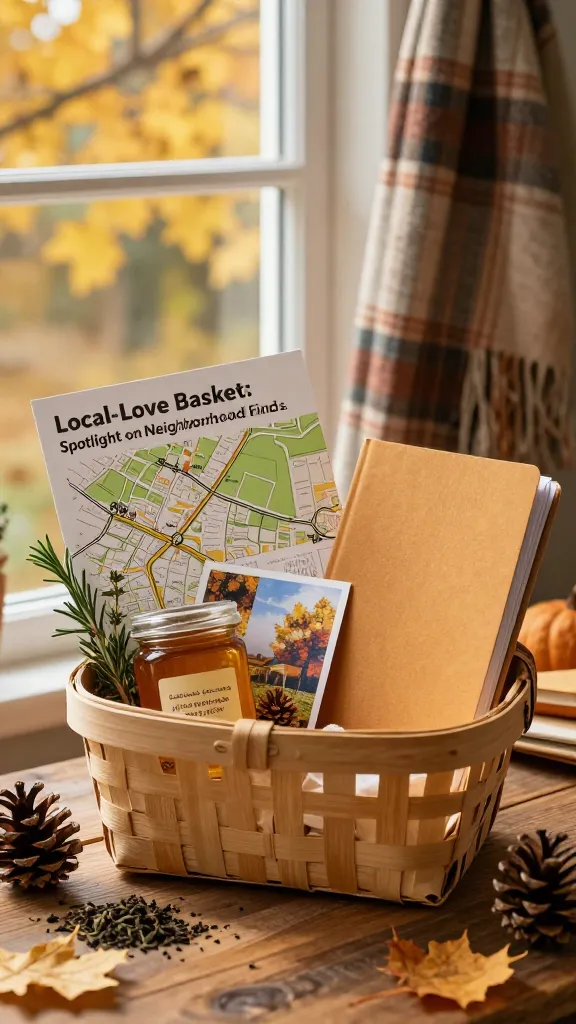
A. The Problem Gifts that feel generic overlook the idea of community and the seasonal rhythms of a neighborhood or city.
B. Why It Happens People think gifts must be universal, not tailored to the recipient’s area or tastes.
C. The Fix A compact basket featuring a small map of a local trail or park, a jar of locally produced honey or jam, a postcard from a local artist, and a small notebook for doodling or journaling about fall scenes.
D. How to Do It
- Source 1–2 items from local producers and a simple map or postcard that adds a personal touch.
- Include a small notebook for notes or memories tied to the area.
- Pack in a slim box that fits easily into a shelf or entry closet.
E. Real-Life Consideration In apartments or rentals, ensure you’re not attaching or marking city maps to walls; include a removable card holder to keep it non-permanent.
F. Common Mistake Selecting items that require long shipping times or fragile packaging that can break during transit.
G. Better Alternative Focus on durable, locally sourced items with simple packaging and a small, protective wrap for transport.
19. Kids’ Autumn Care Basket: Small-Toys, Big Comfort
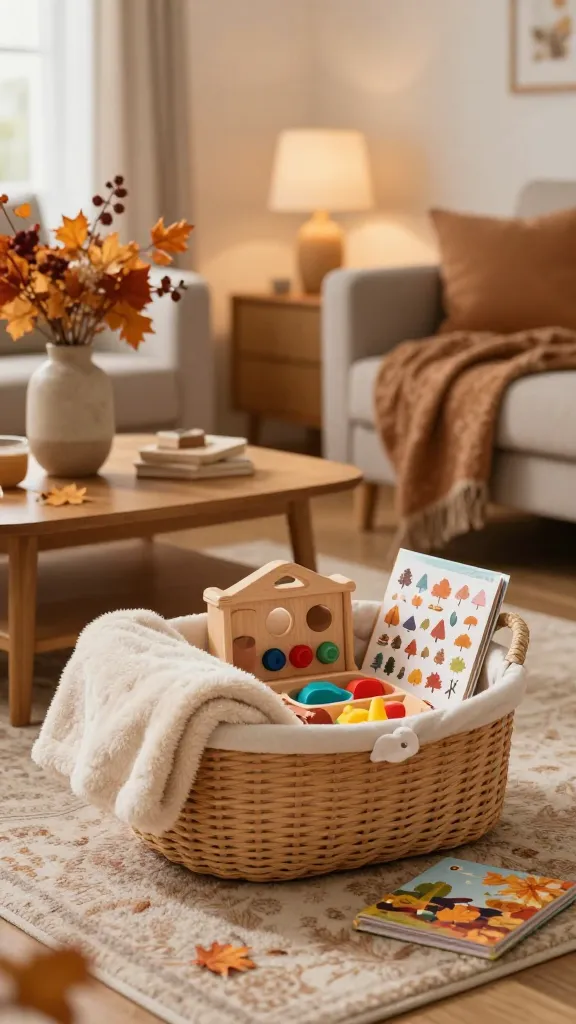
A. The Problem Gift baskets for families with children often become clutter or fail to acknowledge time-scarcity and safety concerns.
B. Why It Happens Overloading with small, easily misplaced pieces or fragile items that can break in a crowded household.
C. The Fix A compact kids’ autumn care kit: a small, soft blanket or read-aloud book, a durable pretend-play set (wood or silicone), and a pack of seasonal stickers. Include a simple note about a cozy story night or quiet play idea.
D. How to Do It
- Choose a soft, durable play item and a simple, non-breakable toy.
- Include a kid-friendly activity card: “Story time at 6 pm” or “Quiet-time stickers.”
- Pack in a shallow tote or small basket that fits on a shelf or in a toy area.
E. Real-Life Consideration For renters or small spaces, avoid large or heavy items and ensure all pieces are compliant with child-safety guidelines.
F. Common Mistake Selecting fragile items that can easily break or be misplaced in a busy household.
G. Better Alternative Choose durable, kid-safe items that support calm time and play without creating extra storage needs.
20. Seasonal Wardrobe Refresh Basket: Small Closet, Big Impact
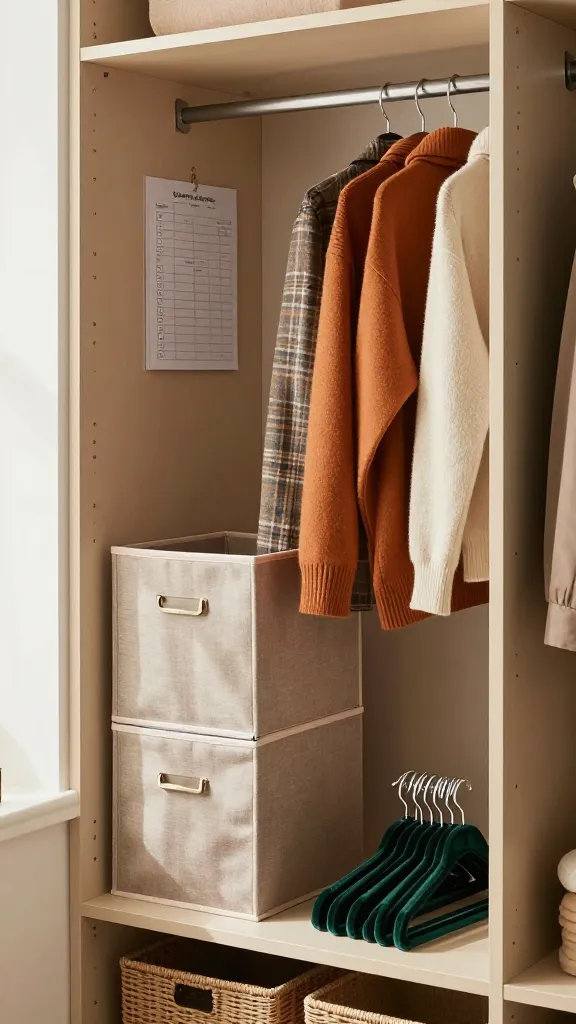
A. The Problem Wardrobe refreshes in fall can feel impractical in small closets where reorganizing feels like a major project.
B. Why It Happens People assume a wardrobe refresh requires a lot of space and permanent storage changes, which isn’t true for renters or small spaces.
C. The Fix A compact wardrobe refresh kit: slim fabric storage bins, a foldable divider set, and a pack of velvet hangers. Include a one-page plan for quick decluttering and seasonal swaps.
D. How to Do It
- Place two or three slim organizers on a shelf or in a narrow closet corner.
- Use a foldable divider to separate fall looks from others and a small card with a 15-minute weekly refresh routine.
E. Real-Life Consideration In apartments, avoid heavy, non-portable storage systems; use lightweight, collapsible organizers that can be tucked away when not in use.
F. Common Mistake Over-organizing with too many pieces, making the system hard to maintain.
G. Better Alternative Use minimal, high-utility organizers that can be rinsed or wiped down and easily stored with standard closet items.
21. Rental-Ready Decor Kit: Seasonal Style Without Tools
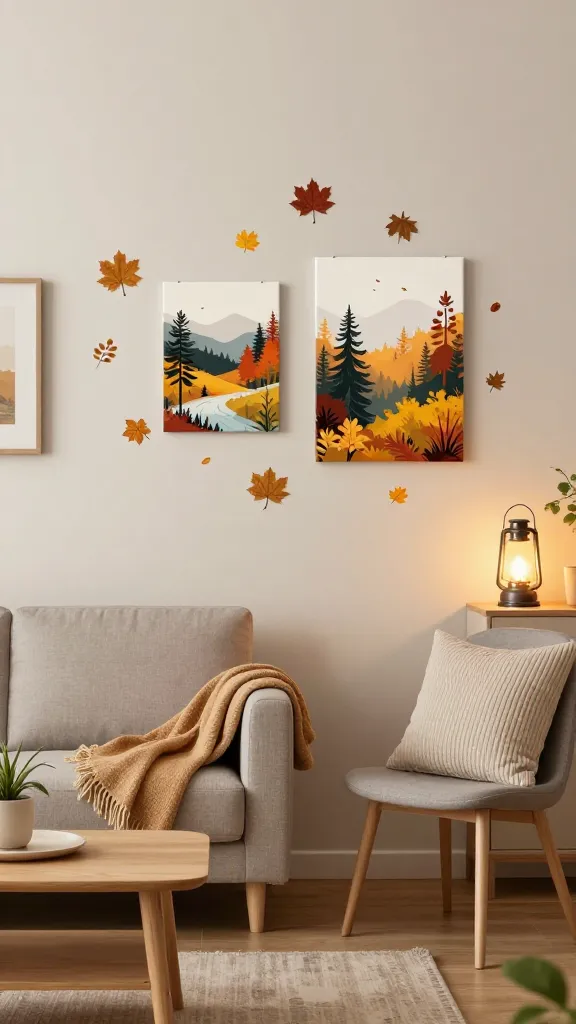
A. The Problem Seasonal decor can feel like a burden if it requires permanent mounting or damage-free options aren’t allowed in rentals.
B. Why It Happens People assume decorating requires nails, hooks, or heavy hardware, which isn’t feasible for many renters or small spaces.
C. The Fix A rental-friendly decor kit: a small set of removable wall decals or canvas prints, a battery-operated lantern, and a few seasonal textiles (small blanket, cushion cover). Include a set of hooks that don’t damage walls and a short guide on creating a seasonal vignette using furniture as focal points.
D. How to Do It
- Choose two lightweight, non-damaging decor elements (decals or prints) and one soft textile item for texture.
- Provide a tray or mini-dresser-top vignette idea with a simple arrangement plan.
E. Real-Life Consideration In small spaces and rentals, prioritize non-permanent options and items that can be easily stored away when not in use.
F. Common Mistake Forcing a large, heavy seasonal look that overwhelms a small home or violates rental restrictions.
G. Better Alternative Create a simple, repeatable seasonal arrangement using already existing furniture and easily removable pieces.
Before You Buy: A Quick Decision Guide for Gift Basket Materials
The most powerful part of this approach is not the items themselves but the decisions you make before choosing components. Use these rules to decide what to include and what to skip.
- Keep it lean. If you wouldn’t store it in a small cabinet for two months, rethink it. Prioritize items that earn utility every day, not just “nice to have.”
- Set a use-case. Each basket should solve a specific logistical problem (storage, clutter, hosting, daily routine, etc.). If an item doesn’t advance the solution, leave it out.
- Measure first. Always measure the space where the gift will live before buying a decorative basket. A basket that’s too tall or too wide can create more clutter than it solves.
- Reuseability matters. Favor items that can be repurposed after the gift is unwrapped—containers, fabrics, small tools, or durable goods with multiple uses.
Becoming a Practical Gift Giver: The 3-Step System
- Identify the recipient’s constraints. Space, budget, rental rules, and daily routines. Ask yourself, “What barrier will this basket actually remove in their day-to-day life?”
- Choose a unique, targeted problem to solve. Pick one problem per basket (not multiple). If you can’t name a problem, skip that basket.
- Test with one small change. Before you assemble a full kit, test a reduced version in your own space or with a friend. Will it fit on a shelf? Is it easy to use?
Conclusion
Autumn is a season of transition, not clutter. The twenty-one gift-basket ideas above are designed to be usable, space-conscious, and genuinely helpful—solving real problems in real homes. Rather than a generic collection of pretty items, each basket targets a specific pain point: storage, daily routines, hosting, or the need for warmth with minimal fuss. Use the decision rules and space-minded tips to tailor a set of baskets that fits your budget and the recipient’s life. Start with one basket, measure a realistic space, and make it easy to store or reuse. Your bookmarks will thank you when fall hosting and gifting become effortless, thoughtful, and incredibly practical.
Frequently Asked Questions
What’s the best way to transport a gift basket without damaging delicate items?
Choose compact, non-breakable components and place fragile items in protective packaging or wrap them in tissue within a sturdy, low-profile container. Use a reusable tote or a plain box with a soft layer at the bottom to cushion items during transport.
How do I avoid overbuying when creating multiple baskets?
Set a per-basket limit of 4–6 items. Focus on multipurpose items and small, reusable containers. Use a single neutral color palette to reduce the need for multiple decorative pieces.
What should I do if the recipient has strict rental restrictions?
Stick to non-permanent options: removable decals, fabric textures, lightweight textiles, and items that don’t require mounting or tools. Include a note that the items are easy to remove and won’t affect a security deposit if left untouched.
How can I personalize baskets without increasing clutter?
Include a handwritten note that references a shared memory or favorite fall routine. Use a small, durable keepsake (a photo card or a printed memory) tucked into the packaging, rather than adding more items that could be stored separately.
When should I skip a basket and give a different kind of gift?
If the recipient’s space is extremely limited or they routinely express a desire to minimize possessions, consider giving a non-physical gift (like a digital subscription) or a donation in their name. Use a simple note card to convey the sentiment in place of a physical item.