
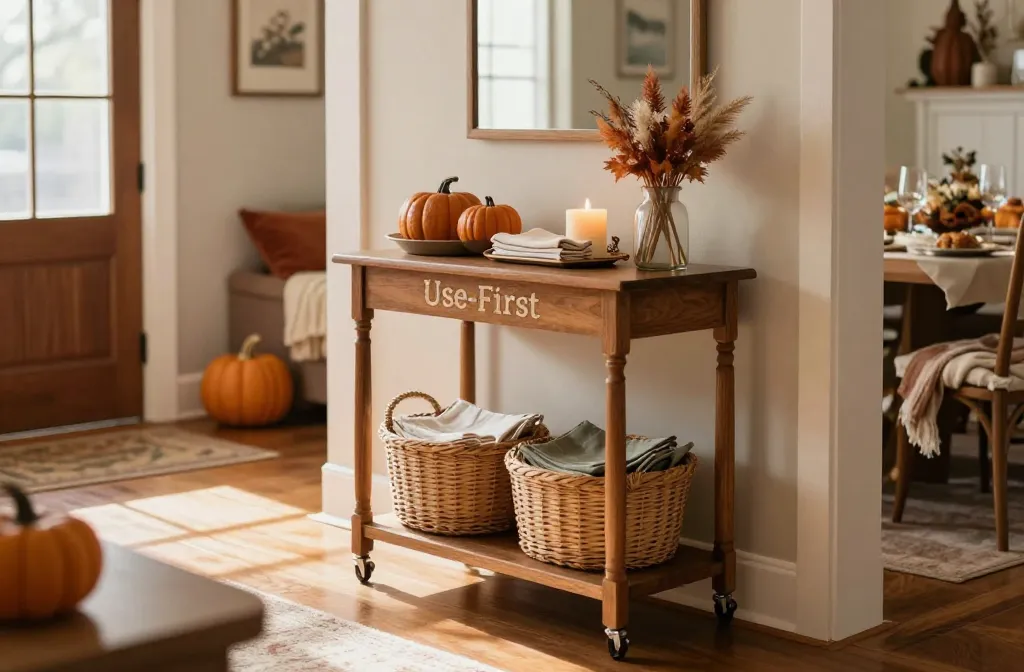
When the living room is crowded with coats, backpacks, and a half-assembled tablescape, Thanksgiving can feel more like a to-do list than a cozy gathering. The problem isn’t generosity or good intentions—it’s how real homes actually work: small spaces, rental restrictions, busy calendars, and limited storage all conspire to make “cozy” feel out of reach. This article cuts through the noise with 20 distinct, actionable solutions—each addressing a specific problem most households face—and shows you exactly how to implement them without breaking the budget, rearranging your entire home, or buying a suitcase full of organizers. Think of this as a practical playbook for creating warmth that lasts from the moment guests arrive to the last slice of pie.
1. Create a “Use-First” Zone for Thanksgiving Essentials
A. The Problem
Rarely-used serving spoons, seasonal napkins, and the extra candles you keep “for guests” get buried in drawers or clutter surfaces, making it hard to actually access what you need during busy hosting moments.
B. Why It Happens
Over time, small, out-of-the-way items accumulate because they’re not used daily and there’s no designated, visible home. When something has a home that’s easy to forget, it stays forgotten.
C. The Fix
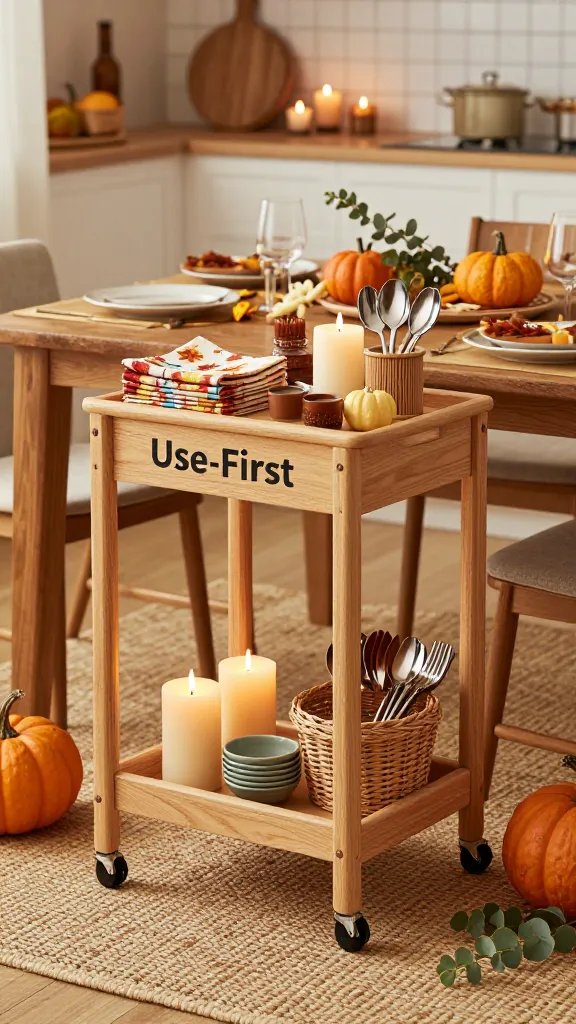
Designate a single, small cart, tray, or shallow shelf near the entry or kitchen to hold holiday-ready items: napkins, disposable or reusable cutlery, extra candles, a few coordinating placemats, and your go-to serving tools. Make it replenishable and visible, not tucked away.
D. How to Do It
– Choose a compact, sturdy surface (a slim rolling cart, a metal tray on a console, or a fold-out shelf).
– Place a small bin or basket for napkins and utensils.
– Add 2-3 fall-scented or neutral candles and 1-2 seasonal table runners.
– Put a quick-reference clip with the guest seating plan and any special dietary notes for easy access.
– Label the items with a simple tape-and-marker tag so everyone knows where to return things.
E. Real-Life Consideration
– Small spaces: Use wall-mounted shelves or a slim cart that can slide behind a door.
– Apartments: Choose a multi-tiered stand that fits on a kitchen island or dining area corner.
– Renters: Avoid nails; use removable adhesive hooks for the cart and keep everything on top of the cart, not on walls.
– Budget: A small adjustable metal cart can double as a beverage station the rest of the year.
F. Common Mistake
Overloading the zone with decorative items that aren’t actually used, making the area feel cluttered rather than useful.
G. Better Alternative
Limit the zone to 1 functional container per item (napkins, utensils, candles) and a short, clearly marked list of what’s inside.
Related Posts:




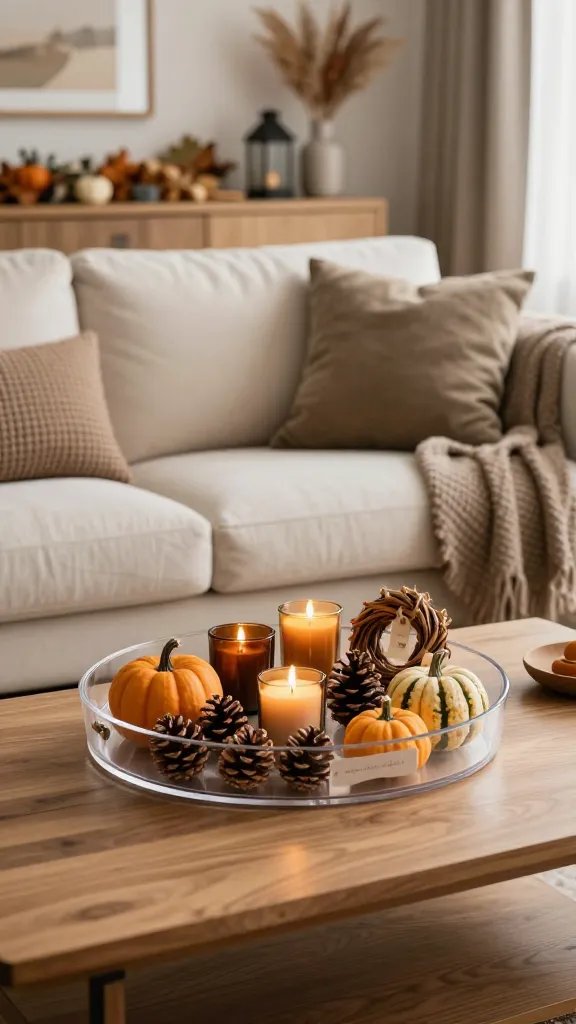
2. Stop “Hidden Clutter In Plain Sight” with a Visible Rotation Tray
A. The Problem
You know you own fall décor, but it’s scattered in bins. Every year you waste time digging for the right pieces and end up with mismatched accents that don’t feel cohesive.
B. Why It Happens
Decor pieces are often stored away in hard-to-reach places or mixed with everyday items, so the season’s vibe is never cohesive when guests walk in.
C. The Fix
Use a shallow, transparent tray or a portable, labeled tote that sits on a shelf or under a sofa. This is where you group the seasonal pieces you regularly rotate—centerpiece items, a few candles, a small garland, and a seasonal textile. When Thanksgiving is over, you swap in February’s items and keep the rotation going.
D. How to Do It
– Pick a clear, shallow tray (or a slim tote) with a lid or a shallow bin.
– Add 2-3 décor items (one garland, one centerpiece piece, one set of candles), plus a seasonal textile.
– Add a simple card with “Seasonal Rotation” instructions (e.g., wrap centerpiece after 2 weeks, swap pillows every 4).
– Place the tray in a high-visibility spot where you’ll notice it when cleaning or dusting.
E. Real-Life Consideration
– Small spaces: Keep the tray near the dining area but not where it blocks foot traffic.
– Apartments: A tray can double as a coffee-table décor piece for everyday use.
– Renters: Use removable organizers to avoid wall-mounted fixtures.
– Budget: Use a previous year’s unused candle jars or glassware as part of the tray to avoid buying new items.
F. Common Mistake
Overstuffing the tray with every fall trinket you own—making the space feel busy rather than curated.
G. Better Alternative
Rotate 3–4 items maximum per season to maintain a clean, intentional look.
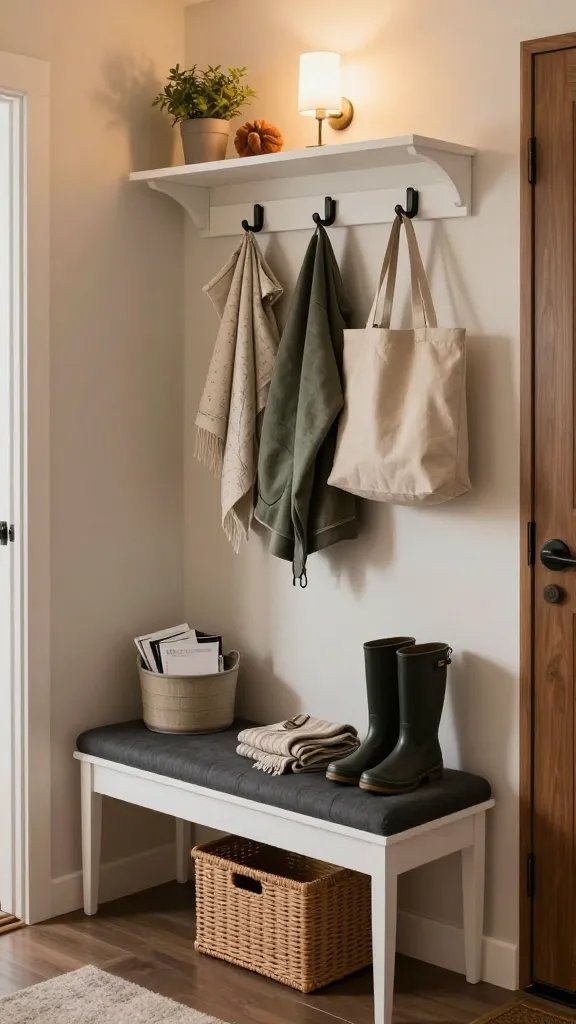
3. Frame the Welcome with a Cozy Entry Zone
A. The Problem
The entryway is a magnet for clutter: backpacks, mail, reusable grocery bags, and the day’s “things to remember”—and there’s no designated place for them.
B. Why It Happens
The door is a natural boundary; without a defined spot for incoming items, everyone drops them wherever they land.
C. The Fix
Create a compact, functional entry area: a slim console or wall-mounted shelf, a small bench for seating, a hook line, and a catch-all basket for mail and keys. Keep a seasonal touch with a small pumpkin or a neutral welcome sign that’s easy to switch to neutral after Thanksgiving.
D. How to Do It
– Install a 3-hook rail or use over-the-door hooks for coats and bags.
– Place a shallow tray for keys and mail on the console.
– Add a small bench or stool with a hidden storage compartment for scarves or gloves.
– Put a single seasonal element (a small pumpkin, a lantern) that you can easily remove after Thanksgiving.
– Create a habit: every night, 2 minutes to return items to their home.
E. Real-Life Consideration
– Small spaces: A wall-mounted shelf with a low-profile bench keeps the floor clear.
– Apartments: Use over-the-door hooks and a slim bench with a top surface for decor that doesn’t obstruct traffic.
– Renters: Portable, adhesive hooks and a lightweight bench you can move seasonally.
– Budget: Use a reclaimed crate as a bench with a cushion you already own.
F. Common Mistake
Adding a decorative tray or sign that isn’t actually used by the household daily—creating another item to manage rather than solve a problem.
G. Better Alternative
Choose durable, neutral pieces and ensure every item has a daily-use role (keys, mail, bags, or seating). The goal is a small, predictable system that reduces friction during busy mornings.
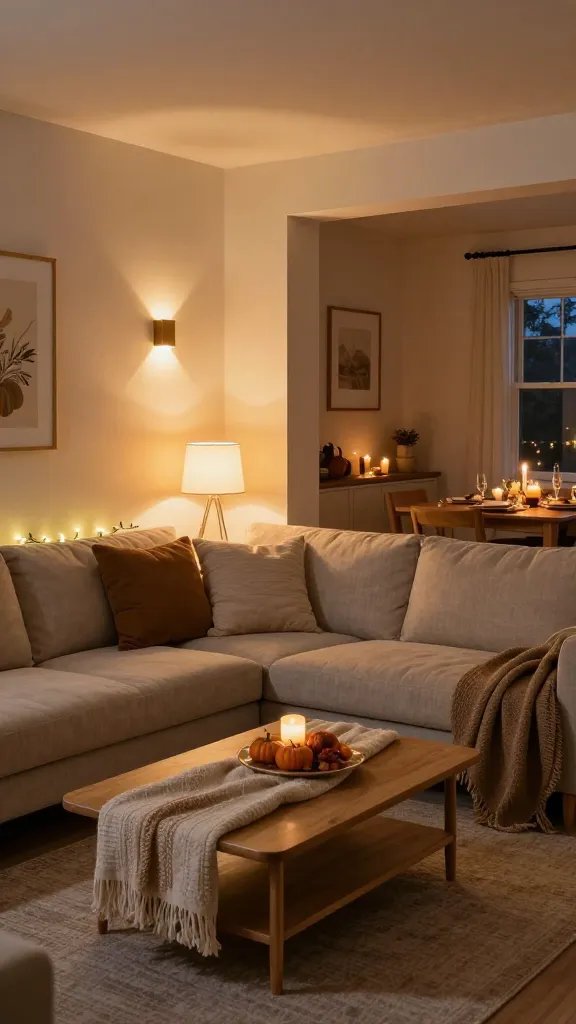
4. Add Warm Lighting Without a Big Electrical Project
A. The Problem
Thanksgiving often requires extra light at the table and in living areas, but adding lamps or new fixtures in rental homes or small spaces can feel invasive or out of budget.
B. Why It Happens
Lighting is decisive for mood, yet people often rely on harsh overheads and forget about layered lighting that creates warmth and flexibility.
C. The Fix
Create a layered lighting plan using existing fixtures supplemented by portable, low-cost options: plug-in sconces or battery-operated LED candles and string lights that can be draped around entryways or the dining area without permanent installation.
D. How to Do It
– Place one warm-toned table lamp or a corner lamp near the dining or living area.
– Add 2–3 battery-operated LED candles in glass votives on the dining table or mantle.
– Use a 10–15 ft strand of warm white string lights along a doorway or behind a mirror to soften the space.
– Keep lighting adjustable with dimmers or multiple switches for mood control.
E. Real-Life Consideration
– Small spaces: Use one multi-arm lamp that can cast light in both seating and dining zones.
– Apartments: Battery candles avoid tripping hazards and don’t require wiring.
– Renters: Use plug-in options rather than hard-wiring.
– Budget: Look for discounted LED candles and secondhand string lights that work well.
F. Common Mistake
Overly bright overhead lighting that drains warmth or multiple competing light sources across rooms that create visual chaos.
G. Better Alternative
Three layers of light (ambient from lamps, task from one well-placed lamp, accent from candles or fairy lights) create a warm, controllable atmosphere without clutter.
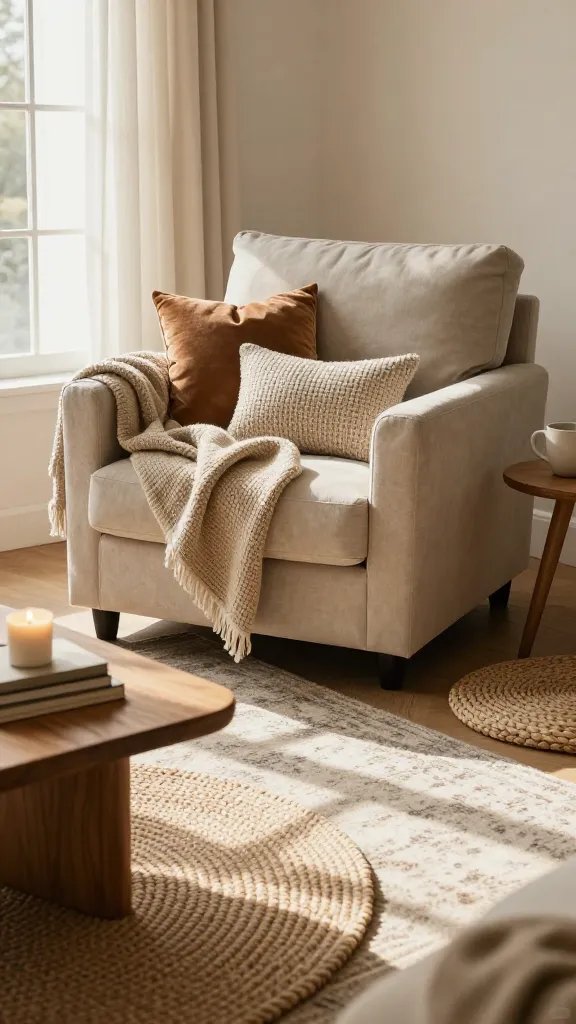
5. Cozy Textiles That Multiply Comfort Without Swapping Everything
A. The Problem
Chilly floors, stiff chairs, and cold evenings make the room feel uninviting, yet replacing furniture or upholstery isn’t always possible.
B. Why It Happens
Textiles are low-effort, high-impact but often overlooked because they’re “seasonal” or appear inexpensive, leading to postponement or neglect.
C. The Fix
Introduce 2–3 textile layers that can be added or removed as needed: a warm blanket, a couple of throw pillows in complementary textures, and a soft rug or a folded, thick underlay for cold floors near seating.
D. How to Do It
– Choose a neutral color palette with one accent hue that ties into your Thanksgiving decor.
– Pick a plush faux-fur, chunky knit, or woven textile for the blanket and pillows.
– Place the rug in a high-traffic area where guests will gather, like the living room near the sofa or under the coffee table.
– Use a low-pile, easy-care rug that can be vacuumed or shaken out between uses.
E. Real-Life Consideration
– Small spaces: A single, well-sized rug under the coffee table can anchor the room without crowding.
– Apartments: Throw blankets can be stored in a decorative basket when not in use.
– Renters: Choose textiles that don’t require professional cleaning and won’t leave marks on walls.
– Budget: Use existing pillows and add a new cover in fall tones rather than buying new pillows altogether.
F. Common Mistake
Mixing too many patterns without a unifying color or texture, which creates visual chaos rather than warmth.
G. Better Alternative
Limit to two textures (e.g., boucle and faux fur) and two colors for a cohesive, inviting look.
6. A Friendly Table Setting That Feels Special without Complicating Cleanup
A. The Problem
Table decor that looks nice on social feeds but makes dinnertime feel like a project: too many place cards, fragile items, or elaborate centerpieces that block conversation or require careful handling.
B. Why It Happens
Hosting pressure and seasonal inspiration often lead to over-accessorizing around the main seating area.
C. The Fix
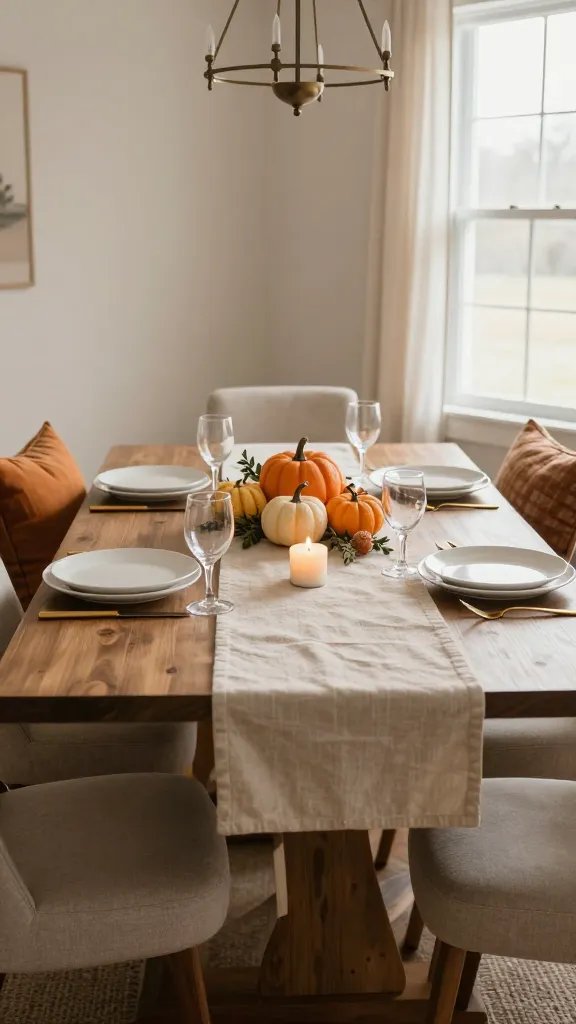
Adopt a practical, low-maintenance tablescape: a single runner, a compact centerpiece (like a cluster of small pumpkins or a low floral arrangement in a wide, shallow vase), and a few sturdy place mats or napkins you can reuse after Thanksgiving.
D. How to Do It
– Use a 12″–14″ low centerpiece so guests can see each other across the table.
– Choose washable placemats that coordinate with your color scheme and avoid fragile centerpieces.
– Pick glassware that’s easy to handle; keep a spare set for quick replacement if needed.
– Use a simple rule: more warmth, less height; the higher the centerpiece, the more it blocks conversation.
E. Real-Life Consideration
– Small spaces: A low, wide centerpiece that sits flush with the table surface works best.
– Apartments: Reuse everyday chargers and plates with seasonal cloth napkins to reduce cost.
– Renters: Avoid nails or heavy centerpieces; use table-safe florals that rest on a placemat.
– Budget: Borrow seasonal decorations from a friend or family member to avoid buying new items.
F. Common Mistake
Relying on a heavy, fragile centerpiece that becomes a hazard during serving or kids’ times at the table.
G. Better Alternative
A flat, sturdy centerpiece with a soft scent (candle or essential oil in a safe dish) plus a practical runner that wipes clean.
7. Kitchen-to-Dining Flow: Make the Transition Seamless
A. The Problem
Serving food and passing platters between the kitchen and dining area becomes chaotic in a small or awkward-layout space.
B. Why It Happens
No clear workflow: hot dishes need to stay warm, dishes need to travel quickly, and multiple people serve at once without bumping into furniture.
C. The Fix
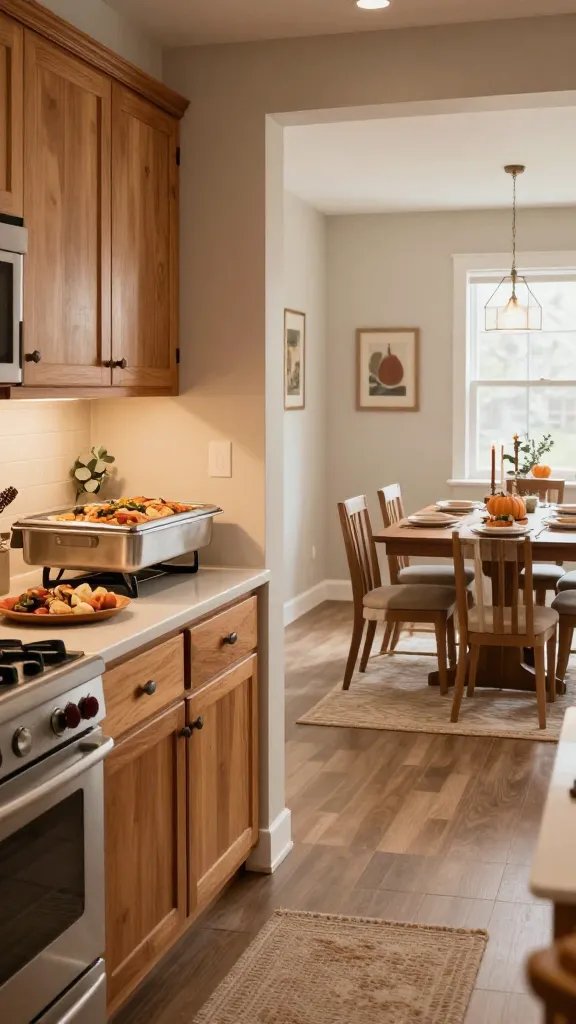
Set a simple, two-zone flow: a food staging area in or near the kitchen, and a “serve here” zone at the edge of the dining table with a minimal, easy path between them.
D. How to Do It
– Use a small cart or portable tray as the food staging area.
– Place a designated hot plate or insulated dish on the stovetop or a heat-safe mat in the kitchen to keep servings warm.
– Clear a path by rearranging any unnecessary furniture or cords that may block movement.
– Use serving utensils that are easy to reach and align with the zone’s organization.
– Keep a napkin stand and a small waste bin near the dining area for quick cleanups.
E. Real-Life Consideration
– Small spaces: Compact dining carts work as both staging and serving surfaces.
– Apartments: Use a portable side table on wheels for fluid movement.
– Renters: Move furniture during holidays if allowed, or place staging on a sturdy tray that can be wheeled out.
– Budget: Repurpose a rolling kitchen cart you already own.
F. Common Mistake
Overextending the serving area with too many utensils or stacking hot dishes in a crowded space, causing delays and risk of spills.
G. Better Alternative
A clearly defined, minimal serving zone with a single path for moving dishes from the stove to the table, reducing trips and keeping the area organized.
8. Seasonal Storage Without a Big Closet: When You Don’t Have Dedicated Space
A. The Problem
Thanksgiving accents, extra candles, seasonal linens, and extra cookware can overwhelm limited storage in rental homes or small apartments.
B. Why It Happens
Seasonal items aren’t used weekly, so they accumulate in the easiest-to-reach spots, often taking up living space or closet space that’s badly needed for daily use.
C. The Fix
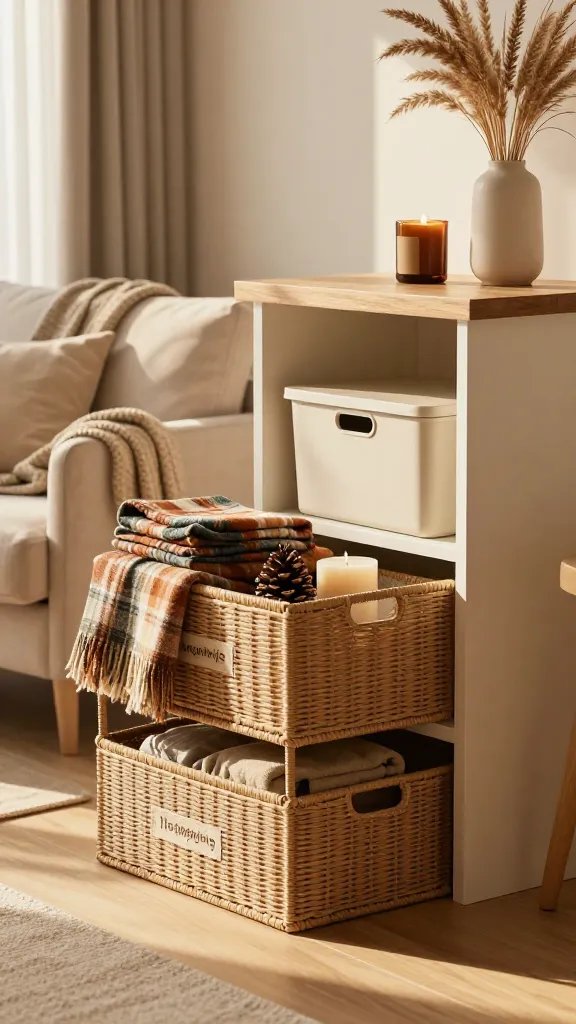
Adopt a compact, rotation-based storage strategy: keep a single, small storage bin for seasonal items that you’ll actually use in the next season, and store it in the highest, least-used shelf or under a bed if possible.
D. How to Do It
– Inventory the items you’ll use this season (table runner, napkins, a few decorative accents, multi-use candles).
– Choose a shallow, stackable bin with a clear label.
– Place the bin in a low-traffic area (closet or under-bed storage).
– Schedule a quarterly or seasonal rotation check to remove items you didn’t use and refresh what’s inside.
E. Real-Life Consideration
– Small spaces: Use under-bed storage or a slim plastic bin on the top shelf of a closet.
– Apartments: Consider a collapsible storage box that can be stored flat when not in use.
– Renters: Make sure any storage solution doesn’t require permanent installation.
– Budget: Reuse boxes and wrap to create a “seasonal look” without purchasing new containers.
F. Common Mistake
Overstuffing one bin with everything that’s seasonal, which makes retrieval harder and increases the chance of losing items.
G. Better Alternative
Create two mini-bins per season: one for what you’ll actually use that season, and one for items you’ll donate or discard after the season ends.
9. A Quiet, Effective Fragrance Strategy
A. The Problem
A strong, artificial scent can feel overwhelming or fake, while a mild aroma can be unnoticed entirely—leaving a space feeling clinical rather than cozy.
B. Why It Happens
People often rely on overpowering candles or plug-ins in search of warmth, but scent is highly personal and can trigger sensitivities in guests.
C. The Fix
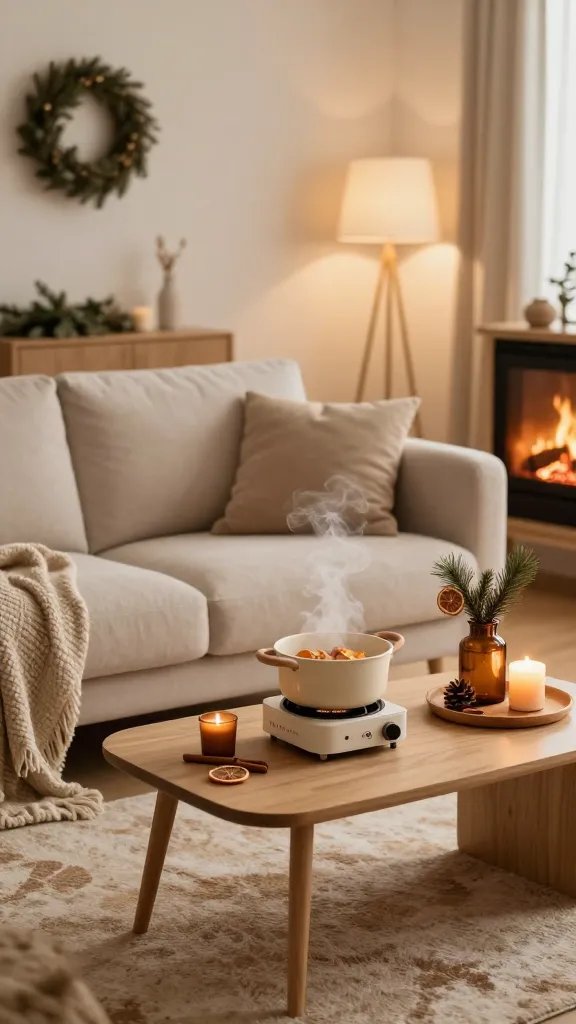
Use a light, natural fragrance approach that’s easy to reset: a few unscented candles in warm tones, a simmer pot with orange peels and cinnamon that you can unplug after a few hours, and a small essential-oil diffuser with a neutral scent like vanilla or clove.
D. How to Do It
– Place 1–2 neutral-scented candles in safe holders on a warm, heat-resistant surface.
– Simmer a pot of citrus peels and cinnamon on the stove for an hour before guests arrive, then turn off.
– Put a small diffuser in the living room with 2–3 drops of a soft, universally appealing scent.
– Keep windows lightly open if possible for 5–10 minutes before guests arrive to refresh the air.
E. Real-Life Consideration
– Small spaces: Avoid multiple strong scent sources; keep to one diffuser and a candle.
– Apartments: Use plug-in diffusers with a timer.
– Renters: Ensure no open flame near fabrics; prioritize diffusers and simmer pots or essential-oil options.
– Budget: Use items you already own and a single, quality diffuser.
F. Common Mistake
Using overpowering fans or strong chemicals to push scent, which can irritate guests or mask other aromas.
G. Better Alternative
A cohesive scent profile with 2–3 gentle sources that can be introduced and removed quickly, maintaining balance rather than overwhelm.
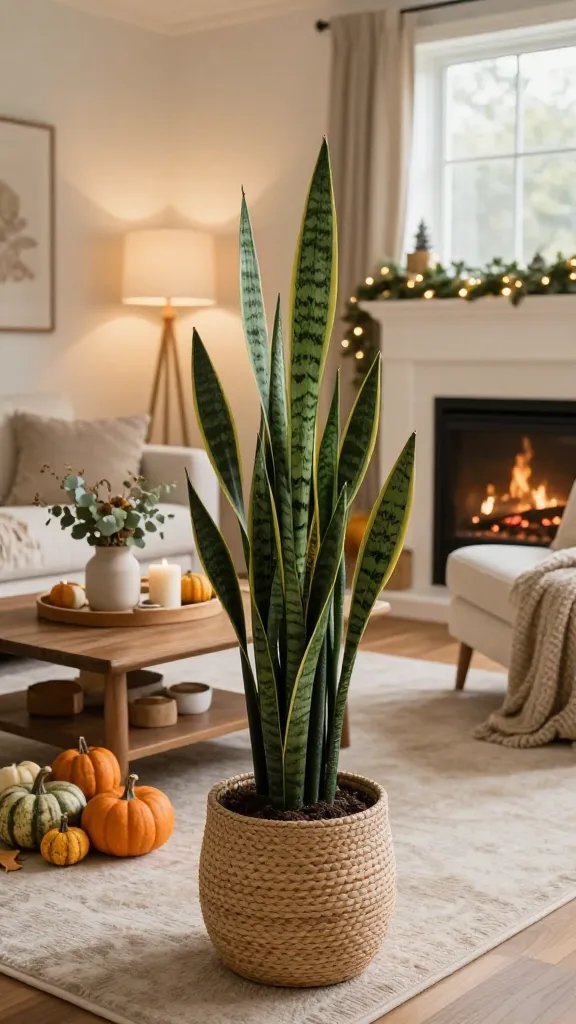
10. Practical Plant Touches for Instant Warmth
A. The Problem
Plants are a breath of fresh air, but they can feel out of place or fragile in a Thanksgiving setup, especially if you’re juggling multiple tasks or have pets/kids.
B. Why It Happens
Live plants require care and space, and seasonal botanicals can shift the look of the room dramatically, which isn’t always desirable when you’re hosting.
C. The Fix
Integrate 1–2 hardy, low-maintenance greenery pieces that thrive in indoor light and require minimal care. Choose plants with natural warmth in color or texture to complement fall hues.
D. How to Do It
– Pick a low-maintenance plant (such as pothos, snake plant, or ZZ plant) or a small seasonal bouquet with muted tones.
– Place the plant on a shelf, console, or dining table where it won’t be knocked over easily.
– If dealing with pets, secure plants out of reach or choose artificial options that still look realistic from a distance.
– Rotate the plant once a week to keep tips from browning or stagnating.
E. Real-Life Consideration
– Small spaces: Use a compact plant on a windowsill or a tiny plant stand.
– Apartments: One well-placed plant can anchor a corner without crowding seating.
– Renters: Choose clip-on planters or hanging plants that don’t require wall support.
– Budget: Use plants you already own or swap with a neighbor to avoid new purchases.
F. Common Mistake
Overwatering or placing moisture-loving plants in dim corners, leading to brown tips and wasted care time.
G. Better Alternative
Select a plant that thrives in your lighting conditions and require minimal maintenance; a single, well-placed plant beats a cluster of fragile decor items.
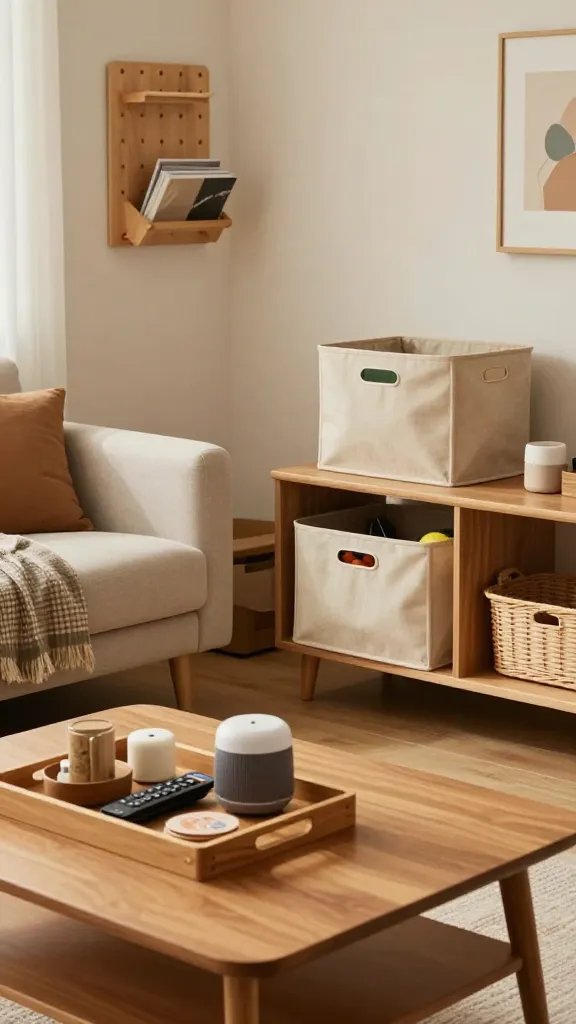
11. Quick-Win Storage Tweaks to Open Space
A. The Problem
Clutter in living areas reduces the sense of coziness and makes holiday prep feel heavier than necessary.
B. Why It Happens
Durable enough to store items, but not always functional: boxes that are too deep, bins that are hard to access, or shelving that doesn’t fit your use pattern.
C. The Fix
Reorganize with quick, high-impact tweaks: replace a deep box with a shallow tray for essential items, and create 1–2 clearly labeled, moveable bins for seasonal items that you can access without moving 5 things.
D. How to Do It
– Remove one deep box from a busy area and replace it with a shallow tray for frequently-used items.
– Label each bin with its contents and access level (daily, weekly, seasonal).
– Place the bins in a visible, easy-to-reach spot, ideally near the area where you prepare food or gather guests.
– Set a 2-minute monthly check-in to ensure nothing is out of place.
E. Real-Life Consideration
– Small spaces: Use wall-mounted shelves to avoid floor space usage.
– Apartments: Choose stackable bins that can be kept under a sofa or bed.
– Renters: Avoid any permanent shelving; rely on freestanding options and adhesive solutions.
– Budget: Use shoe-box-sized bins you already own and label with tape and a marker.
F. Common Mistake
Picking bulky, expensive storage solutions that end up not fitting the space or not being used after Thanksgiving.
G. Better Alternative
Functional, portable storage that you can reuse in other rooms and seasons, with a consistent labeling system.
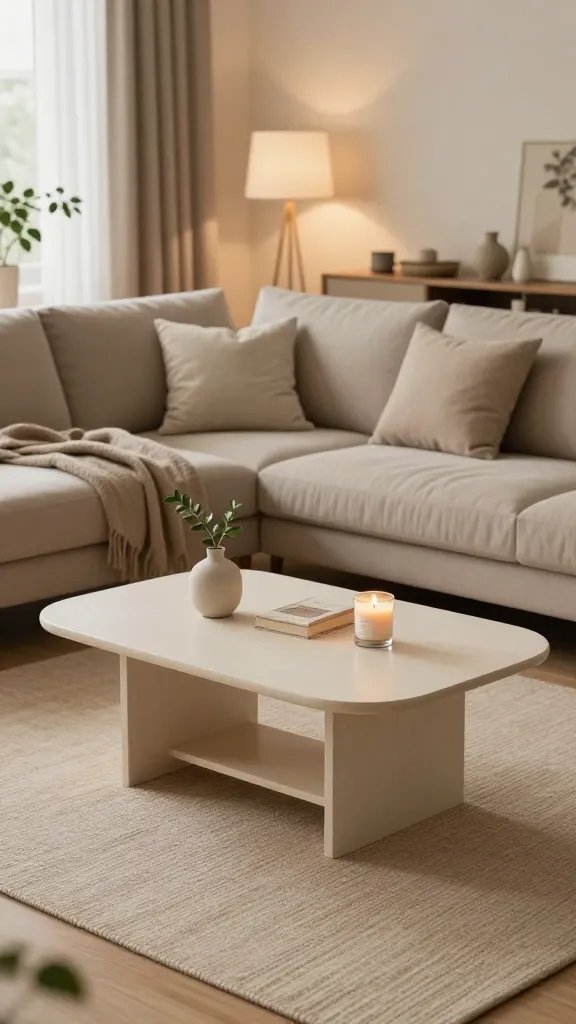
12. The “One-Surface Rule” for a Cleaner, Cozier Room
A. The Problem
A tabletop that’s piling up with mail, remotes, kids’ toys, and gadgets, making the room feel less like a sanctuary and more like a catch-all.
B. Why It Happens
When surfaces have no designated home, everything migrates there—leading to visual clutter that dispels the cozy mood you want.
C. The Fix
Adopt a “one-surface rule”: designate one main surface (a coffee table or console) as the only place for non-essential items. Everything else needs a home or be stored away during the holiday season.
D. How to Do It
– Choose a surface that’s easy to clear (ideally near seating).
– Use a tray as a catch-all for remotes, glasses, and coasters.
– Remove non-essential items from that surface and store them in labeled bins.
– Do a 60-second nightly reset: clear the surface, return items to their homes, replace the tray as needed.
E. Real-Life Consideration
– Small spaces: A narrow coffee table or a slim console can act as the single surface.
– Apartments: A 12″ tray on a side table can hold essentials without occupying much space.
– Renters: Keep the surface free and use a small storage basket under the table for items that don’t have a current home.
– Budget: Use items you already own to create the tray and minimize new purchases.
F. Common Mistake
Using a decorative tray without intent, turning it into a display rather than a functional hub.
G. Better Alternative
A functional tray that intentionally holds items you reach regularly and is easy to reset daily.
13. Seasonal Color Harmony Without a Full Makeover

A. The Problem
You want a Thanksgiving color palette, but painting walls or buying new furniture isn’t feasible, especially in a rental or a budget-friendly home.
B. Why It Happens
People often think color changes require big decisions or new furniture, which isn’t always practical.
C. The Fix
Incorporate color through small, reversible changes: textiles, dishware, and accents that tie the room together without altering the core structure of the space.
D. How to Do It
– Choose a palette with 2–3 colors (e.g., warm taupe, soft cream, and a pop of amber).
– Use napkins, table runners, and cushions in those tones.
– Add small decor pieces in amber or sage that echo the color palette.
– Keep larger items the same color to maintain balance and avoid overwhelming the room.
E. Real-Life Consideration
– Small spaces: Focus on textiles and small accessories rather than large furniture changes.
– Apartments: Use removable décor that can be swapped out for the rest of the year.
– Renters: Avoid wall paint; stick to color through textiles and accessories.
– Budget: Reuse existing textiles and surface decor you already own; borrow from friends if helpful.
F. Common Mistake
Overloading the color palette with too many tones, which creates a busy look rather than cohesive warmth.
G. Better Alternative
Limit the color to three tones and let texture do most of the work to create warmth with minimal changes.
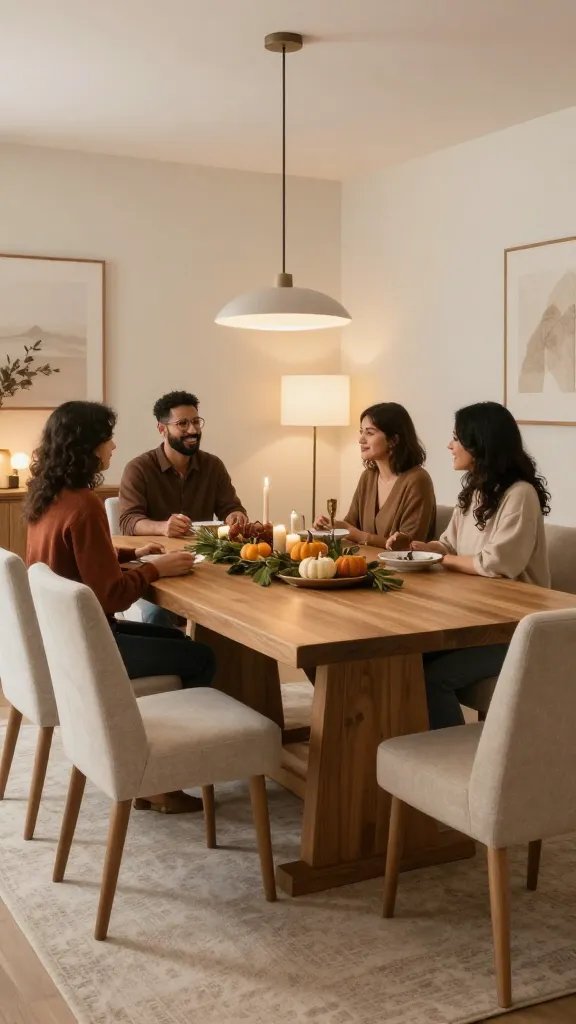
14. The “All Eyes on the Table” Strategy: Make the Dining Experience Feel Special Without Overdoing It
A. The Problem
Thanksgiving is about shared meals, but when the table is crowded with decor or the seating is cramped, conversation and comfort suffer.
B. Why It Happens
People equate more decor with a better experience, but a crowded table reduces conversation and makes the room feel smaller.
C. The Fix
Prioritize people over decor: ensure at least 24 inches of pedestal seating along the table and keep centerpieces low and compact so conversation isn’t blocked.
D. How to Do It
– Ensure seating space with clear legroom and a comfortable distance between chairs.
– Use a low centerpiece (no taller than 6 inches) or a central cluster that sits below eye level.
– Keep place settings simple and uniform to reduce clutter on the table.
– Place an easy-to-reach utensil and napkin station on a nearby sideboard or counter, not on the table itself.
E. Real-Life Consideration
– Small spaces: Use a narrow, runners-length centerpiece or a single row of tealight candles along the center.
– Apartments: The dining table acts as the main surface; keep decoration minimal and functional.
– Renters: Choose light, compact centerpieces that won’t permanently alter the space.
– Budget: Borrow or reuse glassware and tableware you already own; use a single runner and one simple centerpiece.
F. Common Mistake
Lengthy, tall centerpieces that block conversation and create clutter on the table surface.
G. Better Alternative
A low, cohesive centerpiece with built-in height below eye level and a simple, functional place setting that feels festive but practical.
15. Clutter-Free Kitchen Surface Reference for Thanksgiving Cooking
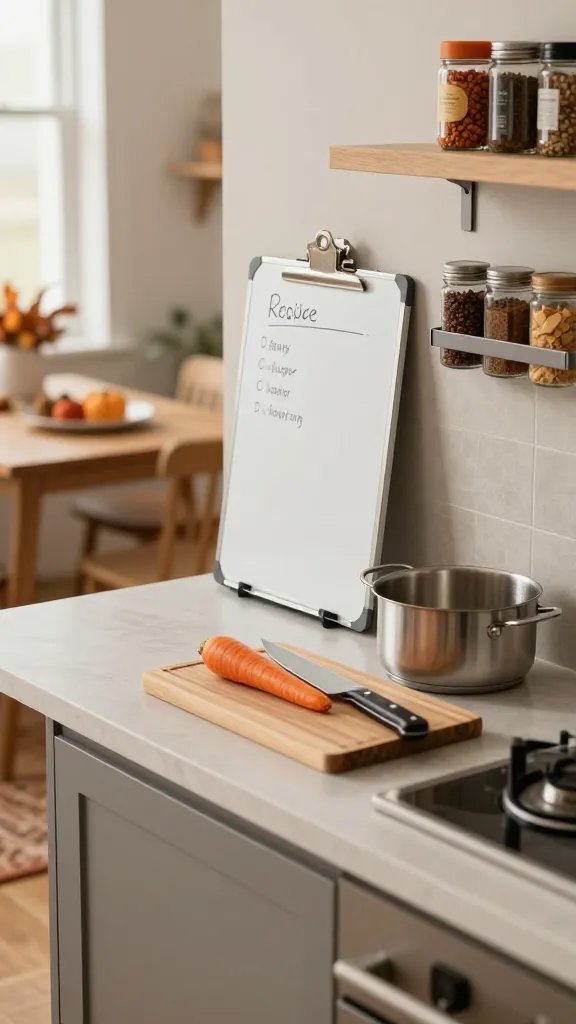
A. The Problem
The kitchen counter becomes a staging area for groceries, recipe sheets, and cookware you’ll forget to return to storage until after the holiday rush.
B. Why It Happens
When cooking, counters naturally collect items that aren’t yet stored away; this is compounded by a limited counter space in many homes.
C. The Fix
Create a single, dedicated cooking zone with a small, portable whiteboard or clip board to hold recipes and a magnetic strip for spices; clear counters immediately after prep to keep the space functional for cooking.
D. How to Do It
– Identify the main prep area (ideally near the sink and stove).
– Place a small, removable tray for measuring cups, spoons, and a couple of essential ingredients.
– Install a magnetic spice rack on the wall near the stove (or use a compact spice rack that sits on a shelf).
– Keep a small bin near the sink for scraps or packaging so you can clear dishes quickly.
E. Real-Life Consideration
– Small spaces: Use vertical space—attach a magnetic rack to the refrigerator or a metal strip on the wall.
– Apartments: Avoid wall damage; use suction-mounted organizers where possible.
– Renters: Use temporary mounting solutions and keep the counter space clear.
– Budget: Borrow or reuse a magnetic strip you already own; avoid buying new hardware.
F. Common Mistake
Overloading the kitchen zone with extra gadgets just because they look handy, which blocks prep space.
G. Better Alternative
Curate a compact, essential set of tools and ingredients in a single tray that you can move aside when you need more space.
16. Temporary Storage Solutions for the Dessert Station
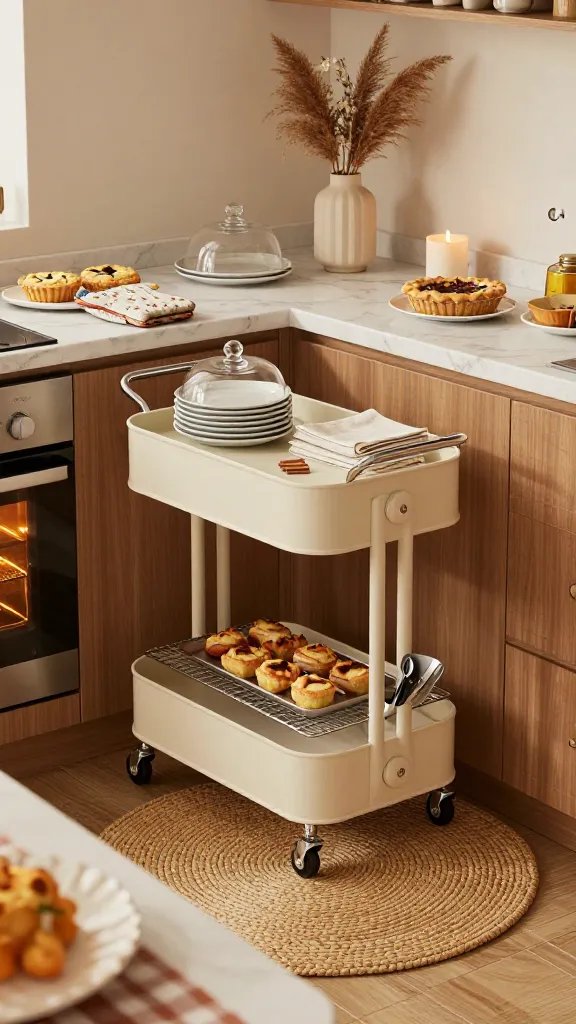
A. The Problem
Desserts and ingredients pile up near the oven or a serving cart, creating a sink of chaos that can spill over into prep space.
B. Why It Happens
The dessert station is often a makeshift area without a real home, causing all the little items to scatter across surfaces.
C. The Fix
Create a compact “dessert station” area using a small rolling cart or a tray with a dedicated shelf. Include a few dessert plates, extra napkins, a small cooling rack, and a dessert cover if available.
D. How to Do It
– Designate a rolling cart or tray as the dessert station.
– Add 1–2 dessert plates, 1 extra-stand for cake or pie, and a few napkins.
– Keep a cooling rack on the tray if you have an oven that produces hot desserts.
– Use a lightweight tent-like cover for desserts if you’re worried about drafts or dust.
E. Real-Life Consideration
– Small spaces: A slim rolling cart that slides under a bar area works well.
– Apartments: Use a tray that sits on a kitchen island or counter.
– Renters: Avoid any heavy equipment; use a compact tray and the existing cooling rack.
– Budget: Buy a small, inexpensive rack that doubles as a dessert stand beyond Thanksgiving.
F. Common Mistake
Overcomplicating the dessert station with too many accessories, which makes serving slower and less efficient.
G. Better Alternative
A minimal, functional dessert station that is easy to move and clean and complements the rest of your kitchen design.
17. “One-Pepper, One-Pickle” Quick Kitchen Declutter
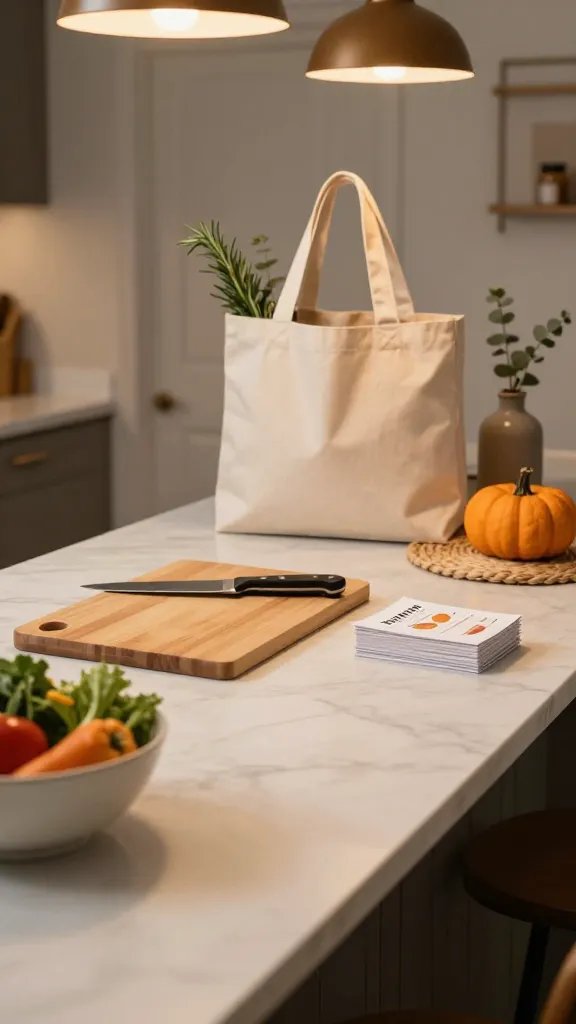
A. The Problem
Preface: Thanksgiving often requires a quick food prep window. Clutter around the prep area slows you down and makes you feel disorganized.
B. Why It Happens
With a busy life, it’s easy to accumulate items near the prep zone that aren’t used in the current cooking cycle.
C. The Fix
Do a 10-minute declutter sweep before prepping begins: remove non-essentials from the main prep counter, sheath the extras into a tote, and put it out of the way for the day.
D. How to Do It
– Clear the immediate counter surface.
– Move non-essential items into a tote or bin.
– Return essential items only to the counter.
– Create a quick-access zone for your most-used tools (knife, cutting board, mixer, measuring cups) in the drawer or nearby shelf.
E. Real-Life Consideration
– Small spaces: Keep a single bin under the counter or next to the fridge for clutter.
– Apartments: Use a collapsible tote to avoid taking up space.
– Renters: Choose a tote that can be easily stored in a kitchen cabinet.
– Budget: Use a bag you already own rather than buying a new container.
F. Common Mistake
Decluttering only once a year; Thanksgiving prep needs a quick ritual before cooking begins.
G. Better Alternative
A 10-minute pre-service declutter ritual that you repeat every time you cook for a holiday.
18. Low-Profile Storage for Serving Dishes
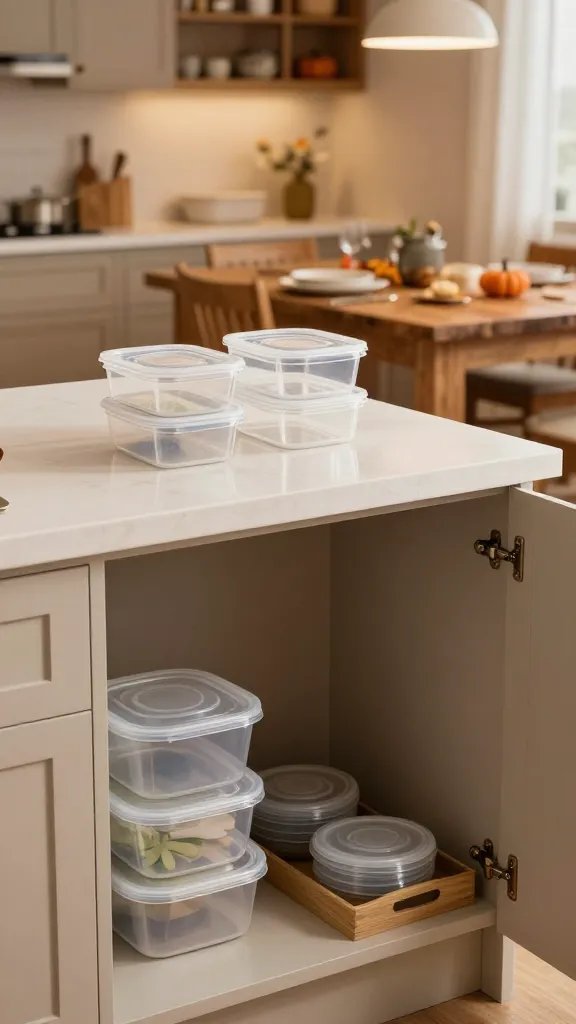
A. The Problem
Serving dishes and lids take up cabinet space and bulky fits once you’re packing up after the meal.
B. Why It Happens
People store bulky items in boxes or carts that don’t fit into existing cabinets, leaving a jumble on the countertops or a crowded pantry shelf.
C. The Fix
Use shallow, stackable, clear containers or a dedicated, low-profile storage bin for serving ware, lids, and covers—making it easy to reach while cooking and to stack away afterward.
D. How to Do It
– Choose a shallow, stackable bin with a lid (or two).
– Sort serving dishes, lids, and trivets into the bin.
– Label the bin with contents and where it should return after use.
– Slide the bin into a shelf or a low cabinet when not needed.
E. Real-Life Consideration
– Small spaces: Use bins that fit on a shelf above the pantry or under the sink area.
– Apartments: Stackable bins that fit inside a cabinet maximize vertical space.
– Renters: Avoid permanent modifications; use freestanding bins.
– Budget: Reuse old containers with lids and label them to avoid buying new ones.
F. Common Mistake
Treating storage bins as decorative rather than functional; you end up losing track of what’s inside or where to return items.
G. Better Alternative
Keep bins that clearly show their contents and live near the related storage area to minimize misplacement.
19. A Simple, Honest Cleaning Plan That Supports Coziness

A. The Problem
Holiday hosting invites extra cleaning tasks, but if you wait until the last minute, you’ll feel overwhelmed and stressed and your guests won’t feel the warmth you intended.
B. Why It Happens
Cleaning becomes a race against time when you haven’t built a simple, repeatable routine into your week leading up to Thanksgiving.
C. The Fix
Create a 2-week, low-effort cleaning schedule that prioritizes high-traffic areas, reduces clutter, and maintains a warm ambiance. Keep a small cleaning kit handy in a basket near the entry so you can tackle mess quickly.
D. How to Do It
– List 6 tasks that must be done before guests arrive (e.g., dust shelves, vacuum, wipe counters, wash guest linens).
– Schedule 10–15 minutes twice a week to complete those tasks.
– Keep a small cleaning kit with wipes, microfiber cloths, and a spray bottle for quick touch-ups.
– Do a 5-minute nightly reset: clear surfaces and put items back in their home.
E. Real-Life Consideration
– Small spaces: Focus on high-traffic areas and surfaces guests will see first.
– Apartments: Use a compact cleaning kit that fits in a small drawer.
– Renters: Avoid heavy, permanent cleaning tools; choose compact alternatives.
– Budget: Use reusable microfiber cloths and inexpensive cleaners you already own.
F. Common Mistake
Trying to deep-clean the entire home in one day; it’s unsustainable and creates extra stress.
G. Better Alternative
Break the task into short, repeatable steps that keep your home consistently warmer and tidier without overwhelming you.
20. A Realistic Plan for Post-Meal Reset and Going Forward
A. The Problem
Post-feast clutter can linger and linger, turning what should feel like a restful, grateful day into a pressure point for cleanup and organization.
B. Why It Happens
Without a clear post-event routine, items linger in plain sight and create mental clutter that reduces the sense of coziness you worked to create.
C. The Fix
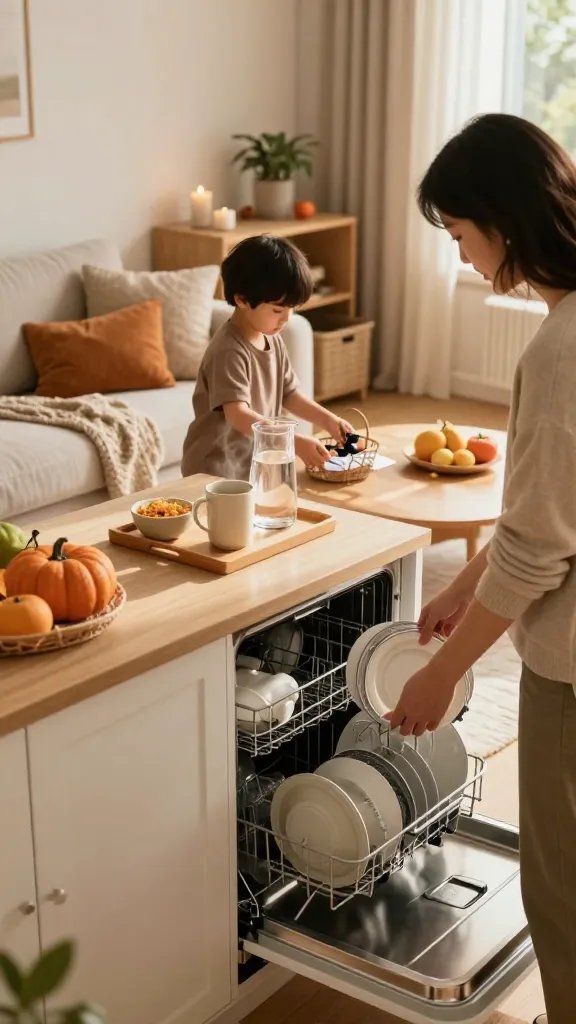
Implement a short, practical post-meal reset and a simple one-week plan to maintain the space: unload the dishwasher if possible, rehearse a quick declutter, and rotate back to everyday decor within a few days.
D. How to Do It
– Immediately after the last bite, clear the table and run a quick wipe-down.
– Return serving dishes to their storage home and place the used linens in the laundry.
– Do a 5-minute tidy in the main living areas and a 2-minute reset in the entry.
– At the end of Thanksgiving week, reassess what has worked and what hasn’t, making a small tweak to your system for next year.
E. Real-Life Consideration
– Small spaces: A fixed post-meal routine that happens in the dining area reduces movement.
– Apartments: A small, dedicated hamper for linens helps manage laundry.
– Renters: Move items back into the kitchen or living area to avoid wall damage during post-holiday activities.
– Budget: Use everyday items to streamline the process (drying rack, reusable towels, etc.).
F. Common Mistake
Waiting too long to reset post-meal, which compounds clutter and creates stress in the days after Thanksgiving.
G. Better Alternative
A simple, repeatable post-meal plan that you can reuse for any holiday or gathering—ensuring warmth, calm, and control after the meal ends.
Conclusion
Thanksgiving doesn’t have to be a battle against clutter, layout quirks, and limited storage. By treating each problem as a distinct hurdle with a practical fix, you can create a cozy, welcoming home that supports connection and comfort—not chaos. The key is to design small, high-impact zones that serve real needs: an entry area that stays neat, a display that you can rotate with ease, a dining setup that prioritizes conversation, and a kitchen workflow that keeps prep smooth. Start with one or two of these strategies this week, and build from there. Build a system that is repeatable, portable, and affordable, and your home will feel like a warm hug to guests every Thanksgiving—and well beyond.
Frequently Asked Questions
Q: I have almost no storage in a rental; which change should I start with?
A: Start with the “Use-First” Zone for Thanksgiving Essentials. It’s inexpensive, quick to set up, and creates immediate access to items you’ll actually use during the holiday.
Q: How do I keep kids from knocking over the centerpiece?
A: Use a low-profile centerpiece and place it on a stable surface with a non-slip mat. Keep kids’ meals and activities in a separate, accessible area to reduce distractions at the dining table.
Q: I’m in a small apartment; won’t adding textiles clutter the space?
A: Textiles add warmth without bulk. Choose a single blanket and a pair of pillows in the same palette, and swap them out after Thanksgiving to keep things simple.
Q: Do I need to buy new items for these ideas?
A: Not necessarily. Use what you already own, borrow from friends or family, and only purchase items that serve a practical, repeatable role in your home. Focus on durability and daily usability rather than seasonal aesthetics.
Q: How can I adapt these ideas to a family with pets?
A: Prioritize safety by avoiding candles near pets, using faux botanicals where appropriate, keeping cords out of reach, and choosing washable textiles to simplify cleanup. A single, well-placed plant that’s easy to maintain can stay, while the rest remains easy to store and move if needed.
Printable Recipe Card
Want just the essential recipe details without scrolling through the article? Get our printable recipe card with just the ingredients and instructions.