When November rolls in, many households juggling toddler energy, storage constraints, and rental kitchens feel the calendar tighten: more indoors time, less square footage to spread out, and a push to keep little hands busy without creating a bigger mess. This isn’t a list of cute ideas to print on a wall; it’s a set of concrete activities that pair toddler-friendly fun with real-world home organization. Each section solves a distinct problem that commonly shows up in busy homes—especially in small apartments or rental houses—while staying affordable, low-commitment, and easy to implement today.
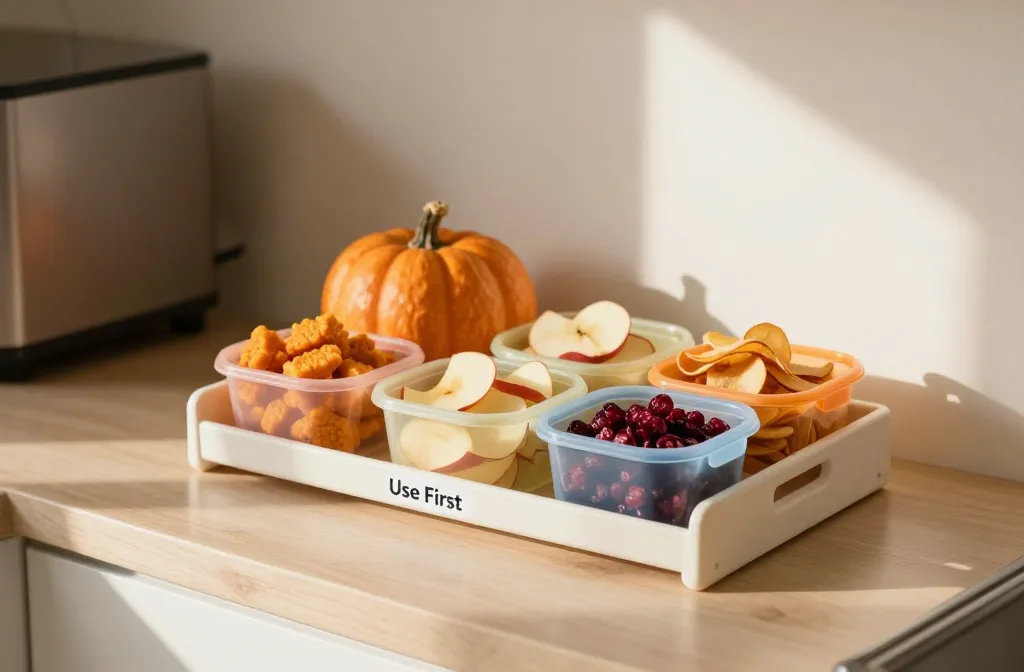
1. Create a “Use First” Zone for Seasonal Snacks and Toddlers’ Treats
A. The Problem
Seasonal treats—pumpkin-flavored snacks, apple chips, dried cranberries—tend to drift to the back of the pantry or get buried under everyday goods. Toddlers notice the stash but can’t reach or identify items, leading to constant parent-led snack hunts and more clutter on the counter.
B. Why It Happens
Many homes store seasonal foods in standard kitchen zones without a dedicated, accessible spot for the little one’s needs. When kids can’t reach or identify items, adults handle most snacks, increasing clutter and reducing independence.
C. The Fix
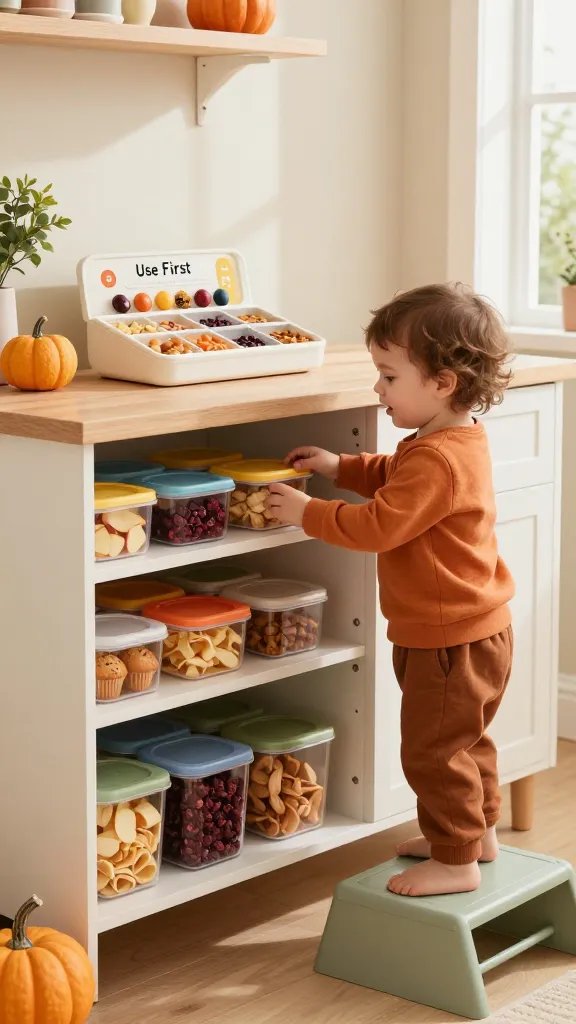
Set up a small, clearly labeled “Use First” snack shelf or bins near eye level for your toddler. This keeps seasonal snacks visible, reachable, and organized for quick snack decisions.
D. How to Implement It
– Choose a shallow shelf or a 3-bin organizer that fits under a counter or on a lower pantry rack. Use two bins for snacks (one for “Ready to eat,” one for “Pour-to-serve” items) and a small labeled box for napkins or wipes nearby.
– Move only seasonally relevant snacks into these spots each week (e.g., November: mini bagged snacks, fruit leathers, yogurt tubes).
– Label with simple words or pictures (e.g., a sun icon for “Ready to eat”). Place these within your toddler’s reach and view.
E. Real-Life Consideration
– Small space: Use a slim bin with a low profile; mount a short shelf under a wall cabinet if possible.
– Renters: Choose non-permanent shelf brackets or a freestanding caddy.
– Budget: Reuse any existing snack bins or small open baskets; spare jars with lids can work as individual units.
F. Common Mistake
Using opaque containers that hide items; toddlers can’t tell what’s inside without opening multiple containers, creating more decisions and mess.
G. Better Alternative
Use clear, shallow containers with bold, legible labels and pictures. Place the most-used snacks at the front for quick access, reducing rummaging and keeping the area neat.
2. Rotate Dress-Up and Themed Props to Reduce Costume Clutter
Related Posts:





A. The Problem
Costume options, pretend food, and seasonal props multiply quickly, stealing horizontal surface space and creating visual clutter in living areas or entryways.
B. Why It Happens
Toddlers want easy access to what they can pretend with, but constant availability encourages accumulation rather than selective use.
C. The Fix
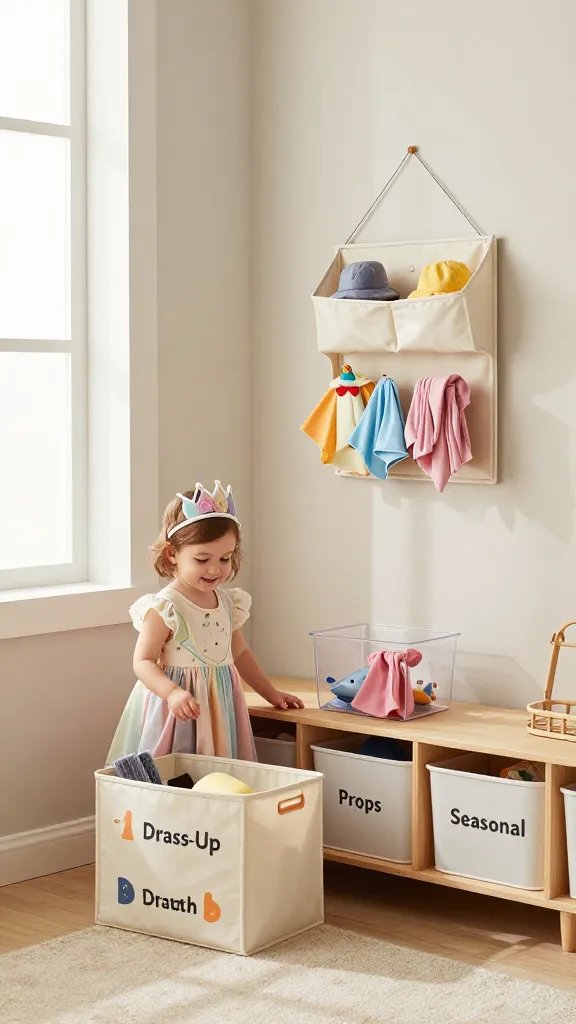
Implement a “3-Item Rotation” for dress-up and props, stored in a small bin or hanging organizer near the child’s play space.
D. How to Implement It
– Pick three dress-up items and three pretend props (e.g., a hat, a scarf, a cape; plastic food, a cash register, a small tea set). Store them in a labeled bin or tote on a low shelf.
– Set a 2-week rotation cycle. When you rotate, move items back to storage and bring forward new ones (swap with a grab bag of items you’re willing to exchange).
– Involve your toddler: ask, “Which three would you like this week?” It reinforces decision-making without overwhelming them.
E. Real-Life Consideration
– Small space: Use a wall-mounted cubby with a removable bin to keep footprint minimal.
– Renters: Avoid attaching anything permanent to walls; use freestanding organizers or over-the-door hooks.
F. Common Mistake
Overpacking the bin with too many pieces makes it hard for little hands to find what they want and increases cleanup time.
G. Better Alternative
Limit to three items per category and keep them clearly visible. Rotate regularly to preserve novelty without expanding clutter.
3. Create a “Touch-Once” Toy Sorting Station
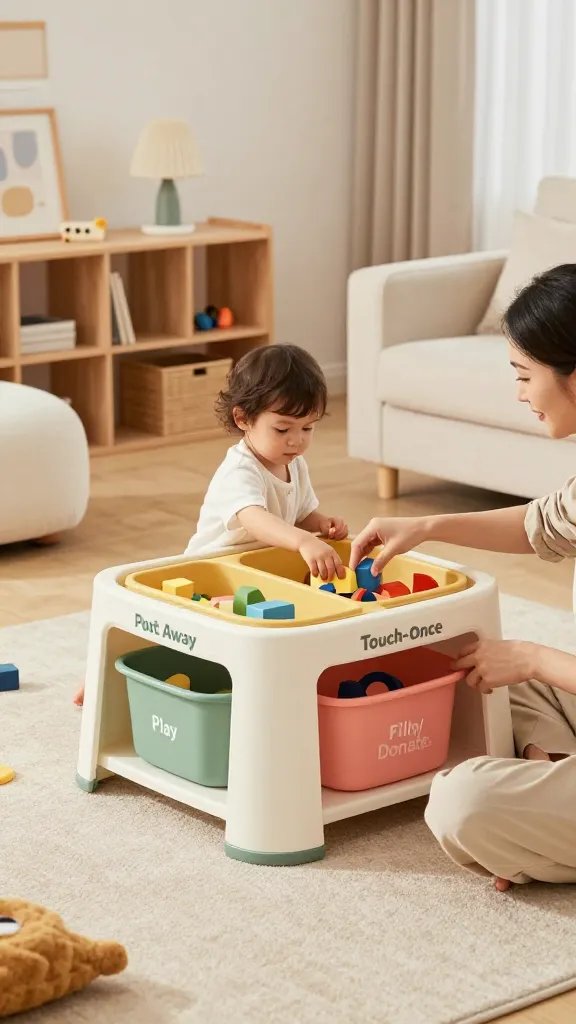
A. The Problem
Toy piles accumulate on the floor or coffee table, turning play into a scavenger hunt and making cleanup take longer than the actual play session.
B. Why It Happens
Without a dedicated, easy-to-use sorting zone, toys migrate to the nearest flat surface, creating a friction point for family members who clean up differently.
C. The Fix
Set up a compact sorting station near the main play area with labeled zones for “Play,” “Put Away,” and “Fill/Donate.”
D. How to Implement It
– Use a shallow tray or a small P-tray with three compartments. Label with simple icons: a star for “Play,” a box for “Put Away,” and a recycle symbol for “Donate/Rotate.”
– Schedule 5-minute cleanup after play sessions. Have your toddler deposit items into the correct zone.
– Move items currently out of circulation into the “Donate/Rotate” zone when it fills, coordinating with family rules about discarding toys.
E. Real-Life Consideration
– Small spaces: Keep the sorting station on a lower shelf or a coffee-table tray to minimize bending and reaching.
– Renters: Use removable labels and no screws; consider a freestanding tray with a non-slip base.
F. Common Mistake
Labeling only with words; toddlers benefit from pictographic cues. Use simple icons alongside words.
G. Better Alternative
Write “Play,” “Put Away,” and “Donate/Rotate” on the tray with large letters and add a corresponding sticker icon for quick recognition.
4. Make a Cozy, Low-Impact Reading Nook That Keeps Toys Contained
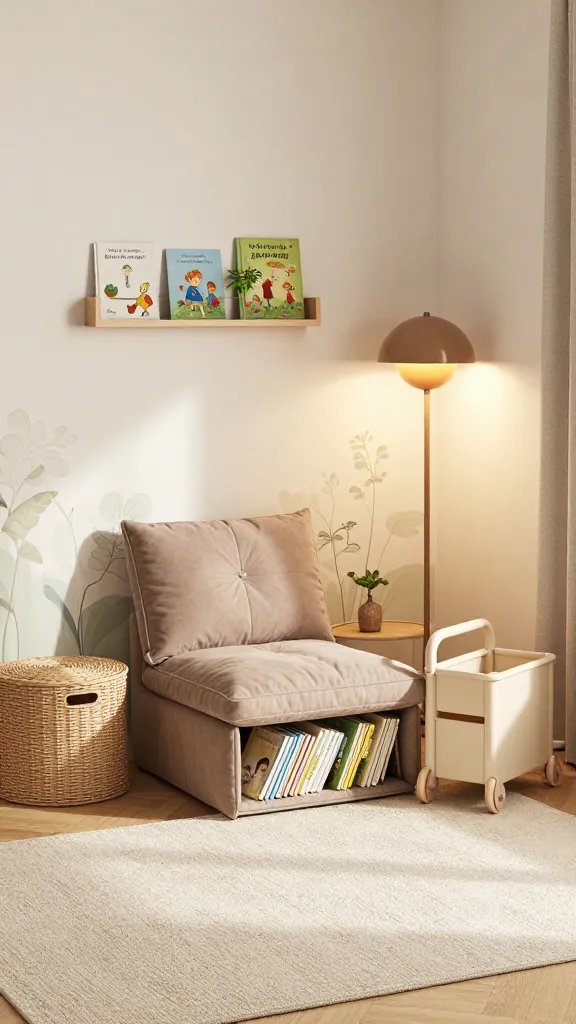
A. The Problem
November indoors means more cozy reading time, but a reading area that doubles as a toy dump yields a messy space and less calm.
B. Why It Happens
A reading corner without a defined boundary blends with living areas, inviting toy drift and visual clutter.
C. The Fix
Designate a compact, clearly defined reading nook with a soft bin for books that doubles as a child-accessible “book cart.”
D. How to Implement It
– Choose a small ottoman or floor cushion with a low, open bin underneath (or a small cart) to hold books. Keep the cushion in a corner that’s easy to access but visually separate from main pathways.
– Add a single storage basket for current reading books with a simple lid or clasp to keep things contained between reads.
– Rotate books weekly by returning read or finished titles to a larger book bin in a closet or another room, ensuring the reading nook stays calm.
E. Real-Life Consideration
– Small spaces: Use a lightweight book cart on wheels that you can move to a preferred location.
– Renters: Choose a freestanding shelf with a tote on wheels instead of built-in shelves.
F. Common Mistake
Trying to fit too many books into a single bin; it becomes heavy and hard to pull out a specific title.
G. Better Alternative
Keep one main bin with 8–12 toddler-friendly titles and store the rest in a separate, higher shelf out of reach for now. This balances accessibility and calm.
5. Create a Seasonal Art-Cile Shelf for November Projects
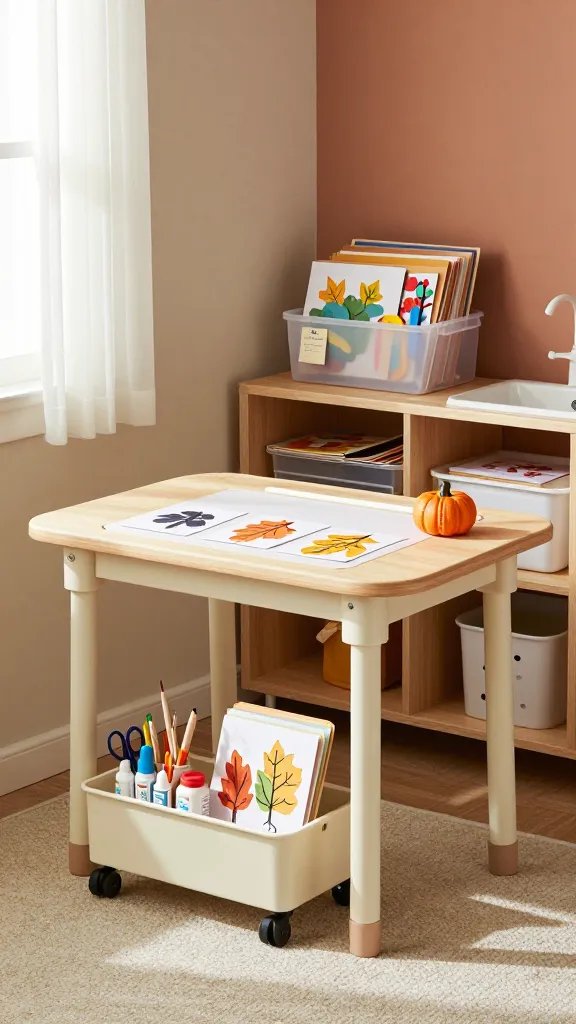
A. The Problem
Art projects pile up fast, especially with fall crafts and Thanksgiving-themed activities. Without a defined place, art time spills into every surface.
B. Why It Happens
Parents want to encourage creativity but lack a designated, easy-to-clean space for mess-prone crafts.
C. The Fix
Allocate a compact “Art Cile” (craft-and-mess zone) with a small, wipeable surface and a rolling tray for supplies. A labeled folder or bin stores completed projects by date.
D. How to Implement It
– Use a small, portable craft tray or lap desk as the primary surface. Put a spill mat underneath to protect furniture.
– Store brushes, glue, markers, and a few paper sheets in a low tote with a handle. Label by craft type or color family.
– At the end of each week, photograph or save one favorite artwork, then recycle the rest to reduce clutter.
E. Real-Life Consideration
– Small spaces: Use a folding craft mat that doubles as a cleaning surface, then store flat when not in use.
– Renters: Use a dry-erase wall panel or removable surface to hold the craft area without permanent mounting.
F. Common Mistake
Storing every single craft supply in a deep bin; items become hard to see and reach, increasing cleanup time.
G. Better Alternative
Group supplies by project type and store them in clearly labeled, shallow containers that you can grab quickly.
6. Build a November-Themed Sensory Tray That Shrinks Cleanup Time
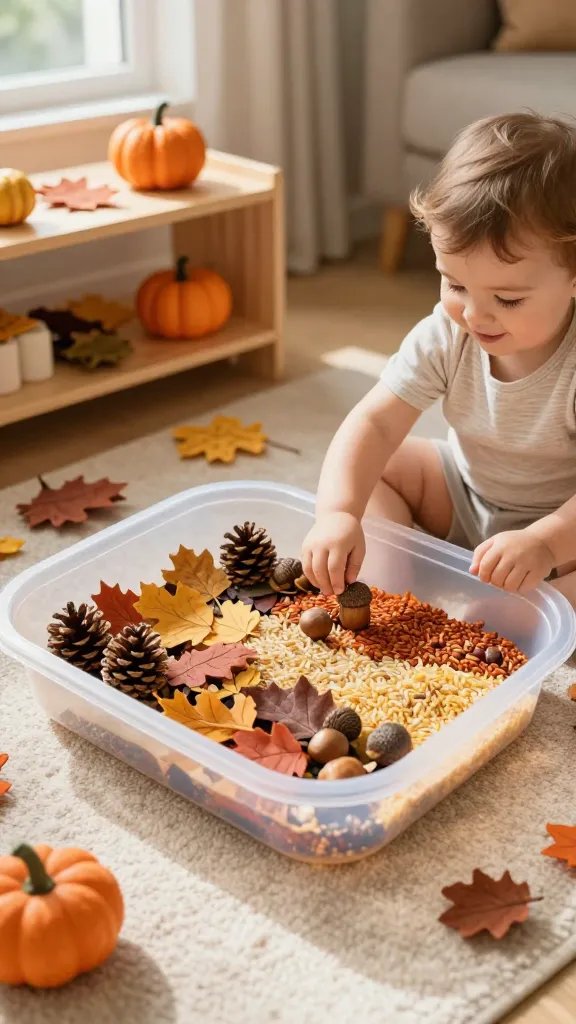
A. The Problem
Sensory play is essential for toddlers, but loose items like dried beans, leaves, and rice create a cleanup nightmare and can spread to carpets.
B. Why It Happens
Without a contained space, small items migrate across the floor and furniture, requiring extensive sweeping.
C. The Fix
Create a reusable sensory tray with a shallow rim and a removable liner. Use seasonal materials that are safe and easy to clean.
D. How to Implement It
– Use a shallow, plastic tray with a low lip (12–14 inches square). Place a liner (a cheap silicone mat or a washable fabric) to contain small items.
– Choose a small batch of November-friendly materials: dried corn kernels, autumn leaves (artificial or real), or plastic acorns. Keep a small brush and a cloth for quick cleanup on standby.
– After play, lift the liner, funnel items back into their storage bin, and wipe the tray clean.
E. Real-Life Consideration
– Small spaces: Use a tray that can be stored on a lower shelf or under a sofa.
– Renters: Choose a tray with a detachable liner that is easy to clean and doesn’t require adhesives.
F. Common Mistake
Using a large, complicated sensory setup that requires constant searching for items that are out of reach.
G. Better Alternative
Limit materials to a few, clearly labeled containers with a quick-to-clean tray liner to minimize cleanup time.
7. Establish a Fall-Only Toy Donation Drawer to Limit Dupes
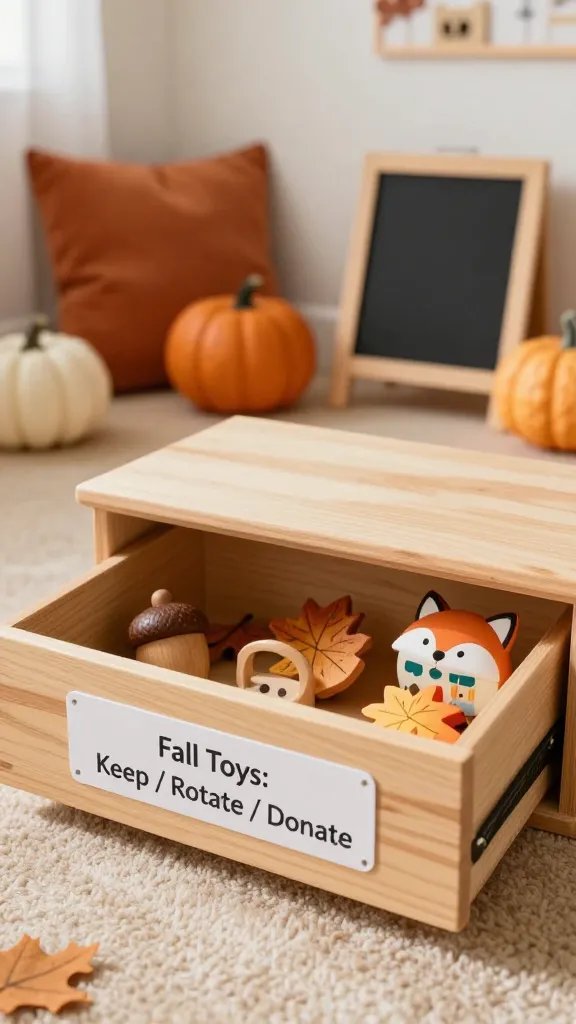
A. The Problem
Duplicate or nearly identical toys accumulate quickly, creating duplicates and storage pressure.
B. Why It Happens
Parents often keep “just in case” toys or items gifted or found around the home without scheduling regular review time.
C. The Fix
Create a single, clearly labeled “Fall Toys” drawer where duplicates and unused toys go for seasonal rotation or donation.
D. How to Implement It
– Dedicate a shallow drawer or bin with a lid. Label it clearly: “Fall Toys: Keep / Rotate / Donate.”
– Every two weeks, review the contents with your toddler and decide which items are still used or loved. Move those that aren’t to the “Donate/Rotate” zone (a separate bag or box).
– Schedule quarterly checks to avoid sentimental overaccumulation.
E. Real-Life Consideration
– Small spaces: Use a drawer organizer with slots to separate categories and keep items visible.
– Renters: Use a freestanding bin or a slim rolling cart rather than built-in drawers.
F. Common Mistake
Leaving the drawer lidded and forgotten, causing items to become stale or lost in the back.
G. Better Alternative
Make it easy for anyone to reach, see, and decide—clear bins, labeled sections, and a quick decision ritual.
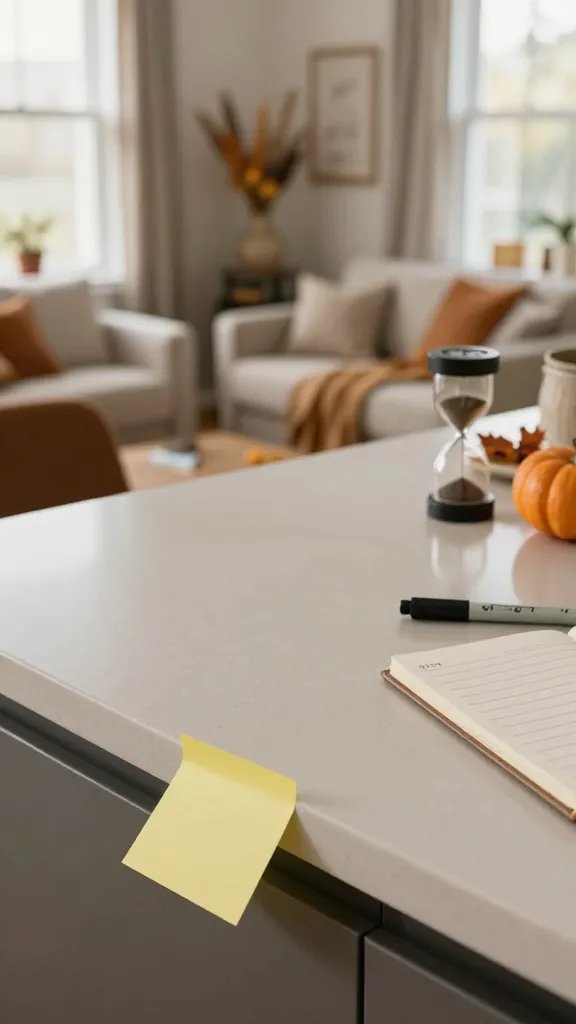
8. Use a “One-Sticky-Note” Daily Routine for Quick Holiday Prep
A. The Problem
November brings holiday planning to the front of mind, but households lack a simple, repeatable routine to prep daily without feeling overwhelmed.
B. Why It Happens
Overwhelming checklists cause procrastination, especially when space and time are tight.
C. The Fix
Adopt a 5-minute daily routine with one sticky note per day that marks the exact, minimal action needed to keep the space ready for holiday prep (e.g., “Clear a 2-foot space on the kitchen counter”).
D. How to Implement It
– Place a single daily sticky note on your fridge or a central bulletin board. Each day’s task should take 5 minutes or less.
– Rotate tasks weekly to cover kitchen prep, toy control, and entryway organization without overloading any one area.
E. Real-Life Consideration
– Small spaces: Choose tasks that don’t require rearranging furniture—quick wipe-downs or tidying one shelf are ideal.
– Renters: Use removable notes that won’t damage walls; rely on existing surfaces like the fridge or a whiteboard.
F. Common Mistake
Overestimation of how much you can accomplish in 5 minutes, leading to half-done tasks and a growing backlog.
G. Better Alternative
Aim for 2–3 short, clearly defined daily tasks, not a long list. That makes progress visible and sustainable.
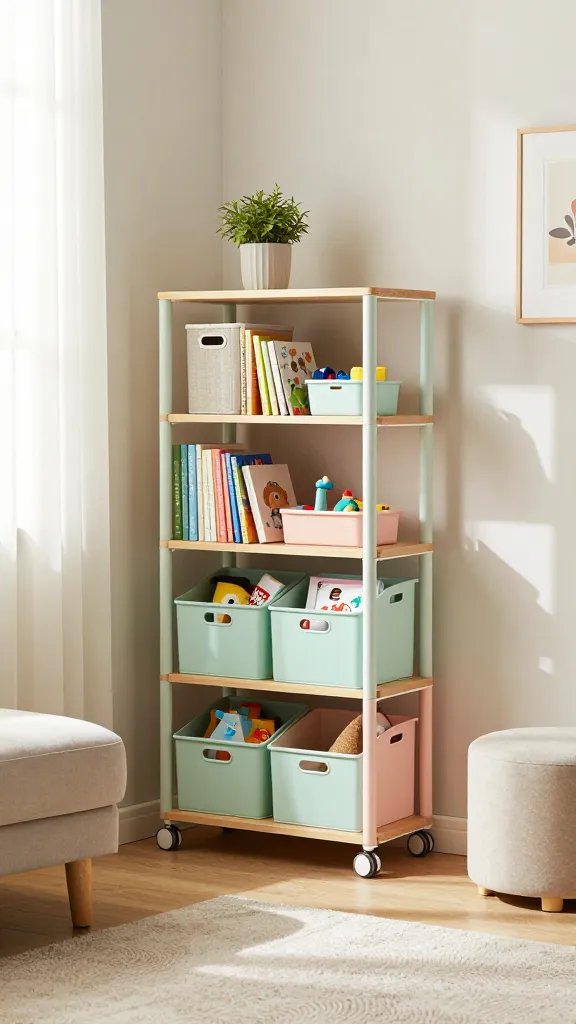
9. Optimize Corners for Child-Accessible Storage Without Crowding
A. The Problem
Corners and awkward layouts often become dumping grounds for toys, books, and seasonal gear because there’s nowhere else to put them.
B. Why It Happens
Underutilized vertical space in corners is out of sight, out of mind, so items migrate there but remain hard to reach or use regularly.
C. The Fix
Install a lightweight, freestanding corner shelf or a slim rolling cart designed for small spaces to keep frequently used items visible and within reach.
D. How to Implement It
– Choose a 12–16 inch deep corner shelf or cart with 2–3 levels. Place the items you use weekly on the top tier, seasonal items on the middle tier, and a small bin for miscellaneous items on the bottom tier.
– Use clear containers with simple labels for quick recognition.
E. Real-Life Consideration
– Small spaces: Wall-mounted or freestanding corner shelves maximize floor space without sacrificing accessibility.
– Renters: Avoid drilling; select freestanding units with non-slip bases or adhesive mounting that’s permitted by rental regulations.
F. Common Mistake
Overloading the corner unit with heavy items; this makes it harder to rotate and clean around the unit.
G. Better Alternative
Keep the top shelf flexible: items you reach weekly, not the ones you’re storing long-term. Reserve the corner for items you actively use in the current cycle.
10. Simplify Thanksgiving-Themed Play with a “Harvest Tray”
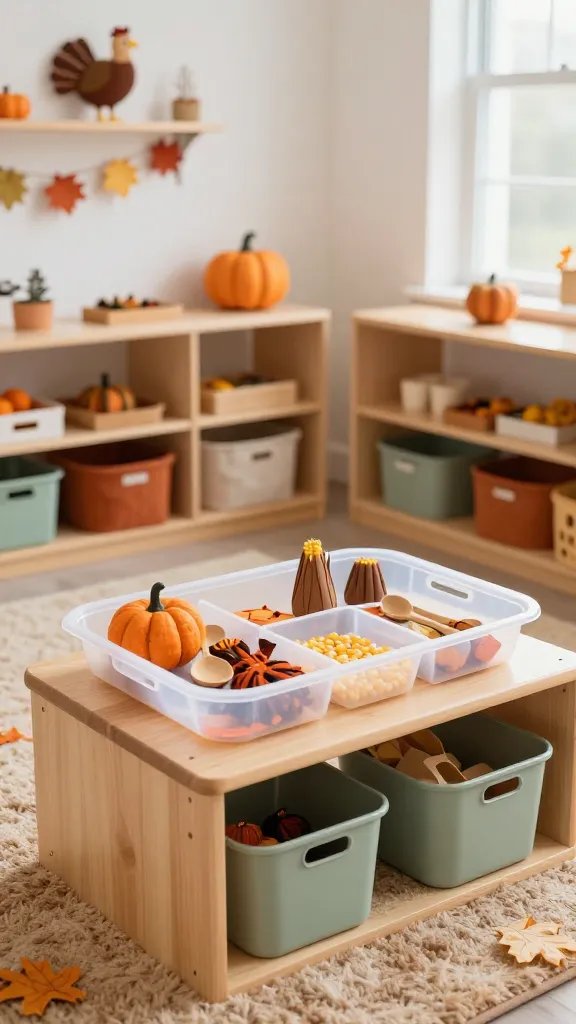
A. The Problem
Thanksgiving-themed play can feel endless and quickly create a disorganized zone of crafts, props, and kitchen-related toys.
B. Why It Happens
Children want to engage with seasonal items, but without a clearly defined play space, items spill out into the living area.
C. The Fix
Create a dedicated Harvest Tray for Thanksgiving-inspired play, stored in a reachable location but designed to be easily cleaned.
D. How to Implement It
– Use a shallow plastic tray with a lid and a removable liner. Include a handful of lightweight props like fake leaves, mini pumpkins, and small bowls.
– Keep a damp cloth nearby for quick wipe-downs. After play, return items to their bin, and wipe the tray.
E. Real-Life Consideration
– Small spaces: Use a tray that fits on a low coffee table or ottoman so it can be stored out of the main path when not in use.
– Renters: Choose a tray with a removable cover that doesn’t require adhesive fasteners.
F. Common Mistake
Using deep bins that are hard to carry or dump quickly, which slows cleanup and discourages use.
G. Better Alternative
Opt for a shallow, easily portable tray with a simple, wipeable surface to enable fast cleanups and frequent rotation.
11. Build a “Seasonal Capsule Wardrobe” for Toddlers
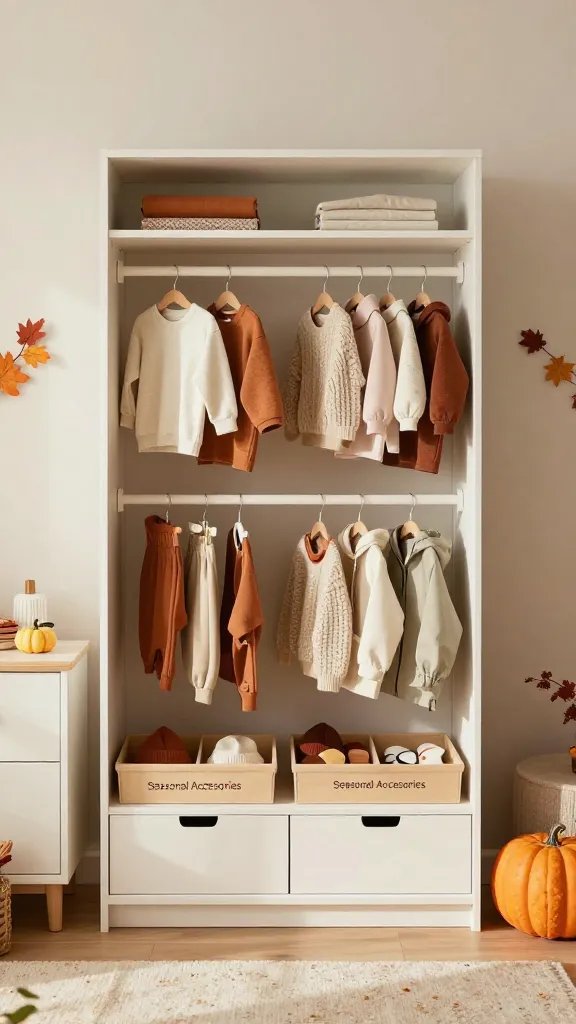
A. The Problem
November weather is unpredictable, but wardrobes for toddlers quickly balloon with pieces that aren’t worn often, taking up valuable closet space.
B. Why It Happens
We save outfits blindly, assuming every option is needed, which leads to decision fatigue and more laundry time.
C. The Fix
Create a small, clearly organized seasonal capsule: 4 tops, 2 pants, 2 sweaters, 2 weather-ready layers, and 2 pairs of seasonal accessories stored in a dedicated bin or drawer.
D. How to Implement It
– Choose a small drawer or roll-top box. Label with a simple month (November Capsule) and items included.
– Rotate weekly: swap in a fresh top and layer from the capsule, and move the unused items back into the main wardrobe. Stack outfits in order (top to bottom) by ease of dressing (front or back of the drawer).
E. Real-Life Consideration
– Small spaces: Use a compact dresser drawer with dividers to separate outfits.
– Renters: Use a portable bin that can slide onto a closet shelf without permanent modifications.
F. Common Mistake
Overpacking the capsule with “potentially useful” items that never get worn, defeating the purpose.
G. Better Alternative
Limit to the essential mix that allows quick daily dressing; maintain a simple two-week cycle to accommodate changing weather.
12. Design a Simple Entryway Tidy Zone to Declutter as You Enter
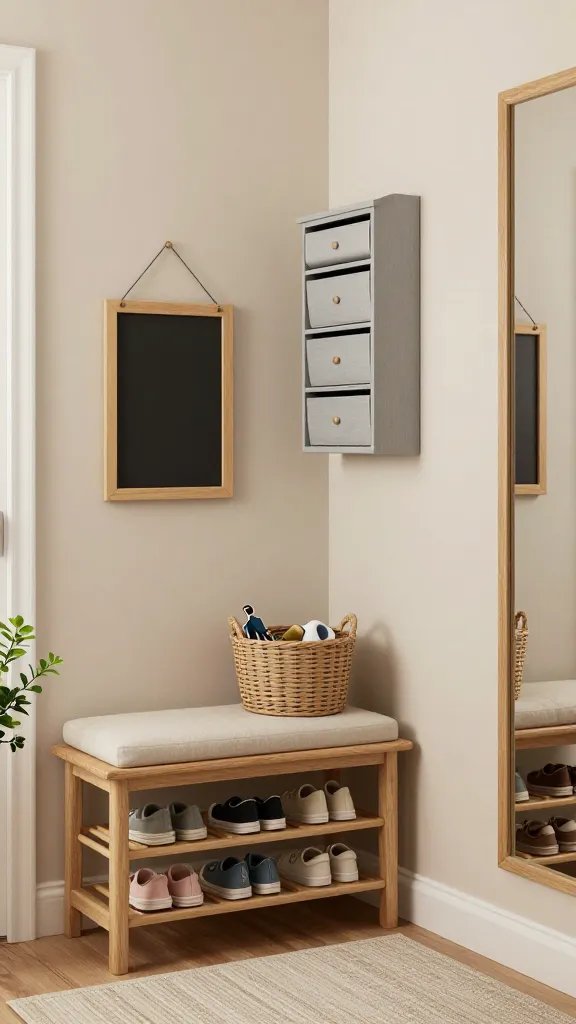
A. The Problem
Entryways in small homes are the first to collect shoes, bags, and mail, creating a daily friction point for clutter and misplacement.
B. Why It Happens
Lack of a defined, accessible landing spot for everyday items means they migrate to sofas, countertops, and consoles, turning entry time into a battle against clutter.
C. The Fix
Install a compact, rental-friendly entry tidying zone with a small bench, a shoe rack, and a mail organizer that sits at toddler-friendly height.
D. How to Implement It
– Place a small, narrow bench with a built-in shoe shelf under it. Add a low tote for mail and a wall-mounted, removable organizer for keys and small items.
– Use a shallow tray on the bench for daily essentials (wallets, sunglasses) that always go by the front door. Keep a small hook for coats and a separate bin for hats and gloves.
E. Real-Life Consideration
– Small spaces: Choose a vertical organizer with hooks on the side of an existing bench or a slim wall-mounted organizer to avoid floor clutter.
– Renters: Ensure organizers are removable and don’t require wall anchoring.
F. Common Mistake
Overcrowding the bench with nonessential items; if you can’t see the items you need quickly, you’ll become more disorganized.
G. Better Alternative
Keep the bench uncluttered by assigning each item a single home and labeling. The simpler the system, the easier it is to maintain daily.
13. Create a Kitchen Activity Counter that Keeps Mess Contained
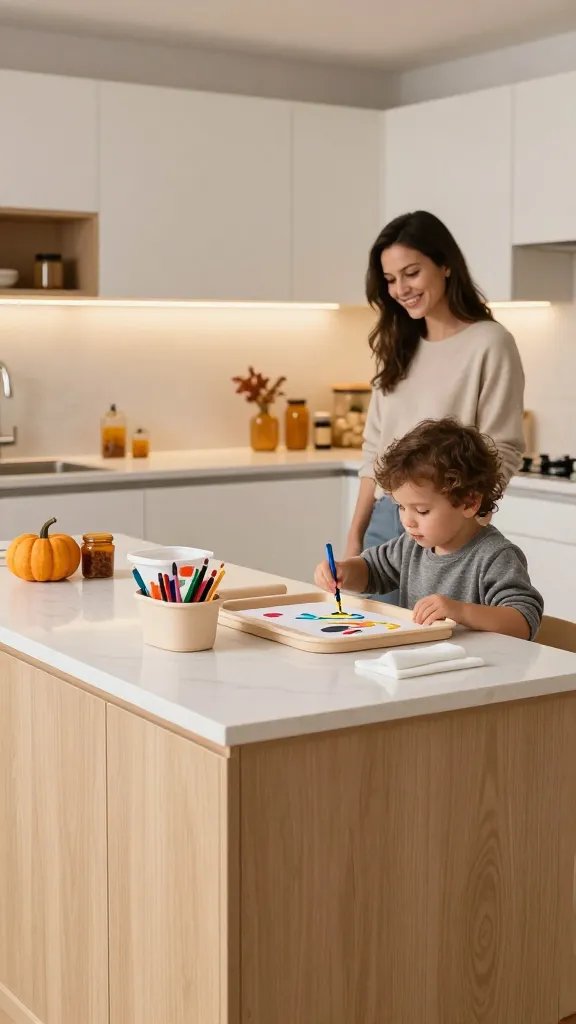
A. The Problem
Kitchen-based toddler activities spill onto countertops, sink areas, and dining tables, turning a single counter into a chaotic workspace.
B. Why It Happens
Lack of a dedicated, easily cleanable surface for toddler activities leads to scattered supplies and repeated cleanup across multiple zones.
C. The Fix
Set up a dedicated, small activity counter with a removable tray liner for quick cleanup and a dedicated supply basket nearby.
D. How to Implement It
– Use a lightweight, portable tray that can sit on a cleared section of the counter or a small table. Line the tray with a wipe-clean mat and place all supplies in a labeled basket next to it.
– After activity, wipe the tray and return supplies to the basket. Keep this zone away from heating appliances and avoid placing it near the sink to prevent accidental spills.
E. Real-Life Consideration
– Small spaces: Use a small fold-out tray attached to a cabinet door if possible; otherwise, a freestanding tray on a small table suffices.
– Renters: Use a tray that requires no adhesives to secure, with a silicone mat to catch spills.
F. Common Mistake
Using a table or counter that contains appliances and is hard to wipe down, making cleanup slow and frustrating.
G. Better Alternative
Standards for the activity tray: wipeable liner, simple supply basket, and a clearly defined edge so nothing escapes the surface during play.
14. Implement a November-Only Cleaning Schedule for Busy Homes
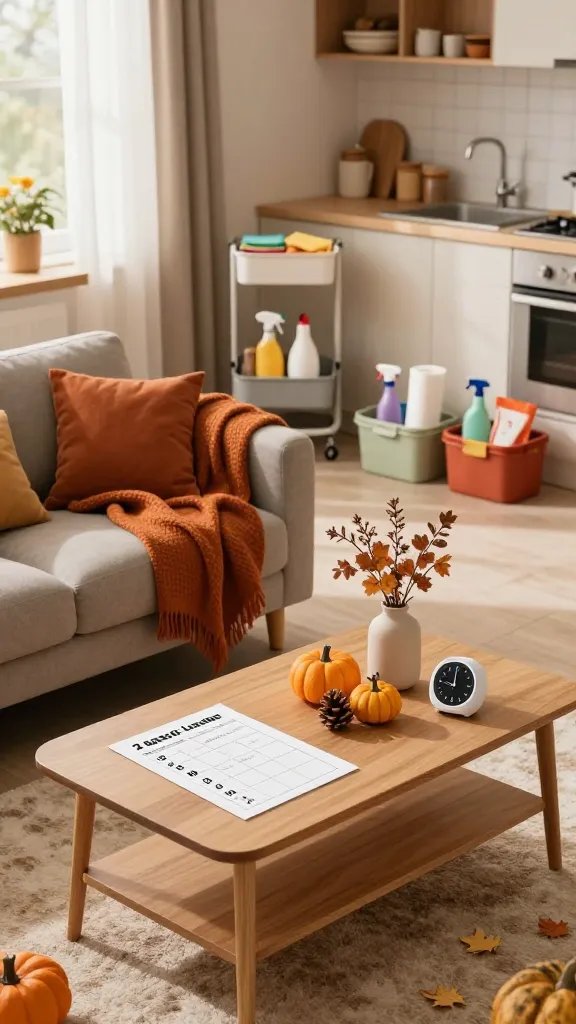
A. The Problem
Cleaning tasks get postponed during busy days, and month-long fall activities can accumulate dust and crumbs, creating a tangle of surfaces that feel overwhelming.
B. Why It Happens
A vague, absorbent approach to “clean more” leads to procrastination and inconsistency.
C. The Fix
Create a simple, November-focused weekly cleaning schedule: 2 short tasks per week that complement fall activities and kid-friendly routines.
D. How to Implement It
– Pick two 20-minute tasks per week (e.g., wipe down low surfaces, vacuum under high-traffic areas, or wipe down shelves in the toy corner).
– Schedule these tasks on a calendar or planner. Keep everything moveable so you can adjust for rain days or extra activities without losing momentum.
E. Real-Life Consideration
– Small spaces: Focus on high-touch zones first (entryway, play area, kitchen counters) to maintain a tidy feel without deep cleaning.
– Renters: Use removable, reusable microfiber cloths and a portable handheld vacuum to avoid heavy equipment.
F. Common Mistake
Combining too many cleaning tasks into one session, leading to fatigue and skipping weeks altogether.
G. Better Alternative
Two focused 20-minute sessions per week is more sustainable and keeps spaces consistently tidy during a busy November.
15. Build a Quick-Access Seasonal Storage Bin System
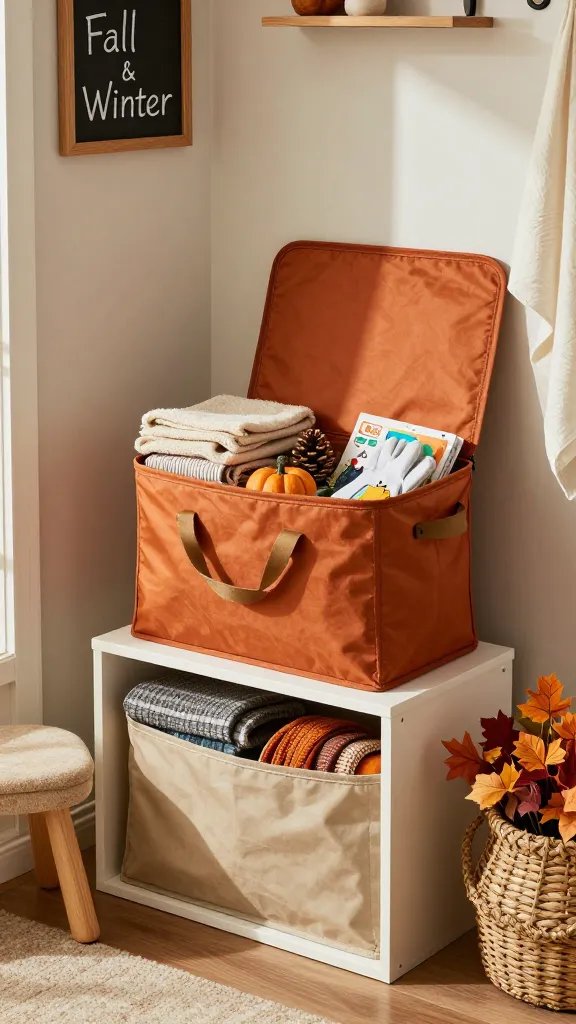
A. The Problem
Seasonal toys, decor, and supplies shift around the home, creating a moving target of what’s stored where.
B. Why It Happens
A lack of clear seasonal organization leads to misplacement and repeated rummaging, especially when space is tight and items are stored in multiple places.
C. The Fix
Create a single, clearly labeled seasonal storage bin for fall and winter items, stored in a predictable, accessible location.
D. How to Implement It
– Use a medium-sized tote or bin with a simple, durable handle and a label such as “Fall/Winter 2024.”
– Pack items you don’t use daily but want to keep (extra blankets, seasonal decor, seasonal toys) in this bin.
– Store the bin in a closet shelf or under a bed to keep it out of the main living space. Create a quick list of contents and tape it to the inside lid for quick retrieval next year.
E. Real-Life Consideration
– Small spaces: Use a compact, stackable bin that fits under a bed or on a closet shelf.
– Renters: Use fabric totes without lids to reduce the need for space and handle items more easily.
F. Common Mistake
Overpacking the seasonal bin with items you never use, making it hard to locate what you truly want later.
G. Better Alternative
Keep a concise contents checklist and limit the bin to items you know you’ll reuse in the coming season; rotate out items as needed.
16. Optimize Light for Cozy Fall Ambiance (No Clutter Required)
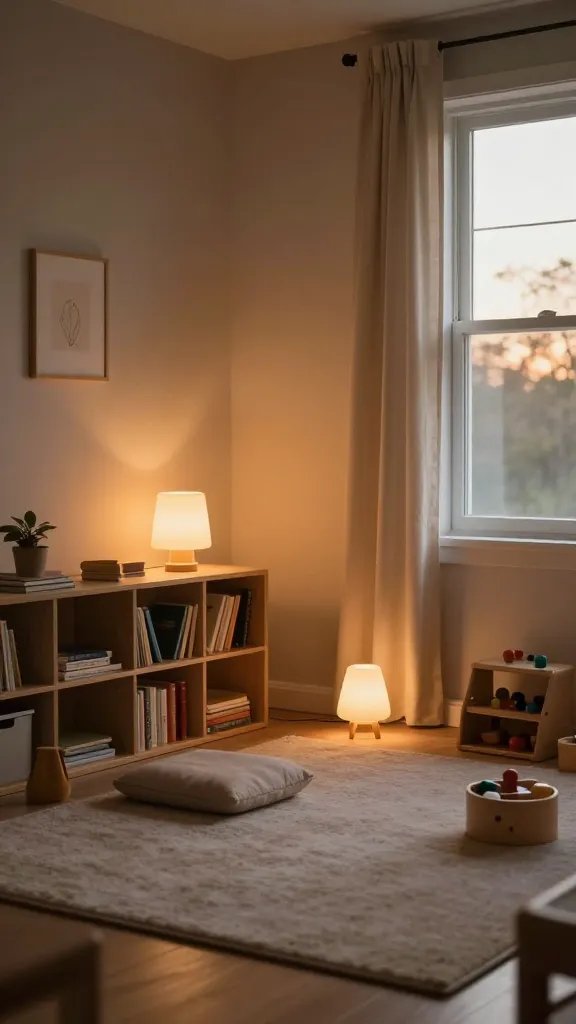
A. The Problem
Low light and cluttered surfaces make rooms feel cramped, particularly in November when days get shorter.
B. Why It Happens
Lighting is often a decorative afterthought; practical lighting and minimal clutter can dramatically improve how a room feels.
C. The Fix
Improve ambient lighting with a compact, adjustable lamp and modest task lighting near the play area and reading nook to reduce the perception of clutter.
D. How to Implement It
– Use a dimmable floor lamp or a table lamp with a warm LED bulb to create a cozy glow without adding extra space requirements.
– Add a small LED strip under a shelf above the play area to create a soft boundary light that helps define the space without adding clutter.
E. Real-Life Consideration
– Small spaces: Choose a lamp with a small footprint and a flexible neck for adjustable lighting.
– Renters: Prefer plug-in lighting and easy-to-remove fixtures; avoid anything requiring ceiling work.
F. Common Mistake
Over-laden lighting with bright white bulbs that feel stark in fall; aim for warm tones to create a cozy mood that hides minor clutter.
G. Better Alternative
Warm, layered lighting: one main ambient light, one task light, and a subtle accent light to guide toddler activity without creating glare.
17. Implement a Diet-Safe Snack Zone for November Baking Time
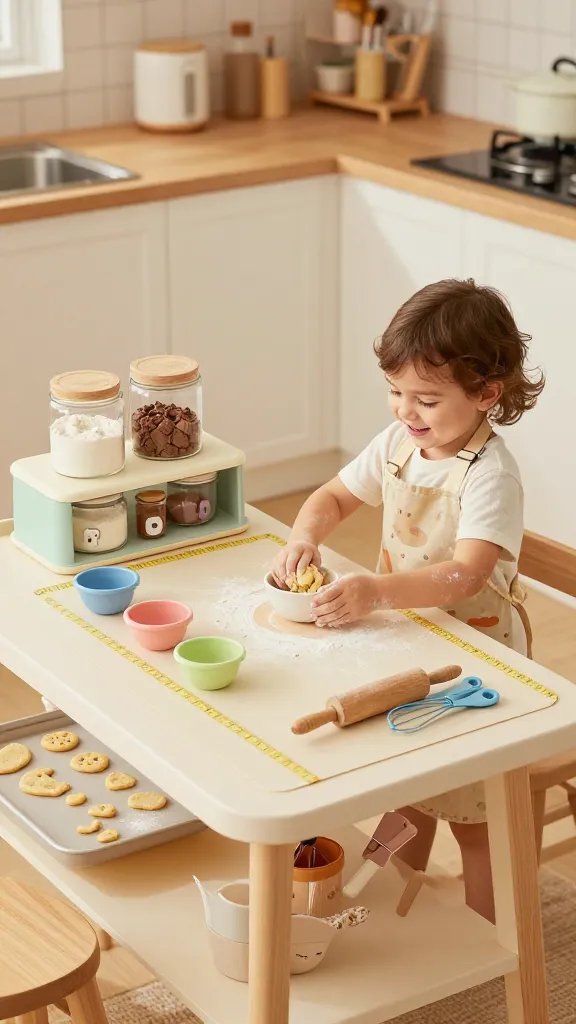
A. The Problem
Baking activities spike in November, but messy counters and unconstrained ingredient storage create kitchen chaos and possible safety concerns for toddlers.
B. Why It Happens
The kitchen counters become catch-alls for measuring tools, ingredients, and scraps, especially when multiple people are cooking.
C. The Fix
Establish a dedicated, small, kid-friendly baking station with a tape boundary on the counter and a clearly labeled container for kid-friendly ingredients (flour, sugar, sprinkles) at toddler height.
D. How to Implement It
– Clear a small working area on a counter or kitchen island. Mount a removable silicone mat to the surface for easy cleanup.
– Keep kid-safe tools in a dedicated basket or tray within reach. Use clear containers with readable labels for easy access.
– Put a small trash bin or bag nearby for quick disposal during the activity.
E. Real-Life Consideration
– Small spaces: Use a compact rolling cart with wheels for easy repositioning.
– Renters: Use a freestanding bakers’ rack or a rolling cart that doesn’t require holes or permanent installation.
F. Common Mistake
Using glass jars for ingredients that are prone to spills; glass is heavier and harder to clean in a busy kitchen with kids.
G. Better Alternative
Choose BPA-free plastic or silicone containers with screw-top lids, clearly labeled, and stored in a kid-friendly space.
18. Build a Quick-Access Fall Decor Zone That Isn’t Cluttered
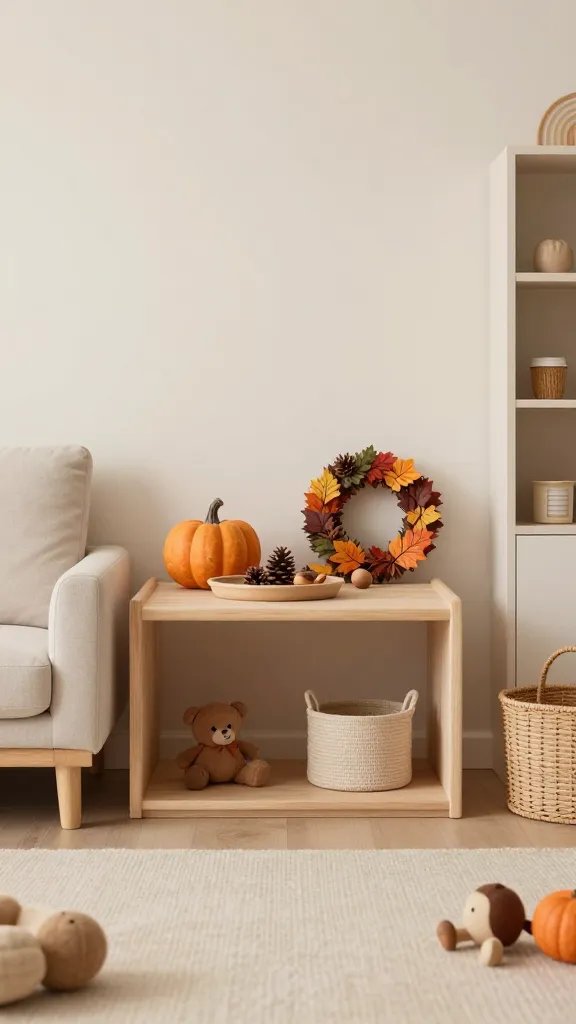
A. The Problem
Seasonal decor tends to take over surfaces, creating a visually heavy space that competes with everyday use and child activity zones.
B. Why It Happens
People layer seasonal decor across multiple horizontal surfaces without considering function or accessibility for toddlers.
C. The Fix
Designate one small, non-essential surface as a Fall Decor Zone and keep it simple with 1–2 decorative pieces and a small tray for seasonal accessories.
D. How to Implement It
– Choose a small side table or shelf away from the play and kitchen zones. Place 1–2 fall decor pieces (a pumpkin, a garland) and a small tray with seasonal accents such as faux leaves or a minimal seasonal centerpiece.
– Use the rest of the room for functional storage; keep surfaces clear to reduce chaos and support easier cleaning.
E. Real-Life Consideration
– Small spaces: Use a tray on a wall-mounted shelf to free horizontal surface space.
– Renters: Use removable decor elements and a lightweight tray that can be relocated as needed.
F. Common Mistake
Overloading the decor zone with too many items; it defeats the purpose of a calm, functional space for daily use.
G. Better Alternative
Keep the zone minimal and seasonal—just enough to set a tone without stealing square footage from daily routines.
19. Create a Simple, Accessible Thanksgiving Meal Prep Corner
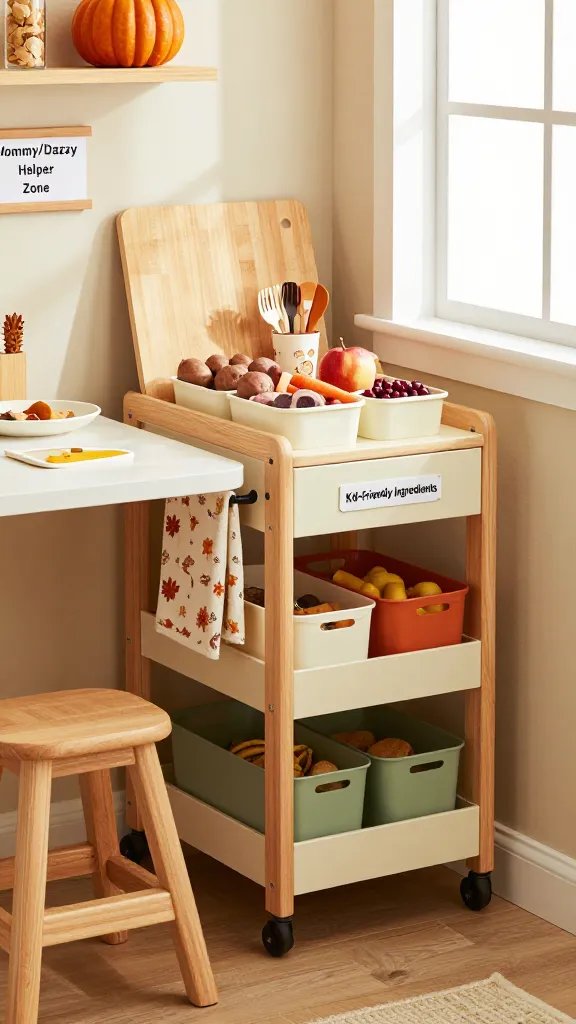
A. The Problem
Meal prep time during the holiday season becomes chaotic when the kitchen is crowded with toddler activities, fall decor, and add-ons.
B. Why It Happens
A busy kitchen often lacks a designated child-friendly prep space, turning cooking into a stressful, crowded experience.
C. The Fix
Set up a dedicated, small meal prep corner: a rolling cart with a small cutting board, child-safe utensils, and a labeled bin of kid-friendly ingredients for simple recipes.
D. How to Implement It
– Use a compact rolling cart with wheels and two levels for a cutting board, a set of kid-safe utensils, and a small dish for scraps.
– Store a tray of simple kid-friendly ingredients (e.g., baby carrots, cherry tomatoes, grapes) in a labeled bin nearby.
– Encourage your toddler to help by offering small, safe tasks (wipe vegetables, rinse fruit, tear lettuce) under supervision.
E. Real-Life Consideration
– Small spaces: Use a cart that folds away when not in use and store it in a pantry or under a kitchen island.
– Renters: Choose non-permanent storage solutions and avoid anything that requires modifying the counter or walls.
F. Common Mistake
Giving toddlers unsafe items or tasks that require close adult supervision; choose age-appropriate activities and tools.
G. Better Alternative
Create a well-labeled, kid-friendly prep space that encourages participation without introducing risk or chaos.
20. Design a Listening-and-Story Corner to Quiet the Evening Routine
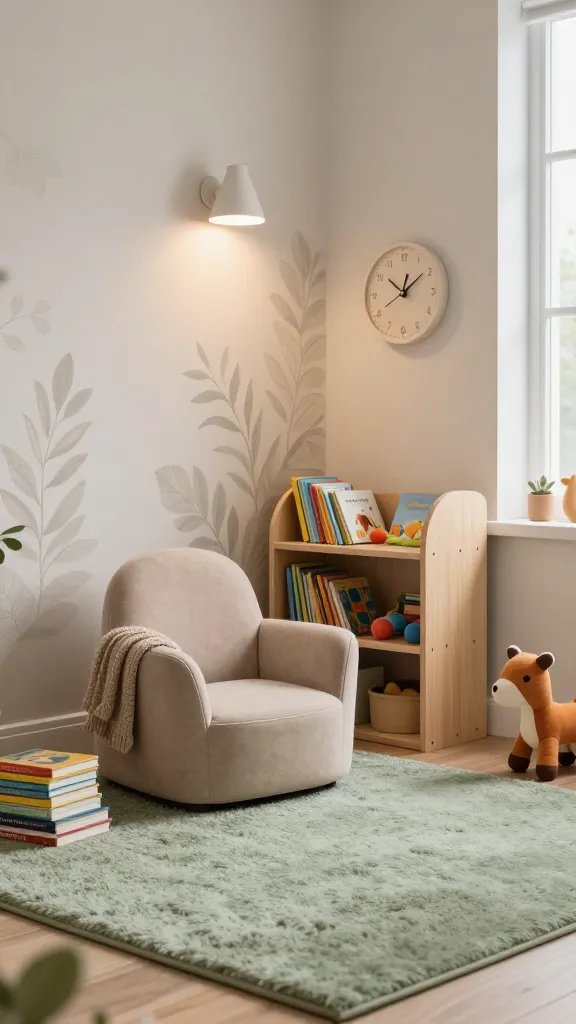
A. The Problem
Evening routines can feel loud and hurried when toddlers want to chat, read, or play while parents prepare for bedtime.
B. Why It Happens
Lack of a calm, dedicated space for storytelling and quiet activities makes bedtime feel rushed and adds clutter to the surrounding area.
C. The Fix
Create a small story corner with a comfortable chair, a soft rug, and a low bookshelf or bin that holds a curated set of bedtime stories and soft toys.
D. How to Implement It
– Place a comfortable chair or floor cushion near a light that’s suitable for reading. Add a low bookshelf or a bin for story books and a small, quiet toy bin.
– Limit the set to 8–12 books and 2–3 soft toys; this keeps the space calm and easy to manage during bedtime.
E. Real-Life Consideration
– Small spaces: Use a compact chair or oversized floor cushion; a small wall-mounted shelf can hold the books without taking up floor space.
– Renters: Choose a freestanding shelf and a lightweight chair that can move as needed without wall mounting.
F. Common Mistake
Overloading the shelf with too many books, which can make the space feel crowded and difficult to navigate in low light.
G. Better Alternative
Curate a rotating, theme-based short list of titles to keep the space serene and navigable, especially when multiple family members share the bedtime routine.
21. Build a November “Calm-Down” Corner to Reduce Meltdowns
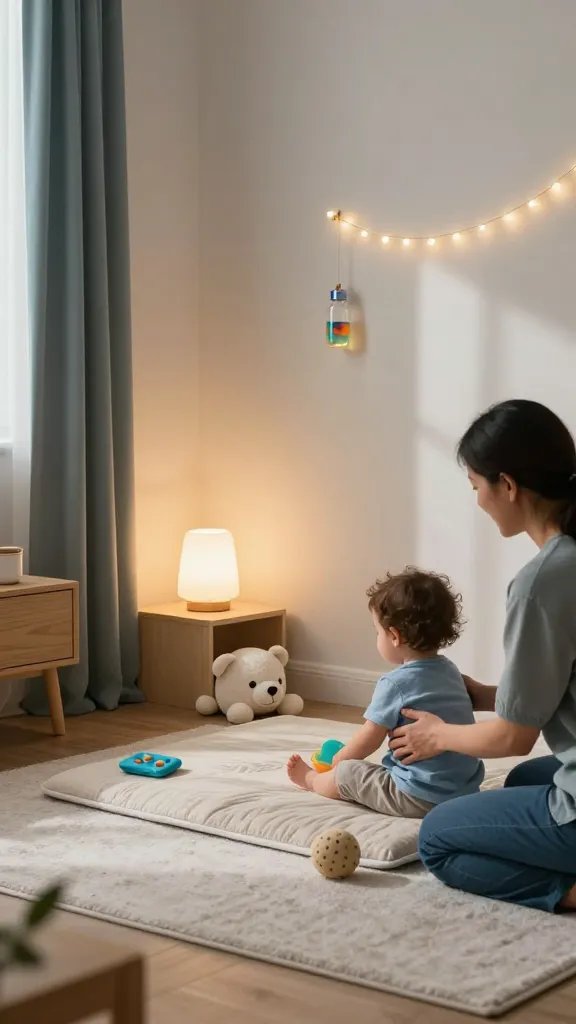
A. The Problem
Evenings can get tense when toddlers are overstimulated by fall activities, seasonal decorations, and the busy home rhythm.
B. Why It Happens
A lack of a designated, accessible calm-down zone makes it harder for kids to self-regulate and for parents to manage transitions smoothly.
C. The Fix
Create a compact calm-down corner with a sensory-friendly mat, a small plush, a soft light, and a few calming activities like a textured toy or a sensory bottle.
D. How to Implement It
– Place a soft mat on the floor of a quiet corner. Add a small plush, a dimmable light or a string of warm LEDs, and a couple of sensory toys (thick yarn ball, squishy toy).
– Keep a small bottle of “calm-down liquid” (or a safe fidget toy) within reach. Teach your child a simple routine: sit, breathe, and pick one toy to focus on for 2–3 minutes.
E. Real-Life Consideration
– Small spaces: Choose a corner with minimal foot traffic and ensure the calm-down tools are visible but not occupying large floor space.
– Renters: Use a freestanding mat and a small light that plugs into a standard outlet; no wall modification needed.
F. Common Mistake
Choosing overly stimulating toys that actually heighten arousal rather than calm. Pick soft textures and simple tools.
G. Better Alternative
A well-curated, small set of calming tools that offer tactile input and visual softness, designed to be used in 2–3 minute intervals to reset energy quickly.
22. Set Up a Minimal, Clear Shopping List Zone to Control Duplicate Buys
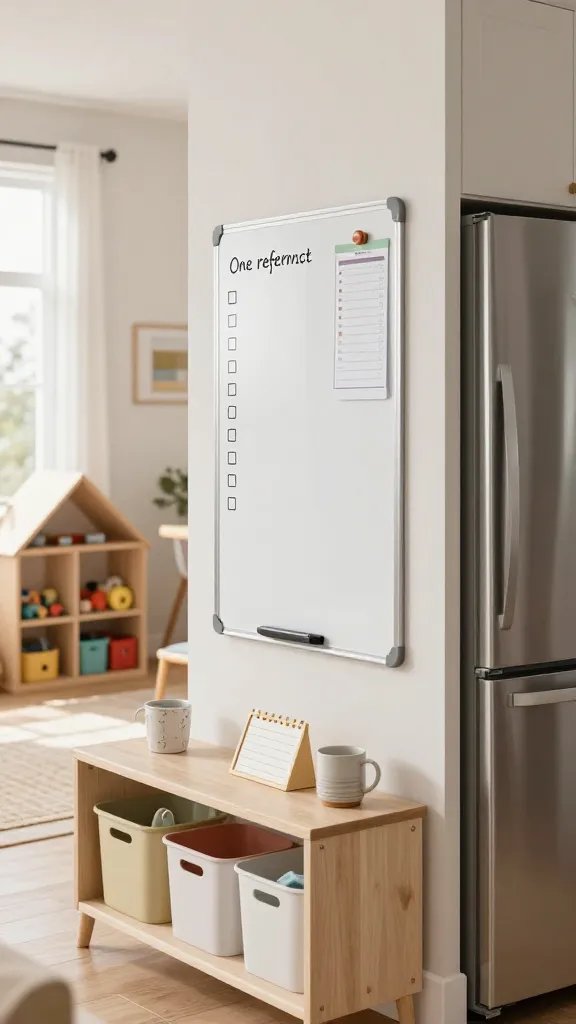
A. The Problem
Shoppers in the home often duplicate items in kitchen and play zones because they don’t have a single reference for what’s already in storage.
B. Why It Happens
Without a visible inventory, trips to the store lead to “just in case” purchases that amplify clutter and cost.
C. The Fix
Create a small, visible shopping list zone: a whiteboard or laminated sheet near the fridge that lists items you actually use, paired with a simple “inventory” of what’s in storage.
D. How to Implement It
– Install a dry-erase whiteboard on the fridge or a nearby wall. List current household staples and common fall items (snacks, paper towels, wipes, art supplies).
– Maintain a corresponding storage inventory (one shelf or bin) that shows whether those items are in stock or running low.
– Update weekly as you notice usage changes; keep the board visible so all family members participate in fewer duplicate purchases.
E. Real-Life Consideration
– Small spaces: Use a compact whiteboard or a laminated sheet with a dry-erase marker.
– Renters: Use removable whiteboard film or a small clipboard-style inventory near the fridge; no ceiling or wall damage required.
F. Common Mistake
Only updating the list after you return from the store; frequent updates keep your inventory accurate and useful.
G. Better Alternative
Use a 2-column system: one column for “Items I actually use” and a second column for “Low-stock items to replenish.” This keeps shopping trips focused and reduces waste.
23. Build a Family Command Center That Handles November’s Busy Schedule
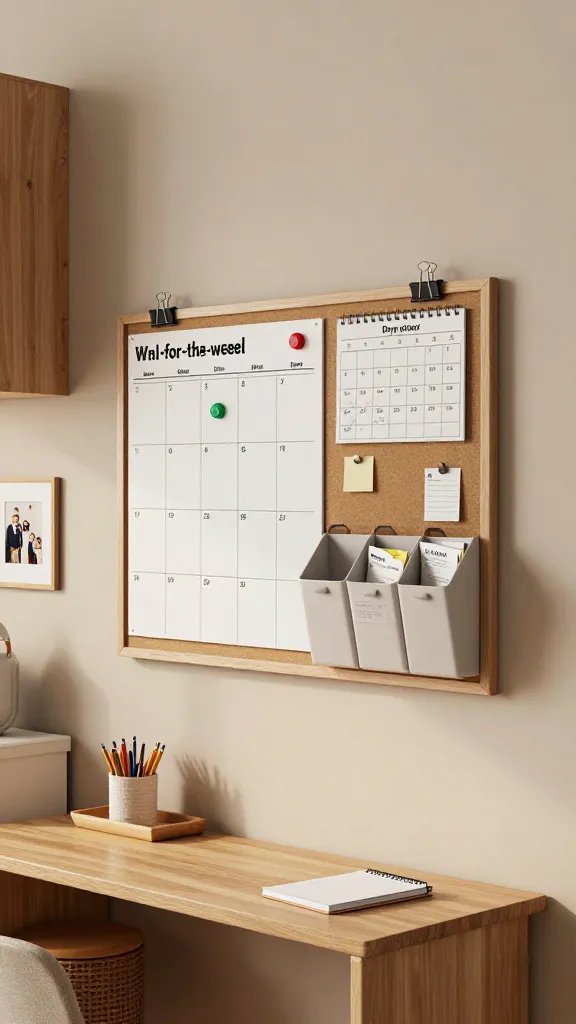
A. The Problem
In November, calendars fill quickly with family events, school activities, and holiday prep, yet families lack a centralized hub for coordinating everything.
B. Why It Happens
Different family members use different calendars and routines, resulting in missed events and mixed signals about who needs to do what, when.
C. The Fix
Create a compact family command center that includes a small calendar, a plan-for-the-week board, and a place for incoming mail and school notices.
D. How to Implement It
– Use a small corkboard or magnetic board mounted at a height accessible to adults; a weekly calendar sits at the top, with a labeled folder for notices.
– Add a slot for each family member’s items (e.g., a mail tray, a small note pad, and a pen) to keep everyone on the same page.
– Update weekly during a short family meeting; keep it simple and actionable.
E. Real-Life Consideration
– Small spaces: Use a compact corkboard with a weekly planner and mail slot mounted near the entryway or kitchen.
– Renters: Use removable adhesive hooks and a freestanding calendar stand; no nails required.
F. Common Mistake
Overloading the board with too many notices; keep it readable at a glance with essential items only.
G. Better Alternative
A simple weekly rhythm: one shared calendar, one weekly plan board, and one mail bin. This reduces decision fatigue and keeps communications clear.
24. Optimize Laundry for Busy Fall Weeks
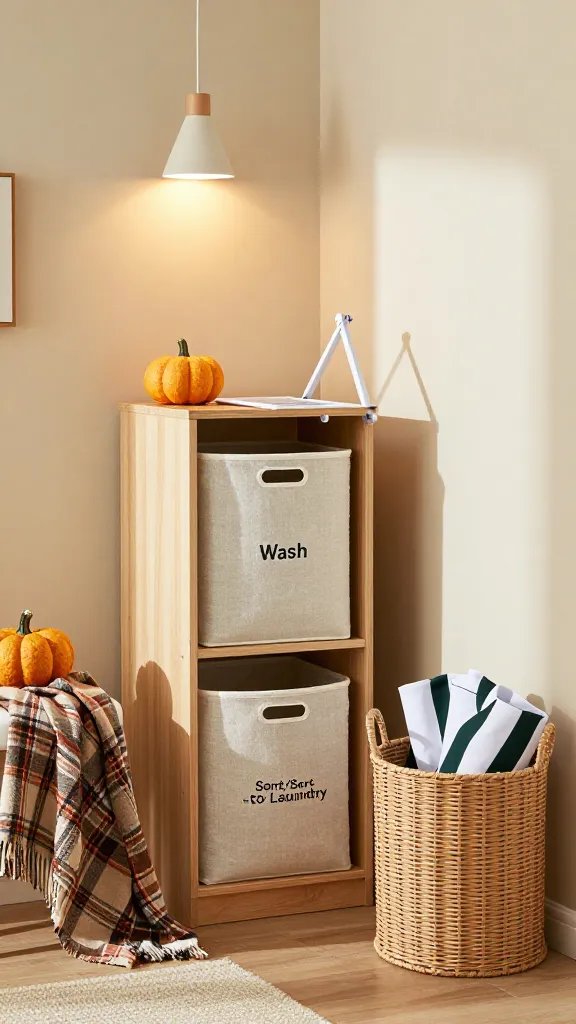
A. The Problem
Laundry piles spike with extra clothes, pumpkin-themed costumes, and school uniforms, turning laundry day into a multi-tasking ordeal.
B. Why It Happens
Without an organized, frequent-laundry routine, clothes accumulate and sorting becomes a snag on weekends when time is tight.
C. The Fix
Set up a compact, 2-basket laundry routine: one basket for “Wash” and one for “Sort/Sort-to-Laundry.” Place a collapsible drying rack nearby for quick air-drying when needed.
D. How to Implement It
– Place two light, labeled hampers or baskets near the laundry area: “Wash” and “Sort.” The “Sort” basket can hold clothes by color or material if you want to pre-sort.
– A small drying rack can be placed in a closet or a corner with a tray underneath to catch drips. Fold laundry as you go to keep surfaces clear.
E. Real-Life Consideration
– Small spaces: Use a compact, foldable drying rack that can be stored when not in use.
– Renters: Avoid heavy, fixed laundry stations; rely on portable hampers and a foldable rack.
F. Common Mistake
Trying to wash everything at once; instead, establish a consistent rhythm (e.g., two loads on weekdays and one on weekends) to prevent overwhelm.
G. Better Alternative
A predictable, small-scale laundry flow reduces clutter and keeps textiles in rotation, especially during the busy fall season.
25. Quick-Start Guide: Turn November into a Clutter-Reducing Month
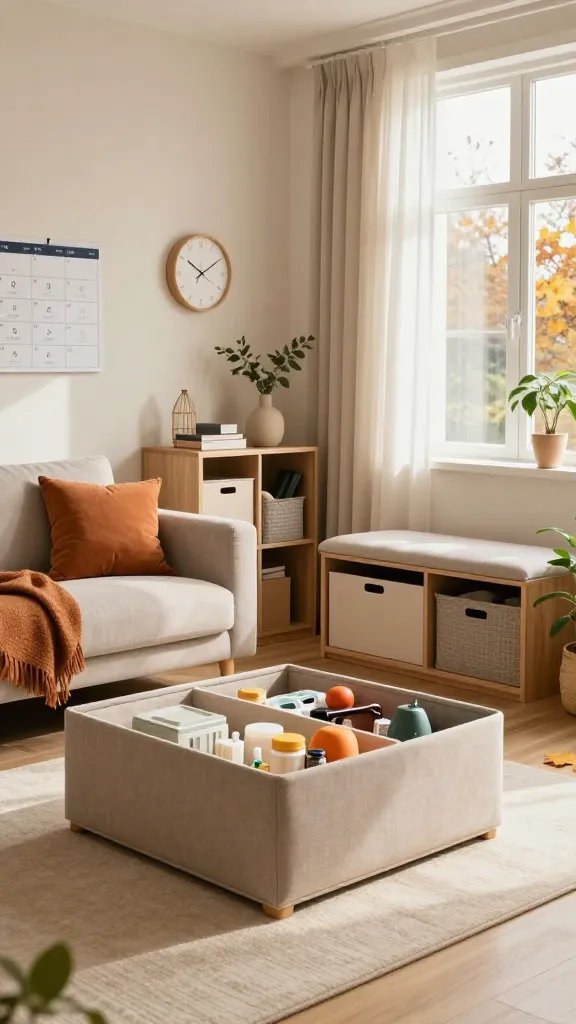
A. The Problem
November can feel like a sprint to prepare for holidays, which often leads to impulse purchases and a proliferation of items that never find a real home.
B. Why It Happens
Without a quick-start plan, households fall back on familiar patterns: impulse buying, keeping items in unhelpful places, and allowing clutter to grow.
C. The Fix
Implement a one-month clutter-reduction plan that includes a daily 5-minute reset and a weekly 15-minute declutter session focused on high-traffic zones: entryway, kitchen counters, and the toy corner.
D. How to Implement It
– Each day, spend 5 minutes on a quick reset: return items to their homes, flatten clutter, and wipe down touchpoints.
– Each week, block 15 minutes to declutter high-traffic zones. Use a simple 3-step approach: remove, relocate, and rehome.
– End of month: reassess and adjust the storage zones to reflect updated needs as fall turns to winter.
E. Real-Life Consideration
– Small spaces: Prioritize high-traffic zones for daily resets to prevent clutter from spreading.
– Renters: Use temporary storage solutions and removable organizers that can be moved with you if you relocate.
F. Common Mistake
Tackling too many zones at once; stay focused on one zone per week for the month.
G. Better Alternative
A sustainable, month-long approach that builds better habits and creates durable, simpler organization as you navigate November and the transition to winter.
Before You Buy: Quick, Practical Decision Rules
Rule 1: If you use it every week, keep it within easy reach. If not used in two seasonal rotations, question whether it deserves prime storage.
Rule 2: If a storage container makes an item harder to see or reach, it isn’t solving the problem. Replace with clear, shallow, or open bins for frequently accessed items.
Rule 3: If you need to move three things to reach one thing, change the storage layout. Reconfigure zones to reduce friction.
Rule 4: For any system, prioritize easy maintenance. If it’s too fiddly to maintain, it won’t last.
Rule 5: Measure before you buy. A tiny misfit can cascade into daily irritation. Start with existing containers if they can be repurposed.
Conclusion
November is a practical turning point: a time to harness the autumn energy without letting clutter derail daily life. The 25 sections above are designed to address real constraints—small spaces, rental limitations, busy households, and modest budgets—while delivering tangible improvements you can implement today. The core principle is simple: every space should have a specific, useful purpose, with a clear path from problem to fix to action. Start with one to three changes you can complete this week—perhaps the Fall Snack Zone, the Toy Sorting Station, and a Calm-Down Corner—and let momentum build. As you integrate these practical solutions, you’ll feel your home become calmer, more navigable, and better prepared for the holidays that lie ahead.
Frequently Asked Questions
What’s the best way to start organizing if I have almost no storage?
Start with high-traffic zones: entryway, living room toy corner, and the kitchen counter. Use shallow, clear bins and a few slim shelves to create visible homes for items. Prioritize items you use weekly and remove items you haven’t touched in the past two months.
How can I involve my toddler without increasing mess?
Turn organization into a daily habit of choice and rotation. Let your child pick a small set of items to store in the “Use First” zone, and make cleanup a quick, playful ritual with clear labels and icons. Keep tasks short (5–10 minutes) to maintain engagement and reduce resistance.
What if I rent and can’t install anything?
Use freestanding organizers, over-the-door hooks, and removable wall-mounts. Choose lightweight, portable options that don’t require drilling or adhesives. Focus on rearranging within the existing layout to maximize accessibility.
How do I balance decor with function in a small space?
Let function guide decor decisions. Choose a few seasonal pieces that serve multiple purposes (e.g., a decorative pumpkin that doubles as a small toy bin lid or a soft rug that defines a reading nook) and keep other surfaces clear. Lean on understated, warm lighting to create a cozy fall mood without adding clutter.