When you’re shopping for gifts in a busy, cluttered, space-challenged home, a generic basket full of pretty items often ends up unused or forgotten. The problem isn’t a lack of nice ideas; it’s a mismatch between what people say they want and what a real home can accommodate. In small apartments, rental kitchens, or households with limited storage, a gift should be practical, easy to use, and easy to maintain. This article offers 15 cozy fall gift basket ideas that solve real problems in real homes, with concrete steps you can take today—and tips tailored to small spaces, tight budgets, and temporary living situations.
1. Create a “Use First” Seasonal Pantry Kit
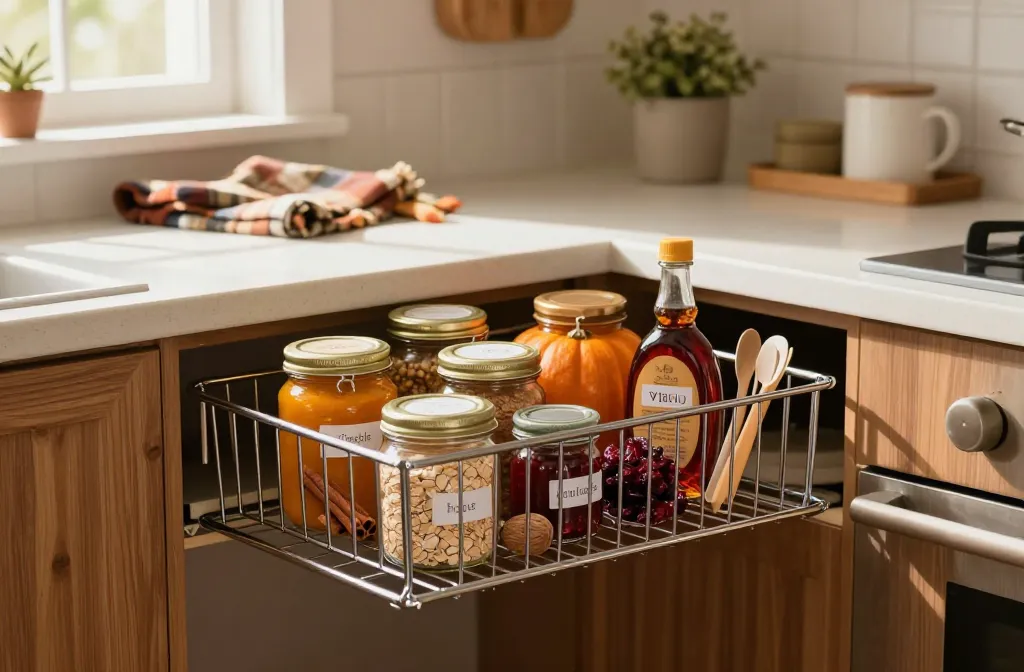
The problem: Seasonal ingredients and frequently used staples get buried behind unfamiliar items, and fall flavors often get overlooked because they’re tucked away.
Why it happens: We rotate ingredients based on routine, not season. Busy weeks push you toward repeat purchases, while seasonal items sit unused in the back of a cabinet.
The fix: Build a compact “Use First” pantry kit with a shelf-ready layout that makes autumn staples visible and accessible for weeknight meals.
How to do it:
- Choose a small, shallow basket or a slim, open-bin on a high shelf or in a pantry corner—preferably something that stays visible for easy grabbing.
- Fill with 6–8 fall staples you actually use: one jar of pumpkin puree, a can of crushed tomatoes, one box of risotto or grain mix, one can of coconut milk, a packet of roasting spices, and a bag of onions or garlic.
- Label the front with a simple list: “Fall Use First.”
- Keep a small notepad or dry-erase card nearby to note new fall items you buy or want to try next week.
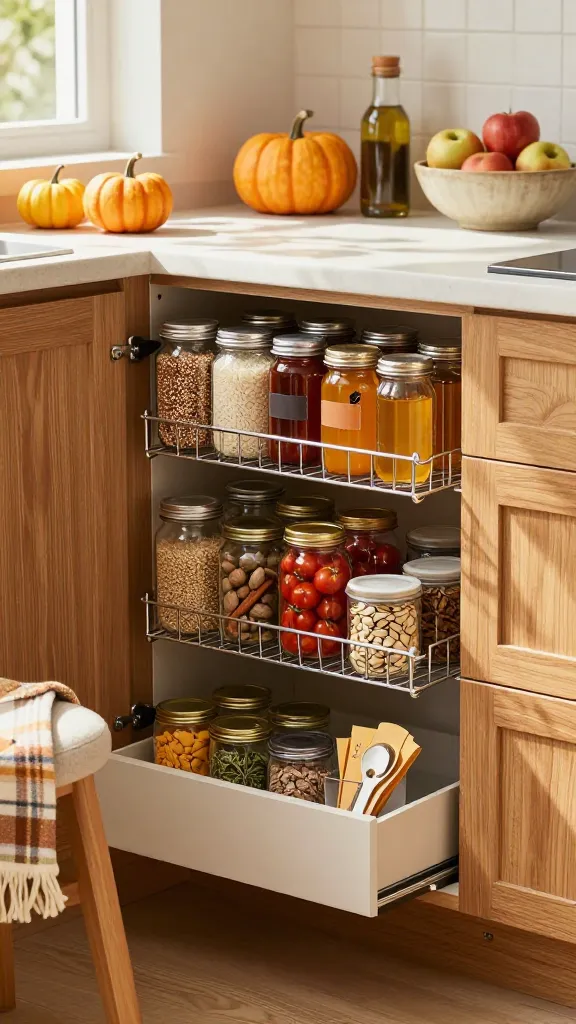
Real-life consideration: In a small kitchen, place this basket where you’d normally reach for ingredients—near the stove or prep counter. If there’s no pantry door, use a shallow shelf or a wall-mounted rack to keep it within sight and out of the fridge.
Common mistake: Stacking heavy items at the back or overloading with products you don’t actually cook with regularly, which makes the kit intimidating or unused.
Better alternative: Use a single, clearly labeled bin and rotate contents monthly. Remove items you’ve not used in two months and replace with a new fall staple.
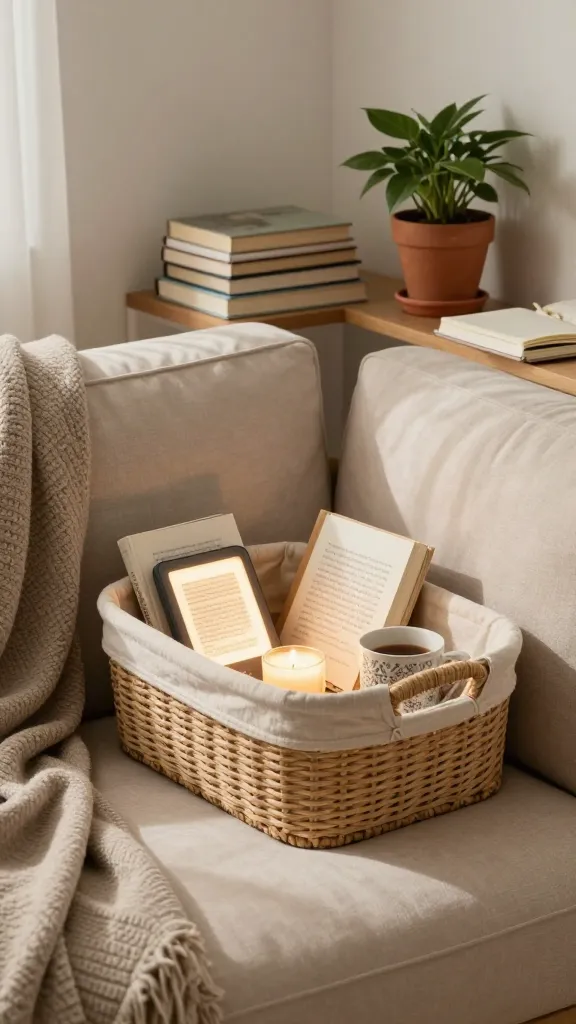
2. Cozy Reading Nook Kit for Small Spaces
Related Posts:


The problem: A cozy space to read can feel like a luxury in a compact apartment, but months of busy schedules push reading to the back burner.
Why it happens: Clutter around a sofa or a bed makes picking up a book feel like a chore; lighting and a tiny surface area deter momentum to settle in.
The fix: A compact gift basket that creates a dedicated, welcoming micro-zone for reading—without sealing off space or requiring a permanent setup.
How to do it:
- Use a low-profile basket (about 12–14 inches wide) that can sit on a small side table or on a windowsill ledge.
- Include a hardcover fall-themed book, a soft throw blanket (about 50×60 inches), a small reading light or warm-colored LED string lights, and a reusable mug with hot beverage sachets (tea, cocoa, or coffee).
- Add a bookmark and a tiny bag of aromatic dried lavender or cinnamon sticks for ambience.
Real-life consideration: If there’s no extra surface, place the reading kit on the floor next to a chair with a lightweight tray that can be slid under the chair when not in use.
Common mistake: Purchasing oversized blankets that overwhelm a small space or reduce usable floor area.
Better alternative: Choose a compact throw and a small, rechargeable book lamp to preserve surface area while creating maximum impact.
3. Fragrant Fall Bath-and-Breeze Set
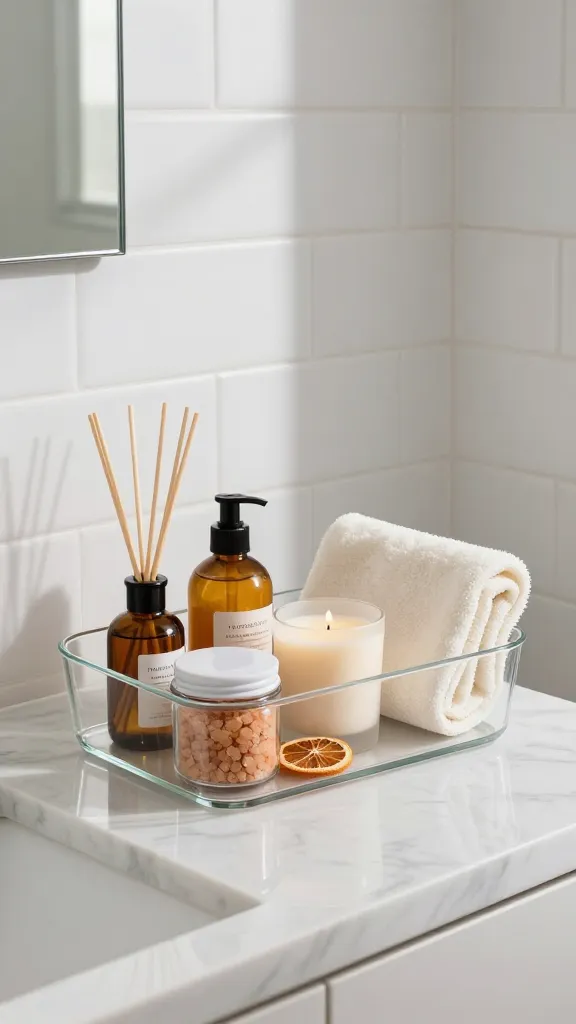
The problem: Stress relief and self-care routines often get skipped amid daily duties, especially when bathrooms lack a dedicated spa-like system.
Why it happens: People won’t notice small luxe items unless they’re clearly accessible and easy to use after a long day.
The fix: A compact, no-fuss bath-and-breeze bundle that encourages quick routines and doesn’t require bathroom remodeling.
How to do it:
- Pick a small, clear or white-tile-friendly container to place on a bathroom shelf or vanity (or a compact toiletry bag that travels between bathrooms).
- Include a 2–3 oz bottle of fall-scented body wash, a roll-on or mini bottle of lotion, a sachet of bath salts or a bath bomb, and a travel-size hand sanitizer with a fall scent.
- Offer a compact essential oil roller (like lavender or bergamot) for a quick scent boost without overwhelming the space.
Real-life consideration: For renters, avoid anything that requires permanent hardware. A freestanding basket with a lid keeps items contained without altering walls or plumbing.
Common mistake: Overpacking with bulky items that won’t fit in a standard under-sink cabinet or medicine drawer.
Better alternative: Choose travel-sized or mini versions to keep the kit portable and easy to store when not in use.
4. Quick-Heat Tea and Snacks Basket
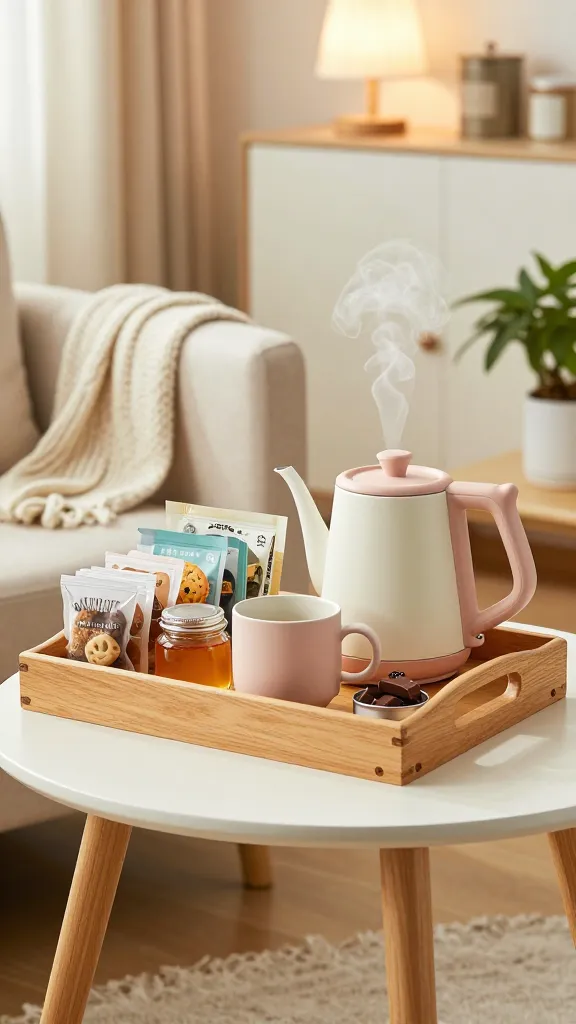
The problem: Cold evenings and hurried workdays make a quick, comforting snack option appealing, but it’s often hard to keep straight which items are fresh and which are stale.
Why it happens: Snacks and hot drinks get mixed into random cupboards, creating a mismatch of flavors and fatigue over time.
The fix: A small, clearly organized heat-and-snack basket that sits near the coffee station or in a living room side table for instant comfort.
How to do it:
- Choose a shallow, removable tray or basket that can be placed on a compact side table or couch arm.
- Include a variety of fall-friendly snacks (yogurt-covered pretzels, roasted nuts, granola bars) and a few single-serve hot drinks (tea bags, hot cocoa mix, small coffee sachets).
- Line with a lightweight parchment sleeve to keep items tidy and easy to wipe clean.
Real-life consideration: In a small kitchen, add a small insulated sleeve to keep drinks at a comfortable temperature without needing a full mug warmer.
Common mistake: Including too many perishable snacks, which may go stale quickly.
Better alternative: Favor shelf-stable, single-serve options and rotate monthly to keep it fresh and budget-friendly.
5. Fall-Front Door Comfort Kit
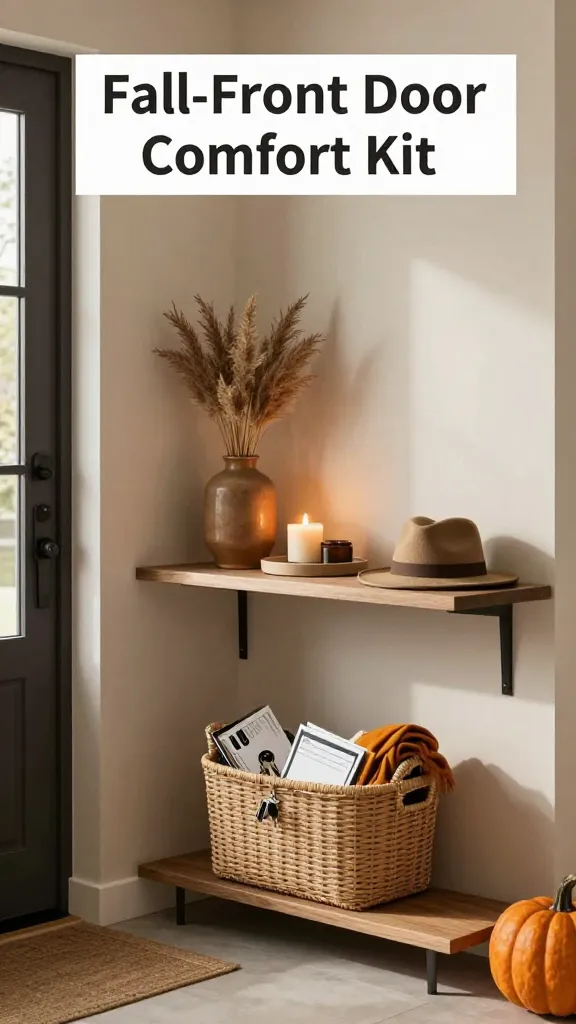
The problem: Entryways in small homes accumulate clutter fast—mail, keys, shoes, and a stray scarf can create a cramped, chaotic first impression.
Why it happens: A multifunction entryway is often poorly organized, forcing you to search for essential items when you’re heading out the door.
The fix: A compact “front door comfort” basket that consolidates must-haves and creates a clean, welcoming exit route.
How to do it:
- Place a shallow, open basket on a narrow console or wall-mounted shelf near the door.
- Include a slim umbrella, a microfiber cloth for quick screens or windows, spare keys, a small notebook for jotting tasks, and a small candle or air freshener for a quick boost as you leave.
- Add a compact shoehorn or foldable shoe rake if you have limited floor space near the entry.
Real-life consideration: If there’s no entry table, mount a narrow wall shelf and hang the basket from the wall with a simple adhesive hook.
Common mistake: Placing the basket too high or behind a door where it’s hard to reach during rush-hour exits.
Better alternative: Keep frequently used items in a lower, easy-to-reach zone and reserve the top shelf for seasonal items that you don’t reach daily.
6. “Use First” Spice and Seasoning Binder
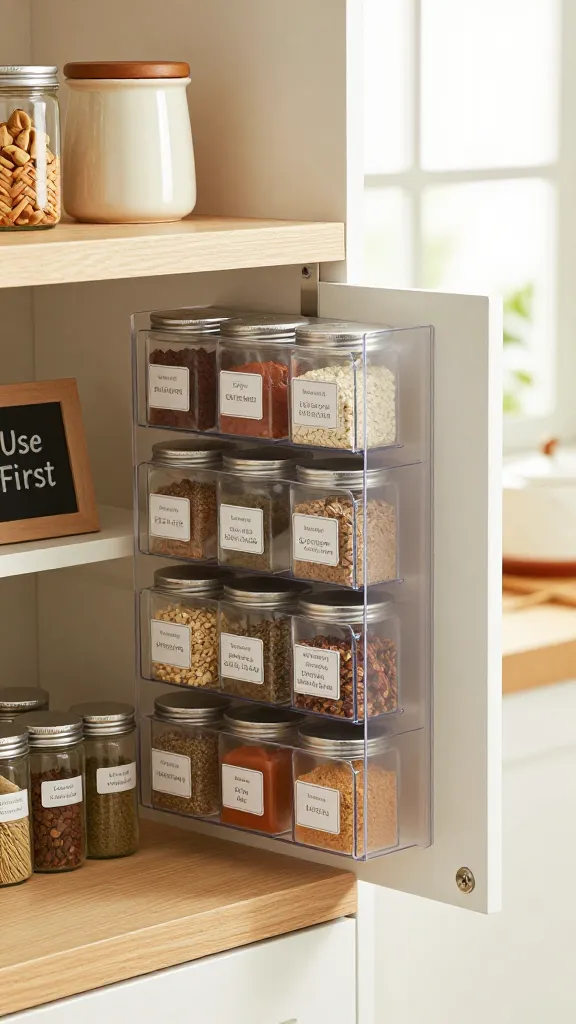
The problem: Spices lose potency and get buried behind other jars, leading to wasted money and under-seasoned dishes.
Why it happens: A traditional spice cabinet becomes a dump area with little visibility into what’s actually usable.
The fix: A compact, binder-style organizer with clearly visible spices and a place for seasonal blends.
How to do it:
- Use a small binder with clear pocket sleeves or a slim spice rack that fits inside a cabinet or on a pantry door.
- Place daily-use spices in a horizontal row with labels facing out; keep fall blends (pumpkin pie spice, apple pie seasoning) in the same sleeve.
- Add a “Use First” card to remind of items that expire soonest (optional: use a dry-erase mini-board).
Real-life consideration: If you can’t install racks, pick a shallow, portable caddy that sits on the countertop but can be slid into a drawer when not in use.
Common mistake: Mixing all bottles into one deep bin where you can’t see the label, causing repeated purchases of the same item.
Better alternative: Angle the spices slightly so the labels are legible from above and maintain a visual cue for seasonal use.
7. Cozy Cozy: Fabric-Care Basket for Fall Fabrics
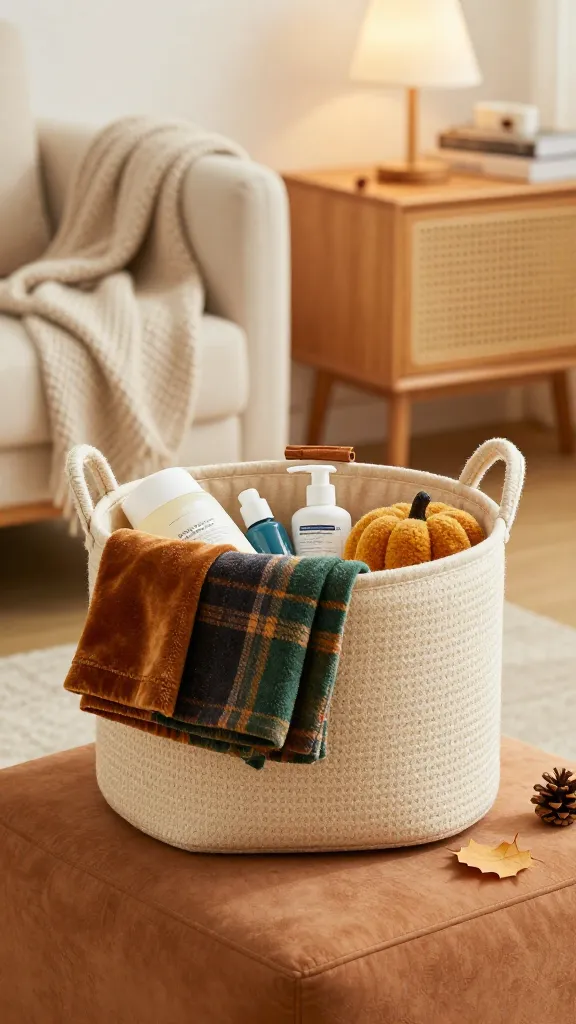
The problem: Cold weather makes fabrics feel dingy, and small homes often lack a dedicated space for blankets, hot-water bottles, or seasonal textiles.
Why it happens: Bedding and throws get stored with little thought to accessibility, especially in apartments with shallow closets.
The fix: A compact fabric-care basket that holds a couple of fall-themed textiles and a simple care kit for quick refreshes.
How to do it:
- Choose a flat, low-profile basket (or a zip-top tote for easy removal) that fits on a shelf or under a bed.
- Place one medium-weight throw, a set of flannel napkins, and a small bottle of fabric refresher or a stain remover pen.
- Include a mini lint roller and a compact garment clip to refresh clothing and home textiles in one quick pass.
Real-life consideration: In rental homes, avoid placing large textiles in a space that blocks airflow or breaks fire codes; choose breathable textiles and store in a way that doesn’t trap moisture.
Common mistake: Over-investing in bulky textiles that you won’t reach regularly because they’re stored behind other items.
Better alternative: Rotate textiles seasonally and store the rest in a sealed bin under the bed or in a closet with a clear lid for quick access.
8. Fall Spa Night in a Box
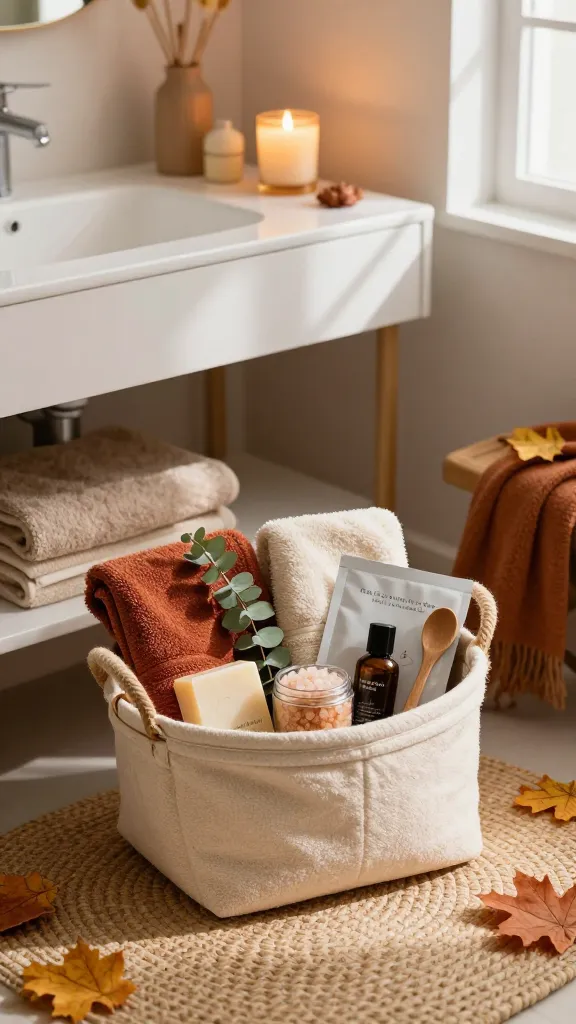
The problem: Self-care can feel complicated when your bathroom doubles as a storage space; a dedicated zone for spa-like evenings helps you unwind.
Why it happens: Busy schedules push self-care to the back—items become scattered across drawers and bags, making it a chore to find what you need.
The fix: A compact spa night gift basket that’s easy to pull out and use, without requiring an extra room or permanent setup.
How to do it:
- Use a small flat basket or a tote that slides under a sink or into a linen closet.
- Include a scented candle, a small jar of sugar scrub, a face mask sheet, and a sachet of bath salts or a mini lotion.
- Include a microfiber cloth for quick refreshing rituals and a hydrating lip balm for fall dryness.
Real-life consideration: If you rent and can’t burn candles, substitute with a battery-operated LED candle or a reed diffuser as a scent alternative.
Common mistake: Overloading with heavy scents that irritate sensitive household members or repeatedly trigger allergies.
Better alternative: Offer a scent sample card with a choice between two mild fall scents to avoid overpowering others.
9. Minimalist Kitchen “Starter” Basket
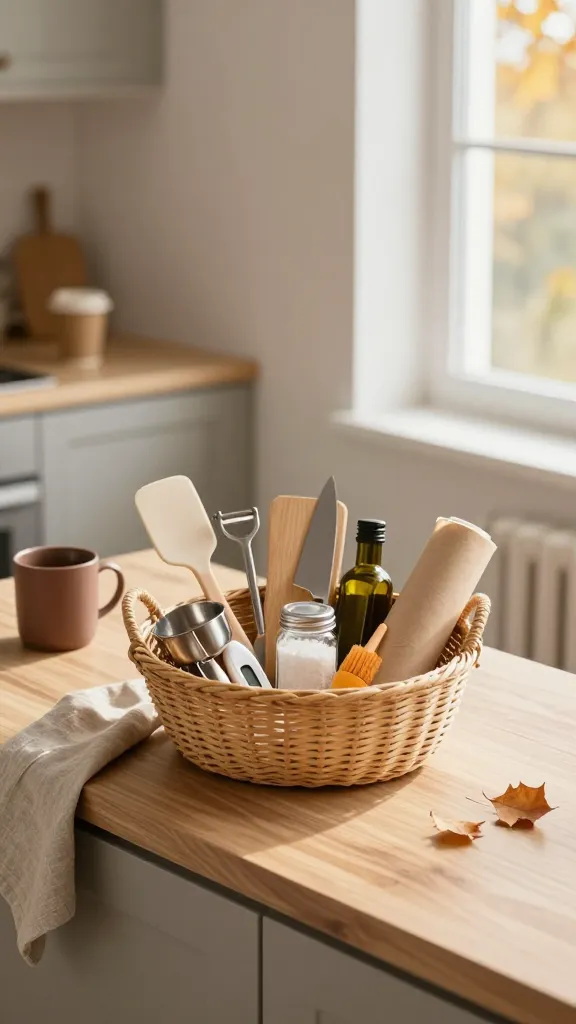
The problem: New to home ownership or moving into a small space can lead to buying duplicate tools and basic supplies, creating clutter and waste.
Why it happens: People underestimate the value of a simple starter set that avoids overbuying and duplicates when adjusting to a new home.
The fix: A tiny starter kit that covers essential fall kitchen tasks without forcing you to assemble a large collection.
How to do it:
- Choose a small, shallow basket that can sit on a counter or inside a cabinet.
- Include a compact bottle of olive oil, a small jar of maple syrup, a bag of dried pasta, a fall spice blend, and a small wooden spoon or silicone spatula.
- Add one multipurpose cleaning wipe and a small dish brush for quick cleanup after meals.
Real-life consideration: In apartments, avoid purchasing heavy, oversized pots or pans right away; instead, encourage a slow build with starter pieces stored in a movable container.
Common mistake: Buying a full-size set of utensils that you’ll never use regularly in a small kitchen.
Better alternative: Emphasize multi-use items (spoon, spatula) and compact, stackable storage to maximize counter space.
10. Seasonal Cleaning Helper Basket
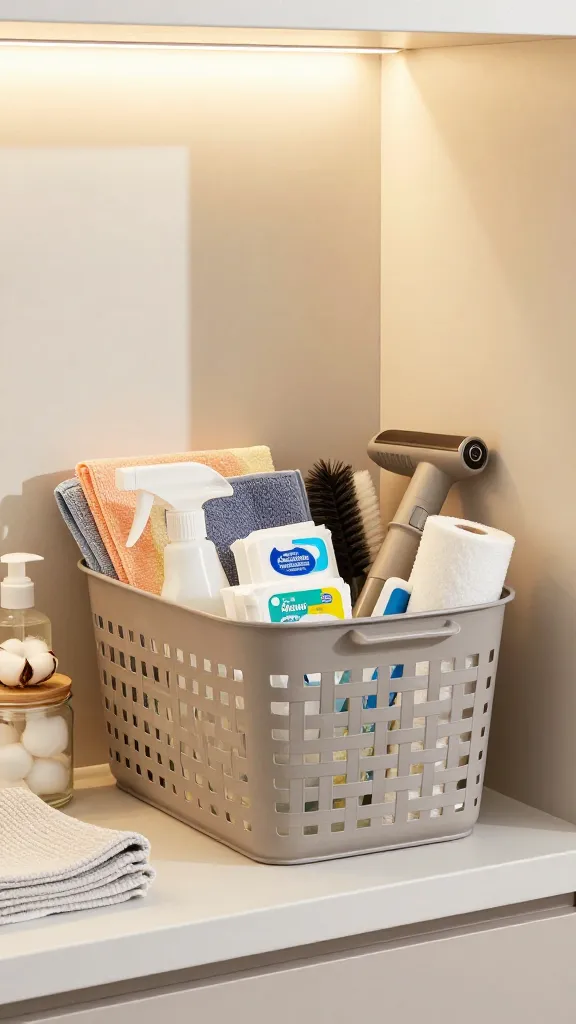
The problem: Seasonal cleaning tasks accumulate across rooms, creating a perception of disorder even when the house is tidy.
Why it happens: People postpone cleaning tasks because they can’t locate the right supplies quickly or can’t find a contained workspace for quick tasks.
The fix: A compact cleaning helper that groups necessary tools to handle small messes or quick decluttering sessions without moving multiple boxes.
How to do it:
- Choose a slim, low-profile basket that fits on a shelf or the back of a closet door using a hook.
- Include a microfiber cloth, a bottle of all-purpose cleaner, a pack of wipes, a lint roller, a small brush, and a pair of nitrile gloves.
- Place a small card with a quick “5-minute reset” routine: wipe surfaces, declutter one area, straighten a shelf.
Real-life consideration: In rental homes, avoid anything that requires installing new hardware; choose freestanding or adhesive-backed tools only.
Common mistake: Overloading the basket with bulky bottles that are hard to store and heavy to move.
Better alternative: Use travel-sized cleaning products or concentrate refills to reduce weight and bulk.
11. Guest-Ready Cozy Basket
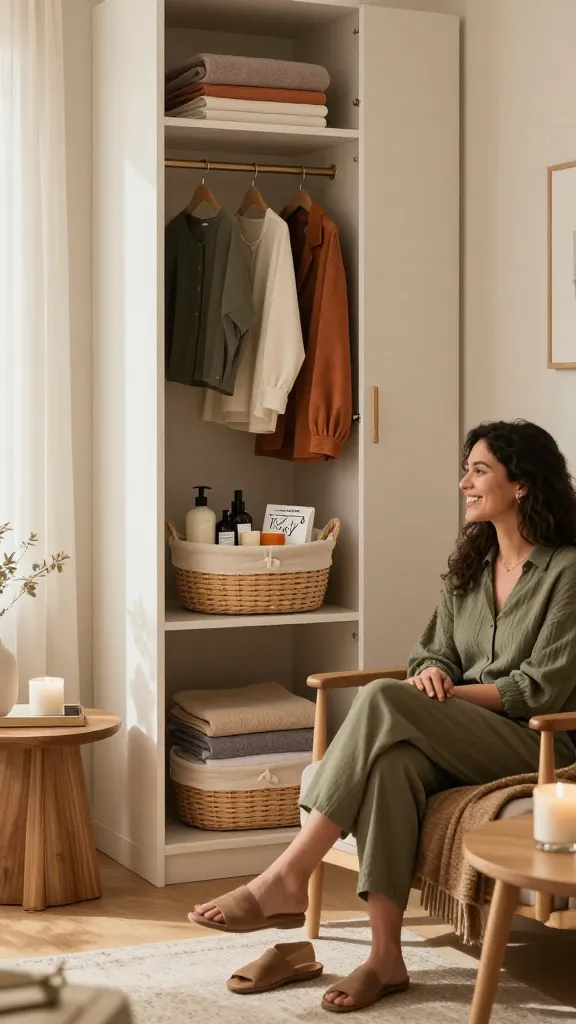
The problem: Last-minute guests can stress your space if you don’t have a ready-to-go guest setup, particularly in small homes with limited guest space.
Why it happens: Limited guest accommodations lead to a scramble for linen, toiletries, and small touches that feel too temporary or improvised.
The fix: A compact guest-ready basket that lives in a closet and can be quickly pulled out with essential items.
How to do it:
- Use a shallow basket with a folded set of clean guest towels, a pack of mini soaps, a spare toothbrush and toothpaste, a small lotion, and a compact hairbrush.
- Include a small decorative item like a seasonal sachet or a single votive that adds warmth to a guest space.
- Label the basket “Guest Ready” with a simple tag so you can grab it quickly when guests arrive.
Real-life consideration: In apartments, choose items that can fit into a single drawer or shelf to avoid blocking your living areas.
Common mistake: Overloading with expensive or fragile items that can break during transport or fall from a cabinet.
Better alternative: Use durable, travel-friendly items and keep delicate items functional and compact.
12. Seasonal Skincare and Hydration Kit
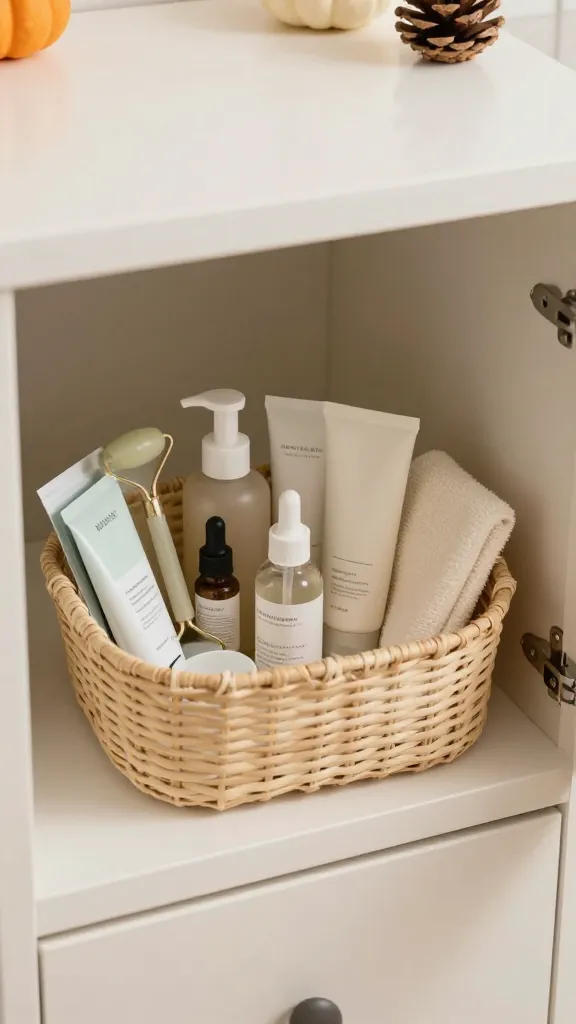
The problem: Fall weather can strip skin, but many routines require a lot of storage or are too bulky for small spaces.
Why it happens: Skincare products come in varied sizes and packaging, creating clutter when used inconsistently across spaces or shared bathrooms.
The fix: A compact kit with travel-sized or mini versions of fall-friendly skincare products that can be moved between bathrooms or stored in a single cabinet.
How to do it:
- Choose a small, flat basket that fits inside a medicine cabinet or under-sink drawer.
- Include one cleanser, one moisturizer, a hydrating mask, a lip balm, and a serum or booster (travel-size).
- Label with a small “Fall Hydration” tag and rotate products as they finish.
Real-life consideration: When you share a bathroom with others, use scent-free or milder products to reduce allergies or conflicts.
Common mistake: Hoarding multiple cosmetic samples that expire before they’re used, increasing clutter.
Better alternative: Rotate one or two items at a time and discard anything that’s open for too long or expired.
13. Compact DIY Gift-Min Basket
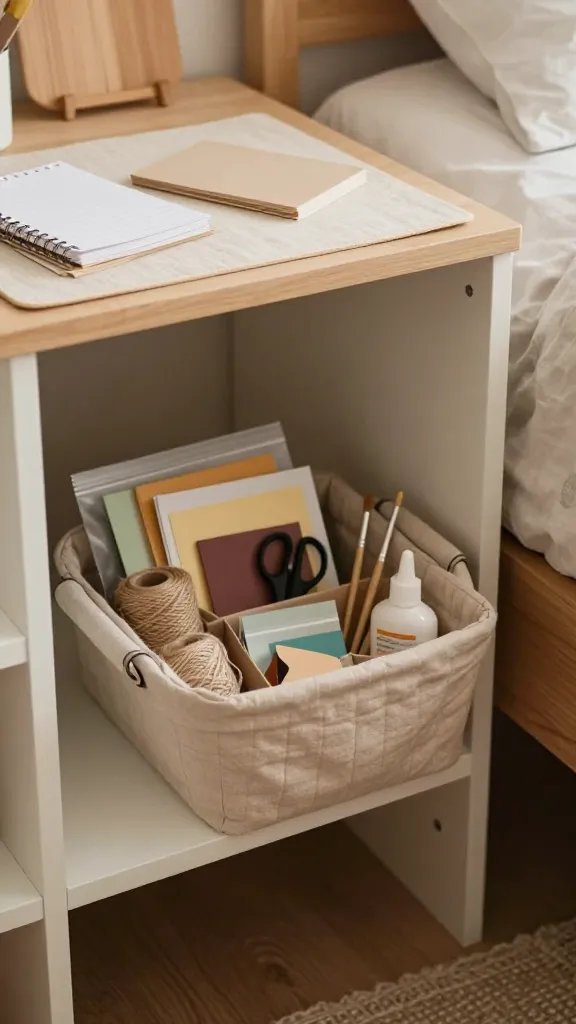
The problem: DIY gifts often require separate materials and space to assemble, which can be awkward in small homes or rental spaces.
Why it happens: People underestimate how much space a project can take, and the setup can feel messy if you don’t have a dedicated workspace.
The fix: A minimal DIY gift kit that enables quick, thoughtful crafts with a limited, clearly organized set of materials.
How to do it:
- Choose a flat, shallow basket that slides into a small closet shelf or under a bed.
- Include pre-cut fabric squares, a small skein of yarn, a basic needle kit, and a single, simple project card (e.g., “Make a fall mug rug in 30 minutes”).
- Add a few seasonal embellishments like a ribbon curl or a stamp set for the finishing touches.
Real-life consideration: If you can’t craft on a dedicated table, use a portable tray that can be moved to the couch.
Common mistake: Including too many tools that aren’t needed for the project or requiring a large space to complete the gift.
Better alternative: Keep the project light, clearly written, and use a single, reusable container to avoid waste and clutter.
14. Fall Laundry Care Basket
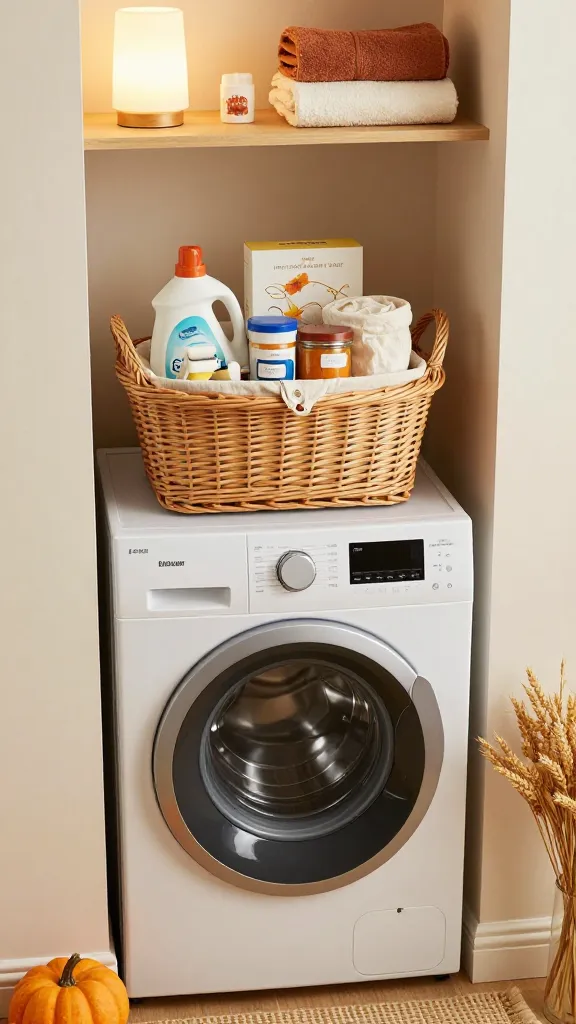
The problem: Laundry days can feel chaotic, especially when you’re managing multiple rooms and a small laundry area.
Why it happens: Laundry supplies accumulate in every room, turning a simple task into a scavenger hunt for detergent, stain remover, and dryer sheets.
The fix: A compact laundry-care basket that stays near the laundry area and keeps everything you need for fall washes organized.
How to do it:
- Place a small, shallow basket on top of the washer or on a nearby shelf.
- Include a travel-size detergent, stain remover pen, dryer sheets, a small lint roller, and a compact fabric spray or refresher.
- Add a simple instruction card: “Fall Wash Routine.”
Real-life consideration: In apartments without a dryer vent, avoid heavy or strong-smelling products that could linger in the space.
Common mistake: Stocking with large bottles that take up too much space; choose smaller, refilling options.
Better alternative: Use reusable, refillable containers to minimize waste and clutter while keeping essentials accessible.
15. Sustainable Autumn Gift Basket
The problem: Seasonal gifts often rely on disposables or items with limited reuse, which can feel wasteful and out of step with modern values for many households.
Why it happens: Gift practicality is sometimes overlooked in favor of aesthetics or novelty.
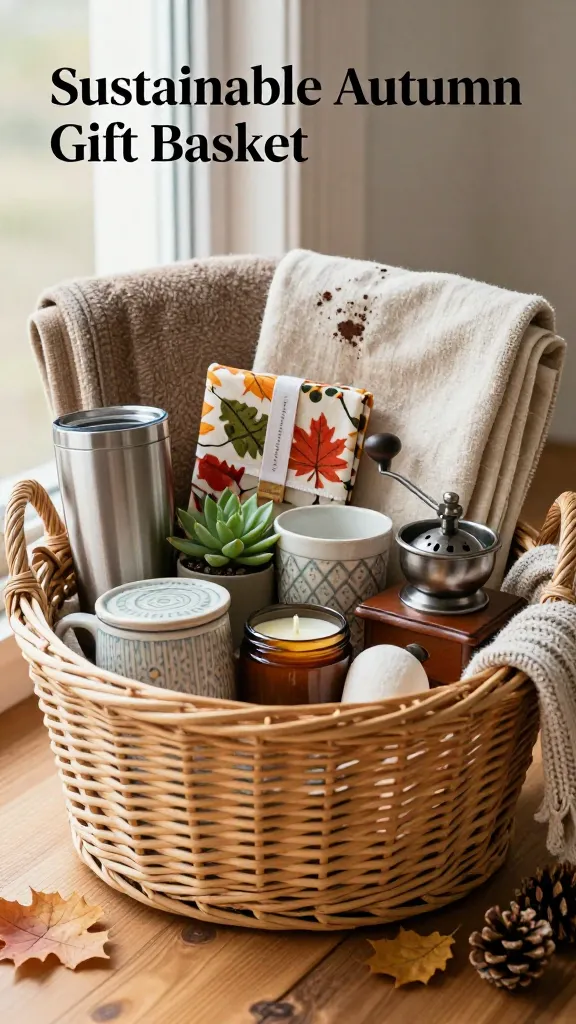
The fix: A sustainable autumn bundle that emphasizes reusable, durable items and small lifestyle upgrades people can actually use.
How to do it:
- Use a simple, sturdy basket that can be repurposed as a home storage solution later.
- Include a reusable tote bag, a beeswax wrap set, a compact, refillable bottle of hand soap, and a small plantable seed packet or a tiny potted herb (if allowed by space).
- Add a fall-themed note about reducing waste and the joy of practical, long-lasting items.
Real-life consideration: For renters, ensure any plant is small and non- invasive, with a clearly labeled care card. If plants aren’t practical, substitute a seed packet or a compact herb starter kit to keep the intention intact.
Common mistake: Choosing fragile items that can easily break during transit or storage in limited spaces.
Better alternative: Favor durable, multi-use items and materials that can be repurposed after the season.
Before You Buy: How to Make a Basket That Works in Real Homes
Across all 15 ideas, the most important steps aren’t the items themselves, but how you approach shopping and storage given real constraints.
- Measure first: Before buying, measure your space and the shelf where the basket will live. A grab-and-go solution is only useful if it fits where you actually reach for it.
- Inventory your space: Look around for underutilized shelves, back-of-door organizers, or a shallow basket on the laundry room shelf that could be repurposed for fall use.
- Choose permanence wisely: If you can’t install anything, prioritize freestanding baskets or totes that can be moved from room to room with ease.
- Limit duplications: If you own similar items already, use what you have rather than buying new. Reassess monthly to prevent duplication of gifts.
- Budget thoughtfully: Fall doesn’t require expensive items. Focus on a few well-chosen pieces that have multiple uses, such as a warm throw that doubles as a decorative accent or a reusable tote that substitutes a gift bag and a tote.
Becoming a Real-Home Gift Helper: Decision Rules You Can Use
- If you use it weekly, keep it accessible: For items tied to daily routines (coffee, snacks, skincare), place them in an easy-to-reach basket to minimize effort and maximize consistency.
- If something hasn’t left the shelf in two seasons, question it: This helps avoid clutter and ensures gifts and items stay relevant to the recipient’s space and season.
- Visibility over concealment: If a basket helps you see what you have, it’s worth keeping near the main living area; if it hides items you’ll need often, it isn’t solving the problem.
- Size before price: Choose the smallest viable version of a product to minimize space usage while maintaining utility.
Internal Links and Practical References
If you’re looking for more ways to optimize small spaces while keeping fall warmth, consider these related ideas (not linked here to keep the focus on this article):
- How to organize a small pantry without a built-in pantry
- Fall cleaning checklist for small apartments
- Low-profile storage solutions for rental homes
Conclusion
The heart of these 15 ideas is practicality. Each basket targets a specific real-home problem—limited space, rental restrictions, seasonal clutter, or busy schedules—without forcing a need to remodel or overspend. The key is to keep things compact, clearly organized, and easy to use. Start with one basket that tackles a top challenge in your home—perhaps the “Use First” pantry kit or the front-door comfort set—and let the rest follow as you gain confidence with simple systems. Your fall gifting can be warm, thoughtful, and genuinely usable in a space you actually live in.
FAQ
What’s the quickest way to start with these ideas in a tiny apartment?
Pick one area, like the pantry or entryway, and implement the smallest basket first. Use a shallow container with 4–6 essential items that you know you’ll use weekly. Set a reminder to review and rotate contents monthly.
How do I avoid clutter when giving these baskets as gifts?
Favor single-purpose, compact items over bulky, multi-piece kits. Use reusable containers that can be repurposed after the season and keep labeling minimal but clear to remind recipients what to use first.
Can I tailor these baskets for a friend who rents and can’t install anything?
Absolutely. Use freestanding baskets, over-door organizers, and portable totes. Keep items inside the baskets non-permanent and easy to move, so nothing requires mounting or permanent fixtures.
How do I ensure the items fit within a reasonable budget?
Prioritize 3–4 core items per basket and opt for travel or mini versions where possible. Buy in small quantities and rotate; you’ll avoid overbuying and reduce waste.
Notes on Tone and Style
This article aims to be practical, not aspirational. It speaks to real homes: small kitchens, rental spaces, busy families, and budgets that require careful planning. It uses concrete steps, clear actions, and realistic constraints to help you implement now rather than saving ideas for later. The goal is a bookmarkable, useful guide you can return to when you’re ready to assemble your next fall gift basket for a woman who’ll truly use it.