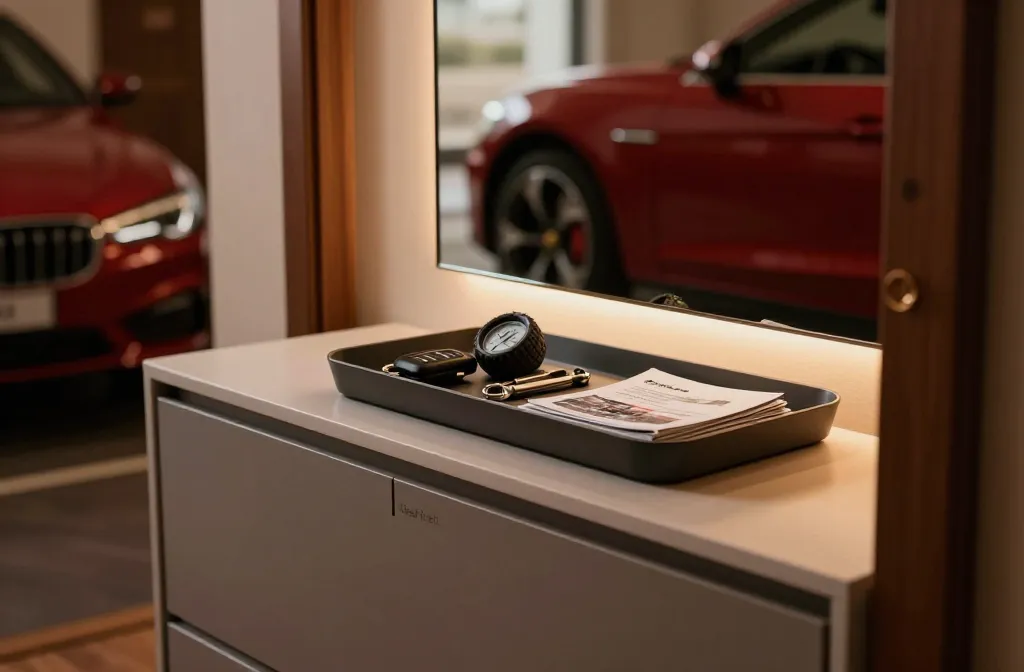
When you share a home with a car-obsessed partner, the real obstacle isn’t finding gifts—they’re everywhere you look, from the garage to the living room. Clutter happens fast when a hobby spills into every shelf, corner, and surface. The challenge is choosing gifts that honor the love of cars without turning your apartment into a dealership showroom or a storage lab. This article offers 25 practical gift ideas that solve real home-and-organizing problems while still feeling thoughtful and relevant to his passion. Each section targets a specific problem, explains why it pops up in real homes, and gives you clear steps to implement it—without requiring permanent renovations or breaking the budget.
1) Create a “Use First” Zone for Car-Related Small Items
A. The Problem
Your boyfriend’s car keys, tire gauge, lugs, and tiny manuals scatter across pockets, cup holders, and bins, making it hard to find anything when you need to leave the house or jump in the car.
B. Why It Happens
Small automotive tools and accessories are frequently used in fits-and-starts: you grab what you need, toss it, then forget where it landed. In small spaces, scattered items create visual clutter and wasted time.
C. The Fix
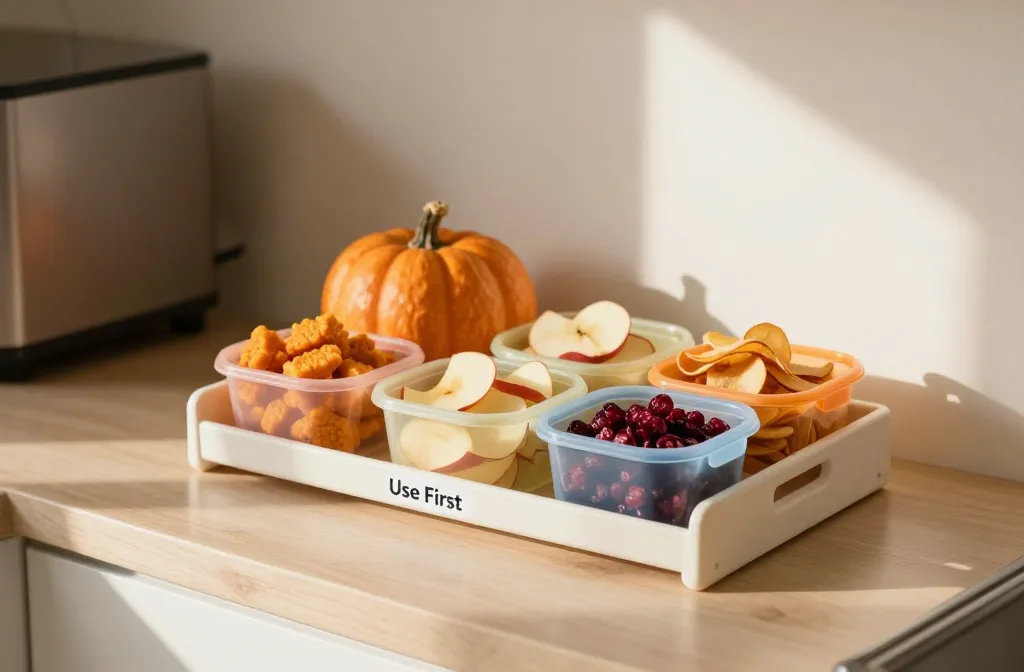
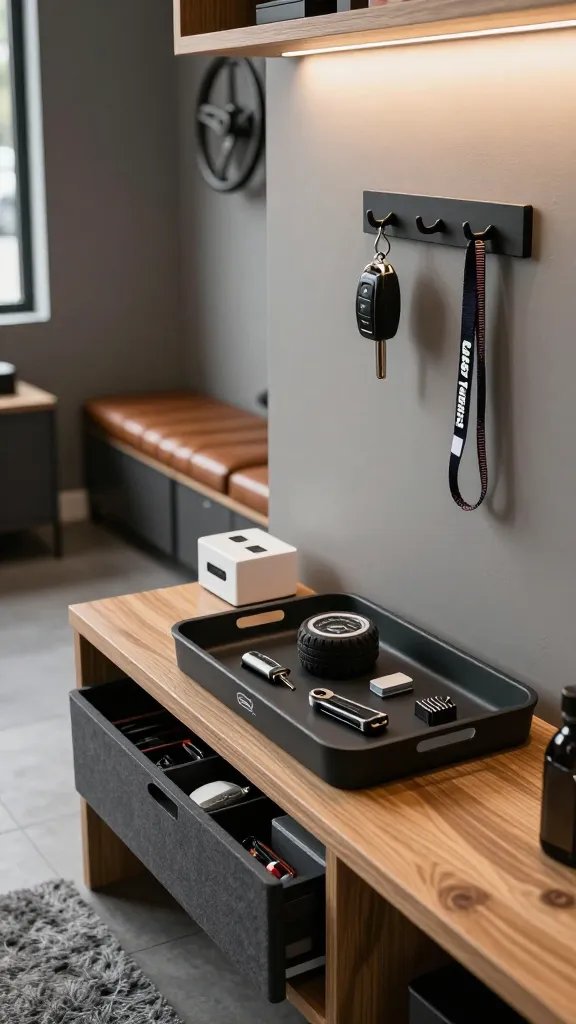
Designate a compact “Use First” tray or drawer near the entry or coat closet for essential car items. Keep only items that see regular use there; rotate seasonally if needed.
D. How To Do It
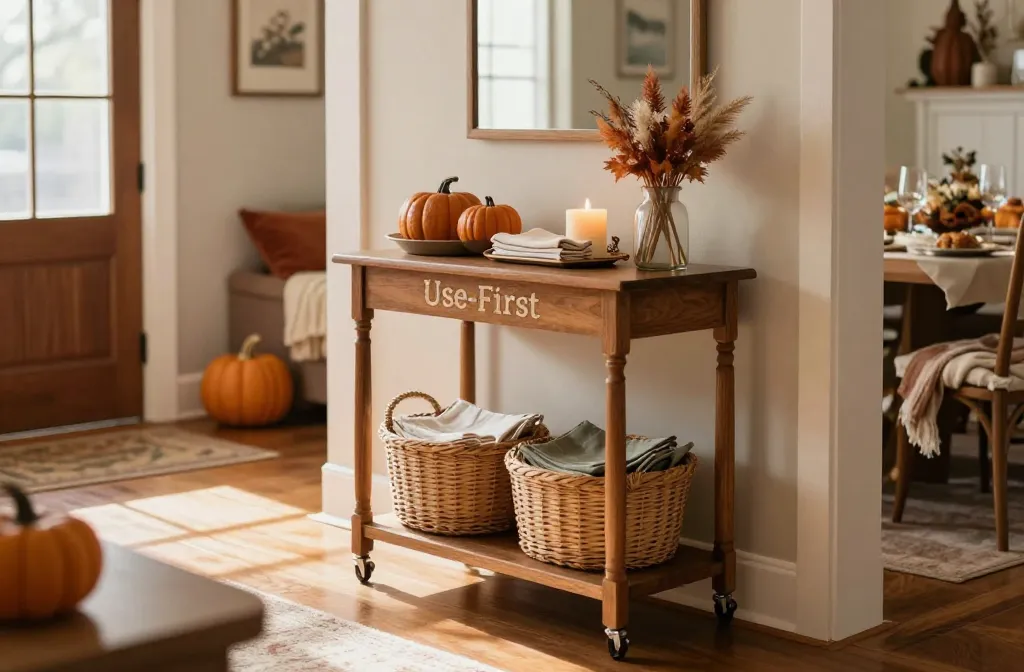
– Choose a shallow tray (about 12–14 inches across) or a small steel or acrylic tray that can fit on a console table or entryway shelf.
– Put: car keys, a tire pressure gauge, a small flashlight, a multitool, and a pen.
– Remove components that rarely get used (store in a labeled bin or in the car).
– Add a small label or icon to remind who it belongs to and what goes here.
E. Real-Life Consideration
– Small spaces: Place the tray on a narrow console by the door so you never have to search.
– Apartments: Use a wall-mounted key holder with a shallow tray beneath to keep surface area free.
– Renters: Choose non-permanent, adhesive-safe wall organizers or a freestanding tray that doesn’t require anchors.
F. Common Mistake
Overfilling the tray with every tiny spare part, which defeats the purpose of quick accessibility.
G. Better Alternative
Keep only the five most-used items in the Use First Zone and store the rest in a labeled small-bin under the entry table or in the car trunk kit.
2) Turn Car-Theme Memorabilia Into Functional Décor Storage
Related Posts:






A. The Problem
A shelf or wall collage of model cars, posters, and racing-themed art starts to feel like a showroom, not a home, especially if pieces accumulate and block light or storage space.
B. Why It Happens
Decor tends to become a catch-all for favorite pieces when there’s no designated storage, creating visual clutter and reducing usable wall space.
C. The Fix
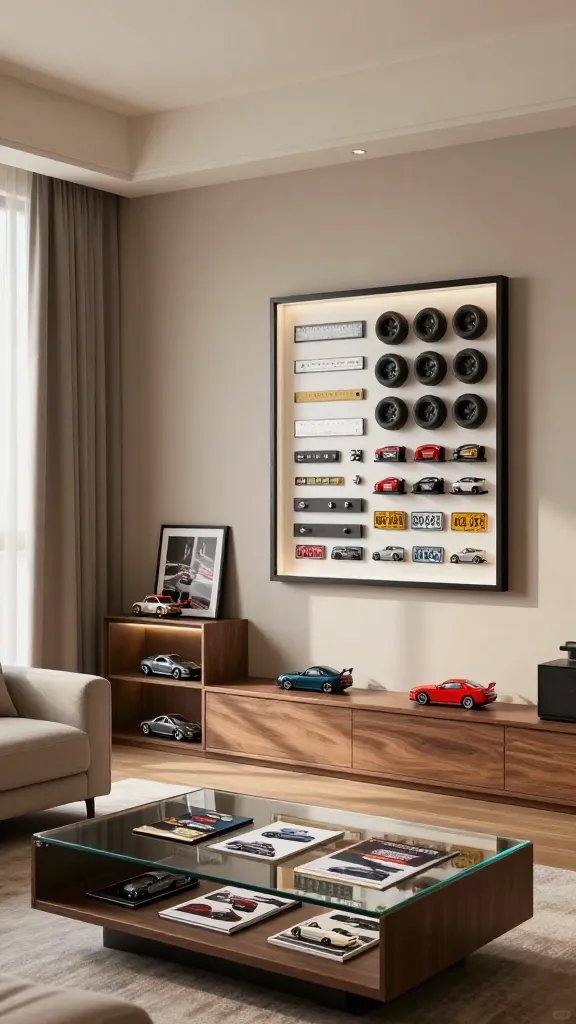
Convert select memorabilia into storage: use a shallow, framed shadow box for small parts, or mount a plaque display with a built-in hooks strip behind it for lanyards, keys, and tiny tools.
D. How To Do It
– Pick 3–5 favorite car-themed items that are visually cohesive (same color palette or era).
– Place them in a single shadow box or on a slim, floating ledge along a hallway.
– Attach a 6–to-8-inch rail or a set of small hooks behind the display to hold keys, lanyards, or spare fuses.
– Keep the display to a wall that’s not a traffic path to avoid constantly brushing it.
E. Real-Life Consideration
– Small spaces: A 12″ shadow box can anchor a wall while adding vertical storage elsewhere.
– Apartments: Use removable frames to swap pieces seasonally without damage.
– Renters: Choose non-drill mounting options for hooks and use picture-hanging strips only on paintable walls.
F. Common Mistake
Overloading the display with items that don’t pair visually, creating a chaotic effect rather than a curated vignette.
G. Better Alternative
Use a single, clean wall shelf with small labeled bins beneath it for collectibles that are safe to display but still tuck away small items.
3) A Practical Car-Tool Kit That Flows with Your Living Room
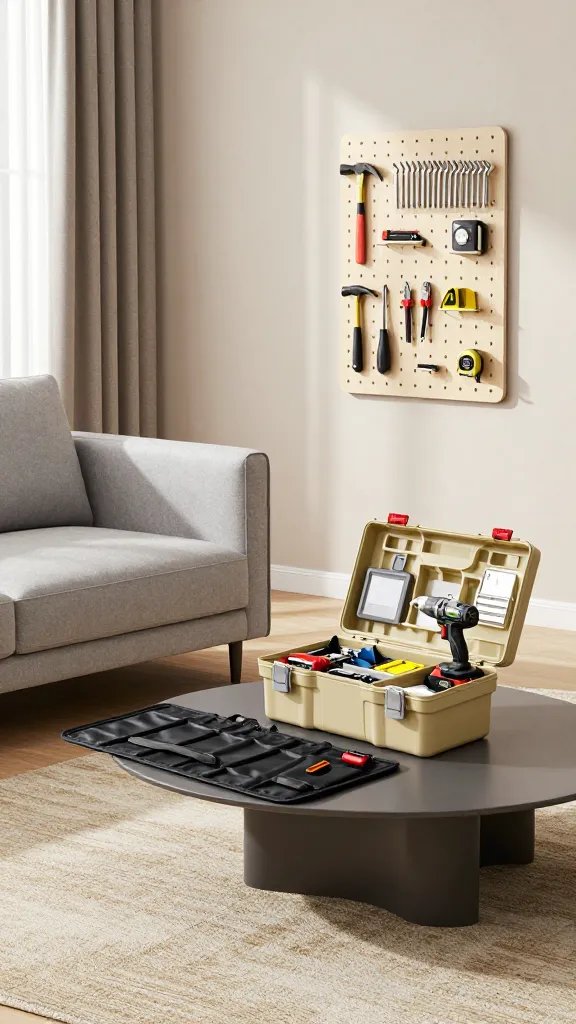
A. The Problem
A full car-tool kit sits in a bin in the laundry room or trunk, while you end up zipping by the door without a spare tool when you actually need one at home—like a quick fix on a loose cabinet screw.
B. Why It Happens
Full, professional tool kits are bulky and not designed for inside-the-house quick fixes; their open storage spills into living areas and looks cluttered.
C. The Fix
Create a compact “home car kit” with the tools most used for household maintenance. Keep it in a labeled, shallow bin that fits under a bathroom sink or a narrow closet shelf.
D. How To Do It
– List 5–7 tools you actually need for home maintenance: screwdriver set (flat + Phillips), a small adjustable wrench, pliers, a tape measure, utility knife, a compact flashlight, and spare fuses for common devices.
– Choose a shallow, lidded bin (12–14 inches wide) with a clear front so you can see contents.
– Store the bin under the bathroom sink or on a pantry shelf with a small exterior label: “Household Car Kit.”
E. Real-Life Consideration
– Small spaces: Use a lidded bin to minimize visual clutter and secure items.
– Apartments: Keep the kit in a linen closet with a door organizer for quick access.
– Renters: Avoid any permanent mounting; use a freestanding bin that slides in between items.
F. Common Mistake
Keeping powerful adhesives or power tools loose in a general bin, where they’re hard to locate and could be unsafe around kids or pets.
G. Better Alternative
Label the bin clearly and color-code tools by category (screwdrivers, pliers, etc.) so you can grab exactly what you need in seconds.
4) A Car-Themed Charging Station That Doubles as a Nightstand Top Organizer
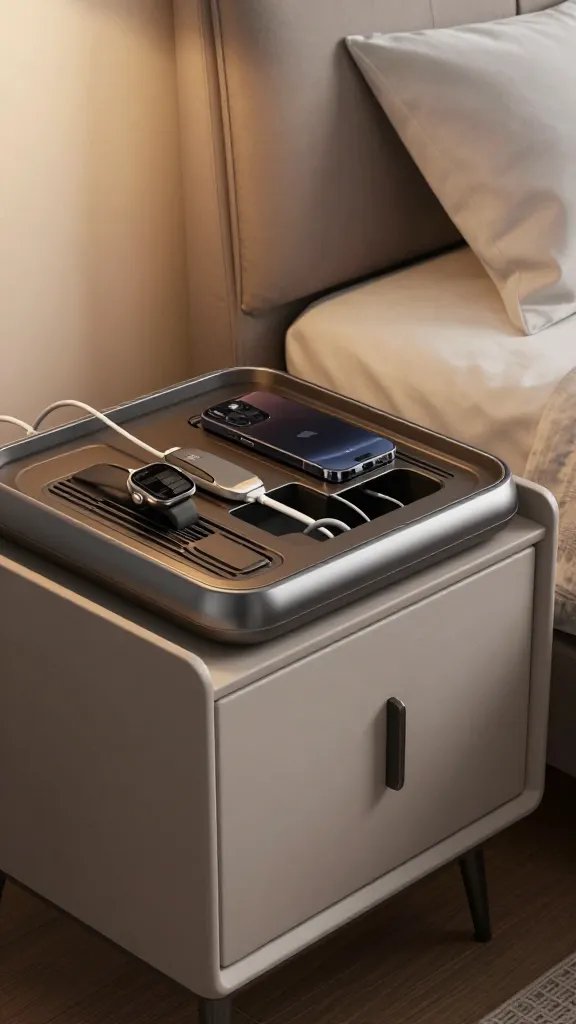
A. The Problem
Phone, watch, and car-remote charges collect on the bedside table or coffee table, creating a charging tangle that looks messy and wastes surface space.
B. Why It Happens
There’s no dedicated, easy-to-reach spot for charging devices, so cords snake across surfaces and create clutter that’s hard to clean around.
C. The Fix
Create a compact charging station with a car-themed or neutral design that fits a nightstand or entry table and hides cords behind a small, cable-management tray.
D. How To Do It
– Choose a shallow, rectangular charging mat or a slim power dock that matches your table depth (max 2–3 inches).
– Add a small cord cover or cable-management tray to keep cords hidden and tidy.
– Place the station near the outlet to minimize visible cords.
– Include a small drawer or tray on top for a car key fob and a spare charging cable (stowed when not in use).
E. Real-Life Consideration
– Small spaces: Select a wall-mounted charging strip that sits flush to the nightstand or a slim desk hutch.
– Apartments: Use adhesive cable clips to route cords along the back edge of the table.
– Renters: Prefer freestanding, non-permanent charging stations rather than built-ins.
F. Common Mistake
Choosing a large, bulky charging dock that takes up valuable surface area and looks out of place with your decor.
G. Better Alternative
Opt for a low-profile, single-dock station with a cord management tray and a discrete car-themed placemat to anchor the look without overwhelming the space.
5) A Car-Theme Nightstand Tray for Essentials
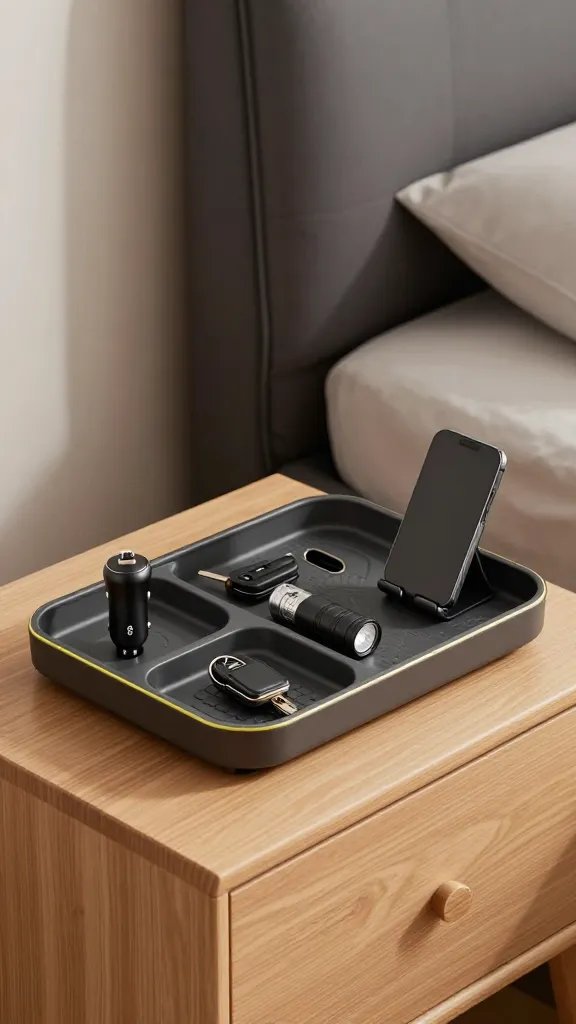
A. The Problem
Nightstand surfaces become a catch-all for random car-essentials like spare fuses, adapters, and tiny tools, making mornings feel chaotic.
B. Why It Happens
Without a home for small items, surfaces accumulate, which slows morning routines and increases the risk of losing items you actually need.
C. The Fix
Add a low-profile, car-themed nightstand tray with sections for essential items you want near the bed. Keep it minimal—3–5 items max.
D. How To Do It
– Pick a tray around 10–12 inches with compartments or use a shallow bamboo tray with small dividers.
– Include: a spare USB cable, a compact notebook for quick reminders, a car-lane-themed key fob, and a small flashlight.
– Keep the tray on the nightstand, or slide it into a shallow drawer if you have a narrow bed layout.
E. Real-Life Consideration
– Small spaces: Choose a tray that fits into a drawer with the same depth as the nightstand to reduce surface clutter.
– Apartments: Use a removable tray so you can clear the surface at any time.
– Renters: The tray should be non-permanent and easily transferable if you relocate.
F. Common Mistake
Overloading the tray with too many items; you’ll end up needing a second tray for the overflow.
G. Better Alternative
Rotate items seasonally and maintain a “one-in, one-out” rule to keep the tray consistently clean and useful.
6) A Compact Tool Roll for Quick Home Fixes
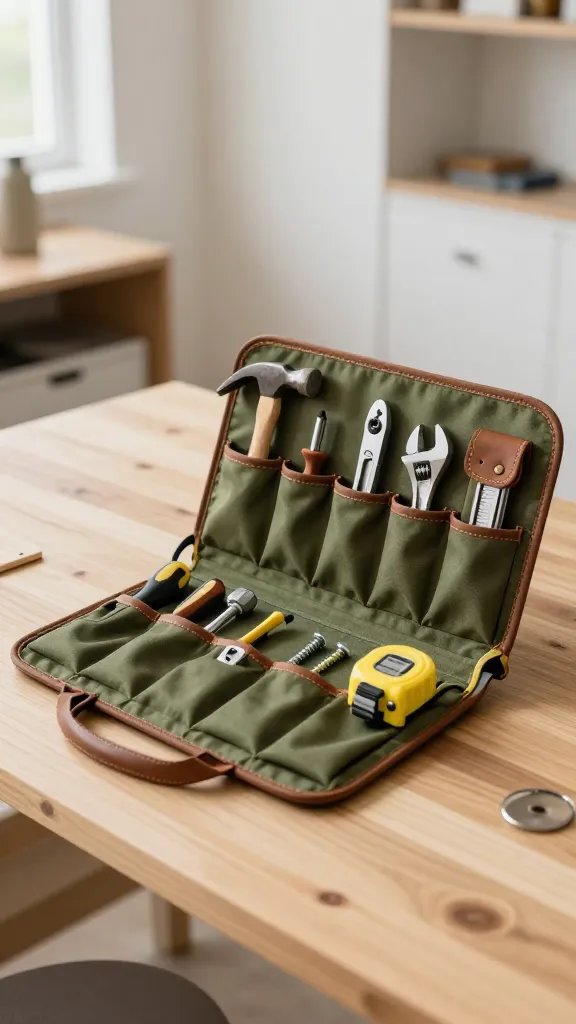
A. The Problem
Whenever a quick home fix arises, you scramble through a drawer full of mismatched tools, wasting time and causing temporary damage to surfaces.
B. Why It Happens
People forget that a compact, portable tool solution can live in a small space and still be highly functional for home repairs.
C. The Fix
Use a compact tool roll with essential tools that lives in a small cabinet or closet, ready for quick fixes.
D. How To Do It
– Choose a tool roll or roll-up pouch with a few essential tools: screwdriver set, tape measure, small flashlight, utility knife, and spare screws.
– Store in a shelf organizer or a slim bin on a high shelf out of reach of curious kids.
– Keep a spare roll in the car if you frequently perform fixes outside the home.
E. Real-Life Consideration
– Small spaces: A slim roll fits behind a door or in a narrow cabinet.
– Apartments: Use a magnetic strip on a wall inside a closet to keep the tool roll accessible but out of sight.
– Renters: Opt for a non-permanent wall mount or over-the-door pocket for a few extra tools.
F. Common Mistake
Buying a larger tool kit for occasional fixes and never using half of it, leading to wasted space and money.
G. Better Alternative
Choose a compact kit that covers 80% of common household tasks and add specialty items only when you actually need them.
7) A Car-Infused Desk Organizer for Remote Work and Hobbies
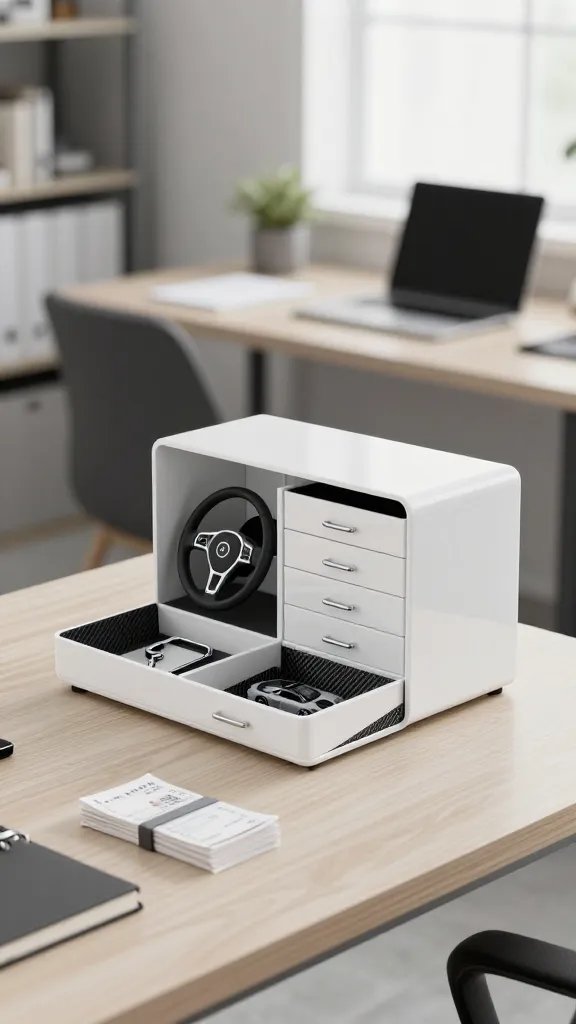
A. The Problem
Desk surfaces get crowded with car parts, small gadgets, and papers, making it hard to focus on tasks or hobbies without constantly reorganizing.
B. Why It Happens
A lot of car-obsessed items are small and non-uniform, which makes them hard to corral in a single spot.
C. The Fix
Invest in a desk organizer that includes a shallow tray for cables, a small file section for receipts or manuals, and a few drawers for tiny parts.
D. How To Do It
– Pick a compact organizer with at least 3 compartments: a cable tray, a small file / memo area, and a 2–3 drawer section.
– Use the top tray for frequently used items (USB drives, car keys, a stylus).
– Label each drawer with a simple icon or word (Cables, Receipts, Small Parts).
– Place the organizer near your main workspace or on a dedicated shelf to keep clutter contained.
E. Real-Life Consideration
– Small spaces: A modular, stackable organizer can serve multiple surfaces without taking up much footprint.
– Apartments: Choose a lightweight, portable unit that you can move easily.
– Renters: Avoid heavy metal furniture; look for powder-coated aluminum or plastic composite with a clean look.
F. Common Mistake
Over-dedicating a desk organizer to car-related items while leaving essential work supplies scattered elsewhere, defeating the purpose.
G. Better Alternative
Create two zones: a “Work/Hobby” zone with the desk organizer, and a “Car Stuff” bin or drawer elsewhere to reduce cross-over chaos.
8) A Low-Profile Gear Cabinet That Hides Bulkier Car Gear
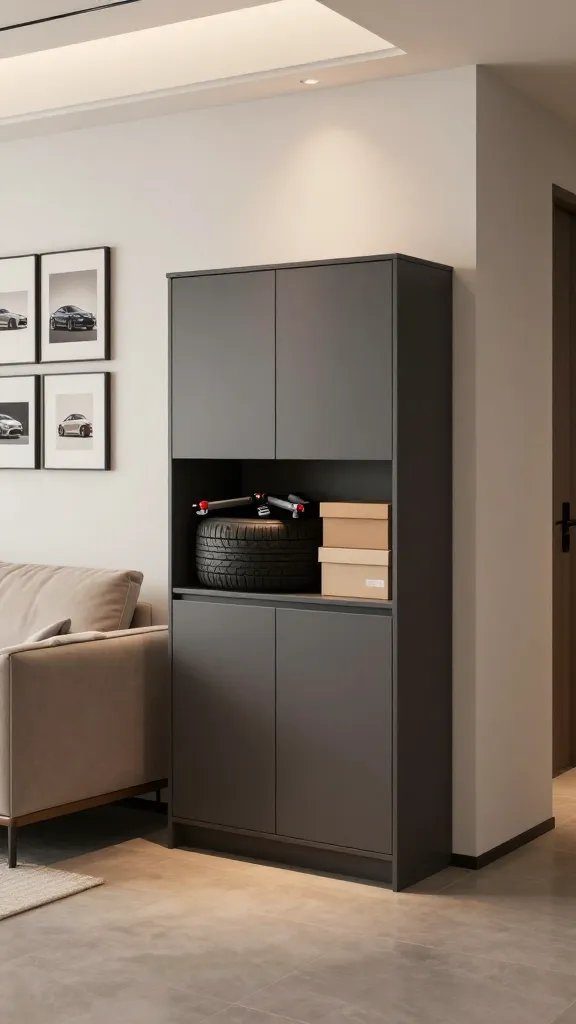
A. The Problem
Shelving that’s visible behind a sofa or in the entryway becomes a display of random gear and boxes, creating visual clutter and narrowing usable space.
B. Why It Happens
Bulky car equipment (jack, tires, spare parts) often lacks a dedicated home, so it leaks into living spaces.
C. The Fix
Install a shallow, low-profile cabinet or a slim lidded bin unit that fits into tight spaces and hides bulky gear when not in use.
D. How To Do It
– Look for a cabinet with a depth of 12–14 inches that can fit into a narrow hallway, behind a sofa, or at the end of a bed.
– Use adjustable shelves to accommodate a compact jack and a few spare components.
– Store seasonal or rarely used items in the upper shelves; keep daily essentials at eye level in the lower shelves for easy access.
E. Real-Life Consideration
– Small spaces: Choose a vertical cabinet with a shallow footprint to maximize wall storage.
– Apartments: Use a freestanding cabinet on wheels for flexibility and relocation ease.
– Renters: Use a cabinet with removable backs or non-permanent mounting aids to avoid wall damage.
F. Common Mistake
Trying to fit too many items into a single cabinet, which makes searching for anything a chore.
G. Better Alternative
Split gear across two smaller, clearly labeled bins rather than stacking everything into one cab so items stay visible and accessible.
9) A Car-Theme Laundry Bin Setup That Reduces Clutter
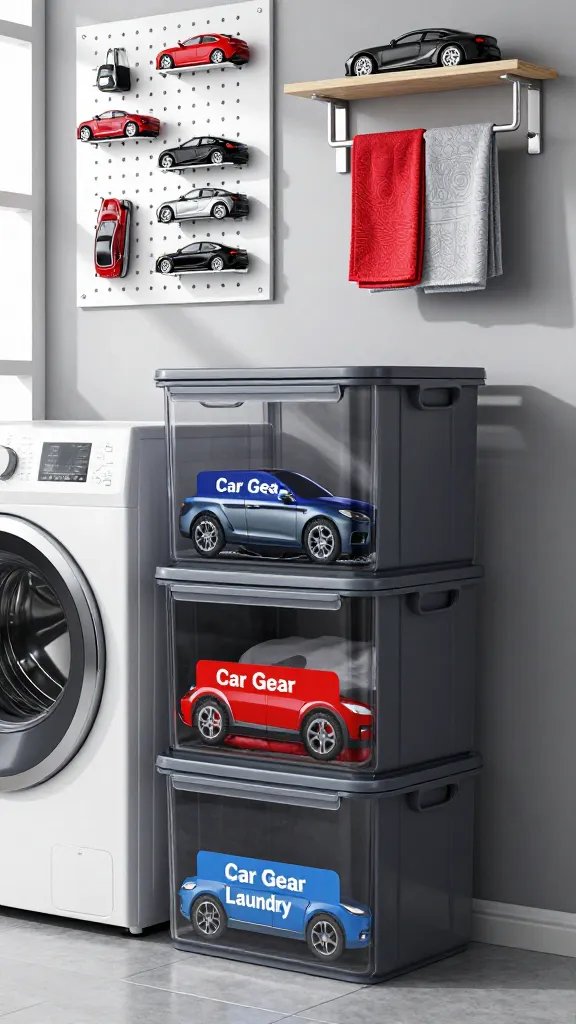
A. The Problem
Laundering routine gets disrupted by car-themed gear taking up prime laundry space, or by bulky, generic bins that don’t fit your laundry area layout.
B. Why It Happens
A lack of dedicated, well-sized storage for car-themed gear leads to misplacement of tools or spare parts among laundry supplies.
C. The Fix
Use a labeled, stackable laundry bin system with a clear front to separate “Car Gear” from “Laundry” items, minimizing cross-contamination of spaces and making laundry days smoother.
D. How To Do It
– Get two slim, stackable bins with lids: one labeled “Car Gear” (small parts, fuses, cleaning wipes) and one labeled “Laundry.”
– Place them on a shelf or in a narrow cabinet near the laundry area.
– Keep a small spare tool kit in the Car Gear bin if needed during laundry days (think lint removal or vent brush).
E. Real-Life Consideration
– Small spaces: Stack the bins vertically to use narrow wall space.
– Apartments: Place the bins inside a linen closet or laundry cabinet to keep the room visually calm.
– Renters: Use removable labels and ensure you can remove the bins without door interference.
F. Common Mistake
Filling the Car Gear bin with items that should live in the car or in a dedicated workshop space, creating a mismatch in usage patterns.
G. Better Alternative
Create a simple, practical “clean items here” flow: clean gear stays in the Car Gear bin; dirty gear goes straight to the laundry bin or washing area—no second-guessing where to put things.
10) A Gift That Keeps The Car Clean—Practical Car-Cleaning Kit
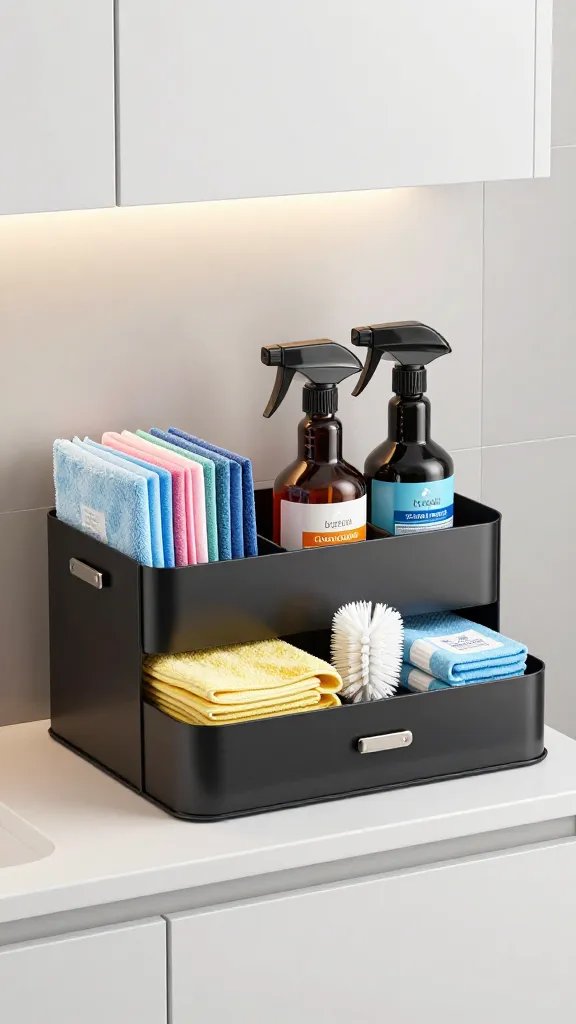
A. The Problem
Car-cleaning supplies take up space in the laundry room or garage, and often get dumped into a messy bin without proper organization.
B. Why It Happens
Cleaning products are often bulky and come in many shapes; without a dedicated home, they clutter counters or cabinets and become a chore to re-shelve properly.
C. The Fix
Offer a compact, all-in-one car-cleaning kit with clearly labeled compartments that can live on a bathroom shelf or in a small closet.
D. How To Do It
– Choose a slim, multi-compartment caddy or a small travel case with a splash-proof seal.
– Include: microfiber cloths, interior wipe, tire cleaner, glass cleaner, a small brush, and a spray bottle labeled for each purpose.
– Store the kit in a low-visibility cabinet or on a shelf with a label like “Car Care.”
E. Real-Life Consideration
– Small spaces: Use a caddy that fits inside a shallow cabinet or on an under-sink shelf.
– Apartments: Choose a kit with a translucent lid so you can see contents at a glance.
– Renters: Avoid items that require venting or special storage; choose sealed bottles to prevent leaks.
F. Common Mistake
Buying larger, flashy kits that don’t fit your actual cleaning routine or storage spots, leading to underuse and waste.
G. Better Alternative
Go for a compact kit that covers routine maintenance tasks and is easy to take to the car if needed. Replace products with refill sizes to reduce bulk over time.
11) A Modular “Garage Corner” for Tools and Small Parts
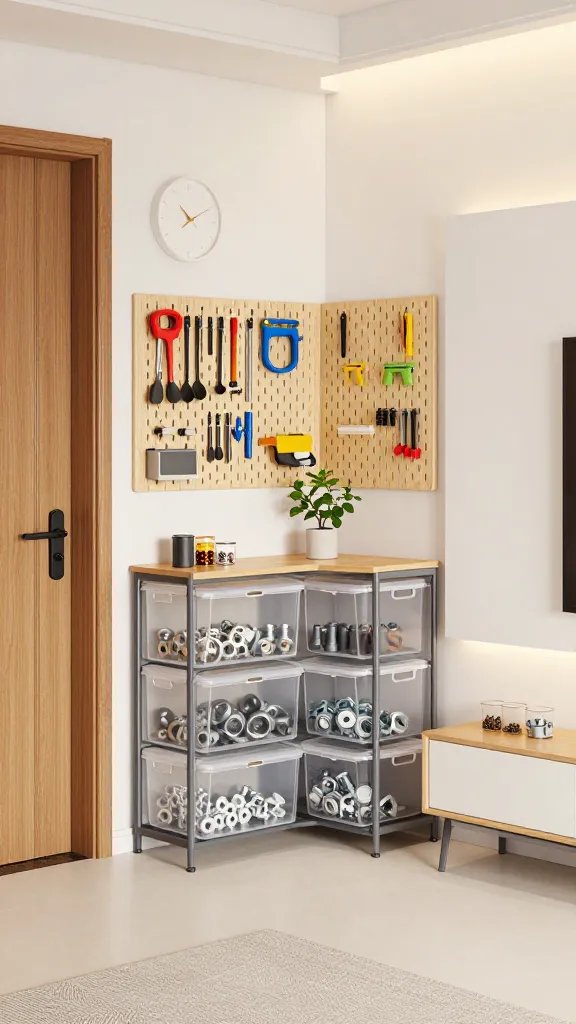
A. The Problem
A corner of the living room or entryway becomes a disjointed pile of spare parts, nuts, bolts, and odd tools that don’t have a home.
B. Why It Happens
Lack of a defined storage plan for small parts lets clutter creep into living spaces, especially when space is tight and a dedicated workshop is not an option.
C. The Fix
Install a small modular unit (stackable bins with clear fronts) to keep small parts organized in one corner while preserving a clean look.
D. How To Do It
– Get a 3–4 bin set with clear fronts and labels for different item groups (nuts/bolts, fuses, small tools, electrical connectors).
– Mount or place the unit in a corner that’s reachable but out of the main traffic path.
– Use a shallow pegboard above or next to the unit to hang frequently used tools or cables.
E. Real-Life Consideration
– Small spaces: Use a tall, narrow unit to maximize storage without consuming floor space.
– Apartments: Pick a freestanding system that can be moved to closet corners when hosting visitors.
– Renters: Choose a system that does not require wall attachment and can be slid into a cabinet if needed.
F. Common Mistake
Labeling without giving the items a real, consistent place; leading to ongoing misplacement even with a nice system.
G. Better Alternative
Set a daily routine: when you finish with a project, return items to the same bin and re-park the bin in its corner so the system remains predictable.
12) A Lightweight, Car-Inspired Lanyard Board for Keys and Remotes
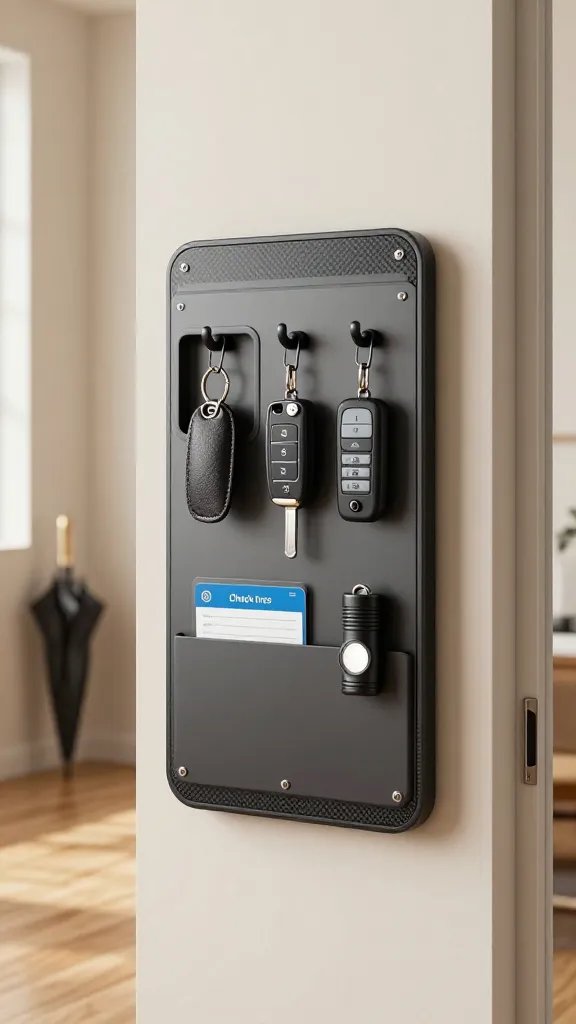
A. The Problem
Key fobs, tire-rack remotes, and garage-door openers scatter when you come home, turning entryways into a disorganized maze.
B. Why It Happens
Multiple devices each have their own spot, but without a central hub, they tend to migrate to the nearest surface when you’re tired or rushed.
C. The Fix
Install a small, lightweight lanyard board near the entry that accommodates car keys, remotes, and a reminder card for weekly maintenance tasks (like “check tires”).
D. How To Do It
– Use a 6–8 inch wooden or metal board with 4–6 hooks.
– Add a slim label or a small badge for each hook (Key Fob, Garage, House).
– Place the board near the door at a height that’s easy to reach but out of reach of small children.
E. Real-Life Consideration
– Small spaces: A magnetic strip near the door can be a substitute if you can’t mount anything.
– Apartments: Use removable adhesive hooks along the door frame to hang a tiny board.
– Renters: Choose a board with a removable mounting option to avoid wall damage.
F. Common Mistake
Overloading the board with every spare remnant; keep it clean to remain efficient.
G. Better Alternative
If you already have a wall hook system for coats, add two hooks specifically for keys and remotes, and reserve a small tray on the top for spare key cards or parking passes.
13) AConvertible Car-Themed Coffee Table Tray for Remote Working Breaks
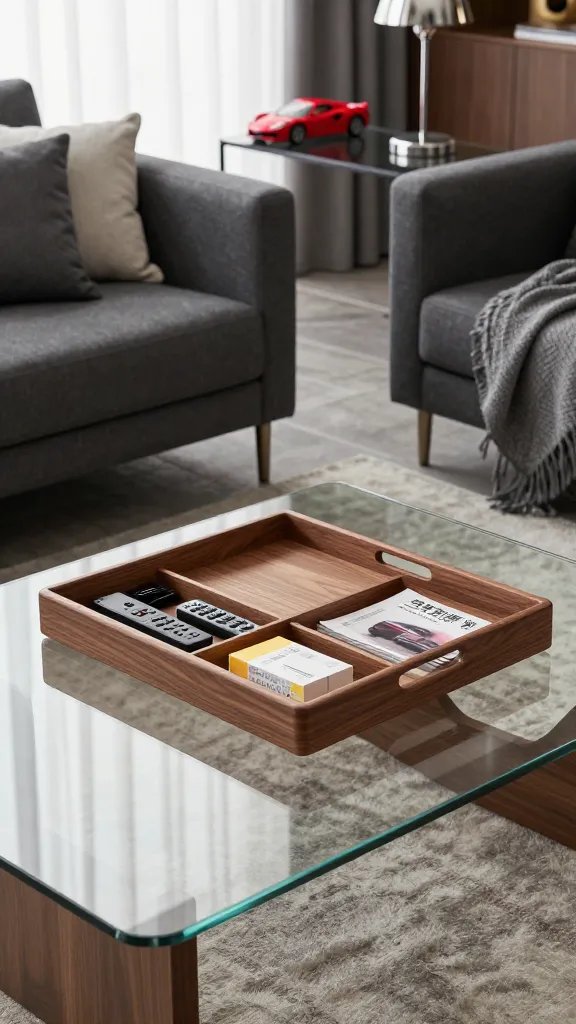
A. The Problem
Coffee table clutter shows up with car magazines, small tools, and packaging, interrupting a clean living area during work or relaxation.
B. Why It Happens
Living rooms often double as workspaces, and there’s no one place to stash small items away during calls or browsing breaks.
C. The Fix
Use a convertible coffee-table tray with compartments or a removable insert to quickly clear the surface when needed, keeping a refined look during work calls.
D. How To Do It
– Choose a tray with an easy-lift top or a removable insert, ideally in a neutral finish.
– Store small items underneath the tray or in the compartments: a magazine, a remote, a pen, a notebook, and a small cleaning cloth.
– When you need the table for a video call, lift or remove the insert and tuck items away into a nearby bin or shelf.
E. Real-Life Consideration
– Small spaces: Use a tray that sits flush with the table surface and has a hidden storage tray underneath.
– Apartments: Choose a lightweight option you can move easily for cleaning or hosting.
– Renters: Avoid heavy glass tops; opt for a wood or composite tray that won’t damage surfaces if moved.
F. Common Mistake
Buying an oversized tray that dominates the table’s surface and makes the space feel crowded.
G. Better Alternative
Select a medium-sized tray with a shallow depth and a removable insert that can be stored away when not in use, keeping the table surface clear and ready for work or lounging.
14) A Car-Inspired Storage Cart That Works in Narrow Kitchens
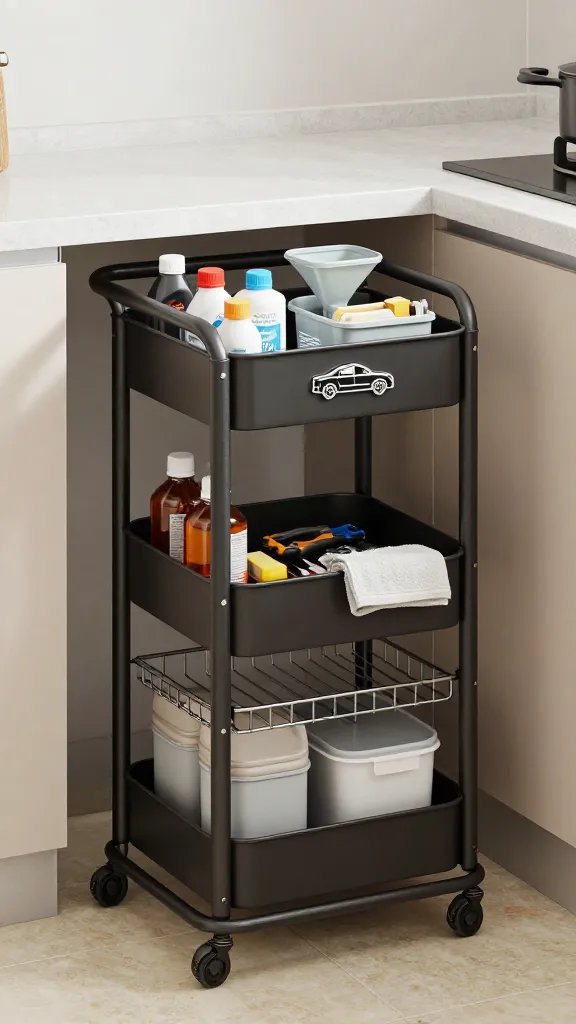
A. The Problem
Narrow kitchens and galley layouts struggle with extra storage for small car-maintenance supplies like wipes, oil, and spare fluids. The result is kitchen counters crowded with things unrelated to cooking.
B. Why It Happens
The desire to keep car items close by without compromising cooking space leads to temporary stacking or poor placement.
C. The Fix
A slim rolling storage cart with 2–3 shelves dedicated to car-related items can live in a nearby closet or under the sink when not in use.
D. How To Do It
– Find a cart with a 10–12 inch width and adjustable shelves.
– Allocate one shelf for wipes and cleaning supplies, another for small tools and spare parts, and a top shelf for quick-access items.
– Use baskets or bins inside each shelf to keep things visible and organized.
E. Real-Life Consideration
– Small spaces: A cart on wheels can slide into a narrow gap when not in use.
– Apartments: Place the cart in a small pantry or utility closet to maximize counter space.
– Renters: Make sure the cart’s wheels won’t scratch floors; test with a rug under it if needed.
F. Common Mistake
Filling the cart with items that are heavy or infrequently used, making it hard to move and less likely to be used for quick tasks.
G. Better Alternative
Keep only the most-used items in the cart and use a small wall-mounted rack for quick-access tools so the cart stays light and nimble.
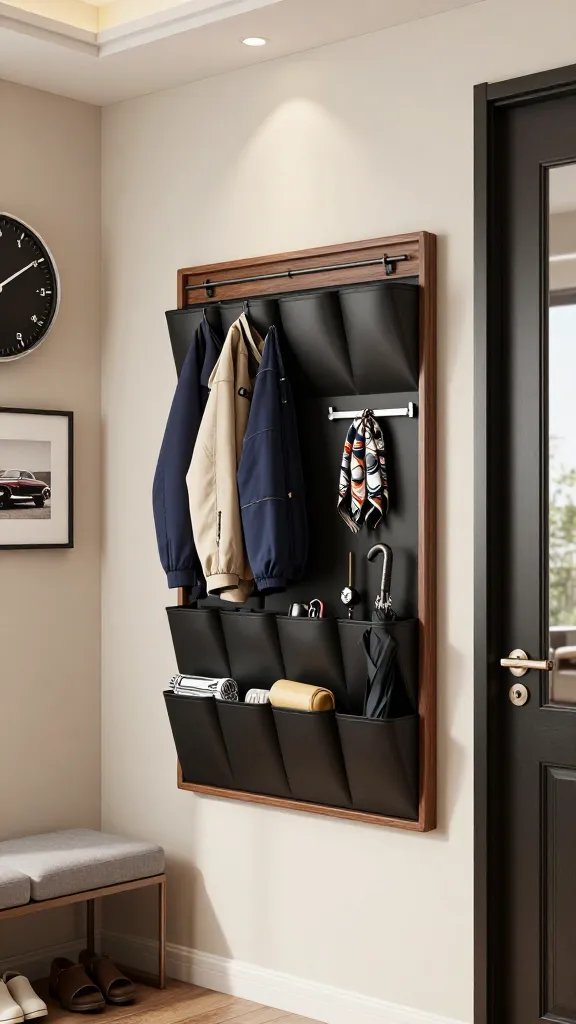
15) A Hidden Vehicle-Theme Wardrobe Pocket Organizer
A. The Problem
Seasonal jackets and hoodies with car logos create clutter bulking up small entryways or mudrooms.
B. Why It Happens
No dedicated storage zone for outerwear with a thematic tie to cars and hobbies makes it tempting to stack coats on the chair or bed, creating a messy first impression.
C. The Fix
Install a compact, door-mounted pocket organizer with several pockets for lightweight outerwear and accessories. Choose a design that blends in with your decor to avoid looking like a tool rack.
D. How To Do It
– Use a fabric or leather-look pocket organizer with 4–6 pockets.
– Mount it on the inside of a closet door or the back of the bedroom door.
– Use pockets for: a lightweight jacket, a beanie, a scarf, car keys, and a spare glove.
– Label the pocket with small, tasteful icons or text to reduce confusion about what goes where.
E. Real-Life Consideration
– Small spaces: A hanging pocket organizer adds storage without foot traffic.
– Apartments: Mounts on bedroom or entry doors with minimal hardware.
– Renters: Use over-the-door organizers that require no screws.
F. Common Mistake
Overstuffing pockets with bulky items like knit hats or scarves that cause the organizer to sag or look cluttered.
G. Better Alternative
Limit pockets to essential, lightweight items; replace bulky pieces seasonally with a small, rotating bin on a shelf nearby.
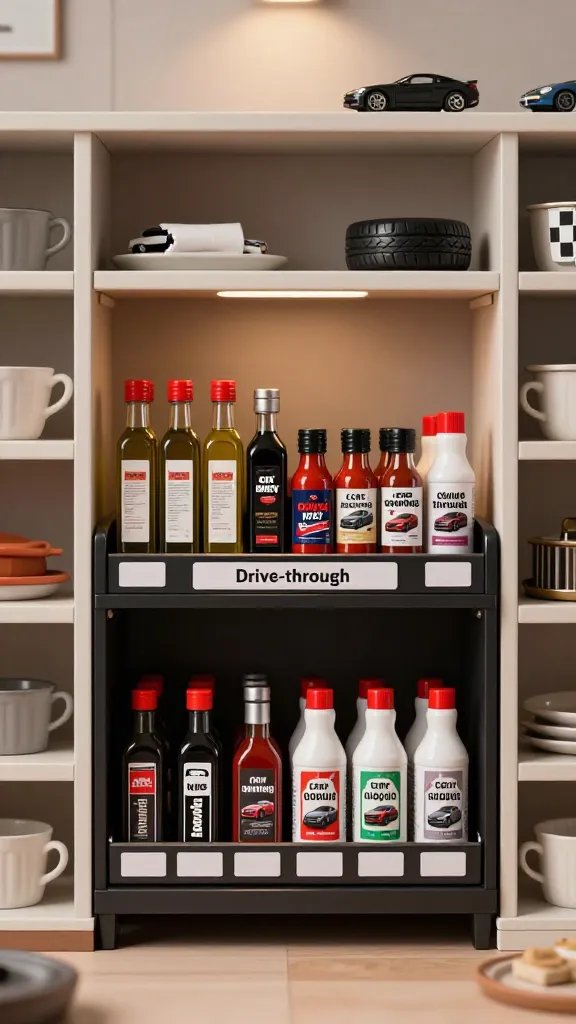
16) A Car-Theme Pantry Touch—Cans and Bottles with a “Drive-Through” Display
A. The Problem
Cans and bottles stack up in the pantry with random labels facing out, creating an unhelpful, visually busy space that’s hard to scan for what you actually need.
B. Why It Happens
Pantry items are often organized by category rather than by frequency of use, which makes the first glance for a particular item slow and frustrating.
C. The Fix
Create a simple front-facing display for the most-used car-related pantry items (oil, condiments for “car-cooking” nights, cleaning supplies) to improve visibility and speed up meal prep.
D. How To Do It
– Use a small, shallow bin in the pantry labeled “Car-Occasion” that contains car snacks or quick-prep ingredients (peanut butter, nuts, crackers).
– Place the bin near your highest-traffic shelf for quick reach.
– Keep the display front-facing with a small sign or label indicating what goes inside.
E. Real-Life Consideration
– Small spaces: Use a shallow bin that fits a single shelf, no risers needed.
– Apartments: Use a removable bin that slides out for quick access.
– Renters: Choose a bin that fits behind a lazy Susans or pull-out pantry tray for easy reorganization.
F. Common Mistake
Using a deep bin that obscures items behind it, making it hard to locate what you want quickly.
G. Better Alternative
Rotate the display seasonally and keep only 3–4 items in front; store the remainder in a separate, labeled bin or shelf behind the displayed items.
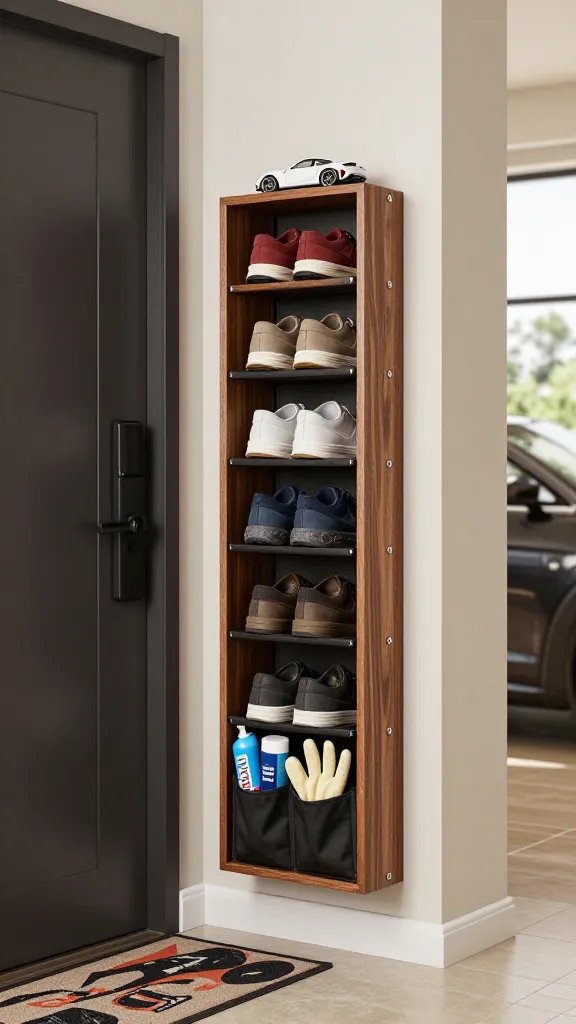
17) A Car-Influenced Boot or Shoe Organizer for the Entryway
A. The Problem
Shoes and boots pile up in the entryway, especially when one person’s car love includes driving gear that’s not truly essential for daily wear.
B. Why It Happens
Lack of a focused storage zone for footwear leads to clutter around the door, blocking the path and complicating daily routines.
C. The Fix
Install a narrow, vertical shoe organizer with a few built-in car-gear pockets at the bottom to hold spare car socks, tire polish wipes, and gloves, while keeping everyday shoes neatly stored above.
D. How To Do It
– Choose a slim, wall-mounted or freestanding vertical shoe rack with 3–5 tiers.
– Use the bottom pockets for car-related items (gloves, spare wipes) and the top shelves for daily shoes.
– Add micro-labels for quick identification: “Shoes,” “Car Gear.”
E. Real-Life Consideration
– Small spaces: Use a wall-mounted option to save floor space.
– Apartments: Use a freestanding unit that slides into a corner when hosting.
– Renters: Avoid heavy-duty, wall-mounted systems if you’re unsure about walls; opt for a freestanding vertical rack.
F. Common Mistake
Trying to store bulky car boots or accessories in a shallow shelf, which causes items to fall out and create a mess.
G. Better Alternative
Separate footwear and car gear clearly with dedicated pockets and shelves to maintain a clean entryway while keeping car items handy.
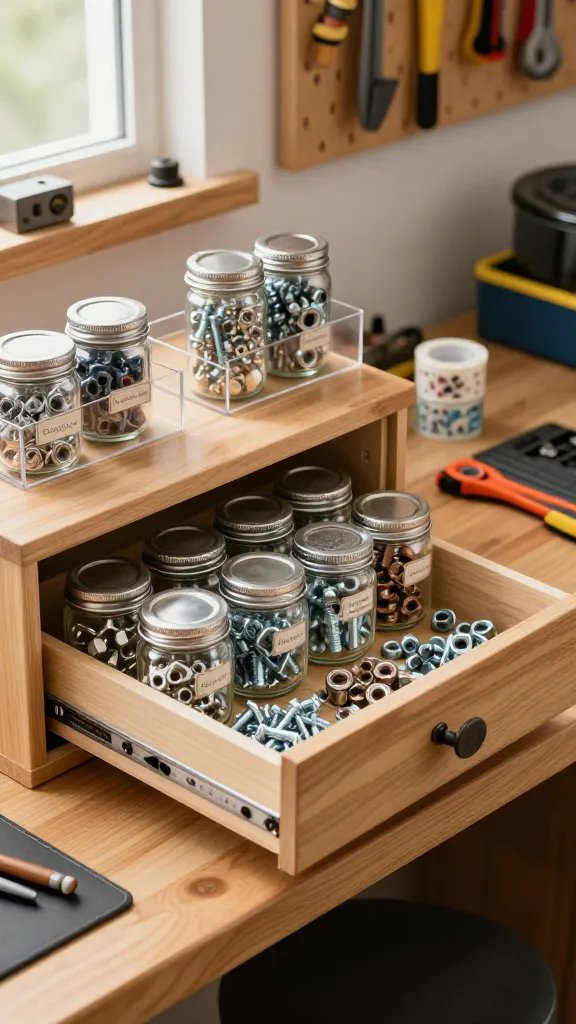
18) A “Garage-In-A-Jar” Pep-Sack for Small Parts
A. The Problem
Tiny nuts, bolts, and fasteners tumble out of their containers when you’re rummaging for the right size, creating a small parts scavenger hunt in a drawer.
B. Why It Happens
Small parts are often stored in loose bags or non-labeled containers that make finding a specific size a guessing game.
C. The Fix
Create a set of labeled, stackable jars with tight-fitting lids for small parts. Keep them in a shallow pull-out drawer or a dedicated cabinet bin.
D. How To Do It
– Use a set of 4–6 clear, stackable jars with tight lids.
– Label each jar with the part type (e.g., “M6 Screws,” “Nuts 1/4 inch”).
– Stack the jars in a shallow bin or a labeled drawer so you can see contents at a glance.
E. Real-Life Consideration
– Small spaces: Use a shallow bin with a clear front to avoid a big stack; keep the entire set on a single pull-out.
– Apartments: Use clear jars that can be easily stored in a cabinet under the sink.
– Renters: Use removable labels with a pen, so you can swap contents without repainting or removing labels.
F. Common Mistake
Using opaque containers and not labeling, which makes it impossible to locate parts quickly.
G. Better Alternative
Invest in a small, transparent case with adjustable dividers so you can customize the space for different parts as needed.
19) A “Drive-Through” Kitchen Organizer for Groceries
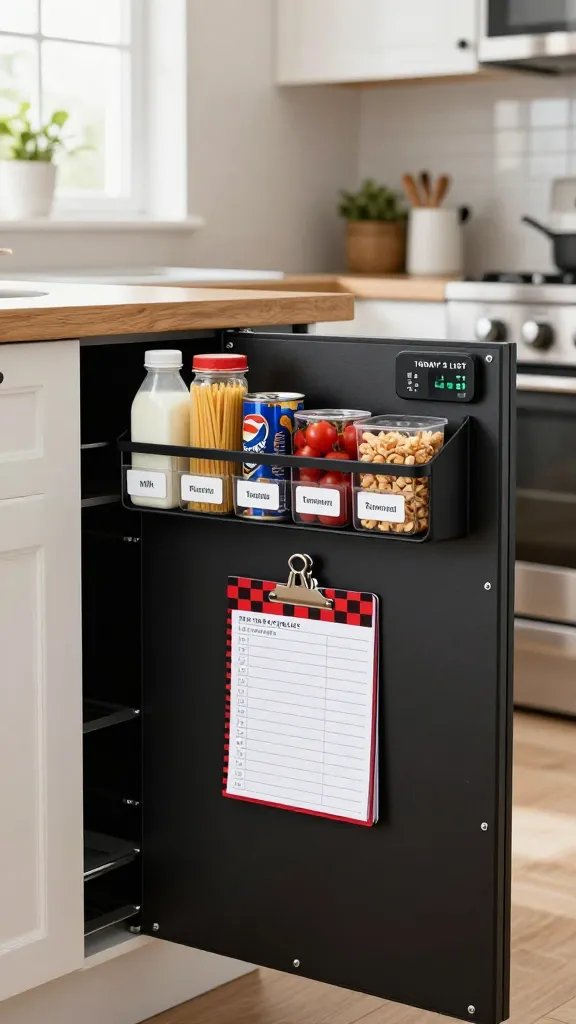
A. The Problem
Car enthusiasts often shop with a busy schedule and end up with duplicates or expired items because there’s no quick, centralized way to track groceries at home.
B. Why It Happens
Without a simple, car-focused planning system, it’s easy to forget what’s on hand and double-purchase staples you already have.
C. The Fix
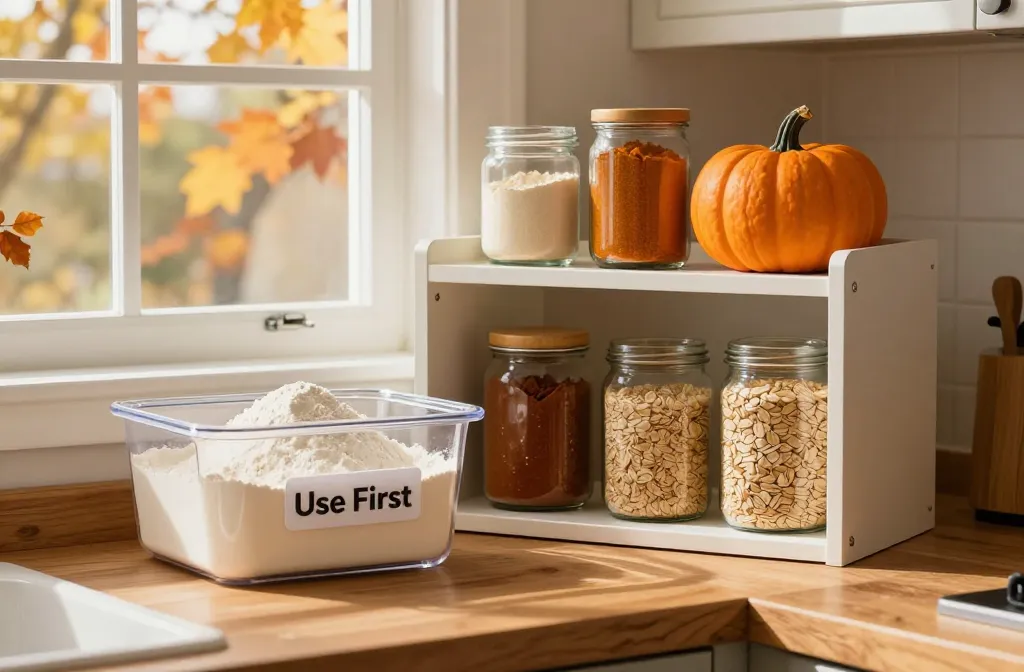
Create a car-friendly grocery-storage plan: a small, visible list near the kitchen entry or inside a pantry door that tracks staple items and their quantities, with a “Use First” zone for items near expiry or high-use items.
D. How To Do It
– Attach a dry-erase board or a small clipboard on the inside of a pantry door or kitchen cabinet.
– List 6–10 high-use items (cooking oil, coffee, cereal, batteries if needed for car gadgets).
– Create a rotating “Use First” zone in the pantry by rotating inventory every 2–4 weeks and moving items to the front.
– Keep a small notepad for quick grocery reminders when you’re in or near the kitchen.
E. Real-Life Consideration
– Small spaces: Use a door-mounted board that doesn’t take up counter or shelf space.
– Apartments: Use a magnetic whiteboard on the fridge or a pantry door with a slim frame.
– Renters: Avoid permanent fixtures; use removable whiteboards or clipboards on cabinet doors.
F. Common Mistake
Forgotting to wipe the board or leaving lists blank, which reduces the usefulness of the system.
G. Better Alternative
Pair the board with a small, monthly inventory check: when you refill a staple, cross it off and add a new item to ensure you always have visibility into what’s next.
20) A Car-Lover’s Quiet Corner—A Small Reading Nook with Storage
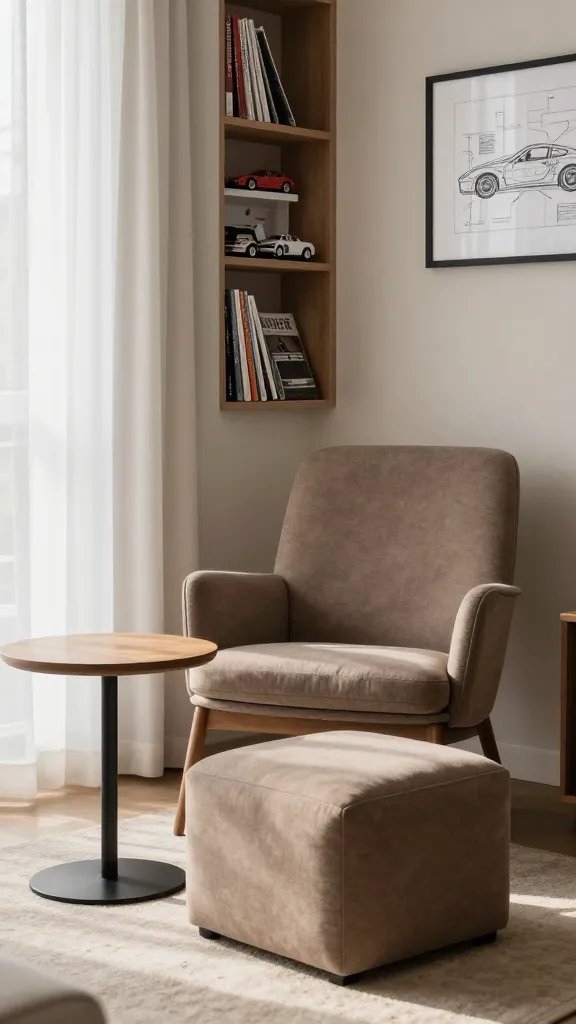
A. The Problem
A home workspace or living room corner becomes a dumping ground for car magazines and small parts, making relaxation hard.
B. Why It Happens
A dedicated “car” zone often lacks a defined, calm purpose, so it morphs into a storage area rather than a retreat.
C. The Fix
Create a small, calming reading nook with a slim bookshelf or a storage ottoman that can hide magazines, parts, and cleaning supplies in a complementary, uncluttered manner.
D. How To Do It
– Place a compact chair or stool in a corner with a small, narrow bookshelf (10–12 inches wide) and a storage ottoman that can hide car magazines and small tools.
– Add a soft, warm light source and a throw blanket to make it inviting.
– Use one or two labeled baskets within the bookshelf for car paraphernalia to minimize scattered items.
E. Real-Life Consideration
– Small spaces: Use a compact bookcase with hidden storage behind doors or a bench with hidden storage at the base.
– Apartments: Choose a wall-mounted bookshelf to maximize floor space.
– Renters: Ensure the bench is freestanding and easy to move.
F. Common Mistake
Placing items randomly around the nook; you end up with more clutter instead of a serene escape.
G. Better Alternative
Keep only a small number of car magazines and a dedicated bin for car-gear accessories—rotate seasonal reading material and keep the rest in a closet or storage bin out of sight.
21) A Cozy Weekend-Garage Theme Guest-Spot with Hidden Storage
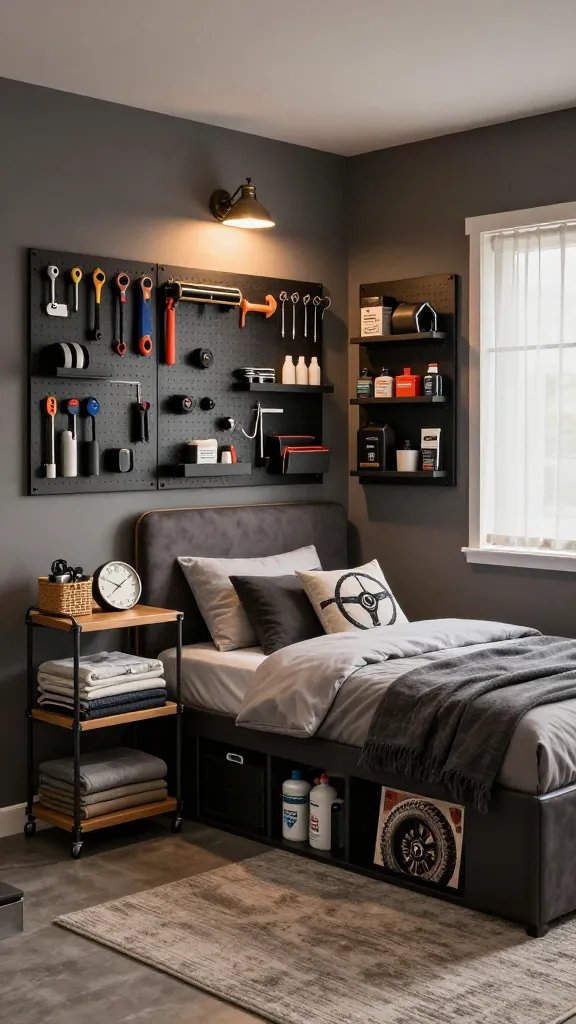
A. The Problem
Guest spaces double as catch-alls for car parts, tool kits, and cleaning supplies, making friends and family feel like they’re in a workshop rather than a home.
B. Why It Happens
If your house has a “garage” aesthetic in several rooms, guests may notice clutter rather than a comfortable space to relax.
C. The Fix
Convert a guest room corner into a tidy, garage-inspired retreat with a rolling cart that stores guest essentials and a hidden storage cube for gear when guests aren’t there.
D. How To Do It
– Use a slim rolling cart (3–4 shelves) to store extra guest towels, an extra throw, and small car accessories you don’t need daily.
– Add a storage cube or a decorative bin to hold spare light bulbs, car-care items, and a small toolkit.
– Keep a folded throw blanket on a chair or the bed for a cozy feel and to soften the industrial vibe.
E. Real-Life Consideration
– Small spaces: Choose a cart on wheels that can tuck behind a door when not in use.
– Apartments: Use a rolling cart that is easy to move to the laundry area or kitchen.
– Renters: Avoid permanent fixtures; use freestanding storage and decorative covers to hide car gear.
F. Common Mistake
Overthinking the design and losing sight of function—keep the cart’s contents minimal and relevant to guests’ needs.
G. Better Alternative
Label every bin on the cart and keep a small guest-essentials basket within arm’s reach of the bed or couch to reduce friction when hosting.
22) A Subtle Car-Theme Wall Light Switch Plate
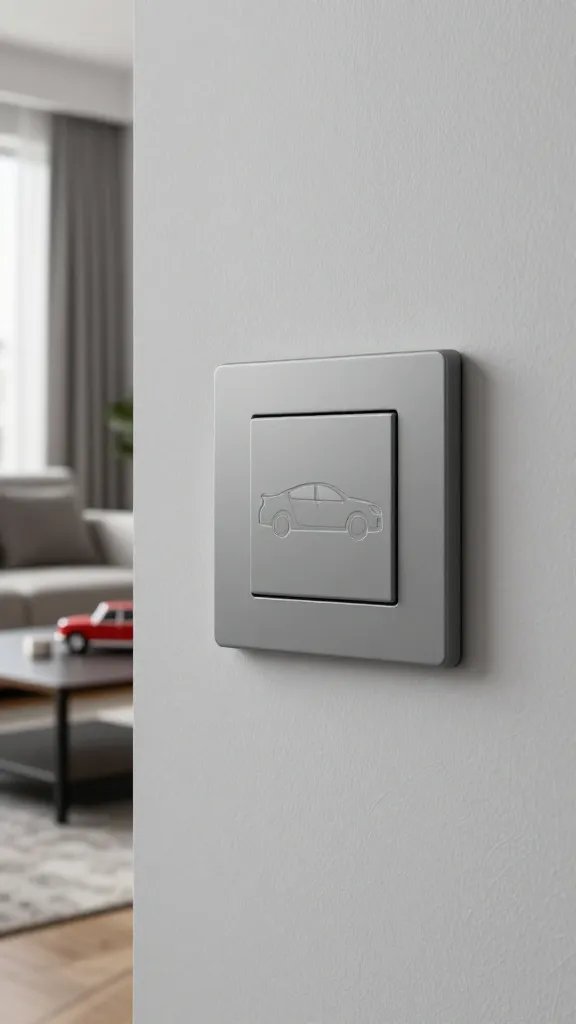
A. The Problem
If you love cars, you may want the theme in every corner, but themed décor can be loud, especially in shared spaces or rental homes with neutral assignments.
B. Why It Happens
An enthusiast’s impulse to decorate often clashes with landlord restrictions or the desire for a calm living environment.
C. The Fix
Add a subtle, car-themed wall switch plate or a small wall switch cover that blends with your wall color, providing a small nod to the hobby without overpowering the room.
D. How To Do It
– Choose a switch plate with a simple, embossed car emblem or a matte black plate with minimal detailing.
– Ensure it’s compatible with your switch type (toggle or rocker) and the existing wall color.
– Install with minimal tools; if you’re unsure, hire a quick handyman or use a non-permanent cover.
E. Real-Life Consideration
– Small spaces: A small, low-contrast plate is best to avoid drawing attention.
– Apartments: Use an adhesive plate or a screwless cover to avoid wall damage.
– Renters: Ensure it’s removable and won’t harm the wall finish upon removal.
F. Common Mistake
Choosing a bright, busy switch plate that looks gimmicky and undermines the room’s cohesion.
G. Better Alternative
Opt for a low-contrast, single-color switch plate with a tiny, tasteful car badge embossment that complements the wall color and furniture.
23) A Car-Quiet Audio Corner for Relaxation Without Noise Clutter
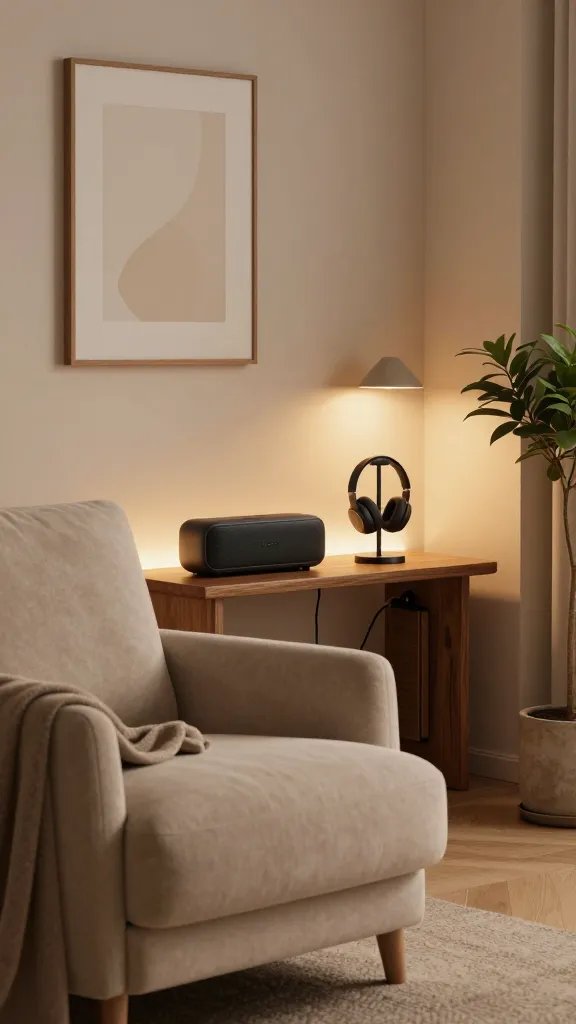
A. The Problem
Portable speakers, car audio gadgets, and cables create a tangle in living rooms or bedrooms where you want calm, especially if you’re sharing spaces with others who prefer quiet.
B. Why It Happens
Audio gear is often added where you relax, but the cords and devices clutter the space and create tripping hazards or a noisy look.
C. The Fix
Create a dedicated quiet corner for audio listening with a small shelf, a wireless speaker, and a simple cable-management solution that hides cords and reduces visual noise.
D. How To Do It
– Use a small, square shelf (6–8 inches wide) on the wall or a narrow table near seating.
– Place a compact wireless speaker (Bluetooth), a charging dock for a phone, and a single charging cable behind a cable-tray or behind the shelf.
– Route cords through a wall-mounted cord cover or under a cable clip track for a clean look.
E. Real-Life Consideration
– Small spaces: Choose a wireless speaker and a compact shelf that can be mounted with minimal hardware or placed on a small table.
– Apartments: Use adhesive cable clips and a non-permanent wall mounting approach.
– Renters: Use a lightweight, freestanding shelf so you can relocate easily.
F. Common Mistake
Using a long, trailing cord that creates a hazard or wears doorways and furniture edges.
G. Better Alternative
Opt for wire-free devices and utilize adhesive cord covers so you can keep a calm corner without permanent changes.
24) A Car-Buff’s Seasonal Storage Plan—Holiday Edition
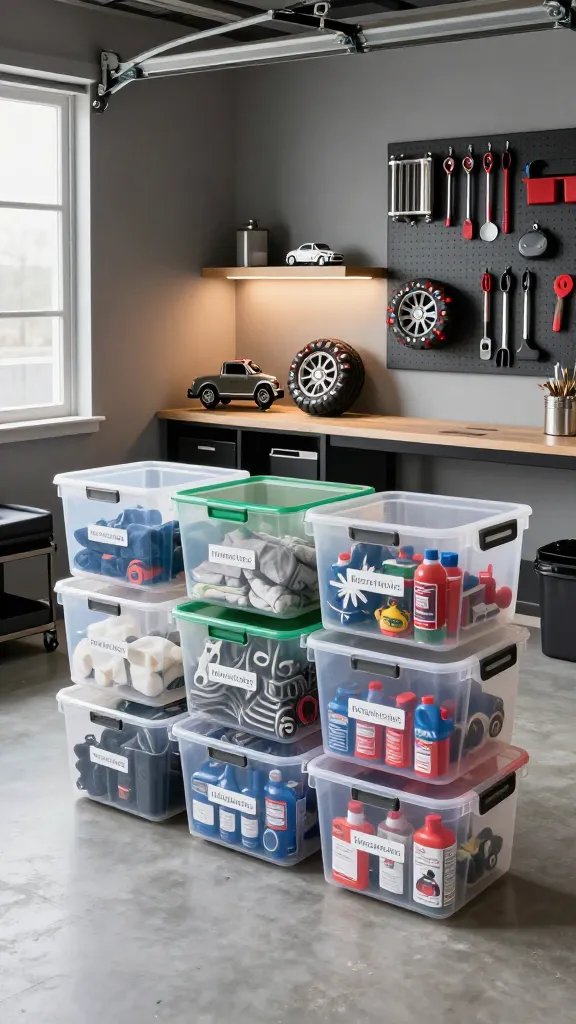
A. The Problem
Seasonal car shows, decal sheets, and extra maintenance supplies accumulate around holidays, creating clutter that competes with holiday decor.
B. Why It Happens
Seasonal cycles pull in props and gear that you don’t use year-round, and without a plan, they intromit into everyday storage spaces.
C. The Fix
Create a seasonal rotation plan: a labeled bin for winter gear, a separate bin for holiday accessories, and a small display area to showcase a few items without overcrowding the space.
D. How To Do It
– Label two bins: “Winter Car Gear” and “Holiday Car Decor.”
– Store the winter bin in a car trunk or under a bed when not in use, and bring it out during the winter months.
– Use a dedicated shelf or a small cabinet for holiday décor, and minimize the number of car-themed items that stay up year-round.
– Create a small “rotation window” where you swap items every 2–3 months to maintain order and reduce clutter.
E. Real-Life Consideration
– Small spaces: Use under-bed storage or slim bins that slide into the space behind a dresser.
– Apartments: Use stackable bins on a high shelf to keep holiday items out of sight.
– Renters: Ensure the rotation storage isn’t permanent or damaging to walls; use a freestanding approach.
F. Common Mistake
Holding onto items past their use-by date or returning to clutter in the home before the season ends.
G. Better Alternative
Set a calendar reminder: after the season ends, promptly move items to off-season storage and donate anything unused to keep the space tidy for the next year.
25) A Realistic Budget-Friendly Finish—One-Item-at-a-Time Upgrade Plan
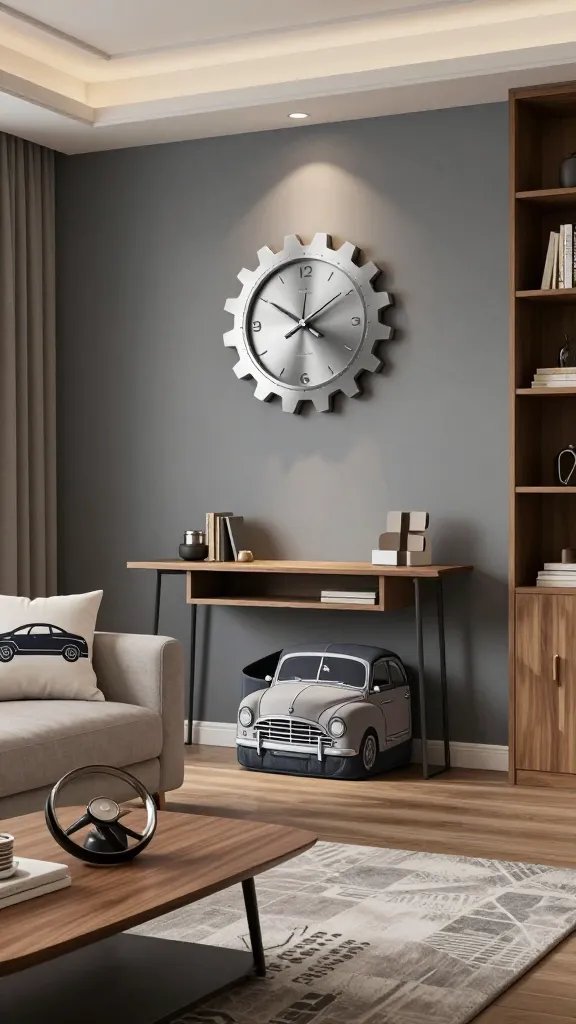
A. The Problem
Organizing a car-obsessed home can feel expensive, and people often try to overhaul everything at once, which leads to a bigger mess or buyer’s remorse.
B. Why It Happens
The body of the home grows faster than the budget, and people end up with mismatched systems that don’t last in daily life.
C. The Fix
Adopt a slow, budget-friendly upgrade plan: fix one space per month with a single, practical product that truly solves an everyday problem.
D. How To Do It
– Identify the three most troublesome spaces (entry, kitchen storage, and living room desk area).
– Allocate a modest budget (for example, $25–$75 per upgrade).
– Choose a single, highly functional product per space—like a compact bin system or a slim cabinet—designed to address a specific problem.
– Install, observe usage for 30 days, and adjust before the next upgrade.
E. Real-Life Consideration
– Small spaces: Start with a single targeted upgrade (Use First Zone for clutter-prone items).
– Apartments: Prioritize non-permanent, portable solutions.
– Renters: Choose products that don’t require modifications or wall damage.
– Budget: Look for multi-use products to maximize every dollar.
F. Common Mistake
Buying multiple containers at once, only to abandon the system when one piece doesn’t fit perfectly.
G. Better Alternative
Start with a single, proven improvement for a high-traffic space, then build gradually as you confirm it actually helps your day-to-day life.
Introduction to the After-Word: How to Choose Wisely Without Losing the Joy of Cars
Gift-giving in a shared home is about balance—between passion and practicality, between display and function. The 25 gifts above are designed to help you address real, everyday problems in a car-obsessed home: where to store gear, how to keep surfaces clear, and how to celebrate a love of cars without letting clutter run the house. Each idea is chosen to be actionable in small spaces, within rental constraints, and on budgets that don’t require a new shelf entire showroom. The goal is a house that feels curated, not crowded, with a touch of automotive personality that doesn’t overwhelm daily life.
Before You Buy: Quick Decision Rules
Use these quick checks before purchasing any storage or decor item:
- If you use it weekly, keep it in easy reach; otherwise store it away and rotate seasonally.
- If a storage item makes it harder to see or reach items, it isn’t solving the problem.
- If you need to move three things to reach one thing, reorganize the space instead of adding storage in the same footprint.
- Measure your space first, then compare storage options by depth and width to ensure a proper fit.
- Reassess every 30 days: if you haven’t used an item or found a place for it, consider retiring it or relocating it to a different zone.
Conclusion
The problem isn’t just how many car-themed gifts you can buy; it’s how to fit them into a real home without creating more clutter or sacrificing function. The practical approach here is to pair a specific problem with a clear fix, simple steps to implement, and a realistic sense of how it changes in small spaces, rentals, and busy households. By focusing on Use First zones, modular storage, and slow, budget-conscious upgrades, you’ll give your car-obsessed boyfriend thoughtful gifts that actually improve home life—without turning your space into a perpetual showroom.
Frequently Asked Questions
Is it okay to mix practical storage with decor items in the same space?
Yes, as long as the primary function remains clear. Choose decor accents that don’t impede the storage solution and maintain a cohesive color palette to prevent visual clutter.
What if I don’t have a full wall to dedicate to car decor?
Use vertical storage and wall-mounted solutions to maximize space. Shadow boxes, picture ledges, and slim wall bins can deliver the same effect without sacrificing floor area.
How can I keep this budget-friendly over time?
Adopt a one-in, one-out policy for new items, prefer multi-use organizers, and rotate inventory seasonally. Reuse existing containers where possible to minimize new purchases.
Internal Linking Opportunities (conceptual, not URLs)
Consider linking to related topics such as “how to organize a small kitchen,” “fall cleaning checklist,” or “small pantry storage ideas” where relevant to the article’s sections, to provide readers with deeper dives into practical, space-conscious organization strategies.