Morning drinks that actually fix vitamin deficiency faster? Yes, please. We’ll keep it science-based, practical, and a little cheeky. No fluff, just the good stuff your morning routine deserves.
Kickoff: why morning drinks matter (and how fast you’ll feel the difference)
Who hasn’t reached for a smoothie or tea and hoped for a vitamin boost to kickstart the day? The short answer: morning habits can influence absorption and consistency, which matters for fixing gaps in your vitamin intake. We’re talking about targeted drinks that deliver vitamins and minerals in a way your body can actually use—without turning your morning into a chemistry lab. FYI, consistency beats intensity here.
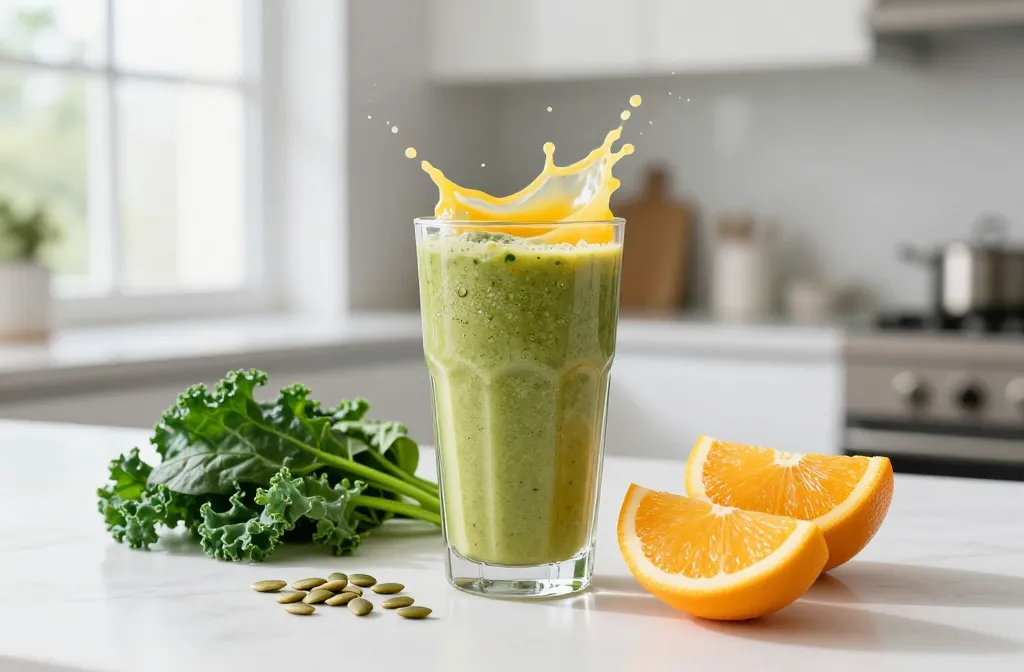
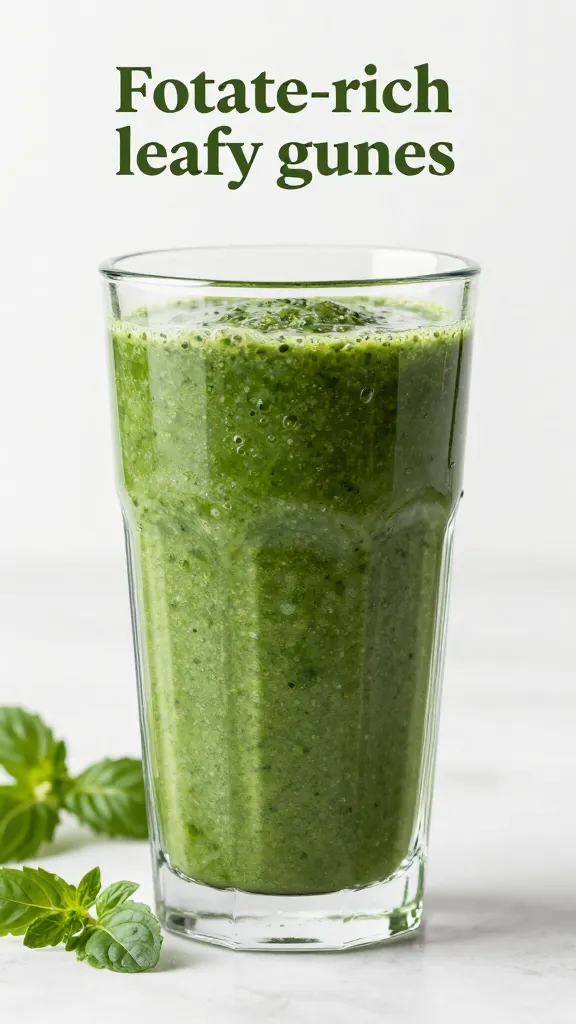
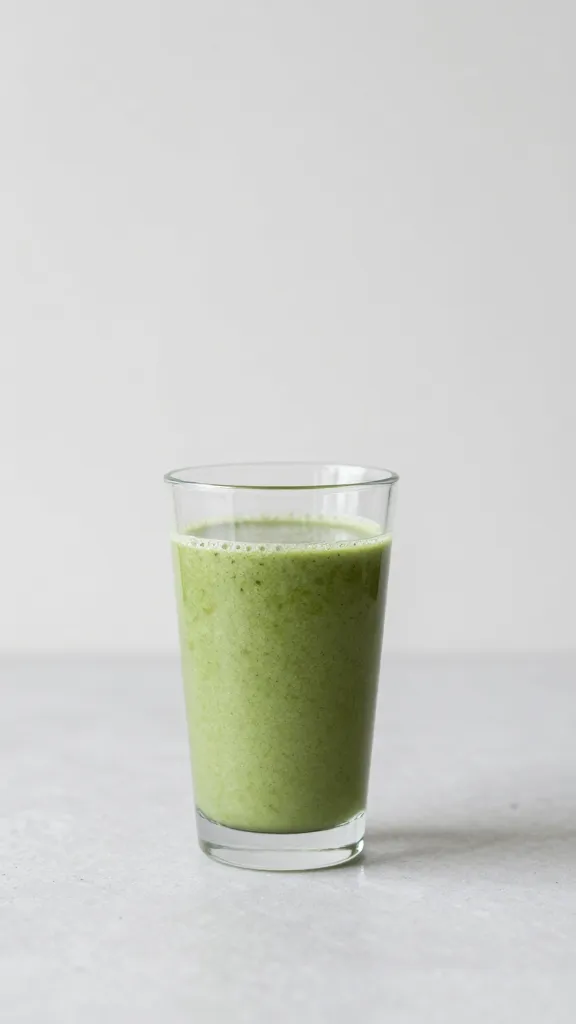
1) The Glow-Getter Morning Smoothie: iron, folate, and B12 on autopilot
A solid morning smoothie can cover a few big deficiencies without tasting like medicine. Build it with these essentials:
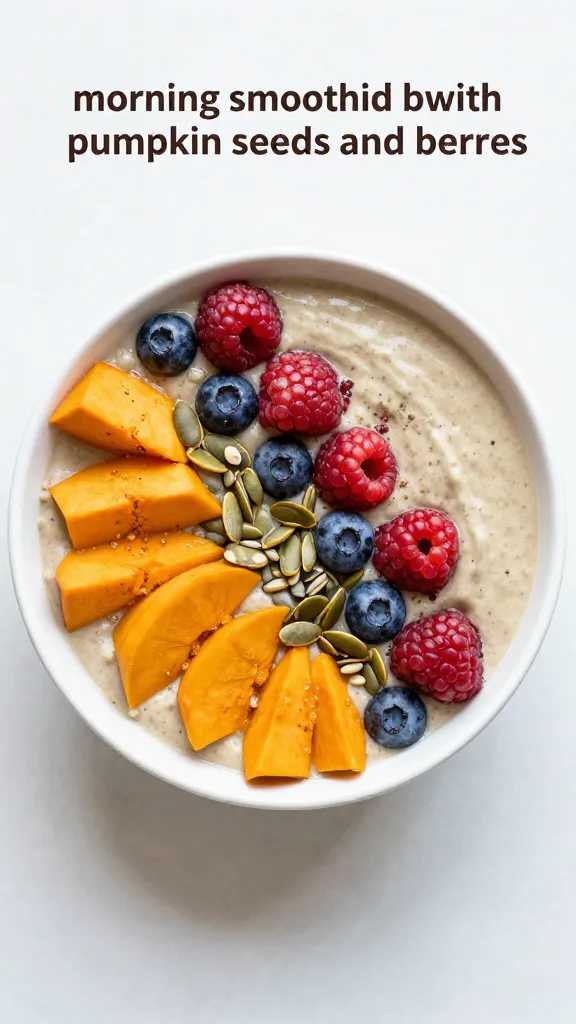
Iron: fortified cereal or a small handful of pumpkin seeds, plus vitamin C to boost absorption (orange juice or berries).
Folate: spinach or kale blends in easily; add citrus to unlock its power.
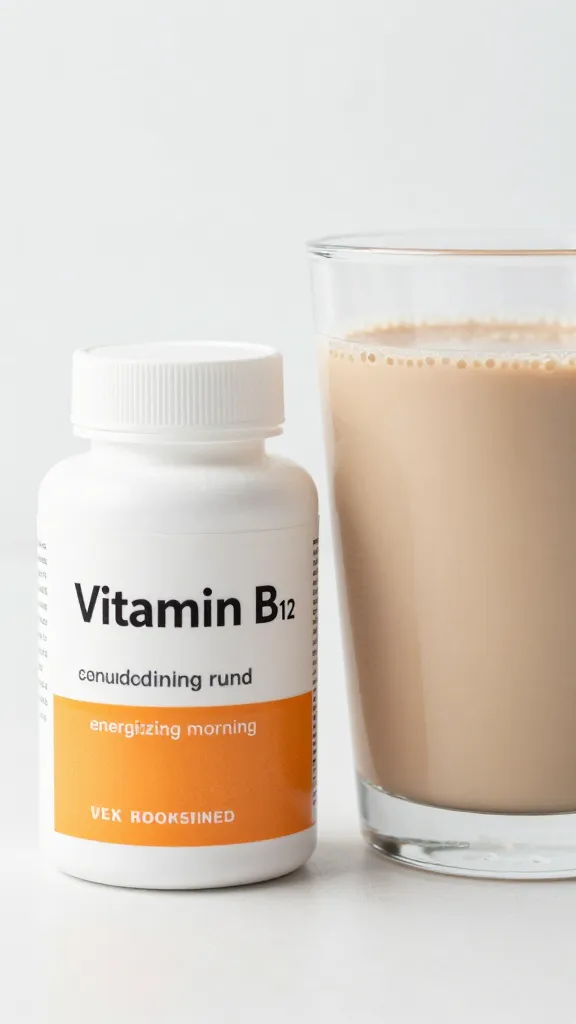
B12: dairy or fortified plant milk if you’re vegan; a scoop of yogurt or a plant-based option with B12 works too.
Liquid base: dairy, fortified plant milk, or water. Keep it creamy but not heavy.
Tips for best results: blend greens first, then add fruit and the fix-ins. Mornings are noisy enough—don’t fight with your blender. IMO, a pocket-sized blender makes this ultra-convenient.
Deep dive: timing and absorption
Your body loves vitamin C with iron absorption; don’t drink coffee immediately after your smoothie if you’re chasing iron uptake. Space it by about 30–60 minutes. That coffee can wait, or you’ll be wondering where your iron went.
Ingredient swaps
– Swap spinach for arugula if you want a peppery twist but keep folate intact. – Swap dairy milk for fortified soy or almond milk if you’re dairy-averse; check labels for B12 fortification.
2) Citrus-Boosted Vitamin C Startups: the morning zing that helps with more than colds
Vitamin C is your morning’s hype-man. It helps with iron absorption, supports immune health, and adds a refreshing zing to your wake-up. A simple wake-up drink could be:
Warm water with lemon and a dash of cayenne for a metabolism nudge (and gut-friendly hydration).
A fortified orange juice shot or a grapefruit-pineapple blend for a sweet, tangy lift.
Science bit: vitamin C is water-soluble, so your body uses what it needs and flushes the rest. Don’t overdo it—big doses don’t translate to big benefits for most people, and too much can cause tummy trouble.
Best practices
– Pair vitamin C with iron-rich foods or drinks to maximize absorption. – Keep portions reasonable; 1 glass or a small smoothie usually suffices. – If you’re swallowing pills, you can chug a vitamin C drink alongside to help with intake.
3) The Hydration-First Pillars: vitamin D, calcium, and magnesium in a morning sip
If you’re chasing bone health and mood support, hydration-forward drinks with a vitamin D and mineral mix can help set the tone.
Warm water with a pinch of sea salt and a squeeze of lemon can be surprisingly energizing (and hydrating).
Fortified fortified drinks or a smoothie with yogurt, chia, and a splash of fortified plant milk can cover magnesium, calcium, and vitamin D.
Pro tip: magnesium helps with sleep and cramps, so an evening-late sip is great, but a morning version helps with energy if you’re not a night owl. It’s not magical, but it’s consistently helpful when paired with sun exposure and dietary fat for vitamin D synthesis.
Common mistakes
– Overfortifying with minerals can lead to an unpleasant aftertaste or stomach upset. Start low and build up. – Don’t rely on a drink for 100% of your needs. Use it as a supplement to a balanced diet.
4) Probiotic-Powered Morning: gut health meets vitamin uptake
Your gut is the gatekeeper for absorption. A probiotic or fermented drink can set the stage for better nutrient uptake across the board.
Plain yogurt-based smoothies with fruit or a kefir-based drink for a tangy kick.
Fermented plant-based drinks like coconut yogurt or water kefir (check sugar content).
Why this helps: a healthy gut flora can improve the absorption of certain vitamins, particularly B vitamins and fat-soluble vitamins when fats are present. FYI, the science is complex, but the trend is promising for many people who struggle with absorption.
Tips for best results
– Include a small amount of healthy fat in your drink (avocado, nut butter, chia) to aid fat-soluble vitamin absorption. – Avoid added sugars that sabotage gut health and energy crashes. Opt for whole fruit instead of juice when possible.
5) A Morning Amino-Boost: protein-forward drinks to support micronutrient uptake
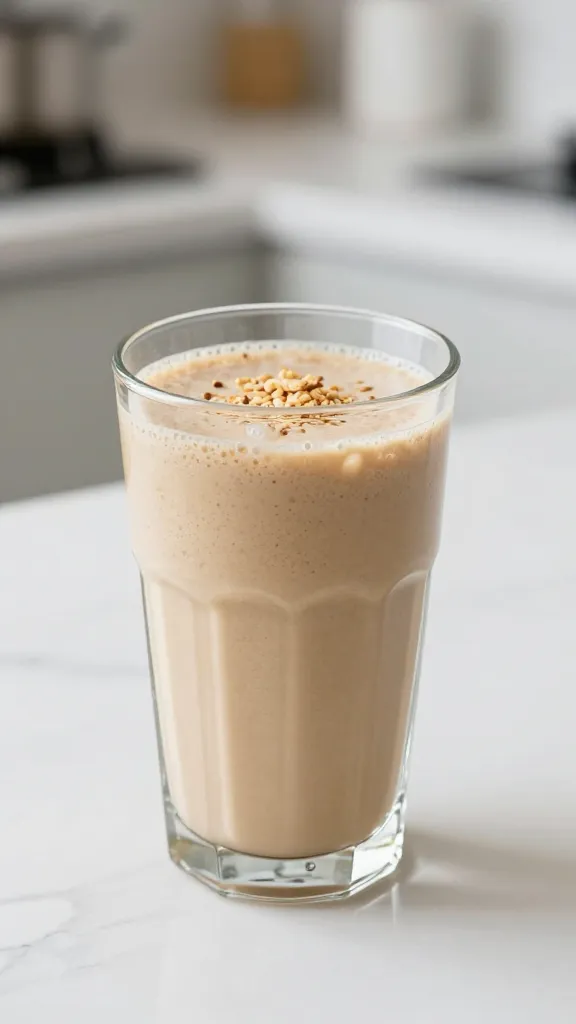
Protein isn’t just about muscle; it helps with satiety, energy, and can carry fat-soluble vitamins when you pair it properly.
A whey or plant-based protein shake fortified with vitamins D and B12 if you’re vegan or vegetarian.
A yogurt-based smoothie with berries and oats for a balanced macro profile and microunits of minerals.
Smart combo: pair your protein drink with a small dose of fat and a vitamin C source to optimize uptake. It’s like a little vitamin party in your stomach. The party favors? Better energy and steadier mood.
6) Practical tips: how to optimize your morning vitamin drinks (and avoid common pitfalls)
Pro tips
Keep a rotating mix of drinks so you don’t get bored and you cover a broader nutrient spectrum.
Prep ingredients the night before to save time in the morning. A pre-portioned bag or jar can be a game changer.
Common mistakes
Over-reliance on fortified drinks. Whole foods still matter for the synergy of nutrients.
Ignoring food sensitivities. If dairy upsets your tummy, switch to fortified plant milks or powders with clean labels.
Variations
Spice it up: add turmeric or ginger for anti-inflammatory benefits, but watch for interactions with certain supplements if you’re on medications.
Seasonal fruit swaps keep flavors vibrant and provide different micronutrient profiles across the year.
Comparison blocks
Here’s a quick snapshot to help you choose based on your needs:
Iron-focused: spinach + orange juice in a smoothie with fortified cereal on the side.
Vitamin C-forward: citrus-heavy juice or a lemon-ginger water infusion.
Bone health: calcium/magnesium-rich smoothie with fortified plant milk.
Gut health: kefir or yogurt-based drink with live cultures and berries.
FAQ
Q: Can I rely solely on morning drinks to fix deficiencies?
A: Not really. They’re great as a supportive habit, but most people need a broader plan including a balanced diet, sunlight exposure, and possibly supplementation after a doctor’s guidance. However, they can plug gaps and improve adherence to nutrient targets.
Q: How soon will I notice a difference?
A: Many people report improved energy within a couple of weeks, especially if iron or vitamin C were low. If you’re severely deficient or have absorption issues, it may take longer and require medical management.
Q: Are there any risks with morning vitamin drinks?
A: Excessive fortified nutrients can cause tummy trouble or interactions with meds. Always read labels, start slow, and consult a professional if you’re on medication or have health conditions.
7) The big closing: build a sustainable routine
If you want morning drinks to fix deficiencies faster, you need consistency and variety. Don’t force yourself into a rigid ritual that drains you. Instead, mix and match the options above, keep your kitchen stocked with vitamin-rich ingredients, and track how you feel over a few weeks.
IMO, the simplest path is a rotating set of 2–3 go-tos: a greens-boost smoothie, a citrus starter, and a gut-friendly yogurt-based drink. Add a protein-forward option on some days to balance appetite and energy. FYI, small wins compound—don’t underestimate the power of showing up daily.
Conclusion
Morning drinks can be a practical, tasty ally in your vitamin-deficiency recovery plan when used thoughtfully. They won’t replace a balanced diet or medical treatment, but they can accelerate uptake, support energy, and make sticking to nutrition goals a little more enjoyable. So grab your blender (or your glass), pick a couple of favorites, and start the morning with a nutrient bump that actually sticks. Ready to experiment and see what sticks for you? Let’s do this.
Disclosure: This post may contain affiliate links.
If you make a purchase through these links, I may earn
a small commission at no extra cost to you.
prab chahal
Hi, I’m Prabjot Chahal – the heart (and taste buds) behind this blog!
Food has always been my love language – from experimenting with family recipes to discovering unique flavors from around the world. I believe that cooking isn’t just about following a recipe, it’s about creating moments, sharing stories, and connecting with others over something delicious. Through this blog, I want to build a vibrant food community where we share more than just recipes – we share inspiration, tips, and the joy of making and enjoying good food together. Whether you’re here for quick weekday dinners, festive treats, or creative seasonal ideas, you’re part of this table. So grab a fork (or a whisk!) and let’s cook, bake, and share our love for food – one recipe at a time.