
Are gluten and hormones secretly plotting against your waistline or mood? Short answer: sometimes. Longer answer: it depends on your biology, your gut, and what you actually eat. Let’s unpack how gluten could touch weight and mood, and what you can do about it—without turning your life into a full-blown science experiment.
What gluten actually is and why it might matter for weight and mood
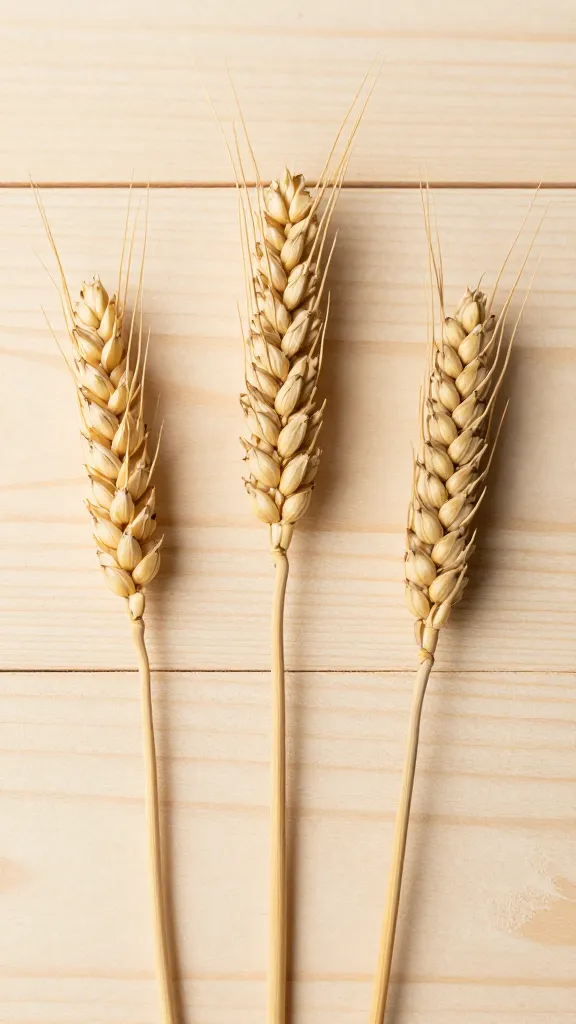
Gluten is the team name for two proteins, glutenin and gliadin, found in wheat, barley, and rye. For most people, it’s just a harmless building-block in bread and pasta. For others, it can trigger gut or immune responses that shake up digestion, energy, and even mood. Not every reaction to gluten is dramatic; sometimes it’s subtle weight changes or a foggy mood that you notice only after a few weeks of gluten-rich meals.
Some folks have a formal diagnosis like celiac disease or non-celiac gluten sensitivity. Others may have subtle gut microbiome differences that react to gluten in ways that influence how full they feel after meals or how quickly they bounce back after eating. FYI, hormones don’t march alone here—they can be buddy-buddy with gut signals and inflammation, which can in turn tweak appetite and energy levels.
How gluten can influence weight (and when it doesn’t)
– For some, gluten triggers bloating and water retention, making the scale creep up even if they didn’t actually gain fat.
– For others, gluten-containing meals spike cravings for carbs later in the day, nudging total daily calories higher.
– A few folks notice better digestion and steadier appetite after cutting gluten, which can support steadier weight management.
But here’s the blunt truth: removing gluten won’t miraculously melt fat unless you’re also paying attention to overall calories, protein, fiber, and movement. Conversely, gluten-containing foods can fit into a balanced weight plan if you’re not sensitive to them and you’re mindful of portions. The key is listening to your body and tracking what actually changes, not what you think should.
Gluten, Hormones, and the appetite feedback loop

– Ghrelin and leptin do their thing, signaling hunger and fullness. If your gut is irritated or inflamed, those signals can get a bit wonky.
– Inflammation from gut issues can interfere with insulin sensitivity, which has a hand in how your body handles blood sugar after meals. More ups and downs there often means more cravings.
– Stress hormones like cortisol can amplify gut discomfort and appetite, nudging you toward comforting carbs after a gluten-containing meal. It’s not glamorous, but it’s common.
What does this look like in real life? You finish a gluten-heavy lunch, feel oddly sluggish, and then crave a mid-afternoon snack that isn’t exactly high-protein. Your mood dips a bit, and suddenly a tiny extra snack becomes a bigger portion by dinnertime. If you notice this pattern, you might be dealing with a gluten-related gut mood loop—and yes, it can be fixable with tweaks.
When removing gluten might help your mood and energy
– You have a diagnosed condition: celiac disease or non-celiac gluten sensitivity. In these cases, avoiding gluten is often the most reliable path to fewer digestive symptoms and more stable energy.
– You notice GI symptoms, brain fog, or mood swings spike after gluten-rich meals. If symptoms improve after cutting gluten, that’s a strong signal to explore further with a clinician.
– You suspect severe dairy-free, gluten-free combinations: sometimes the issue isn’t gluten alone but how your gut handles processed gluten-containing products. Opt for whole, minimally processed options first.
If your symptoms are mild or intermittent, a full gluten-free overhaul may not be necessary. You can experiment with a guided, temporary elimination to see if you notice any changes in your mood or weight, then reintroduce with attention to how you feel.
Practical strategies: how to test and adjust without turning life upside down
– Try a short gluten-elimination trial (2–4 weeks) if you suspect a sensitivity. Track mood, energy, digestion, and weight daily or every couple of days.
– Reintroduce gluten gradually to see if symptoms recur. Do this one variable at a time so you know what matters.
– Focus on whole foods: oats (certified gluten-free if necessary), quinoa, brown rice, legumes, fresh veggies, lean proteins, nuts, and seeds. This helps you compare fiber, protein, and fat intake when you skim gluten-containing options.
– Mind your portions: even gluten-free foods can be high in calories and low in satiety if portions are out of control. Use plates, not flags, to guide serving sizes.
– Hydration and sleep matter: dehydration and poor sleep can magnify cravings and mood swings, regardless of gluten. Keep those basics solid.
Tips for best results:
– Keep a food-and-feeling log. Note what you eat, how you feel, and your mood ratings. Patterns often pop out when you review your entries.
– Pair meals with protein and fiber to support fullness and steady energy, which helps mood stability.
– Don’t dread gluten-free labels. Read ingredients for added sugars and refined carbohydrates that could throw off weight goals.
Common mistakes people make with gluten, weight, and mood

- Assuming all gluten-free foods are healthy. Many are processed and high in sugar or fat, which can undermine weight goals.
- Blaming gluten for everything. Mood swings have many potential culprits—sleep, caffeine, stress, hormonal cycles, and gut health among them.
- Jumping to extremes after a single symptom. A measured trial with professional guidance tends to work better than a dramatic cut-and-panic approach.
- Forgetting to maintain balance. Cutting gluten without balancing protein, fiber, and healthy fats can leave you hungry and cranky.
Pro tips
– If you’re curious about whether gluten affects you, test with a clinician’s guidance. A registered dietitian can help you design a safe elimination and reintroduction plan.
– Keep your vitamin and mineral intake in check. Some gluten-free products are fortified, but others aren’t, so consider a multivitamin if your diet is limited.
– Consider gut-friendly foods that support a healthy microbiome: yogurt (or fortified dairy-free alternatives), kefir, sauerkraut, kimchi, and high-fiber veggies.
Ingredient swaps
– Swap white bread for whole-grain or gluten-free whole grains like quinoa, millet, or buckwheat.
– Use almond flour, coconut flour, or chickpea flour in baking to diversify texture and fiber content.
– Try pasta made from lentils or chickpeas for more protein and fiber, which can help mood and fullness.
Variations: different paths depending on your context
– If you’re an athlete or highly active: you might prioritize gluten-free options that still deliver carbs around workouts without causing gut discomfort.
– If you’re a busy professional: simple, gluten-free snack pairs (protein + fiber) can stop mood crashes during long days.
– If you’re pregnant or planning a family: discuss gluten tolerance with your clinician, since hormonal changes can alter digestion and appetite.
FAQ
Q: Can gluten-free diets improve mood even if I’m not sensitive?
A: It’s possible but not guaranteed. Some people feel better when they swap out ultra-processed gluten-free products for simpler, whole foods. The improvement often comes from overall dietary quality and reduced refined carbs, not gluten removal alone.
Related Posts:






Q: Will cutting gluten help with weight loss?
A: It can aid some people, particularly if it reduces appetite swings or lowers overall calorie intake. But gluten-free labels aren’t a magic wand. Weight loss still centers on total energy balance and nutrient density.
Q: How do I know if I should get tested for celiac disease?
A: If you have persistent GI symptoms plus a family history of celiac, or you’ve noticed dramatic reactions to gluten, talk to a clinician. Blood tests and, if needed, endoscopy are the usual routes.
Q: Are there risks to cutting gluten?
A: If you do it thoughtfully, not much. But you can miss out on essential nutrients if your diet becomes overly restricted. A balanced approach or guidance from a dietitian helps prevent gaps.
Conclusion
So, does gluten affect weight and mood? Sometimes yes, sometimes no. The real hitch is how gluten interacts with your gut, your hormones, and your overall dietary pattern. If you suspect a connection, treat it like a tiny, mild experiment—not a life sentence. Try a careful elimination and reintroduction, track results, and lean on smart swaps that keep you satisfied and sane. And FYI, you don’t need to become gluten-free forever to figure out what works best for you.