I’m guessing you’ve replayed the same afternoon nap a dozen times and still feel like you’re running on fumes. Spoiler: it might not be your coffee addiction or your willpower. It could be a deficiency-based diet doing the heavy lifting behind the scenes. Let’s cut to the chase and explore a practical, actually-worked plan you can start today.
Why You Feel Tired All Day (And How a Deficiency-Based Diet Helps)

You’re not imagining it. Your body runs on nutrients as if they’re tiny power-ups for a video game. When you’re missing key ones, fatigue isn’t shy about showing up. The good news? You don’t need a magical pill. You can fuel smarter with foods that fill a real, measurable gap.
1. The Big Deficiency List: What Slackers Your Energy
Our bodies blink into life with plenty of tiny helpers. When one (or several) are low, you’ll notice.
Common culprits to look for
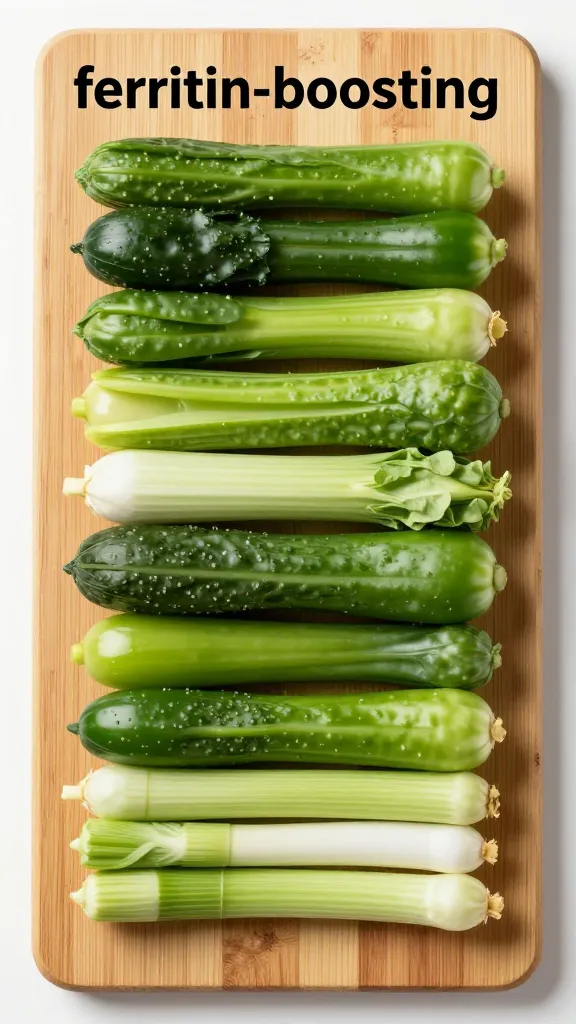
- <strong Iron and ferritin drops = low oxygen delivery to muscles and brain. Fatigue, pale skin, and dizziness are not vibes.
- <strong Vitamin D = mood and energy anchor. Deficiency can feel like perpetual cloud cover.
- <strong B vitamins (especially B12 and folate) = energy metabolism. Low levels can cause brain fog and weariness.
- <strong Magnesium = relaxes your muscles and helps sleep. Too little can leave you twitchy and tired.
- <strong Omega-3 fatty acids = brain fuel. Low levels can dull focus and energy.
2. Build Your Daily Plate: A Deficiency-Based Diet That Actually Works
No overhauls that feel punitive. Think simple swaps and smarter combinations.
Principles to live by
- Prioritize nutrient-dense foods at every meal—protein, fiber, healthy fats, and micronutrients.
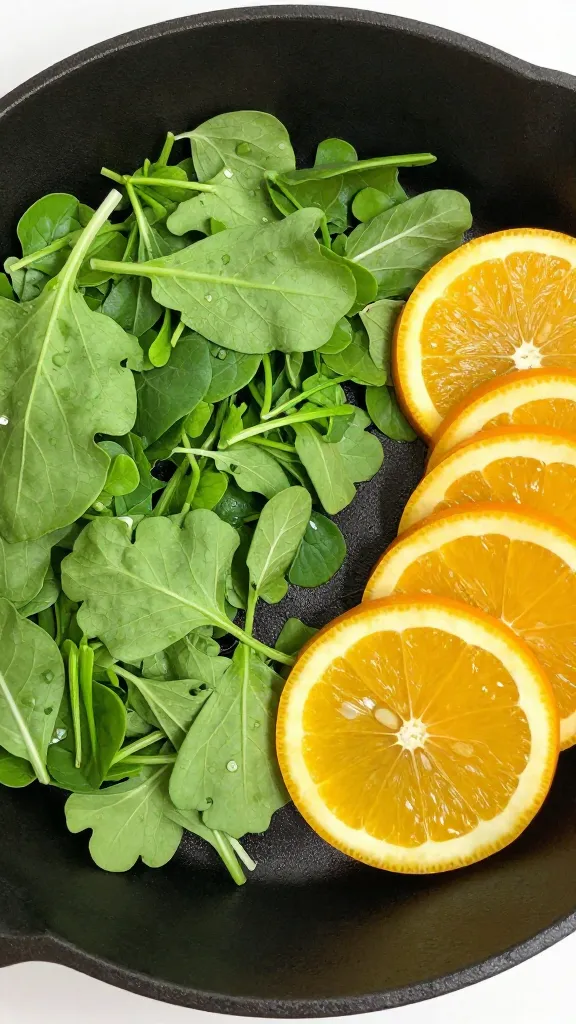
- Pair iron-rich foods with vitamin C to boost absorption. Yes, a squeeze of lemon on spinach counts as a win.
- Split your iron sources: mix heme (meat, seafood) with non-heme (beans, fortified grains) to cover all bases.
- Be mindful of anti-nutrients that block absorption. Soak beans, cook greens well, and don’t rely on calcium-rich foods at the same time as iron-rich meals.
3. Daily Staples: What to Add (And What to Tweak)

Here are practical swaps and additions you can actually stick to.
Key foods to crowd in
- <strong Red meat, poultry, or fortified cereals for iron, plus a side of citrus or bell pepper for vitamin C.
- <strong Leafy greens like spinach or kale for folate and magnesium.
- <strong Fatty fish (salmon, sardines) for omega-3s and vitamin D.
- <strong Eggs for B12, choline, and a quick energy bump.
- <strong Legumes (beans, lentils) to fuel with fiber and iron combo.
- <strong Whole grains (quinoa, oats) to keep steady energy, not sugar spikes.
Smart swaps to try this week
- Swap a cup of white rice for quinoa or brown rice to boost minerals and fiber.
- Trade a sugary snack for a handful of almonds with an orange. You’ll thank me later.
- Replace one breakfast pastry with Greek yogurt and berries for protein and vitamin C in one go.
4. Timing Tricks: When Your Body Actually Buys In
Diet matters, but timing matters too. Don’t starve yourself and don’t gorge late night either.
Meal rhythm that supports energy
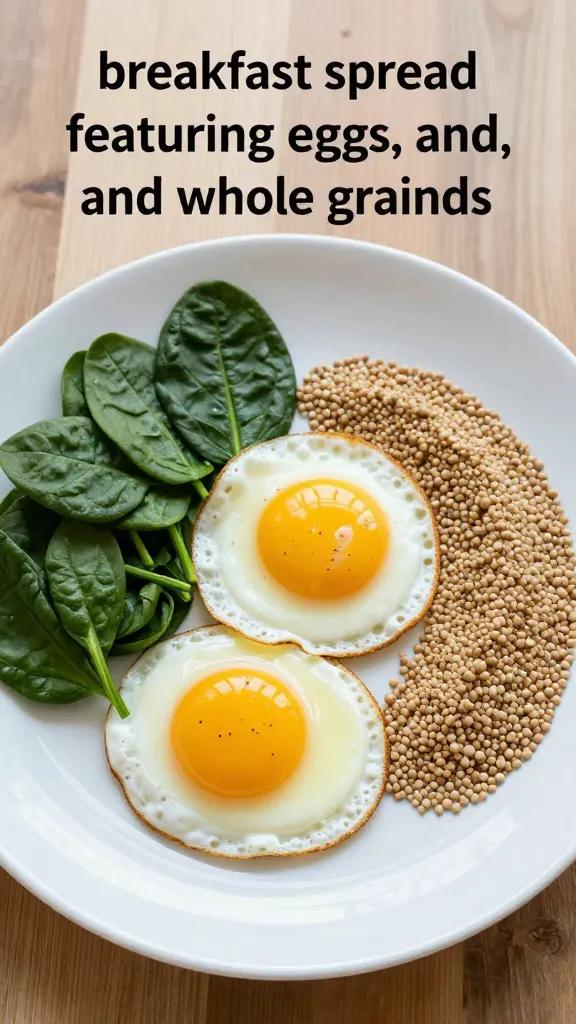
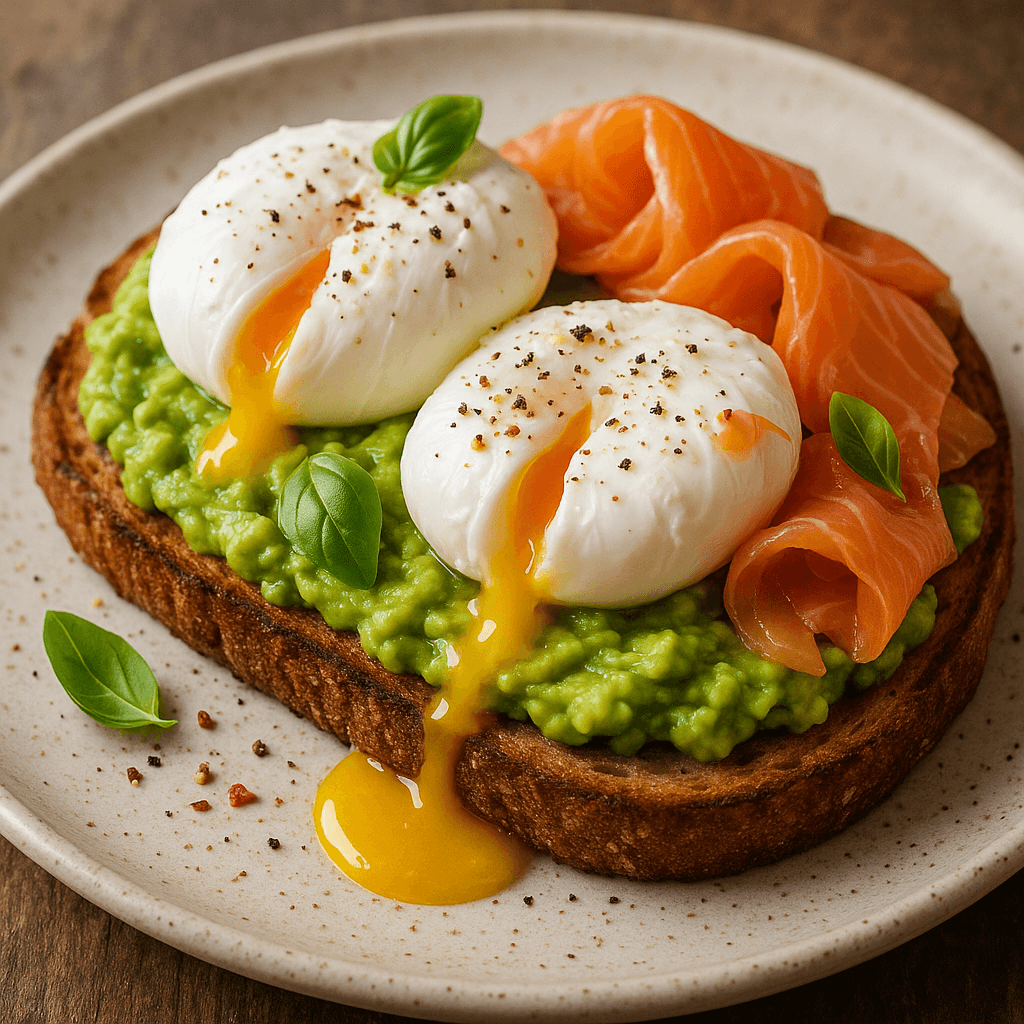
- Have a protein-forward breakfast within an hour of waking. Think eggs, yogurt, or a protein smoothie.
- Spread protein and fiber across meals to avoid energy dips—think lunch and dinner with veggies and whole grains.
- Include a small, balanced snack in the afternoon to avoid the 3pm crash.
5. Add a Pulse: Pro Tips to Supercharge Your Diet
Pro tips
- FYI, iron absorption improves with vitamin C. A citrus wedge or bell pepper on iron-rich meals is a tiny move with big payoff.
- Cook greens like spinach with a splash of acidic juice; it makes minerals a touch more bioavailable.
- Consistency > perfection. Small, repeatable changes beat drastic overhauls that fade in a week.
Common mistakes
- Overloading on caffeine. It can mask fatigue but worsens sleep quality over time.
- Ignoring hydration. Dehydration masquerades as fatigue more than you’d think.
- Skipping meals. Tiny, steady fuel beats long fasts if you’re chasing energy.
Variations
- Vegetarian-friendly: lean plant proteins, fortified cereals, and iron-rich greens with vitamin C boosters.
- Gluten-aware tweaks: swap out heavy breads for quinoa or buckwheat for a calmer energy curve.
- On-the-go plan: hard-boiled eggs, yogurt cups, mixed nuts, and a fruit pouch for lunchbox energy.
6. Ingredients Swaps for Easy Wins

Smart swaps you can do now
- Use canned tomatoes with iron-fortified beans to create quick fortified chili or soups.
- Swap white potatoes for sweet potatoes to busk on more vitamin A and fiber.
- Choose fortified plant milks with vitamin D and B12 if you’re dairy-free.
7. Common Scenarios: Fatigue at Different Times of Day
Morning drag
Kickstart with a protein-rich breakfast and a splash of citrus. If you’re not a morning person, a protein smoothie can be an easy opener that travels well.
Afternoon slump
Grab a balanced snack and a splash of water. If your office is a land of fluorescent lighting, consider a quick 5-minute stretch or a short walk to reset energy metabolism.
Evening wind-down
Avoid late-night heavy meals. Choose lighter protein and fiber to support sleep quality without feeling stuffed.
FAQ
Q: Do I need supplements? Not always. Start with real foods first. If labs show deficiencies, your healthcare provider may suggest targeted supplementation (iron, vitamin D, B12, etc.).
Related Posts:





Q: Can I fix fatigue with coffee? Coffee can help, but it’s not a fix. Relying on caffeine masks underlying gaps. Use it strategically—early in the day and not after lunch.
Q: How long before I notice a difference? Give it 3–6 weeks of consistent refining. Your energy should become steadier, and sleep quality often improves as you optimize magnesium, zinc, and B vitamins.
Q: I’m vegetarian. Is this doable? Absolutely. Focus on iron-rich plant foods plus vitamin C, add fortified cereals or B12 supplements, and don’t miss omega-3s from flax or chia as a base.
Q: What about sleep? Nutrition helps, but sleep quality is a big player. Keep a regular sleep schedule and create a gentle wind-down routine.
Conclusion
If you’ve been chasing energy in the wrong places, a deficiency-based diet might be the missing link. It isn’t about starving yourself or becoming a food scientist; it’s about smarter food choices, better pairings, and consistent habits. Start with small, doable changes: add a citrus splash on iron-rich meals, swap a starch for a whole grain, and aim for protein-packed breakfasts. Your body will thank you with clearer focus, steadier energy, and maybe a little extra spring in your step. IMO, it’s worth the effort—and FYI, you can totally do this.