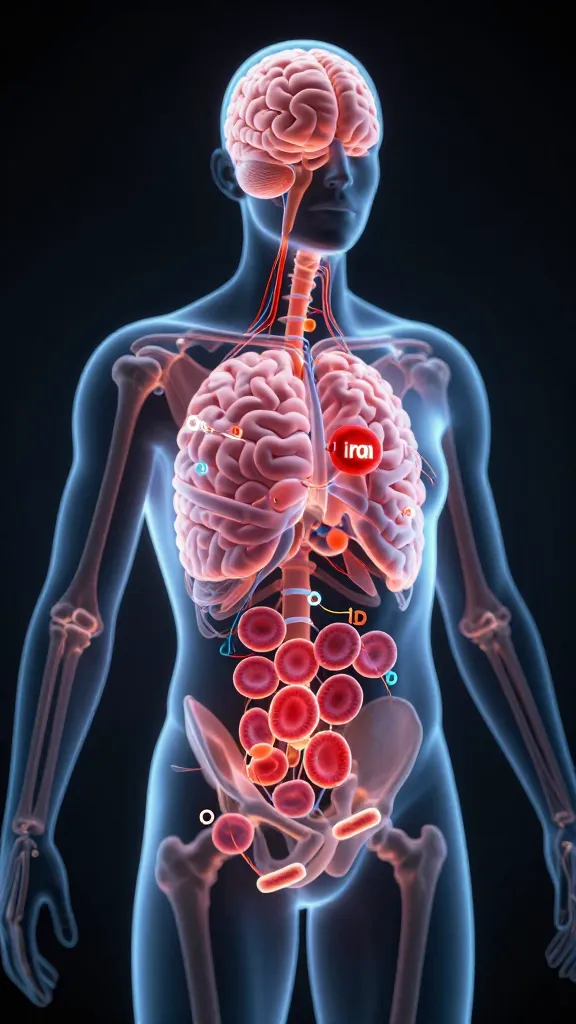
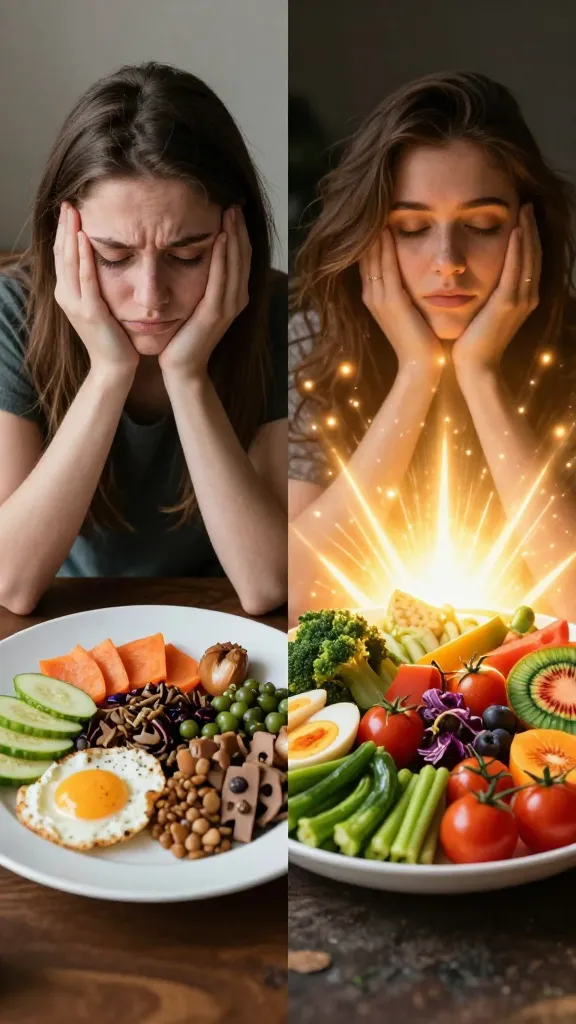
If you’ve been feeling run-down, lugging around fatigue, or chasing mystery headaches, your body might be trying to tell you something about iron, B12, or vitamin D. Let’s cut to the chase: a complete diet plan that tackles all three at once is doable, tasty, and totally workable with real-life meals. FYI, you don’t need a pharmacy’s worth of supplements to feel better—though some people do benefit from them. Let’s dive in.
What to eat for iron, B12, and vitamin D: the starter kit
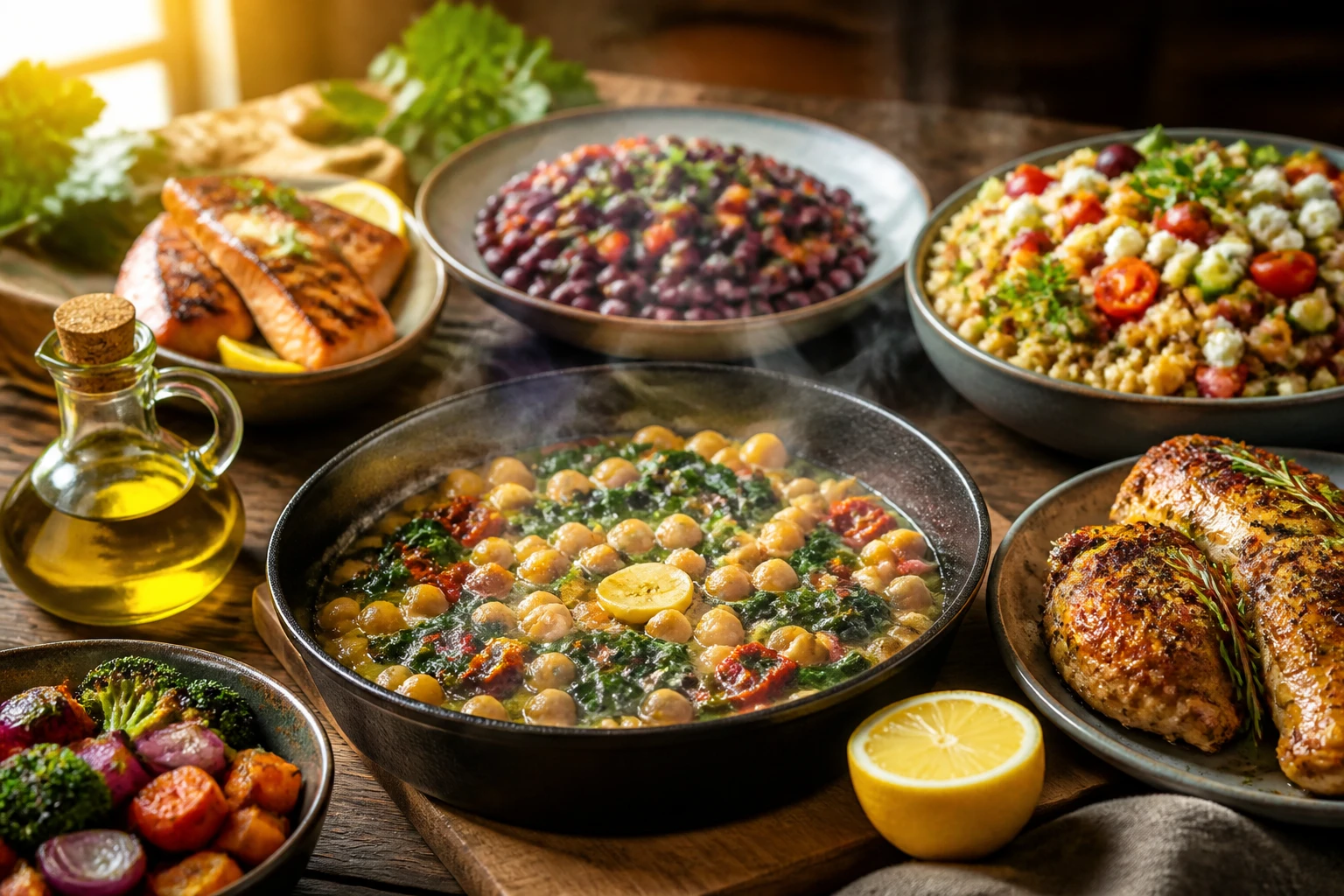
Are you chasing three nutrients at once? You can design meals that hit all three without turning into a grocery scavenger hunt. The goal: foods that provide iron (preferably heme iron from animal sources, plus non-heme iron from plants with vitamin C to boost absorption), B12 (animal-derived or fortified options), and vitamin D (fatty fish, fortified foods, and sensible sun exposure). Simple, practical, and doable.
Build a daily plate that works
Iron-rich picks
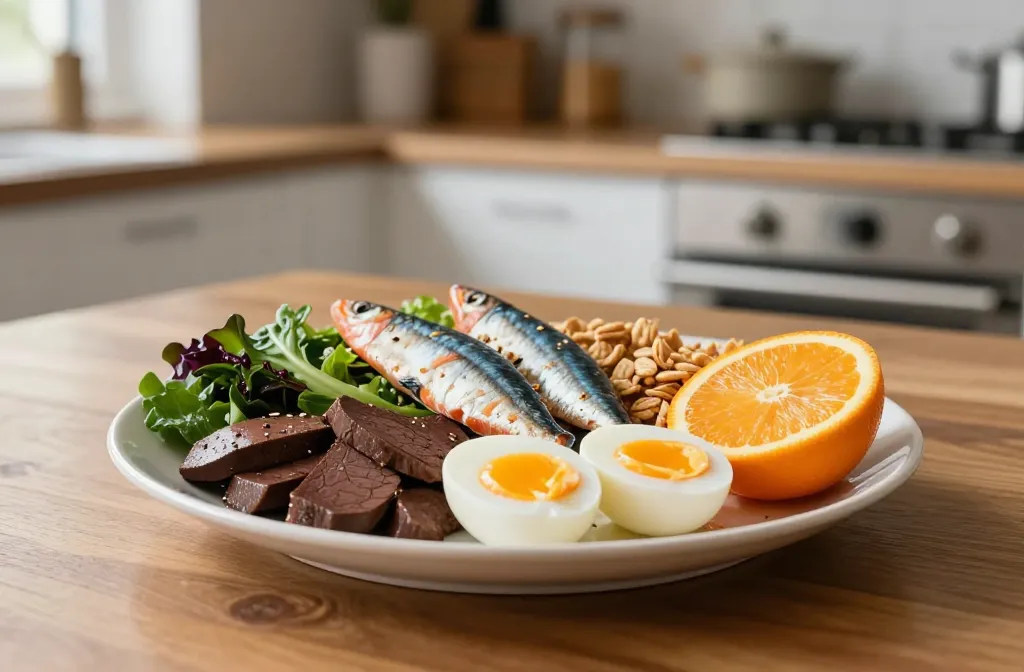
Red meat, pork, and poultry liver (a small portion goes a long way)
Fatty fish like sardines and tuna
Eggs
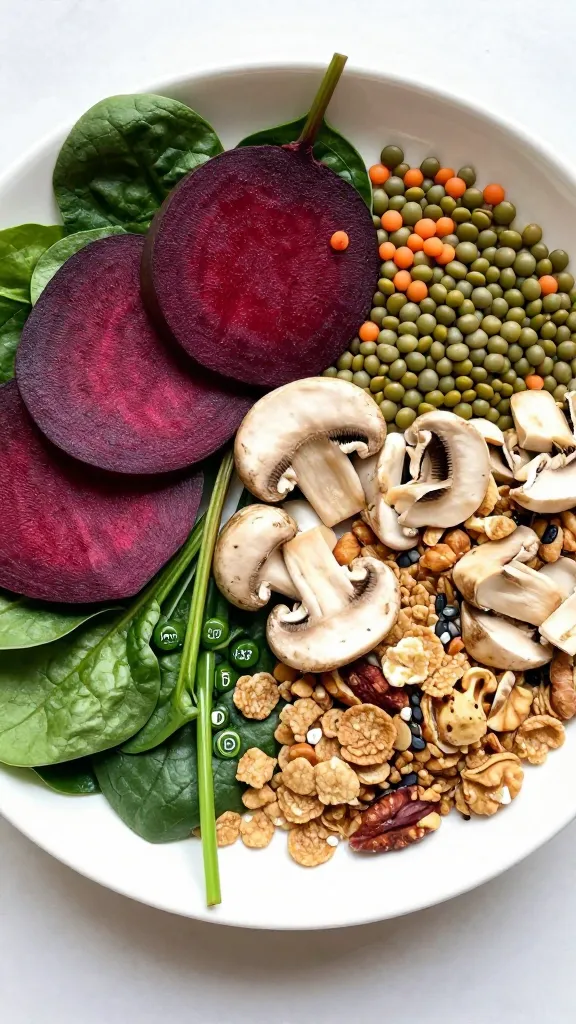
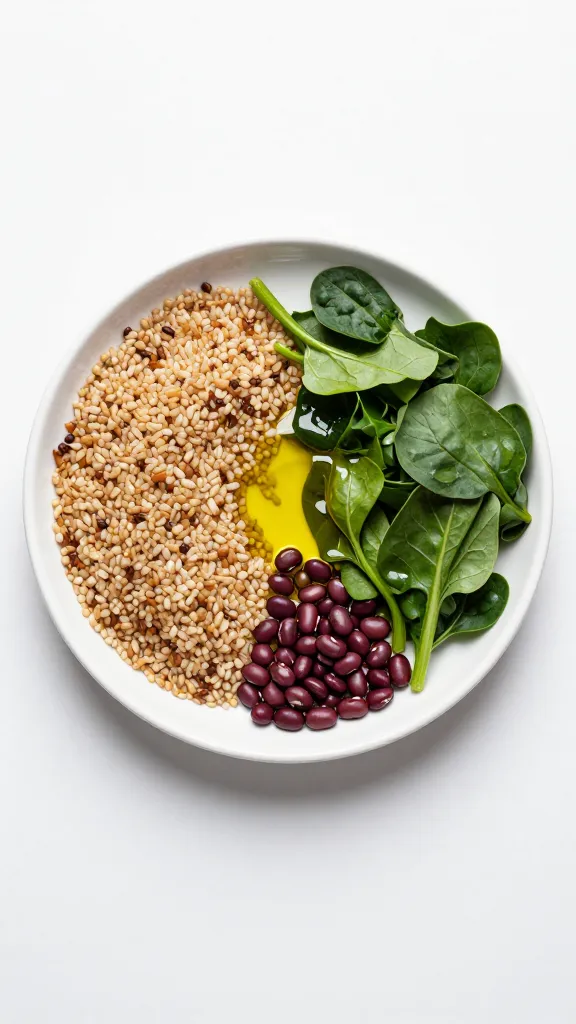
Leafy greens and legumes for non-heme iron
B12 champions
Beef, lamb, and poultry
Eggs and dairy products
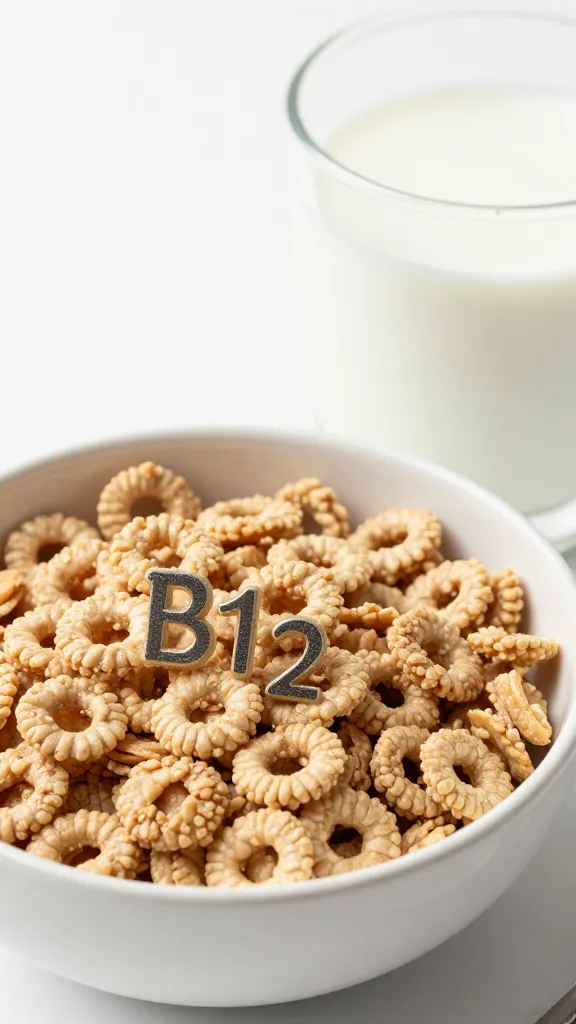
Fortified cereals and plant-based milks (check labels)
Vitamin D sources
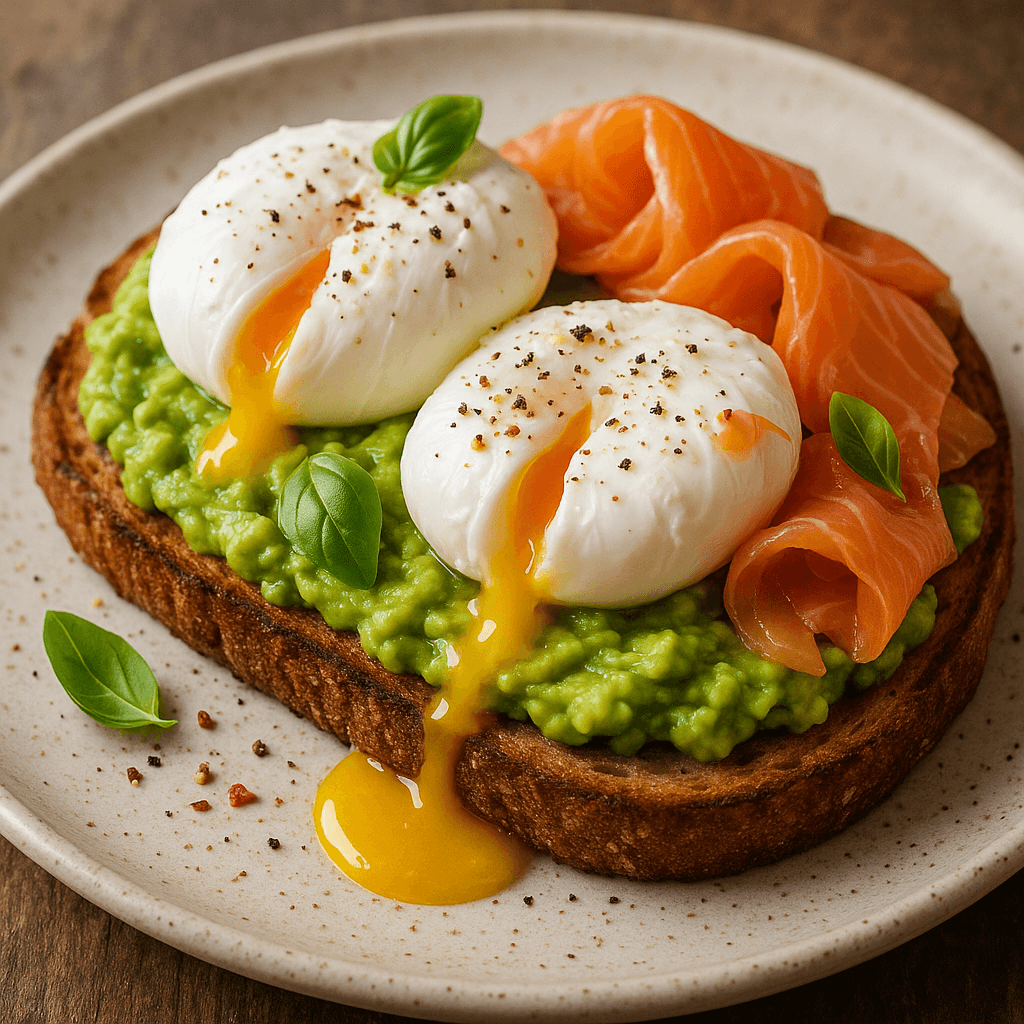
Fatty fish (salmon, mackerel, sardines)
Egg yolks
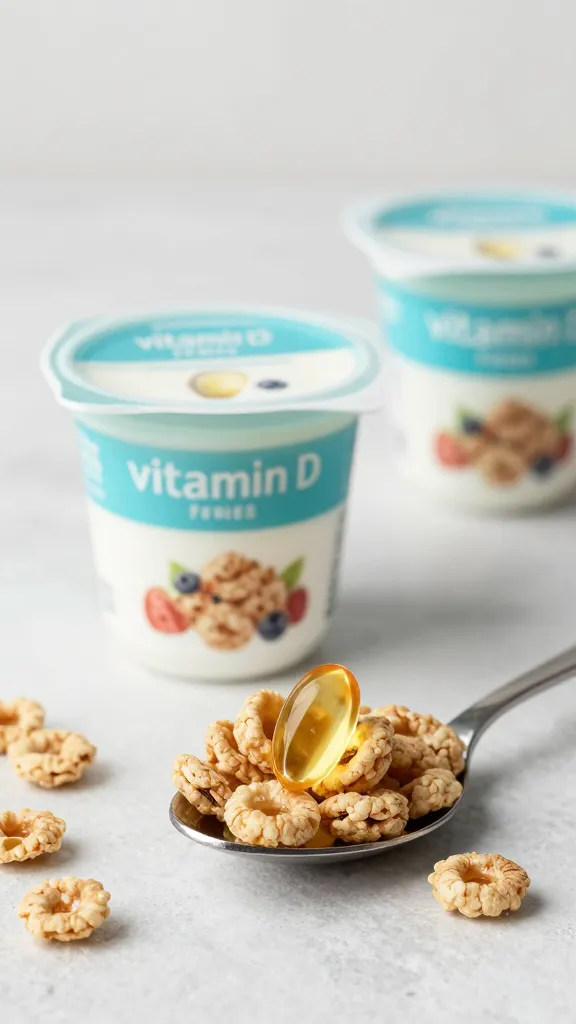
Fortified foods (milk, yogurt, cereals)
Smart sun exposure when possible
Sample daily menus that actually feel doable
Breakfast
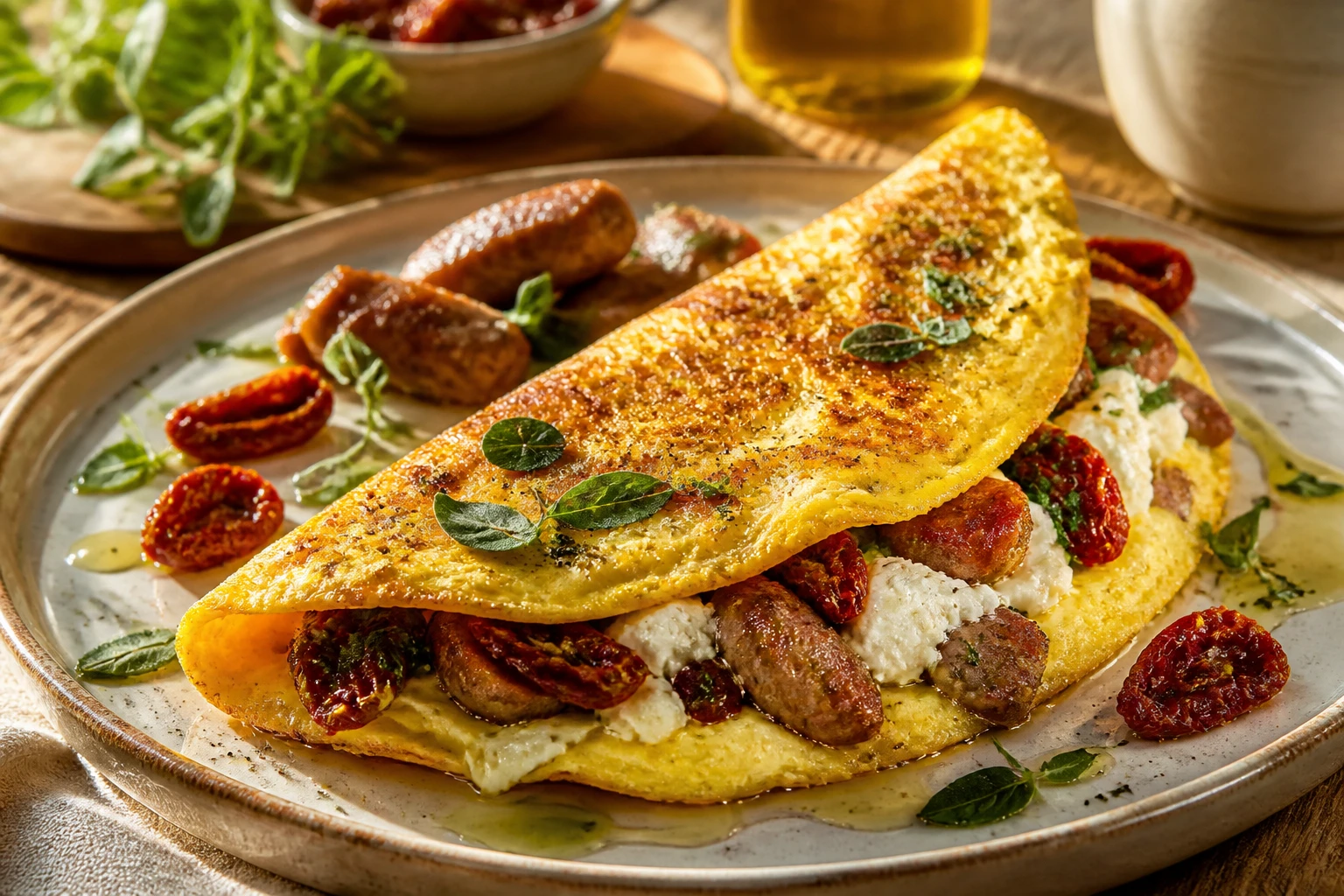
Scrambled eggs with spinach and cherry tomatoes, a slice of fortified whole-grain toast, and a small glass of fortified orange juice for a vitamin C boost to help iron absorption. If you’re vegetarian, swap with fortified plant milk and a hard-boiled egg or tofu scramble with peppers.
Lunch
Beef and veggie stir-fry with bell peppers (loads of vitamin C) and quinoa. Add a side of leafy greens. If you don’t eat beef, try lentil chili with a dollop of yogurt and a squeeze of lemon on top to help iron uptake.
Dinner
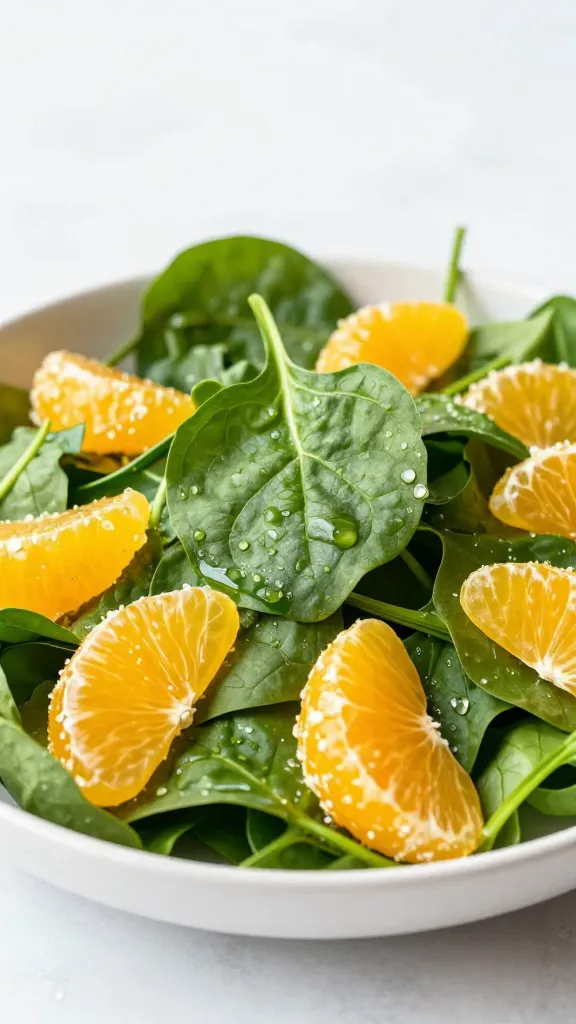
Grilled salmon or sardines with a citrus-y herb salad and a baked sweet potato. The salmon covers your B12 and vitamin D, the greens bring iron, and the potato is a comforting carbohydrate that won’t sabotage your plan.
Snack options
Greek yogurt with berries
Hard-boiled egg and an orange
Fortified cereal with milk
How to optimize absorption and avoid common pitfalls
Iron absorption hacks
Pair non-heme iron foods with vitamin C-rich produce (think citrus, peppers, broccoli, kiwi)
Cook with cast iron skillets when possible—they can boost iron content in food
Avoid drinking coffee or tea with meals—they inhibit iron absorption
B12 absorption matters—people over 50 or with gut issues may need fortified foods or supplements
Vitamin D needs vary by skin tone, latitude, and season; aim for consistent, modest sun exposure and fortified foods if sun is scarce
Tips for best results
Spread iron-rich meals throughout the week instead of loading up on one day
Keep a micro-nutrition journal for a few weeks to see what’s actually sticking
Hydrate, sleep, and move. Nutrients work best when your overall health is in check
Ingredient swaps and hack-worthy substitutions
Common swaps
Swap beef for lamb or poultry if you don’t tolerate red meat well
Use fortified plant milks or cereals if you’re avoiding dairy
Replace fatty fish with eggs and fortified foods if budget is tight
Flavor enhancers that don’t matter to your labs
Fresh lemon juice or vinegar boosts iron absorption and brightens flavors
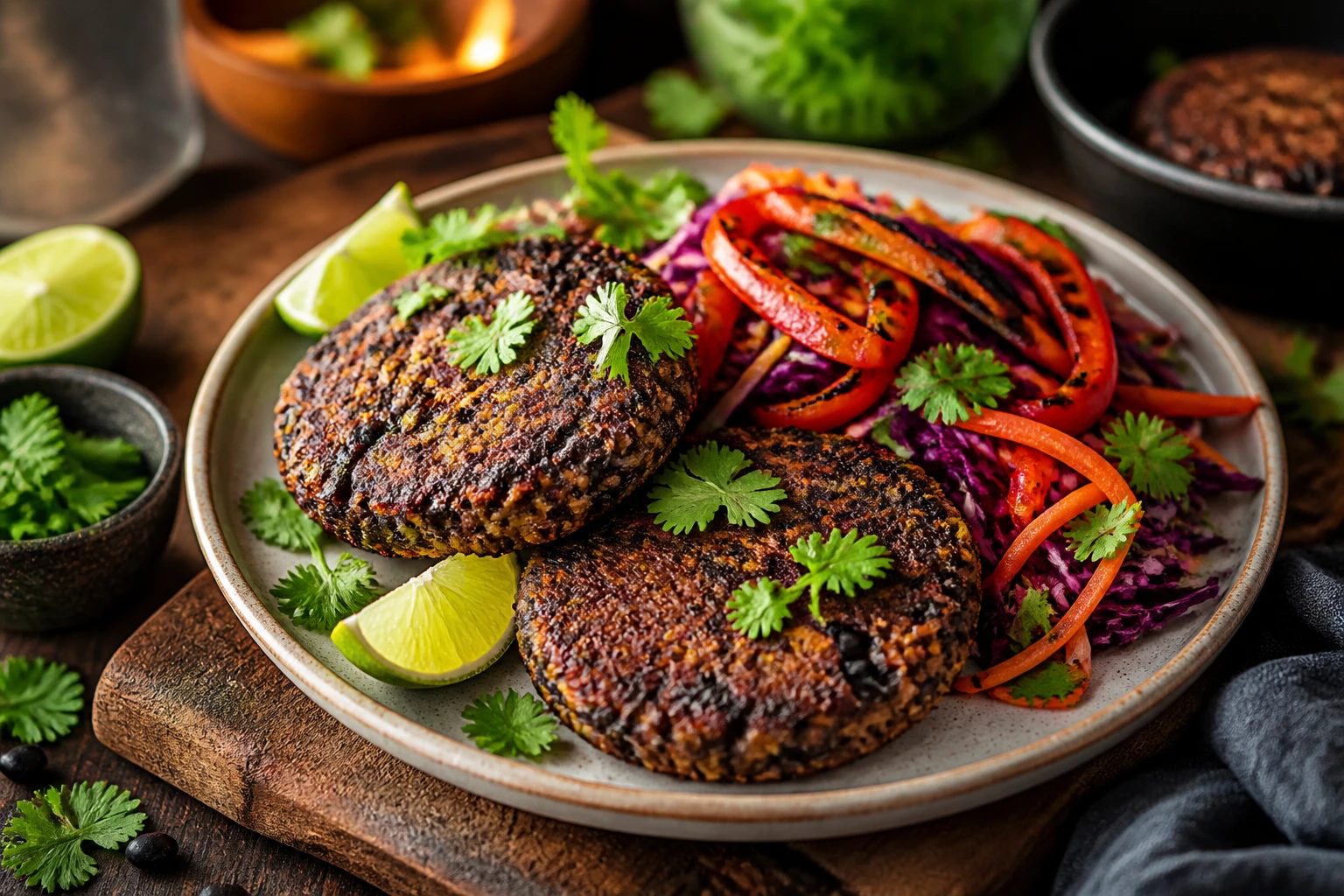
Herbs like parsley, cilantro, and dill add zing without extra calories
Spices can help you enjoy meals more, indirectly supporting consistency
Pro tips
Target a consistent intake of vitamin D-rich foods if you’re in a climate with little sun
Consider a B12 supplement if you’re vegan or have absorption issues, after talking to your clinician
Make a weekly plan with three iron-focused meals and two extra fortified options to stay on track
Common mistakes
Over-relying on one nutrient source (e.g., only red meat or only fortified foods)
Ignoring symptoms like persistent fatigue or pale skin—get a checkup to rule out other causes
Skipping meals when busy; consistency beats perfection every time
Variations
Vegetarian-friendly approach
Rely on fortified cereals, beans, lentils, pumpkin seeds, and leafy greens for iron, and use eggs or dairy for B12. Fortified plant-based milks boost vitamin D and B12 intake.
Ultra-loaded chart: how a plate looks per nutrient
Iron: add a side of quinoa or beans with vitamin C veggies; B12: include eggs or yogurt; Vitamin D: fatty fish or fortified foods at least 2–3 times a week.
FAQ
Q: Do I need supplements for iron, B12, or vitamin D? A: It depends. If you have a diagnosed deficiency, your clinician might prescribe or recommend supplements. For many people, dietary changes plus fortification can close gaps, but symptoms and lab values guide the plan.
Q: Can I get all three from one meal? A: Yes. Think a salmon bowl with leafy greens, peppers, and a citrus-tortilla side; or a fortified cereal with milk and a fried egg on the side.
Q: How much sun exposure do I actually need for vitamin D? A: It varies widely. Short, regular sun exposure helps, but if you have darker skin, live far from the equator, or wear sunscreen, you’ll rely more on fortified foods and possibly supplements. FYI, don’t burn yourself—moderation is key.
Conclusion
A focused, flexible plan can cover iron, B12, and vitamin D without turning your kitchen into a chemistry lab. Build meals around protein-rich sources, vitamin C to boost iron, and vitamin D-rich or fortified foods, then sprinkle in smart sun exposure when it’s available. With a bit of planning, you’ll feel steadier, more energized, and less frustrated by the nutrient puzzle. If you’re ever unsure, chat with a dietitian or clinician to tailor a plan to your body’s signals. You’ve got this, and your plate can taste good while doing good.
Disclosure: This post may contain affiliate links.
If you make a purchase through these links, I may earn
a small commission at no extra cost to you.
prab chahal
Hi, I’m Prabjot Chahal – the heart (and taste buds) behind this blog!
Food has always been my love language – from experimenting with family recipes to discovering unique flavors from around the world. I believe that cooking isn’t just about following a recipe, it’s about creating moments, sharing stories, and connecting with others over something delicious. Through this blog, I want to build a vibrant food community where we share more than just recipes – we share inspiration, tips, and the joy of making and enjoying good food together. Whether you’re here for quick weekday dinners, festive treats, or creative seasonal ideas, you’re part of this table. So grab a fork (or a whisk!) and let’s cook, bake, and share our love for food – one recipe at a time.