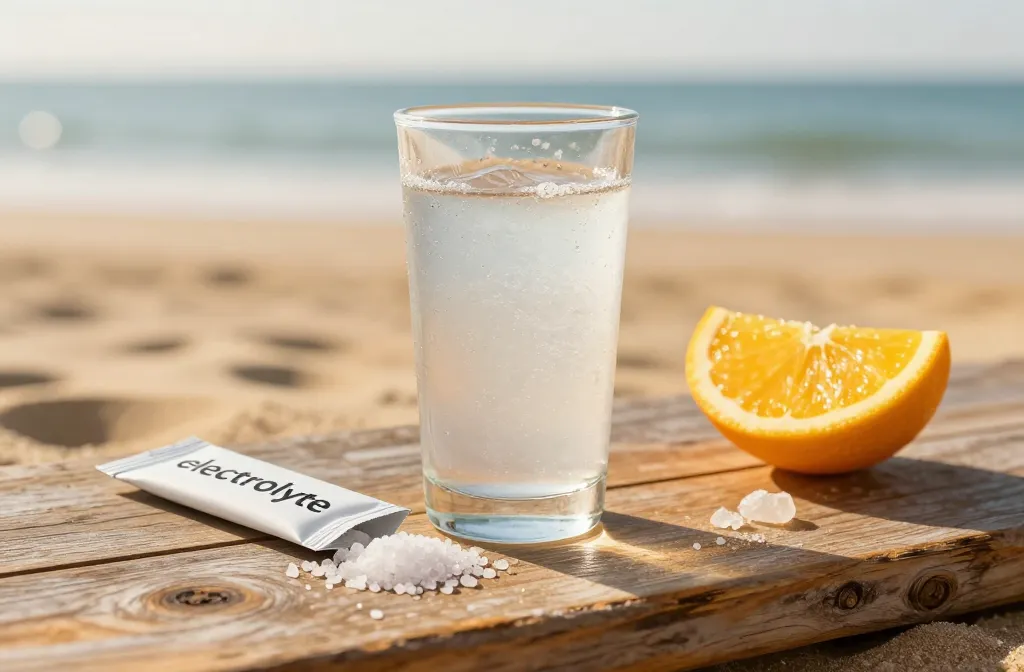
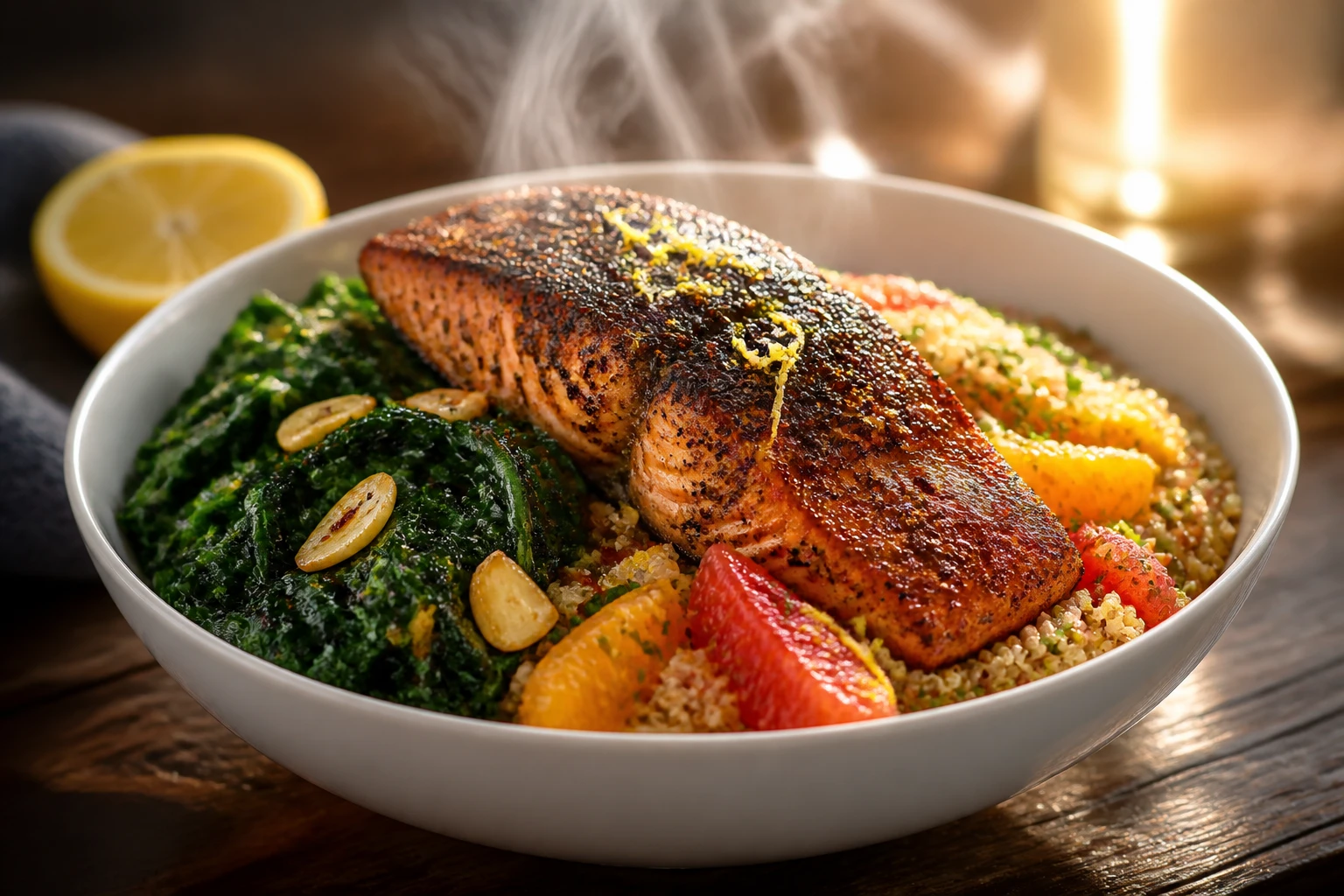
Summer and electrolyte balance aren’t enemies, they’re teammates. If your body runs on salt, sugar, and sensible hydration, you’ll survive heat waves, long runs, and beach days without turning into a cranky raisin. Let’s break down the Salt & Sugar Balance in Summer in a crunchy, easy-to-digest way.
Why electrolytes matter when the sun’s cranky
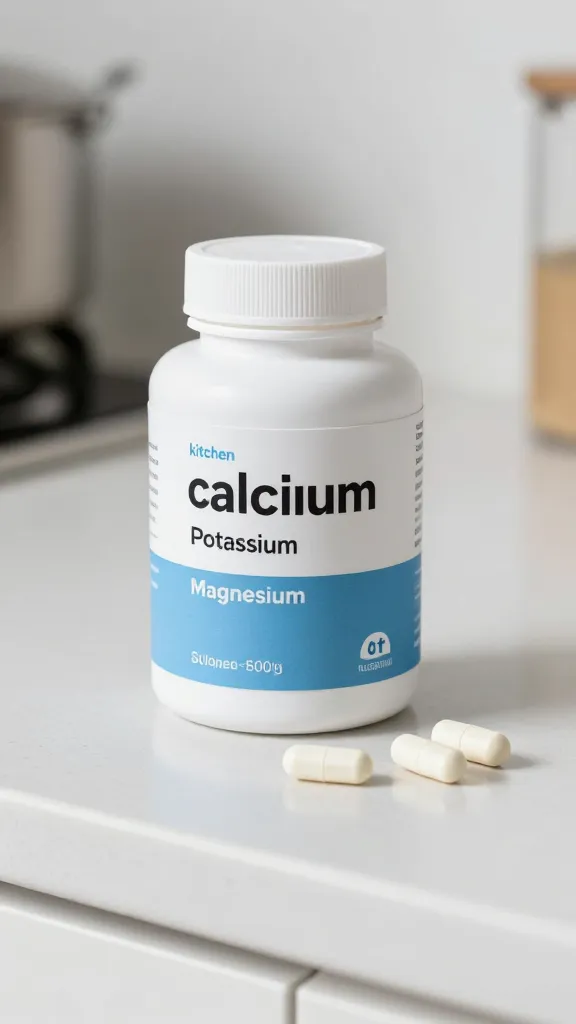
Feeling woozy after a hike? That’s your body telling you it needs a little electrolyte help. Electrolytes—sodium, potassium, magnesium, calcium—keep your nerves firing, your muscles twitching, and your hydration on track. In summer, you lose more of these through sweat. If you don’t replace them thoughtfully, you’ll feel fatigue, headaches, cramping, and poor performance. FYI, your brain notices first when things go off-kilter.
Salt and sugar duo: how they work together
Sodium in salt helps your body retain fluids and prompts thirst, so you drink more. Sugar (glucose) pairs with sodium to speed absorption in the gut, which is why many sports drinks use a small amount of sugar. The combo helps maintain energy and hydration during exertion. But more isn’t always better—too much sugar can spike insulin and crash energy later. Balance is the name of the game.
How to tune your intake for different summer scenarios
Light activity (a stroll on a hot day)
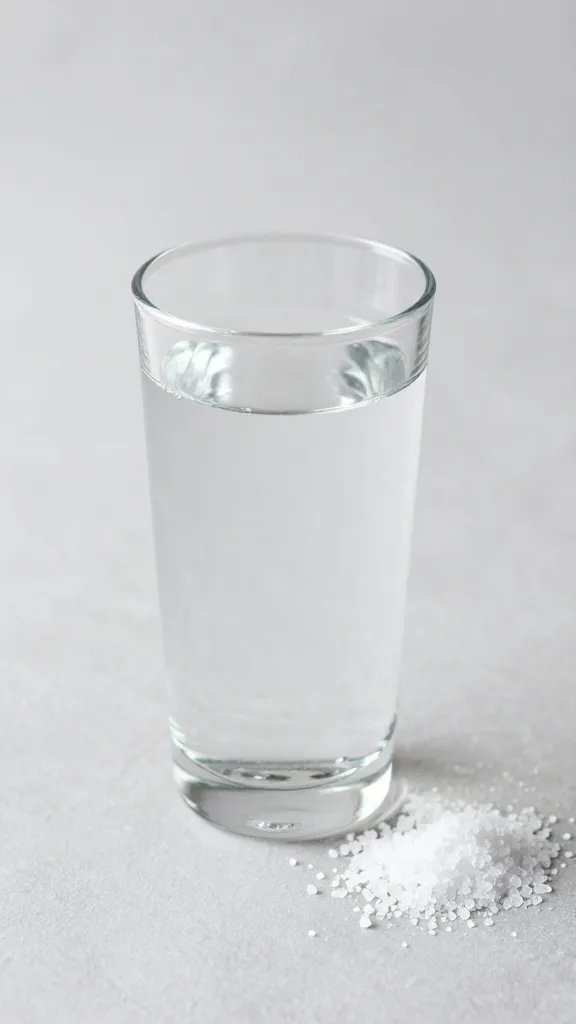
– Sip water regularly and add a pinch of salt to water or opt for a light electrolyte tablet. – Don’t chase flavor with sugar. Keep it low and steady.
Moderate exercise (jog, bike, or swim)
– Fuel with a small amount of carbohydrate plus electrolytes. Think 15–30 grams of carbs per hour plus a pinch of salt. – If you sweat a lot, consider a drink with sodium around 300–700 mg per liter. Yes, this varies by person, but that’s a safe playground range.
Endurance or hot conditions (long runs, triathlon days)
– Plan for sustained sodium intake. You might target 300–1200 mg of sodium per hour, depending on sweat rate. – Include a source of sugar in small, steady amounts to maintain energy. – Don’t forget fluids. Alternate sips of electrolyte drinks with water to avoid stomach upset.
Detecting your personal needs: sweat rate and taste tests
A quick DIY to dial in your plan: – Weigh yourself before and after a workout (without clothes). The difference, plus estimates of sweat rate, helps you decide how much you’re losing. – If you feel crummy after a workout but your weight is steady, you probably need more electrolytes or a better carb balance. – Taste test method: if you crave salt, you’re probably low on sodium. If you crave sugar, you might need quick carbs during activity.
Practical sources of salt and sugar (and when to use them)
Commercial oral rehydration powders or tablets: convenient and often well-balanced for sodium and sugars.
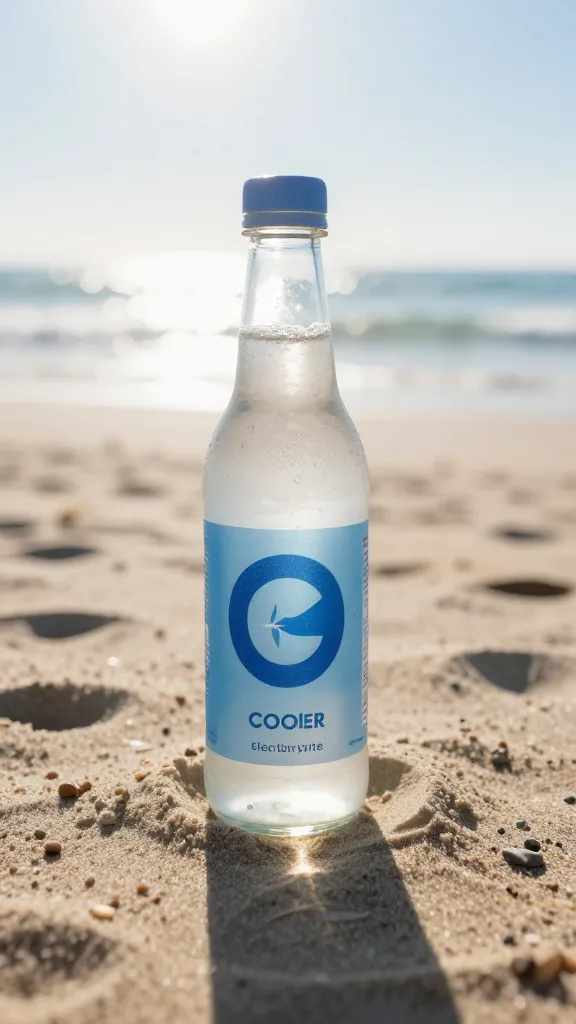
Sports drinks: easy during long events, but watch the sugar content—look for lower sugar options if you’re just sweating a little.
Homemade electrolyte mix: mix 1 liter water with 1/4 to 1/2 teaspoon salt, a splash of citrus juice, and a small amount of sugar (1–2 teaspoons) if you want a DIY vibe.
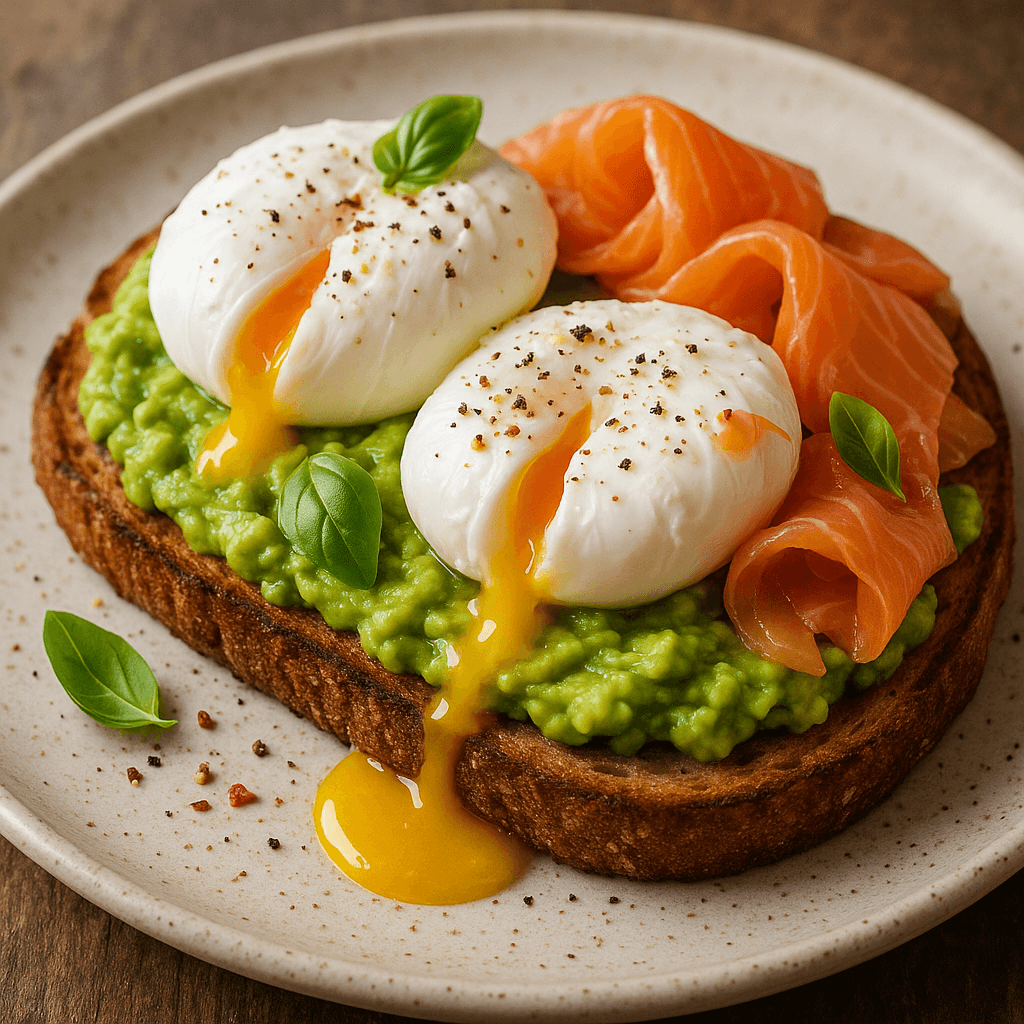
Food-first sources: olives, pickles, broth, tomato juice, and yogurt can contribute sodium and minerals without piling on sugar.
Tips for best results
Start hydrated. Don’t wait until you’re dying of thirst to sip.
Balance is your friend: more salt isn’t better if you’re not sweating much. Less can be enough on cooler days.
Listen to your gut. If a drink feels off in your stomach, switch to plain water for a bit and reintroduce electrolytes gradually.
Common mistakes (so you can avoid them)
Going too salty with minimal activity. You’ll end up bloated and uncomfortable.
Overloading on sugar. It causes energy spikes and crashes, plus gut discomfort.
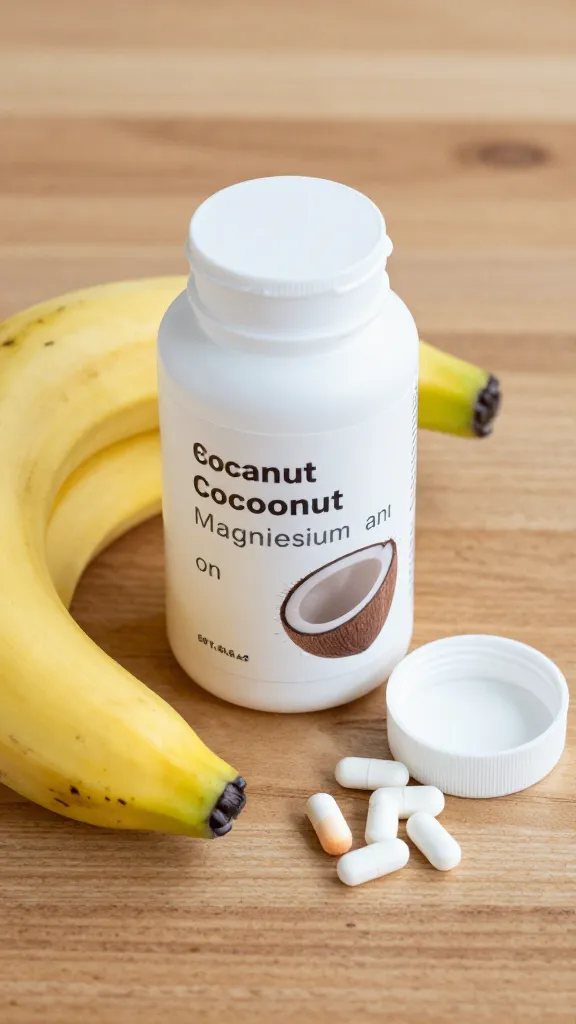
Forgetting to replace minerals beyond sodium. Potassium, magnesium, and calcium matter too, especially with heavy sweating.
Relying on one source. Variety helps cover all electrolyte bases and keeps flavors interesting.
Pro tips
Track your sweat rate for better plan customization. It sounds nerdy, but it pays off on hot days.
Carry a small bottle or tabs so you’re not hunting for hydration mid-activity.
During hot workouts, sip regularly rather than chugging at once. Your stomach will thank you.
Variations: handling different summer personalities
Low-sodium days
If you’re mostly indoors or in air conditioning, you can dial sodium back a bit. Your thirst and cravings will tell you if you’ve got the balance right.
High-sodium athletes
If you’re saltier by nature or you train in extreme heat, you might need more sodium. Add a pinch to your water or look for electrolyte formulations with higher sodium content.
Sugar-conscious approach
Prefer fewer calories? Go for electrolyte tables or drinks with lower sugar, or add a splash of juice to lemon-flavored water with a pinch of salt for taste without the sugar surge.
Q: Do I need electrolytes every day in summer? A: Not every day. If you’re sedentary in mild heat, water and regular meals usually cover you. If you’re sweating a lot or exercising, electrolytes help keep performance and comfort steady.
Q: What about supplements vs. food? A: Supplements make dosing easy on the go. Foods provide a broader mineral profile, but can be bulkier to carry. Mix and match based on your day.
Q: Can I overdo electrolytes? A: Yes. Too much sodium can raise blood pressure and cause stomach upset. Moderation fits most summer scenarios, with adjustments for sweat rate and activity level.
Q: Do kids and elderly need different guidance? A: Yes. Kids and older adults can be more sensitive to imbalances. Use kid-friendly electrolyte products or consult a clinician if there are health concerns.
What to sip on your next hot day
– Water with a pinch of salt and a squeeze of citrus for a gentle start. – Low-sugar electrolyte drinks for longer sessions. – Homemade electrolyte solution if you’re traveling light and want control over ingredients. – Snack-smart options: salted nuts, yogurt with a little honey, pickles, or olives to add natural sodium between sips.
Conclusion
Summer isn’t a battle against heat; it’s a dance with balance. Hydration matters, but electrolytes take you from “meh” to “hell yeah” when you’re sweating, training, or chasing after kids at the splash pad. Start with a plan, listen to your body, and adjust as needed. IMO, the right salt-and-sugar balance can turn a scorching afternoon into a smooth, steady groove. FYI, your future self will thank you for a little pre-emptive planning and a smart, friendly approach to electrolytes.
Disclosure: This post may contain affiliate links.
If you make a purchase through these links, I may earn
a small commission at no extra cost to you.
prab chahal
Hi, I’m Prabjot Chahal – the heart (and taste buds) behind this blog!
Food has always been my love language – from experimenting with family recipes to discovering unique flavors from around the world. I believe that cooking isn’t just about following a recipe, it’s about creating moments, sharing stories, and connecting with others over something delicious. Through this blog, I want to build a vibrant food community where we share more than just recipes – we share inspiration, tips, and the joy of making and enjoying good food together. Whether you’re here for quick weekday dinners, festive treats, or creative seasonal ideas, you’re part of this table. So grab a fork (or a whisk!) and let’s cook, bake, and share our love for food – one recipe at a time.