If you’re juggling a busy home, a small space, and a toddler who wants to turn every corner into a play zone, fall can feel both cozy and chaotic. You don’t need a dedicated craft room or a mountain of prep time to create kid-friendly activities that actually work in real homes—the kind of setup you can pull off in a rental, with limited storage, and on a modest budget. This article dives into 25 concrete fall activities that solve common toddler-mom (or dad) problems: keeping little hands busy, using what you already own, avoiding clutter, and making cleanup quick so you can reclaim precious hours in the evening. Each activity includes a problem-to-fix pathway you can implement today, with practical steps and real-life considerations for small spaces, rentals, and busy households.
1. Create a “Use-First” Fall Snack Station to Cut Repeated Shopping
A. The problem: Kids want snacks all the time, which leads to multiple trips to the pantry, more open bags, and more clutter. You also risk stale or forgotten items if you don’t have a quick routine.
B. Why it happens: Small spaces make every trip a negotiation: where do snacks live, and how do we prevent mess without constant re-stocking?
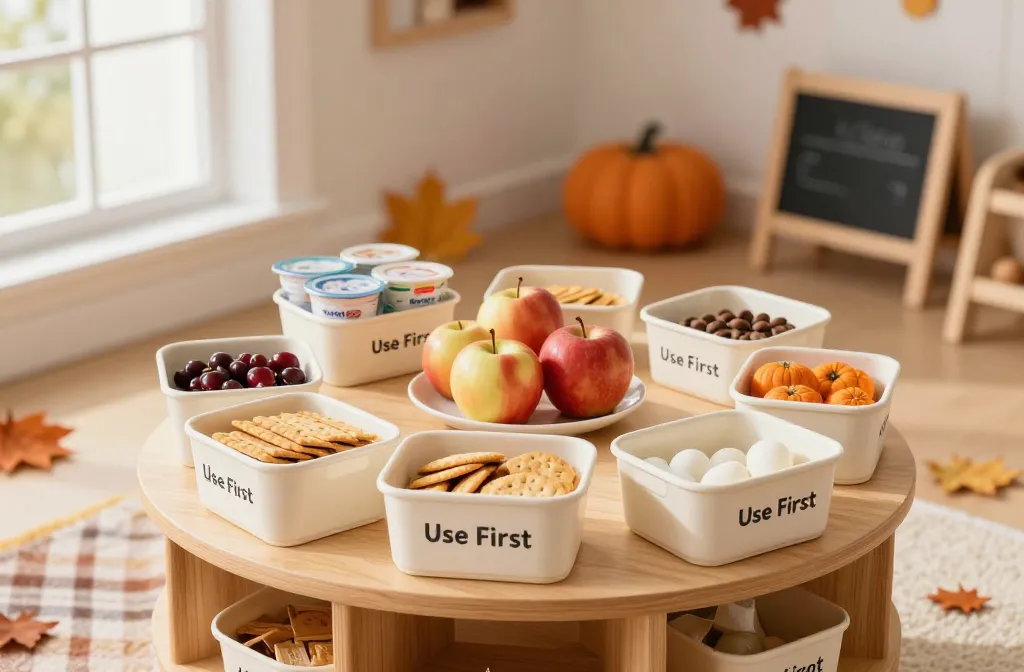
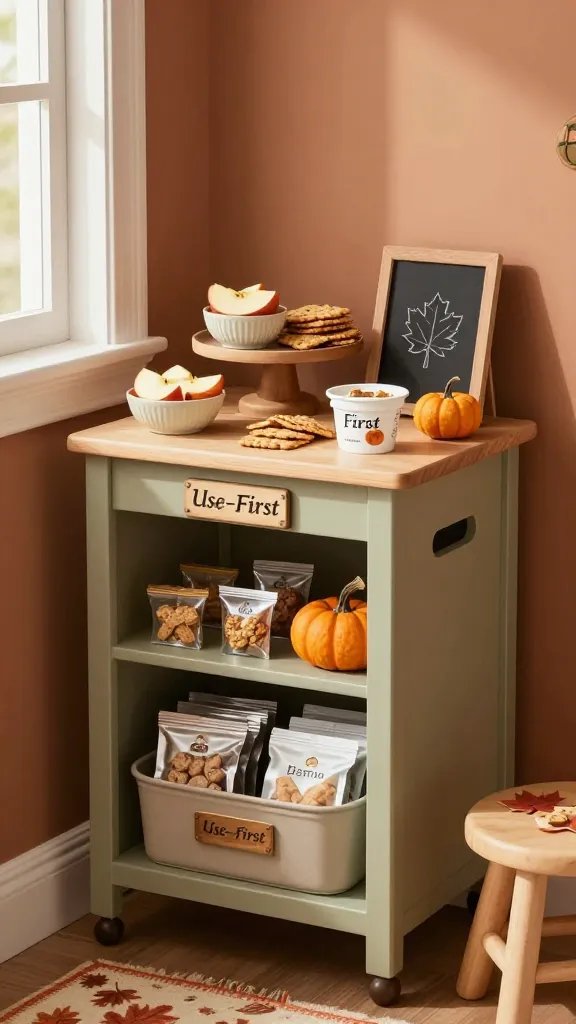
C. The fix: A single, small “Use First” snack station that houses a rotating fall snack set (apples, crackers, yogurt pouches) plus a dedicated bin for uneaten items that should be used within a week.
D. How to do it:
- Designate a shallow basket or bin (8–12 inches wide) near the fridge or a lower cabinet shelf. Label it with a simple sticker: “Use First.”
- Place 4–6 toddler-friendly snacks inside, rotated weekly: sliced apples, cinnamon pretzels, yogurt pouches, mini graham crackers, veggie sticks, small boxes of milk or juice.
- Keep a separate mini-bin for items that should be used soon (e.g., half-open yogurt cups, opened fruit cups).
E. Real-life consideration: In small apartments, place the station at kid height on a lower shelf or the pull-out side of a cabinet. If you can’t add a shelf, use a shallow crate that fits inside a cabinet. For renters, avoid adhesive wall shelves; use removable chipboard or a portable bin on the countertop.
F. Common mistake: Stuffing too many items into one bin, making it hard to see what’s there.
G. Better alternative: Rotate a two-bin system: one for “today” snacks and one for “this week” snacks. Keeps it visually simple and reduces digging.
2. Cozy Fall Reading Nook With a Simple, Moveable Setup
Related Posts:




A. The problem: Your toddler wants to snuggle with a book, but your living room layout means the “reading corner” becomes a dumping ground for toys and clutter.
B. Why it happens: Shared spaces aren’t designed for a reading routine; kids grab books that are in the way of play.
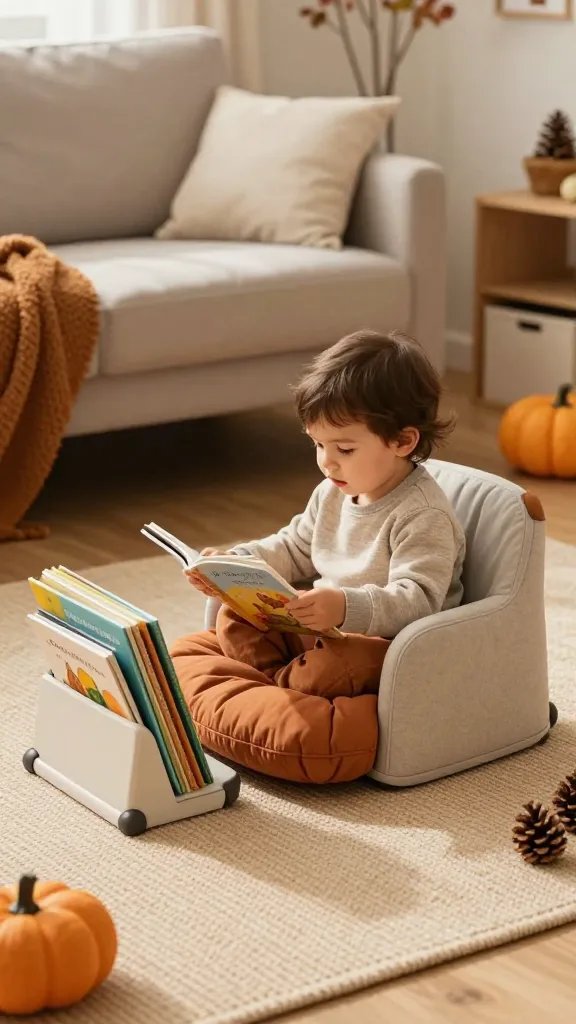
C. The fix: A compact, portable reading nook using a small chair or cushion plus a tiny bookshelf or a magazine rack that can be tucked away.
D. How to do it:
- Choose a lightweight floor cushion or small kid chair (about 12–14 inches seat height).
- Use a freestanding, vertical file organizer or a small 2-shelf book rack to corral 8–12 fall-themed board books.
- Add a soft blanket (easy-care) and a small night-light or battery-led lantern for a cozy vibe.
E. Real-life consideration: In an apartment, position in a quiet corner away from foot traffic, but ensure it’s still visible to you so you can supervise. If space is truly tight, use a basket of books that can be carried to another room when not in use.
F. Common mistake: Overly decorative book baskets that are not child-friendly or collapse easily.
G. Better alternative: A lightweight, open-front magazine rack that doubles as a toddler-friendly book station and doubles as a toy organizer when not in use.
3. Fall-Themed Sensory Bin That Minimizes Cleanup Frustrations
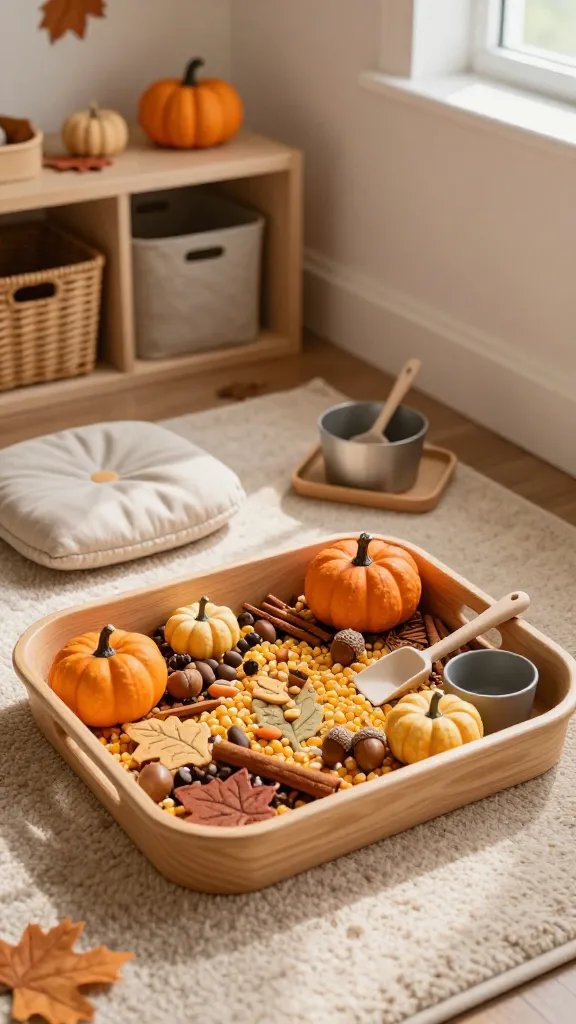
A. The problem: Sensory play is essential for toddlers, but bins with lots of small pieces create mess and storage issues, especially in small spaces.
B. Why it happens: Fine motor play often requires tiny items that spread everywhere and become hard to collect.
C. The fix: A compact “fall sensory bin” built from items you already own and a few inexpensive extras, designed to be easy to dump and quick to clean.
D. How to do it:
- Use a shallow storage bin or a baking tray with a lip (dimensions around 12×16 inches).
- Fill with a base of dried corn, rice, or dry kidney beans (washable and reusable). Add 1–2 fall-themed items such as pinecones, small plastic gourds, and a few plastic scoops.
- Include a mini-mat or towel under the bin to catch spills for easy cleanup.
E. Real-life consideration: If you want to avoid loose grains, use dry pasta shapes that can be colored with food-safe dye or use water beads in a separate, sealed tray with a mat underneath to catch spills.
F. Common mistake: Overloading with items that aren’t truly age-appropriate or too many tiny pieces, making cleanup harder.
G. Better alternative: Use larger focus items (pinecones, painted acorns) and 2–3 small manipulatives to reduce scattering, with a wipe-clean mat under the bin.
4. Autumn Color Wheel Sorting Activity That Teaches Colors Without Extra Storage
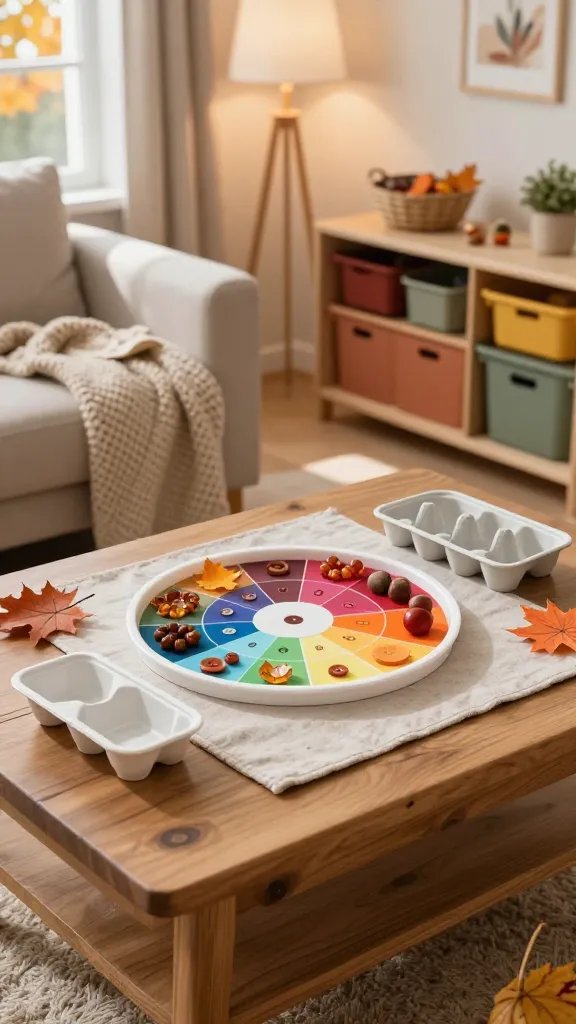
A. The problem: Colors are teaching moments, but you want to avoid buying a lot of new manipulatives that clutter a small space.
B. Why it happens: Seasonal toys tend to expand beyond their shelf life, and you don’t want to buy new items every season.
C. The fix: A color-wheel sorting tray using existing items—buttons, leaves, or fall-safe beads—sorted into a small, labeled divider tray.
D. How to do it:
- Use a shallow divider tray (or a simple plastic egg carton with a lid) with 5–6 color sections.
- Collect fall-colored items from around the house: fabric swatches, leaves, buttons, or beads from an old jewelry kit.
- Label sections with simple color words or use color dots for non-readers.
E. Real-life consideration: If storage is minimal, keep the tray in a caddy that you can slide back into a cabinet after play. In apartments, choose a tray that doubles as a lid for easy cleanup.
F. Common mistake: Using items that are too loud or too small and slipping into a hidden corner, making cleanup harder.
G. Better alternative: Choose a single, portable sorting tray that’s easy to wipe clean and store flat when not in use.
5. Fall-Inspired Fine Motor Challenge With Everyday Items
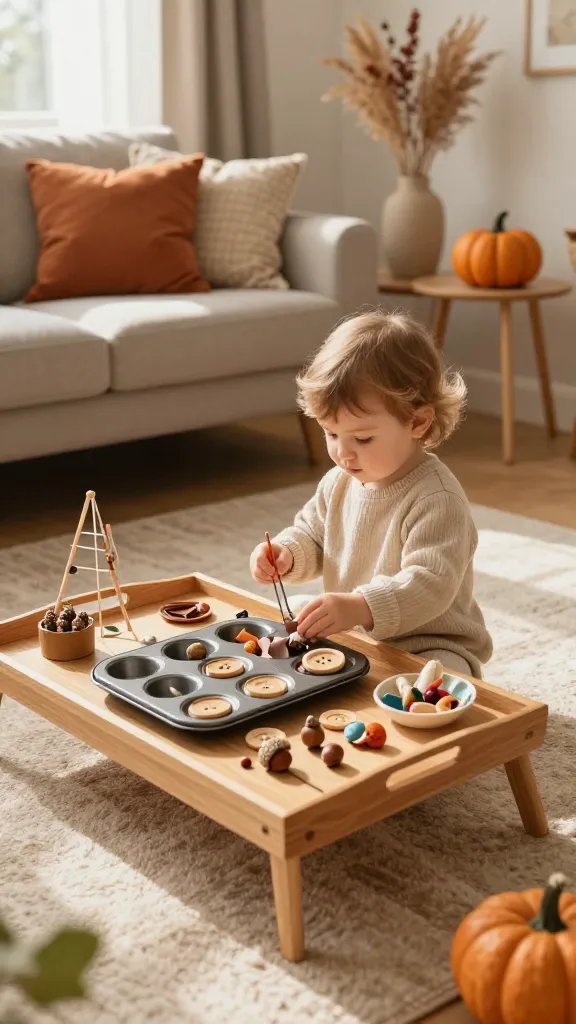
A. The problem: Fine motor development needs purposeful, repetitive actions, but you don’t want to collect a bunch of specialized toys that clutter shelves.
B. Why it happens: Easy-to-setup activities often rely on store-bought kits that expire or go unused.
C. The fix: A simple activity using everyday items (large buttons, acorns, fabric scraps) to thread, sort, and snap together pieces.
D. How to do it:
- Use a muffin tin or small dish with 6–8 items per set (large buttons, shells, wood beads).
- Provide a blunt-tipped wooden dowel or shoelace for threading; consider a lacing card you already own or a paper cut-out with holes.
- Set a two-minute timer to encourage focused practice without overwhelm.
E. Real-life consideration: For small spaces, keep all items in a shallow tray on the coffee table or a low shelf that’s visible to you for supervision. If you’re renting, ensure items don’t require any adhesive hooks to use or store.
F. Common mistake: Using things that are too small or sharp, making choking hazards or safety concerns.
G. Better alternative: Use oversized lacing items (large beads) and thicker laces for easier handling, especially for younger toddlers.
6. Indoor Leaf-Picutre Activity With Minimal Prep
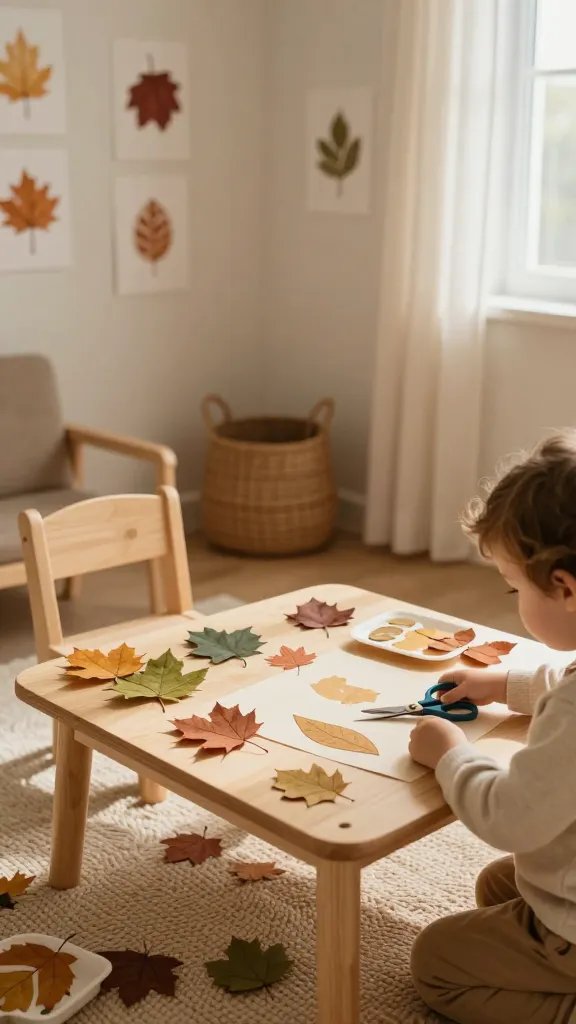
A. The problem: Your toddler loves autumn leaves, but you don’t want to deal with a big mess or weather dependence.
B. Why it happens: Leaves bring color and texture but can drop quickly once you’re done with a single session.
C. The fix: A compact leaf-cutting activity using faux leaves or pressed leaves and a small safety scissors (or a kid-friendly self-cutting tool).
D. How to do it:
- Lay a sheet of wax paper or parchment on a low table.
- Provide faux leaves or pressed leaf shapes and a pair of blunt scissors for safe cutting or shaping.
- Let your toddler create a seasonal collage or a name plate for a personal autumn project.
E. Real-life consideration: Faux leaves avoid stingy cleanup and machine-washable options can be reused. For renters, avoid any permanent glue—use tape to attach finished pieces to a display board or wall temporarily if allowed.
F. Common mistake: Using small leaves that slip or get lost or pushing too hard on a child with limited motor control.
G. Better alternative: Use larger, bright leaves or shapes and a kid-safe craft knife designed for toddlers (optional) for precise shapes.
7. Autumn-Themed Bath Play That Keeps Bath Time Cozy
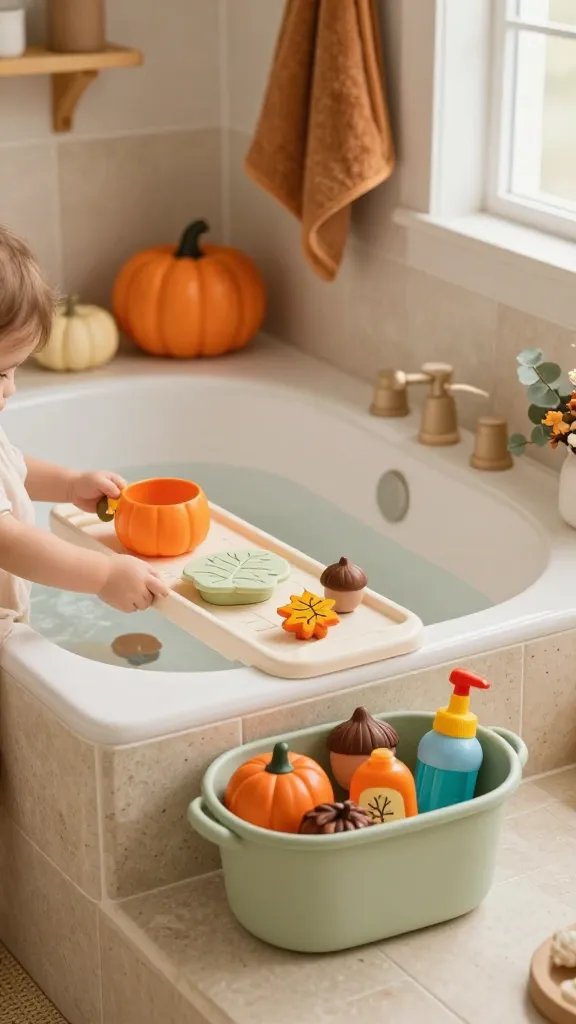
A. The problem: Bath time can be a power struggle when kids want to prolong it but you have a finite time window for bedtime routines.
B. Why it happens: Falls introduce new textures and scents, but bath toys often pile up in a bath toy bucket with little organization.
C. The fix: A fall-themed bath play kit with small, easy-to-clean items that are stored near the tub in a labeled bin or caddy.
D. How to do it:
- Choose 4–6 fall-themed bath toys (pumpkin measuring cup, leaf sifter, soft squirt toys).
- Store in a shallow tub near the tub but off the floor to prevent mold—wipe down after baths.
- Add a simple towel hook or a small towel bar near the tub that’s within toddler reach.
E. Real-life consideration: In small bathrooms, use a suction cup caddy or a wall-mounted bin instead of a floor tub to save space. For renters, ensure any suction cups won’t damage walls.
F. Common mistake: Overloading the bin with toys that are hard to clean or that have multiple small parts.
G. Better alternative: Use a single multi-purpose toy with clean, wipeable surfaces and store it in a closed container to limit water exposure and mildew.
8. Fall Sensory Bag: Calm Down and Focus
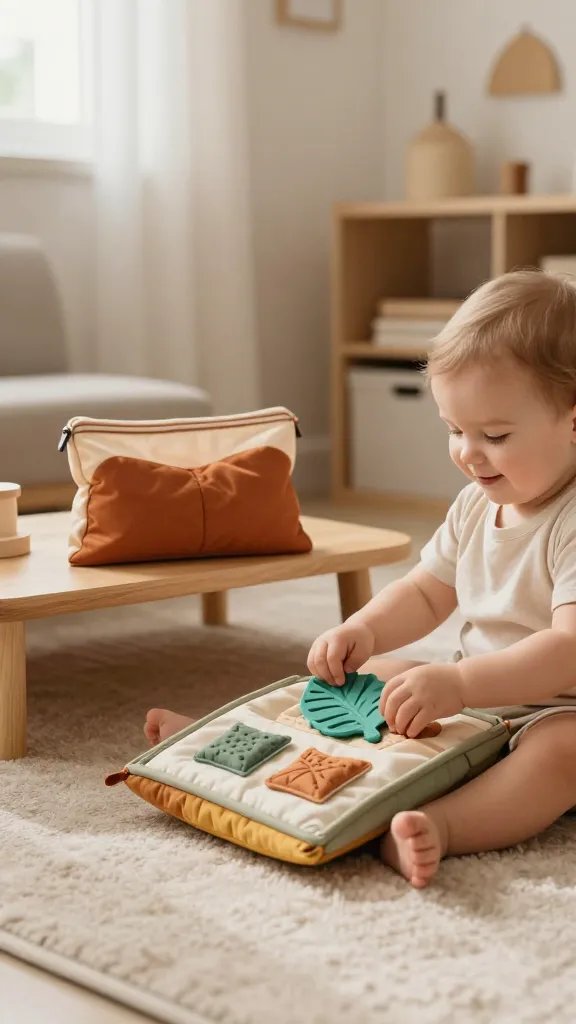
A. The problem: Transitions can be rough as you shift from play to meals or nap, and your toddler needs a quick calming tactic that doesn’t require a lot of space or setup.
B. Why it happens: Sensory needs vary; you can’t always rely on a dedicated playroom or quiet room.
C. The fix: A small, portable sensory bag with a few textured items and a scent that’s comforting (optional).
D. How to do it:
- Use a zip-top pouch or a small cloth pouch: 2–3 textured items (silicone leaf, soft fabric square), a small mirror, and a wipeable surface square.
- Place a small sachet with a comforting scent (cinnamon, vanilla) or a neutral scent if sensitive.
E. Real-life consideration: In apartments, keep the bag within arm’s reach for quick calming moments, but ensure it’s away from small children who might chew on items. For renters, avoid anything that requires glue or permanent attachments.
F. Common mistake: Including too many items, creating a cluttered pouch that’s hard to use in a moment of need.
G. Better alternative: Keep it to 3–4 items that are easy to replace and clean, with a simple wipeable surface for easy reset.
9. Mini Fall Decor Swap Station That Keeps Clutter Down
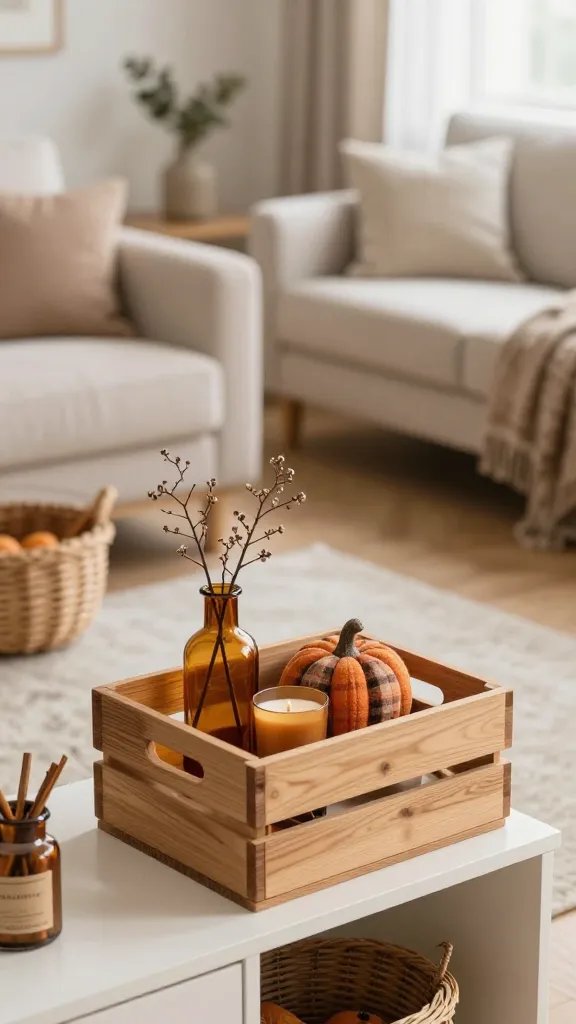
A. The problem: Seasonal decor piles up, especially in small spaces, and you end up reorganizing every season just to rotate items.
B. Why it happens: People often buy seasonal items without a home or a plan to rotate them smoothly.
C. The fix: A small “swap station”—a tiny, portable bin or crate that holds a couple of fall decor items that can be swapped in and out with the season.
D. How to do it:
- Choose a small crate or bin (about 12×8 inches) that fits on a shelf or in a closet.
- Limit to 3–4 fall decor pieces (pillow cover, a small garland, a seasonal figurine).
- Rotate items monthly or with major fall events; use a simple checklist to remind you when to swap.
E. Real-life consideration: In small spaces, choose lightweight, machine-washable decor pieces for quick cleanup. For rentals, avoid heavy decor that requires nails—use removable adhesives or freestanding pieces.
F. Common mistake: Keeping too many decor items in a single limited space and not rotating them often enough, so the area looks cluttered.
G. Better alternative: Use a single, dedicated surface (a small coffee table tray or a shallow shelf) as the swap zone to keep items contained.
10. Quick-Roll Rug Corner for Cozy Fall Play
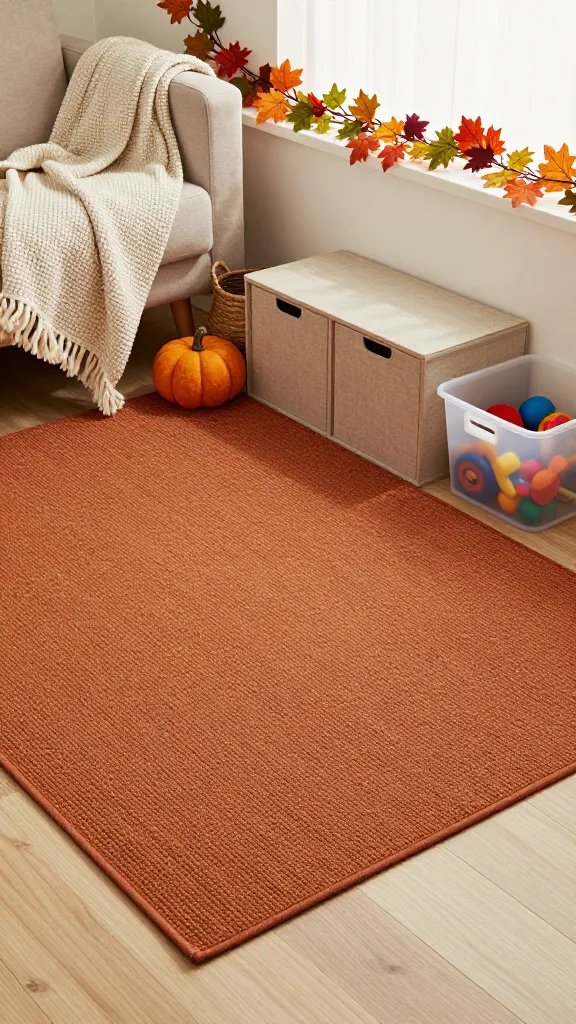
A. The problem: A rug in a small living area can be a magnet for toys, cords, and foot traffic, making the area feel cluttered and unsafe.
B. Why it happens: Rugs invite play but require proper placement to keep cords and small items under control.
C. The fix: A compact play zone defined by a small, removable rug and a simple toy bin next to it to keep items contained.
D. How to do it:
- Choose a small rug (2×3 feet or similar) with a tight weave for easier cleaning.
- Place a low, two-bin unit on one side to house the most-used toys for fall.
- Label the bins with simple icons that you and your toddler can recognize.
E. Real-life consideration: For apartments, select a rug with a non-slip backing. If you can’t install anything, place a non-slip mat under the rug to prevent movement.
F. Common mistake: Overcrowding the rug with too many toys, turning the space into a chaos zone instead of a play corner.
G. Better alternative: Keep the rug clear of cords and use a single, visible toy bin on one side for quick cleanup and easy access.
11. Simple Leaf Collection Bin That Solves Autumn Yard-Waste Mess
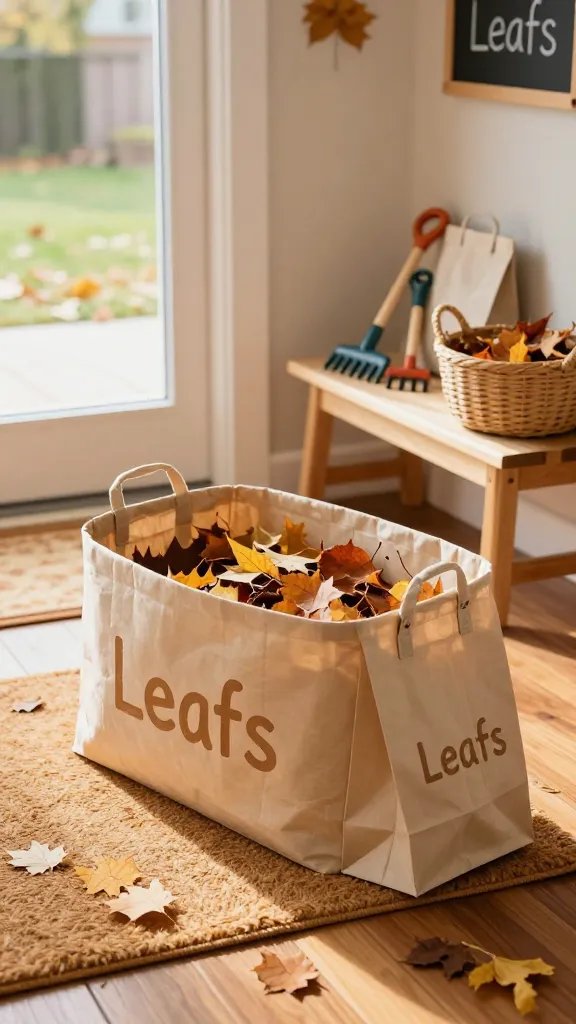
A. The problem: Raking leaves is fun for kids, but it becomes a mess when leaves end up in the wrong places or you lose track of what’s in the bin.
B. Why it happens: Leaves scatter with every gust of wind, and small homes don’t have a dedicated yard station for kids to help out.
C. The fix: A labeled leaf collection bin for indoor collection or a small outdoor collection bag that you can bring inside.
D. How to do it:
- Use a large paper bag or a plastic bin with a “Leaves” label.
- Involve your toddler to collect leaves that fall from the tree into the bag.
- When full or every few days, take the bag to your outside compost area or outdoor bin.
E. Real-life consideration: In apartments or tiny yards, bring leaves to a communal compost area if allowed, or recycle them into mulch in a small container outside your unit.
F. Common mistake: Not sealing bags or leaving leaves that smell or attract pests in contact with indoor spaces.
G. Better alternative: Use a reusable container to reduce waste and keep indoors temporarily for cleanup and disposal on a scheduled basis.
12. Simple Fall-Themed Cleaning Routine With Toddler Involvement
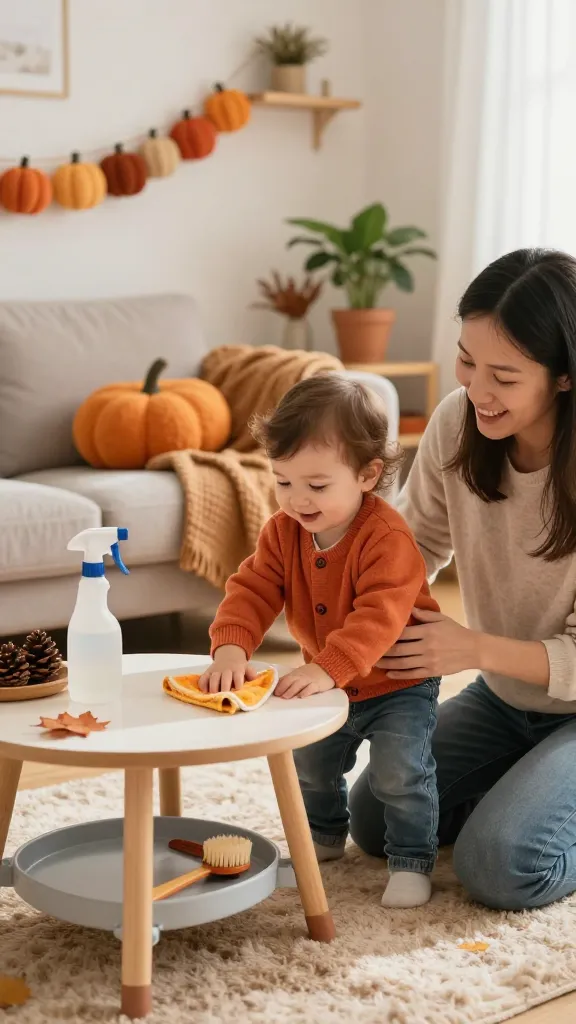
A. The problem: Cleaning routines can feel like chores you’d rather skip, especially when you need to chase a toddler who won’t stay still for long.
B. Why it happens: Fall activities often involve sticky or dusty surfaces after outdoor play, and you want to keep kids involved without turning it into a disaster zone.
C. The fix: A tiny, kid-friendly cleaning task that you can do together, using simple tools and a timer.
D. How to do it:
- Assign a micro-task: wipe a small surface with a damp cloth, or sweep a 2×2 area with a small hand broom.
- Set a 5-minute timer and make it a game; reward completion with a small sticker or a sticker chart.
- Keep supplies in a single small caddy near the task area.
E. Real-life consideration: In a rental, avoid any harsh cleaners; use gentle, kid-safe products and dispose of wipes properly to prevent staining or damage on surfaces.
F. Common mistake: Turning cleanup into a long, punitive process instead of a quick routine that fits your toddler’s attention span.
G. Better alternative: A “cleanup minute” that you repeat after each play session to reinforce the habit without overwhelming your child.
13. Autumn Letter/Number Tracing Tray With Minimal Setup
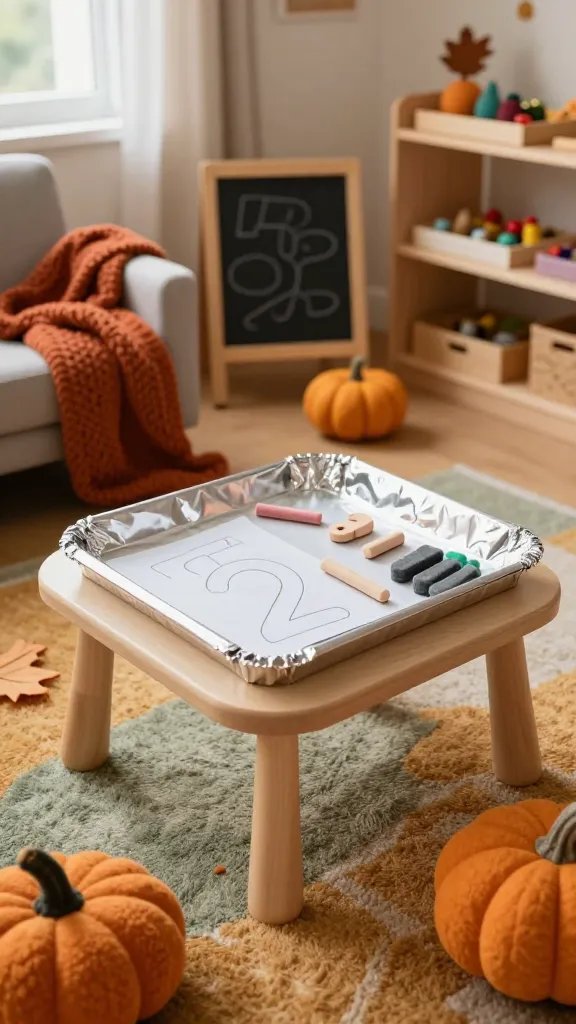
A. The problem: Fine motor practice can feel like a separate lesson, which isn’t practical if it requires extensive materials and space.
B. Why it happens: Seasonal alphabets or numbers are often bought as bundles and create more storage needs.
C. The fix: A simple tracing tray using a tray or shallow bin with tin foil or contact paper, plus a handful of items to trace around (chalk, sandpaper, or finger paints).
D. How to do it:
- Line a shallow tray with foil or contact paper to create an easy-to-clean surface.
- Provide a few items for tracing: a small stenciled leaf, simple shapes, or numbers printed on card stock.
- Offer a dry-erase marker or a chalk pencil for tracing directly on the tray surface (if using dry-erase surfaces).
E. Real-life consideration: In apartments, avoid items that require permanent adhesive; choose stick-on numbers or letter cards that can be used for weeks and stored flat.
F. Common mistake: Using too many messy tracers that require constant cleaning or replacement.
G. Better alternative: Reusable surface with wipe-clean access and a small set of tracing cards you rotate monthly.
14. Fall-Themed Puzzles From Everyday Items
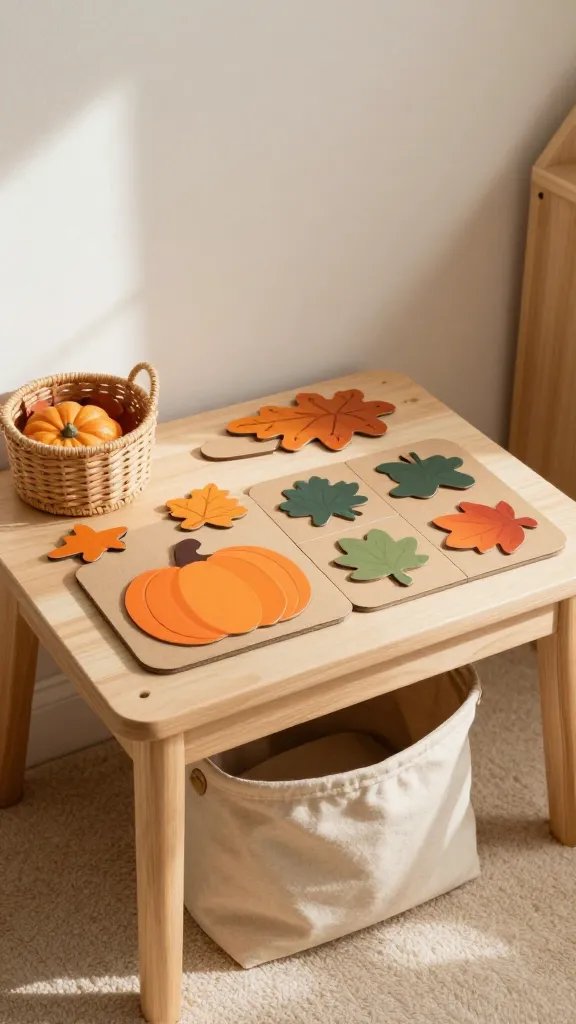
A. The problem: Jigsaw puzzles or complexity-based toys require lots of storage and space for assembly, which isn’t always feasible in a small home.
B. Why it happens: People want more challenging play for toddlers, but typical puzzle storage and setup aren’t practical for renters or tiny spaces.
C. The fix: Create a seasonal, reusable puzzle made from everyday items like a leaf shape cutout, a pumpkin hole board, and a few matching shapes cut from cardboard.
D. How to do it:
- Cut fall shapes (pumpkin, leaf, acorn) from sturdy cardboard into a simple two-piece puzzle system.
- Paint or color one half, and have your child match the other piece to complete the shape.
- Store in a slim, flat container that slides under a couch or in a closet when not in use.
E. Real-life consideration: Choose materials that are easy to wipe and store; avoid small pieces that could be a choking hazard. For renters, use cardboard or thick foam pieces that won’t damage surfaces.
F. Common mistake: Using overly complicated cardboard puzzles that don’t stay intact after repeated use.
G. Better alternative: Assemble a 1–2 minute, simple puzzle that your child can complete with one hand, and store it flat for easy access.
15. Autumn-Leaf Crayon Melt Craft With a Clear Purpose
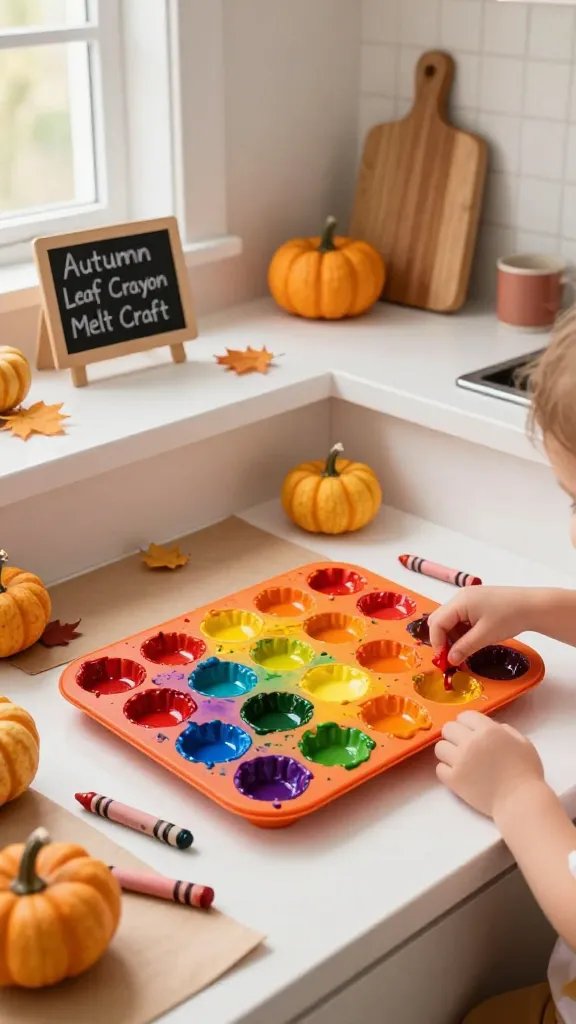
A. The problem: Toddlers love crayon crafts, but melted wax can be a mess near busy counters and in rental kitchens with limited ventilation.
B. Why it happens: Traditional wax melting requires heat and a stable surface, which isn’t always available in small kitchens or shared spaces.
C. The fix: A cold-crayon melt craft using crayons (old or broken) and a muffin tin or silicone mold; no heat required.
D. How to do it:
- Break crayons into small pieces and place them in a muffin tin or silicone mold.
- Let your toddler press pieces into shapes to create fall-themed designs.
- Let the pieces air dry; you can use the shapes as stamps on paper or as decorative accents later.
E. Real-life consideration: In small spaces, use a tray with a lip to catch bits and keep cleanup contained. For renters, avoid hot surfaces; use cold-craft methods only.
F. Common mistake: Not securing the mold properly, causing spill or spillover and extra cleanup time.
G. Better alternative: Use a silicone mold with a low-profile, non-stick surface and a tray underneath to catch stray wax pieces for easy cleanup.
16. Fall Scavenger Hunt That Fits in One Room
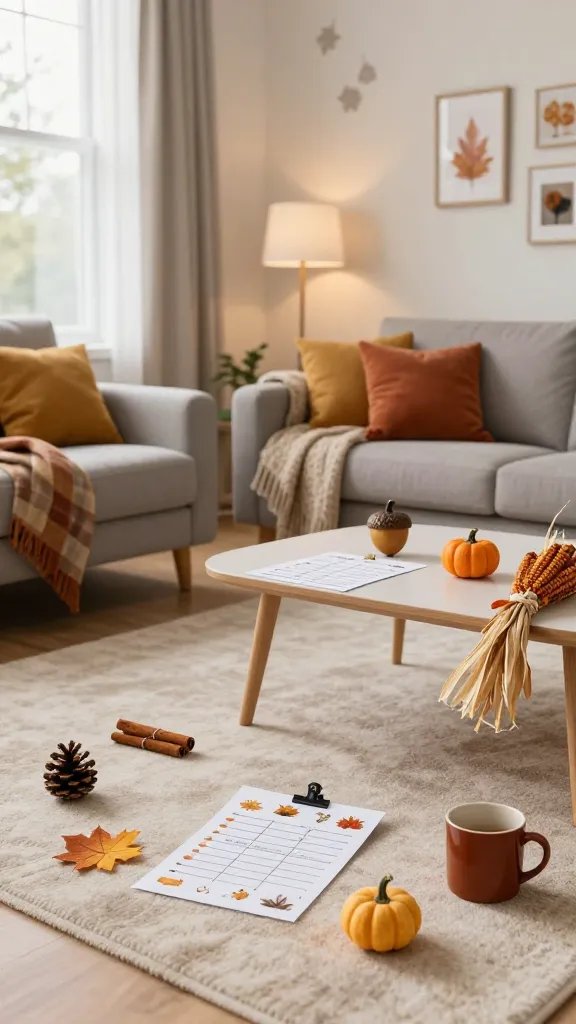
A. The problem: Outdoor scavenger hunts are wonderful, but in fall you may want a controlled, indoor version when weather or daylight is limited.
B. Why it happens: Families want the exploration of a scavenger hunt but without losing track of items and without overwhelming a small space.
C. The fix: A one-room scavenger hunt with a list of 6–8 fall-themed items to find around the room or apartment—photo-check version for easy storage.
D. How to do it:
- Create a simple laminated card with fall items (a pinecone, a leaf, a pumpkin sticker, a small acorn).
- Hide or place 6–8 items around a single room and have your child locate them, taking a photo to mark progress.
- Keep the list in a small binder or a pocket-sized notebook for easy storage.
E. Real-life consideration: In apartments, stay within one room to limit noise and movement; if you want more variety, swap the items monthly for a fresh challenge.
F. Common mistake: Burying items too well or making the list too long, causing frustration rather than fun.
G. Better alternative: Focus on 6 items, use larger items first (pinecone, leaf, small plush), and keep photos as a track record.
17. Quick Harvest-Themed Sorting Board With Minimal Tools
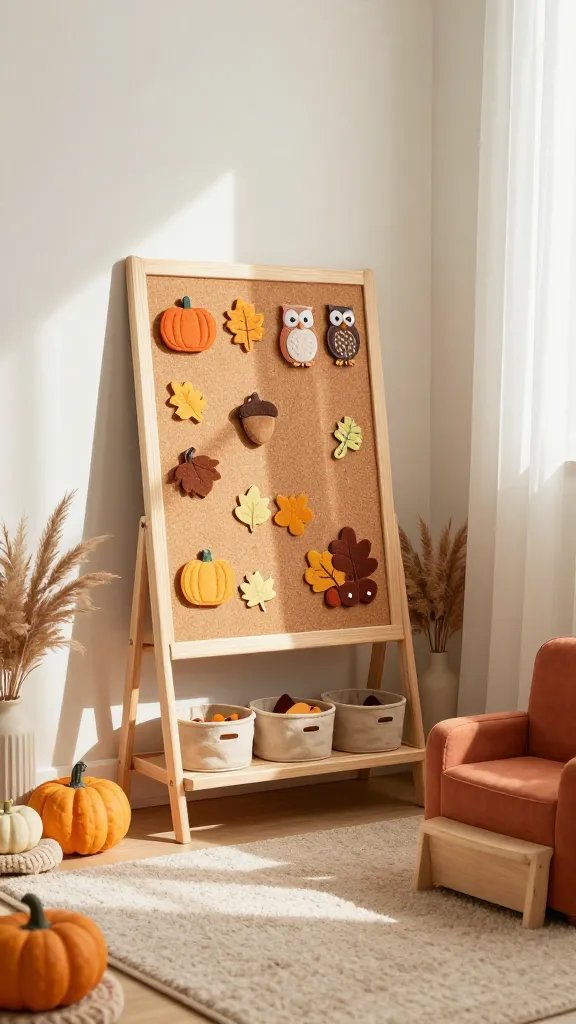
A. The problem: Sorting, categorizing, and organizing can help kids feel in control, but you don’t want to invest in fancy tools or add clutter.
B. Why it happens: You want to teach order, but you also need to maintain a clean, open space for daily life.
C. The fix: A tiny sorting board using a magnetic board or a cork board with fall-themed magnets or items that your toddler can move around.
D. How to do it:
- Mount a small magnetic board or cork board at toddler height on a wall or door using removable strips or adhesive hooks (if allowed).
- Provide 6–8 magnets with fall shapes (pumpkin, leaf, acorn) or small images you print at home.
- Let your child sort items into categories by color or shape during a calm after-nap session.
E. Real-life consideration: In small spaces, wall-mounted boards avoid taking up surface space; renters can use adhesive hooks designed for walls without damage.
F. Common mistake: Using magnets or pins that pose a choking hazard if the child gets hold of them.
G. Better alternative: Use larger, kid-safe magnetic shapes; avoid small magnets that could be swallowed.
18. Seasonal Scents and Cozy Ambience Without Burning Candles
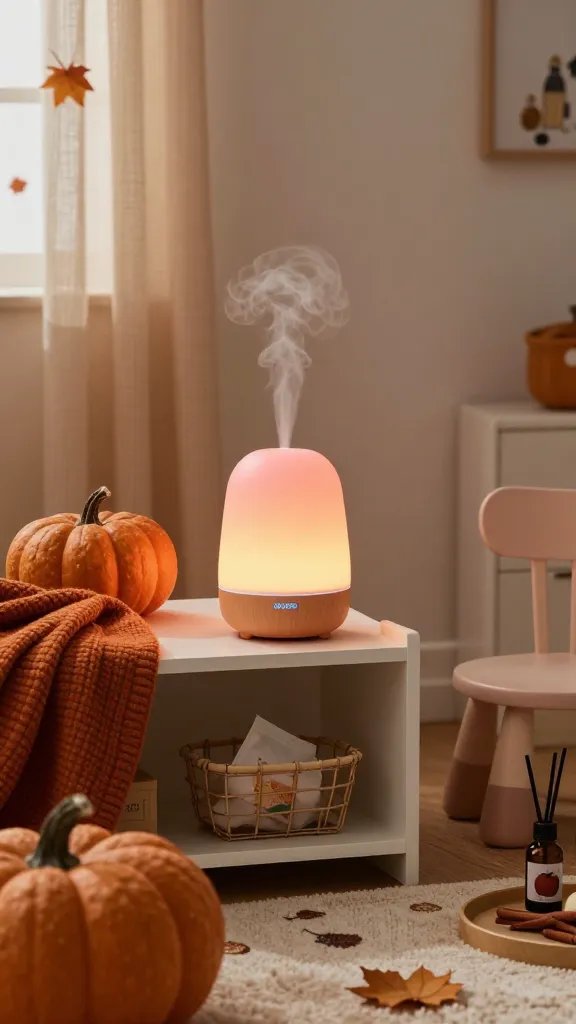
A. The problem: Fall scents can make a home feel inviting, but candles aren’t ideal in toddler spaces due to safety and burn risk.
B. Why it happens: Parents want the fall mood without compromising safety, which limits the obvious scent options.
C. The fix: A candle-free, fall-scented ambiance using essential-oil diffusers designed for kids (or scent sachets) and a seasonal décor tweak.
D. How to do it:
- Choose a child-safe diffuser with a soft light; set to a gentle fall aroma (cinnamon apple, pumpkin spice).
- Place the diffuser away from reach or use a closed design with a hidden reservoir.
- Enhance with a seasonal sachet near the diffuser: a fabric pouch with cinnamon sticks or orange peels in a breathable bag.
E. Real-life consideration: If you rent and dislike diffusers, use air-safe potpourri sachets in a decorative bowl on a shelf away from play areas.
F. Common mistake: Overusing strong scents that can irritate noses or trigger allergies in small kids.
G. Better alternative: Use a soft, subtle scent profile and a diffuser that allows you to control intensity and schedule times to avoid constant exposure.
19. Quick Fall-Themed Play Kitchen Makeover With Existing Items
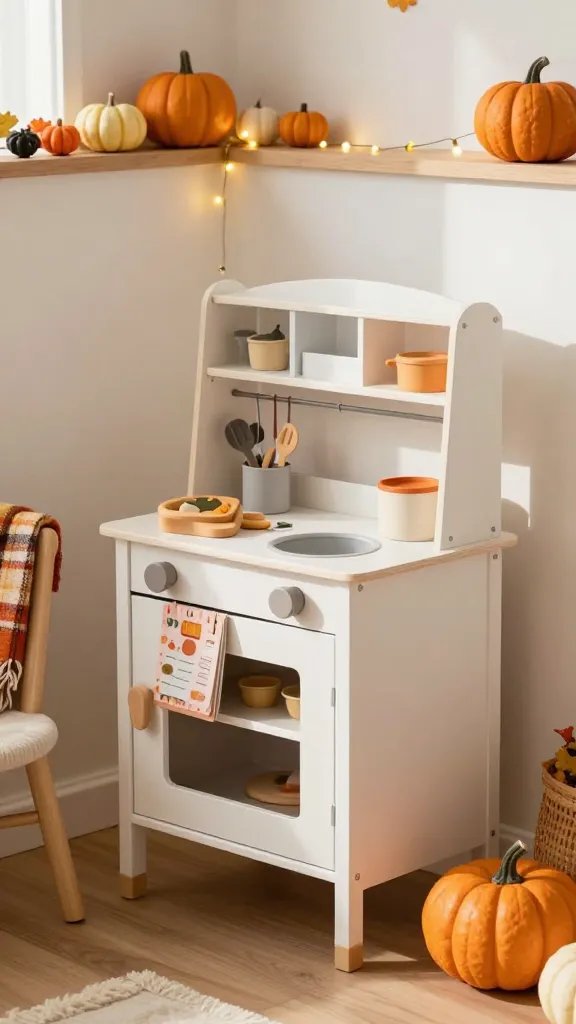
A. The problem: Toddlers often play in the kitchen, but fall toys and art supplies can clutter the countertop and cabinet space, creating a safety hazard.
B. Why it happens: The kitchen is a natural zone for pretend play, but it isn’t designed for modular toy storage.
C. The fix: A tiny, portable “fall kitchen station” using a small tote or caddy that holds kid-friendly utensils, a few pretend ingredients, and a mini recipe book.
D. How to do it:
- Choose a small tote or caddy that can be tucked away in a cabinet or on a counter shelf when not in use.
- Fill with 6 pretend fall items (pumpkin puree jar, toy kettle, mini spoon, felt food, a tiny recipe card).
- Use a clip-on or magnetic note board to hold the recipe card for easy setup.
E. Real-life consideration: In compact kitchens, store in a single shelf that you can access from the dining area. For renters, use a freestanding caddy that doesn’t require wall anchors.
F. Common mistake: Overloading the tote with bulky items that don’t fit into the designated storage zones.
G. Better alternative: Use a small, foldable tote that can be collapsed when not in use to save space.
20. Fall Yard-Walk Scavenger-Style Photo Journal
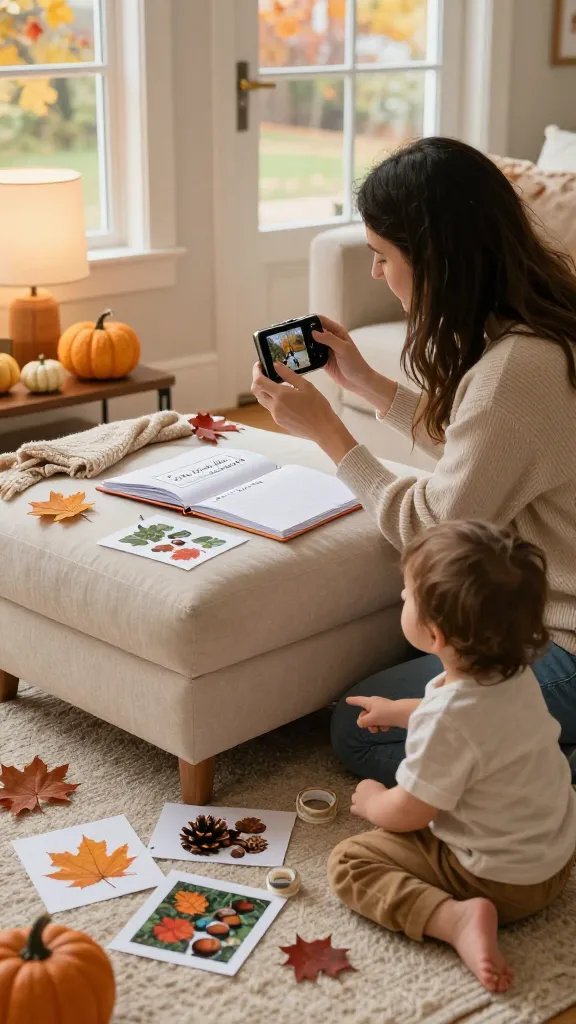
A. The problem: Outdoor explorations are fantastic for toddlers, but weather or daylight can disrupt a weekly fall outdoor play plan.
B. Why it happens: You want to capture moments and keep a log of what your toddler notices, but you don’t want to manage a bulky scrapbook or bulky gear.
C. The fix: A photo journal you can build indoors with a simple notebook or binder and photos of outdoor finds, captured with a phone camera.
D. How to do it:
- Take quick photos during outdoor walks of leaves, pumpkins, and fall textures.
- Place 6–12 photos in a small binder or pocket-sized notebook for easy display and storage.
- Use a simple label for each photo: color, texture, or where it was found (front yard, park, etc.).
E. Real-life consideration: In small homes, keep the journal in a shared living area so you can revisit it regularly without hunting for it. For renters, a small binder on a coffee-table tray keeps the space tidy.
F. Common mistake: Taking too many photos and failing to organize them, causing the journal to become unwieldy.
G. Better alternative: A single, memory-capture photo book that you can add to monthly, reducing physical storage while preserving memories.
21. Easy Fall Themed Sticker Chart for Behavior and Routines
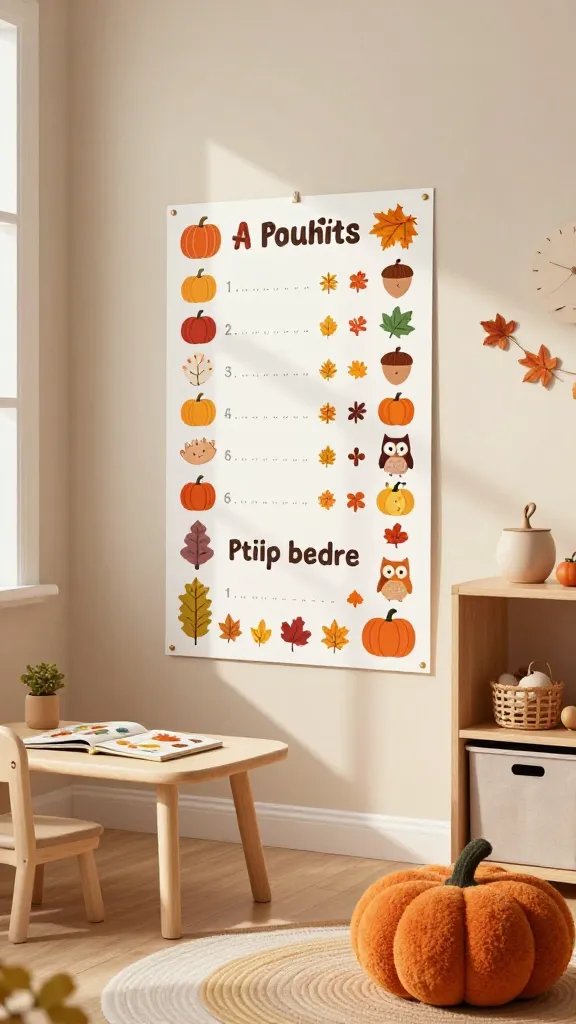
A. The problem: Managing routines with a toddler can be tough, and falling into power struggles robs energy from other tasks.
B. Why it happens: Behavioral expectations can feel abstract to a toddler; a visual cue helps.
C. The fix: A small, removable sticker chart with fall-themed icons for daily routines (wash hands, snack time, story, bedtime).
D. How to do it:
- Attach a small chart to a wall or door at toddler height using removable adhesive strips.
- Provide 2–3 sticker sheets with fall icons and a short list of daily tasks in a simple order.
- Reward completion with a tiny treat or a “fall badge” each week to reinforce routine adoption.
E. Real-life consideration: In apartments, ensure the chart is in a space you won’t accidentally bump or remove by mistake; use a washable surface or a laminated sheet if possible.
F. Common mistake: Overloading with tasks that are too many or too complicated for a toddler to manage, leading to frustration.
G. Better alternative: Limit to 2–3 essential routines; rotate the sticker icons to keep it fresh and motivating.
22. The “Two-Item Kitchen Science” Setup That’s Safe and Simple
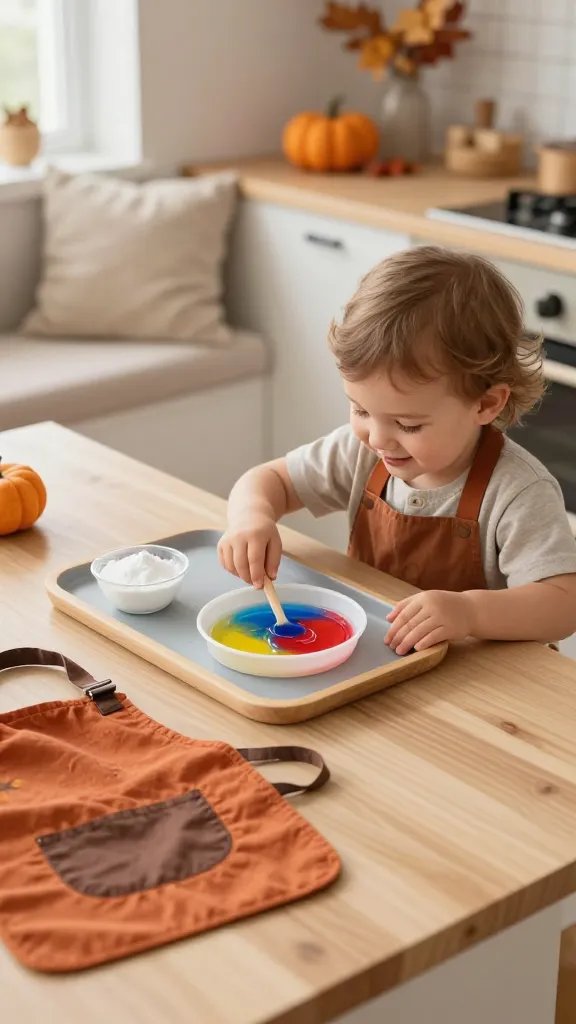
A. The problem: Toddlers want “experiments,” but you don’t want to risk messy spills in your kitchen or access to dangerous items.
B. Why it happens: Fall is a great time for sensory learning, but kitchen safety is non-negotiable for small spaces and rental homes.
C. The fix: A two-item science experiment that uses safe, washable materials and requires minimal cleanup.
D. How to do it:
- Set up: a small bowl of baking soda and a shallow dish of colored water (food coloring) on a tray with a wipe-clean surface.
- Activity: Let your toddler observe what happens when you pour colored water onto baking soda—watch for fizzing and discuss the chemical reaction in simple terms.
- Store: Put everything back on the tray and wipe clean after the activity.
E. Real-life consideration: In small kitchens, use a tray with a lip and keep it in a kid-friendly cabinet for quick setup and cleanup; for renters, avoid paints or permanent residue.
F. Common mistake: Using strong scents or messy liquids that can stain or spill on fabrics or wood surfaces.
G. Better alternative: Use only safe, washable ingredients and a clearly defined cleanup area on a water-safe surface.
23. Front Door Fall-Ready Entry Organizer
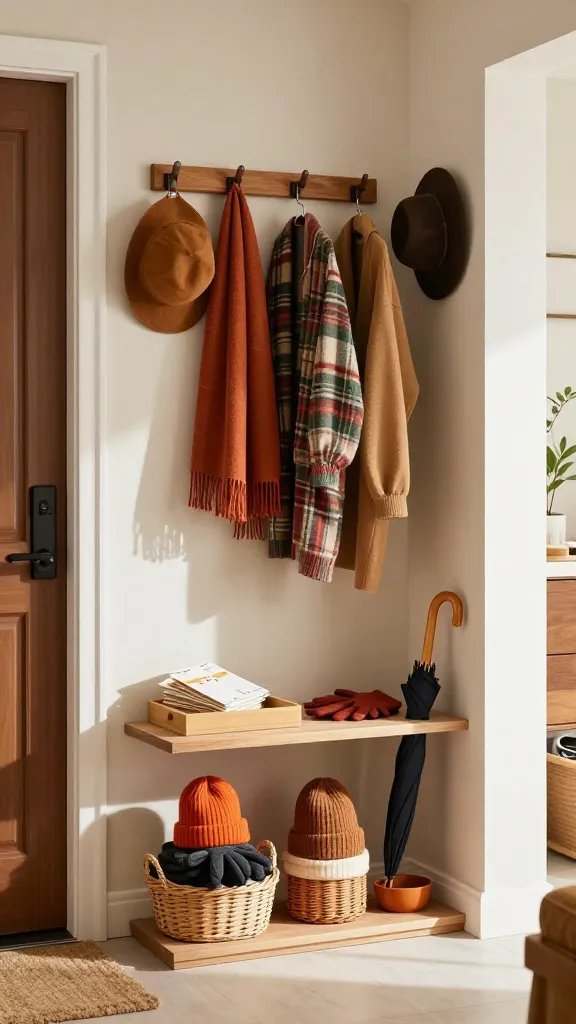
A. The problem: Entryways become a dumping ground for seasonal items and outerwear, creating a sense of clutter even before you step inside.
B. Why it happens: There’s no dedicated space for seasonal items, leading to piles and mismatches in storage.
C. The fix: A small, entry-friendly station with a dedicated fall rack or hooks and a tiny tray for mail, plus a seasonal drop zone for gloves, hats, and small accessories.
D. How to do it:
- Use a slim wall-mounted rack or a freestanding stand with 2–3 hooks for fall outerwear and a small shelf for dried leaves, gloves, and accessories.
- Attach a small tray or bin for mail and a seasonal drop zone to keep things contained and easy to access on a busy morning.
E. Real-life consideration: In rentals, use removable hooks or a freestanding rack that doesn’t penetrate walls. In small spaces, select a unit that fits the exact doorway width to avoid crowding.
F. Common mistake: Overloading the entry station with too many items that you end up stepping on or tripping over.
G. Better alternative: Keep only essential items in the entry zone and rotate pieces seasonally to maintain a tidy entrance.
24. Fall Laundry Station That Keeps Tiny Clothes Under Control
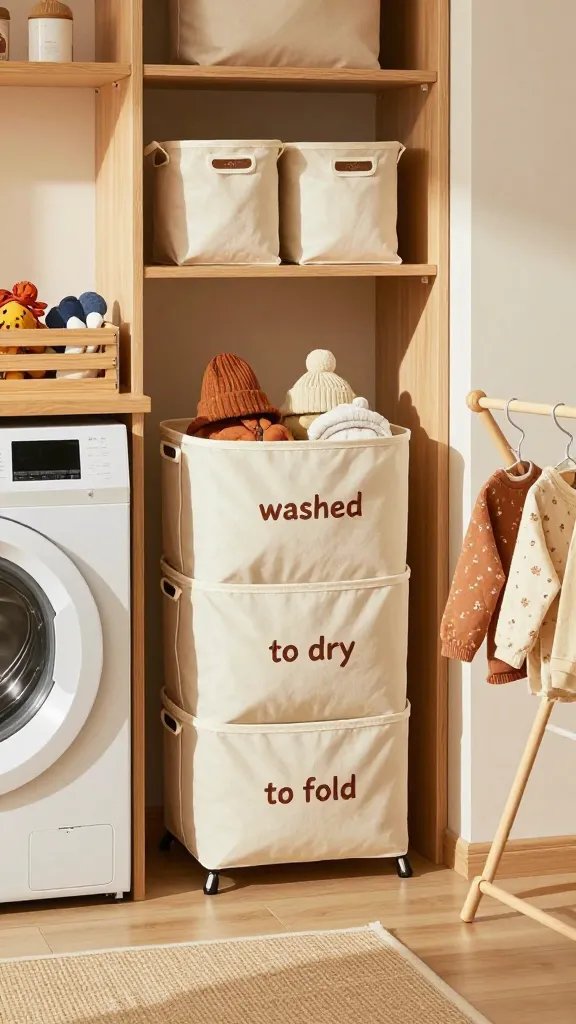
A. The problem: Laundry time with a toddler often becomes a chaotic process, especially with seasonal clothing like jackets and hats that keep appearing and reappearing.
B. Why it happens: You need a quick, efficient way to sort, wash, and store fall clothing without turning your space into a maze.
C. The fix: A tiny, portable laundry station using a small sorter bin and labeled baskets for “washed,” “to dry,” and “to fold.”
D. How to do it:
- Place a small, 3-basket sorter near the laundry area or a closet shelf.
- Label baskets clearly: “Washed,” “Dry,” “Fold.”
- Add a small fold hook near the sorter for the clothing that needs immediate folding or air-drying.
E. Real-life consideration: In apartments, use a compact, vertical sorter that can fit in a closet corner; for renters, choose a lightweight, non-permanent option that you can move easily.
F. Common mistake: Not including a “to fold” or “to hang” step, causing laundry stacks to grow and your space to feel off-balance.
G. Better alternative: Use a three-basket system and add a dedicated shelf or cubby near the washer to reduce trips to other rooms for folding and storage.
25. Fall Balcony or Porch Play Zone (Small-Space Edition)
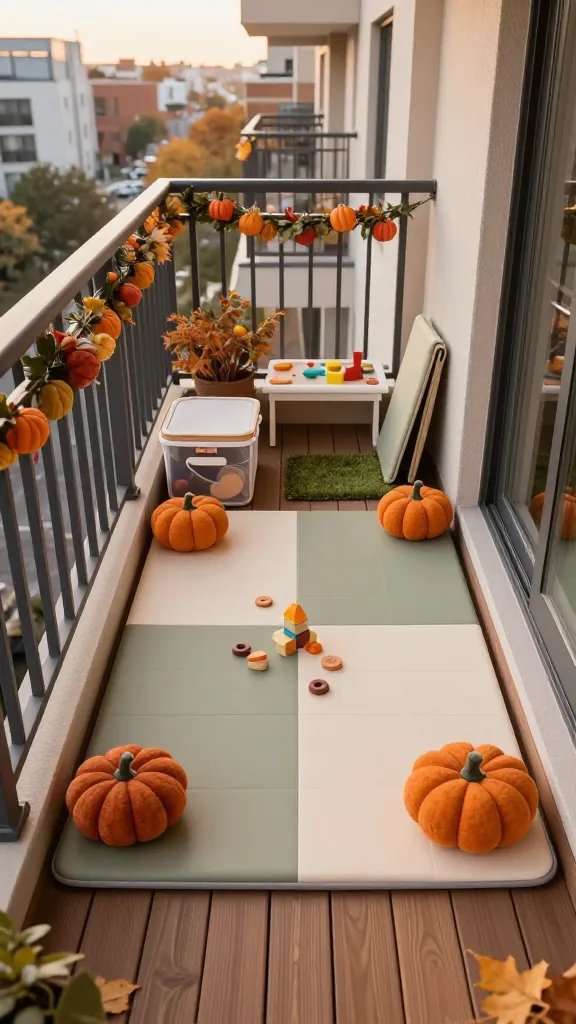
A. The problem: If you have a balcony or a small porch, it can be a perfect outdoor extension for fall play—but it also tends to become a storage dump, especially in apartments with shared or limited outdoor space.
B. Why it happens: You want to provide your toddler with fresh air and safe play, but there’s not enough space to keep outdoor toys tidy.
C. The fix: A compact, weather-safe play zone that uses a small outdoor bin, a foldable mat, and a narrow storage option that can be tucked away when not in use.
D. How to do it:
- Choose a weatherproof mat that’s easy to wipe clean and measure it to fit the balcony space.
- Use a narrow, stackable storage bin that can be placed in a corner and easily moved to storage when not in use.
- Limit outdoor toys to 4–6 durable items that survive the elements and are easy to clean.
E. Real-life consideration: In rentals, choose a balcony-safe storage option that doesn’t require nails or heavy hardware and can be moved if you change apartments. For small homes, you can use a foldable mat that doubles as a play surface indoors when needed.
F. Common mistake: Not securing outdoor items against wind or weather, which leads to more mess and anxiety about property damage.
G. Better alternative: Keep the play zone compact, use weather-safe materials, and store the zone out of sight when not in use to keep your space clean and tidy.
Before You Buy: A Quick, Real-Home Checklist
As you consider implementing these activities, use this quick guide to avoid buying unnecessary items or overhauling your space.
- Measure your space before buying any organizer or bin. If an item won’t fit in your normal flow, skip it.
- Identify what actually needs storing: toys, art supplies, or seasonal decor. Remove items that don’t bring joy or serve a purpose.
- Determine how frequently items are used. Keep frequently used items in easy reach; store less-used items out of reach or in a higher cabinet if you need more surface area on the floor.
- Check rental or landlord restrictions. Avoid permanent changes that could affect security deposits or require landlord approval.
- Consider your budget and choose multi-purpose solutions. A single movable bin that can serve multiple roles saves money and space.
Frequently Asked Questions (useful)
How can I start if my space is tiny and I don’t have a dedicated play area? Start with one priority zone—like a single shelf or a small corner with one bin for toys, one mat for play, and a chair for supervision. Build up only if you truly need more zones.
What if I have no wall space for shelves or boards? Rely on freestanding, portable organizers and floor mats. Stackable bins under tables or in corners create stealth storage without wall mounting.
How do I keep the system flexible for a rental home? Use removable, non-permanent organizers, and choose items that can be returned to their original state. Use adhesive strips designed for renters and avoid anything permanent.
Is it okay to mix decor and play items? Yes—when you choose items that serve a dual purpose, like a decorative bin or a book bin that also stores toys. This keeps your space cohesive and functional.
Conclusion
Fall brings a wonderful opportunity to weave coziness into everyday routines without turning your home into a storage disaster. The core idea behind these 25 activities is simple: create small, clearly defined, easy-to-clean zones that solve real problems—limited storage, busy schedules, and rental constraints—without sacrificing the joy of fall play. Start with one or two changes that feel most urgent in your space, and expand only as your routine and space permit. The goal isn’t a perfect setup; it’s a practical, predictable system you can maintain. Choose your first two changes, implement them this week, and watch how a calmer, more purposeful fall cycle begins to emerge in your home.