Preparing for Thanksgiving often means adding new touches and staging areas, but the real first step is subtraction. When your home feels crowded, hosting becomes stressful, and food prep slows to a crawl, the problem isn’t a lack of décor—it’s clutter that steals space, focus, and energy. This article walks you through 15 concrete things to remove before your guests arrive, with practical fixes you can implement in real homes—small apartments, rental houses, busy households, and everything in between. You’ll learn why each item is a problem, how to fix it, and how to tailor the solution to your space and budget.
1. Duplicates You Never Use (Kitchen Tools, Serveware, or Small Appliances)
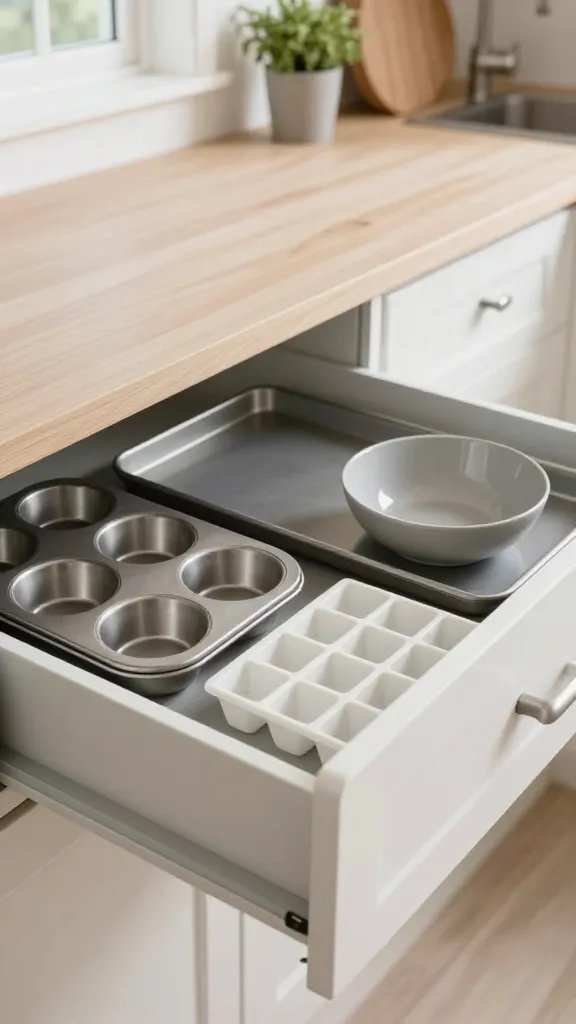
The Problem: Duplicates accumulate because you only need one of each essential item at a time, yet it’s easy to justify “still useful someday” or keep items because they’re “almost the same.” The result is wasted horizontal space, harder cleaning, and more to move when you clean or host.
Why It Happens: Seasonal shifts and impulse purchases create more of the same item. In kitchens, a second muffin tin, third baking sheet, or two extra ice cube trays can end up in a cabinet that never sees daylight. In living areas, duplicate serving bowls, platters, or quick-dish gadgets multiply behind doors, blocking storage and making it hard to find what you actually need.
The Fix: Choose a single reliable version of each category and designate it as the only item allowed in that space for Thanksgiving week. Remove all other duplicates to storage or donate them if unused.
How to Do It:
– Inventory each category (kitchen tools, serveware, small appliances) and identify items you haven’t used in the last year.
– Pick one “go-to” item per category based on durability, function, and ease of cleaning.
– Box up the rest and relocate to a less-accessible storage area (or donate if in good condition).
– Label the box with its contents and place it out of the main traffic zones.
Real-Life Consideration:
– Small spaces: Keep the chosen one on a high, easy-to-reach shelf. Store duplicates in stackable bins under a bed or in a tall, narrow cabinet.
– Renters: Prefer items that fold or nest to minimize footprint; avoid permanent shelves that would complicate future moves.
– Budget-conscious: Donating or selling duplicates recovers space and a little cash; keep a list of the single items you’ll need in the future to prevent re-accumulation.
Common Mistake: Keeping duplicates “just in case” instead of evaluating actual use. It creates unnecessary search friction during hosting prep.
Better Alternative: Create a single, clearly labeled “Thanksgiving Essentials” bin for each category (kitchen tools, cookware, serveware). If you reach the end of the season and still haven’t used a duplicate, donate it.
2. In-Season Items Living in Deep, Hidden Shelves
Related Posts:




The Problem: Seasonal items—like extra candles, seasonal napkins, or holiday-themed toppers—hide in deep shelves where you can’t see them. As a result, you double-buy or re-order items you already own.
Why It Happens: “Out of sight, out of mind” leads to forgotten purchases. Deep shelves aren’t easy to scan, and tiny details (colors, patterns) become forgotten entirely, especially during a busy hosting season.
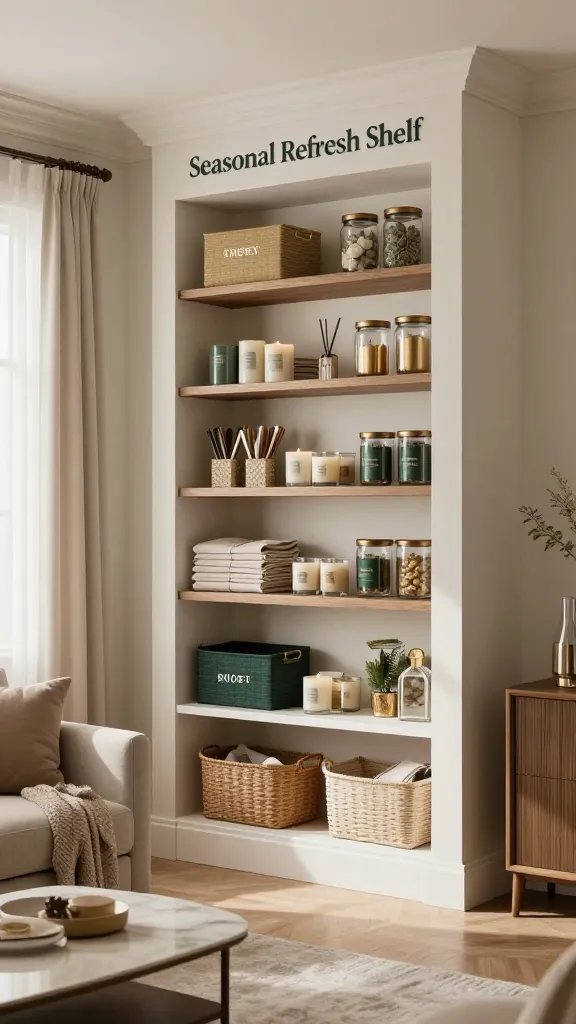
The Fix: Create a visible “seasonal refresh shelf” at eye level or a pantry-like bin system near where you prepare for hosting.
How to Do It:
– Identify all seasonal items (napkins, candles, centerpiece decor) and group by use (dining, prep, ambiance).
– Designate one accessible shelf or a clear bin near the dining or staging area.
– Use a simple inventory card or a photo label on the bin indicating contents and a quick note on when to rotate.
Real-Life Consideration:
– Small spaces: A low, shallow bin under a console or on a back-of-cabinet shelf can hold “seasonals” without reclaiming floor space.
– Renters: Use modular acrylic organizers that can be slid onto existing shelving without mounting.
– Budget: A single clear bin or a small magazine-holder shelf can satisfy the need without new purchases.
Common Mistake: Hiding seasonal items behind clothing or in an unrelated box, which makes them harder to locate before guests arrive.
Better Alternative: A purpose-built, clearly labeled seasonal box system that you consult before every major hosting event.
3. Unused But Perceived “Special Occasion” Linens
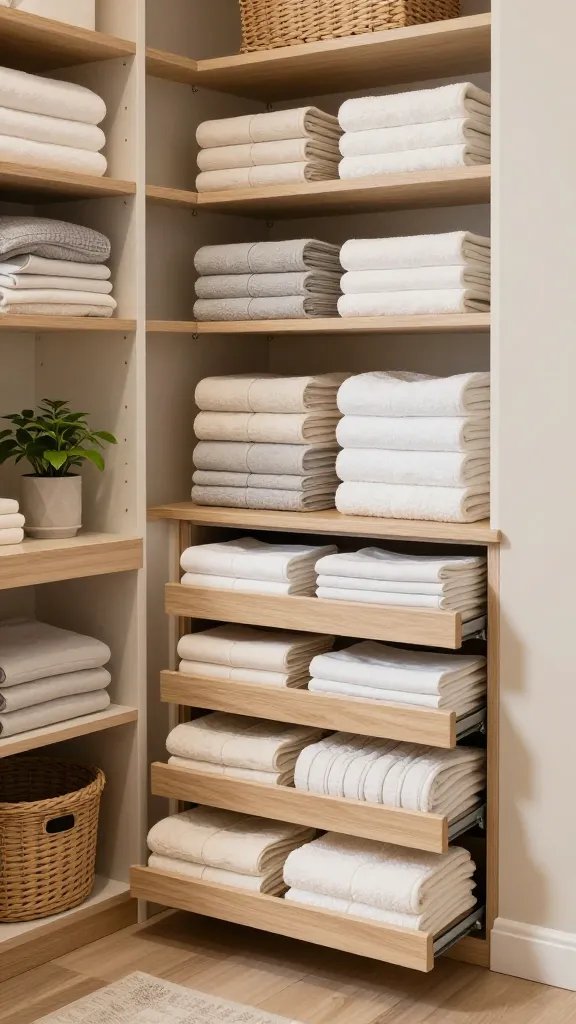
The Problem: Household linen hoarding creates visual clutter and reduces the number of clean, ready-to-use items. When you keep special-occasion linens in inaccessible places, guests notice the shortage of everyday options and the space feels chaotic.
Why It Happens: The thought of “never again” makes people overvalue occasional items, leading to thin, impractical storage choices that become forgotten in a closet corner.
The Fix: Create an accessible, single storage point for daily-use linens and a separate, clearly labeled short-term storage for Thanksgiving linens. Only keep the number you actually use weekly in the main area.
How to Do It:
– Inventory all table linens, placemats, and napkins. Separate into: daily-use, guest-use, and holiday-use.
– Consolidate to the minimum you actually need for a normal week (e.g., 8 placemats, 6 napkins, 2 tablecloths).
– Store holiday linens in a labeled bin with a quick-draw description of size and color scheme; keep near the dining area if possible after a quick rotation in cleanup.
– For small spaces, use a shelf divider and a slim tote to keep items upright and visible.
Real-Life Consideration:
– Apartments: Use under-bed storage for holiday linens to free closet space.
– Renters: Select machine-washable, stain-resistant linens to reduce maintenance.
– Budget: Reuse everyday items to simulate a “holiday” look rather than buying more linens.
Common Mistake: Storing “holiday” linens with mixed-use items, causing overuse or misuse during the season.
Better Alternative: A single, easily accessible bin for daily linens and a separate labeled bin for holiday linens that you only rotate in when hosting.
4. All Tablescape Pieces Not Actually Used for Thanksgiving
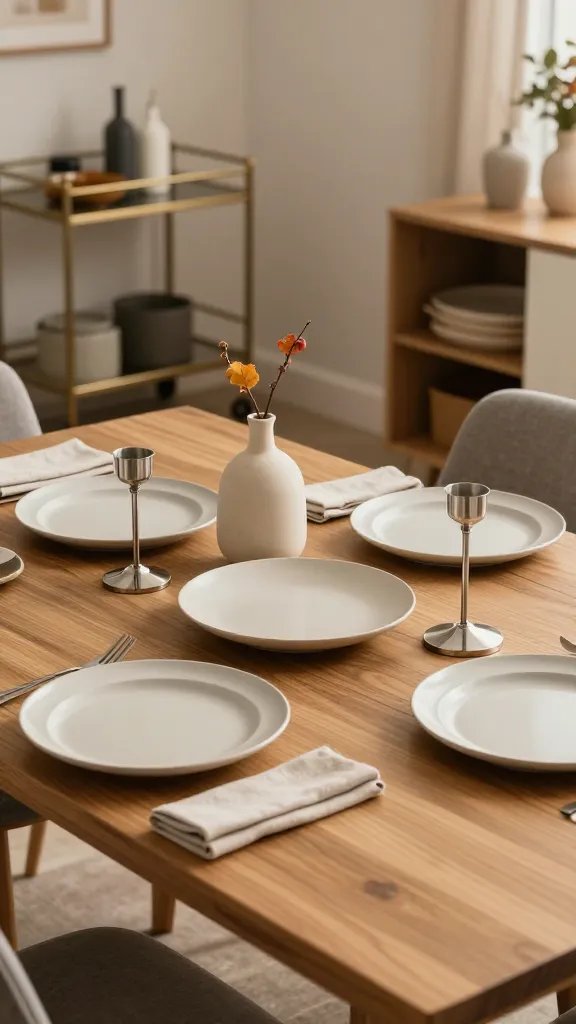
The Problem: It’s easy to accumulate a large collection of centerpiece, charger plates, and decorative items that never see table time, occupying valuable surface area and storage.
Why It Happens: Purchases feel prudent at the time, but Thanksgiving prep only happens once a year for many households. The result is fragile items that clutter counters and china cabinets.
The Fix: Maintain a lean, practical tablescape kit with items you actually use. Remove everything else temporarily; you’ll know what you truly need when you set the table.
How to Do It:
– Audit all tablescape items: centerpiece objects, candles, runners, chargers, napkin rings.
– Keep only the essential pieces: one centerpiece, a set of Chargers and napkins you consistently use.
– Store the rest in a labeled bin or in a high shelf that you only access for special events.
– Re-evaluate annually to ensure you’re not re-accumulating.
Real-Life Consideration:
– Small spaces: Use a single, flat storage bin that fits under a bed or on a high shelf.
– Renters: Avoid heavy, fragile décor; opt for lightweight, reusable, and washable pieces.
– Budget: Invest in six matching placemats and napkins instead of a large mix of mismatched pieces.
Common Mistake: Keeping decorative items that visually block the dining area, forcing guests to navigate around them.
Better Alternative: A minimal, versatile table setting kit that can be quickly pulled out and reset without moving dozens of pieces.
5. Clutter-Creating Electronics and Cords on Surfaces
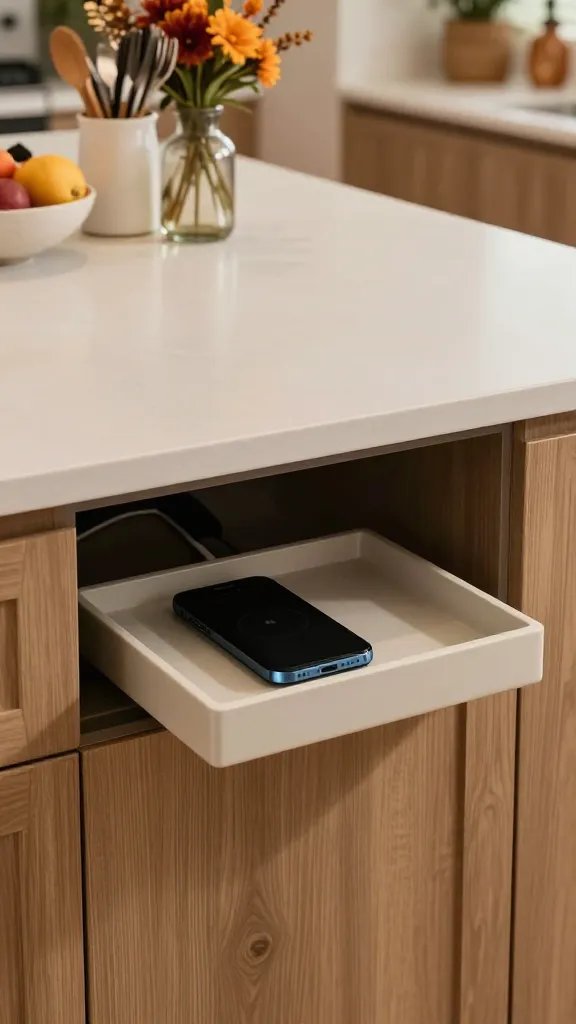
The Problem: Cords, chargers, and devices on kitchen counters or living room surfaces not only look messy, they reduce workspace for food prep and hosting tasks.
Why It Happens: Everyday devices need charging; the Thanksgiving rush adds more devices (phones, tablets, smart appliances) that accumulate on flat surfaces.
The Fix: Create a centralized, hidden charging caddy and reduce surface devices to what’s absolutely necessary for hosting days.
How to Do It:
– Identify high-traffic surfaces (kitchen island, coffee table, console).
– Choose a small, labeled charging station or small decorative basket with 1–2 ports. Place in a discreet location (inside a cabinet, drawer, or lower shelf near the seating area).
– Move chargers and devices into the charging station overnight; unplug nonessential devices a day before Thanksgiving and store away
Real-Life Consideration:
– Small spaces: A wall-mounted cord organizer or a shallow tray on a shelf reduces surface clutter without consuming floor space.
– Renters: Use removable adhesive cord clips to anchor cords along the back of a counter or cabinet.
– Budget: You don’t need fancy tech gear; a small basket with a power strip suffices.
Common Mistake: Leaving all cords visible because “you might need them soon.” This leads to messy counters and disorganized surfaces.
Better Alternative: A single “charging hub” located away from primary prep zones, so you won’t be tempted to pile everything on open surfaces.
6. Excess Cleaning Tools and Supplies in High-Visibility Areas
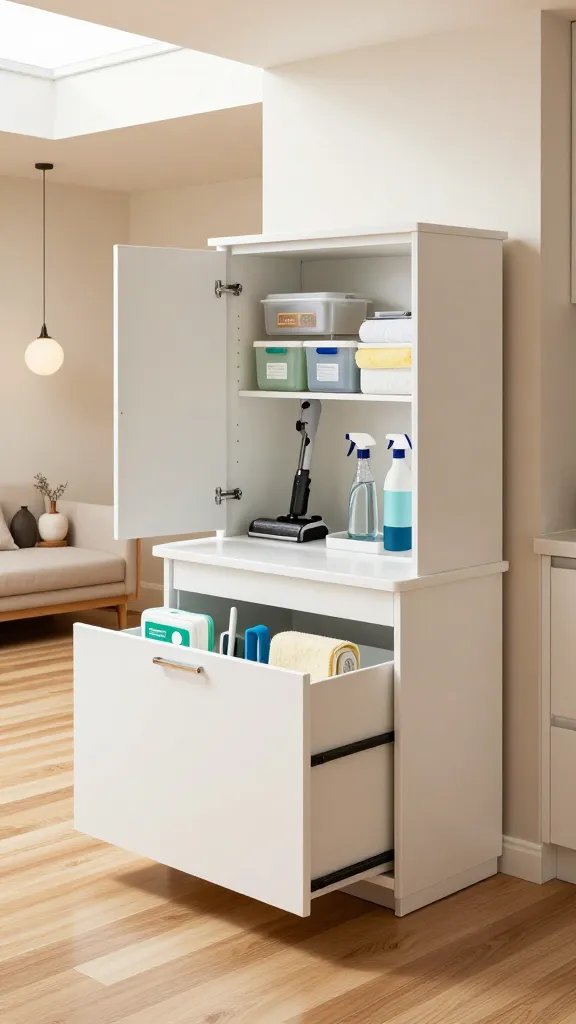
The Problem: Mops, brooms, feather dusters, and bottles of cleaner create visual clutter on floor space and sometimes in the way of traffic when hosting.
Why It Happens: Cleaning supplies are necessary but don’t all need to live where guests can see them. In busy households, it’s easy to let supplies spill into open spaces because of a lack of storage spots.
The Fix: Create a compact, hidden, or semi-hidden cleaning station that’s easy to access but not in sight during entertaining.
How to Do It:
– Designate a small cabinet, under-sink space, or utility closet as the cleaning hub.
– Consolidate cleaners into one or two easy-to-use spray bottles and one all-purpose cleaner.
– Use a slim, stackable caddy or a small basket to hold essentials.
– Store away seasonal specialty cleaners until next season; only keep a small set for Thanksgiving prep near the hub.
Real-Life Consideration:
– Small spaces: A slim, over-the-door organizer on the pantry or closet door keeps supplies out of sight.
– Renters: Use temporary shelving on existing walls; avoid drilling when possible.
– Budget: Use existing bottles where possible; label clearly and avoid over-buying specialty products.
Common Mistake: Leaving a random assortment of cleaners in multiple rooms, creating a scavenger hunt when you’re trying to clean quickly before guests arrive.
Better Alternative: A single, clearly labelled cleaning station with minimal products for all surfaces you’ll encounter during Thanksgiving prep.
7. Random “One-Project” Tools That Don’t Belong Anywhere
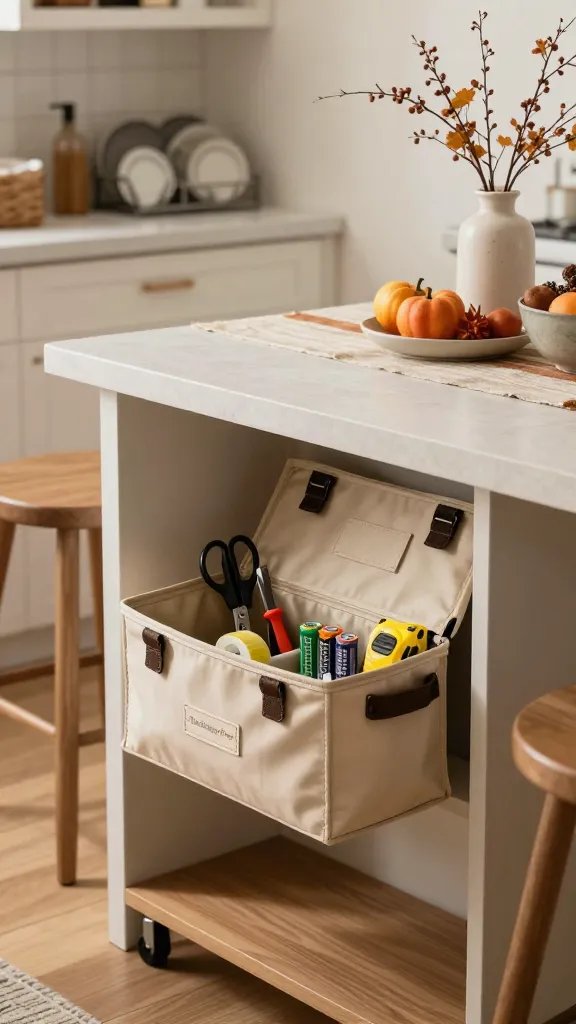
The Problem: Tools that don’t have an established home accumulate in living spaces—screwdrivers, hammer, tape, or toolkit items end up on counters and tabletops, creating visual noise and limiting prep space.
Why It Happens: Quick access becomes clutter when tools are jumbled with decor or groceries and are out of place after use.
The Fix: Create a small, dedicated toolbox corner or a labeled tote with a few essential items that you’ll need for Thanksgiving prep (scissors, tape, measuring tape, etc.).
How to Do It:
– Gather essential tools you use regularly for setup and decorating (scissors, tape, a small pry tool, tape measure).
– Place them in a compact toolbox or an opaque tote with a lid, stored in a closet or cabinet.
– Label the tote and keep a quick reference card inside for what’s inside and its uses.
Real-Life Consideration:
– Small spaces: A small pouch inside a kitchen drawer can hold essential tools.
– Renters: Use a foldable toolbox that fits under a bed or inside a vertical organizer.
– Budget: Reuse tools you already own; avoid buying a new toolbox unless you genuinely lack one.
Common Mistake: Leaving tools loose on surfaces because they’re “handy” but end up blocking space during hosting.
Better Alternative: A compact, clearly labeled tool tote that stays out of sight until you need it.
8. Clutter on Entryway Surfaces (Shoes, Bags, Mail)
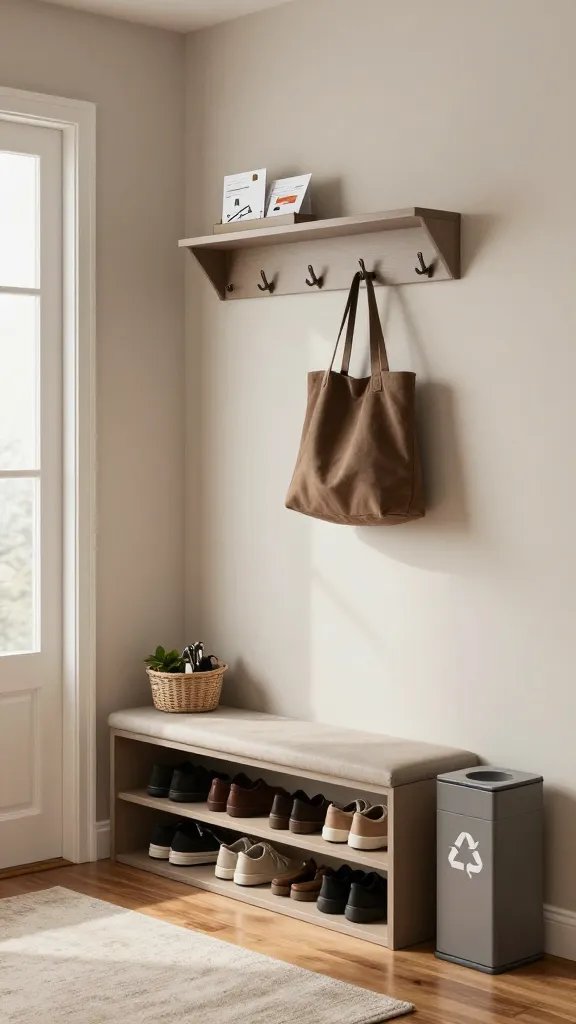
The Problem: The entryway is the first impression zone. When it’s crowded with shoes, bags, and mail, guests notice chaos immediately and your prep space shrinks.
Why It Happens: Routine habits (dropping groceries, mail, or accessories) accumulate fast, especially with kids and multiple adults in the home.
The Fix: Create a simple, rules-based entry zone that keeps daily items out of the main living area but still accessible for Thanksgiving day.
How to Do It:
– Install a slim, wall-mounted coat rack or two hooks near the door for outerwear.
– Add a small boot tray or a low-profile shelf for shoes at the entry.
– Create a dedicated mail bin with a lid or a small wall rack to corral papers.
– Keep a shallow basket or tray for reusable bags and an additional one for delivery packages that you bring inside for the day.
Real-Life Consideration:
– Small spaces: Use vertical solutions—hooks that go up the wall rather than out into floor space.
– Renters: Choose damage-free hooks or tension-mounted options.
– Budget: Re-purpose items you already own (a shallow basket, a wire rack, etc.).
Common Mistake: Letting mail, shoes, and bags collect on the floor or on chairs, creating a barrier to navigating to the kitchen or dining room.
Better Alternative: A clearly defined, minimal entry drop zone that you can clear in 5 minutes before guests arrive.
9. “Hidden Clutter” Behind Doors and In Cabinets
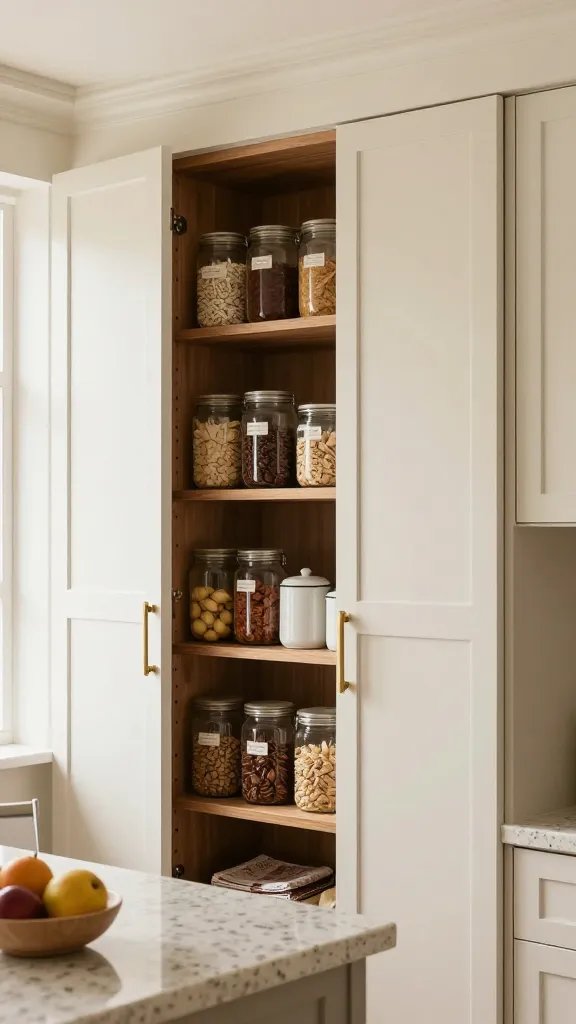
The Problem: Cabinets and doors that easily close hide clutter, making you forget what’s inside, which leads to over-purchasing and disorganization when you’re preparing for a meal.
Why It Happens: When items aren’t visible, it’s easy to lose track of what you own and what you actually need for Thanksgiving.
The Fix: Peek-and-purge rule: every door or cabinet you open should reveal a shelf that’s neat and functional. Remove items that never see daylight.
How to Do It:
– Go through: pantry, linen closet, bathroom vanity, and kitchen cabinets.
– Remove items you haven’t touched in a year or that you no longer need for the upcoming holiday.
– Reorganize with a simple stacking system and clear bins where possible so you can see contents at a glance.
– Use shelf risers to maximize vertical space so you can see everything without digging.
Real-Life Consideration:
– Small spaces: Use adjustable shelves to reconfigure existing cabinet space for better visibility.
– Renters: Use removable shelf organizers that don’t damage walls.
– Budget: Reuse existing bins and add one or two clear containers to improve visibility.
Common Mistake: Shoving items to the back of a cabinet, then buying more containers to try to organize them when you could have simplified first.
Better Alternative: A two-step peek-and-purge approach before you buy any organizers—this ensures you only add what you actually need.
10. Pantry Chaos That Slows Thanksgiving Prep
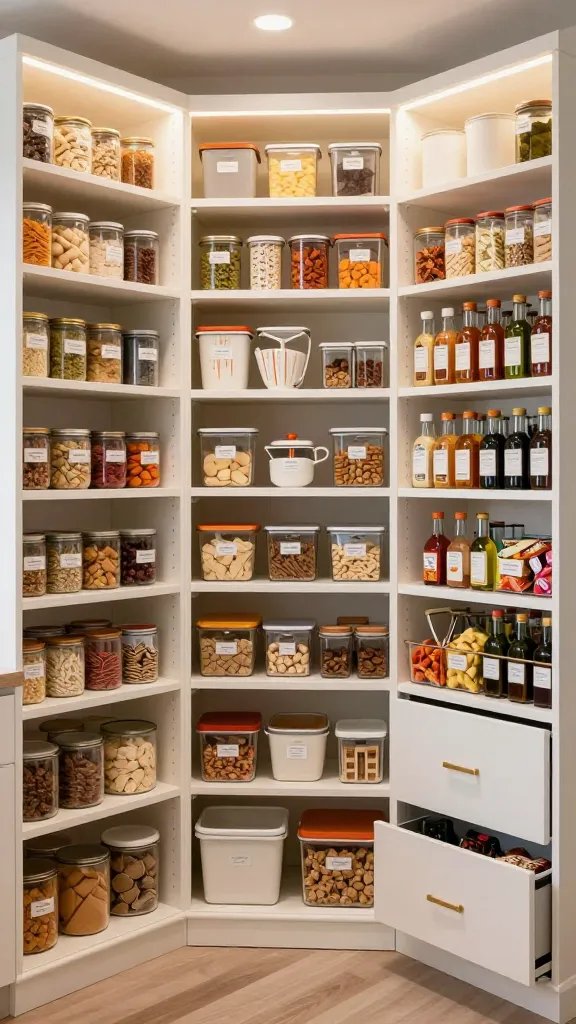
The Problem: A cluttered pantry or kitchen cabinet makes it hard to locate ingredients quickly, which leads to stress, missed timing, and wasted food.
Why It Happens: When you store cans and boxes in a way that requires digging, you lose minutes that matter during prep and cleanup cycles that can run late into the night.
The Fix: Create a clean, easy-to-scan system with clear zones for staples, baking supplies, and quick-access ingredients you’ll actually use before Thanksgiving.
How to Do It:
– Divide pantry into three zones: everyday staples, baking ingredients, and quick-use items (sugar, flour, garlic, onions, etc.).
– Place the most-used items in the front row for fast access; reserve back shelves for rarely used or seasonal items.
– Use transparent containers for flour, sugar, grains, and rice to facilitate quick checks of quantities.
– Create a “Use First” shelf for items near expiration dates and keep a small notepad to track nearly-done ingredients.
Real-Life Consideration:
– Small spaces: Use shelf dividers to keep bags upright and visible; consider stackable can organizers for narrow spaces.
– Renters: Use clear, stackable bins to maximize vertical space and avoid relying on large, heavy, permanent fixtures.
– Budget: Reuse old jars, compostable bags, and free labels from home goods stores to reduce waste and cost.
Common Mistake: Storing baking sheets and mixing bowls randomly at the back, which slows you down during the holiday rush.
Better Alternative: A clearly labeled, three-zone pantry setup that puts the most-used items within an arm’s reach from the stove and prep area.
11. Under-Sink Space That Never Gets Used Well
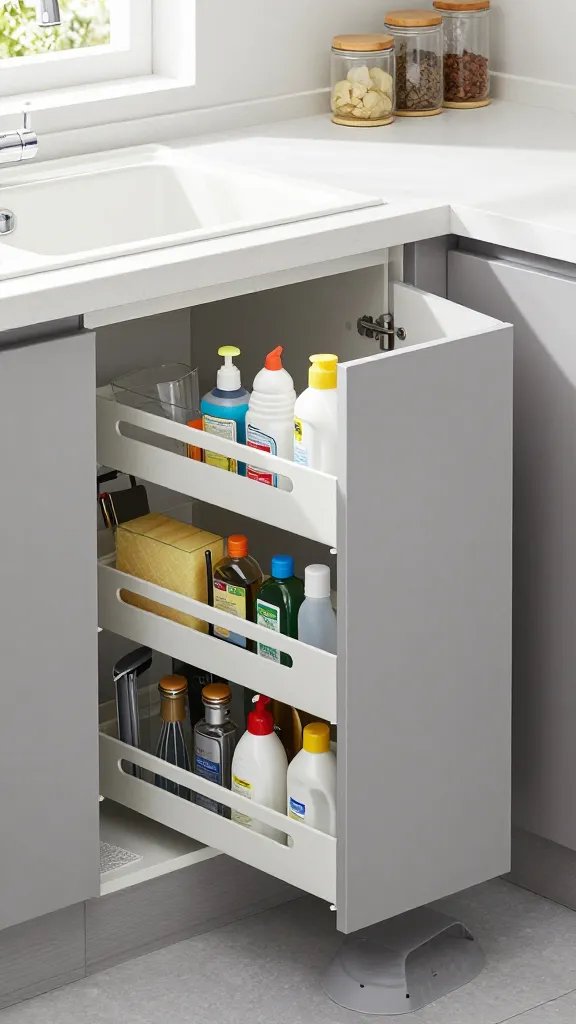
The Problem: Under-sink storage can become a chaotic drawer of rarely used items, causing you to miss important ingredients or tools when you need them quickly.
Why It Happens: The space is often awkwardly shaped and the drainage pipe creates a physical barrier to organization. Overflow cleaning supplies also get in the way of essential items.
The Fix: Create a simple, predictable under-sink storage system that makes use of vertical space and keeps items in proper order for quick access.
How to Do It:
– Install a shallow clip-on shelf to create two tiers in the space above the pipe.
– Use a small, water-safe bin or caddy for cleaning supplies so you can pull it out without moving everything.
– Label each area (Cleaning Tools, Disposable Gloves, Recycling Bags) to keep items in their place.
– Keep a small bucket for fast cleanup tasks and a lint roller for pet dander that might affect guests’ comfort.
Real-Life Consideration:
– Small spaces: Use stackable organizers that fit around the pipe and don’t interfere with plumbing.
– Renters: Choose adhesive-backed organizers that don’t require drilling.
– Budget: Reuse existing containers; avoid buying a full new organizer if you can’t justify the cost.
Common Mistake: Storing a mishmash of cleaners and tools in the space, which makes it harder to locate what you truly need during a dinner prep window.
Better Alternative: A precise, clearly labeled under-sink system that is easy to maintain and easy to wipe down after spills.
12. The “One-Dangling-Cord” Power Strips That Create Tripping Hazards
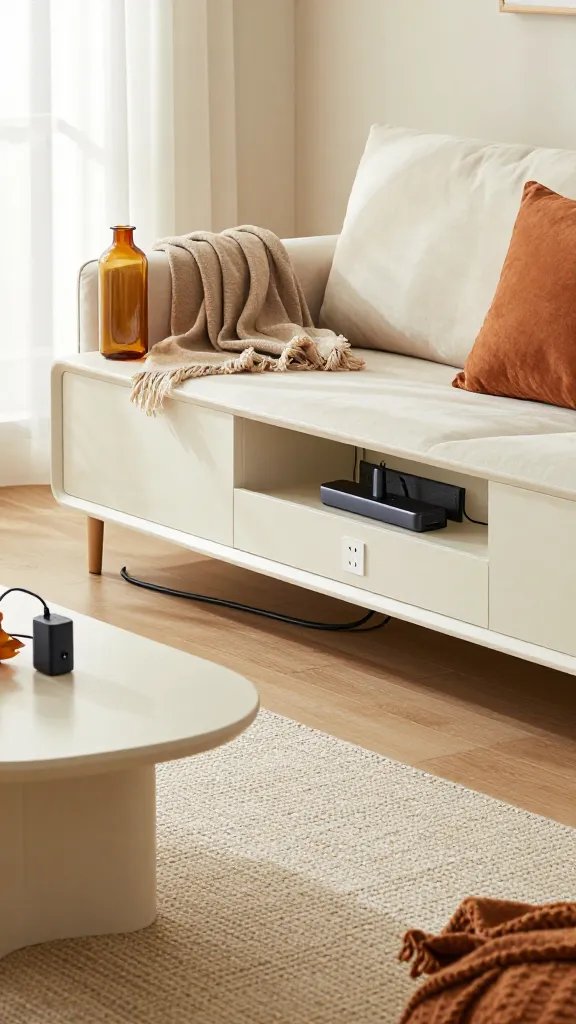
The Problem: Power strips in the wrong places are a hazard and a visual distraction, especially with kids or guests walking around the living area during Thanksgiving.
Why It Happens: The natural desire to plug in devices where outlets are easiest often trumps safety and aesthetics, particularly in entertainment zones.
The Fix: Relocate power strips to out-of-sight, accessible spots and use short cords to minimize visible clutter.
How to Do It:
– Identify all devices you’ll need during Thanksgiving prep (laptop for recipes, phone chargers, small speakers).
– Move the power strip behind a couch or beneath a console, using a cable raceway or adhesive clips to route cords neatly.
– Replace long cords with shorter ones or use a cord organizer to keep everything tidy and off the floor.
– Ensure there’s still easy access to outlets for cooking devices like slow cookers or hot plates during the meal.
Real-Life Consideration:
– Small spaces: Wall outlets near seating areas might be the only option, so choose a low-profile strip and route behind furniture.
– Renters: Use removable organizers like Velcro clips and adhesive cable channels that don’t require drilling.
– Budget: This fix often uses existing hardware; no new investment required beyond maybe a raceway or clips.
Common Mistake: Ignoring cord length and placing power strips in the middle of walking paths or under dining chairs.
Better Alternative: A discreet, fixed plan for all electronics that minimizes visible lines while preserving accessibility during prep and cleanup.
13. Décor That Competes with Food Prep or Blocks Traffic

The Problem: Romantically styled décor might look beautiful but can impede practical tasks like placing platters, cutting boards, or moving a hot dish from oven to table.
Why It Happens: Aesthetic choices creep into the central activity zones. People assume “it looks great” means it should stay there, even when it creates friction in the workflow.
The Fix: Create a balance: keep enough decor for warmth but reserve the main surfaces for food prep, serving, and easy movement.
How to Do It:
– Remove low-traffic items from the prep area (island, dining table, counters).
– Move décor to perimeters of the room or to wall-mounted displays rather than center tables.
– Use wall art or a narrow shelf that won’t intrude on the workflow; keep a clear 18–24 inch space on primary surfaces for prep and plating.
Real-Life Consideration:
– Small spaces: Wall-mounted art or a slim wall shelf keeps surfaces clear while still providing warmth.
– Renters: Use removable wall-mount hardware and lightweight decor.
– Budget: Simple, lightweight textiles and a small plant can add warmth without crowding surfaces.
Common Mistake: Thinking more décor equals a nicer space; in reality, too much decor reduces usable space and complicates hosting tasks.
Better Alternative: A functional-decor balance: use decor in the periphery and keep primary surfaces clean for Thanksgiving workflow.
14. Front-to-Back Clutter Pathways (Traffic Flow) Blockers

The Problem: Obstacles in the main traffic flow—unnecessary furniture, bulky chairs, or boxes left along walkways—slow movement and create bottlenecks during meal prep and serving.
Why It Happens: People rearrange seating for guests but forget to remove nonessential items that still block movement, especially in smaller rooms with awkward layouts.
The Fix: Map a clear 3-zone traffic flow: prep zone (kitchen), transition zone (path to dining), and service zone (table). Remove or relocate items that don’t serve those zones during Thanksgiving week.
How to Do It:
– Visualize or draw a quick floor plan showing where you’ll stand to prep, where you’ll carry platters, and where guests will sit.
– Move oversized furniture or moveable items away from the main pathways.
– Create one unobstructed path from kitchen to dining to seating by clearing at least a 32–36 inch corridor where possible.
– If space is tight, use folding chairs or stackable seating during the day to reduce crowd on the main floor.
Real-Life Consideration:
– Small spaces: Use furniture sliders to reposition seating quickly for a clearer path.
– Renters: Choose multifunctional furniture that can be easily rearranged or stored temporarily.
– Budget: Renting extra chairs or using stackable seating is often cheaper than buying new furniture for one day.
Common Mistake: Leaving a heavy, permanent setup that blocks the path because it looks nice, even though it makes hosting difficult.
Better Alternative: An intentional, uncluttered pathway that supports fluid hosting from prep to table.
15. One-Time-Use Containers and Packaging That Didn’t Actually Get Used
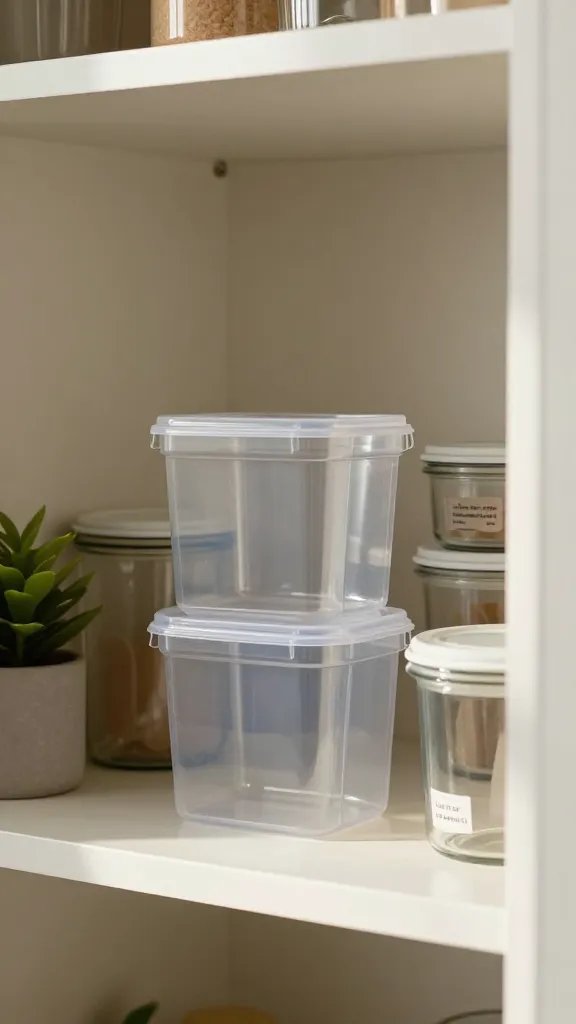
The Problem: You buy ingredients in bulk or in packaging with the intention to repackage or reuse, but after Thanksgiving, many of these containers still sit unused or half-used in cabinets. They take up space and create clutter.
Why It Happens: It’s easy to stock up for a big cooking session; the result is that packaging and storage containers multiply and clutter your shelves, drawers, and pantry space.
The Fix: “Use it or remove it” rule for packaging and containers. Only keep what you actually need to store and reuse for Thanksgiving recipes.
How to Do It:
– Go through all extra packaging and space-hogging containers you’ve stored for Thanksgiving ingredients.
– Determine practical use for each container (e.g., jars for hosting leftovers, bins for freezer storage, or lids that fit specific containers).
– Remove packaging that doesn’t serve a storage or cooking purpose; recycle or discard accordingly.
– Store only what you’ll actually use in the near term (before or during Thanksgiving prep), in a clearly labeled, easy-to-access spot.
Real-Life Consideration:
– Small spaces: Use stackable, uniform containers for maximum visibility and space efficiency.
– Renters: Reuse containers that don’t require special attachments and avoid bulky, specialty containers.
– Budget: Reuse containers you already own; avoid investing in a large set solely for one event unless you actually plan to reuse them.
Common Mistake: Keeping every container from every product line because “they might come in handy someday,” which creates long-term clutter and a false sense of storage capacity.
Better Alternative: A lean container system that you know you’ll actually reuse, implemented as part of your everyday storage rather than a seasonal afterthought.
Putting It All Together: A Practical, Field-Testable Plan
To make this 15-item removal plan work in a real home, you need a simple, repeatable routine that respects space, budget, and hosting realities. Here’s a practical workflow you can use this week, before Thanksgiving:
- Audit in 20 minutes: Walk through each room, identifying items that fit the 15 problems above. Don’t overthink—just decide quickly whether an item is essential for Thanksgiving prep or could be stored away or donated.
- Make three boxes:
- Keep/Use: Items you’ll actually use or need for hosting.
- Relocate: Items that belong in a different space but can be used for hosting, moved to a temporary staging area.
- Donate/Discard: Items you no longer need or want to keep for future hosting.
- Set up a single planning zone: For example, a slim dining-side cabinet or a designated shelf where you hold the items you’ll use for Thanksgiving (linens, tableware, candles, etc.). Make this zone a clear “start here” before you clean or decorate.
- One-week sprint: Each day, tackle one of the 15 problems in 20–30 minutes. You should see tangible changes by the end of the week.
- Test run: A casual test run, including placing the dining setup and a typical cooking flow (prep, plating, serving). Adjust as needed before guests arrive.
Before You Buy: The “Be Ready, Not Overpriced” Rules
When you’re ready to buy containers, organizers, or storage solutions, don’t skip the essential prep steps. They prevent waste and help you buy only what you truly need.
- Measure first: Measure the space you’re organizing, including shelf width, cabinet depth, and the height of any awkward corners. Don’t buy organizers that won’t fit.
- Identify the problem, not the product: If the problem is visible clutter on a surface, a simple tray or shallow bin may suffice. Don’t buy a full set of containers if you only need a temporary fix.
- Remove first, buy second: Remove everything you can from the space, then decide what you actually need to replace. Don’t assume you need new items simply because you see a neat storage option online.
- Consider rental or repurposed options: For a one-time event, temporary storage solutions that don’t require a long-term commitment can be a smarter choice than permanent fixtures.
Small-Space and Real-Home Solutions: Quick Recaps
Across the 15 sections, here are a few condensed, practical takeaways that you can apply today, regardless of space or budget:
- Use visible, clearly labeled storage where possible to reduce second-guessing and re-purchases.
- Keep daily-use items within easy reach and put seasonal items in a dedicated, clearly accessible bin or shelf.
- Prioritize flow and clear paths to prep and serving zones; remove anything that blocks these routes.
- Limit surfaces for decor around cooking and serving areas; ensure surfaces are reserved for work-related tasks.
- Always test access to the kitchen, serving area, and the entry path with guests in mind. If it doesn’t feel easy to use during a busy day, it’s not serving you as a host.
Common Questions You Might Have
What should I remove first? Start with the items that disrupt workflow or occupy the most surface space in the kitchen and dining areas—duplicate tools, cords on counters, and clutter blocking the prep zones.
What should stay within reach? Items you’ll use during cooking and serving—frequently used utensils, measuring cups, a staple spice rack, and the dishware you’ll plate with. Keep these in a small, accessible zone near the prep space.
What should I store away for later? Seasonal décor, one-time-use packaging, and rarely-used items that don’t contribute to Thanksgiving prep. Revisit this storage after hosting to prevent re-accumulation.
Do I actually need containers? Only if they solve a real problem (visibility, access, or stacking efficiency). Use them where they eliminate digging or reduce waste, and avoid over-containment that makes items harder to find.
What should I buy? Only after you purge, measure, and determine your actual needs. Choose modular, adjustable options that fit your space without forcing a full room rebuild.
How do I keep the space organized after Thanksgiving? Maintain a small, repeatable cycle: purge a few items, keep a simple inventory, and return items to their designated spots after use. A 5-minute daily reset helps keep momentum.
Conclusion
A successful Thanksgiving reset isn’t about chasing perfect décor; it’s about reclaiming space and adding efficiency where it matters most. By removing 15 problem areas that drain space, you free up essential room for active prep, dining flow, and guest comfort. Start with a quick audit, implement a simple three-bin system, and create an accessible planning zone that keeps you organized. With a lean approach to storage and a deliberate focus on traffic flow, you’ll move through holiday prep with calm, confidence, and a home that feels ready for guests—and the meal that brings everyone together.
Frequently Asked Questions
How long will this take to implement? A focused 1–2 hours spread over a few days is realistic for most households. You don’t need to do everything at once; aim to complete two or three sections per session and then revisit to finish.
Do I need to buy new storage solutions? Not necessarily. Start with existing containers and bins you already own. Measure space, purge duplicates, and only buy new items if you truly need a specific function that your current stash cannot provide.
What if I can’t reconfigure furniture or install shelves? Use portable organizers, under-sink or closet space, and door-mounted solutions. Focus on surface-cleaning and visible storage first; you can tackle structural changes later if needed.
What’s the fastest way to start my 15 removals? Pick one area (the kitchen prep counter, the entryway, or the dining table) and do a 10-minute pass focusing on removing or relocating items that slow you down. Then move to the next area on a separate day.