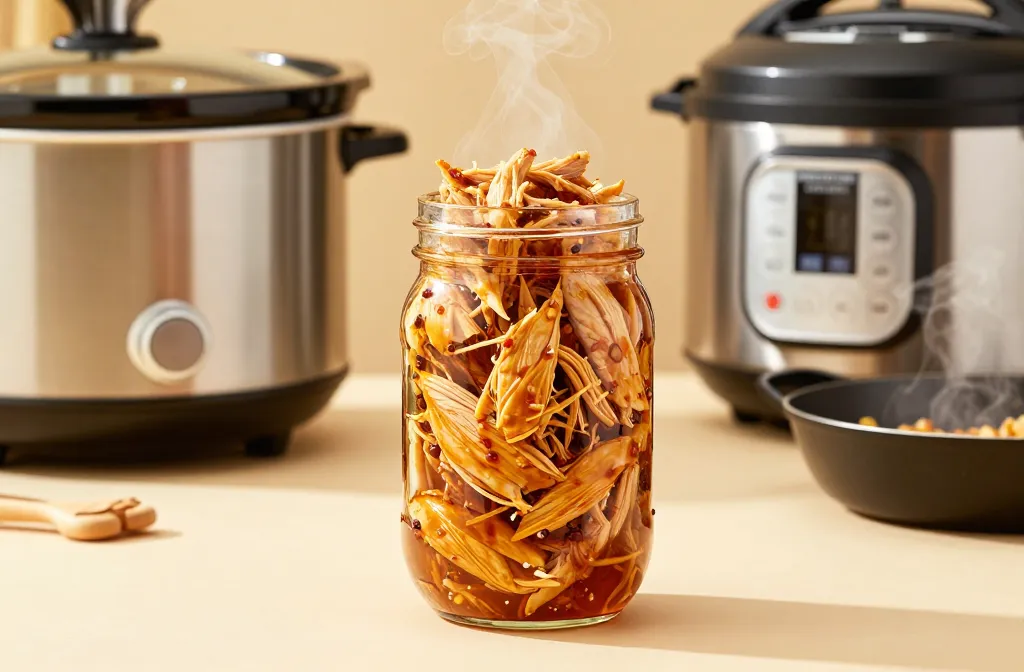
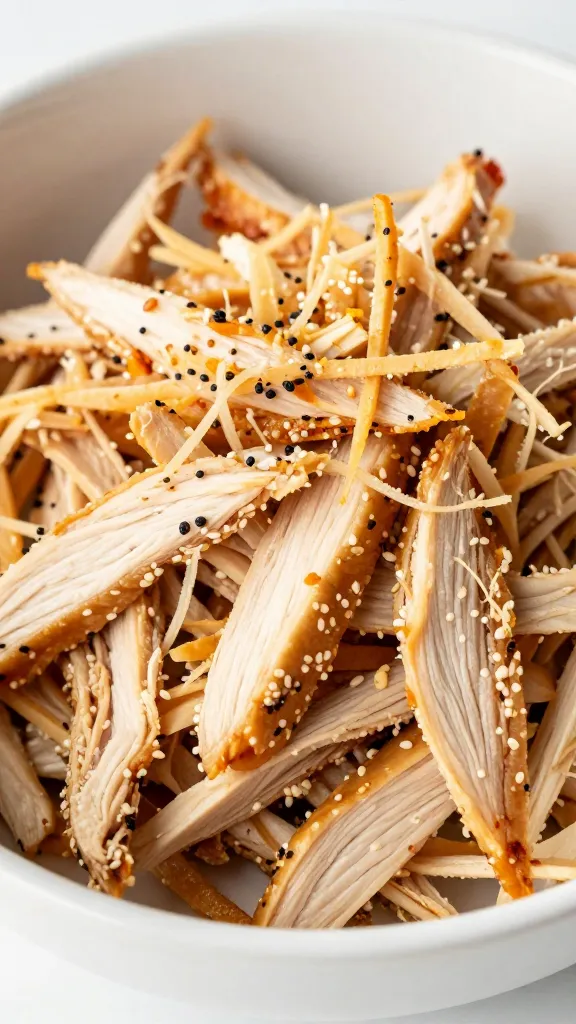
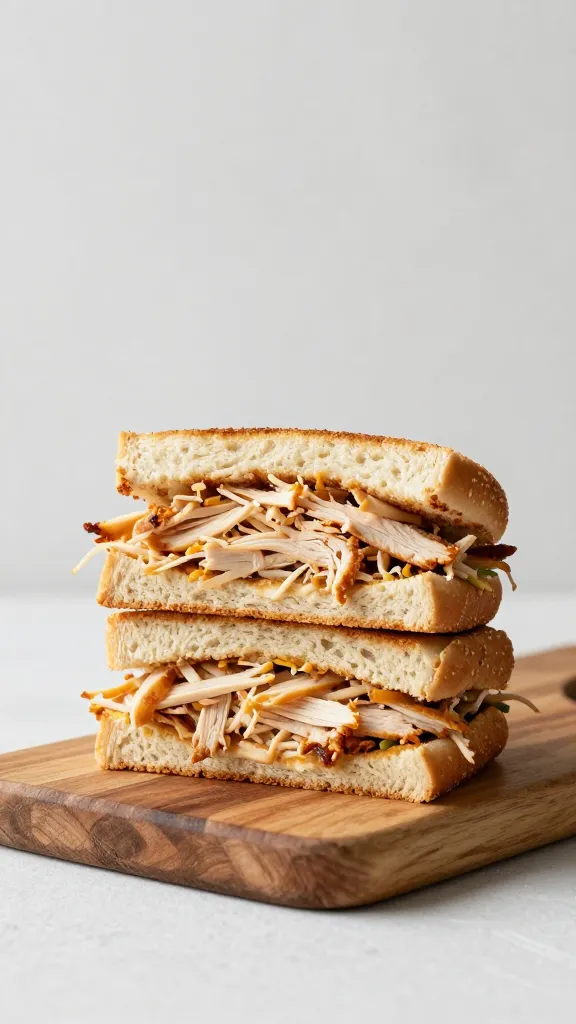
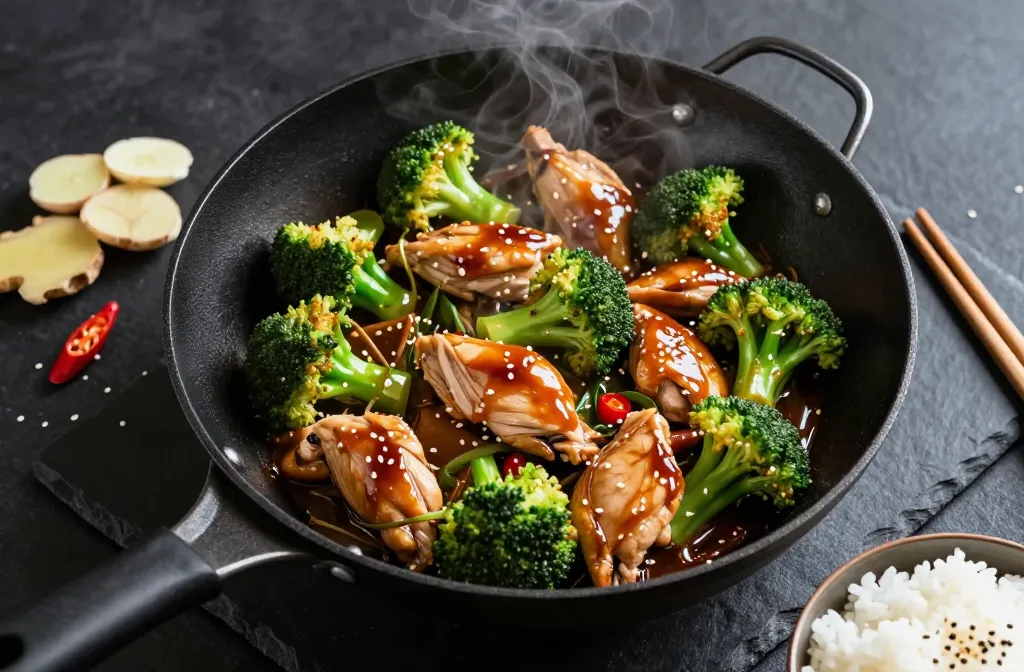
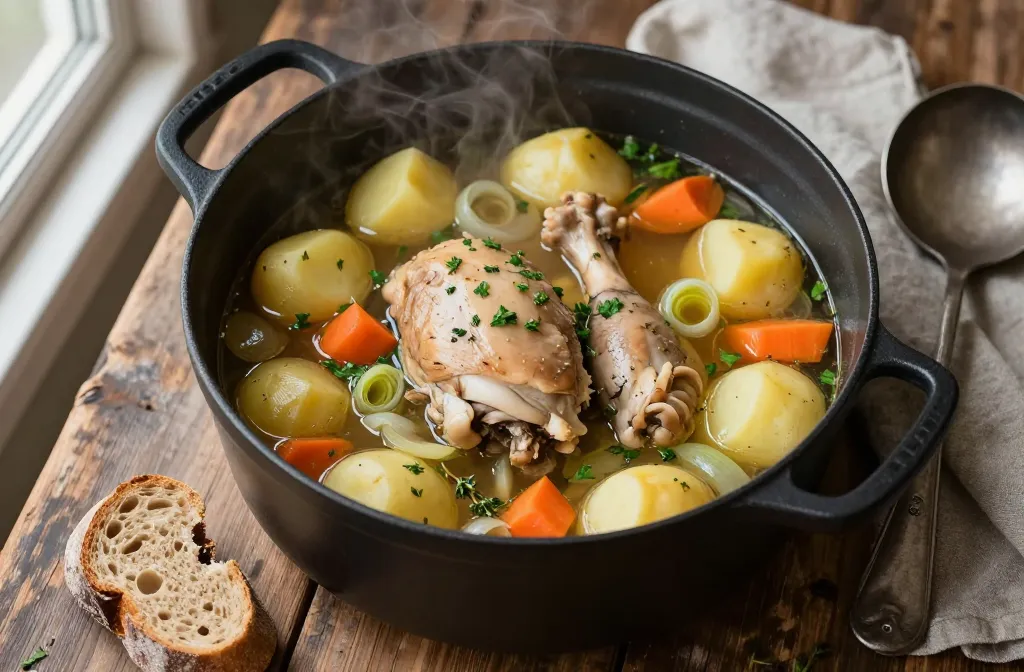
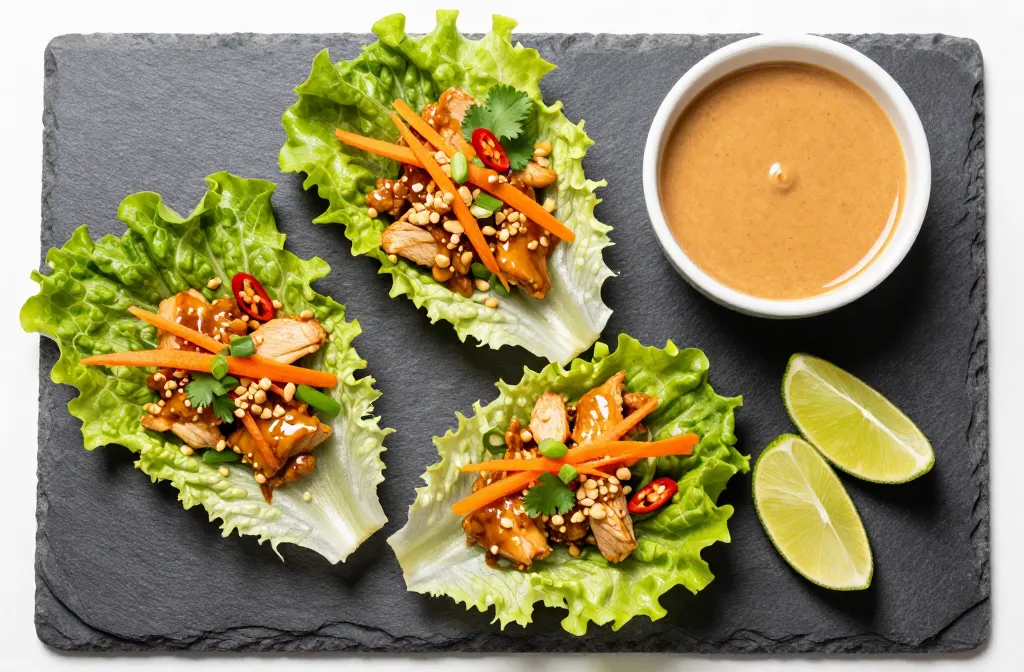
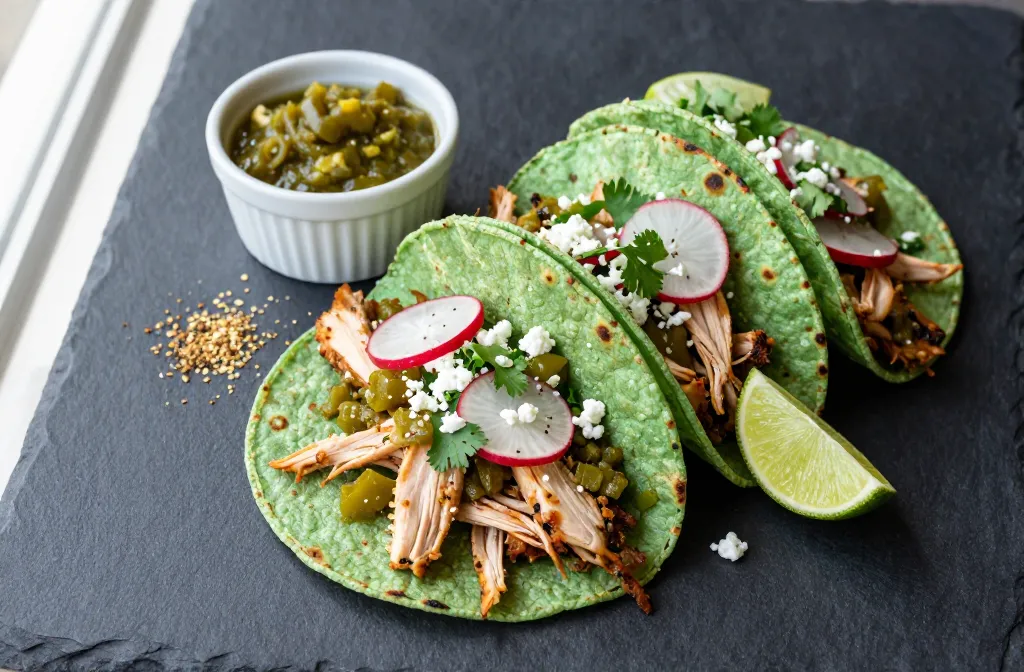
Starting with a quick truth bomb: shredded chicken can be amazing or meh, and the difference often comes down to technique, not magic. You don’t need a marathon of steps to get juicy, fluffy shreds. Grab a couple of simple methods, a few smart tweaks, and you’ll have shredded chicken that steals the show.
Three Easy Ways to Shred Chicken (No Stress, Mostly Flavor)
Shredded chicken sounds fancy, but it’s basically flexible, reliable protein you can use anywhere. Here are three simple methods that fit different vibes—whether you’re meal-prepping, whipping up tacos, or stuffing into sandwiches.
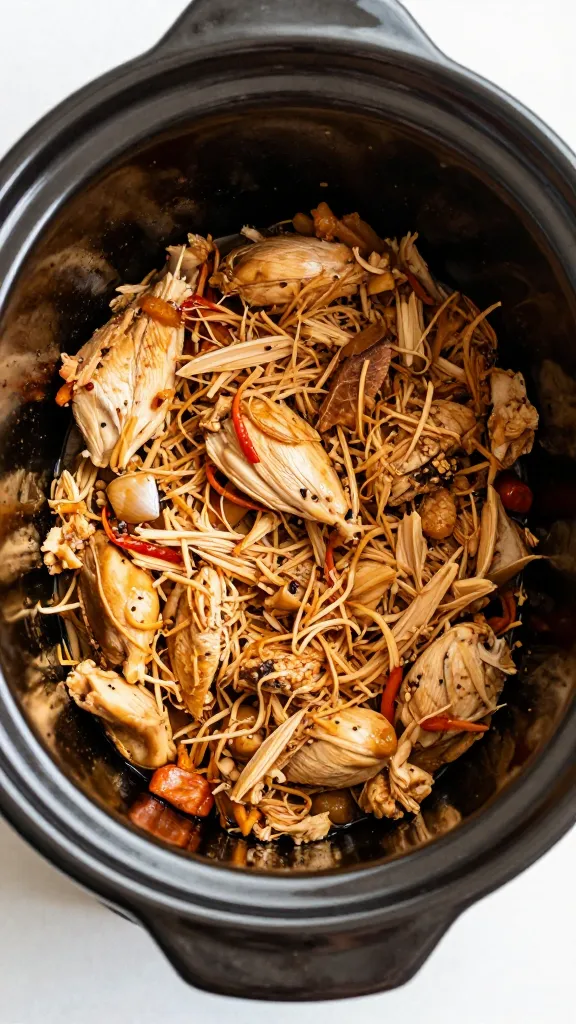
1) The Slow Cooker Dream: Set It and Forget It
– Put boneless, skinless chicken breasts or thighs in the slow cooker. – Add a splash of broth or water and a pinch of salt. – Cook on low 6–7 hours or high 3–4 hours, until the chicken shreds easily. – Shred with two forks right in the pot, letting the juices coat every strand. Why this works: low heat for a long time keeps the protein tender, and the cooking liquid helps prevent dryness. FYI, you can boost flavor by adding garlic, onions, or a teaspoon of your favorite spice blend.
2) The Instant-Classic: Pressure Cooker or Instant Pot
– Add chicken, a cup of broth, and a splash of lime or lemon juice for brightness. – Pressure cook on high for 10 minutes (thick cuts may need 12), then natural release for 10 minutes. – Shred while still warm; the heat and moisture melt the fibers apart. Why this works: pressure cooking gives you tender, juicy chicken in a fraction of the time, perfect for weeknight chaos.
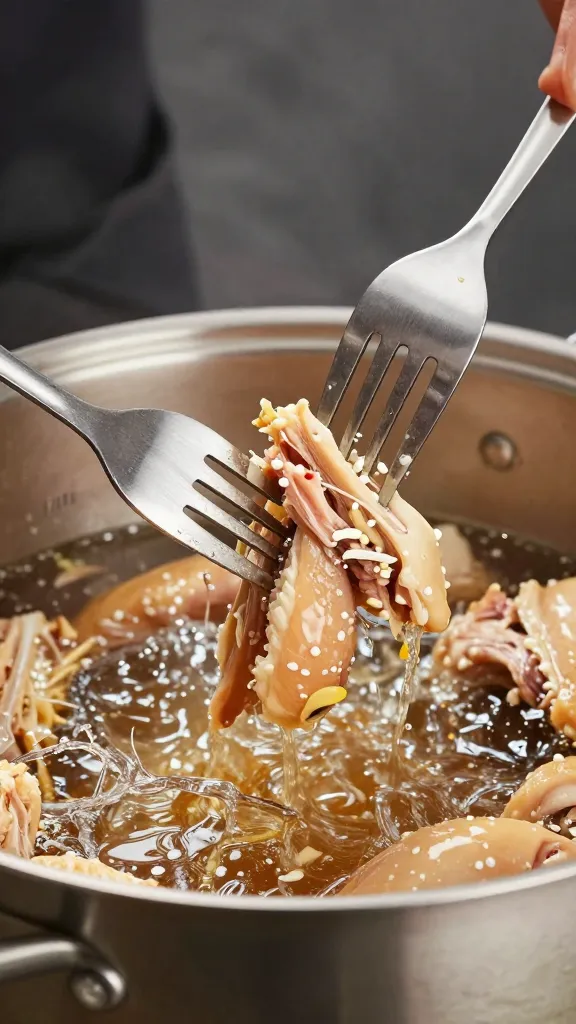
3) The Boil-and-Shred Method: Quick and Handy
– Submerge chicken in a pot of salted water or stock. – Boil gently until an internal temp hits 165°F (74°C), about 12–15 minutes depending on thickness. – Remove, rest a minute, then shred with forks or a stand mixer on low speed (great for large batches). Why this works: it’s fast, predictable, and you can salt the cooking water to season the meat from the inside out.
Why Your Shredded Chicken Turns Dry (and How to Fix It)
We’ve all had that moment: you shred, you serve, and it’s dry as the desert. Here’s what’s likely happening and how to rescue it.
Common culprits
– Overcooking: meat dries out once the proteins squeeze the moisture out. – Using the wrong cut: chicken breast, especially lean, dries faster than thighs. – Not enough moisture: shredding in dry air or on a plate without any juices. – Poor resting: rushing to shred right away can trap moisture in when it needs a moment to redistribute.
Fixes that actually work
– Choose thighs for juicier results, or mix thighs with breasts for balance. – Cook just until you can shred, then let it rest: 5–10 minutes makes a huge difference. – Shred in the cooking liquid or a little broth, then toss to coat. – Add a little fat back in: a drizzle of olive oil, a pat of butter, or a splash of pan juices. – Finish with a quick glaze or sauce to lock in moisture and add flavor.
Tips for best results
– For extra moisture, shred in warm liquid. Cold meat stiffens and dries faster. – If you’re prepping ahead, store shredded chicken with a bit of the cooking liquid to keep it succulent. – Don’t forget salt. It makes a big difference, especially if you’re planning to use the meat in multiple dishes.
Best Way to Reheat Without Drying It Out
Reheating shredded chicken can be a trap: you want hot, not rubbery. Here are no-fail methods.
– Warm a tablespoon of oil or a little stock in a skillet over medium-low. – Add shredded chicken in a thin layer, toss and heat through in 3–5 minutes. – Stir in a splash more broth or sauce to keep things saucy.
Steam to the rescue
– Place a heatproof bowl over a pot of simmering water (double boiler style) and cover. – Reheat for 5–8 minutes, stirring halfway. The steam keeps moisture in.
Microwave with a twist
– Place chicken in a microwave-safe bowl with a small amount of broth or sauce. – Cover with a damp paper towel or microwave-safe lid. – Heat in 30-second bursts, stirring between, until warmed through. This minimizes drying.
Pro tips for reheating leftovers
– Always add moisture: sauce, broth, or a splash of oil keeps it from drying out. – Don’t overheat. If it starts to look dry, pause and add liquid. – Use it within 3–4 days for best texture and flavor.
Tips, Tricks, and Quick Variations
A little extra guidance to keep you excited about shredded chicken.
Tips for best results
– Salt your cooking water or broth. It seasons from the inside out. – Pat the chicken dry before cooking to help avoid a soggy texture once shredded. – Let it rest briefly after cooking, then shred. Resting lets juices redistribute.
Ingredient swaps
– Swap thighs for breasts or mix both for a balance of moisture and lean protein. – Use different cooking liquids: chicken stock, salsa, coconut milk, or barbecue sauce for a flavored finish. – Add aromatics: garlic, onion, bay leaves, lime zest, or a splash of soy sauce for umami.
Pro Tips, Common Mistakes, Variations, and Quick Comparisons
Pro tips
– Freeze shredded chicken in small portions with a touch of the cooking liquid for fast meal prep. – If you’re adding it to salads, keep the chicken chilly in the fridge and add dressing just before serving to prevent wilting.
Common mistakes
– Overworking the meat during shredding, which can turn it stringy. – Shredding while the meat is still hot and steaming—wait a minute for the fibers to set a bit. – Not shredding uniformly; mix thick pieces with finer shreds for texture variety.
Variations
– Taco night: add chili powder, cumin, and lime; pile into tortillas with salsa and avocado. – BBQ chicken: shred and toss with your favorite barbecue sauce; heat to glaze. – Asian twist: ginger, garlic, sesame oil, and a splash of soy sauce; serve over rice or in lettuce cups.
Comparison blocks
– Texture: thighs win for moist, tender shreds; breasts dry out faster but can be balanced with more sauce. – Time: slow cooker wins for hands-off, but a pressure cooker is a close second for speed. – Flavor: cooking liquid + salt deliver more depth; dry shredded chicken begs for a saucy finish.
FAQ
Q: Can I shred frozen chicken? Not ideal. Thaw first to ensure even cooking and proper shredding. If you must, thaw in the fridge overnight and dry the pieces before cooking.
Q: How long does shredded chicken stay good? In the fridge, 3–4 days in an airtight container. Freeze for longer storage in portions for easy future meals.
Q: Do I need to add spices while cooking? You can, but keep it light if you plan to flavor later. A pinch of salt, garlic powder, and a bay leaf go a long way.
Q: Is shredded chicken the same as pulled chicken? Pretty close, but shredded usually means more fine strands; pulled tends to be chunkier. Both work in most all-purpose recipes.
Conclusion
Shredded chicken is secretly magical because it morphs to fit whatever you’re cooking. Three easy paths—slow cooker, pressure cooker, or boiling—cover every schedule, from laid-back Sundays to chaotic weeknights. If your first batch turns out a little dry, you’ve got a toolkit to fix it fast: swap in thighs, rest and shred, keep it moist, and finish with a saucy vibe. IMO, the key is to treat it like a versatile canvas, then let the flavors you love steal the show. So go ahead—cook, shred, and sprinkle your personality all over those dishes. Enjoy the flex, friend.
Disclosure: This post may contain affiliate links.
If you make a purchase through these links, I may earn
a small commission at no extra cost to you.
prab chahal
Hi, I’m Prabjot Chahal – the heart (and taste buds) behind this blog!
Food has always been my love language – from experimenting with family recipes to discovering unique flavors from around the world. I believe that cooking isn’t just about following a recipe, it’s about creating moments, sharing stories, and connecting with others over something delicious. Through this blog, I want to build a vibrant food community where we share more than just recipes – we share inspiration, tips, and the joy of making and enjoying good food together. Whether you’re here for quick weekday dinners, festive treats, or creative seasonal ideas, you’re part of this table. So grab a fork (or a whisk!) and let’s cook, bake, and share our love for food – one recipe at a time.