It’s no secret that some foods light you up from the inside. You eat them, and suddenly you’re a human sauna. Curious which ones push your internal thermostat into overdrive? Let’s dive into the 10 foods that increase body heat (and why you’ll want to avoid them if you’re chasing cool vibes).
What “body heat” actually means and why some foods crank it up
Ever notice how certain meals leave you sweating after a hot curry or a spicy salsa? Your body temperature can rise because some ingredients trigger your metabolism or simply feel spicy on your tongue. FYI, you don’t have to go full gym-bro to feel the heat—sometimes it’s just the dish, not your life choices. We’ll flag the culprits and offer smarter swaps so you can keep your cool when you want it.
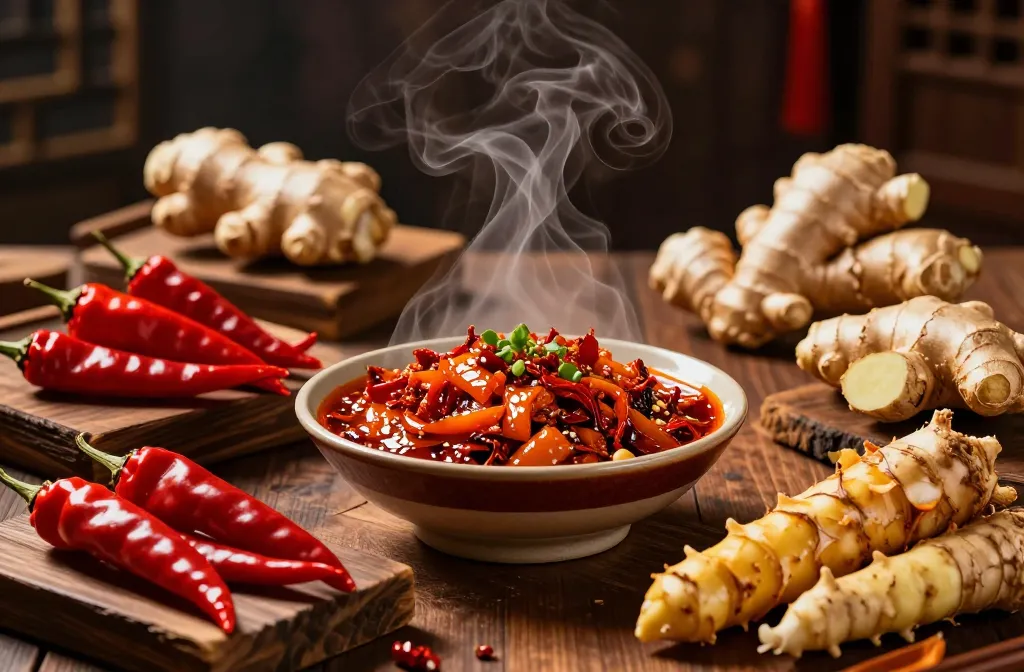
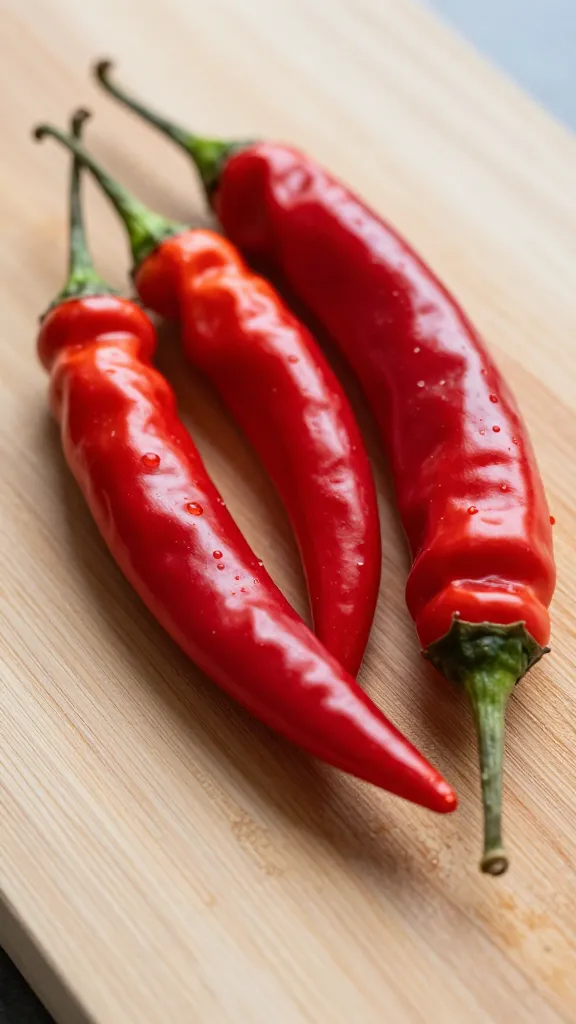
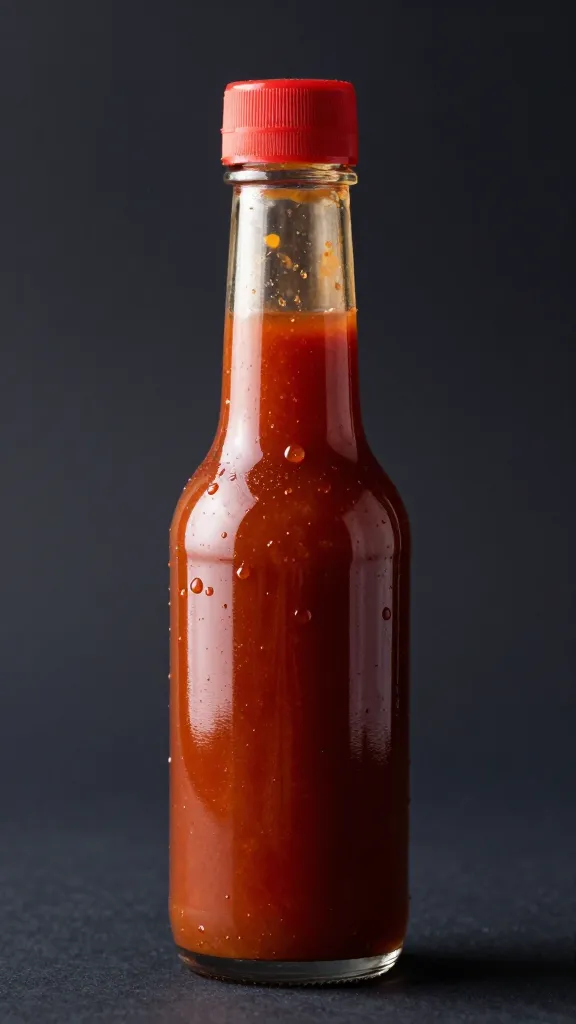
1) Spicy peppers and hot sauces
– Why they heat you up: Capsaicin, the magic compound in peppers, tells your brain you’re about to sweat. It revs up metabolism and opens those tiny blood vessels, which feels like a mini furnace in your face. – Quick tip: If you’re sensitive to heat, start with milder peppers or reduce portion size. You can also pair spicy dishes with cooling sides like cucumber or yogurt. – Best practice: Don’t blame a single pepper—overall spice level and how your body handles it matters. IMO, some people tolerate heat better than others.
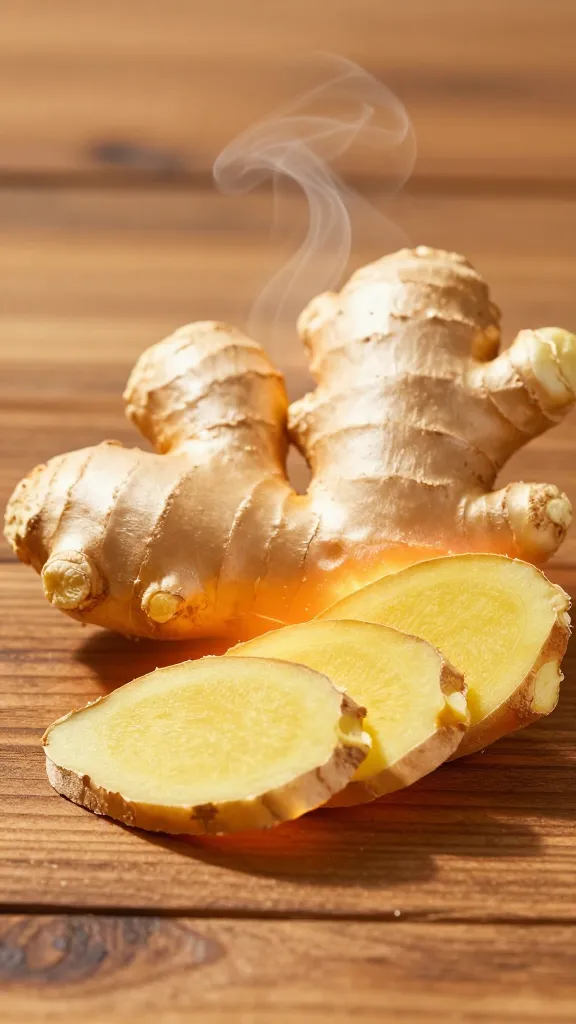
2) Ginger and horseradish
– Why they heat you up: Both stimulate circulation and can give you that warming, tingling sensation. It’s not just flavor—your blood starts to move a little faster. – Best swap: If you love the zing but hate the heat, use smaller amounts or combine with cooling herbs like mint. – Pro tip: If you’re taking blood thinners or have ulcers, check with a doc—ginger can interact in some cases.
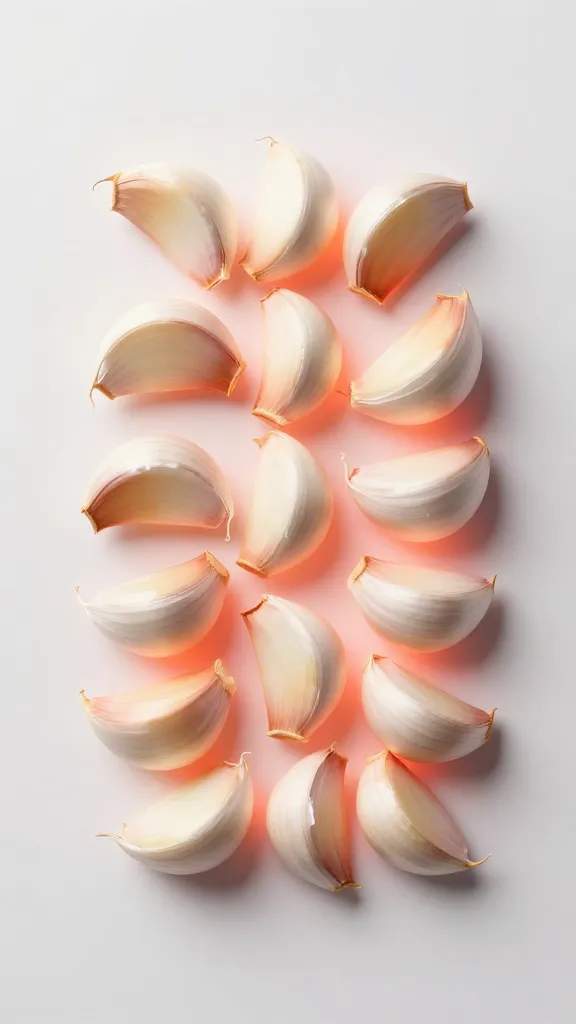
3) Onions, garlic, and allium family
– Why they heat you up: They’re pungent and strong, which can trigger a slight metabolic bump and make you feel warmer as your body tackles the flavor explosion. – When to skip: If you’re eating late at night or have digestive sensitivity, you might want to scale back. – Quick trick: Grill these veggies to mellow the heat and add a little sweetness that keeps you comfy.
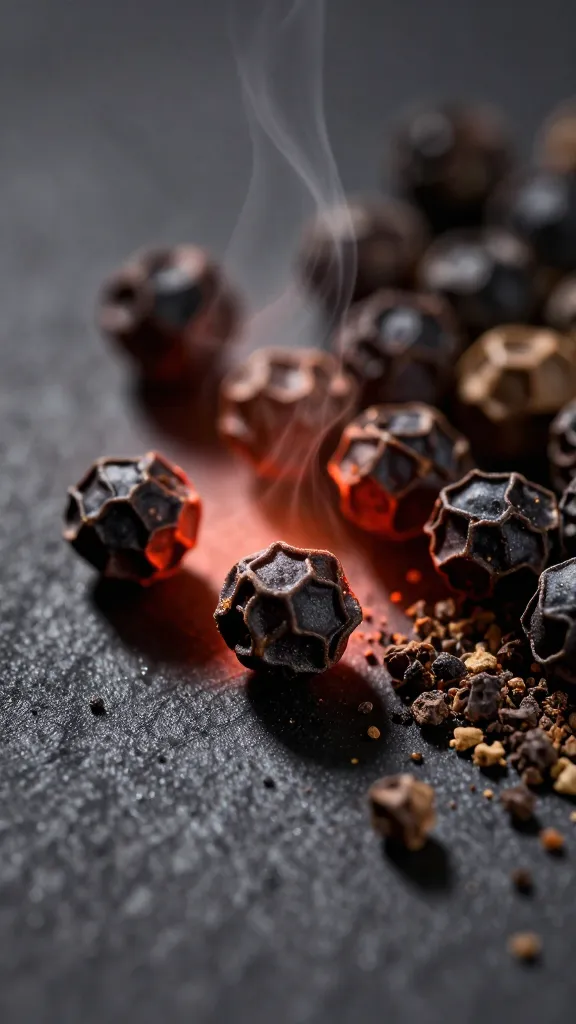
4) Black pepper and other hot spices
– Why they heat you up: Piperine, the compound in black pepper, nudges metabolism and increases circulation a bit. It’s like a tiny, flavorful booster rocket. – How to use smartly: Use pepper to finish dishes rather than cooking heavy, so your body isn’t blasted with heat hours after the plate is cleared. – FYI: If you’re sensitive to heat, balance with fats (olive oil, avocado) to smooth things out.
5) Caffeinated drinks and energy boosters
– Why they heat you up: Caffeine raises adrenaline and heart rate, which can make you feel warmer. Add in sugar and maybe a spicy snack, and you’ve got a human furnace. – Safer approach: Limit late-day caffeine to keep your sleep from turning into a marathon. Hydrate with water or herbal tea to balance the heat. – Quick swap: Switch to decaf or green tea in the evening, and save the strong stuff for mornings.
6) Alcohol, especially hot or spicy cocktails
– Why they heat you up: Alcohol dilates your blood vessels, so you feel warm—but later you crash. Spices in cocktails can push the effect further. – Best practice: If you’re trying to stay cool, sip slowly and pair with non-alcoholic chasers to stay hydrated. – Common mistake: Piling on the heat with extra peppers or hot sauces in bar bites? That’s a quick way to overheat.
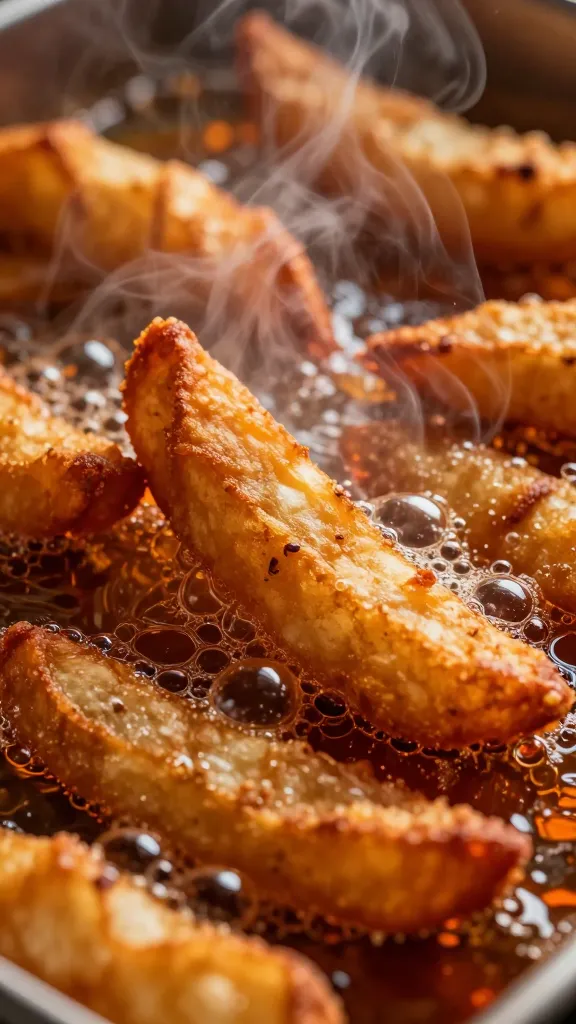
7) Fried foods and heavy oils
– Why they heat you up: Fat slows digestion but can make your body work harder to process meals, which can feel like extra warmth. Deep-fried items often come with high salt too, which can worsen sweating. – Smart swap: Bake, air-fry, or grill instead. You’ll still get crave-worthy crisp without the post-meal sauna. – Tip: Balance with fiber-rich veggies to help digestion move along smoother.
8) Processed meats and high-sodium dishes
– Why they heat you up: Sodium makes your blood volume puff up a bit, which can raise body heat and blood pressure. That salty hug isn’t always friendly. – How to handle it: If you’re going to indulge, drink water, and balance the meal with potassium-rich sides like bananas or leafy greens. – FYI: If sweating is part of a bigger problem (like overheating during workouts), consider trimming processed meats from the regular rotation.
– Why they heat you up: Quick sugar spikes can trigger a rapid metabolic response, plus some folks feel extra warm after a big sugar rush. – Better approach: Choose complex carbs with fiber to avoid big swings. Oats, quinoa, sweet potatoes—these keep energy steady and cooler on the dashboard. – Pro tip: Pair carbs with protein and healthy fats to blunt the heat spike.
10) Dairy in sensitive individuals
– Why it heat you up: For some people, dairy can cause GI distress or a slight inflammatory reaction, which can feel like internal warmth. – What to do: If dairy bothers you, try plant-based alternatives or lactose-free options. Track what you eat and how you feel to spot patterns. – Quick fix: If you love dairy, keep portions moderate and combine with cooling foods like cucumbers or herbs.
Subsection: How to handle the heat without losing flavor
– Tips for best results – Build meals with a balance of flavors: spicy, sour, sweet, and cooling elements all in one dish. – Hydrate smartly: water is your best friend, but a splash of citrus or cucumber can make it feel fancy and refreshing. – Don’t go cold turkey: you don’t have to ditch all heat. Just time it right and keep portions reasonable.
Ingredient swaps
– Swap spicy peppers for milder varieties and add fresh herbs to maintain flavor without the burn. – Replace fried items with roasted or grilled options and use healthy fats to carry flavor without overheating. – Switch to dairy-free options if dairy causes discomfort, using those to keep things cool.
Pro tips
– Eat smaller, more frequent meals to keep your thermostat from flipping wildly. – Sip water between bites and finish with a cooling herb like mint after a spicy dish. – If you’re exercising, save the heaty foods for post-workout meals when your body is already warm.
Common mistakes
– Ignoring hydration after spicy meals. Water helps, but electrolytes matter too. – Overloading on one heat source. A little capsaicin is fine, but too much plus salty sides can feel brutal. – Assuming “natural” means harmless. Some spices can irritate if you have sensitive stomachs.
Variations
– Spice-free but warm: Use warming spices like cinnamon or cardamom in desserts or tea to create a cozy heat without the fiery burn. – Cooling accompaniments: Always pair hot dishes with cucumber, yogurt, or mint to balance the heat.
FAQ
– Do spicy foods permanently raise body temperature? No. They trigger a temporary heat response and then calm down as your body processes the meal. – Can I still enjoy heat and stay cool? Absolutely. Manage portions, pair with cooling foods, and stay hydrated. – Is alcohol always a heat-maker? Not always. It can feel warm at first, but it may lead to a later drop and dehydration, which makes you feel cooler yet often worse.
Conclusion
If you’re chasing a cool vibe, know your heat culprits and pair them with cooling tactics. Some foods spike your internal thermostat more than others, but you don’t have to give up flavor to keep your chill. Try swapping in milder options, loading up on hydration, and balancing spicy bites with greens and yogurt. IMO, a little intentionality goes a long way—you can enjoy bold flavors without turning yourself into a human radiator.
Disclosure: This post may contain affiliate links.
If you make a purchase through these links, I may earn
a small commission at no extra cost to you.
prab chahal
Hi, I’m Prabjot Chahal – the heart (and taste buds) behind this blog!
Food has always been my love language – from experimenting with family recipes to discovering unique flavors from around the world. I believe that cooking isn’t just about following a recipe, it’s about creating moments, sharing stories, and connecting with others over something delicious. Through this blog, I want to build a vibrant food community where we share more than just recipes – we share inspiration, tips, and the joy of making and enjoying good food together. Whether you’re here for quick weekday dinners, festive treats, or creative seasonal ideas, you’re part of this table. So grab a fork (or a whisk!) and let’s cook, bake, and share our love for food – one recipe at a time.