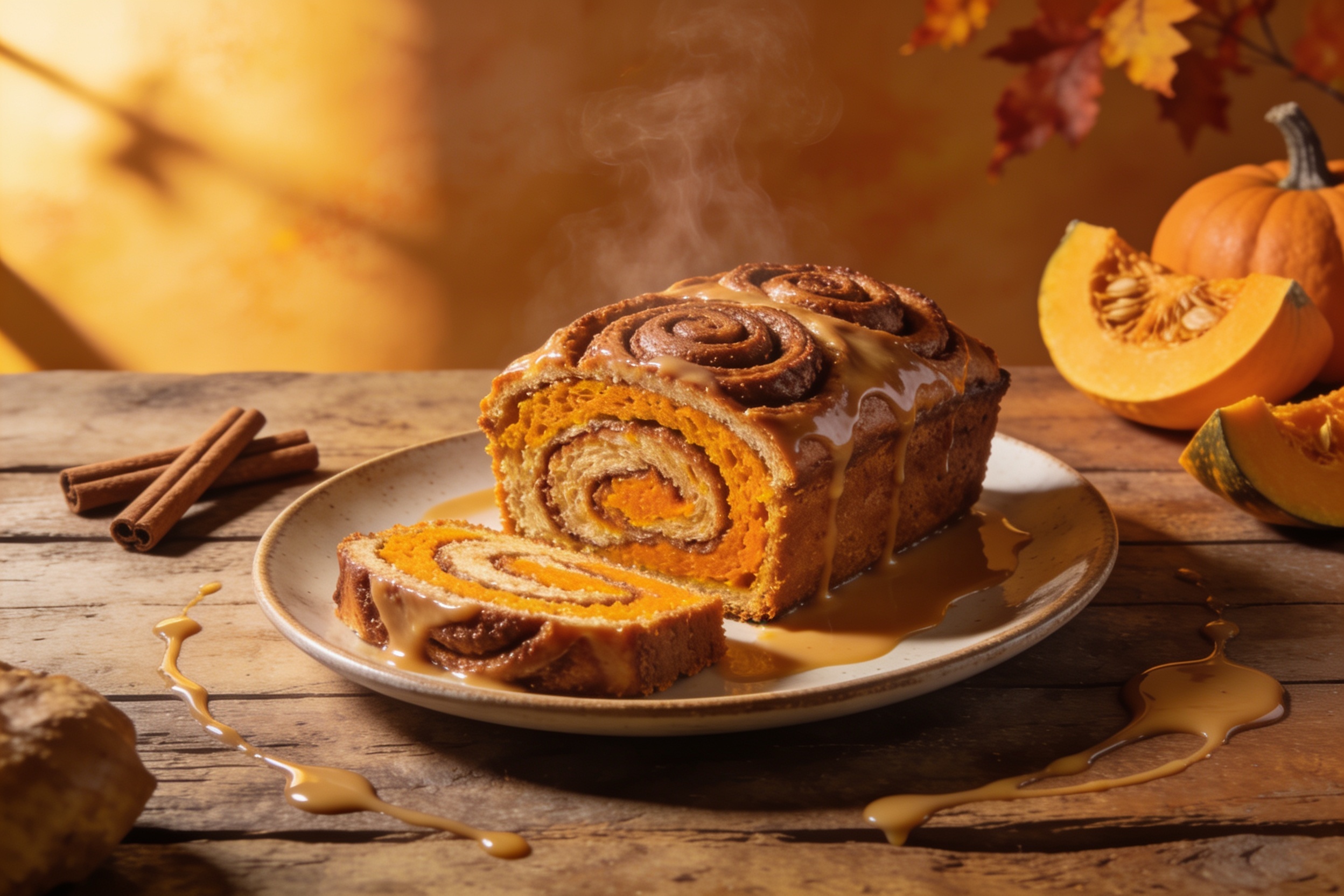
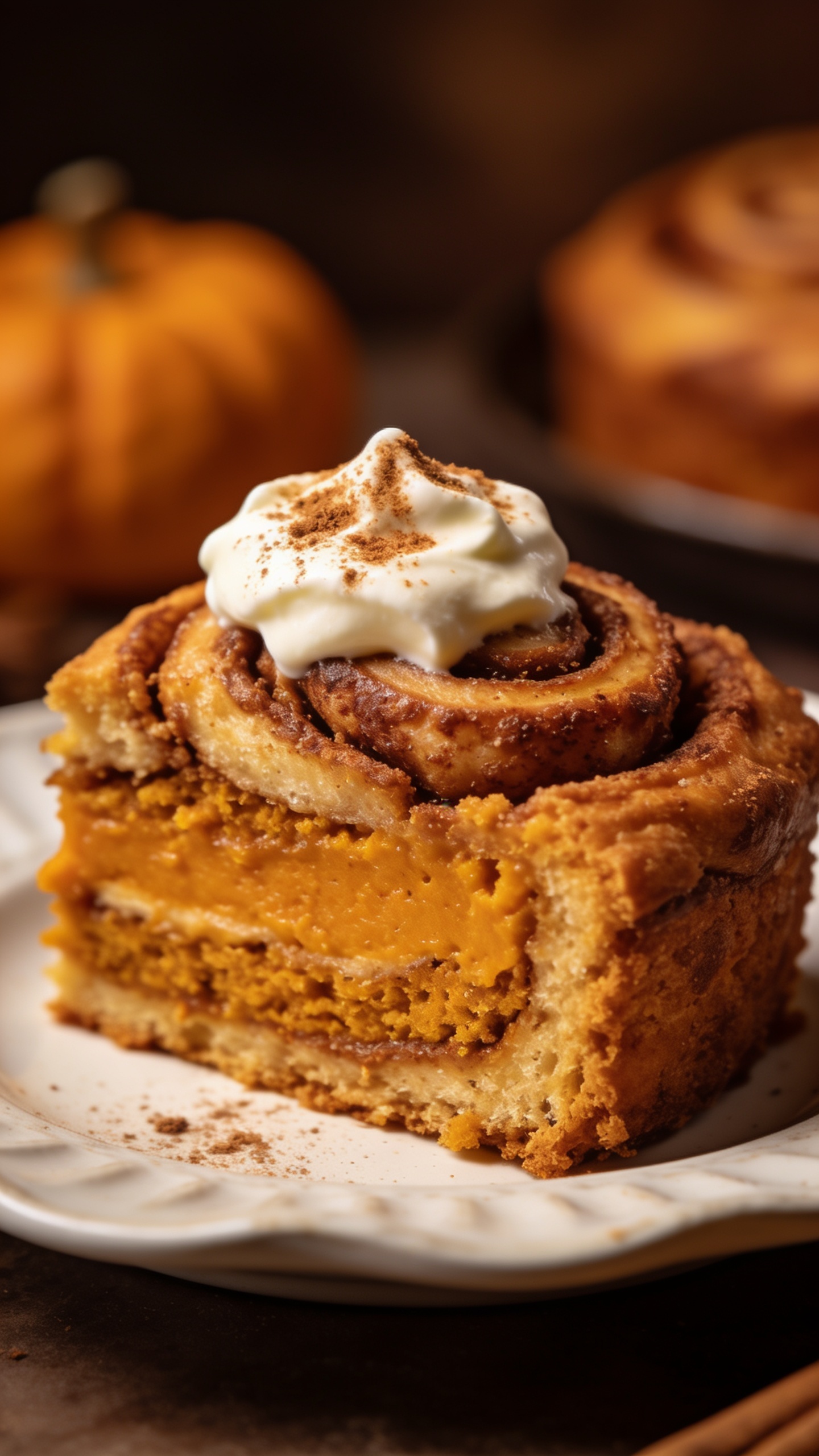
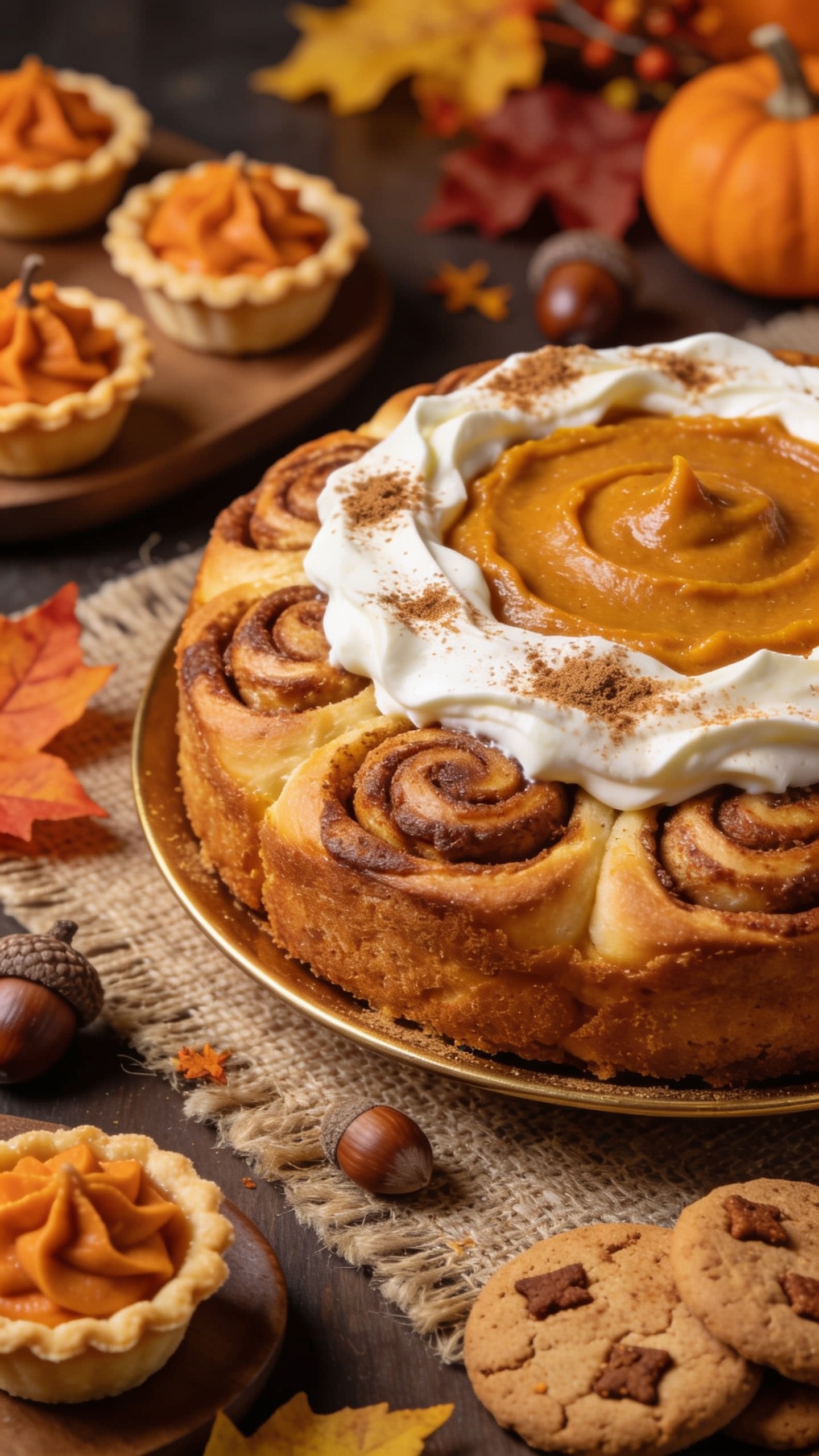
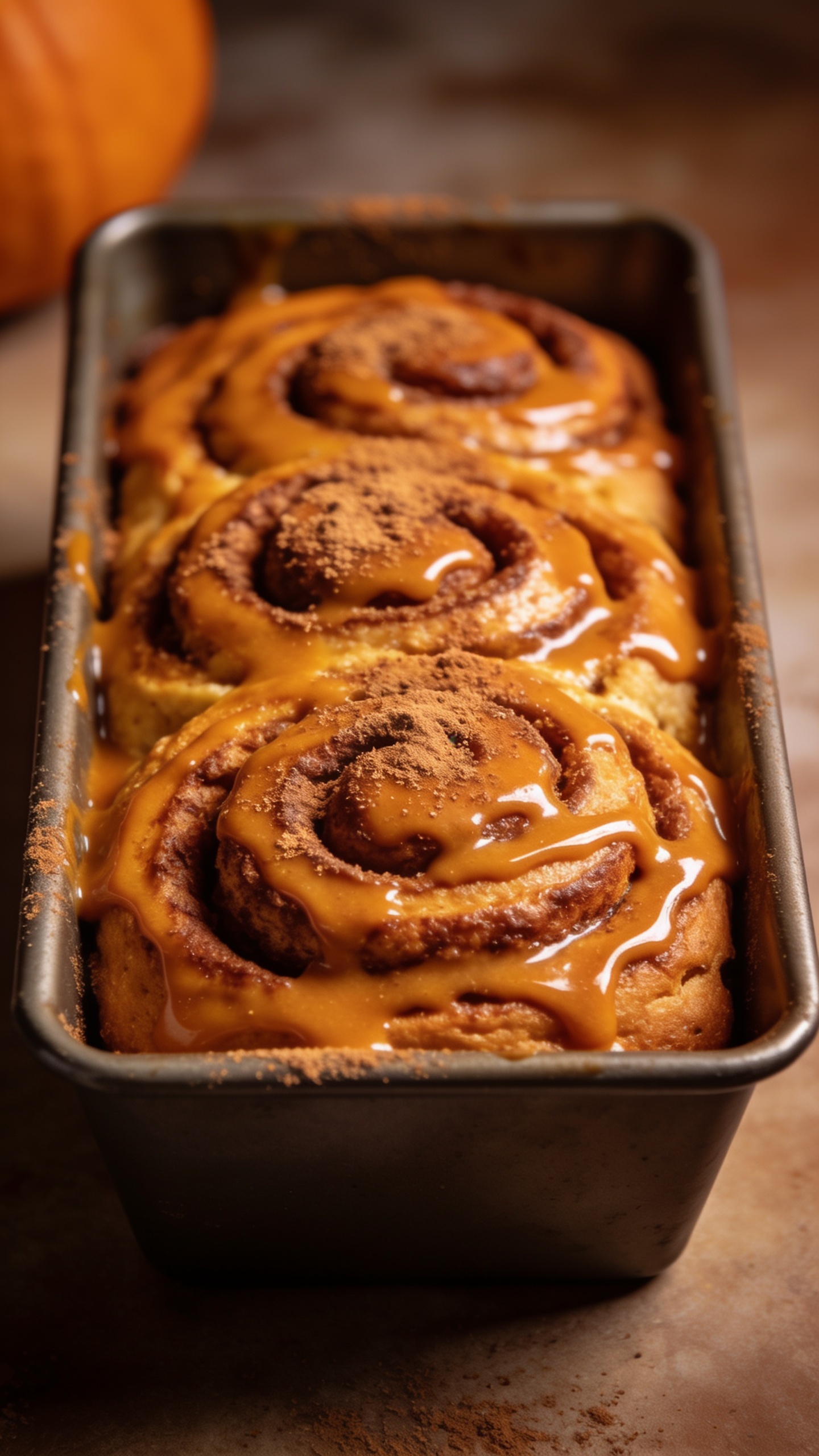
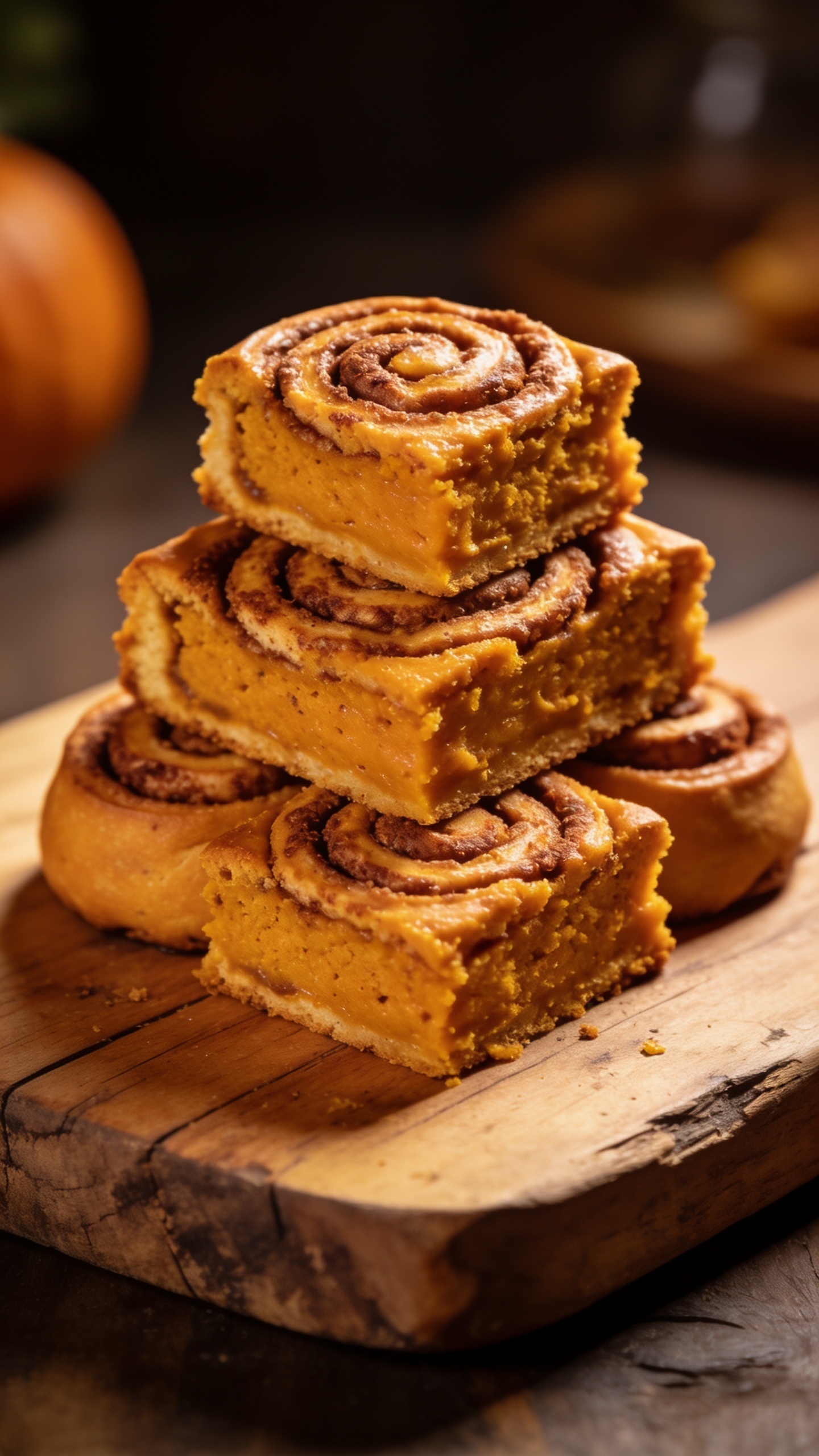
When pumpkin meets cinnamon, magic happens. The pumpkin cinnamon roll cake is a crowd-pleasing, dessert-table magnet that blends the cozy warmth of cinnamon rolls with the seasonal crave of pumpkin desserts. It’s not just a pretty plate; it’s a practical, make-ahead showstopper that stays tender, stays moist, and slices beautifully. If you’ve ever wanted the best of two beloved treats in one loaf, pan, or sheet, you’re about to unlock a recipe that earns seconds, and thirds, without the usual drama of separate desserts.
This article dives into how to craft a pumpkin cinnamon roll cake that tastes like comforting fall nostalgia and reads like a pro kitchen experiment—without the guesswork. You’ll discover structure, pros and cons, common missteps, expert tips, and real-world tweaks that elevate the dish from home-baker novelty to staple dessert.
We’ll cover the basics fast, then uncover tips that save time, maximize flavor, and ensure every slice carries that signature swirl. By the end, you’ll know how to bake, decorate, and tailor this cake to holidays, potlucks, or simple weeknight indulgence.
From flavors to textures, this guide aims to be the one you return to when pumpkin season hits and you want something that feels familiar yet undeniably special. Ready to bake a pumpkin cinnamon roll cake that earns standing ovations? Let’s bake smart, together.
Key Takeaways
Combines pumpkin puree, warm spices, and a cinnamon-sugar swirl for a layered, bakery-worthy cake flavor.
Versatile formats: sheet cake, loaf, or round cake with a ribbon swirl; adaptable to pans you already own.
Moist texture comes from pumpkin, sour cream or yogurt, and careful folding to avoid overmixing.
Swirl and frosting are serviceable at room temperature; chill briefly for cleaner slices and better layering.
Common mistakes include overmixing, underbaking, and rushing the cinnamon filling; plan time and test doneness.
Expert tips focus on balance (pumpkin flavor vs. cinnamon), batter stability, and make-ahead options for meal prep.
A pumpkin cinnamon roll cake is essentially a pumpkin-spiced cake with a cinnamon-sugar swirl integrated into the batter or layered through ribbons, mimicking the classic cinnamon roll. It often features cream cheese frosting, echoing the signature pairing of pumpkins and cream cheese frosting, but it can also stand on its own with a simple glaze.
Core components typically include:
Pumpkin batter with pumpkin puree and spices (cinnamon, nutmeg, cloves, allspice).
Sugar-cinnamon swirl folded or swirled through the batter for that roll-like impact.
Moisture boosters like sour cream, yogurt, or buttermilk to keep the crumb tender.
Cream cheese frosting or a cinnamon glaze to finish, tying the flavors together.
The result is a dessert that tastes like fall in a slice—soft, fragrant, and comforting, with a hint of indulgence that’s perfect for gatherings or a weekend bake-ahead project.
Why This Dessert Stands Out
Flavor complexity from pumpkin’s earthy sweetness and warm spices, balanced by tangy cream cheese frosting.
Texture contrast between a tender crumb and a glossy, cinnamon-sugar ribbon.
Versatility for year-round appeal with seasonal tweaks (maple glaze, pecan topping, or chocolate drizzle).
Make-ahead friendliness—bake, store, and reheat or serve cold for different experiences.
Common Drawbacks and How to Counter Them
Dense crumb from overmixing or too much flour. Solution: mix until just combined, use accurate measurements, and avoid overworking the batter.
Dry edges if baked too long. Solution: monitor with a toothpick, bake at a slightly lower temperature if your oven runs hot, and use a light batter with moisture boosters.
Heavy frosting overpowering pumpkin flavor. Solution: balance sweetness, whip cream cheese frosting smoothly, and add a touch of vanilla and citrus to brighten.
Choosing Formats: Sheet, Round, or Loaf
The format affects texture, serving size, and bake time. Here are quick guidelines:
Sheet cake (11×15 inch or similar) yields generous, shareable slices and quick distribution for parties. Swirl can be layered or purely folded in and baked as a marbled effect.
Round cake (9-inch) offers elegant presentation with a defined center swirl; perfect for celebrations and stacking with frosting between layers.
Loaf form gives a rustic look and easier transport; best for a dense, sliceable treat that pairs well with coffee.
Key Ingredients: What to Look For
Quality ingredients shine in this dessert. Here’s what to seek:
Pumpkin puree with no added sugar or spices for control over flavor; canned puree is reliable, or you can roast your own pumpkins and puree for deeper flavor.
Warm spices—cinnamon is essential, with optional nutmeg, allspice, cloves, or ginger for depth.
Cream cheese for frosting; full-fat for richness, or a lighter version if you prefer.
Moisture boosters—sour cream, yogurt, or buttermilk keep the crumb tender and prevent dryness.
Expert Tips: Building Flavor and Texture
Brown the butter lightly for richer pumpkin flavor, then fold it carefully into the batter for depth without risking a dense crumb.
Whip the filling with a touch of cornstarch to help it hold its shape when swirled, creating crisp, distinct ribbons.
Warm spices should be balanced; if your cinnamon is mild, add a pinch of allspice or cardamom to enhance aroma without overpowering the pumpkin.
Use room-temperature ingredients to ensure a uniform mix and better emulsification for a smoother batter.
Let the cake rest after baking for a few minutes before slicing; this helps the structure set and slices cleanly.
Best Practices for Batter and Filling
To ensure a harmonious final product, follow these best practices:
Measure accurately. Spoon flour into the cup, level, and avoid packing. Too much flour makes the cake dry.
Combine dry ingredients separately and sift if possible to avoid lumps and ensure an even crumb.
Pour batter into the pan evenly; tap once to reduce air pockets that lead to uneven textures.
Create a generous cinnamon swirl for visible ribbons and striking slices; swirl technique matters—gentle, slow motion from center to edge yields clean lines.
Cool completely before frosting to prevent melting the cream cheese glaze.
Real-Life Examples: How Bakers Use This Recipe
Home bakers often adapt this dessert for holidays, potlucks, or weekend treats. Here are two common approaches:
<strongHoliday centerpiece: Bake in a round cake pan, layer with frosting between the layers, and decorate with candied pecans and a light dusting of powdered sugar. It becomes a focal point that tastes as good as it looks.
<strongWeeknight loaf: Bake in a loaf pan, glaze with a simple vanilla glaze, and serve warm with coffee. It’s a comforting, no-fuss treat that still delivers that cinnamon-roll essence.
Frequently Overlooked Details
Evenly distribute the swirl so every slice has a ribbon of cinnamon. This is critical for visual appeal and taste balance.
Choose a frosting consistency that’s easy to spread but doesn’t ooze off the cake; if too soft, chill briefly to firm up.
Temperature in the kitchen matters. Avoid baking in very humid environments that can affect the crumb texture and glaze setting.
Actionable Recommendations for Home Bakers
Prep all ingredients before you start. Mise en place makes the process smoother and reduces mistakes.
Test bake times with a tester in the center; bake times vary by pan material and oven quirks.
Keep frosting at room temperature for easy spreading; a quick whip helps smooth texture and prevents lumps.
Consider a maple-cream cheese swirl for a seasonal twist that still nods to classic flavors.
Trends and Developments
Current trends show bakers pairing pumpkin with citrus notes (orange glaze for brightness) and adding toasted pecans for crunch. Personalization through toppings—candied pepitas, whipped cream rosettes, or caramel drizzle—adds flair without complicating the base recipe. If you’re sharing on social media, a clean swirl and a glossy frosting photograph well, drawing engagement and shares.
Comparisons: Pumpkin Cinnamon Roll Cake vs. Traditional Pumpkin Pie
Aspect
Pumpkin Cinnamon Roll Cake
Traditional Pumpkin Pie
Texture
Soft, cake-like with cinnamon swirls
Smooth custard with flaky crust
Flavor notes
Pumpkin, cinnamon, cream cheese frosting
Pumpkin, spices, often brown sugar and evaporated milk
Prep time
Active 20–30 min, bake 30–40 min
Active 20–30 min, bake 45–60 min
Make-ahead
Yes; good for 1–2 days refrigerated
Yes; best made a day ahead for flavors to meld
Expert Tips
Flavor balance: If the cake tastes slightly sweet without pumpkin depth, add a teaspoon of espresso powder to the batter to heighten the pumpkin’s natural flavors. It’s subtle and doesn’t make the dessert taste coffee-forward.
Texture control: For a lighter crumb, switch to a combination of all-purpose flour and a touch of cake flour. If you prefer denser, use regular all-purpose only.
Color and aroma: A quick pinch of ground cardamom or allspice will lift the aroma and color without changing the flavor profile dramatically.
Frequently Asked Questions
Is this recipe suitable for beginners?
Yes. With careful measuring, a straightforward swirl technique, and a forgiving batter, beginners can achieve a bakery-worthy result. The key is not to overmix and to watch bake times closely.
Can I make it ahead and reheat?
Absolutely. Bake the cake, cool, cover, and refrigerate for up to 2 days. Warm slices gently in the oven or microwave before serving to restore the cozy textures.
What frosting works best?
Cream cheese frosting is classic and complements pumpkin well. You can use a tangy lemon-cream cheese frosting for a brighter tone or a maple-vanilla glaze for a sweeter finish.
Can I skip the frosting?
You can. A light glaze or dusting of powdered sugar preserves a cleaner, dessert-table look. If you skip frosting, consider adding chopped nuts or a caramel drizzle for texture and contrast.
What’s the best pan size?
11×15 inch sheet pan or a 9-inch round pan work great. Loaf pans are a nice rustic option but yield a denser crumb and smaller slices.
How do I prevent a dry cake?
Use pumpkin puree, yogurt or sour cream, and do not overmix. Bake just until a tester comes out clean with a few moist crumbs. If your oven runs hot, reduce temperature by 25°F (about 14°C) and extend bake time slightly.
Can I freeze this cake?
Yes. Slice after it’s fully cooled, wrap individual portions, and freeze. Thaw in the fridge, then bring to room temperature or warm slightly before serving. Frosting can be added after thawing for best texture.
Conclusion: Final Thoughts
Final Thoughts
The pumpkin cinnamon roll cake blends two beloved fall flavors into a single, show-stopping dessert. It’s flexible, forgiving with the right care, and delightfully shareable. With a balanced approach to batter, swirl, and frosting, you’ll produce a dessert that feels both special and approachable—perfect for holiday spreads, potlucks, or a cozy weekend bake that becomes a new family favorite.
Tips to remember: measure accurately, don’t overmix, swirls should be visible but not overpowering, and frosting should compliment—not drown—the pumpkin flavor. Start with the base recipe, then experiment with toppings and glaze variations to make it uniquely yours.
Expert Tips
Always preheat your oven fully and prepare your pan with parchment or greasing to ensure clean release and even baking.
Room-temperature ingredients blend more easily, creating a smoother, more even crumb.
Using a toothpick or skewer, test the center at the minimum bake time; if it comes out with a few moist crumbs, it’s done. If it’s wet, bake a few minutes longer in 3–5 minute increments.
Let the cake rest after removing from the oven; the steam will continue to soften the crumb and set the structure for cleaner slices.
Common Mistakes To Avoid
Overmixing after adding flour, which creates a tougher crumb.
Overbaking, leading to dry edges and a crumb that’s crumbly rather than tender.
Too-thick frosting that overpowers the cake’s pumpkin flavor.
Uneven swirl distribution, resulting in too-sweet pockets or bland slices.
Frequently Asked Questions
What other flavors pair well with pumpkin cinnamon roll cake?
Maple, brown butter, pecans, orange zest, and a light lemon glaze all complement pumpkin without masking its core flavor. For a richer profile, drizzle salted caramel over the finished cake.
Is there a vegan version?
Yes. Use plant-based yogurt, non-dairy milk, and a vegan cream cheese substitute. Check the frosting for vegan margarine or coconut cream-based frostings. Replace eggs with a flax egg or applesauce as needed for structure, testing for moisture and crumb in advance.
How long does it stay fresh?
In an airtight container, refrigerated cake stays fresh for up to 5 days. For longer storage, freeze slices and rewarm as needed.
Can I add nuts or toppings?
Nuts (toasted pecans, walnuts) add texture. Toasted pumpkin seeds or a light caramel drizzle also work well for extra flavor and crunch.
How do I make a glaze instead of frosting?
A simple glaze of powdered sugar and milk or lemon juice works. Add vanilla or maple extract for depth. For a thicker glaze that sets, whisk in a bit of cream cheese or butter until glossy and thick enough to coat the back of a spoon.
What if I don’t have sour cream or yogurt?
Use an equal amount of Greek yogurt or buttermilk. If you’re dairy-free, use almond or coconut yogurt, but note that this may slightly affect the crumb and flavor.
Can I reduce sugar for a lighter version?
Yes. You can reduce the sugar in the batter and swirl by half while keeping enough sweetness for the cinnamon ribbon. You may need to adjust the frosting to compensate for sweetness levels.
What equipment helps with this recipe?
A standard 9-inch round pan or an 11×15 inch sheet pan, a bunt pan if you want a dramatic presentation, parchment paper for easy release, and a cooling rack for even cooling are all helpful.
What about dairy-free frosting?
Use a dairy-free cream cheese substitute and dairy-free butter or coconut cream. Whip until smooth and taste for balance. You may need to add a touch of lemon juice to brighten the glaze.
Can I make this in a mug or single-serving cup?
Portions can be scaled down, but the texture and swirl require a larger pan to bake evenly. If you’re experimenting, try a mini loaf pan first to gauge texture and flavor balance.
Is there a gluten-free option?
Yes, you can use a gluten-free all-purpose flour blend designed to replace all-purpose flour cup-for-cup. Add a touch more moisture if needed, since some gluten-free blends can produce a drier crumb.
What’s the ideal serving temperature?
The cake is delicious at room temperature, but slightly warm can amplify the pumpkin aroma and soften the frosting slightly for easier cutting.
What should I do if the swirl sinks?
Ensure the swirl filling isn’t too heavy; if it sinks, test with a lighter hand on the swirl and consider slightly reducing the swirl amount or thickness. Swirl with a light touch using a skewer or knife to minimize sinking.
How can I customize it for holidays?
Add candied cranberries for color, switch to a maple frosting, or decorate with autumn leaves-shaped sugar decorations. For Christmas, dust with powdered sugar and add a peppermint drizzle.
Disclosure: This post may contain affiliate links.
If you make a purchase through these links, I may earn
a small commission at no extra cost to you.
prab chahal
Hi, I’m Prabjot Chahal – the heart (and taste buds) behind this blog!
Food has always been my love language – from experimenting with family recipes to discovering unique flavors from around the world. I believe that cooking isn’t just about following a recipe, it’s about creating moments, sharing stories, and connecting with others over something delicious. Through this blog, I want to build a vibrant food community where we share more than just recipes – we share inspiration, tips, and the joy of making and enjoying good food together. Whether you’re here for quick weekday dinners, festive treats, or creative seasonal ideas, you’re part of this table. So grab a fork (or a whisk!) and let’s cook, bake, and share our love for food – one recipe at a time.