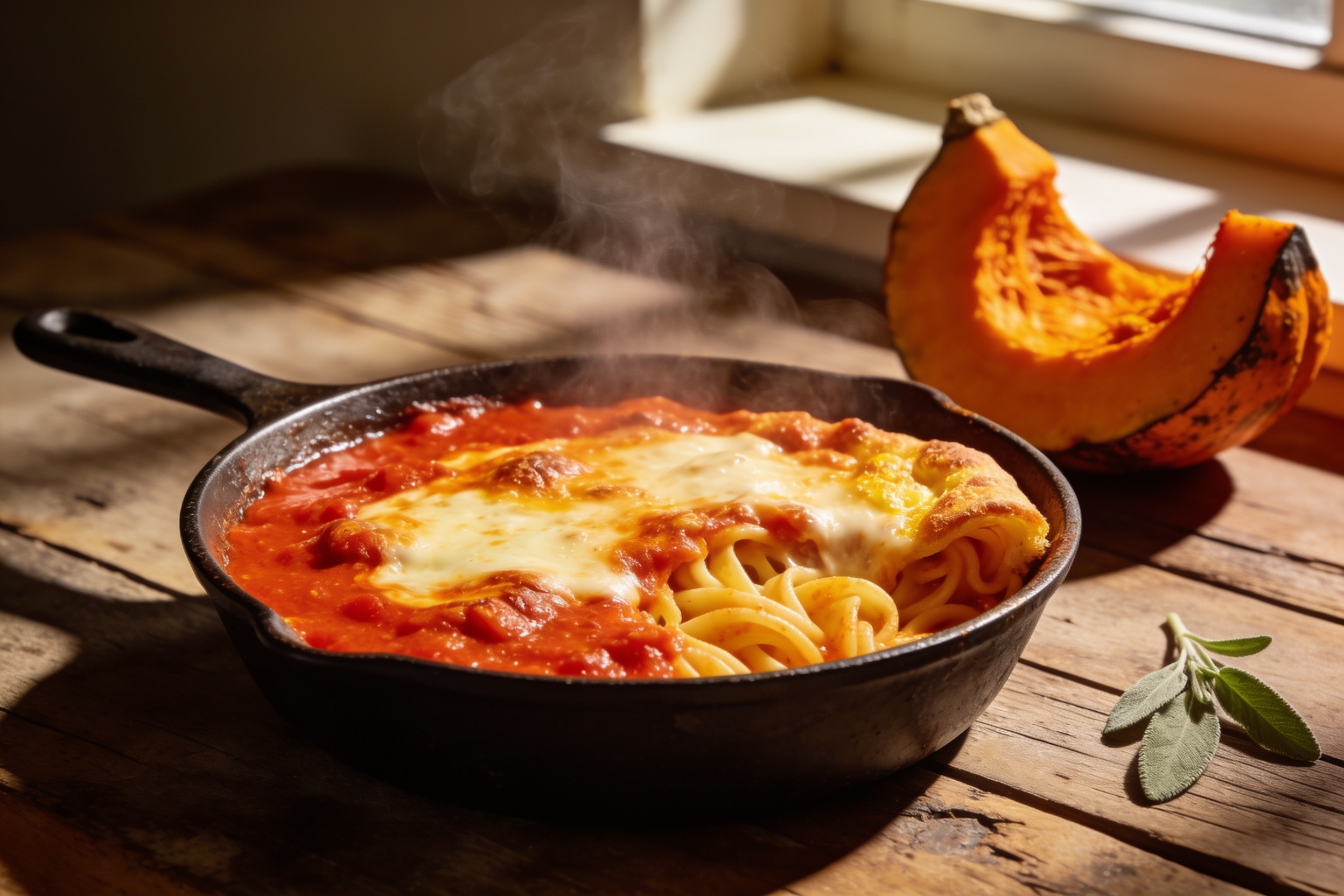
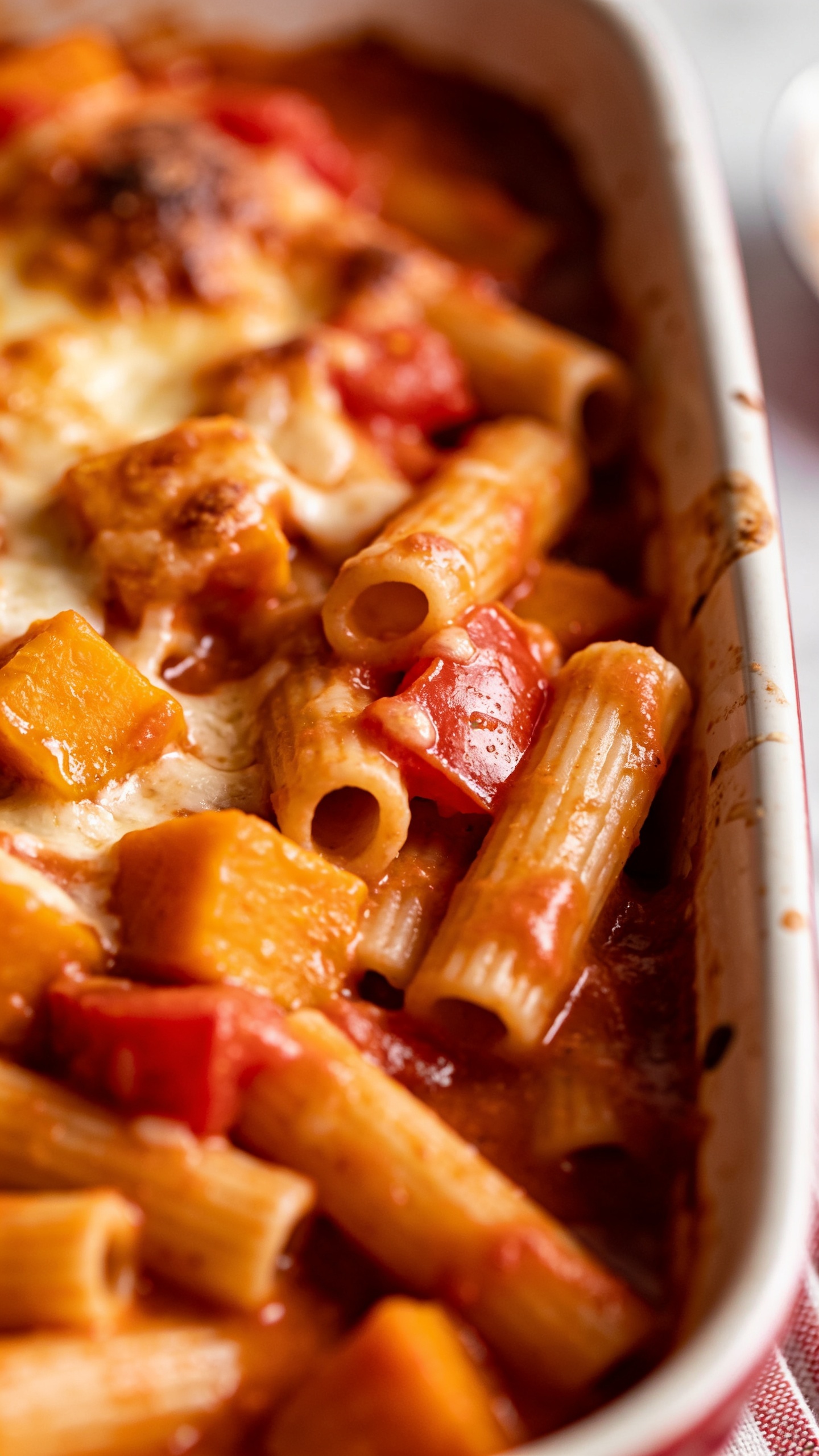
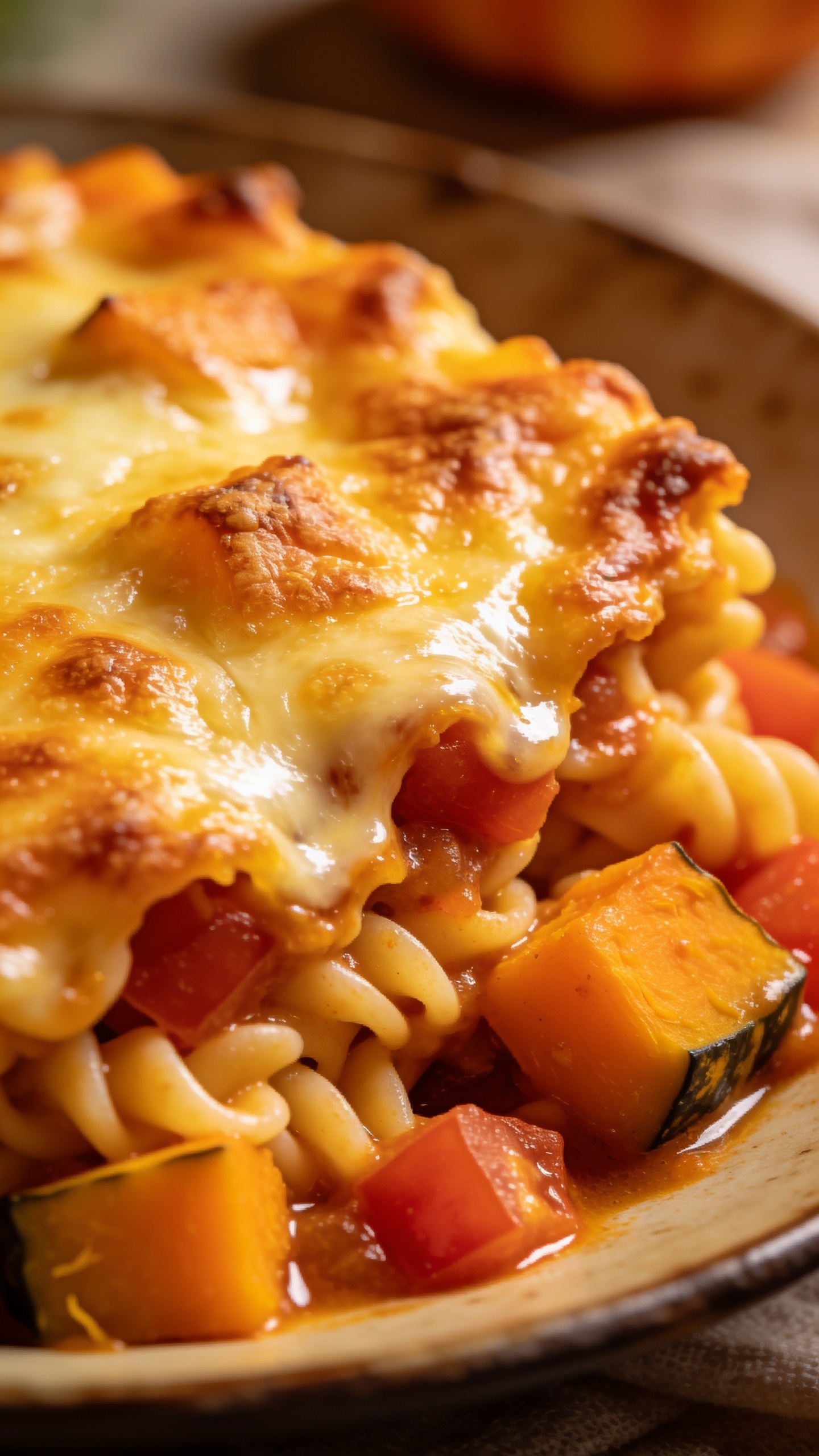
There’s something magical about turning pumpkin into a silky sauce that clings to pasta, then finishing the dish with a bubbling cheese crust. This pasta bake with pumpkin tomato sauce is comfort food with a glow-up: cozy autumn flavors, kid-friendly appeal, and enough depth to impress guests. I’ve made this countless times for family dinners, casual potlucks, and when I want a meal that tastes like it took hours, even though it didn’t.
In this guide you’ll find practical tips from the field—how to balance sweetness from pumpkin with brightness from tomatoes, how to choose the right pasta shape, and the exact layering approach that yields a creamy interior with a crisp top. We’ll cover substitutions, timing, and common missteps so you can avoid the pitfalls many home cooks hit on the first try.
Whether you’re short on time, cooking for a crowd, or simply craving something that tastes like fall in a bowl, this pasta bake is versatile enough to adapt to what you have on hand. Let’s dive into a recipe that blends technique, flavor, and real-world results into one cozy dish.
Key Takeaways
Use a roasted pumpkin purée or fresh purée for a rich, silky base that thickens the sauce beautifully.
Browned garlic, onions, and a splash of olive oil build savory depth that balances sweetness.
Tomato elements brighten the sauce; a touch of cream or cheese prevents it from tasting flat.
Pasta shape matters: ridged or hollow shapes hold sauce better in a bake.
A cheese crust is optional but highly recommended for texture and flavor contrast.
Season in layers: salt, pepper, and a pinch of nutmeg or sage enhance autumn flavors.
Make ahead options exist: sauce can be prepared 1–2 days in advance and frozen for later baking.
Let the bake rest for 10–15 minutes after coming out of the oven to set before serving.
Main Sections
Overview: What Makes This Pasta Bake Special
This dish combines the creamy sweetness of pumpkin with the bright acidity of tomatoes, all sewn together with cheese and herbs. The result is a comforting bake that feels substantial but not heavy, with a sauce that clings to pasta and a top layer that adds texture and flavor. The beauty of this recipe lies in its adaptability: you can swap in different cheeses, add vegetables like spinach or kale, or use different pasta shapes to suit what you’ve got on hand.
Key Components
Pasta: Choose shapes that trap sauce—fusilli, rigatoni, penne, or cavatappi work well.
Sauce base: Pumpkin purée provides body; crushed tomatoes add brightness; a splash of cream or milk rounds out richness.
Seasonings: Garlic, onion, salt, pepper, a pinch of nutmeg or sage, and a hint of chili flakes for warmth.
Cheese: Mozzarella for melt, Parmesan for sharpness, and optional ricotta for extra creaminess.
Texture boosters: Breadcrumbs or panko on top add crunch; a drizzle of olive oil helps browning.
Why Pumpkin Tomato Sauce Works So Well
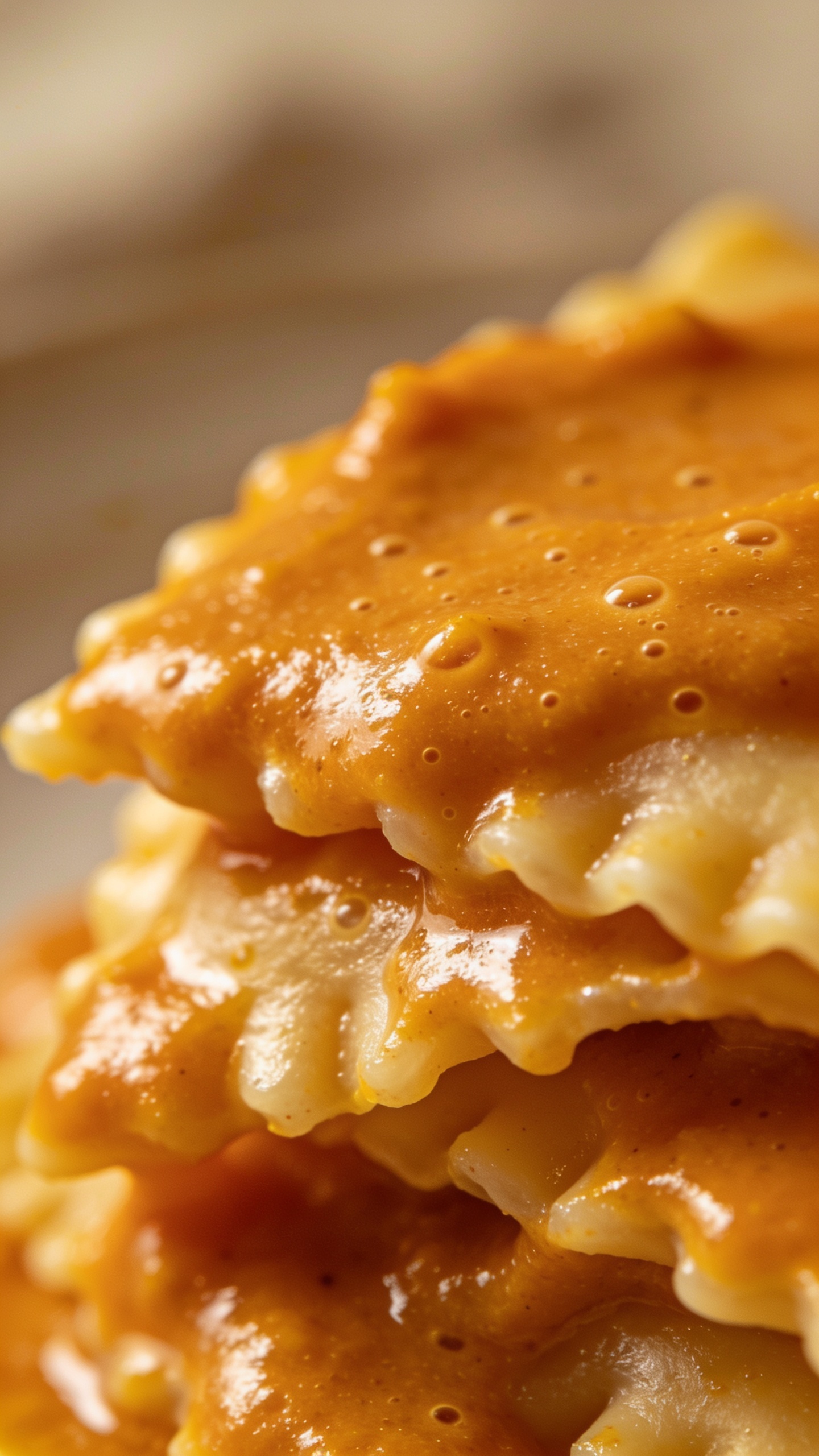
Pumpkin brings natural sweetness and a velvety mouthfeel when pureed. Tomatoes cut through the sweetness with acidity and brightness. Simmering the two creates a sauce that is rich without being heavy; adding onions and garlic builds savory depth, while a touch of cream or cheese keeps it cohesive for baking.
Ingredient Spotlight: Make-It-Your-Own Variations
Protein boost: Add cooked ground turkey, sausage, or chickpeas for a heartier bake.
Vegetable mix-ins: Spinach, kale, or roasted bell peppers can be stirred in after the sauce simmers.
Dairy swaps: Use full-fat ricotta in the sauce for extra creaminess; swap mozzarella with fontina or provolone for a different melt.
Herbal lift: Fresh thyme or sage pairs beautifully with pumpkin; a pinch of smoked paprika adds warmth.
What You’ll Need (Illustrative Shopping List)
Pasta: 12–16 oz (340–450 g) of your preferred shape
Pumpkin puree: 1–1.5 cups (240–360 ml) or 1 small roasted pumpkin
Crushed tomatoes or tomato sauce: 1 can (14–15 oz / 400 g)
Olive oil, salt, pepper, nutmeg or sage, red pepper flakes
Breadcrumbs or panko: 1/2 cup for topping (optional)
Step-by-Step: How To Make It
Prep the sauce: Sauté onion in olive oil until translucent. Add garlic and cook 30 seconds. Stir in pumpkin purée and crushed tomatoes. Season with salt, pepper, nutmeg or sage, and a pinch of chili flakes. Let simmer 8–12 minutes so flavors marry.
Cook the pasta: Boil the pasta until just shy of al dente. It will finish cooking in the oven, so reserve a cup of pasta water.
Combine: If using ricotta, fold it into the sauce. Add a splash of pasta water to loosen if needed. Stir in most of the mozzarella (reserve a handful for topping) and Parmesan.
Assemble: In a baking dish, spread a thin layer of sauce. Add pasta, then more sauce. Repeat until the dish is full. Top with remaining mozzarella, Parmesan, and breadcrumbs if using.
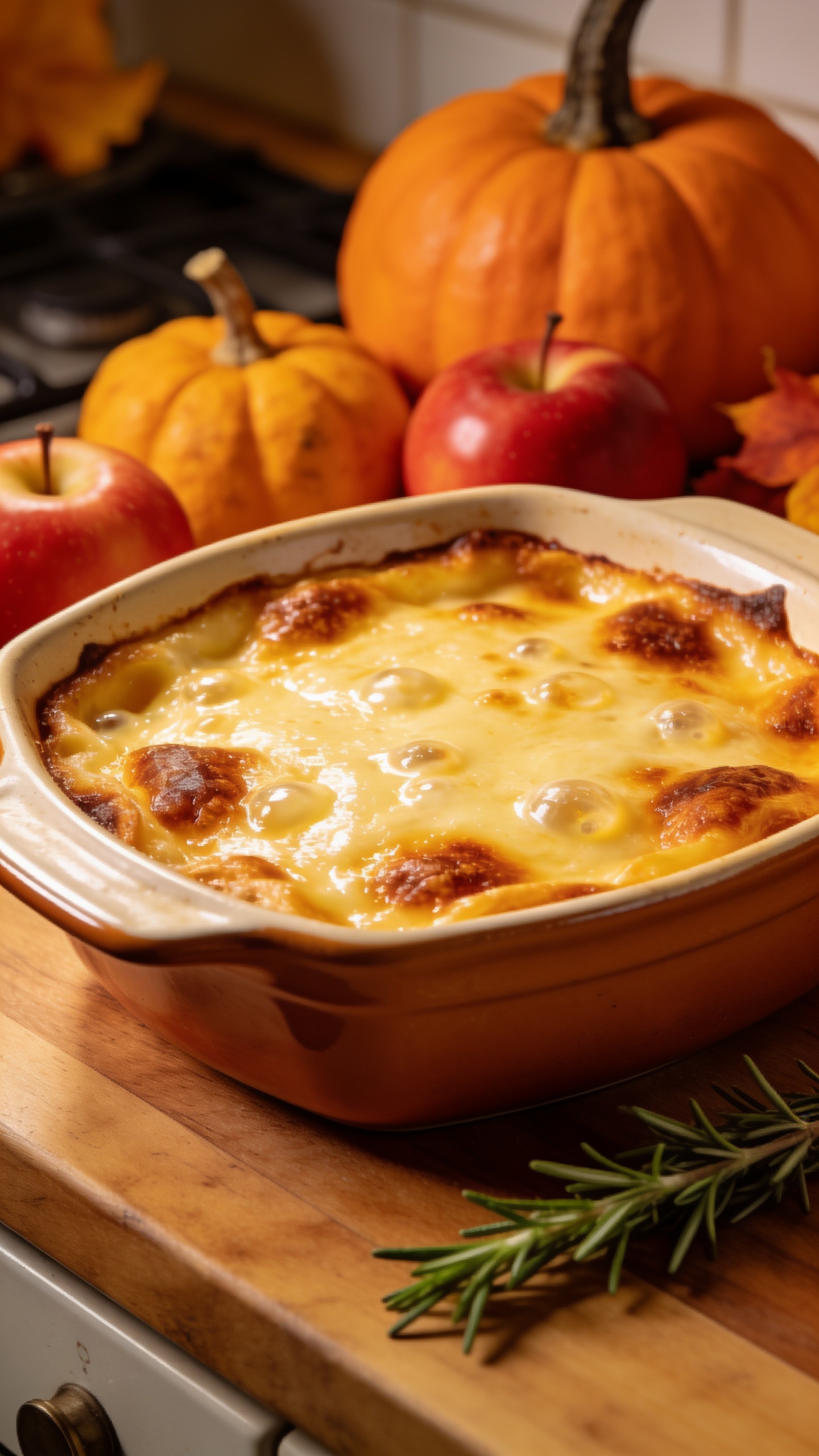
Bake: Bake at 375°F (190°C) for 20–25 minutes, until bubbling and the top is golden. If you want a crisper top, broil for 1–2 minutes at the end, watching closely.
Rest & serve: Let stand 10–15 minutes before serving to help the sauce set and the flavors settle.
Expert Tips
Cook the aromatics properly: A gentle sauté brings out sweetness without bitterness. Don’t rush—build flavor slowly.
Balance the sauce: If tomato brightness feels too sharp, add a teaspoon of brown sugar or a splash of cream.
Texture control: For a silkier sauce, blend a portion of the pumpkin with the tomatoes before simmering.
Cheese layering: Mix some cheese into the sauce for even distribution, then scatter the rest on top for a melty crust.
Make-ahead: Sauce can be prepared the day before and stored in the fridge; the flavors deepen overnight.
Best Practices and Practical Guidance
Choosing the Right Pasta Shape
Ribbed or tubular shapes do a better job of catching sauce. Fusilli, rigatoni, penne, and rotini are all reliable choices. If you’re using a very smooth sauce, broader shapes like light tubes help the coating cling. For a lighter finish, try spaghetti or linguine as a baked variant, but be mindful that bake times may differ.
Tomato-Pumpkin Balance: How to Nail It
Aim for a sauce that tastes neither too sweet nor too acidic. The pumpkin’s sweetness should be balanced with the acidity of tomatoes and a touch of salt. If you roast the pumpkin, you’ll deepen sweetness; if you use canned pumpkin, pick a puree with no added sugar. A splash of lemon juice at the end can brighten without tasting citrusy.
Cheese Strategy: When to Use What
Mozzarella for melt and moisture
Parmesan or pecorino for sharpness
Ricotta for extra creaminess (optional)
Finishing cheese: A little more mozzarella on top yields a bubbly, golden crust
Texture and Creaminess: How To Get It Right
If the sauce seems thick, loosen with a bit of reserved pasta water. If you want extra creaminess, whisk in a small amount of cream at the end of simmering. If the bake looks wet, uncover for the last 5–7 minutes to reduce excess moisture and help the top crisp up.
Common Mistakes To Avoid
Overcooking pasta before baking—pasta should be just shy of al dente to avoid a mushy bake.
Not salting the pasta water enough; undersalted pasta makes the whole dish flat.
Neglecting to season in stages—taste and adjust salt at multiple steps, not just once.
Skipping the resting period after the bake—slicing too early can cause the sauce to run and the layers to separate.
Using a sauce that’s too thin; it won’t cling well to the pasta in the bake.
Frequently Asked Questions
What if I don’t have pumpkin puree?
Roasted pumpkin or butternut squash can be used as a substitute. Cook the pumpkin until tender, scoop the flesh, and blend into a smooth purée. If using canned pumpkin, choose plain pumpkin with no added sugar or spices.
Can I freeze this pasta bake?
Yes. Bake until just set, let cool, then freeze in airtight containers for up to 3 months. Reheat covered at 350°F (175°C) until warm, and finish with a quick broil to re-crisp the top if desired.
Yes. Use olive oil or a neutral oil-based béchamel with unsweetened almond or oat milk, skip cheese or use a dairy-free cheese alternative, and finish with nutritional yeast for a cheesy flavor boost. The texture will be less creamy, but still delicious.
What toppings work best on top?
A light sprinkle of grated Parmesan, breadcrumbs mixed with a teaspoon of olive oil, and a few torn sage leaves or rosemary sprigs add aroma and texture.
How do I prevent the top from becoming soggy?
Make sure the sauce is not too runny and that you bake at a moderate temperature long enough for a crust to form. If the top is soggy, remove the lid or foil for the last 10 minutes to promote browning.
Can I add meat?
Ground sausage, turkey, or even browned pancetta pair nicely with pumpkin. Cook the meat separately, drain well, and fold into the sauce or layer between pasta rings for texture variation.
What baked time is ideal for a large family portion?
For a 9×13 inch dish, 20–25 minutes covered, then 5–7 minutes uncovered to brown. If your bake is deeper, add 5–10 minutes and check doneness with a spoon’s resistance test in the center.
How do I achieve a glossy sauce?
Let the sauce simmer gently to reduce, then finish with a small amount of cream or a knob of butter whisked in off the heat. This adds shine and mouthfeel.
Flavor boosters I should try?
A pinch of nutmeg or sage, a splash of white wine in the simmer, and a teaspoon of balsamic vinegar near the end can heighten vegetal sweetness without overpowering the dish.
Real-Life Applications and Variations
Weeknight Family Dinner
Make the sauce during the afternoon, keep the pasta undercooked by a minute or two, and assemble quickly right before dinner. This keeps the kitchen calm and lets you finish with a crisp top while the family relaxes.
Vegetarian Gathering
Boost color and nutrition with spinach stirred into the sauce just before serving. A helping of roasted vegetables such as bell peppers or zucchini layered in adds texture and vibrancy.
Meal Prep and Leftovers
Sauce freezes well, and the baked dish can be portioned into containers. Reheat gently in the oven or on the stove with a splash of broth to restore moisture.
Seasonal Variations
Swap tomatoes for roasted red peppers or add a small amount of butternut squash in the puree. In place of nutmeg, try a touch of cinnamon if you’re going for a more aromatic fall flavor.
Expert Tips
Roasting pumpkin first intensifies flavor. If you’re starting with raw pumpkin, cube and roast until tender before blending into purée.
Layering matters Place a thin sauce layer on the bottom, then pasta, then more sauce to prevent dry edges and guarantee even coverage.
Color and aroma Use fresh herbs like parsley, thyme, or sage sprinkled on top after baking to brighten the final dish.
Texture control for kids If serving picky eaters, puree the sauce a bit more for a smoother texture and less visible pumpkin bits.
Structured Comparison: Oven-Bake Variations
Feature
Basic Version
Creamy Version
Cheesy Crust Version
Texture
Soft, saucy
Silkier, richer
Crispy top with melty interior
Flavor profile
Pumpkin-sweet with tomato brightness
Added cream for smoothness
Extra cheese for zing
Best-use scenario
Weeknights
Special occasions
Entertaining guests
Frequently Overlooked Details
A small amount of lemon juice at the end can brighten the dish without making it feel tangy.
Resting time is essential; skipping it can leave the sauce separated and the slices wobbly.
Breadcrumb topping helps with browning and adds a pleasing crunch, especially when lightly seasoned.
Salt the pasta water generously; it’s the primary seasoning for the entire dish.
Let ingredients come to room temperature before baking to ensure even cooking.
Conclusion: Final Thoughts
This pasta bake with pumpkin tomato sauce is more than a cozy supper—it’s a versatile canvas. The pumpkin base delivers a luxurious texture that pairs beautifully with the bright acidity of tomatoes, while the bake heightens flavors and delivers a comforting cheese crust. The dish rewards experimentation and scales up gracefully for holidays or gatherings. With the right balance of aromatics, careful layering, and a few smart substitutions, you can craft a version that fits your kitchen and your crowd every single time.
Frequently Asked Questions
What proteins pair well with pumpkin tomato sauce?
Ground sausage, ground turkey, or meatless crumbles work nicely. Brown proteins separately and fold into the sauce or layer between pasta for texture variety.
Can I make it with gluten-free pasta?
Absolutely. Choose your favorite gluten-free pasta shape. The sauce clings well to ridged or hollow shapes, but follow package directions for al dente timing as they can differ from regular pasta.
How do I prevent the sauce from separating during baking?
Ensure the sauce is not too thin by simmering until it lightly thickens. If needed, whisk in a little cream or a small amount of cheese to stabilize the emulsion before folding with pasta.
Is the pumpkin flavor dominant or subtle?
It can be adjusted. Use 1 cup of pumpkin purée for a balanced base, then rely on tomatoes and seasoning to define the overall profile. For a stronger pumpkin presence, increase purée by a 1/4 cup increments and taste as you go.
What’s the best topping for a crisp finish?
A mixture of breadcrumbs and grated Parmesan with a drizzle of olive oil creates a golden, crunchy crust that contrasts nicely with the creamy interior.
Can I use fresh tomatoes instead of canned?
Yes, simmered fresh tomatoes work. Use plum varieties or a mix of canned crushed tomatoes for consistent texture and acidity.
How long does the sauce keep in the fridge?
Stored in a sealed container, it lasts 3–4 days. Reheat gently on the stove with a splash of water or broth to restore texture.
What makes a pumpkin tomato sauce especially good for leftovers?
Flavor deepens with time. The tomato acidity lightens as the sauce rests, and the pumpkin sweetness blends more fully with herbs and cheese when cooled.
What equipment helps with consistency?
A good heavy-bottomed pot for simmering and a reliable baking dish with tight-fitting lid or foil to control moisture during bake.
Final Note on Execution
The beauty of this dish is its blend of technique and intuition. Start with a solid aromatics base, build the sauce with pumpkin and tomato, and respect the pasta’s doneness so the bake lands perfectly. Don’t fear adjusting herbs and spices to match your pantry—this recipe is a framework, not a rigid script. When you pull the dish from the oven and release the steam, you’ll taste the warmth of autumn and the confidence that comes from cooking food you’ll want to eat again tomorrow.
Disclosure: This post may contain affiliate links.
If you make a purchase through these links, I may earn
a small commission at no extra cost to you.
prab chahal
Hi, I’m Prabjot Chahal – the heart (and taste buds) behind this blog!
Food has always been my love language – from experimenting with family recipes to discovering unique flavors from around the world. I believe that cooking isn’t just about following a recipe, it’s about creating moments, sharing stories, and connecting with others over something delicious. Through this blog, I want to build a vibrant food community where we share more than just recipes – we share inspiration, tips, and the joy of making and enjoying good food together. Whether you’re here for quick weekday dinners, festive treats, or creative seasonal ideas, you’re part of this table. So grab a fork (or a whisk!) and let’s cook, bake, and share our love for food – one recipe at a time.