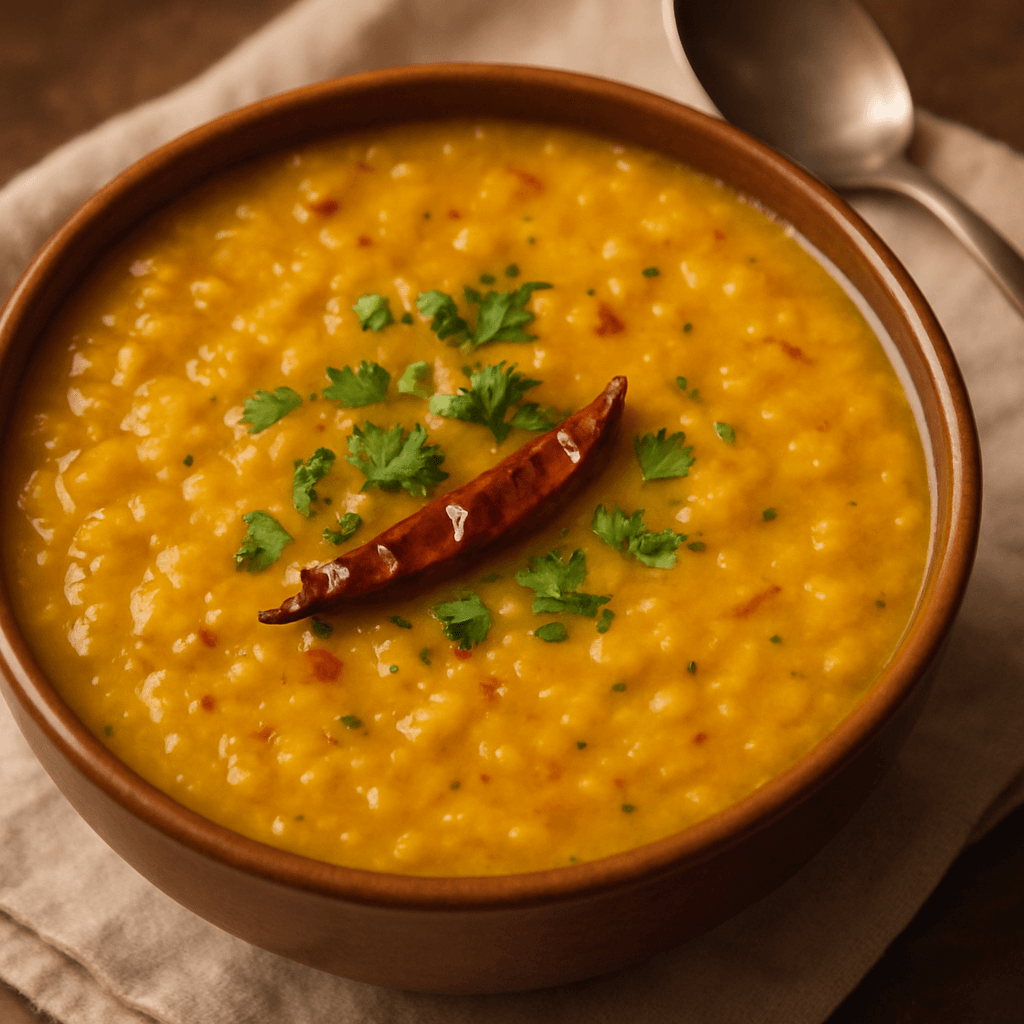
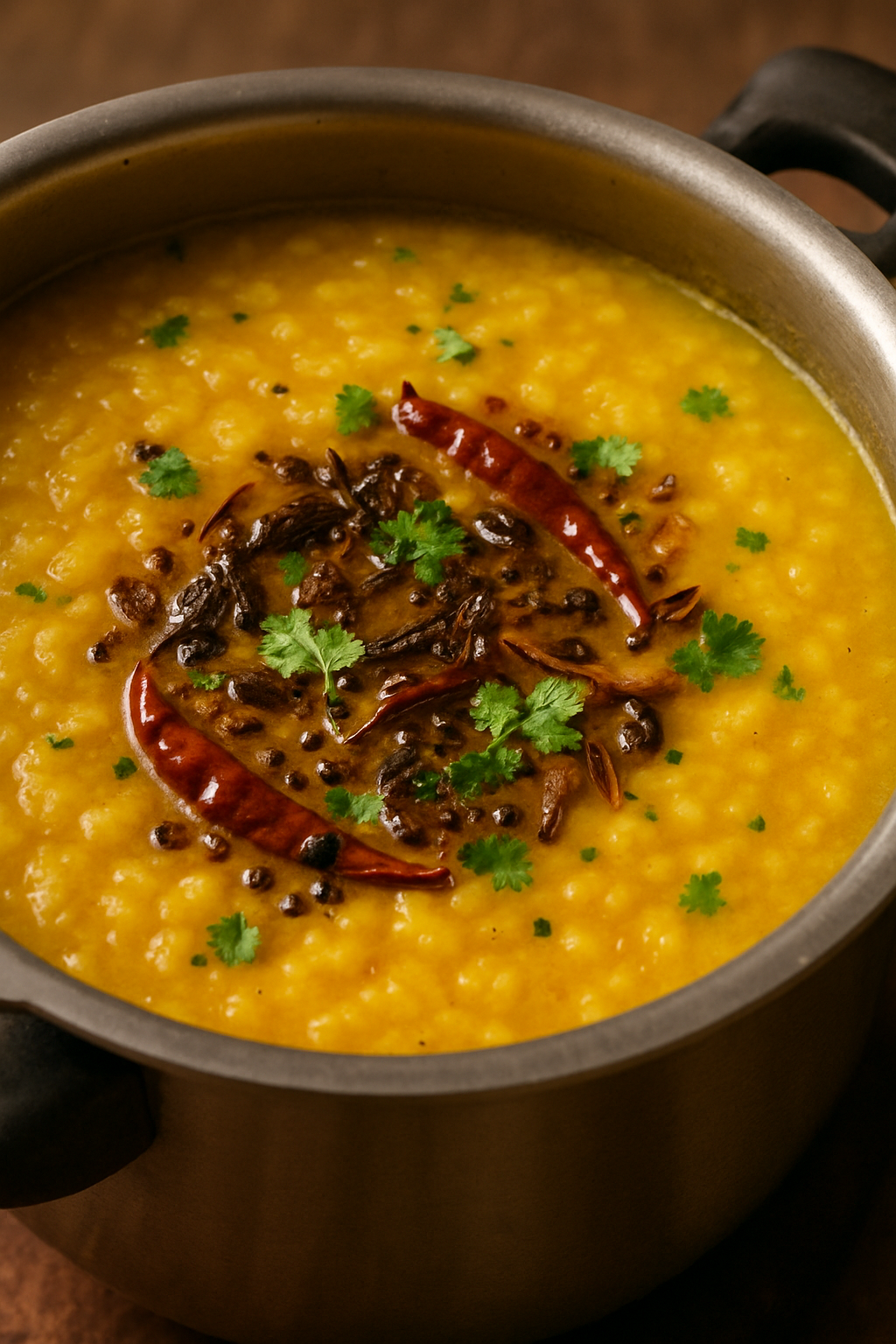
“Indian Yellow Dal is the ultimate comfort food—creamy, wholesome, and bursting with spices. This golden lentil curry has been loved in Indian homes for centuries, offering both nourishment and flavor in every bite. Whether paired with rice or roti, it’s a simple yet soul-satisfying dish you’ll want to make again and again.”
Indian Yellow Dal is more than just food; it’s a warm bowl of comfort. Many Indian families make this lentil curry. It is golden and creamy. People like it because it tastes good, smells strong, and is good for them. You can eat Yellow Dal on a busy weekday or as part of a holiday meal. It’s the perfect mix of simple and soulful.
In India, “dal” can refer to either the lentil itself or the dish that is made with it. The yellow color comes from lentils like moong dal or toor dal. Adding turmeric can make it even better. One spoonful will remind you why this dal is so important to Indians.
History of Yellow Dal in Indian Cuisine
People in India have been using dal in their cooking for hundreds of years, and even old Ayurvedic texts mention it. People thought it was good for the body and the soul, not just food. Dal was cheap, high in protein, and easy to digest, so people of all social classes, from farmers to kings and queens, ate it every day.
The taste of Yellow Dal has changed in different parts of India over time. In Punjab, you can get a rich dal with ghee and a smoky tadka. In Gujarat, the main dish is a sweet and sour dal made with kokum and jaggery. Yellow dal and tamarind rice or crispy dosas taste great together in the South.
What are the Ingredients for Indian Yellow Dal?
The beauty of Yellow Dal lies in its humble pantry staples. You don’t need fancy ingredients—just a handful of lentils, some spices, and love.
What are the Different Types of Lentils Used in Yellow Dal?
Moong Dal (Split Yellow Lentils): They are light, cook quickly, and are easy to digest.
Toor Dal (Pigeon Pea Lentils): Are nutty and a little sweet. They are often used in Indian cooking.
Chana Dal (Split Chickpeas): Adds flavor and body, but it takes longer to cook.
Masoor Dal (Red Lentils): Are not yellow but are often mixed in for a creamy texture.
Many home cooks even mix two dals for depth of flavor.
Wash & Soak: Rinse the dal thoroughly until the water runs clear. Soak for 20 minutes for quicker cooking.
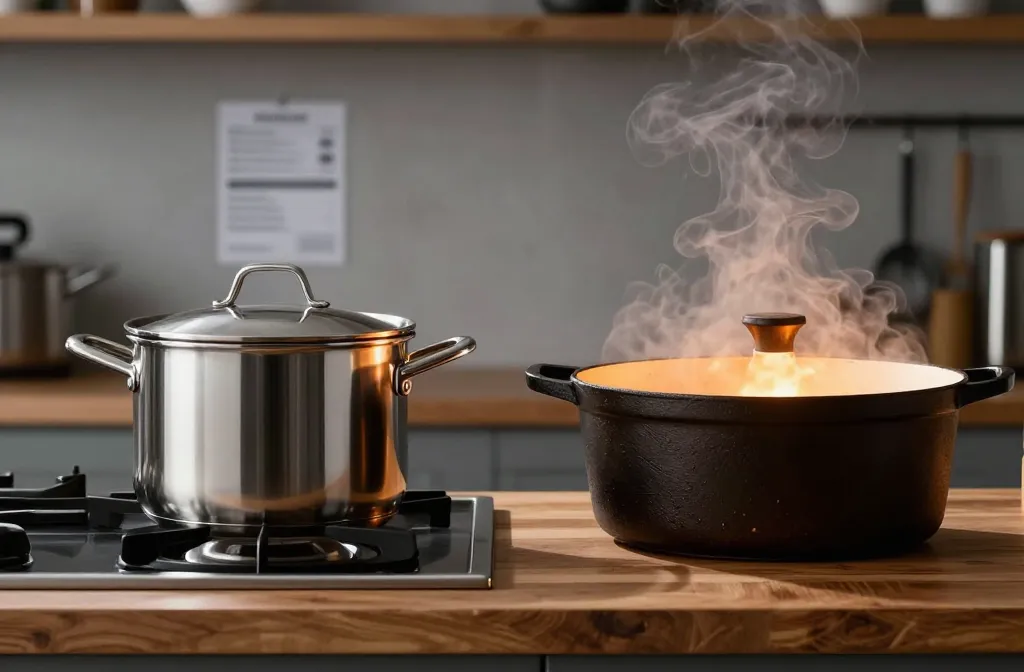
Cook the Dal: Add dal, water, turmeric, and salt to a pressure cooker (1 whistle) or pot. Cook until soft and mushy. Mash lightly with a spoon.
Prepare the Tadka: Heat ghee, butter, or oil in a pan. Add cumin seeds, let them splutter. Toss in garlic, ginger, and green chilies. Personally, I like adding some finely chopped onions and tomatoes to enhance the taste. Sauté until fragrant.
Add Onion & Tomato: Cook until onions turn golden and tomatoes break down.
Combine: Add the cooked dal to the tadka. Mix well and simmer for 5 minutes so the flavors marry.
Finish: Garnish with coriander leaves and an extra drizzle of ghee. Serve hot.
Video
Notes
What Spices are Used to Flavor Yellow Dal?
Spices are the heart of dal, and the tadka (tempering) is where the magic happens. Some must-haves include:
Turmeric: Gives the dal its signature golden color and earthy flavor.
Cumin Seeds: Adds warmth and aroma.
Garlic & Ginger: Brings depth and a comforting kick.
Green Chilies: A gentle heat to balance the creaminess.
Asafoetida (Hing): A traditional spice that aids digestion.
Fresh Cilantro: To brighten the dish right before serving.
✨ Tip: For a smoky flavor, place a piece of hot coal in a bowl inside the dal pot, drizzle ghee over it, cover for 2 minutes, and remove. This trick is called dhungarand takes dal to another level!
What are the Health Benefits of Indian Yellow Dal?
Yellow Dal is not just delicious—it’s a nutritional powerhouse.
1. High in Protein
Lentils are one of the best plant-based sources of protein, so vegetarians and vegans should always have dal on hand.
2. Good Source of Fiber
It keeps your stomach happy and helps keep your blood sugar levels stable.
3. Rich in Essential Vitamins and Minerals
Yellow Dal is good for your health and energy levels because it is full of iron, potassium, magnesium, and B vitamins.
4. Lowers Cholesterol Levels
Eating lentils on a regular basis is good for your heart because they are high in fiber and antioxidants.
How is Indian Yellow Dal Served?
What are the Traditional Accompaniments for Yellow Dal?
Dal is incredibly versatile. In India, you’ll find it served with:
Steamed basmati rice (dal chawal)
Rotis, parathas, or naan
A side of pickles, papad, or raita
What are Some Modern Ways to Serve Yellow Dal?
As a lentil soup with crusty bread
Over quinoa or millet for a healthier twist
As a base for Buddha bowls topped with roasted veggies
In wraps or stuffed parathas for a fusion spin
Are There Any Variations of Indian Yellow Dal?
Every region in India adds its own touch. Some popular versions include:
1. Tadka Dal
Lentils that have been cooked and then topped with a hot mix of ghee (butter), garlic, cumin, and red chili powder.
2. Punjabi Dal Fry
In North Indian, especially in the Punjab region, restaurants often serve this dish, which is thicker, spicier, and more flavorful.
3. Gujarati Dal Dhokli
A sweet and spicy dal with pieces of wheat dough cooked inside. It can be a meal on its own.
Frequently Asked Questions — Indian Yellow Dal
1) Which dal (lentil) is best for yellow dal, and can I mix types?
You can use moong dal (split yellow lentils), toor dal (pigeon pea lentils), or a mix of both. Moong cooks faster and yields a lighter texture; toor brings a nuttier flavor and body. Some cooks even add a little chana dal or masoor dal to vary texture and richness. The recipe mentions this as a flexibility in ingredient choice.
Mixing two types helps balance smoothness and bite. Just be aware that different dals may cook at slightly different rates, so monitor the softer ones to avoid overcooking.
2) Why soak the dal first, and is it strictly necessary?
I would personally recommend soaking the dal for ~10 minutes before cooking.
Benefits of soaking:
Reduces overall cooking time.
Helps the dal soften more evenly and absorb water better.
Reduces the likelihood of lumps or undercooked bits.
Sometimes it may help reduce gas-forming compounds (though this depends on the lentil type).
If you skip soaking, you’ll just need to cook longer and watch for even doneness. The end result will still be tasty, but the texture may be less uniformly soft.
3) What is “tadka” (tempering), and why is it important in this dal?
“Tadka” (or tempering) is the process where spices and aromatics (cumin seeds, garlic, ginger, chilies, onion, tomatoes) are fried in ghee or oil, and then poured into the cooked dal. In this recipe, the tadka is prepared separately (cumin → then garlic, ginger, chilies → onion & tomato) before combining with cooked dal and simmering.
It brings out the spices’ essential oils and smells to make the flavor stronger.
It adds texture contrast with bits of spice or onion that are crisp.
The dal base is creamy and mild, and the tadka adds flavor, smokiness, and depth.
At this point, you can also change the heat and seasoning of the spices.
If you skip or don’t do the tadka right, the dal won’t smell or taste as good.
4) My dal sometimes becomes too thick or too watery. How do I fix the consistency? If it’s too thick:
Add warm water (or hot stock) gradually while stirring to bring it back to the desired consistency.
Use the remaining cooking liquid from the dal (if you cooked extra water) to thin it.
If it’s too thin/watery:
Simmer uncovered for a few more minutes to let excess water evaporate.
Mash a few lentils against the pan wall with the back of a spoon—this naturally thickens the sauce.
Use a small cornstarch slurry (1 tsp cornstarch + little water) as a last resort — stir in and simmer until it thickens (but be cautious not to change flavor).
The key is to adjust gradually until you hit your preferred balance of creamy but not soupy.
Final Thoughts
This Indian Yellow Dal recipe will never go out of style. It’s the best comfort food: healthy, tasty, and based on tradition. This golden bowl of goodness is always a winner, whether you’re making it for a quick weeknight dinner, trying out regional variations, or serving it to impress your guests.
Make this Yellow Dal the next time you want a healthy but tasty meal. Top it with fresh coriander and serve it with hot rice or warm rotis. Believe me, you’ll want to make it again and again.
Discover our authentic Indian Butter Chicken, bursting with rich, enhanced flavors—perfect to make your party nights unforgettable!”
Printable Recipe Card
Want just the essential recipe details without scrolling through the article? Get our printable recipe card with just the ingredients and instructions.
Disclosure: This post may contain affiliate links.
If you make a purchase through these links, I may earn
a small commission at no extra cost to you.
prab chahal
Hi, I’m Prabjot Chahal – the heart (and taste buds) behind this blog!
Food has always been my love language – from experimenting with family recipes to discovering unique flavors from around the world. I believe that cooking isn’t just about following a recipe, it’s about creating moments, sharing stories, and connecting with others over something delicious. Through this blog, I want to build a vibrant food community where we share more than just recipes – we share inspiration, tips, and the joy of making and enjoying good food together. Whether you’re here for quick weekday dinners, festive treats, or creative seasonal ideas, you’re part of this table. So grab a fork (or a whisk!) and let’s cook, bake, and share our love for food – one recipe at a time.