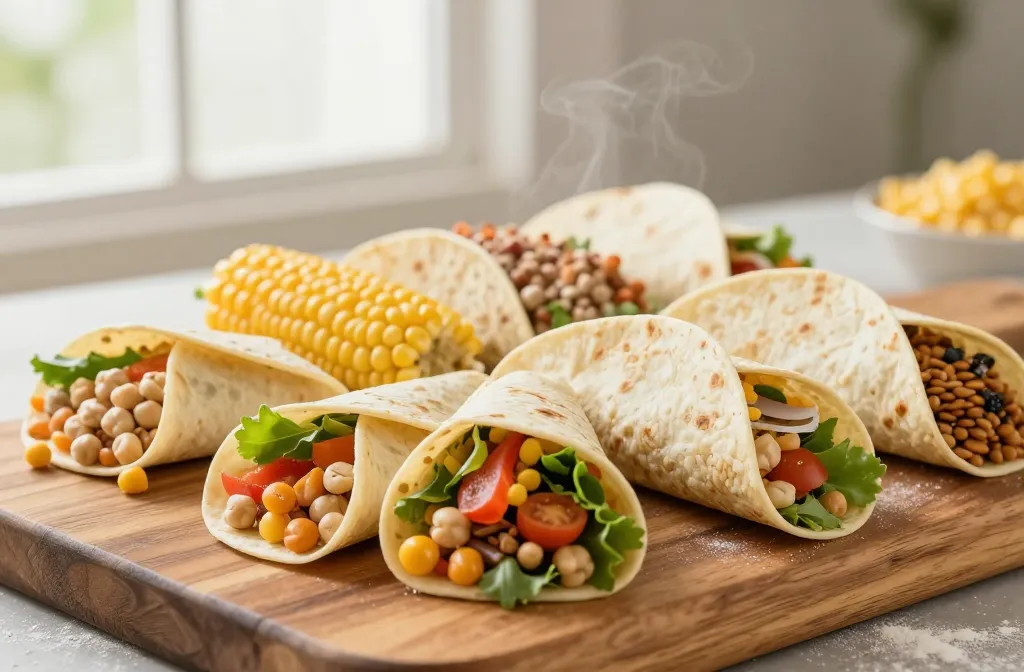
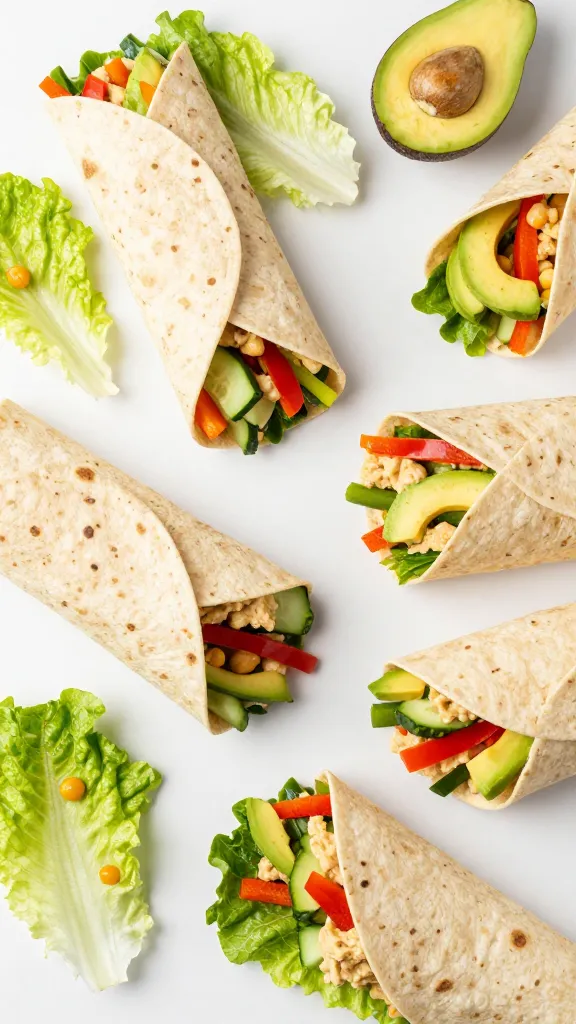
Gluten-free wraps and tortillas can feel like treasure maps: you hunt for that perfect portable combo of texture, flavor, and that “I can actually fold this without breaking” magic. Spoiler: you can find them. Whether you’re celiac, grain-free, or just exploring alternatives, there are tasty options that don’t taste like cardboard. Let’s dive into the best picks and some foolproof recipes you’ll actually want to make.
What makes a wrap worth its salt (gluten-free or not)
Have you ever bitten into a wrap that crumbles into a tortilla sandwich graveyard? No thanks. A good gluten-free wrap should be flexible, moist-ish, and sturdy enough to hold fillings without turning into glue. It should also taste clean, not starchy or metallic. The great news: there are several dependable bases, from store-bought options to homemade powerhouses, that hit all the right notes.
Best gluten-free wrap options you can buy (and when to reach for them)
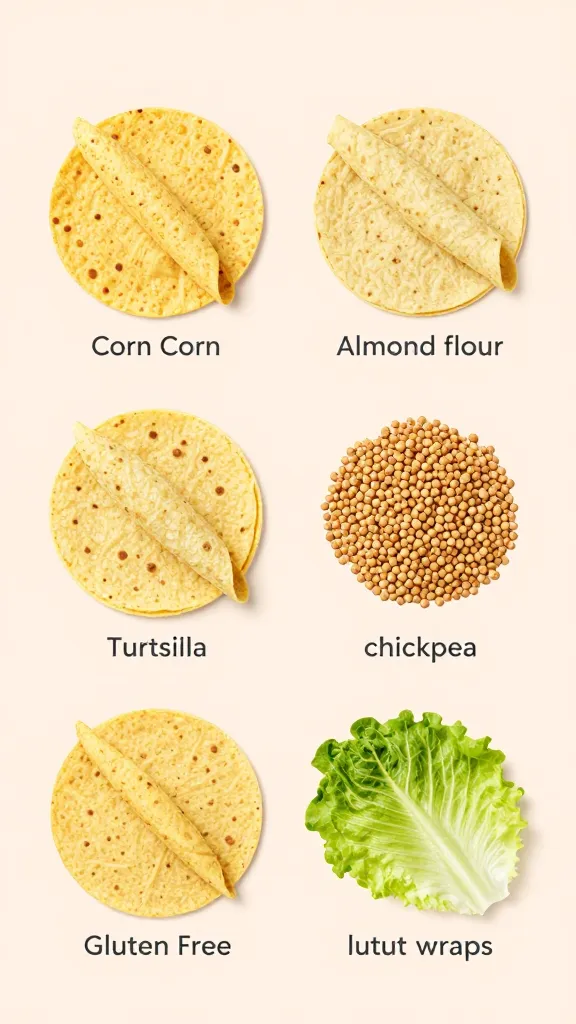
Rice flour tortillas are light, soft, and surprisingly versatile. They fold well and don’t have a strong flavor, which makes them a great blank canvas.
Corn tortillas (certified GF) offer a classic taco wrap vibe. Look for ones labeled 100% corn and check that they’re produced in GF facilities if you’re extra sensitive to cross-contamination.
Chickpea flour or lentil-based wraps bring a sturdier bite and extra protein. They can be a tad nuttier in flavor, which some folks love.
Cassava or tapioca blends give a silky, pliable texture that’s surprisingly forgiving when you roll things up hot off the pan.
Commercial GF tortillas (rice-starch blends, potato starch, or tapioca) are convenient but vary wildly by brand. Read labels, and don’t be afraid to test a few to find your jam.
DIY gluten-free wrap recipes you’ll actually reach for
Nothing nails a weeknight like whipping up your own wraps. Here are three reliable recipes you can mix and match with fillings you love.
Soft almond-flour tortillas (no gluten, no fuss)
Ingredients:
1 cup almond flour
2 tablespoons psyllium husk powder
1/4 teaspoon salt
1/2 cup warm water
1 tablespoon olive oil
Method:
Mix dry ingredients in a bowl.
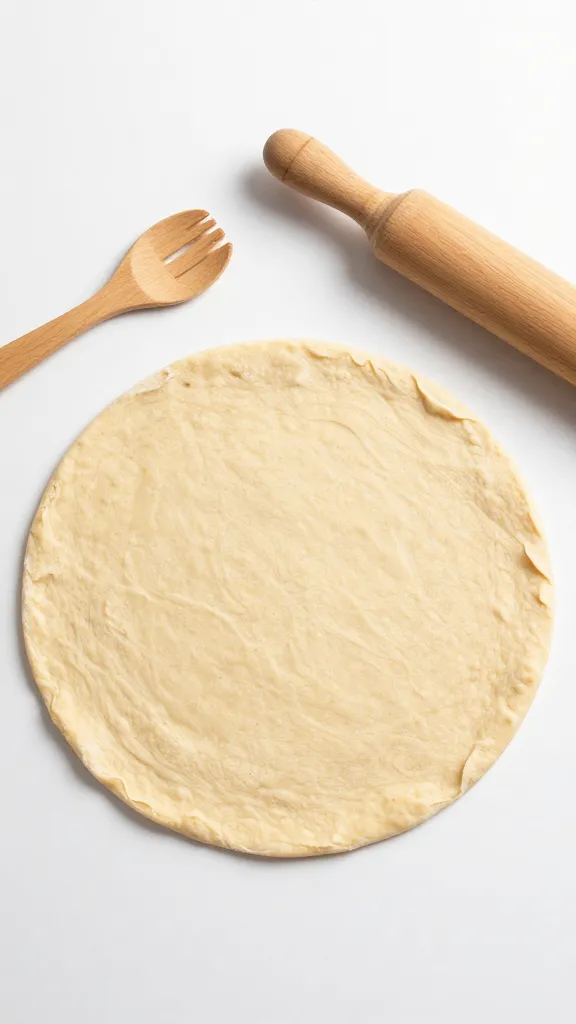
Stir in water and oil until a soft dough forms.
Let rest 5 minutes, then divide into balls.
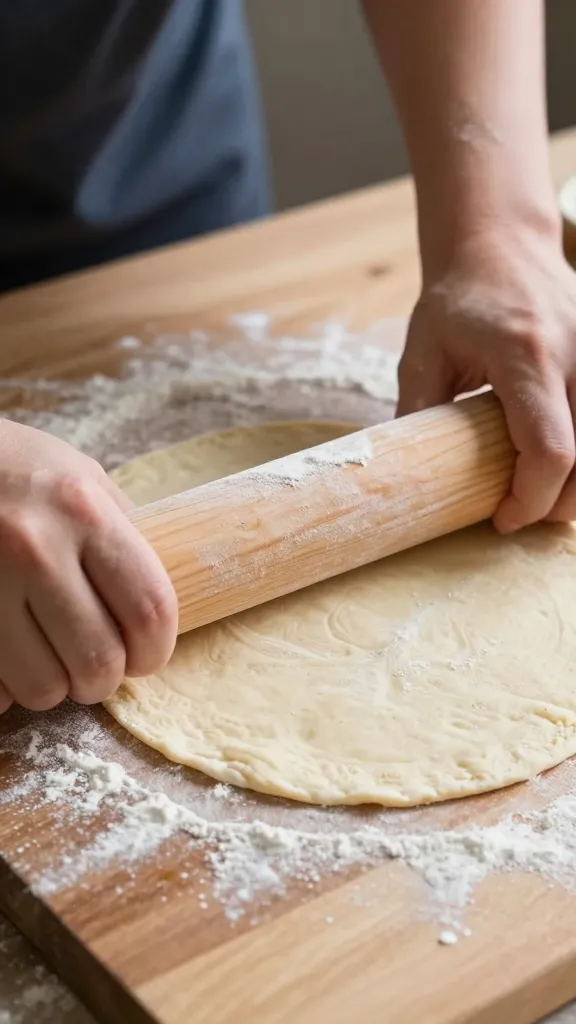
Roll on parchment into thin circles.
Cook on a dry skillet over medium heat 1–2 minutes per side.
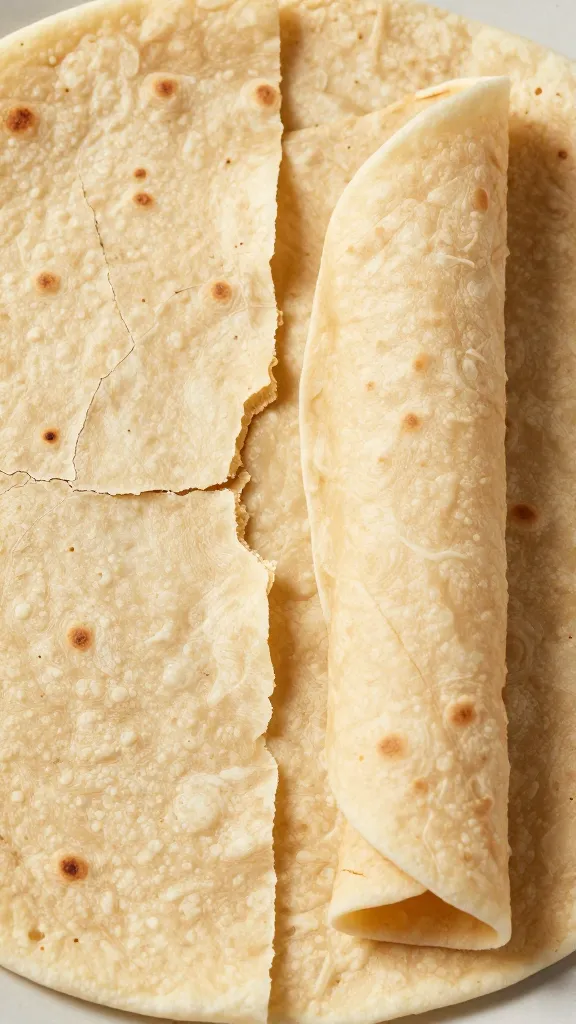
Tip: If the dough cracks, add a splash more water. Psyllium makes it forgiving, but a touch extra moisture helps.
Rice-flour wraps with a sandwich vibe
Ingredients:
1 cup rice flour
1/4 teaspoon salt
1 cup warm water
2 teaspoons olive oil
Method:
Whisk dry ingredients, then add water and oil.
Let batter rest 10 minutes.
Spread thinly on a hot, lightly oiled skillet; cook until edges lift, about 1–2 minutes.
Tip: Keep the pan well-greased for flexible wraps, and stack between parchment to avoid sticking.
Corn tortillas that stay flexible (GF approved)
Ingredients:
2 cups masa harina (certified GF)
1 1/4 cups warm water
Pinch of salt
Method:
Mix to form a smooth dough. Let rest 15 minutes.
Portion into balls, press with a tortilla press or rolling pin.
Cook on a hot dry skillet 30–60 seconds per side.
Tip: Masa harina gives an authentic flavor and a sturdy bite—great for burritos or enchiladas.
Pro tips for making gluten-free wraps behave
Moisture management: GF doughs crave a bit more moisture. If the dough feels dry, add a teaspoon of water at a time. If the wrap feels soggy, a touch more flour can help tighten things up.
Resting time: Let the dough rest. Even 10 minutes makes the starches more relaxed, which means easier rolling and less tearing.
Foil and paper trick: Roll between parchment or wax paper to prevent sticking and to control thickness.
Heat is your friend: A hot, dry skillet helps seals edges and prevents tearing. Don’t skim on flame—medium heat is perfect.
Common mistakes (and how to fix them)
We all mess up wraps sometimes. Here are the usual suspects and quick fixes.
Too thick: Roll thinner or split dough into smaller portions to create a more flexible wrap.
Cracking: Increase hydration a touch and rest longer. Psyllium husk can help if you’re using a flour blend that crumbles.
Dry, crumbly texture: Try a slightly higher fat content (a drizzle of olive oil) or swap a portion of water for stock for extra moisture.
Variations you’ll actually use
Herby wraps: Add finely chopped parsley, chives, or cilantro into the dough for a fresh, savory bite.
Garlic-lava wraps: Infuse the oil with garlic, then mix into the dough for a subtle punch.
Spiced wraps: A pinch of smoked paprika or ground cumin gives a chipotle-inspired twist perfect for fajitas.
Filling-forward approach: Use wraps as a vehicle for bold fillings—roasted vegetables, shredded chicken, black beans, avocado—so you don’t rely on the wrap flavor alone.
Ingredient swaps
Almond flour can be swapped with cashew flour or sun-flour blends if you’re avoiding almonds, but expect a slightly different texture.
For a dairy-free option, skip butter in your dough and use olive oil or coconut oil.
Want extra protein? Add hemp hearts or chia seeds to the dough in small amounts to boost nutrition without wrecking texture.
FAQ: gluten-free wraps and tortillas
Are gluten-free wraps as flexible as regular ones? They can be close, especially with the right blend. The key is moisture, resting time, and a hot pan. Some blends will be stiffer, but you can compensate with a tiny amount of fat and patience.
Do GF wraps taste different? Most do taste a little different, but that’s part of the charm. Texture varies with the base (rice, cassava, corn, etc.). If flavor is king, go for corn tortillas with a touch of lime—classic and delicious.
Can I freeze GF wraps? Yes. Freeze unbaked rounds on a sheet, then bag them. Or freeze cooked wraps after cooling; reheat in a dry skillet or microwave with a damp paper towel for a quick revive.
Tips for best results when you’re in a rush
Prep a big batch of dough and freeze in portioned discs for quick weekday meals.
Keep a stash of ready-to-roll parchment sheets to speed up the process.
Pair with fillings that aren’t too wet to prevent soggy wraps—think grilled veggies, protein, and a smear of a thick sauce, not a pool of juice.
Comparison blocks: quick snapshot of options
Texture and handling
Rice flour: light and flexible, great for burritos. Corn: sturdy with a chewy bite. Cassava/tapioca blends: silky, forgiving. Chickpea/lentil: heartier, more protein, slightly nutty.
Flavor profile
Corn is classic and mildly sweet. Almond/coconut bases bring a nutty note. Corn with lime is bright; spice blends can transform any GF wrap into a chipotle dream.
Best uses
Rice flour for soft tacos and wraps; corn for fajitas and burritos; cassava for ultra-flexible street-taco vibes; chickpea for hearty veggie wraps.
Gluten-free wraps aren’t a compromise ceremony anymore. They’re a pantry staple you can customize, bake, and tweak until your fillings sing. From store-bought convenience to homemade flex-holders, there’s a wrap for every mood—no gluten drama required. FYI, once you find your favorite base, the sky’s the limit: fold, roll, grill, repeat. Happy wrapping!
Disclosure: This post may contain affiliate links.
If you make a purchase through these links, I may earn
a small commission at no extra cost to you.
prab chahal
Hi, I’m Prabjot Chahal – the heart (and taste buds) behind this blog!
Food has always been my love language – from experimenting with family recipes to discovering unique flavors from around the world. I believe that cooking isn’t just about following a recipe, it’s about creating moments, sharing stories, and connecting with others over something delicious. Through this blog, I want to build a vibrant food community where we share more than just recipes – we share inspiration, tips, and the joy of making and enjoying good food together. Whether you’re here for quick weekday dinners, festive treats, or creative seasonal ideas, you’re part of this table. So grab a fork (or a whisk!) and let’s cook, bake, and share our love for food – one recipe at a time.