An honest look at gluten-free hype might just surprise you. The trend promises better health, weight loss, and clearer minds, but the science isn’t as flashy as the memes. Let’s pull back the curtain and talk like friends over coffee—no jargon, just the real deal.
What People Get Wrong About Gluten-Free Diets
Gluten-free is not a magical health upgrade for everyone. For most people, gluten isn’t the villain—it’s a protein found in wheat, barley, and rye. Unless you have celiac disease, non-celiac gluten sensitivity, or a wheat allergy, removing gluten may not deliver the health wins you expect. – Many gluten-free products are processed and higher in sugar, fat, and calories. – The texture fix often comes from starches like rice, corn, or potato starch, which aren’t nutrient-dense. – You might miss out on fiber if you don’t plan meals carefully. But don’t throw out your oats just yet. If you tolerate gluten, you can still eat well. The bigger question: what are you actually trying to achieve with gluten-free, and is there a smarter approach?
When Going Gluten-Free Actually Helps
There are legitimate scenarios where gluten-free is the sensible choice. If you have diagnosed celiac disease, a wheat allergy, or non-celiac gluten sensitivity, gluten can trigger real symptoms and inflammation. In those cases, yes—gluten-free is the healthier route. – People with celiac disease may experience fatigue, stomach pain, or nutrient malabsorption if they eat gluten. – For wheat allergies, exposure can cause immediate reactions, so avoidance is essential. – Some with gluten sensitivity report improved digestion and less brain fog after cutting gluten, though the science is nuanced. If you fit one of these boxes, a gluten-free plan is less about chasing trends and more about reducing real triggers. FYI, you still need balanced nutrition—gluten-free does not automatically equal healthy.
What Happens to Your Nutrition When You Cut Gluten
Cutting gluten can be a double-edged sword. You may discover fiber gaps, iron shortages, or decreased B-vitamins if you don’t replace gluten-containing foods with nutrient-rich options. The key is to replace with whole, fortified, and diverse foods. – Swap processed gluten-free products for whole foods like legumes, quinoa, oats (certified gluten-free if needed), fruits, veggies, nuts, seeds, and high-quality proteins. – Watch for fiber: many gluten-free foods are low in fiber. Aim for at least 25–38 grams per day, depending on your needs. – Pay attention to iron and B12: these can slip when you’re not careful about fortified grains and animal sources. If you’re considering gluten-free for weight loss, remember: calories still matter. A gluten-free donut is not a health snack just because it’s gluten-free.
Hidden Pitfalls of the Gluten-Free Trend
Tributes to gluten-free glory often miss the downsides. Here are the sneaky traps to dodge.
Processed Foods and Marketing Spin
Many gluten-free products exist primarily to fill shelves, not to nourish you. They can be high in sugar, fat, and salt to compensate for texture and flavor lost without gluten. – Read labels: look for whole-food ingredients, not just “gluten-free” on the box. – Don’t assume gluten-free equals lower calories. Some items pack extra calories to compete with regular foods.
The Fiber Factor
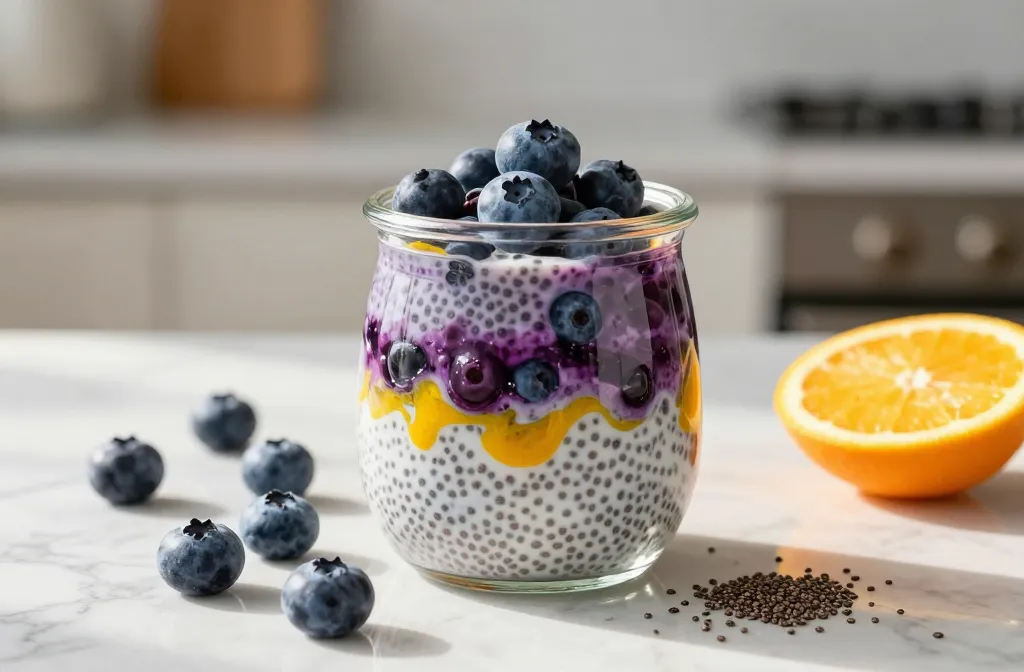
Fiber is the big winner you can lose when you swap to gluten-free products. If you’re not intentional, your gut health and digestion can suffer. – Choose fiber-rich options: legumes, fruits, veggies, chia seeds, flax, and whole grains that are gluten-free when appropriate. – If you have constipation or sluggish digestion, increase fiber gradually and drink water with it.
Social and Eating-Out Realities
Eating gluten-free at home is one thing; dining out is another. Cross-contamination, limited options, and higher prices can creep in. – Ask clarifying questions at restaurants: how is it prepared, any shared fryers, sauces with hidden gluten? – Consider simple meals you can control: big salads, veggie bowls with protein, millet or quinoa-based dishes.
Simple, Practical Ways to Make Gluten-Free Eating Work (If You Need It)
If you’re in the gluten-free camp for health reasons, here are practical moves to keep your nutrition on point without turning meals into a scavenger hunt.
Fortified options matter: look for gluten-free bread and cereals fortified with iron, B vitamins, and fiber.
Mind your fiber: aim for a mix of soluble and insoluble fiber daily.
Protein balance: ensure each meal has a solid protein source to keep you full and supported.
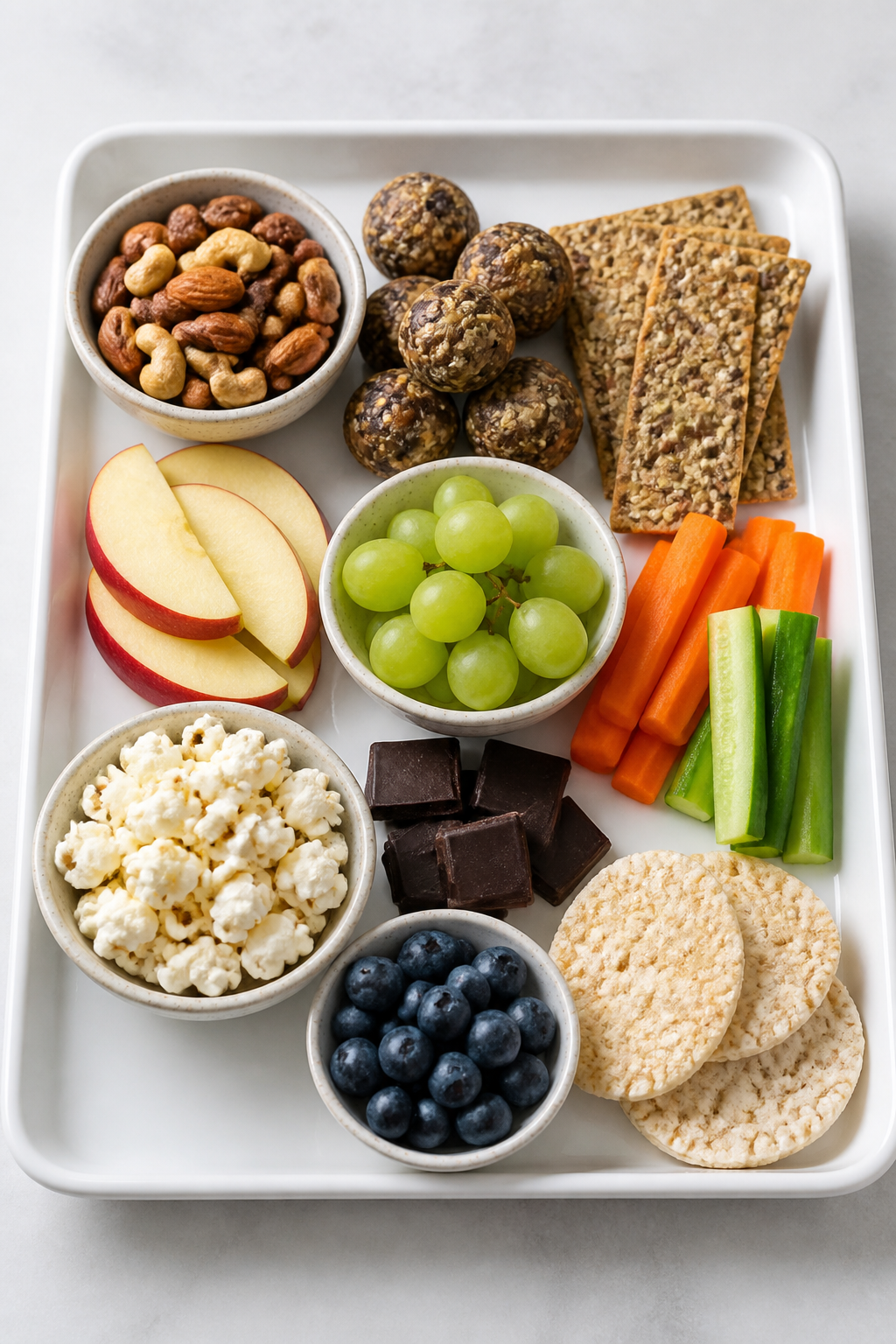
Smart snacks: choose hummus and veggies, yogurt with fruit, or a handful of nuts instead of gluten-free pastries.
Gluten-Free and Weight: What the Data Says
People chase gluten-free badges for weight loss, but the science is not a slam dunk. Some studies show people inadvertently lose weight when they cut gluten due to fewer processed foods, while others find no significant difference. – The main driver of weight loss or gain is total calories and macro balance, not just gluten status. – If you replace gluten with high-calorie, low-nutrient foods, you might stall or gain weight. Let me be blunt: you don’t need gluten-free to lose weight. You need a sustainable, balanced approach that fits your life. IMO, that’s much more reliable than chasing a label.
Here’s the blunt reality: gluten-free isn’t a purity badge for health. You can eat clean with gluten in your diet too. The healthiest choices come from whole foods, not from a forbidden list. – A well-rounded diet that includes gluten can be incredibly nutritious if you choose whole-grain options like oats, barley, or farro (where tolerated). – If you don’t have a medical reason, gluten-free shouldn’t be your default unless you enjoy it or feel better without gluten. – Dude, you can still have treats. It’s all about moderation and balance, not moral superiority of one diet over another.
How to Talk to Your Doctor or Dietitian About Gluten
If you suspect gluten is causing issues, here’s a smart approach to get clarity without freaking out. – Track symptoms for a few weeks with a basic food diary. – Consider a supervised elimination trial only if you have consistent, bothersome symptoms—don’t guess with self-diagnosis. – If you suspect celiac disease, get tested before starting a gluten-free diet. The tests rely on gluten exposure to be accurate. Ask your health pro about: celiac testing, non-celiac gluten sensitivity, and whether a gluten-free plan makes sense given your lifestyle and goals.
Real-World Stories: People Who Tried Gluten-Free for the Wrong Reasons
Not every gluten-free journey ends in enlightenment. Some folks go gluten-free because it’s trendy, only to realize they miss out on key nutrients or crave their old foods. Other folks discover relief after a thoughtful switch when gluten was the real trigger. It’s not one-size-fits-all, and that’s okay. One friend found that cutting gluten helped her occasional bloating, but she replaced it with a robust fiber plan and plenty of protein. Another person noticed no difference and went back to a balanced, mostly gluten-inclusive diet. The moral: listen to your body, not the internet dopamine rush.
FAQ
Is gluten-free automatically healthier for everyone?
Gluten-free is not inherently healthier for most people. It’s essential only for those with celiac disease, wheat allergy, or non-celiac gluten sensitivity. Otherwise, you can thrive on a balanced diet that includes gluten if you tolerate it.
Can gluten-free foods be less nutritious?
Yes, especially processed gluten-free snacks and breads. They can be higher in sugar and fat while lower in fiber and iron. Prioritize whole, fortified, and naturally gluten-free options to keep nutrition solid.
Should I try a gluten-free diet to lose weight?
Weight loss depends on total calories and macro balance, not gluten status. A gluten-free diet can help if it reduces processed foods for you, but it isn’t a guaranteed shortcut.
How do I know if I should test for celiac disease?
If you have persistent symptoms like chronic diarrhea, abdominal pain, bloating, unintended weight loss, or iron-deficiency anemia, talk to a clinician about testing. Do not start a gluten-free diet before testing if celiac disease is suspected; it can invalidate results.
What are practical gluten-free staples I should keep on hand?
So, is gluten-free actually healthier? The short answer: it depends on you. For people with diagnosed conditions, gluten-free can be essential. For others, it’s often a marketing badge that doesn’t automatically improve health. The wiser path is to focus on overall diet quality, not the gluten label. IMO, a balanced, enjoyable eating plan—gluten included when tolerated—beats any dietary dogma. If you’re curious, try a thoughtful, evidence-backed approach for a few weeks and see how you feel. Be kind to yourself, and don’t let the internet decide your health.
Disclosure: This post may contain affiliate links.
If you make a purchase through these links, I may earn
a small commission at no extra cost to you.
prab chahal
Hi, I’m Prabjot Chahal – the heart (and taste buds) behind this blog!
Food has always been my love language – from experimenting with family recipes to discovering unique flavors from around the world. I believe that cooking isn’t just about following a recipe, it’s about creating moments, sharing stories, and connecting with others over something delicious. Through this blog, I want to build a vibrant food community where we share more than just recipes – we share inspiration, tips, and the joy of making and enjoying good food together. Whether you’re here for quick weekday dinners, festive treats, or creative seasonal ideas, you’re part of this table. So grab a fork (or a whisk!) and let’s cook, bake, and share our love for food – one recipe at a time.