I’m guessing you’ve replayed the same afternoon nap a dozen times and still feel like you’re running on fumes. Spoiler: it might not be your coffee addiction or your willpower. It could be a deficiency-based diet doing the heavy lifting behind the scenes. Let’s cut to the chase and explore a practical, actually-worked plan you can start today.
Why You Feel Tired All Day (And How a Deficiency-Based Diet Helps)
You’re not imagining it. Your body runs on nutrients as if they’re tiny power-ups for a video game. When you’re missing key ones, fatigue isn’t shy about showing up. The good news? You don’t need a magical pill. You can fuel smarter with foods that fill a real, measurable gap.
1. The Big Deficiency List: What Slackers Your Energy
Our bodies blink into life with plenty of tiny helpers. When one (or several) are low, you’ll notice.
Common culprits to look for
<strong Iron and ferritin drops = low oxygen delivery to muscles and brain. Fatigue, pale skin, and dizziness are not vibes.
<strong Vitamin D = mood and energy anchor. Deficiency can feel like perpetual cloud cover.
<strong B vitamins (especially B12 and folate) = energy metabolism. Low levels can cause brain fog and weariness.
<strong Magnesium = relaxes your muscles and helps sleep. Too little can leave you twitchy and tired.
<strong Omega-3 fatty acids = brain fuel. Low levels can dull focus and energy.
2. Build Your Daily Plate: A Deficiency-Based Diet That Actually Works
No overhauls that feel punitive. Think simple swaps and smarter combinations.
Principles to live by
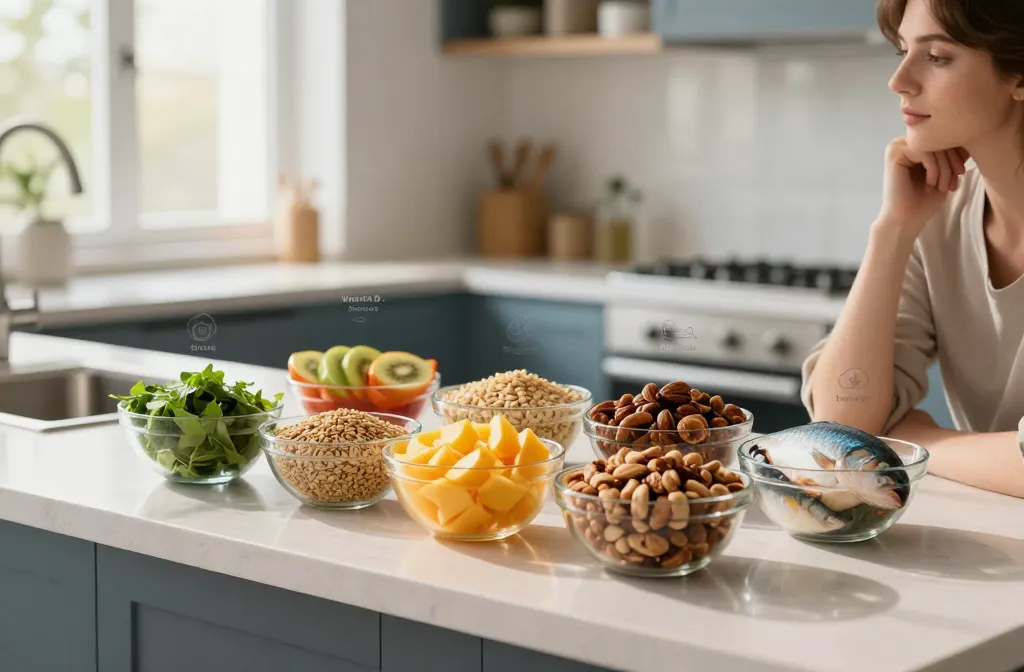
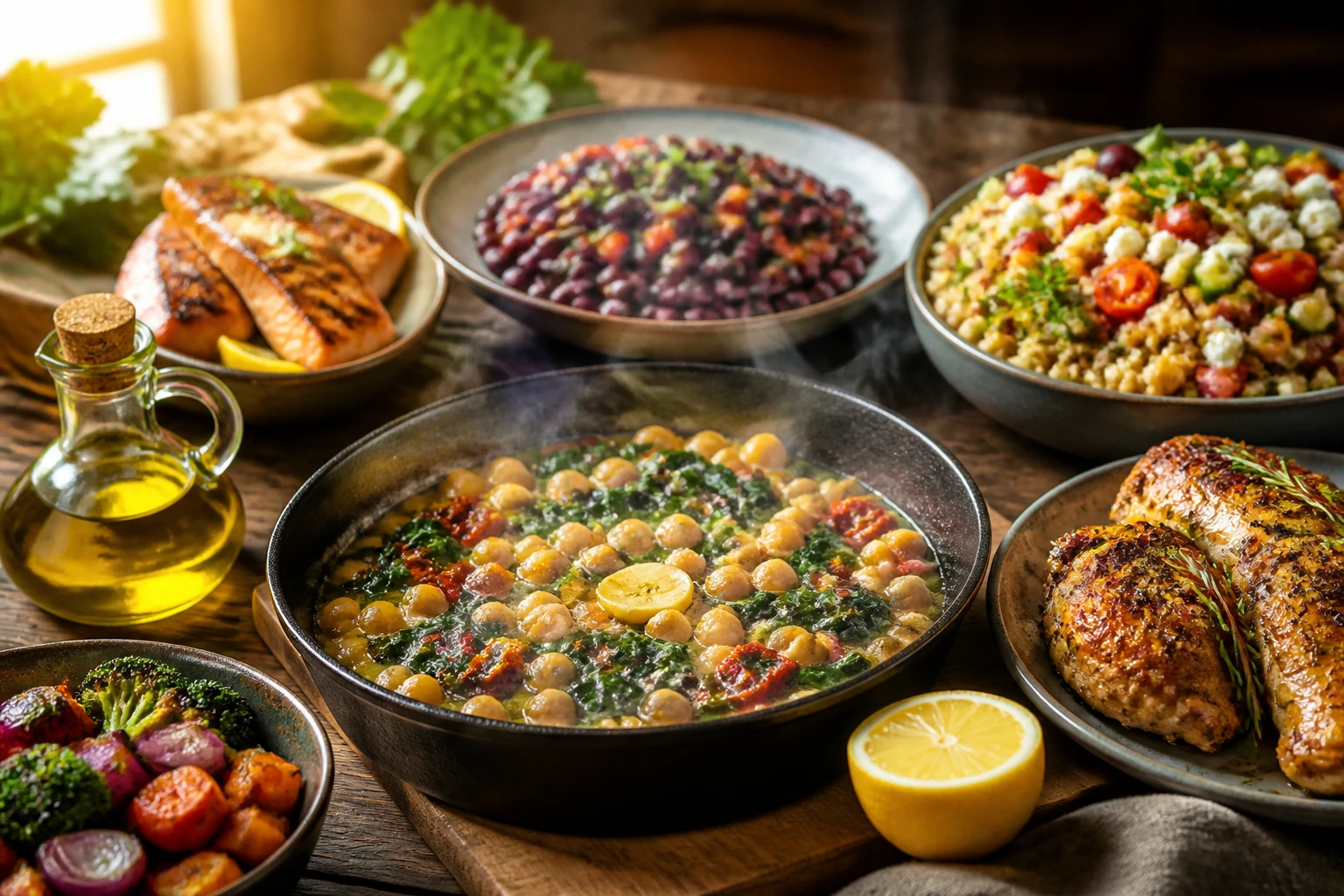
Prioritize nutrient-dense foods at every meal—protein, fiber, healthy fats, and micronutrients.
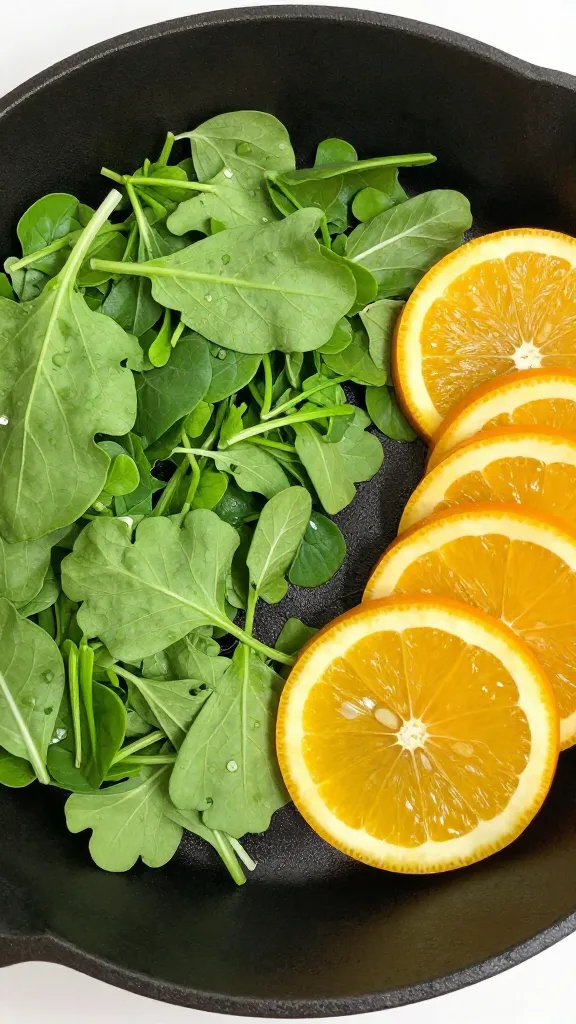
Pair iron-rich foods with vitamin C to boost absorption. Yes, a squeeze of lemon on spinach counts as a win.
Split your iron sources: mix heme (meat, seafood) with non-heme (beans, fortified grains) to cover all bases.
Be mindful of anti-nutrients that block absorption. Soak beans, cook greens well, and don’t rely on calcium-rich foods at the same time as iron-rich meals.
3. Daily Staples: What to Add (And What to Tweak)
Here are practical swaps and additions you can actually stick to.
Key foods to crowd in
<strong Red meat, poultry, or fortified cereals for iron, plus a side of citrus or bell pepper for vitamin C.
<strong Leafy greens like spinach or kale for folate and magnesium.
<strong Fatty fish (salmon, sardines) for omega-3s and vitamin D.
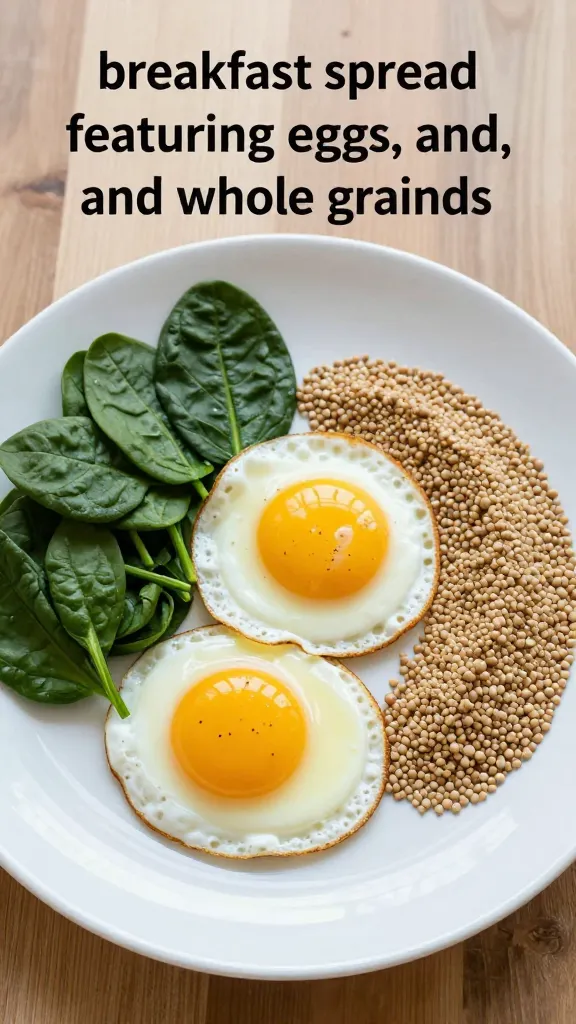
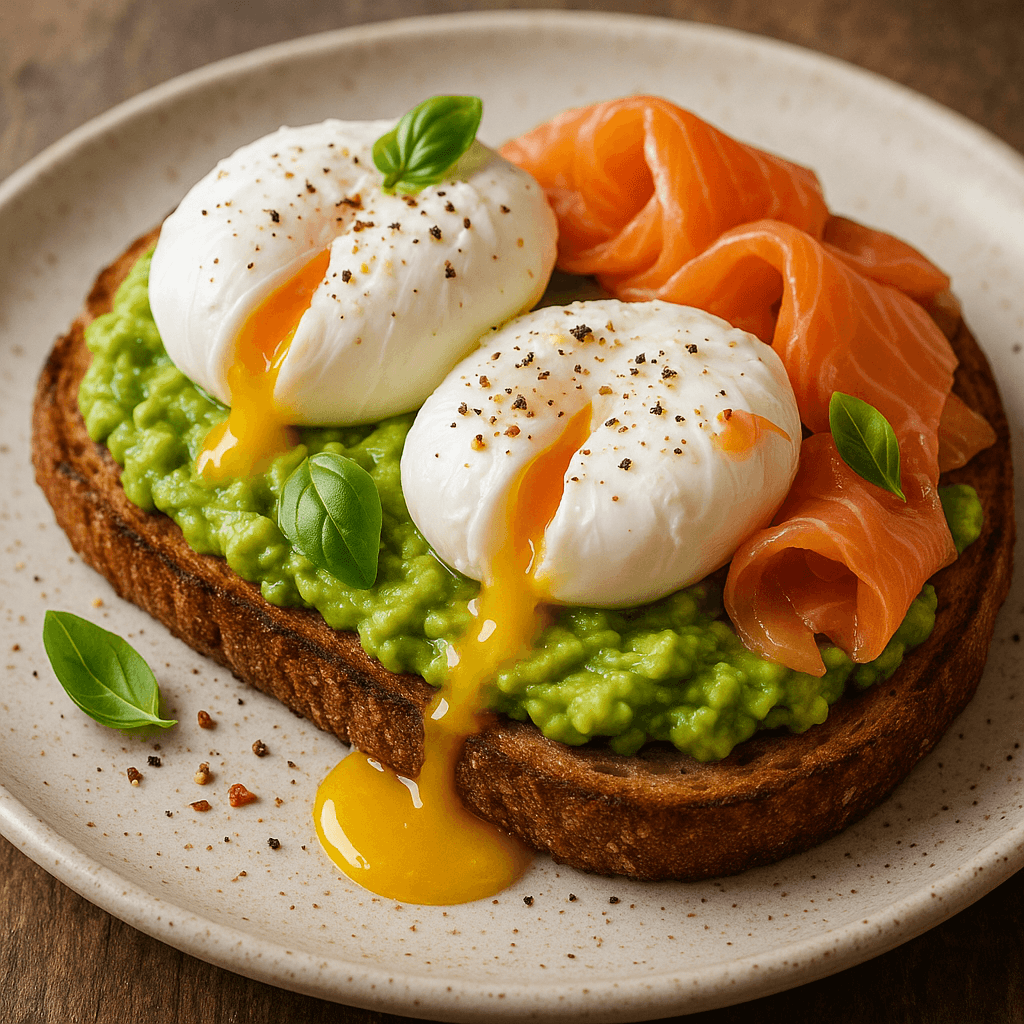
<strong Eggs for B12, choline, and a quick energy bump.
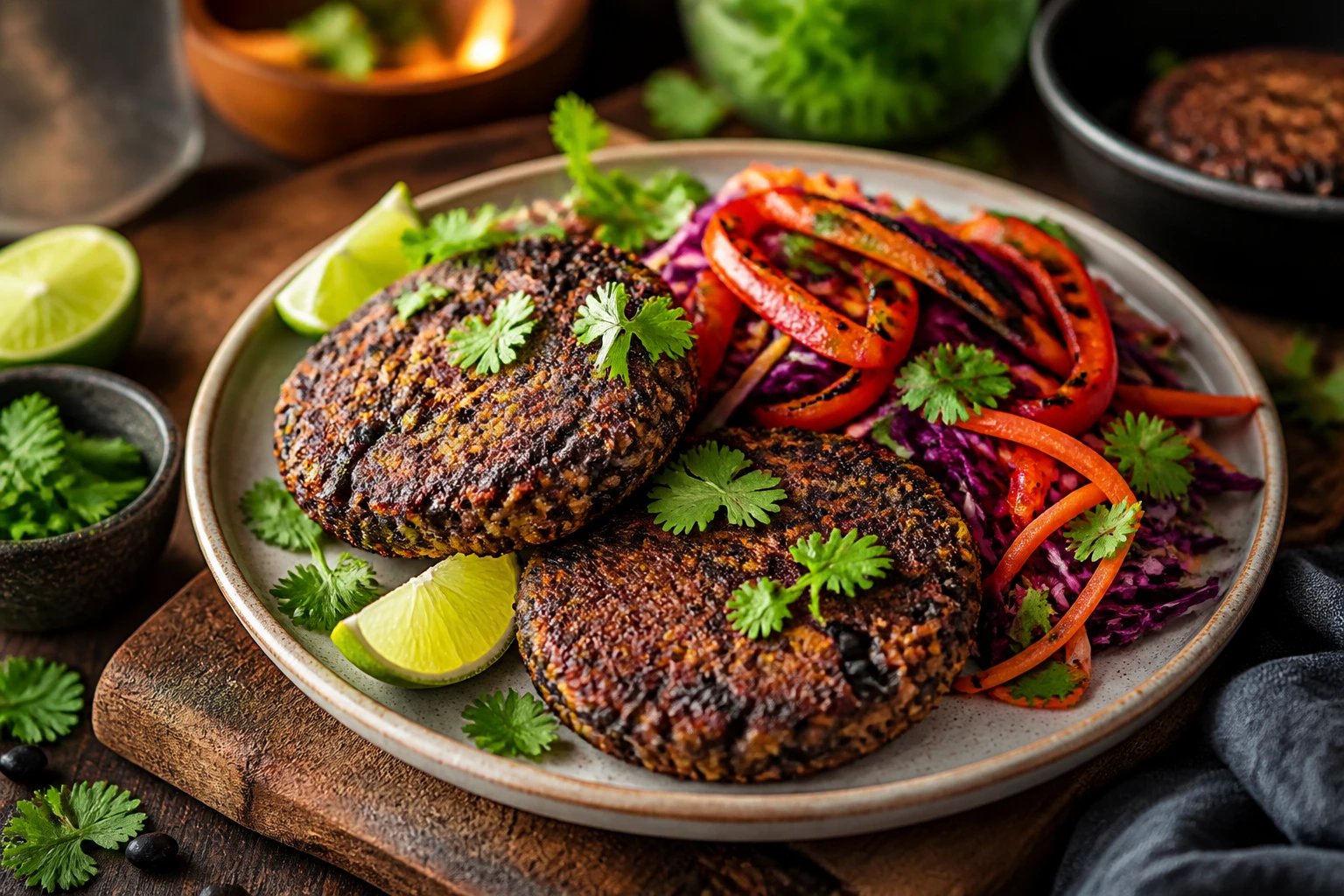
<strong Legumes (beans, lentils) to fuel with fiber and iron combo.
<strong Whole grains (quinoa, oats) to keep steady energy, not sugar spikes.
Smart swaps to try this week
Swap a cup of white rice for quinoa or brown rice to boost minerals and fiber.
Trade a sugary snack for a handful of almonds with an orange. You’ll thank me later.
Replace one breakfast pastry with Greek yogurt and berries for protein and vitamin C in one go.
4. Timing Tricks: When Your Body Actually Buys In
Diet matters, but timing matters too. Don’t starve yourself and don’t gorge late night either.
Meal rhythm that supports energy
Have a protein-forward breakfast within an hour of waking. Think eggs, yogurt, or a protein smoothie.
Spread protein and fiber across meals to avoid energy dips—think lunch and dinner with veggies and whole grains.
Include a small, balanced snack in the afternoon to avoid the 3pm crash.
5. Add a Pulse: Pro Tips to Supercharge Your Diet
Pro tips
FYI, iron absorption improves with vitamin C. A citrus wedge or bell pepper on iron-rich meals is a tiny move with big payoff.
Cook greens like spinach with a splash of acidic juice; it makes minerals a touch more bioavailable.
Consistency > perfection. Small, repeatable changes beat drastic overhauls that fade in a week.
Common mistakes
Overloading on caffeine. It can mask fatigue but worsens sleep quality over time.
Ignoring hydration. Dehydration masquerades as fatigue more than you’d think.
Skipping meals. Tiny, steady fuel beats long fasts if you’re chasing energy.
Variations
Vegetarian-friendly: lean plant proteins, fortified cereals, and iron-rich greens with vitamin C boosters.
Gluten-aware tweaks: swap out heavy breads for quinoa or buckwheat for a calmer energy curve.
On-the-go plan: hard-boiled eggs, yogurt cups, mixed nuts, and a fruit pouch for lunchbox energy.
6. Ingredients Swaps for Easy Wins
Smart swaps you can do now
Use canned tomatoes with iron-fortified beans to create quick fortified chili or soups.
Swap white potatoes for sweet potatoes to busk on more vitamin A and fiber.
Choose fortified plant milks with vitamin D and B12 if you’re dairy-free.
7. Common Scenarios: Fatigue at Different Times of Day
Morning drag
Kickstart with a protein-rich breakfast and a splash of citrus. If you’re not a morning person, a protein smoothie can be an easy opener that travels well.
Afternoon slump
Grab a balanced snack and a splash of water. If your office is a land of fluorescent lighting, consider a quick 5-minute stretch or a short walk to reset energy metabolism.
Evening wind-down
Avoid late-night heavy meals. Choose lighter protein and fiber to support sleep quality without feeling stuffed.
FAQ
Q: Do I need supplements? Not always. Start with real foods first. If labs show deficiencies, your healthcare provider may suggest targeted supplementation (iron, vitamin D, B12, etc.).
Q: Can I fix fatigue with coffee? Coffee can help, but it’s not a fix. Relying on caffeine masks underlying gaps. Use it strategically—early in the day and not after lunch.
Q: How long before I notice a difference? Give it 3–6 weeks of consistent refining. Your energy should become steadier, and sleep quality often improves as you optimize magnesium, zinc, and B vitamins.
Q: I’m vegetarian. Is this doable? Absolutely. Focus on iron-rich plant foods plus vitamin C, add fortified cereals or B12 supplements, and don’t miss omega-3s from flax or chia as a base.
Q: What about sleep? Nutrition helps, but sleep quality is a big player. Keep a regular sleep schedule and create a gentle wind-down routine.
Conclusion
If you’ve been chasing energy in the wrong places, a deficiency-based diet might be the missing link. It isn’t about starving yourself or becoming a food scientist; it’s about smarter food choices, better pairings, and consistent habits. Start with small, doable changes: add a citrus splash on iron-rich meals, swap a starch for a whole grain, and aim for protein-packed breakfasts. Your body will thank you with clearer focus, steadier energy, and maybe a little extra spring in your step. IMO, it’s worth the effort—and FYI, you can totally do this.
Disclosure: This post may contain affiliate links.
If you make a purchase through these links, I may earn
a small commission at no extra cost to you.
prab chahal
Hi, I’m Prabjot Chahal – the heart (and taste buds) behind this blog!
Food has always been my love language – from experimenting with family recipes to discovering unique flavors from around the world. I believe that cooking isn’t just about following a recipe, it’s about creating moments, sharing stories, and connecting with others over something delicious. Through this blog, I want to build a vibrant food community where we share more than just recipes – we share inspiration, tips, and the joy of making and enjoying good food together. Whether you’re here for quick weekday dinners, festive treats, or creative seasonal ideas, you’re part of this table. So grab a fork (or a whisk!) and let’s cook, bake, and share our love for food – one recipe at a time.