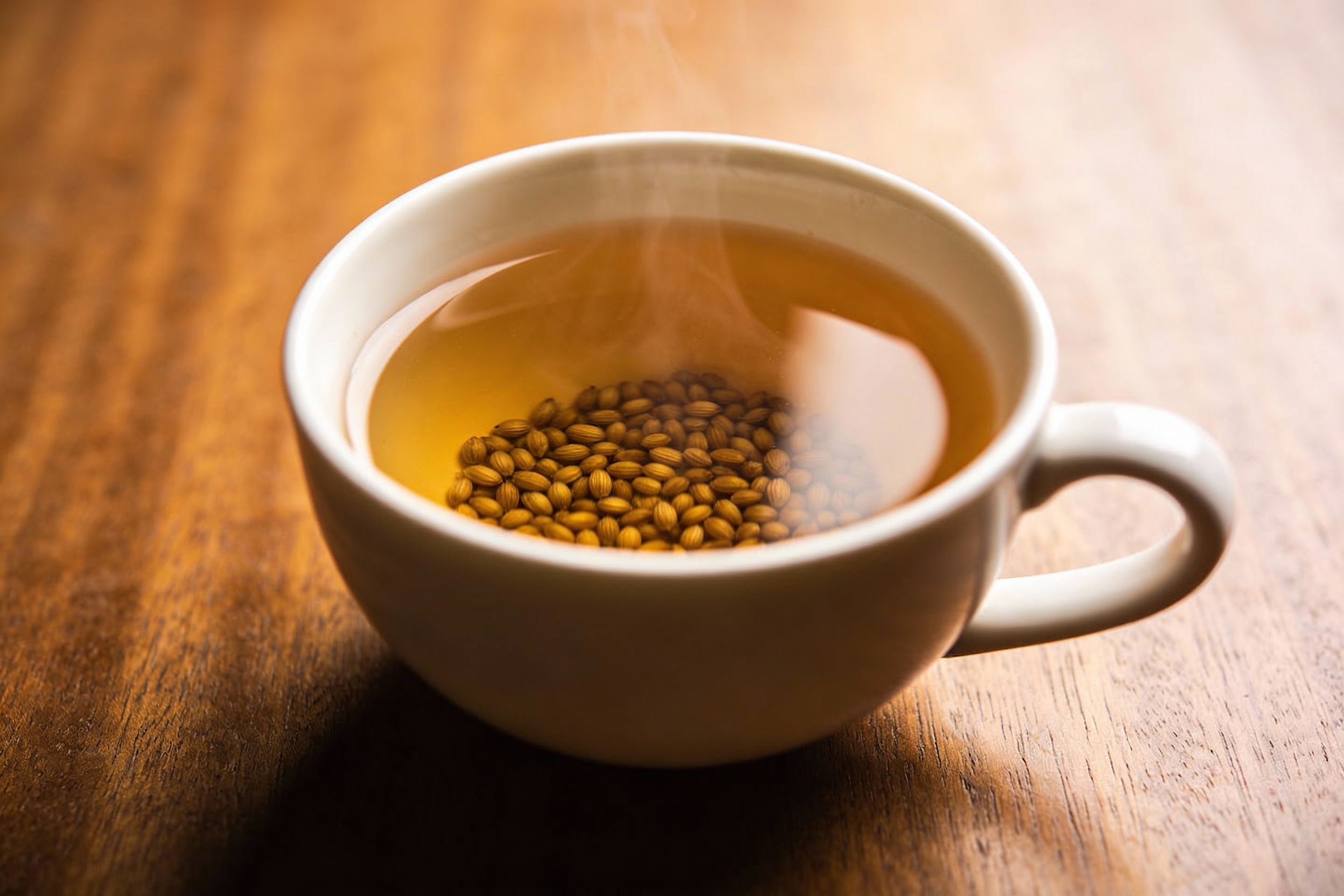
You know that bloated, brick-in-your-stomach feeling after a heavy meal? Yeah, nobody asked for that. Fennel seed water steps in like the friend who shows up with snacks and a plan. It’s simple, soothing, and surprisingly effective for digestion. If you want a quick, natural fix that doesn’t taste like regret, keep reading.
Why fennel seed water gets a gold star for digestion
Fennel seeds pack a trio of digestive perks: they calm gas, reduce bloating, and nudge sluggish digestion. That’s because they’re loaded with compounds like anethole, fenchone, and estragole that help relax the gut muscles and move things along. You also get a mild carminative effect—aka it helps you pass gas without feeling like a balloon animal. Charming, right? Plus, fennel has a naturally sweet, herbal flavor, so the water tastes pleasant, not medicinal.
The science-y stuff (kept simple)
– Anethole may reduce gut spasms and help digestion feel smoother. – Fenchone and estragole show antimicrobial effects that can help keep gut microbes balanced. – Fiber? A bit. Antioxidants? Yep. But the real win is the gut-calming effect after meals. Bottom line: fennel seed water supports digestion by relaxing your GI tract and easing bloating and gas. Easy win.
How to make fennel seed water (two easy ways)
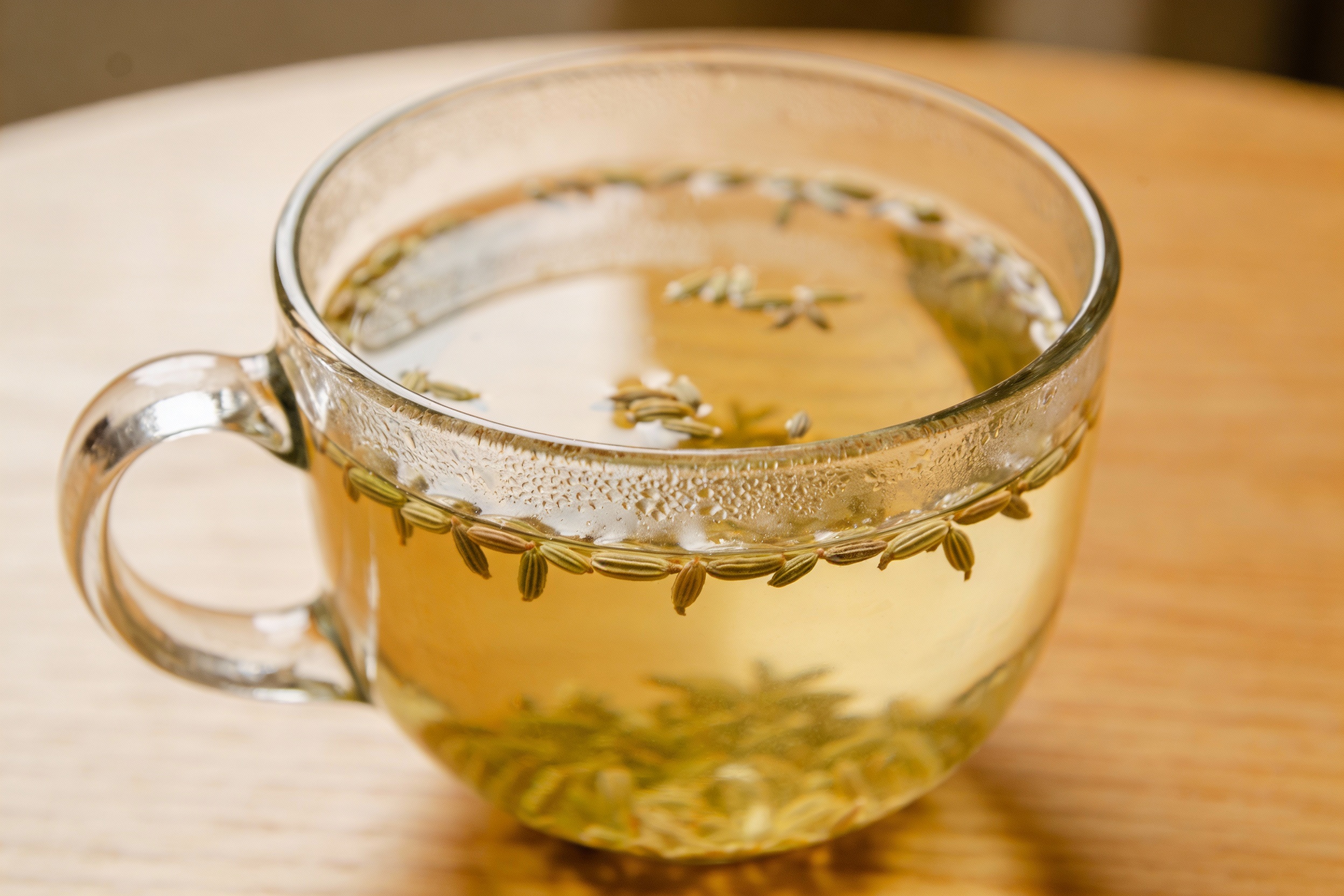
No fancy gear needed—just fennel seeds, water, and a mug. IMO, the hot infusion tastes best, but both methods work.
Hot infusion (my go-to)
1. Lightly crush 1 teaspoon of fennel seeds with a spoon. 2. Pour 1 cup of hot (not boiling) water over the seeds. 3. Cover and steep 10–15 minutes. 4. Strain and sip warm after meals.
Overnight cold soak (mellow and refreshing)
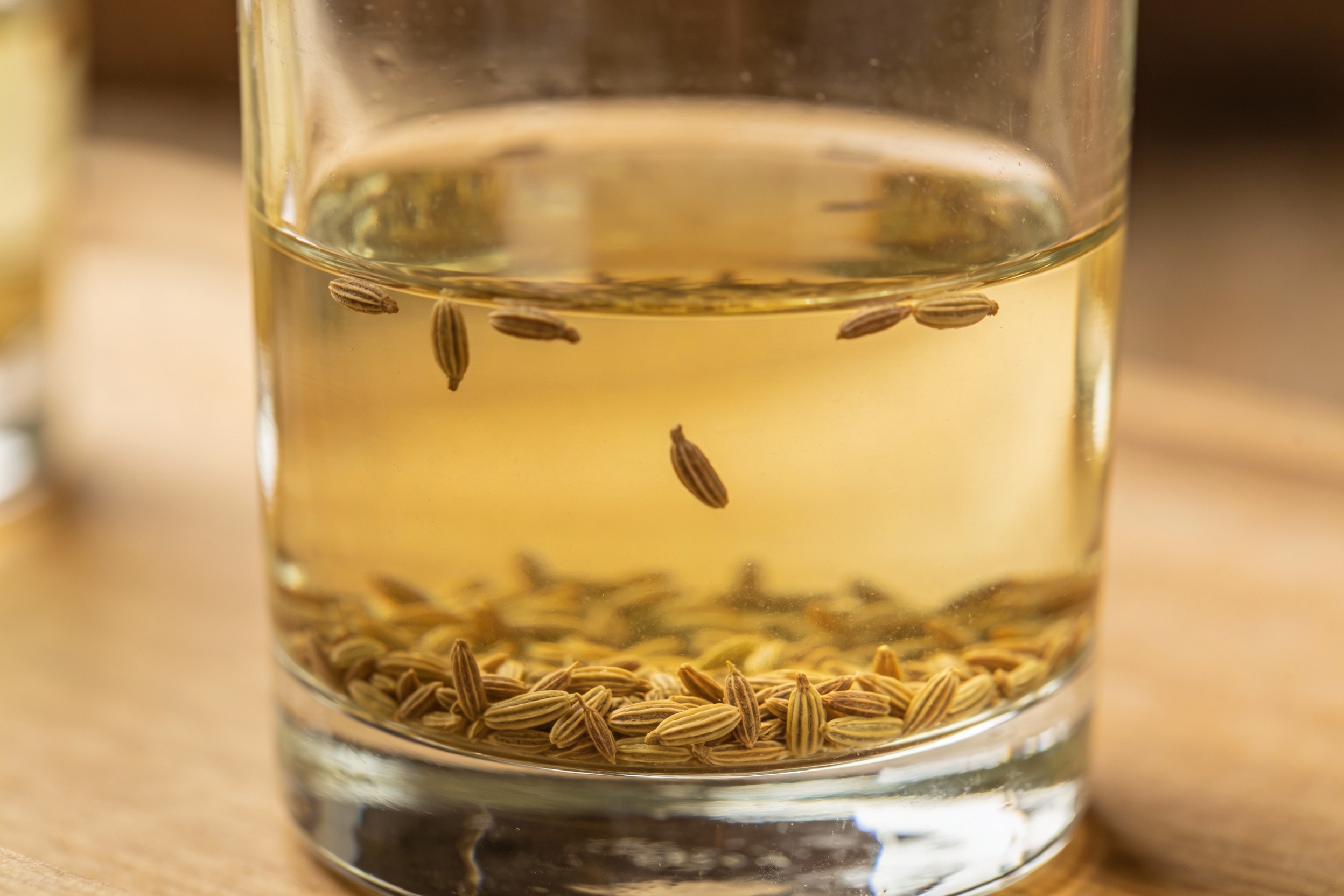
1. Add 1–2 teaspoons of fennel seeds to 1 cup of room-temp water. 2. Cover and soak 8–12 hours (overnight works). 3. Strain and drink in the morning or before meals. Pro tip: Toast the seeds for 30–60 seconds in a dry pan before steeping for a deeper, sweeter flavor.
You don’t need to chug a gallon. Small, consistent sips win.
After meals: 1 cup helps reduce post-meal bloat and gas.
Before big meals: 15–20 minutes prior can prep your gut, especially if you know spicy or heavy foods are coming.
Daily ritual: 1–2 cups a day is plenty for most people.
If your stomach feels off, try a warm cup and give it 20 minutes. You’ll likely feel lighter and less rumbly.
What to expect From Fennel seed water (and what not to)
You should feel less pressure, less bloating, and smoother digestion. Some people also notice a subtle sweet aftertaste and fresher breath—fennel is famous for that. What fennel seed water won’t do: – It won’t fix chronic gut issues overnight. – It won’t replace medical care if you have persistent pain, reflux, or IBS flares. – It won’t cancel out overeating three burritos (sadly).
Pair it with smart habits
– Eat slowly. Your gut can’t keep up with speed-eating contests. – Include fiber, but add it gradually. – Move a bit after meals—short walks help digestion big time. – Watch salt, fizzy drinks, and very greasy foods if bloating haunts you.
Fennel plays well with others. Want options? Here you go:
Ginger: fresh slices for nausea and extra warmth.
Mint: cooling and soothing for an upset stomach.
Lemon peel: zesty, adds digestive bitters without sharp acidity.
Cardamom: fragrant and carminative—great combo with fennel.
Honey: a drizzle if you prefer it a bit sweet (optional).
Keep add-ins minimal so fennel stays the star. You want soothing, not a spice riot.
Fennel seed water: Side effects and who should be cautious
For most people, fennel seed water is gentle and safe. But FYI:
Allergies: If you’re allergic to carrots, celery, or other Apiaceae plants, use caution.
Hormone-sensitive conditions: Fennel has mild estrogen-like effects. If you have a history of hormone-sensitive cancers or take related medications, check with your clinician.
Pregnancy and breastfeeding: Culinary amounts are generally considered fine, but avoid large medicinal doses without medical guidance.
Med interactions: Rare, but if you’re on multiple meds, especially for seizure disorders or anticoagulants, ask your pharmacist to be safe.
Start small: Try half a cup and see how you feel. Listen to your gut—literally.
Fennel seeds vs. fennel tea vs. chewing seeds
You’ve got options. Here’s how they stack up:
Fennel seed water: Gentle, hydrating, easy for daily use. Great for steady support.
Fennel tea bags: Convenient, but flavor and potency vary. Choose brands with visible seed pieces or whole-seed blends.
Chewing fennel seeds: Traditional after meals in many cultures. Freshens breath and helps gas, but the flavor is strong. Start with 1/2 teaspoon.
IMO, fennel seed water hits the sweet spot: easy, effective, and sippable.
Simple 3-day reset plan
Want to test-drive fennel seed water without overthinking it? Try this:
Morning: 1 cup of warm fennel seed water before breakfast.
After lunch: 1 cup if you feel bloated or heavy.
Evening: Light dinner, short walk, and skip late-night snacking.
Keep caffeine moderate and soda minimal.
Notice changes in bloating, gas, and overall comfort.
If you feel better by day three, keep the habit. If nothing changes, no harm done—you just hydrated.
FAQ About Fennel Seed Water
Can I drink fennel seed water every day?
Yes, 1–2 cups daily works for most people. Treat it like a supportive habit, not a cure-all. If you need more than that long-term, loop in a healthcare pro to make sure you’re not masking a bigger issue.
How long until I feel results?
Many people feel relief within 20–60 minutes after a cup, especially for gas and bloating. For steadier digestion, give it a few days of consistent use.
Do I need to crush the seeds?
You’ll get more flavor and benefits if you lightly crush them. Whole seeds still work, just a bit weaker. Don’t pulverize into powder—it can taste gritty.
Is it safe for kids?
Small amounts of mild fennel tea are often used traditionally for gassy tummies, but ask a pediatrician for age-appropriate amounts. Avoid strong brews for infants.
What if I’m on a low-FODMAP diet?
Fennel seeds are typically tolerated in small amounts. The infusion contains minimal carbohydrates, so many people with sensitive guts do fine. Test cautiously and track your response.
Can I make a big batch?
Yes. Brew 2–4 cups, store in the fridge for up to 24 hours, and warm gently before drinking. Flavor fades after a day, so make fresh often.
Conclusion On Fennel Seed Water
Fennel seed water is the no-drama, low-cost helper your digestion deserves. It’s easy to make, tastes pleasant, and helps tame gas and bloating without a pharmacy run. Try a cup after your next meal and see how your gut reacts—worst case, you had a soothing herbal drink; best case, you feel lighter and way less puffy. IMO, that’s a pretty great trade.
Disclosure: This post may contain affiliate links.
If you make a purchase through these links, I may earn
a small commission at no extra cost to you.
prab chahal
Hi, I’m Prabjot Chahal – the heart (and taste buds) behind this blog!
Food has always been my love language – from experimenting with family recipes to discovering unique flavors from around the world. I believe that cooking isn’t just about following a recipe, it’s about creating moments, sharing stories, and connecting with others over something delicious. Through this blog, I want to build a vibrant food community where we share more than just recipes – we share inspiration, tips, and the joy of making and enjoying good food together. Whether you’re here for quick weekday dinners, festive treats, or creative seasonal ideas, you’re part of this table. So grab a fork (or a whisk!) and let’s cook, bake, and share our love for food – one recipe at a time.