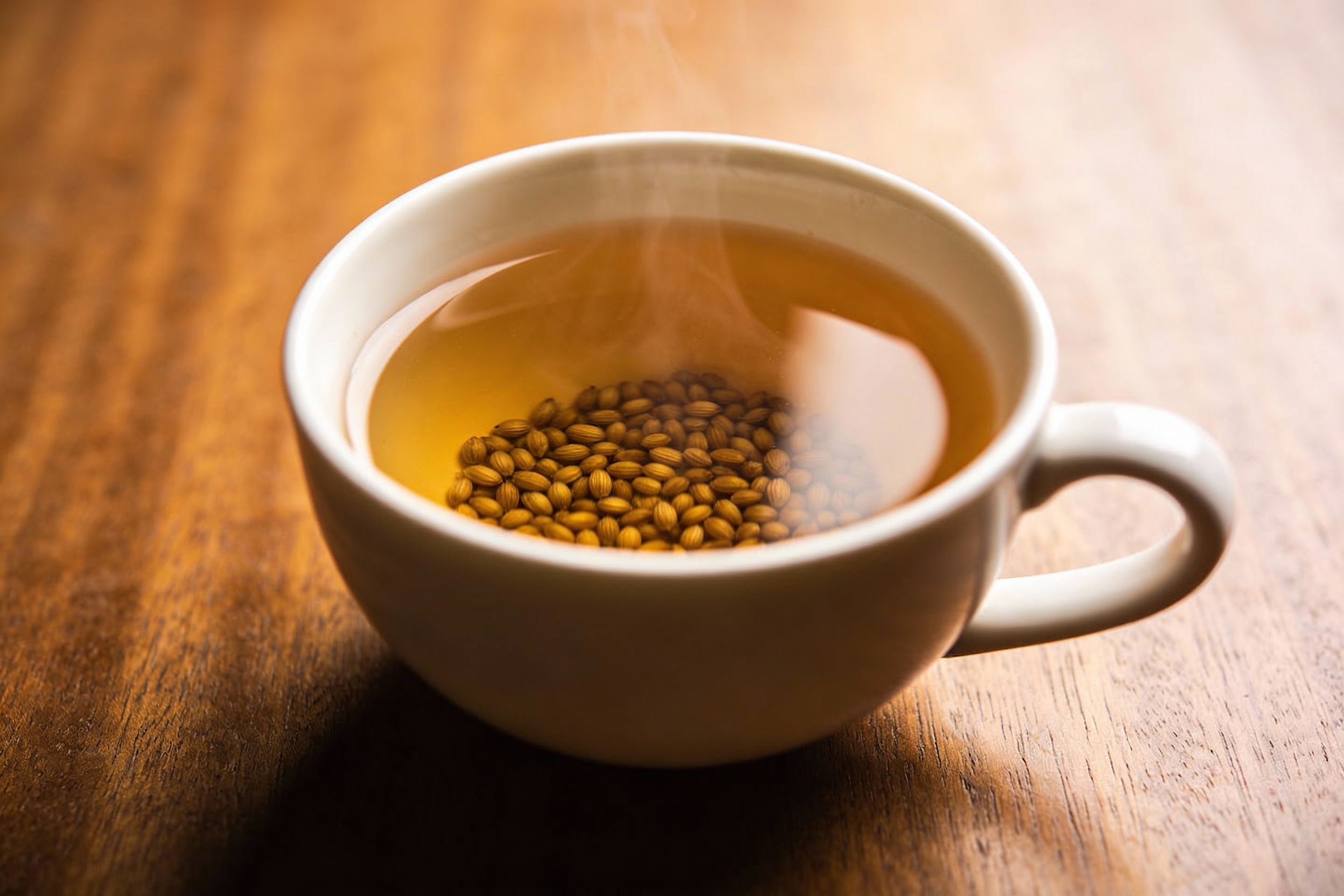
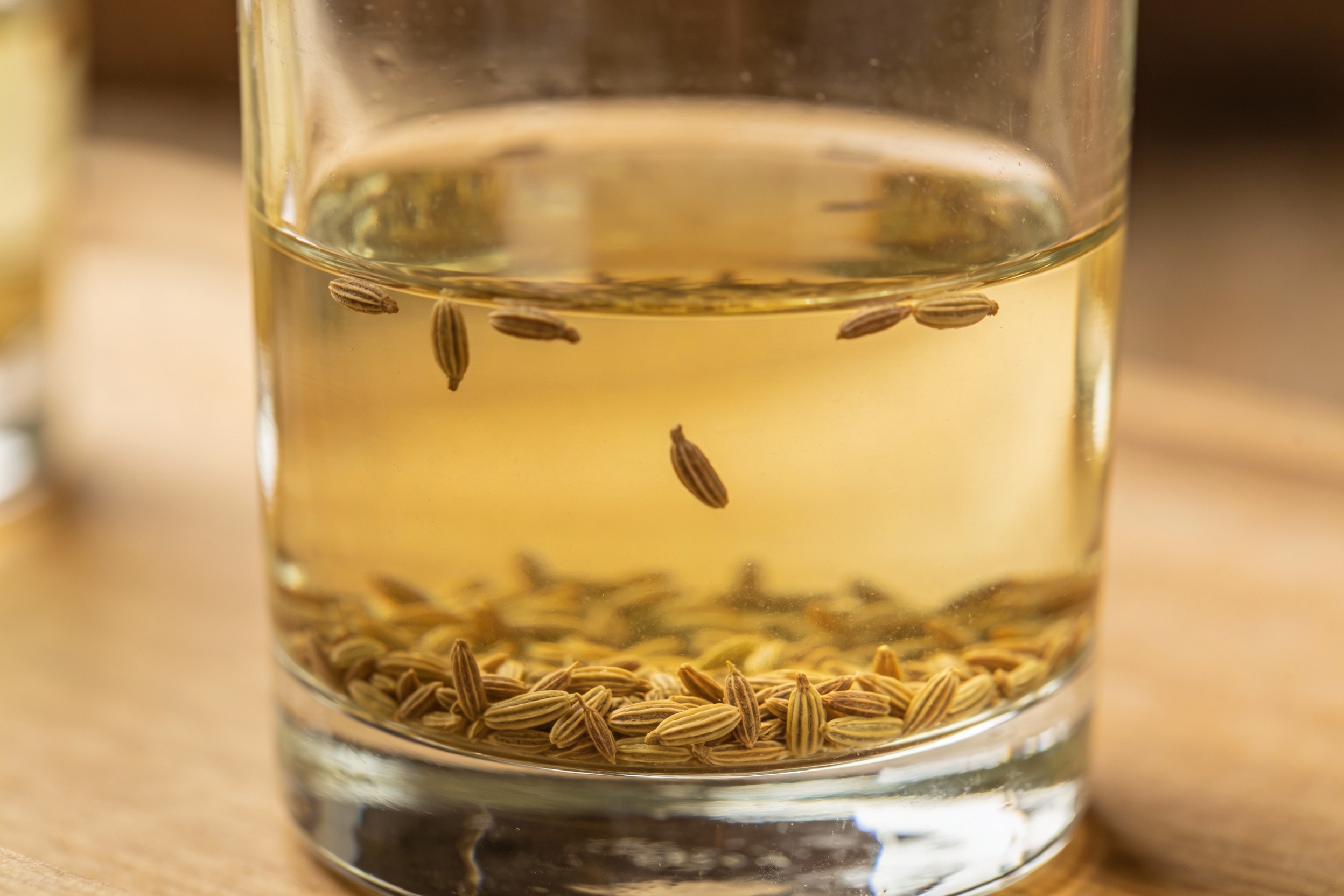
You’ve probably tossed a bay leaf into a pot of soup and never thought about it again. Same. But bay leaf herbal water? That’s a whole different vibe. It’s simple, aromatic, and surprisingly refreshing—like a spa day for your taste buds. Let’s cut to the chase and talk about how to make it, why it’s cool, and how to enjoy it without turning your kitchen into a science lab.
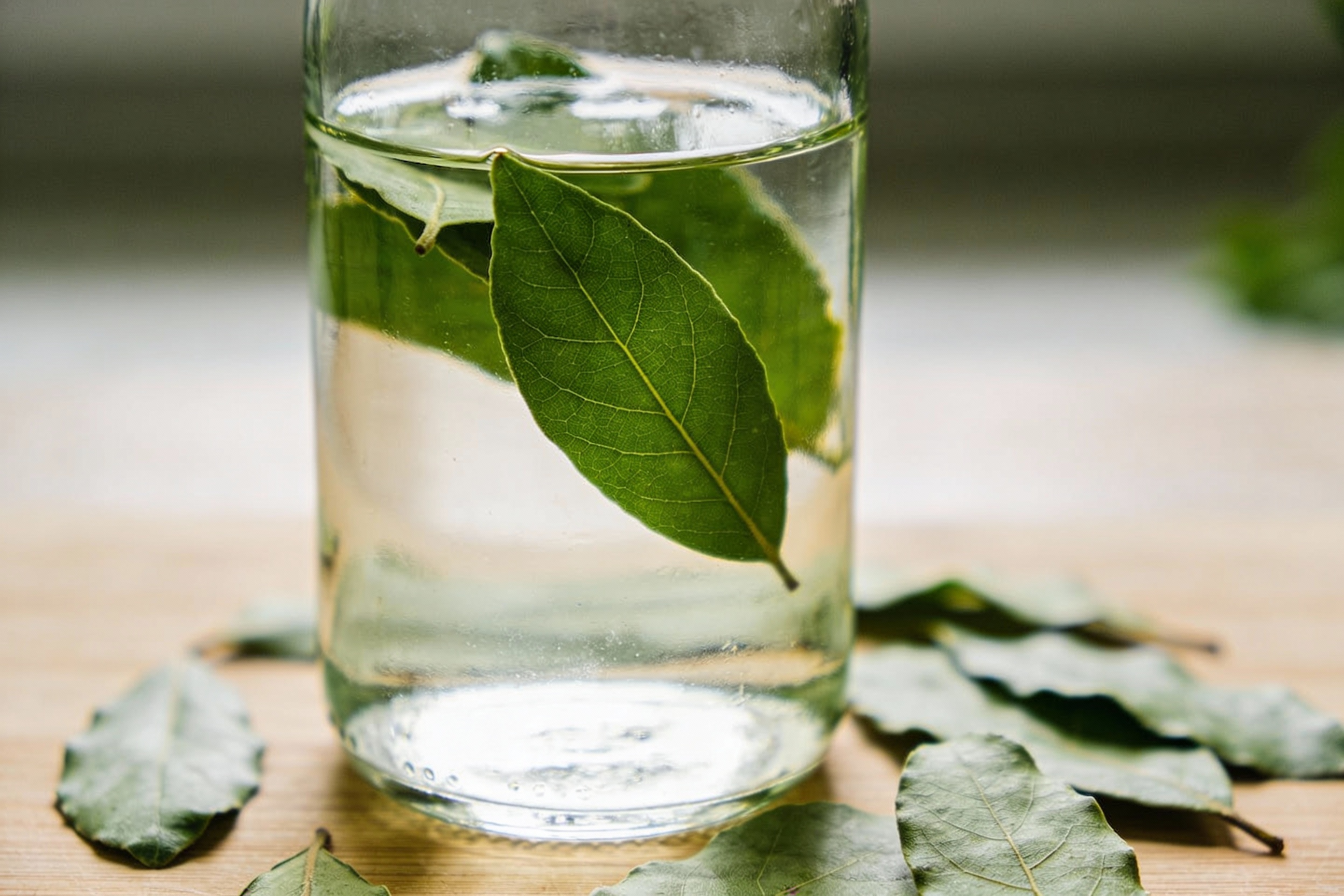
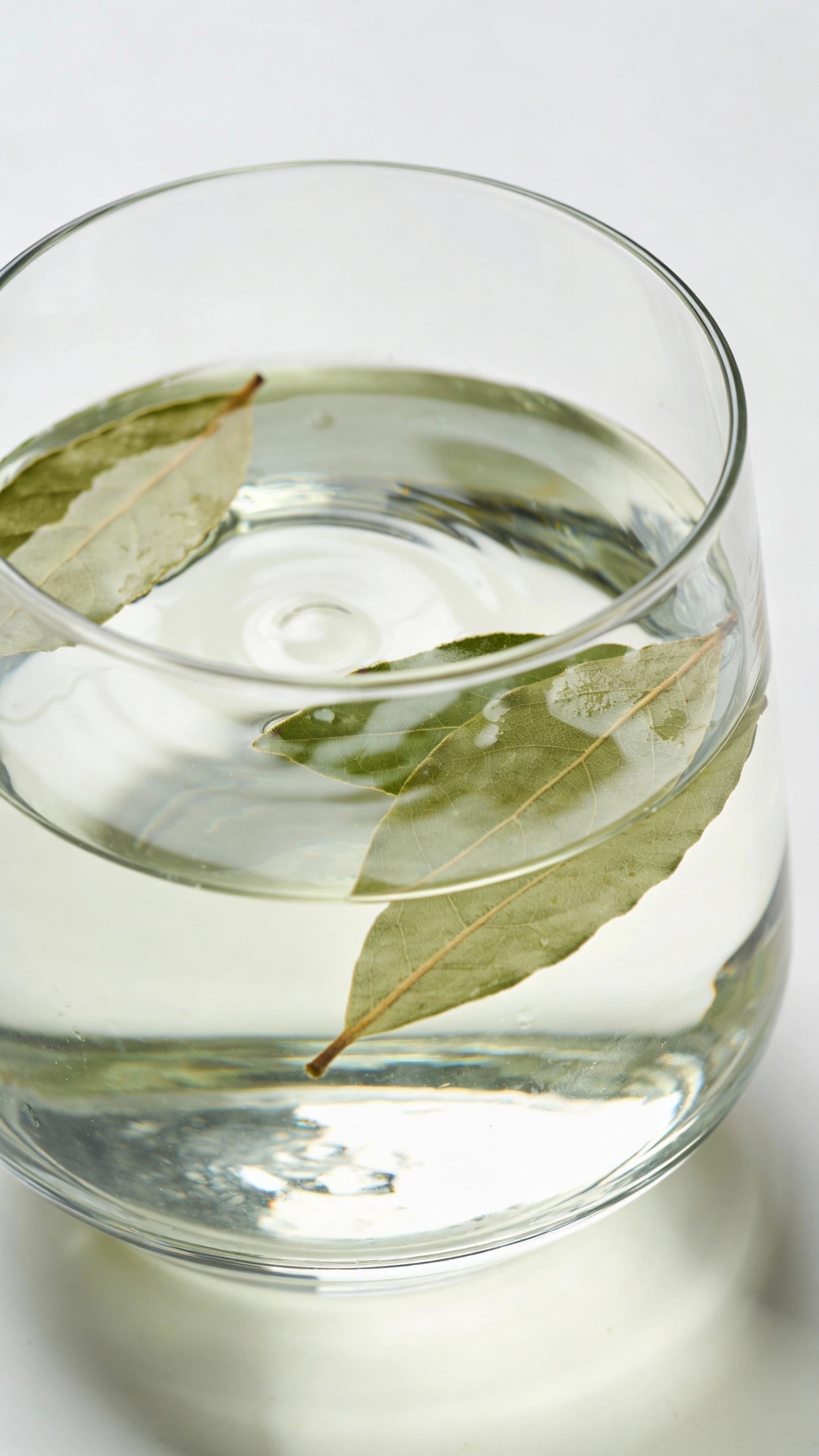
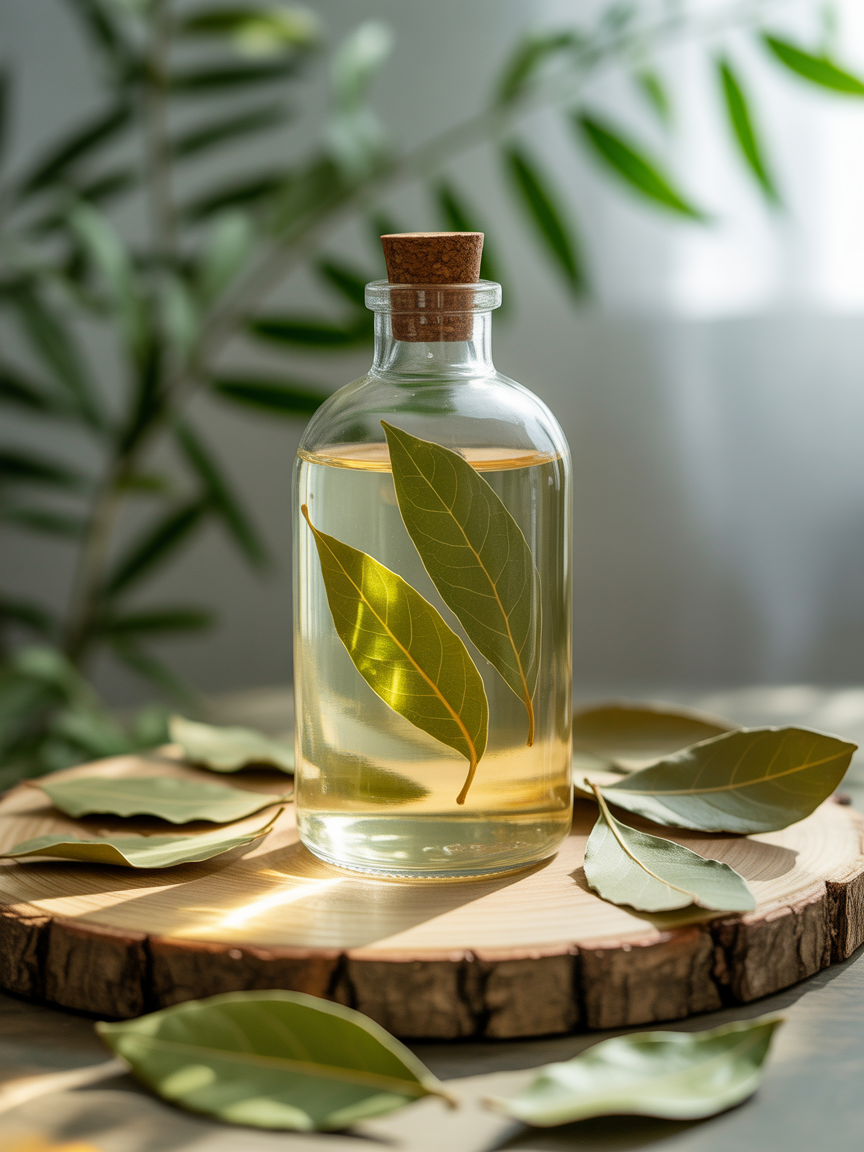
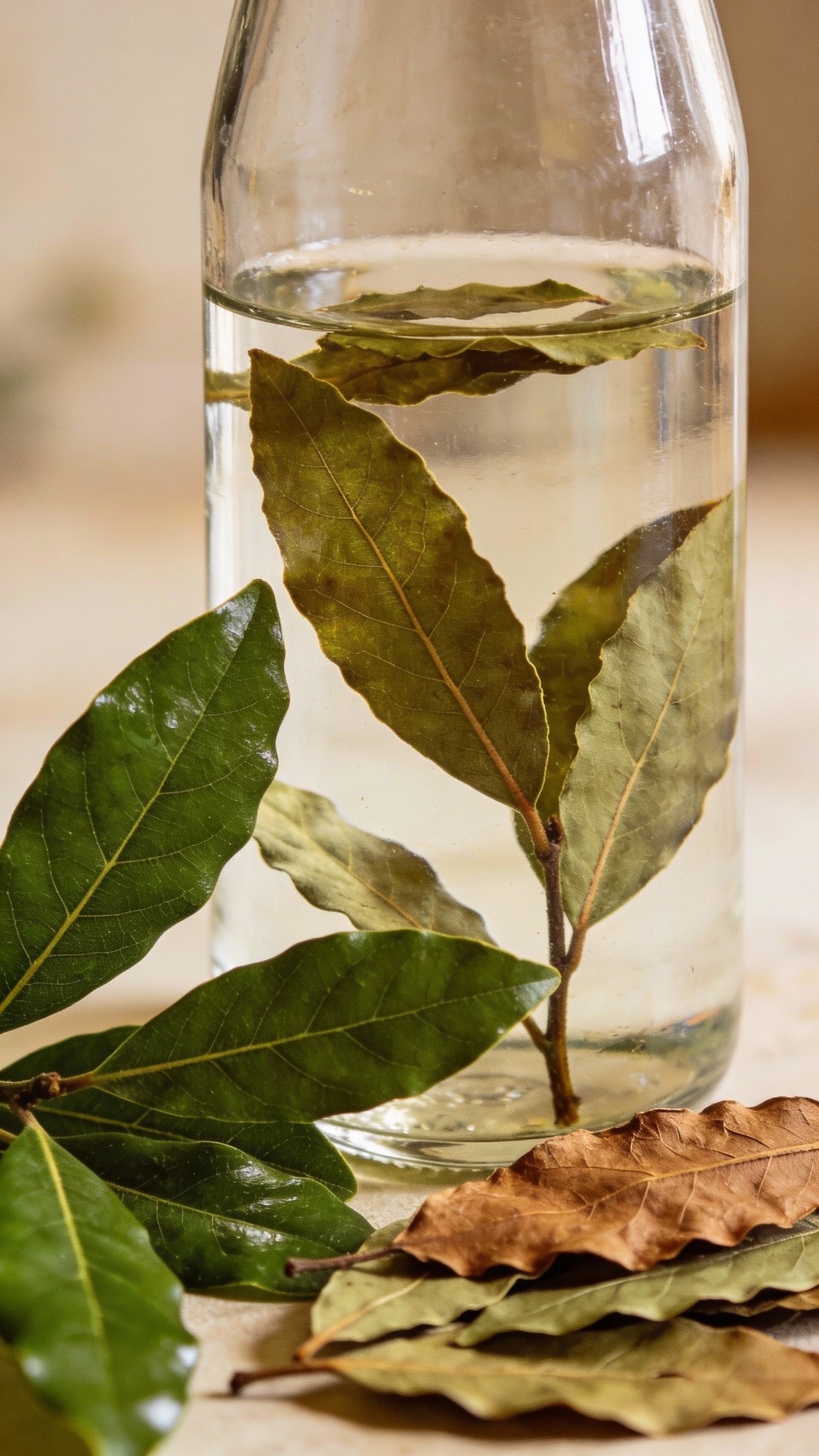
Bay leaf herbal water is just water infused with bay leaves—fresh or dried. You simmer the leaves lightly, let them steep, and boom: you’ve got a fragrant, slightly peppery, slightly floral drink. It’s like tea, but calmer and a bit more mysterious. FYI: Bay leaves come from the Laurus nobilis plant. Those are the classic culinary ones. Don’t confuse them with random laurel hedges—your yard might be pretty, but it’s not necessarily edible.
Why Bother? The Perks in Bay Leaf Herbal Water
We don’t drink bay leaf water because it’s trendy (although it kind of is). We drink it because it tastes good and might offer a few helpful perks. IMO, it’s a tiny ritual that makes your day feel a little more intentional. Potential benefits include:
Gentle digestion support: The oils in bay leaves can help with bloating and that “too-many-chips” feeling.
Calming aroma: The scent relaxes you. You’ll feel like you just did three deep breaths without actually trying.
Subtle blood sugar support: Some early research suggests bay leaves may help with glucose balance. Not magic, but interesting.
Antioxidant boost: Bay leaves contain compounds like eugenol and quercetin. Translation: plant goodness.
But let’s be real
Bay leaf water won’t cure your life. It’s a gentle daily habit, not a miracle. Think of it like choosing comfy shoes: small choice, big mood.
How to Make Bay Leaf Herbal Water (3 Easy Ways)
I promise you don’t need a degree in herbology. Pick a method, keep it simple, and adjust to taste.
Ingredients: 2–3 dried bay leaves (or 4 fresh), 4 cups water, optional lemon or cinnamon stick.
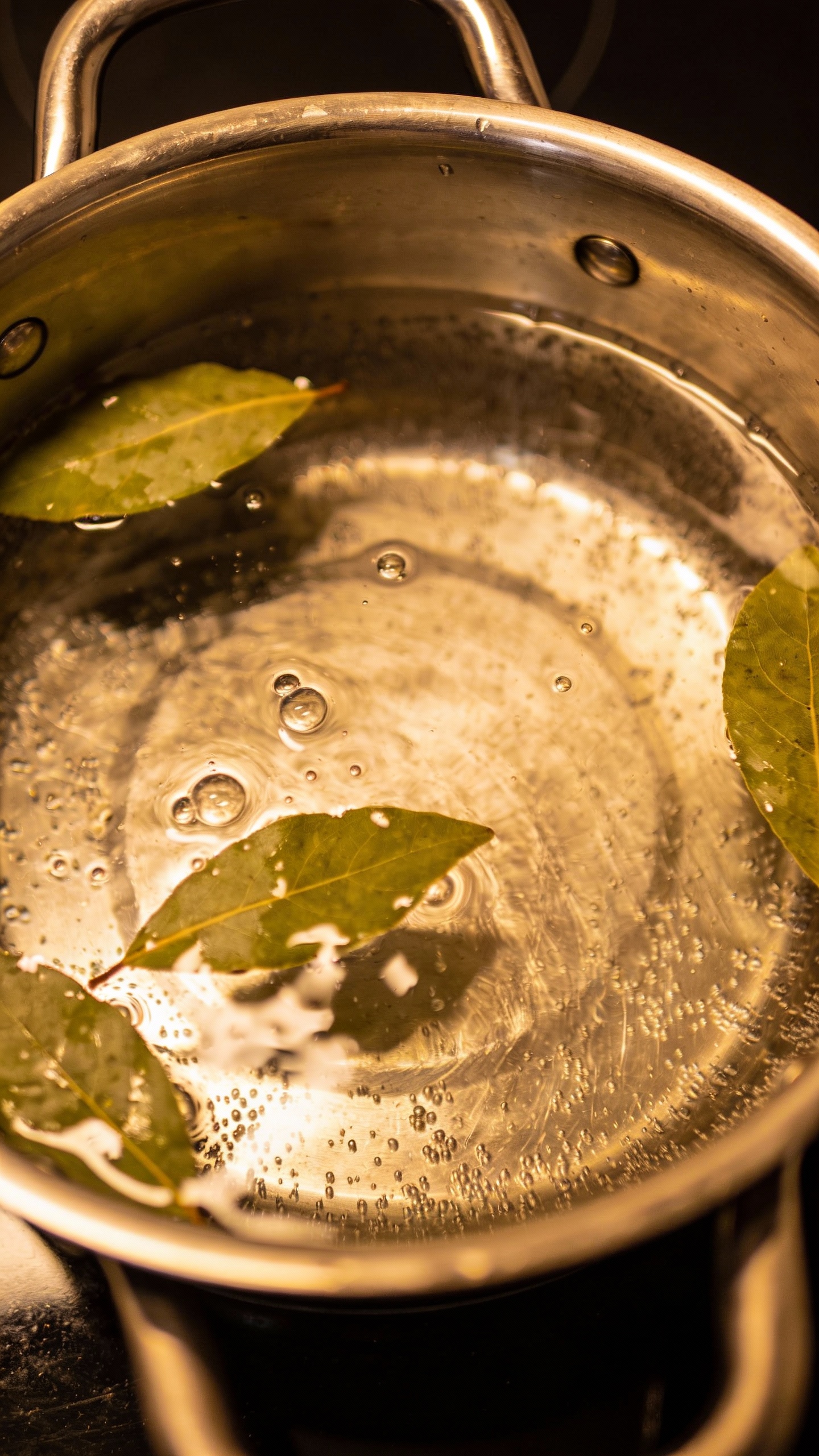
Steps: Bring water to a gentle simmer, add bay leaves, and simmer 5–8 minutes. Turn off heat and steep 10 minutes.
Strain and sip: Drink warm or chill it. Keeps in the fridge for 2 days.
2) Overnight Cold-Infusion
Add 3–4 bay leaves to a jar with 4 cups cold water.
Refrigerate 8–12 hours.
Strain and drink over ice. Softer flavor, very sippable.
3) Spiced Bay Tonic
Simmer bay leaves with a thin slice of ginger and a small cinnamon stick for 6–8 minutes.
Steep 10 minutes. Add a tiny splash of honey or a squeeze of lemon.
Great afternoon pick-me-up that won’t wreck your sleep.
Pro tip: If your bay leaves are ancient and sad, use one extra. Old leaves lose their oomph.
Flavor Profile: What Does It Actually Taste Like?
Imagine a delicate cross between mint, pepper, and a faint floral note—without the sweetness. It’s smooth, aromatic, and not bitter unless you boil it into oblivion. If you find it too strong, dilute with hot water or add a thin lemon peel. Not a lemon slice—peel. The pith adds bitterness, and we don’t want drama.
Easy Ways to Customize
Bright and zesty: Lemon peel + bay.
Comforting: Bay + cinnamon + cardamom pod.
Cooling: Bay + a few mint leaves added after steeping.
Cozy evening: Bay + chamomile + a tiny drizzle of honey.
When and How to Drink It
Timing matters less than consistency. That said, some moments just hit better.
Morning: Warm bay water before coffee = gentle wake-up.
Afternoon: Ice-cold with lemon peel—refreshing and light.
Evening: Warm, unsweetened, minimalist. Your nervous system will say thank you.
IMO: A small mug after dinner helps you stop snacking out of boredom. It gives your hands something to do besides rummage for cookies.
Safety, Sourcing, and Smart Use
Let’s keep things sensible. Herbs are great, but we like you intact.
Buy food-grade bay leaves: Look for Laurus nobilis. Whole leaves, greenish, aromatic.
Skip random ornamental laurels: Not all laurel species are edible. Your landscaping is not a pantry.
Start small: 1–2 cups a day works for most people. See how you feel.
Pregnancy or meds? Talk to your healthcare provider first, especially with diabetes meds or blood thinners.
Remove leaves before drinking: Dry leaves have sharp edges. Don’t swallow them.
Storage Tips
Keep dried leaves in an airtight jar away from light and heat.
Use within 12 months for best flavor. Sniff test = your friend.
Refrigerate brewed water and finish within 48 hours.
Bay Leaf Water for Wellness Routines
Consider this a gentle ritual rather than a prescription. Pair it with sensible habits and it feels like part of a bigger self-care picture.
After big meals: Warm bay infusion can help you feel less heavy.
Focus breaks: The aroma cues a mental reset. No, it won’t write your emails, but it helps.
Hydration companion: If plain water bores you, this adds flavor without sugar or caffeine.
A Simple 7-Day Bay Leaf Water Plan
Day 1–2: 1 cup in the morning, warm and plain.
Day 3–4: Add lemon peel or ginger in the afternoon.
Day 5–6: Try it iced with mint.
Day 7: Choose your favorite combo and prep a small pitcher.
Small habit, no pressure. If you forget a day, congrats—you’re a human.
Common Mistakes (And How to Fix Them)
Boiling too hard: Bitter city. Keep it at a gentle simmer and short steep.
Using ancient leaves: Flat flavor. Buy fresh stock or use extra leaves.
Overloading spices: Bay should lead. Use add-ins lightly.
Leaving leaves in the jar: The flavor can turn harsh. Strain after steeping.
FAQ About Bay leaf herbal water
Can I drink bay leaf water every day?
Yes, in moderate amounts. One to two cups a day works well for most people. If you take medications or have a medical condition, check with your healthcare provider first—especially if you have blood sugar concerns.
Fresh or dried bay leaves—what’s better?
Both work. Dried leaves are more common and consistent. Fresh leaves taste brighter but stronger, so use one extra dried leaf to replace a fresh one—or just adjust by taste.
Does it help with weight loss?
It won’t melt fat (sorry), but it can support good habits. It’s hydrating, low-calorie, and can reduce mindless snacking when you switch evening sweets for a warm cup. Pair it with balanced meals and movement for real results.
Is bay leaf water safe during pregnancy?
You should ask your healthcare provider. Culinary amounts in food usually cause no issues, but concentrated herbal infusions deserve a quick professional thumbs-up. Better safe than sorry.
Can I sweeten it?
Totally. A tiny bit of honey, maple, or stevia works. Keep it light so you don’t cover the delicate flavor. Lemon peel adds brightness without sweetness if you prefer that route.
What if I don’t like the taste?
Go colder and lighter. Use the cold-infusion method, add lemon peel, and strain early. Or blend it with mint or chamomile. If you still hate it, no worries—herbal water isn’t a personality test.
Conclusion On Bay leaf herbal water
Bay leaf herbal water gives you a simple, aromatic, and comforting daily ritual. It’s easy to brew, easy to tweak, and easy to love—no blender explosions or ingredient hunts required. Try a warm cup this week, dial in your favorite add-ins, and enjoy the calm, flavorful upgrade to your hydration routine. IMO, it’s the little daily luxuries that make everything else run smoother. Cheers.
Want just the essential recipe details without scrolling through the article? Get our printable recipe card with just the ingredients and instructions.
Disclosure: This post may contain affiliate links.
If you make a purchase through these links, I may earn
a small commission at no extra cost to you.
prab chahal
Hi, I’m Prabjot Chahal – the heart (and taste buds) behind this blog!
Food has always been my love language – from experimenting with family recipes to discovering unique flavors from around the world. I believe that cooking isn’t just about following a recipe, it’s about creating moments, sharing stories, and connecting with others over something delicious. Through this blog, I want to build a vibrant food community where we share more than just recipes – we share inspiration, tips, and the joy of making and enjoying good food together. Whether you’re here for quick weekday dinners, festive treats, or creative seasonal ideas, you’re part of this table. So grab a fork (or a whisk!) and let’s cook, bake, and share our love for food – one recipe at a time.