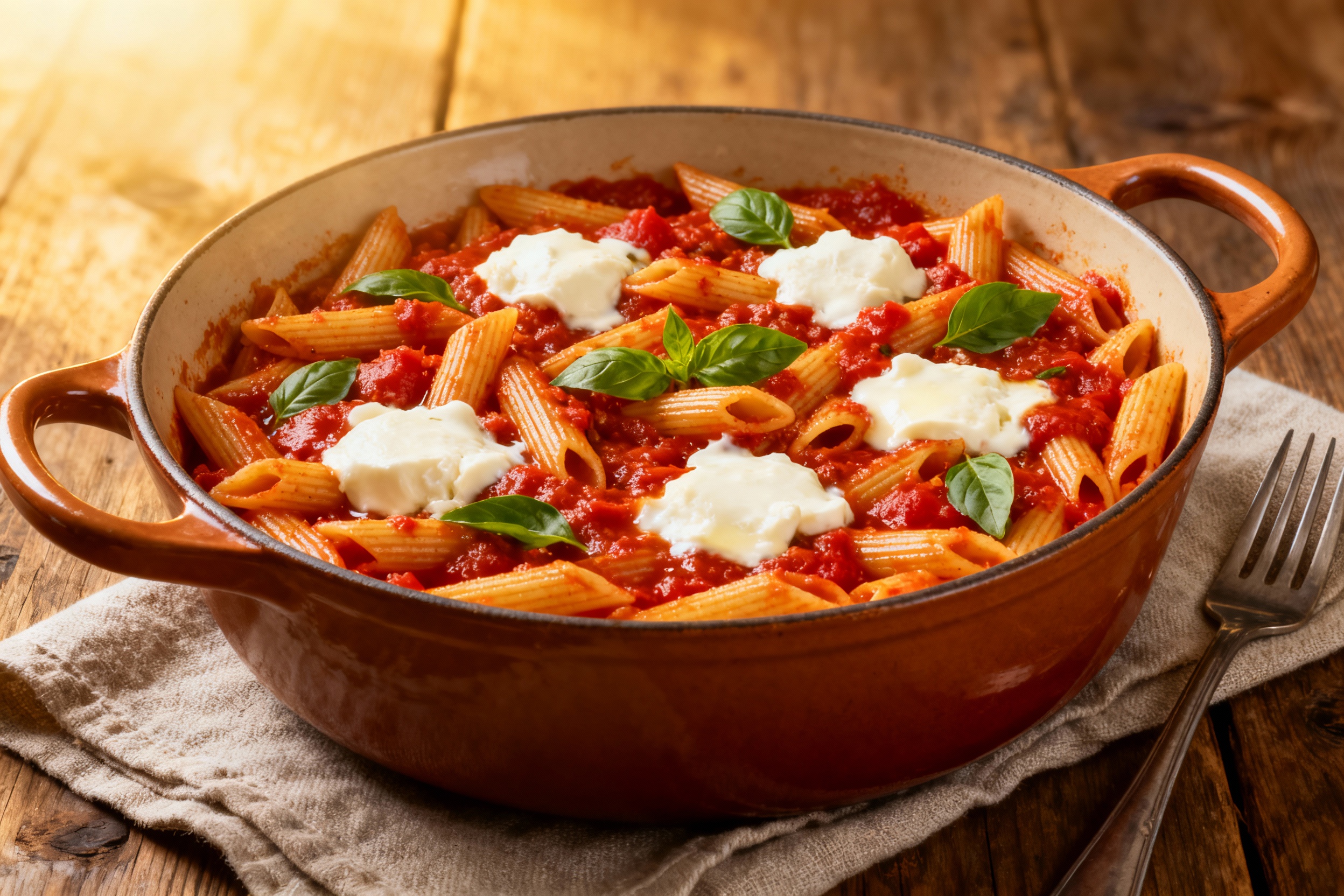
You know those nights when you want real food but your sink already looks at you like it wants a union attorney? One-pot Italian pasta to the rescue. Toss everything into one pan, crank the heat, and boom—silky sauce, tender pasta, and exactly one pot to wash. It’s weeknight sorcery with Sunday-level flavor, and yes, you absolutely deserve it.
Why One-Pot Italian Pasta Works (and Tastes Like You Tried)
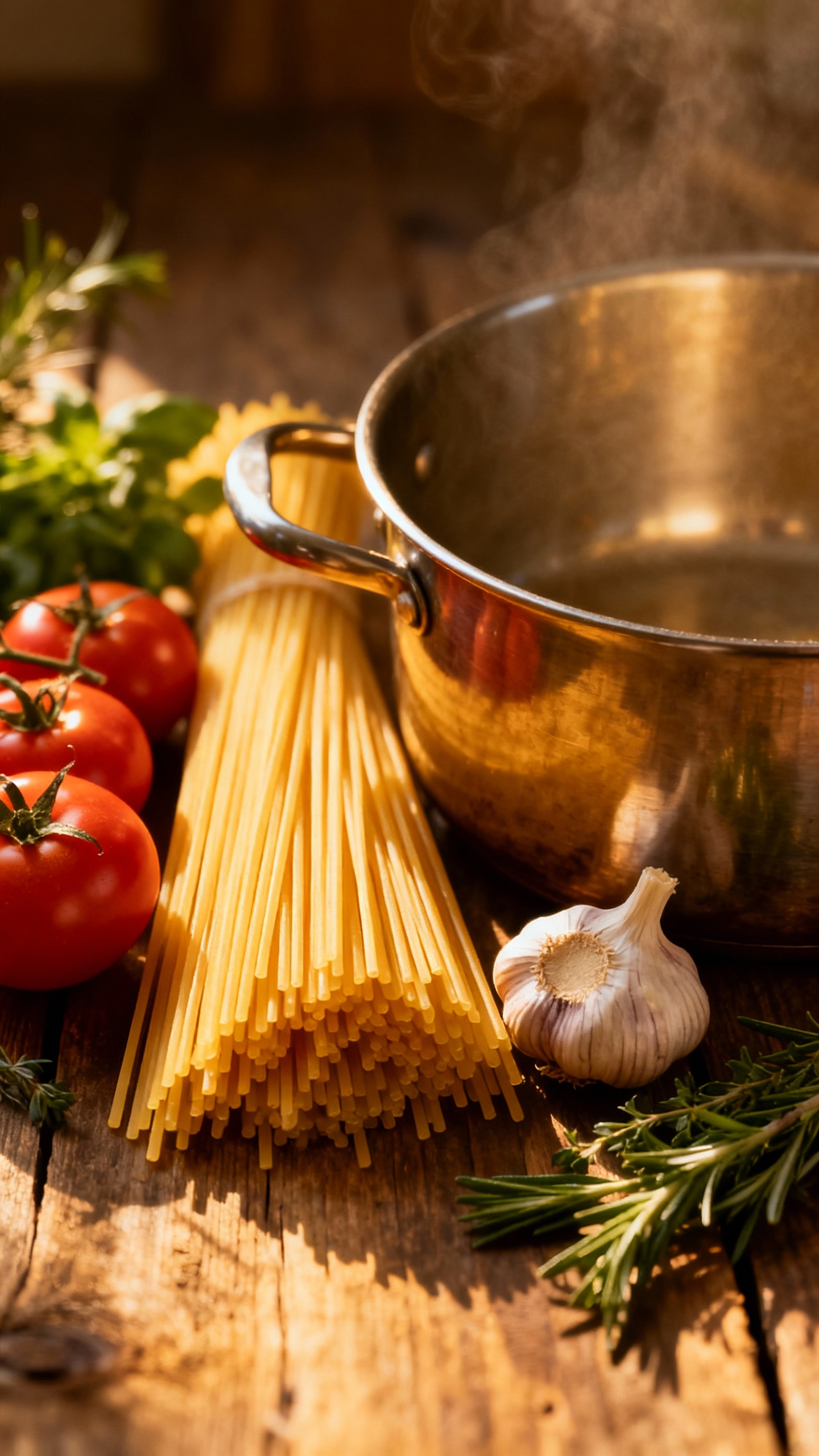
One-pot pasta doesn’t just save dishes. It makes the sauce better. As the pasta cooks, it releases starch into the water. That starch turns your sauce into a glossy, clingy masterpiece that hugs every noodle like a long-lost cousin.
You also layer flavor right in the pot. Garlic, onion, tomatoes, herbs—everything cooks together, so the pasta absorbs it all. Less effort, more flavor. Honestly, it feels like cheating, but deliciously legal.
The Core Formula: Your One-Pot Italian Pasta
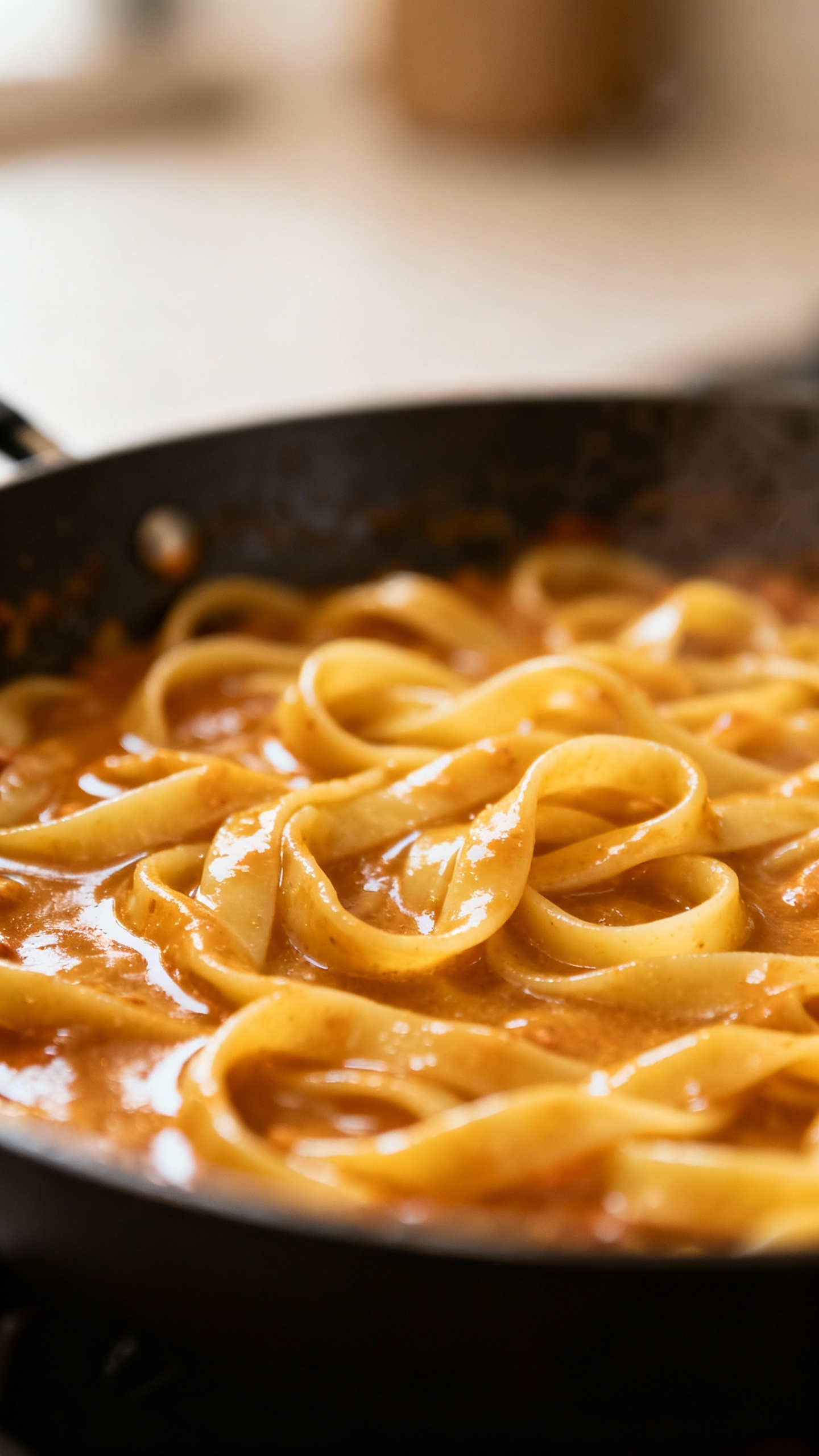
Let’s keep it simple. You need five things:
- Pasta: Dry pasta, not fresh. Short shapes like penne, rigatoni, or fusilli hold sauce. Spaghetti works too but stir it early to avoid clumps.
- Liquid: Water, stock, or a mix. About 2.25–2.5 cups per 8 ounces of pasta. You can adjust as you go.
- Sauce base: Canned crushed tomatoes, tomato passata, or cherry tomatoes. Even a jarred sauce if that’s what you’ve got—no judgment.
- Aromatics: Onion, garlic, a pinch of chili flakes if you like drama.
- Fat + finishers: Olive oil, butter, cheese, herbs. The trifecta that makes the whole thing sing.
Proportions That Won’t Fail You
For 4 servings:
- 8 oz pasta
- 2 cups liquid (start here, add up to 1/2 cup more if needed)
- 1 cup tomato base
- 1 small onion + 3 cloves garlic
- 2–3 tbsp olive oil
- Salt and pepper to taste, plus 1/2 tsp dried oregano or Italian seasoning
- 1/2 cup of grated Parmesan and a handful of fresh basil to finish
One-Pot Italian Pasta Step-by-Step: The 20-Minute Dinner Move
You’ll need a wide, deep skillet or Dutch oven. Lid is optional but helpful.
- Sauté the aromatics: Heat olive oil over medium. Add onion with a pinch of salt. Cook until soft and sweet. Toss in garlic and chili flakes for 30 seconds. Smells like Italy already.
- Add the pasta and liquids: Drop in dry pasta, tomatoes, and stock/water. Stir so every noodle touches the liquid. Bring it to a lively simmer.
- Simmer and stir: Stir every 1–2 minutes. Keep the simmer gentle. If it looks dry before the pasta cooks, add warm water in small splashes.
- Check for doneness: Taste a noodle at 9–10 minutes. You want al dente with a little chew.
- Finish like a pro: Kill the heat. Stir in butter (optional but wow). Add Parmesan and basil. Adjust salt, pepper, and a squeeze of lemon if it needs lift.
Signs You Nailed It
- Sauce hugs the pasta without pooling.
- Pasta tastes seasoned all the way through.
- Shiny finish from starch + fat working together. Gloss = good.
Choose Your Italian Vibe
You can steer this in a dozen directions without breaking the one-pot rule. Pick your lane.
Related Posts:




Classic Tomato-Basil
Keep it clean: crushed tomatoes, oregano, basil, Parmesan. Drizzle extra-virgin olive oil at the end for that peppery finish. Add a pinch of sugar if your tomatoes taste sharp.
Creamy Tuscan
Near the end, stir in 1/3 cup cream or a dollop of mascarpone, plus sun-dried tomatoes and baby spinach. Finish with Parmesan and black pepper. Rich, cozy, date-night energy.
Sausage and Peppers
Brown Italian sausage first, then build the pot with onions, garlic, and sliced bell peppers. Add a splash of red wine before the liquids. You’ll feel extremely competent.
Lemon-Garlic Shrimp
Cook the pasta base until 2 minutes shy of done. Toss in shrimp with lemon zest and parsley. Shrimp cook fast—don’t walk away. Finish with butter and more lemon. IMO, elite weeknight flex.
One-Pot Italian Pasta: Ingredient Upgrades That Make a Big Difference
You don’t need all of these, but one or two can change the game:
- Anchovy paste: A tiny squeeze melts into the oil and brings deep savoriness. No fishy taste, just wow.
- Parmesan rind: Simmer it with the pasta; remove before serving. Instant umami.
- Calabrian chili paste: Balanced heat and fruitiness. Use sparingly unless you enjoy chaos.
- Fresh herbs: Basil, parsley, or thyme at the end. Dried herbs go in early; fresh herbs go in late.
- Olive oil quality: Use regular for cooking, a good extra-virgin for finishing. Yes, it matters.
Common Mistakes To Avoid In One-Pot Italian Pasta (and How to Dodge Them)
- Adding too much liquid upfront: Start modest. You can always add, but you can’t un-soup it.
- Forgetting to stir: Pasta wants to stick. Stir early and often, especially with spaghetti.
- Overcooking the pasta: The sauce thickens as it rests. Stop at al dente so it stays perfect.
- Under-seasoning: Taste at the end. Parmesan adds salt, so finish seasoning after cheese goes in.
Make It Work for You: Swaps and Shortcuts
Want to use what’s already in your kitchen? Good. Here’s how to freestyle without disaster.
Pasta Types
- Best: Penne, rigatoni, fusilli, shells, gemelli.
- Fine with attention: Spaghetti, linguine. Stir more at the start and break long pasta in half if needed.
- Gluten-free: Works, but watch the timing. GF pasta softens fast. Use a touch less liquid and test early.
Tomato Options
- Crushed tomatoes: Balanced and saucy. Ideal.
- Passata: Smooth and slightly sweet. Great for silky sauce.
- Cherry tomatoes: Burst them as they cook; add a spoon of tomato paste to deepen flavor.
Protein Add-Ins
- Chicken: Brown bite-size pieces first. Add pasta and liquids right in the same pot.
- Meatballs: Use small ones. Simmer gently so they don’t break.
- Beans: Cannellini or chickpeas = cheap, hearty, very Italian-adjacent.
One-Pot Italian Pasta: Timing and Texture: How to Nail the Finish
You want saucy but not soupy. Here’s the move:
- Keep a kettle or small pot of hot water nearby for top-ups.
- When the pasta hits al dente, there should be 1–2 ladles of liquid left. That’s your sauce base.
- Kill the heat, add cheese and finishing fat, and stir vigorously for 30–45 seconds. Instant emulsified magic.
FAQ About One-Pot Italian Pasta
Can I make this ahead?
You can, but pasta keeps absorbing sauce. If you want leftovers, stop the cooking just shy of al dente, and leave it a bit saucier. Reheat gently with a splash of water and a touch more olive oil.
What pot should I use?
A wide sauté pan or Dutch oven works best. More surface area means even cooking and less clumping. Nonstick is fine, but stainless or enameled cast iron builds better fond and flavor.
How do I avoid gummy pasta?
Use enough liquid to keep things moving, stir frequently at the start, and don’t overcook. Finish with fat and cheese off heat so the sauce glosses instead of clumps. FYI, cheap pasta sometimes releases more starch—just stir more.
Can I skip the cheese?
Sure. Add a knob of butter or a drizzle of olive oil to make up for the missing richness. Nutritional yeast adds a savory bump if you want a dairy-free kick.
Will jarred sauce work?
Yep. Use about 1 cup sauce + 1.5–2 cups water/stock for 8 oz pasta. Taste before salting—jarred sauces can run salty. IMO, brightening with lemon or fresh basil helps a lot.
How spicy should I make it?
Your call. A pinch of chili flakes gives warmth without hijacking the dish. If you go heavy, balance with a bit more Parmesan or a splash of cream.
Conclusion: On One-Pot Italian Pasta
One pot. Big flavor. Minimal cleanup. That’s the dream, right? Use the formula, tweak the extras, stir like you mean it, and finish with something rich and something fresh. You’ll get a silky, restaurant-level bowl of pasta in under 25 minutes—and only one pot to wash. Honestly, that’s the kind of win we all need on a Tuesday.
Related Recipe: Italian Sausage & Spinach Pasta for When You Want Comfort Without Heaviness