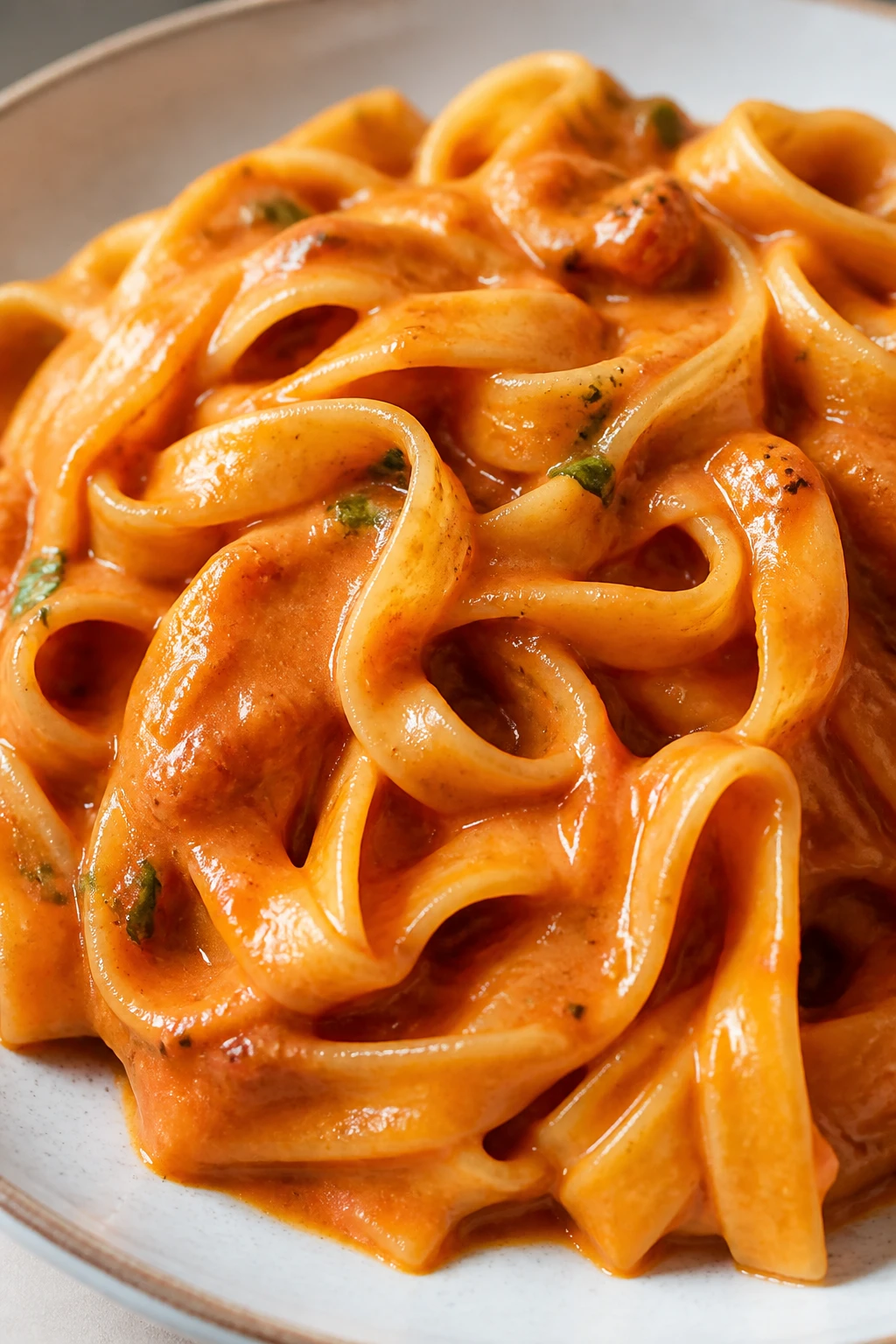
Ask any home cook about pasta, and you’ll hear a chorus of well-meaning mistakes that derail even simple weeknight dinners. The Pasta Mistake Everyone Makes is less about a single misstep and more about a slippery mix of timing, heat, and technique that ignores the noodle’s needs. This article dives into what that mistake is, why it happens, and how to fix it once and for all—without turning pasta into a science project.
Over the years I’ve cooked hundreds of pounds of pasta in home kitchens, test kitchens, and small restaurants. I’ve watched beginners struggle with timing, seen seasoned cooks slip into habits that don’t serve the dish, and learned the subtle cues that separate perfectly al dente strands from mushy, lifeless spaghetti. The goal here is practical, actionable guidance you can apply tonight.
In the end, pasta is a simple canvas. The secret isn’t in the sauce alone—it’s in how you treat the pasta itself. When you get the pasta right, your sauce, your toppings, and your final plate all sing. If you’re in a hurry, you’ll feel it in the first bite. If you’re curious about why a dish failed or how to elevate a weeknight meal, you’ll also find the answer here.
Ready to fix your pasta once and for all? Let’s start with the core mistake and how to avoid it, then move into step-by-step techniques, real-life examples, and expert tips you can apply tonight.
Key Takeaways
Salt the water generously to season the pasta from the inside out.
Cook pasta to al dente, not just “soft.” It finishes in the pan with the sauce.
Timing matters start the sauce before the pasta hits the water to time the finish perfectly.
Reserve pasta water to emulsify sauces and adjust texture without diluting flavor.
Finish in the pan with the sauce for gloss, cohesion, and flavor adherence.
Choose sauces that match the pasta shape for optimal surface contact and mouthfeel.
Don’t fear heat higher heat at the end can help bind flavors in the pan.
Practice with a few reliable shapes—spaghetti, penne, farfalle, and linguine cover most meals.
Main Sections
Overview: What is “The Pasta Mistake Everyone Makes”?
The Pasta Mistake Everyone Makes isn’t about a single error; it’s a pattern of missteps that undermine texture, flavor, and balance. The core problem is treating pasta as an afterthought—an ingredient to be boiled, drained, and tossed with sauce. In reality, pasta is a vehicle that needs timing, heat, and a careful finish to marry with sauce and toppings.
Most home cooks fall into two traps:
Overcooking pasta and serving it with a sauce that lacks deglazing or finishing steps.
Rushing the finishing phase, leading to underdeveloped flavor and a dull mouthfeel.
When you correct these, you unlock a level of comfort food that’s reliable, repeatable, and surprisingly elegant. The following sections break down why these mistakes happen, how to fix them, and how to adapt the approach to different shapes, sauces, and occasions.
Why This Matters: The Why Behind the Technique
Pasta cooked correctly isn’t just a fallback meal; it’s a platform for flavor. When pasta finishes in the sauce, starch from the pasta helps emulsify the sauce, creating a silkier texture and better cling. This is why the finishing pan step matters more than many recipes admit. It also explains why a single minute can transform a plate from decent to unforgettable.
Beyond texture, correct pasta technique reduces waste. You’ll use less sauce if the pasta surface is well coated, and you’ll avoid the dry, gluey bite of overcooked noodles. Fans of quick weeknight meals can still achieve restaurant-level outcomes with a few repeatable routines.
Benefits of Getting It Right
Consistently better texture and mouthfeel that elevates any sauce.
More cohesive sauces that cling and emulsify naturally.
Less waste from overcooked, mushy pasta.
Faster weeknight meals thanks to predictable timing and fewer missteps.
Greater confidence to experiment with shapes and sauces.
Drawbacks or Limitations
Some methods require a bit more attention and timing, which can feel like extra steps at first. You’ll need to:
Watch pasta closely for al dente texture, rather than relying on “cook it until soft.”
Plan sauce start times to align with pasta finish—this requires a tiny mental choreography.
Bring heat to a controlled finish in the pan, which might feel unfamiliar to beginners.
These limitations are small compared to the payoff: a dish that tastes like it took more effort than it did.
Common Mistakes To Avoid
Adding salt only to the water after it’s started boiling—pre-season the water to maximize flavor penetration.
Using too little water or not enough to move the starch during boiling—this leads to sticky, clinging noodles.
Rinsing pasta after cooking—rinsing cools and removes starch that helps sauce cling.
Pouring sauce over dry pasta—finish in the pan for cohesion and gloss.
Overloading sauces with too much fat or dairy—balance is key for a bright finish.
Expert Tips
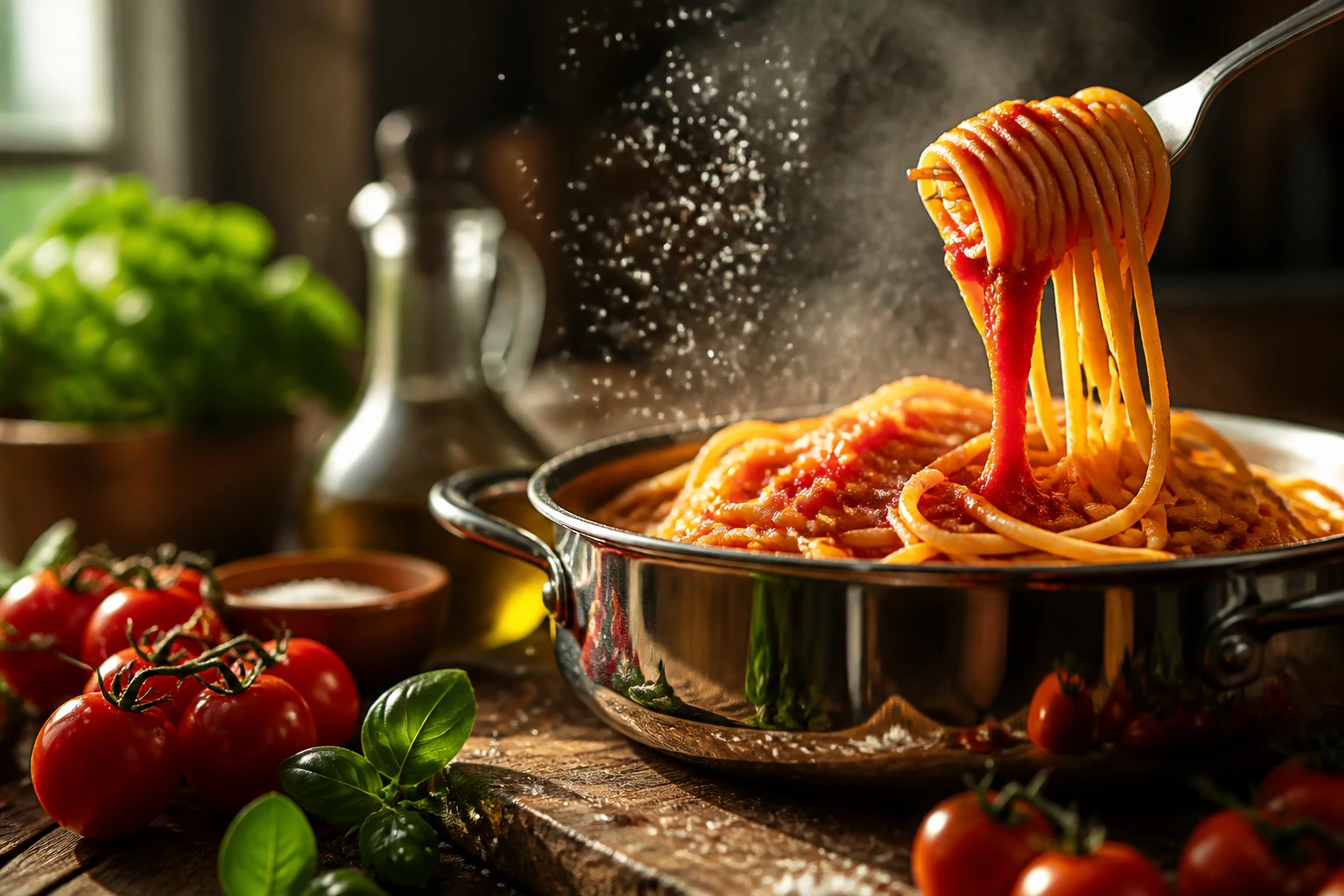
Finish in the Pan (A Proven Step)
Reseive a small ladle of pasta water before draining.
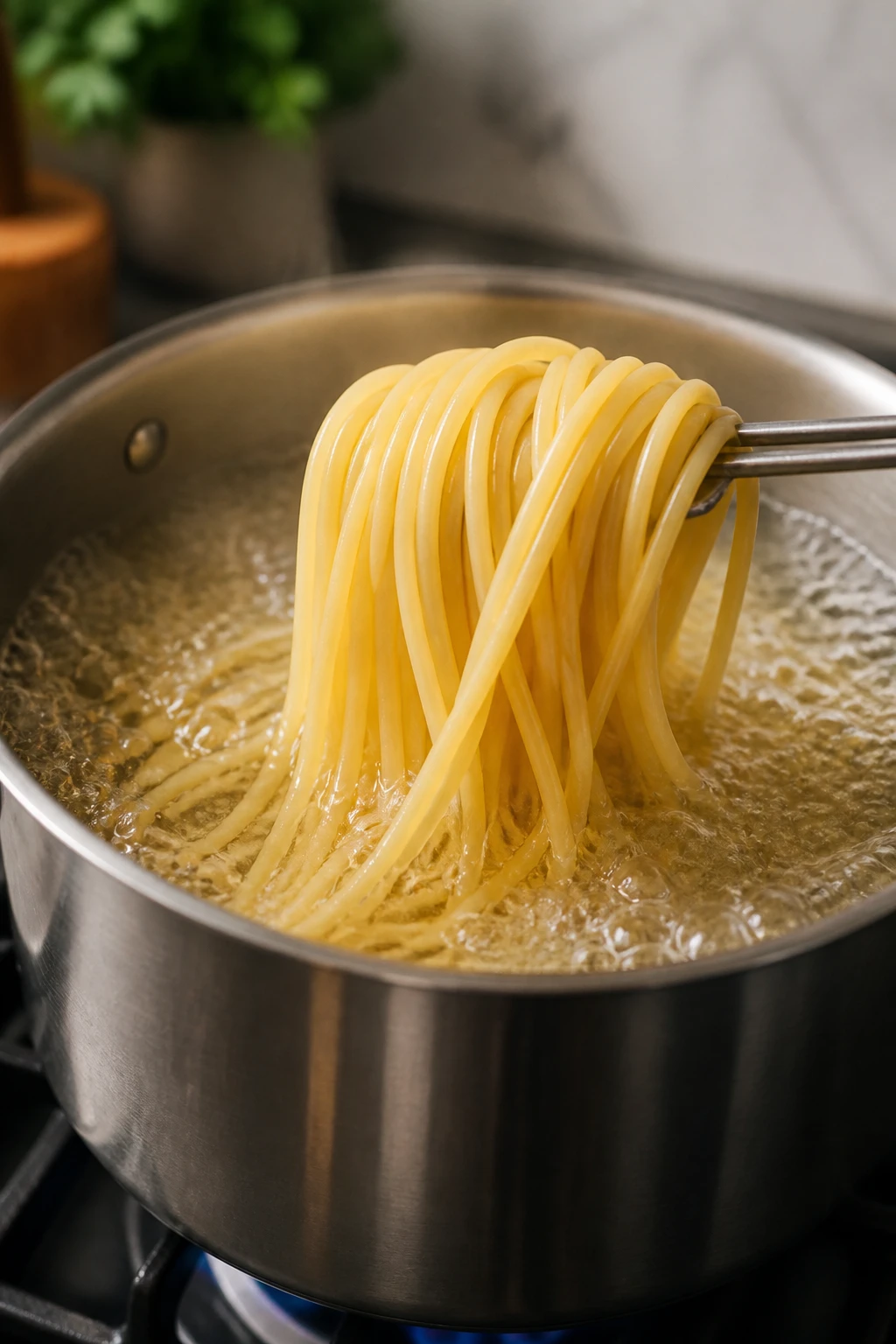
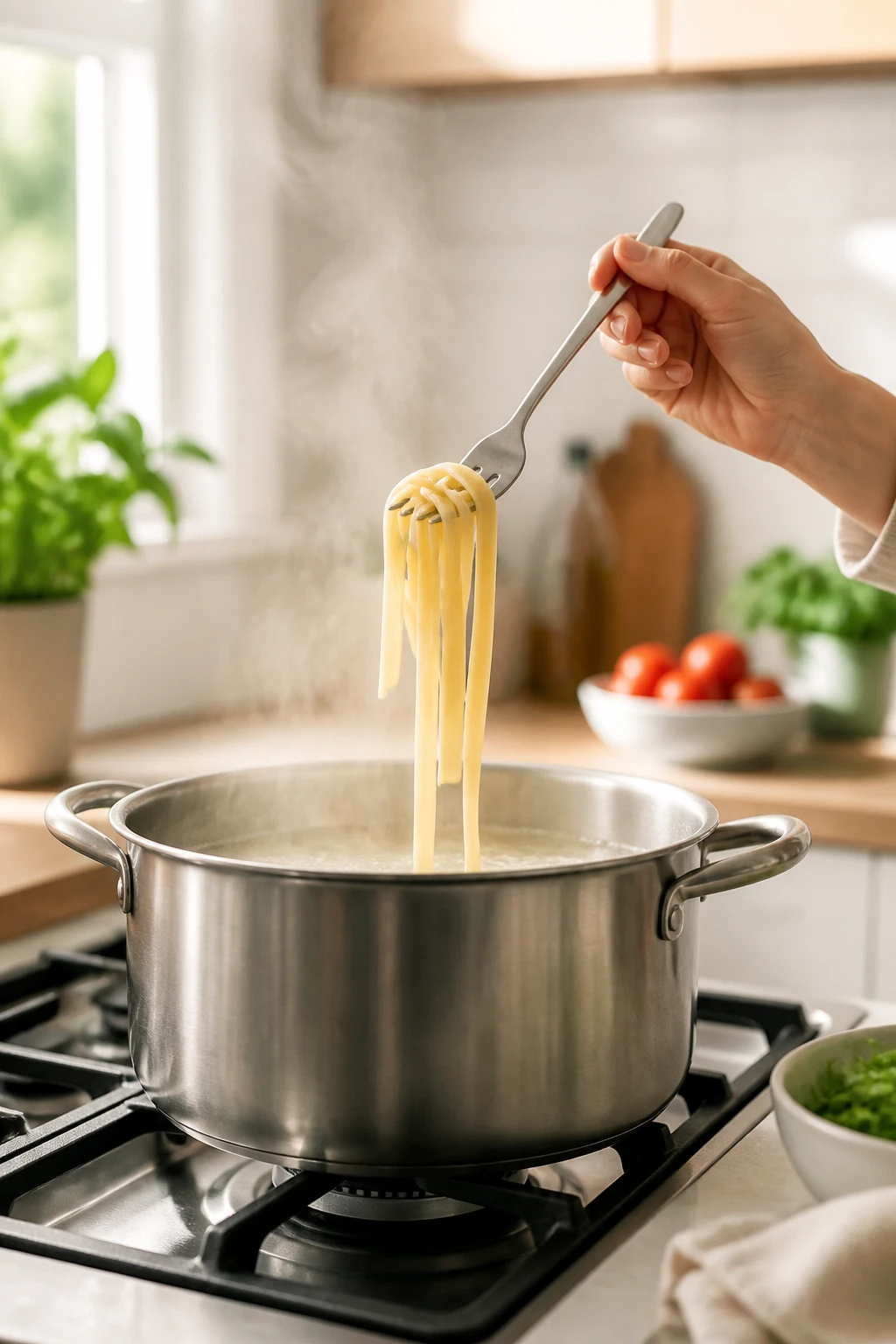
Drain pasta just shy of fully cooked (al dente by a minute or two depending on shape).
Transfer pasta to the pan with the hot sauce. Add a splash of pasta water gradually as you toss.
Toss on high heat to emulsify the sauce with the starch from the pasta.
Finish with a drizzle of olive oil or a knob of butter if your sauce needs richness.
Salt Like a Pro
Salt should flavor the pasta core, not just the water. A good rule of thumb is roughly 1–1.5 tablespoons salt per 4-6 quarts of water (adjust to taste and dietary needs). It sounds like a lot, but the goal is pure interior seasoning, which translates to better overall flavor without requiring heavy sauces.
Understanding Sauce-Shape Pairing
Heftier sauces cling better to broader shapes; delicate sauces benefit from long noodles. Here are quick pairings:
PenPearled shapes like penne, rigatoni, fusilli: chunky vegetable ragùs, cream sauces, or meat ragùs.
Short, textured shapes like farfalle, orecchiette: mushrooms, sausage, or vegetable-forward sauces with small bits that catch edges.
Real-Life Examples
Example 1: Spaghetti with Garlic, Olive Oil, and Chili
Boil salted water. Cook spaghetti until just shy of al dente.
While boiling, heat olive oil with garlic and a pinch of red pepper in a wide skillet.
Reserve pasta water and add to the skillet as you toss the drained pasta in.
Finish with chopped parsley and a squeeze of lemon for brightness.
Result: A glossy, cohesive sauce that clings to each strand with a light, comforting heat.
Example 2: Penne with Creamy Tomato and Mushrooms
Boil pasta in well-salted water.
Sauté mushrooms in a hot pan until browned. Deglaze with a splash of pasta water or wine, if desired.
Add crushed tomatoes and a touch of cream. Simmer briefly to reduce slightly.
Finish cooking penne in the sauce pan to emulsify, then season and serve.
Trends and Developments
Current trends emphasize harmony between texture and temperature. Many cooks blend a small amount of starchy water into sauces to emulsify fats and create a silk finish. Plant-based and lighter sauces are increasingly popular, but the finishing technique remains the same: bring everything together in a hot pan for a glossy, cohesive plate.
Frequently Overlooked Details
Timing for multiple pots: If you’re cooking in batches, align the finish in a single pan for consistency.
Finishing salt: A light pinch of finishing salt at the end can lift flavor without oversalting.
Resting pasta briefly after draining can help dry surface slightly for certain sauces, but use sparingly to avoid stiffness.
Actionable Recommendations
Always reserve pasta water before draining; you’ll use it to adjust texture and emulsion.
Cook pasta until al dente, then finish in the pan with sauce for best texture.
Pair shapes with sauces by considering surface area and ridges to capture sauce.
Season properly in stages: water salinity first, then sauce finishing salt as needed.
Expert Tips
Technique Tweaks for Everyday Kitchen Confidence
Use a wide, shallow pan for tossing pasta with sauce to maximize surface area for emulsification.
Keep the sauce slightly looser than you think—pasta will absorb some liquid as it finishes in the pan.
Use a splash of pasta water to loosen and emulsify after the initial toss, then reduce slightly to finish.
Don’t rush high heat—the goal is quick moisture evaporation and glaze, not scorching the sauce.
Seasoning Strategy for Big Flavor with Moderate Effort
Build a flavor base: garlic, onions, chili, or mushrooms at the start add depth.
Introduce brightness: lemon zest, a splash of vinegar, or a fresh herb finish.
Finish with cheese or a dairy element if desired, but balance to keep the sauce cohesive.
Common Mistakes To Avoid
Rinsing cooked pasta before saucing—removes starch that helps sauce cling.
Waiting too long to start the sauce while pasta cooks—timing is everything for the finish.
Using a dull sauce with a glossy finish—contrast textures for a more dynamic dish.
Overcrowding the pan—cook in batches if necessary to avoid steaming and stalling flavor development.
Ignoring the sauce’s body—thin sauces won’t cling; thicker sauces need a different approach.
Frequently Asked Questions
What is the best pasta shape for a heavy sauce?
Ridges and curves do well with thick sauces. Penne, rigatoni, fusilli, and orecchiette offer pockets and edges that grab sauce, producing a satisfying bite.
How do I know when pasta is al dente?
Start checking about 1 minute before the package’s minimum recommended time. Bite into a noodle; it should have a firm center with a slight resistance (not hard in the middle, not mushy).
Can I cook pasta in advance and reheat it later?
Yes, but it’s best to undercook slightly, rinse with cold water, store, and refresh in a hot sauce or pan with a splash of pasta water when reheating. Expect a slight textural shift.
What if my sauce is too thick?
Add a small amount of the reserved pasta water to loosen and emulsify. The starch in the water helps thin the sauce while keeping it cohesive.
Is it okay to rinse pasta after boiling for cold pasta dishes?
For hot dishes, avoid rinsing. For cold pasta salads, a quick rinse with cold water can stop the cooking and prevent clumping.
Can I skip finishing in the pan?
You can, but you’ll miss the glossy, cohesive finish. If you must, heat the sauce, toss with drained pasta, and add a final splash of pasta water to help emulsify.
What about dairy-free finishes?
Use olive oil, nut-based creams, or cashew blends. Finish in the pan to emulsify and coat the pasta well, just like dairy-based finishes.
How can I adapt this to a vegan audience?
Rely on olive oil, roasted garlic, tomatoes, mushrooms, spinach, and herbs. Use vegan cheese alternatives or toasted breadcrumbs for texture on top.
Which seasonings matter when cooking with pasta?
Salt in the water remains essential. Consider finishing herbs (parsley, basil), citrus (lemon zest), pepper, and a small pinch of chili flakes for warmth. The goal is brightness and balance, not overpowering spice.
What is the one-step change that makes the biggest difference?
Finish the pasta in the pan with the sauce, using reserved pasta water to emulsify. This step ties everything together and creates a glossy, restaurant-like finish.
How do I fix mushy pasta?
It’s typically from overcooking. Start with a shorter cooking time next batch and ensure you’re finishing in the pan to keep a firmer texture. If you already finished and it’s mushy, slightly reheat with extra sauce and finish with a splash of pasta water to rehydrate the coating.
What sauces pair best with long strands vs short shapes?
Long strands (spaghetti, linguine) pair well with light, glossy sauces like aglio e olio or simple tomato-basil. Short shapes pair better with chunky sauces that cling to ridges and edges, like ragùs or mushroom sauces.
How can I achieve restaurant-like gloss at home?
Emulsify with pasta water and carry the sauce into the pan with a vigorous toss. A final touch of olive oil or butter can add sheen and balance.
Conclusion: Final Thoughts
Mastering The Pasta Mistake Everyone Makes comes down to respect for the noodle, attention to timing, and a willingness to finish in the pan. When you treat pasta as a catalyst for flavor rather than an afterthought, the dish becomes more than the sum of its parts. You’ll notice the difference in texture, aroma, and how the sauce clings and shines with every bite.
Start by incorporating three simple changes: season the pasta water generously, cook to al dente, and finish in the pan with a splash of reserved pasta water. From there, you can experiment with shapes, sauces, and ingredients, knowing you’ve built a solid foundation for every pasta meal.
Final Thoughts
Great pasta is less about a complicated recipe and more about respectful technique. With a few mindful tweaks, you’ll elevate weeknight noodles into a comforting, impressive dish that you’ll reach for again and again. The next time you boil water, remember that patience and finish are your secret sauce. Your pasta—and your guests—will thank you.
Disclosure: This post may contain affiliate links.
If you make a purchase through these links, I may earn
a small commission at no extra cost to you.
prab chahal
Hi, I’m Prabjot Chahal – the heart (and taste buds) behind this blog!
Food has always been my love language – from experimenting with family recipes to discovering unique flavors from around the world. I believe that cooking isn’t just about following a recipe, it’s about creating moments, sharing stories, and connecting with others over something delicious. Through this blog, I want to build a vibrant food community where we share more than just recipes – we share inspiration, tips, and the joy of making and enjoying good food together. Whether you’re here for quick weekday dinners, festive treats, or creative seasonal ideas, you’re part of this table. So grab a fork (or a whisk!) and let’s cook, bake, and share our love for food – one recipe at a time.