Picture this: you’re mid‑prep, you set down your knife, and suddenly your cutting board feels dull, stained, or oddly slippery. The result isn’t just a less pleasant cooking session—it can affect flavor, food safety, and even your wallet. The Cutting Board Mistake Everyone Makes is more common than you’d think, and it quietly undermines every chef, from home cooks to pro bakers.
In practice, this mistake isn’t about a single bad habit. It’s a chain of small decisions that compound over time: choosing the wrong surface, neglecting maintenance, and stacking risks that invite cross‑contamination and blunt blades. The good news is that a few simple shifts can transform your prep zone into a safer, faster, and more enjoyable workspace. This article breaks down the failure points, offers practical fixes, and shares real‑world examples from kitchens big and small.
By the end, you’ll know not only what to change, but why it matters—and you’ll have a clear plan you can implement tonight. Let’s dive into the core problem, then build a framework you can apply across meals, seasons, and kitchen setups.
Key Takeaways
The biggest cutting board mistake is using the wrong board for the wrong task, leading to cross‑contamination and dull blades.
Separate boards for raw proteins and produce, plus proper cleaning, dramatically reduce food‑borne illness risk.
Board material, thickness, and groove design impact safety, durability, and ease of maintenance.
Regular maintenance routines and smart storage extend board life and keep surfaces clean.
Comparing board types by task helps you choose the right board for every kitchen scenario.
Practical habits—knife care, immediate cleanup, and setup—save time and prevent errors during busy cooking sessions.
A well‑organized board system boosts confidence, speed, and consistency in results.
Main Sections
The Core Problem: Why One Board Fails You
Most kitchen boards start with good intentions, but people fall into a single, silent trap: they try to use one board for everything. A plastic board might be easy to sanitize, but it can harbor deep grooves where bacteria hide. A wooden board looks nice, but it can crack if not cared for properly. The result is a board that’s not optimized for any specific task, which increases the chance of cross‑contamination and slows you down at the counter.
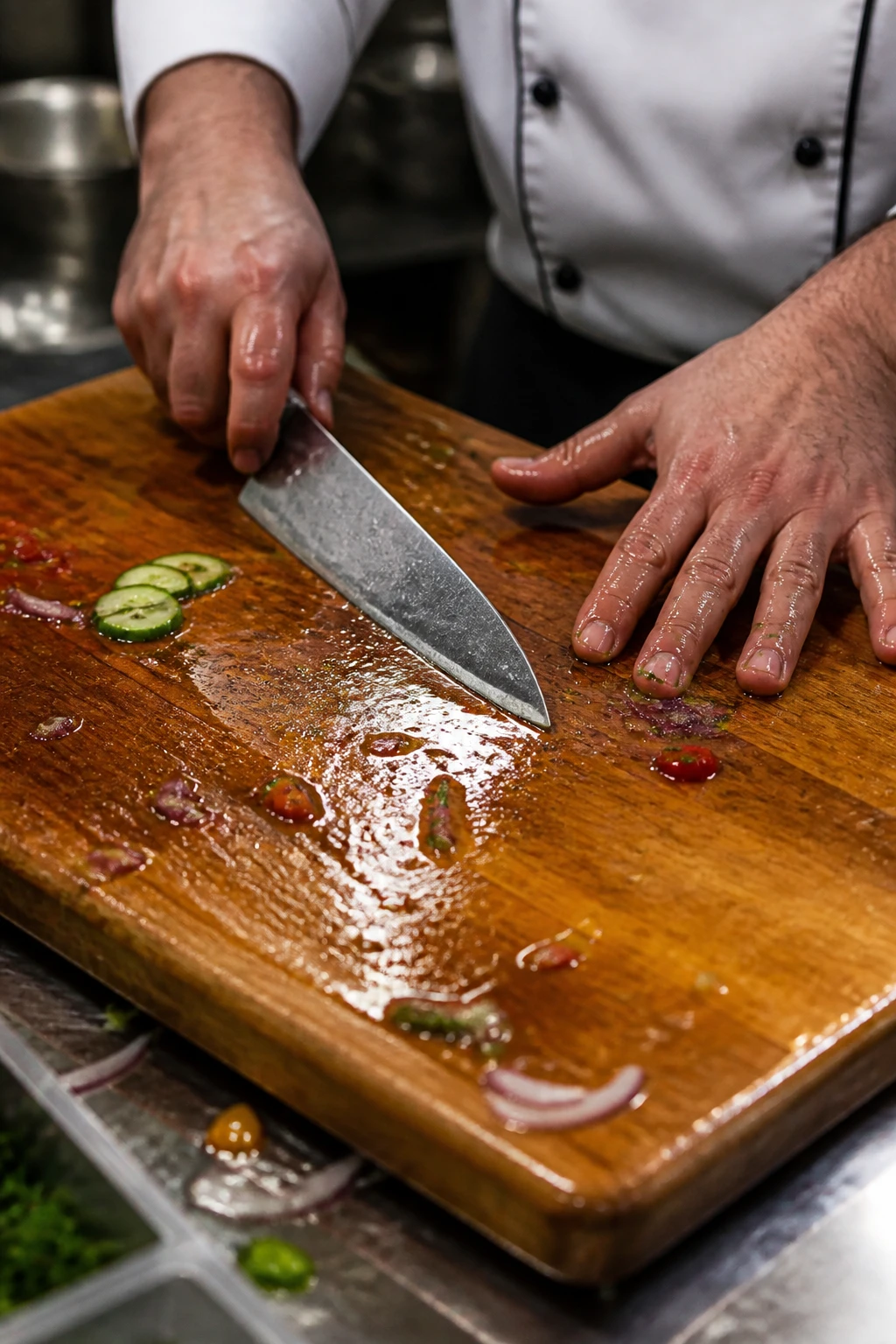
Think of a workflow: you’re prepping chicken for a weeknight dinner, then quickly slicing cucumbers for a salad. If you don’t separate raw protein from produce, you’ve just created a cross‑contact pathway. If your board is warped or grooved, you’ll spend extra time cleaning and may still miss traces of bacteria. If your edge isn’t sharp and stable, you might slip and injure yourself or ruin a delicate ingredient.
To break this pattern, you need a plan that aligns with how you actually cook, not how a kitchen catalog suggests boards should be used. The right setup minimizes risk and keeps you moving with confidence.
Board Materials Demystified
Not all boards are created equal. Material choice affects hygiene, maintenance, knife wear, and longevity. Here’s a practical overview you can apply to real life.
Plastic boards: Generally easier to sanitize on a daily basis, especially in busy kitchens. They’re lightweight, flexible for transporting, and affordable. The downside is that if they get deep knife grooves, bacteria can hide in those scratches. Quick cleaning and replacing boards when grooves become obvious is essential.
Wooden boards: Often prettier, tougher on knives, and naturally antimicrobial to some extent due to surface tannins. They need regular oiling to prevent cracking and should not be soaked. They can be heavier and harder to sanitize if they’re thicker or have deep seams.
Bamboo boards: A wood alternative that’s harder than typical hardwood but still needs maintenance. They’re less prone to knife dulling than some plastics but still require care to prevent cracking and warping.
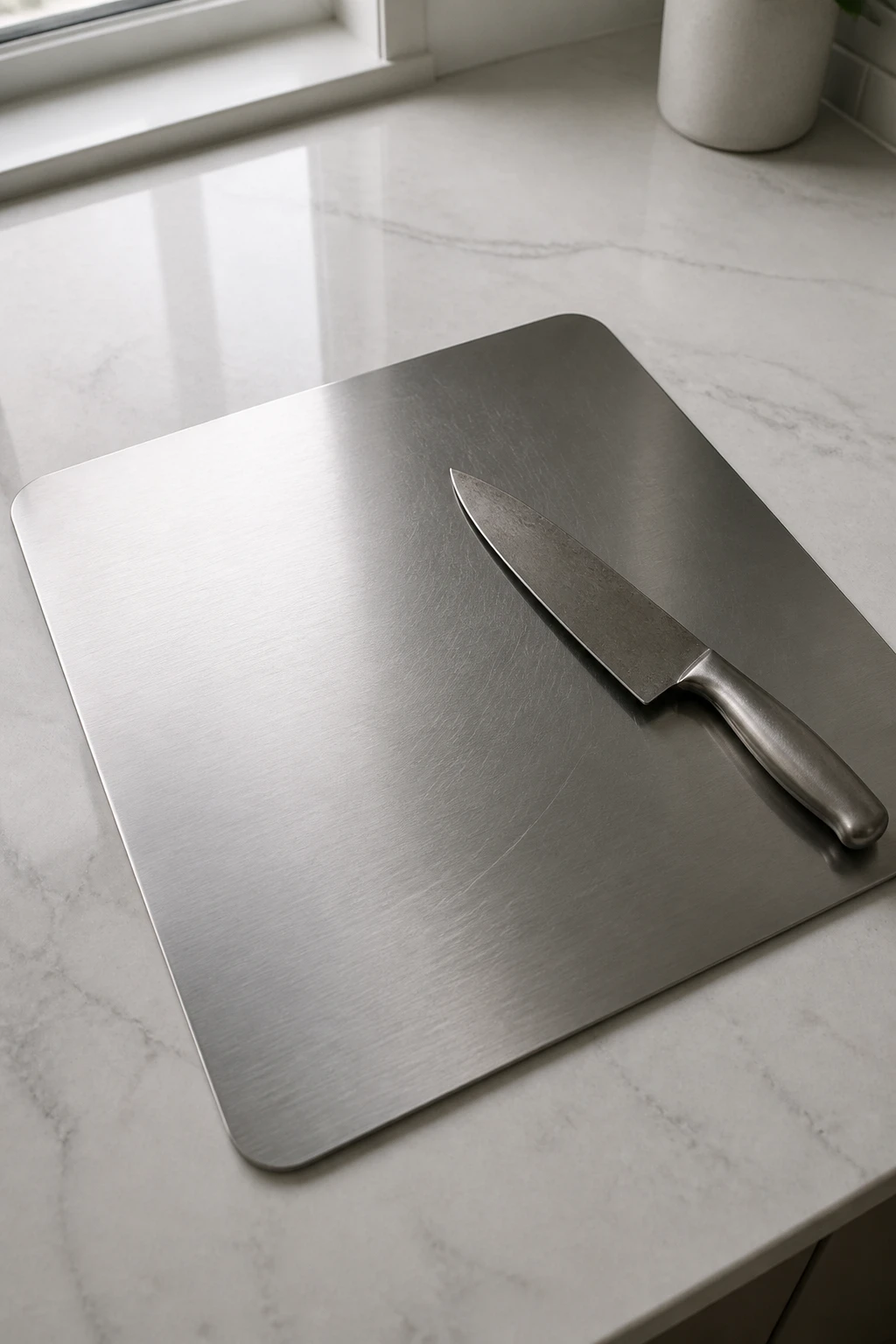
Composite and synthetic boards: These blend materials for durability and ease of cleaning. They’re often designed to resist deep grooves but may be less forgiving to knives depending on the surface texture.
Rule of thumb: choose a plastic board for raw meats and a dedicated wooden or bamboo board for produce and bread. This simple separation dramatically reduces risk and makes cleanup easier in a busy kitchen.
Size, Thickness, and Stability: The Practical Fit
Board size and thickness matter more than you might expect. A board that’s too small forces you to crowd ingredients, increasing cross‑contact; one that’s too thin skews the balance on the counter and makes knife work unstable. Stability matters because an unstable board invites slips, which can lead to injuries and damaged ingredients.
Size: Aim for a board that gives you a clean working space with room to slide ingredients off to bowls or pans without crowding. A standard 18″ x 12″ board is a versatile baseline.
Thickness: 1″ to 1¾” boards are sturdy enough to resist warping and withstand daily use. Thinner boards flex more and can slide.
Non-slip feet or mats: Built‑in rubber feet or a silicone mat underneath reduces sliding dramatically, especially when you’re chopping with force or transferring ingredients quickly.
When you pair the board with a proper knife technique and a dampened non‑slip surface, you’ll find you can work faster and with less fatigue.
Those grooves that seem harmless are actually hidden contamination traps. Deep grooves retain juices and bacteria, so cleaning becomes a ritual rather than a quick wipe. A board with pronounced grooves is effectively a micro‑habitat for pathogens. If you can see light passing into grooves or feel roughness with your finger, it’s time to replace or repair.
Groove depth: Shallow grooves can be repaired by removing the top surface in some high‑quality boards, but often replacement is simpler and safer.
Edge bevels: A smoothly beveled edge helps prevent chipping and cracking that creates new crevices for bacteria.
Pattern design: A well‑designed board uses juice grooves to catch liquid without deep channels that trap debris. Avoid boards with deep, widely spaced grooves on routine boards; they’re harder to sanitize.
Maintenance You Can Actually Do
Maintenance is the quiet engine behind a reliable prep station. It’s not glamorous, but it’s essential. Here are practical routines that fit real life, not idealized kitchen dreams.
Daily cleaning: Rinse, wash with hot soapy water, and fully dry before storing. For plastic boards, a dishwasher can be convenient—but check manufacturer guidance to avoid warping.
Deep cleaning: Every 1–2 weeks, scrub with a mild bleach solution (1 tablespoon bleach per gallon of water) or white vinegar for a gentler disinfectant, then rinse thoroughly and air dry. Don’t soak boards; it weakens glue joints and wood.
Oil treatment (for wood/bamboo): Apply food‑grade mineral oil every few weeks in dry climates or after heavy use. This keeps the wood from cracking and helps seal tiny defects that harbor bacteria.
Replacement cadence: Plan for board replacement when grooves become too deep, cracks appear, or odors persist after cleaning. It’s cheaper in the long run to replace than to fight persistent contamination.
Best Practices: Setup, Workflow, and Safety
Lighting, layout, and routine shape your daily cooking experience as much as any single board choice. Here’s a practical setup you can adapt to your kitchen.
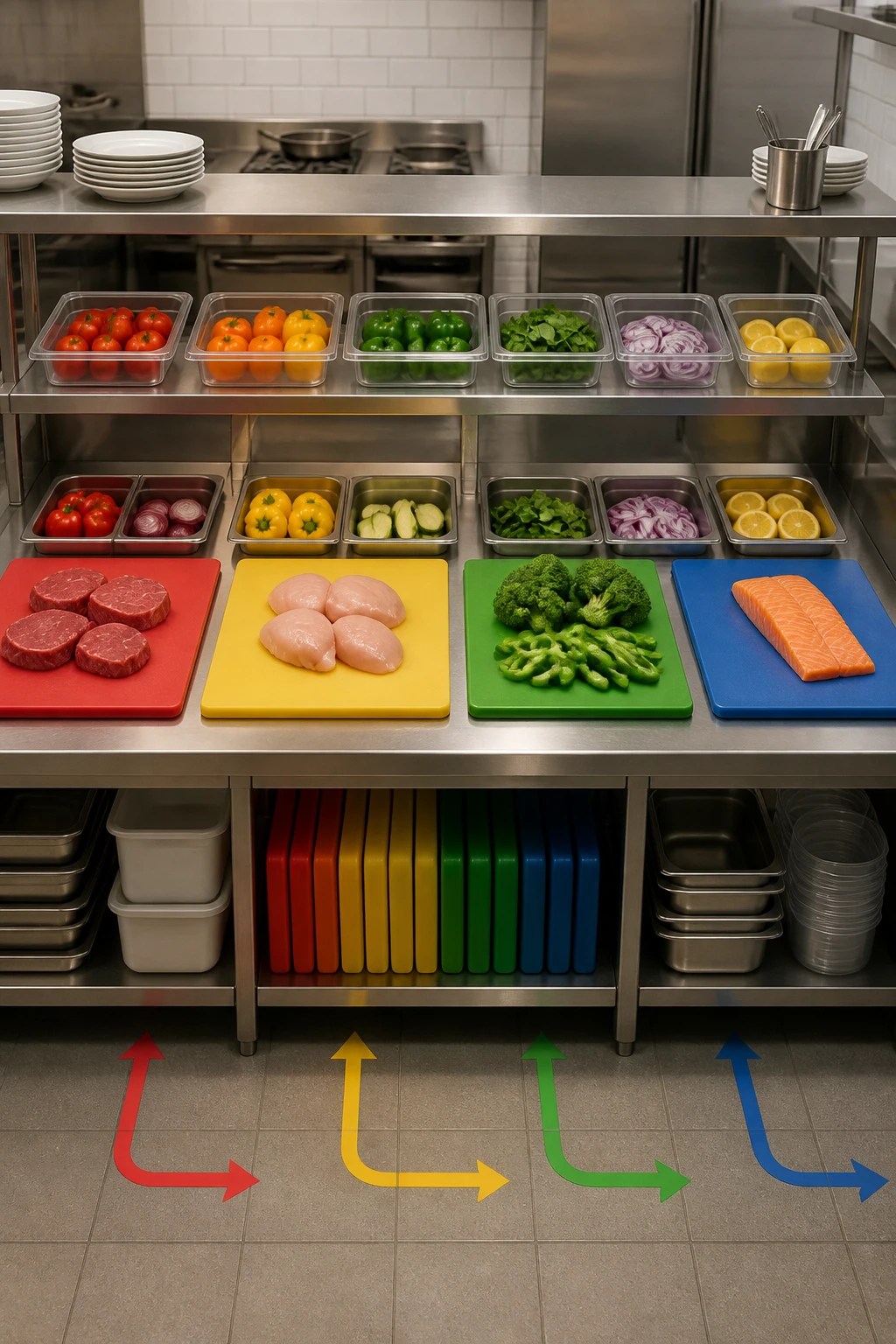
Color‑coded system: Assign a color to raw proteins (red), produce (green), dairy (blue), and cooked foods (yellow). This reduces cross‑contact at a glance.
Dedicated spaces: Keep a small drying rack near the counter so boards dry completely between uses. Don’t stack wet boards flat; air circulation matters.
Knife care: Keep a sharp, separate knife for each task board. A sharp blade minimizes slipping and makes clean cuts less likely to crush delicate foods.
Cross‑contamination awareness: Use separate wash, rinse, and sanitize steps for boards used with different foods. Don’t reuse a single sponge or cloth across boards without proper sanitization.
Timing and rhythm: Don’t rush raw proteins onto the same board as produce. Build a small ritual: wash, separate, cut, wipe, and move on.
Real‑World Scenarios: Board Setup That Just Works
Let’s look at two typical homes and how a deliberate board system helps them cook better and safer.
Scenario A: The Weeknight Family Meal
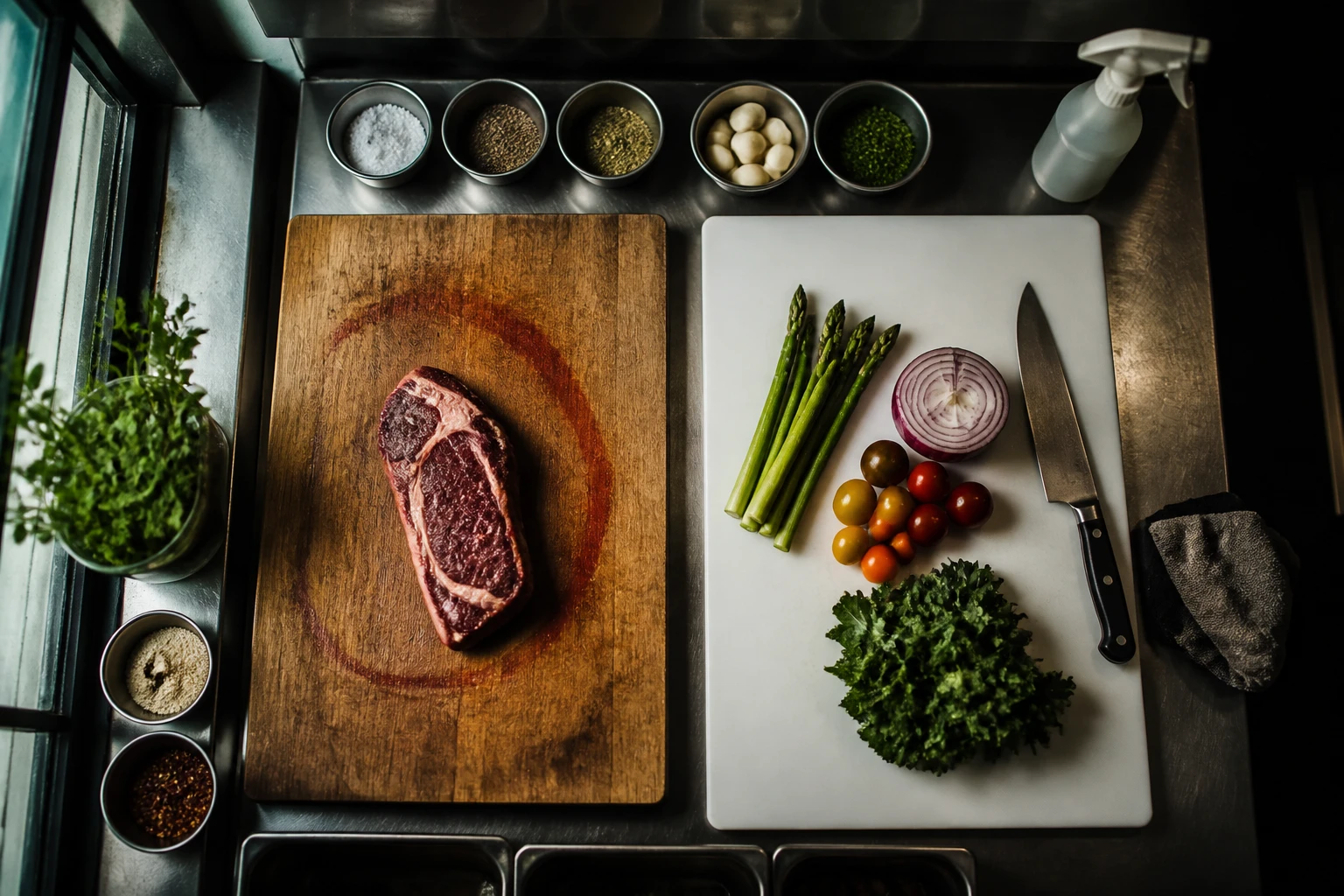
In a small kitchen, a family uses two boards—one plastic red for raw chicken, one green for vegetables. They keep a separate damp cloth for each board and air‑dry on a rack. After cooking, they sanitize all surfaces, then store boards in an open shelf to prevent moisture buildup. The result: fewer spills, reduced cross‑contact risk, and a faster cleanup after dinner.
Scenario B: The Weekend Meal Prep Pro
A home chef who preps for the week uses three boards: plastic for poultry, wood for bread and cheese, and a dedicated fruit board. They keep a rotating set of micro‑stashes (small bowls holding minced aromatics) to avoid crowding. The setup reduces fatigue and speeding up multi‑dish prep while keeping flavors distinct.
Expert Tips
Expert Tips
Visual cues: Mark boards with tiny color nicks or stickers to remind yourself which board is dedicated to which task. It’s a small reminder with big payoff.
Size up with a test run: Before a big dinner party, test your board routine with a practice run. If you notice cross‑contact or slowdowns, adjust board assignments or add a dedicated grill mat under the boards.
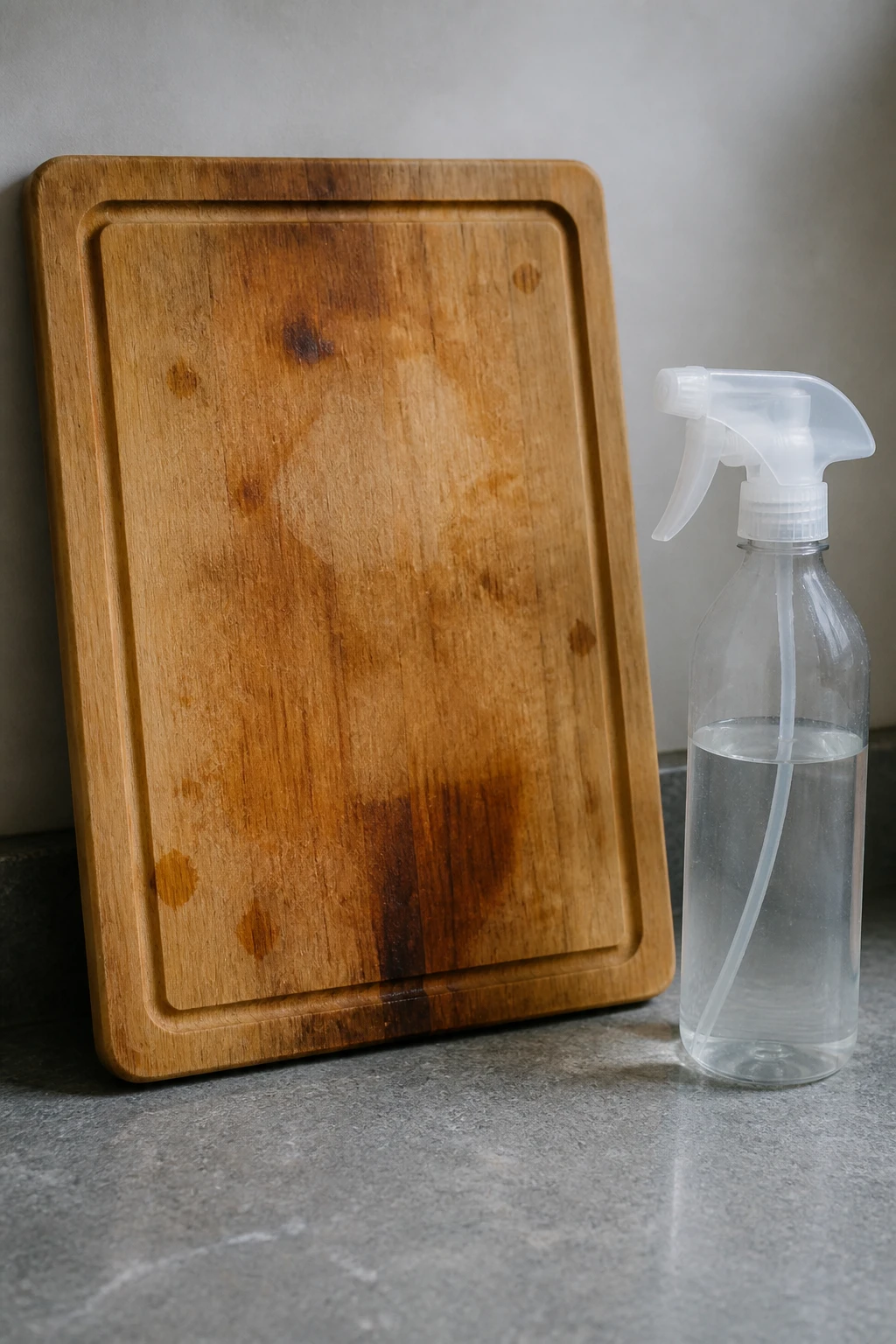
Invest in a maintenance kit: Have a small kit with food‑grade mineral oil, a stiff brush, a mild detergent, and a spray bottle of diluted bleach or vinegar on hand. It makes routine maintenance easier to fit into a busy schedule.
Common Mistakes To Avoid
Common Mistakes To Avoid
Using one board for everything: This increases cross‑contamination risk and dulls blades faster.
Neglecting maintenance: Skipping oil on wood boards leads to cracking and warping; neglecting daily cleaning invites bacteria hiding in grooves.
Storing boards incorrectly: Stacking wet boards slows drying and invites mold or odor buildup.
Ignoring knife compatibility: A blunt knife or a dull edge can push food rather than slice cleanly, increasing risk of slips and cross‑contact via smashed pieces in grooves.
Expert Tips
Here are actionable, no‑nonsense tips you can apply tonight to upgrade your cutting board setup and keep meals safer and tastier.
Separate tasks by color, every time: If you’re tempted to reuse a board quickly, you’ll likely drift into cross‑contact. A color‑coded system keeps you honest and efficient.
Flip and rotate boards monthly: Not every board will warp at the same rate. Rotate heavy use boards to balance wear and extend life.
Dry thoroughly: After washing, stand boards on edge or use a drying rack. Don’t leave them flat, especially in humid kitchens.
Inspect for tiny cracks: A tiny crack is a warning sign. If you see one, plan a replacement soon and move that job to a dedicated board instead of risking contamination.
Upgrade strategically: If you’re upgrading, buy two boards with slightly different textures (one smooth, one grooved) to make cleaning easier and avoid deep grooves that trap debris.
Frequently Asked Questions
What is the best material for a cutting board for meat?
Plastic boards are popular for meat due to easier sanitation and the ability to run through a dishwasher. However, with proper maintenance, wooden boards can be used for meat too, as long as you have a dedicated meat board and clean it thoroughly between uses. The key is avoiding cross‑contact with produce and ready‑to‑eat foods.
How often should I replace my cutting boards?
Replace when you see deep grooves that hold juices, cracks that can’t be sealed, or persistent odors after cleaning. In heavy use kitchens, replace plastic boards every 1–2 years and wood boards every 3–5 years, depending on use and maintenance.
Can I wash cutting boards in the dishwasher?
Plastic boards generally tolerate dishwashers, while wooden boards should not be placed in a dishwasher. If you do use a dishwasher for plastic boards, remove the boards after the wash cycle and dry them thoroughly to prevent warping.
How do you sanitize a cutting board after cutting poultry?
Wash with hot soapy water, rinse, then sanitize with a mild bleach solution (1 tablespoon bleach per gallon of water) or white vinegar, rinse again, and air‑dry completely. Consider using a separate board for poultry to minimize frequent sanitizing needs.
What are good indicators that a board is no longer safe to use?
Deep, permanent grooves beyond the point of cleaning, cracks that catch moisture, lingering odor after cleaning, warping, or a surface that consistently jams or drags the knife are clear signs that it’s time to replace.
Is it worth owning more than two boards?
Yes. A typical home cook benefits from at least two boards: one for raw proteins and one for produce, plus a third for baked goods or bread if you bake often. More boards reduce cross‑contact and improve workflow, especially when you’re juggling multiple dishes.
How can I design a kitchen layout to support better board use?
Place a small drying rack or towel near the prep zone, dedicate color‑coded boards within easy reach, and set a washing area up with hot water, soap, and sanitizer. A simple staging area where you place cleaned boards for air‑drying can speed up your routine during meal prep.
What’s the most common mistake with board maintenance?
Skipping oil on wooden boards. Regular oiling prevents cracking and warping, which reduces the board’s life and makes it harder to sanitize accurately.
Are bamboo boards better than plastic for beginners?
Bamboo boards are a good middle ground: they’re durable, less likely to show knife marks quickly, and require less frequent cleaning than plastic when used properly. For beginners, a bamboo board paired with a plastic board for raw proteins can be a practical setup.
What about antimicrobial boards or touches like mineral oil?
Antimicrobial boards and surface treatments can help, but they don’t replace good cleaning and separation practices. Mineral oil nourishes wooden surfaces and extends life. It’s not a sanitizer, but it helps keep the wood from drying and cracking, which reduces crevices where bacteria hide.
Should I use vinegar or bleach for sanitation?
Both work. Bleach is a stronger sanitizer and is effective against a broad spectrum of bacteria. Vinegar is gentler and can be sufficient for routine maintenance, but for raw meat handling, many readers prefer a bleach solution for an extra layer of safety. Always rinse thoroughly after using either option.
How can I teach kids to adopt safe cutting board habits?
Make it a simple system with color coordination, short, clear steps, and a visible workflow. Teach them to wash, separate, and dry, then explain why each step matters. Keep tools within reach and assign specific tasks to build confidence gradually.
Conclusion and Final Thoughts
A kitchen without a deliberate board system is like a gym without a warm‑up: you’re more prone to missteps, slower results, and avoidable mistakes. The Cutting Board Mistake Everyone Makes isn’t about a single bad habit; it’s about a cascade of small decisions that add up across a prep session. By choosing the right materials, sizing boards properly, keeping them clean and dry, and building a color‑coded workflow, you turn a potential weak point into a powerful advantage.
Start with two or three boards that fit your routine. Color code, allocate tasks, and set a simple maintenance cadence. You’ll notice faster prep times, better knife performance, and a noticeable drop in cross‑contamination concerns. And the best part? The setup doesn’t require a kitchen overhaul—just a few sensible swaps and a commitment to daily care.
Final Thoughts
Invest in the right boards for the right tasks, keep them clean and dry, and build a predictable routine around your prep work. The improvements compound: safer food, sharper knives, and faster meal prep. Your future self will thank you for the small, smart choices you make today.
Disclosure: This post may contain affiliate links.
If you make a purchase through these links, I may earn
a small commission at no extra cost to you.
prab chahal
Hi, I’m Prabjot Chahal – the heart (and taste buds) behind this blog!
Food has always been my love language – from experimenting with family recipes to discovering unique flavors from around the world. I believe that cooking isn’t just about following a recipe, it’s about creating moments, sharing stories, and connecting with others over something delicious. Through this blog, I want to build a vibrant food community where we share more than just recipes – we share inspiration, tips, and the joy of making and enjoying good food together. Whether you’re here for quick weekday dinners, festive treats, or creative seasonal ideas, you’re part of this table. So grab a fork (or a whisk!) and let’s cook, bake, and share our love for food – one recipe at a time.