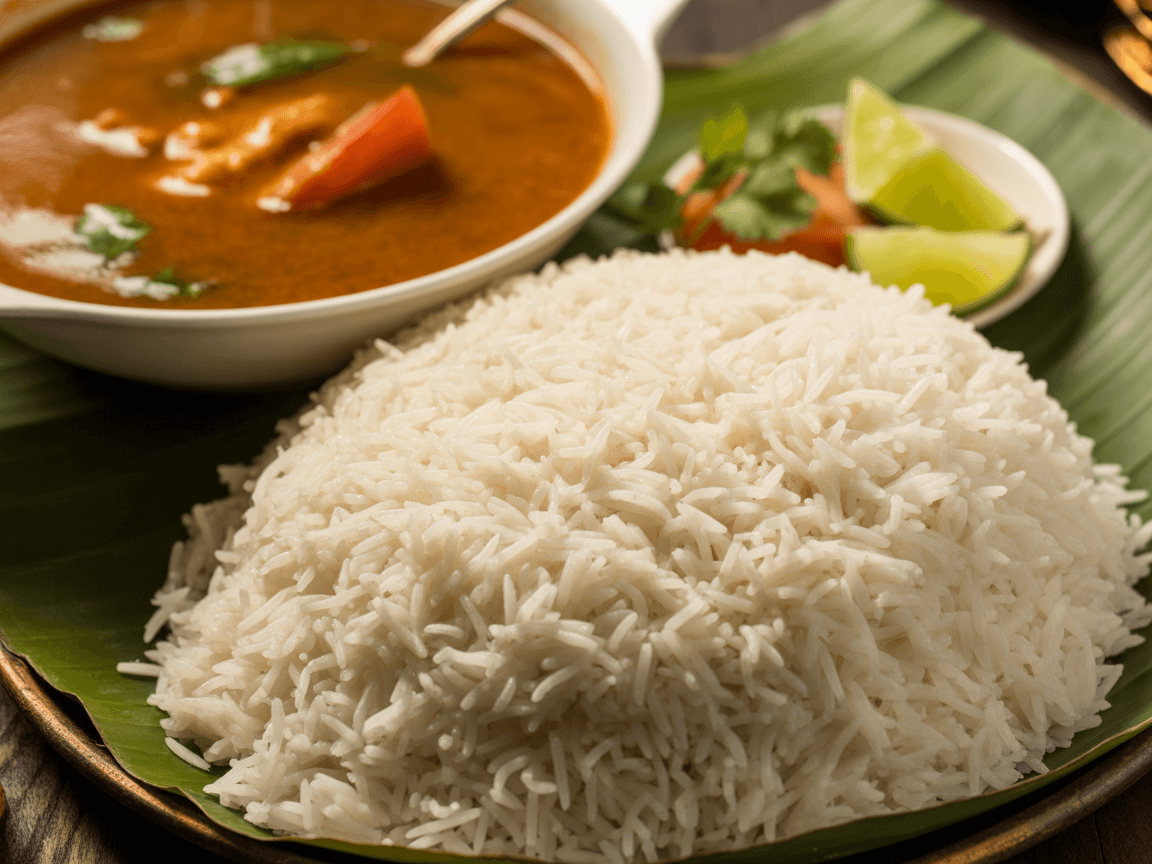
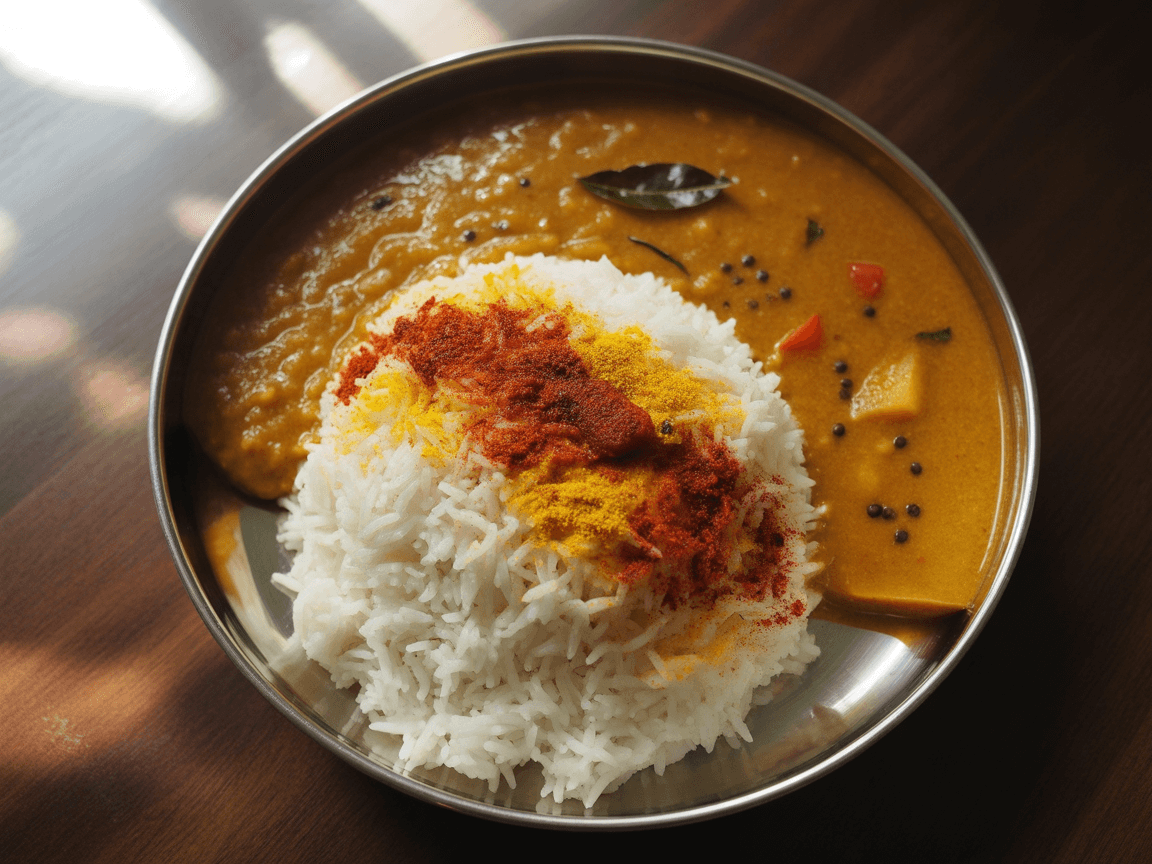
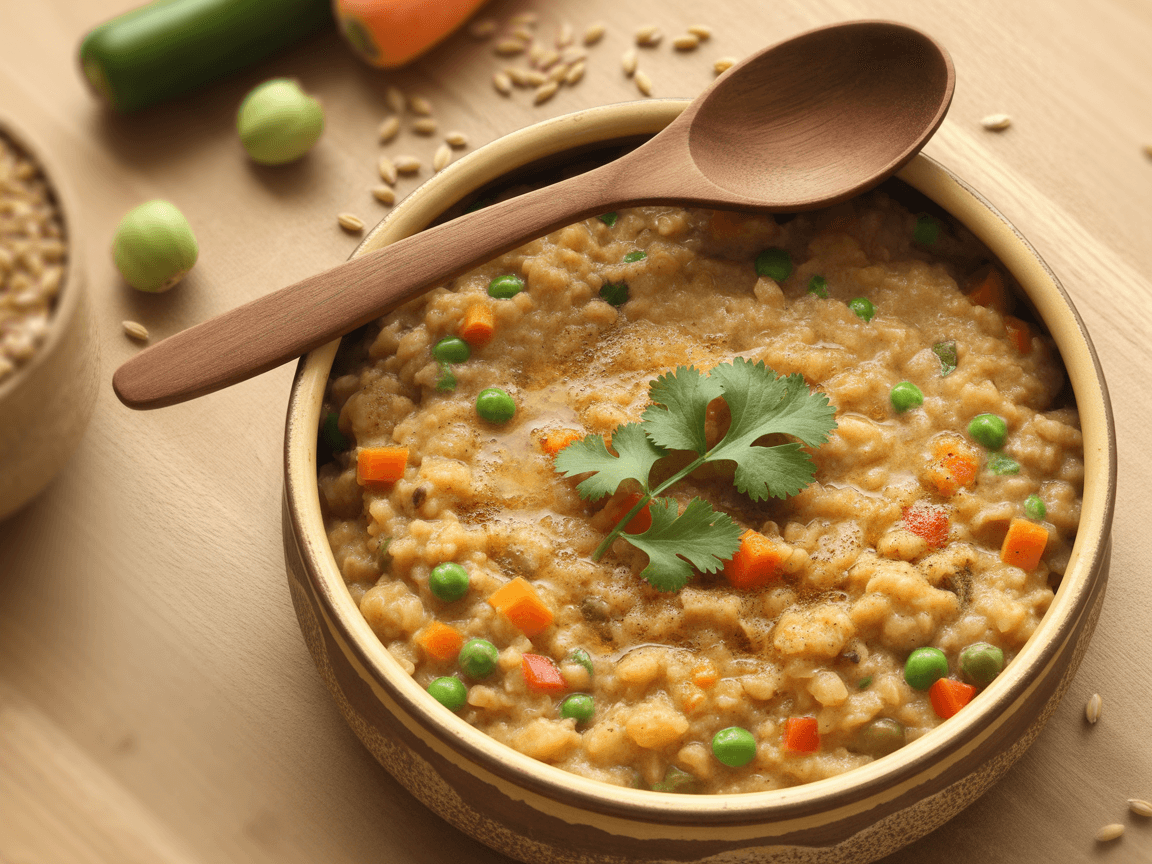
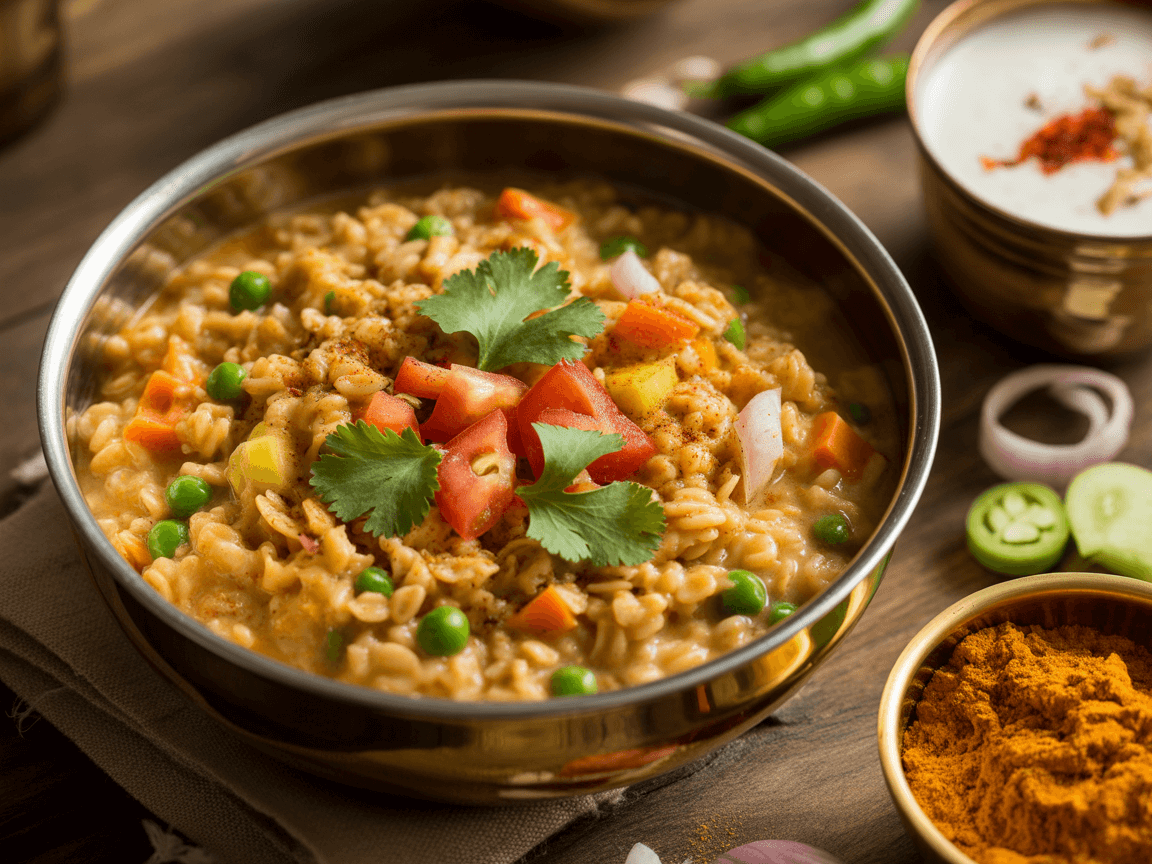
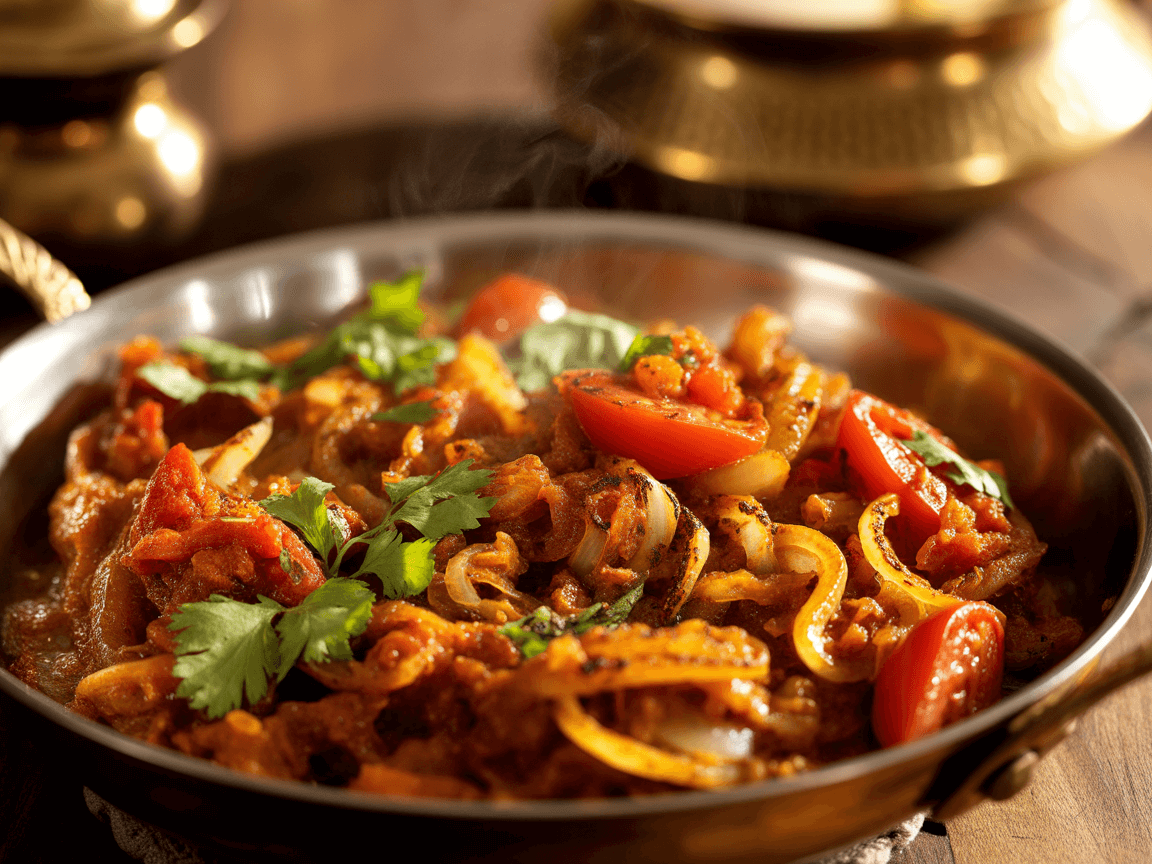
Plain Rice and Rasam are the kind of simple meals that feels like home. It’s warm, light on the stomach, and full of flavor without being fussy. You can make it on a busy weeknight, when you’re under the weather, or when you just want something comforting.
This version keeps things classic and clean: fluffy rice and a peppery, cumin-forward rasam with a hint of garlic and tamarind. It’s quick to cook, easy to digest, and always satisfying.
Why This Plain Rice and Rasam Recipe Works
Clean, bold flavors: Black pepper and cumin (jeera) are the stars. They bring heat, aroma, and clarity without overpowering the dish.
Simple technique: No complicated steps.
Toast spices, simmer, and temper. The flavors develop fast.
Balanced sour and spice: Tamarind adds a gentle tang that lifts the pepper and cumin, while tomatoes bring body.
Comfort-food texture: The rasam stays light and brothy, perfect to sip or pour over plain rice.
Ingredients Needed For Plain Rice and Rasam
For the rice:
1 cup raw white rice (short- or medium-grain preferred, or basmati if you like)
2 cups water (adjust as needed)
1/4 teaspoon salt (optional)
For the rasam:
1 medium tomato, chopped (or 2 small)
1 small lemon-sized ball of tamarind (or 1 to 1.5 teaspoons tamarind paste)
2 to 2.5 cups water (plus more to adjust)
4 to 5 cloves garlic, lightly crushed
1/2 teaspoon turmeric powder
Salt to taste
Spice blend (pepper-jeera):
1.5 teaspoons whole black peppercorns
2 teaspoons cumin seeds (jeera)
1 teaspoon coriander seeds (optional, for a softer edge)
Tempering (tadka):
1 tablespoon ghee or neutral oil
1 teaspoon mustard seeds
1 to 2 dried red chilies
8 to 10 fresh curry leaves
1 pinch hing (asafoetida), optional
Fresh coriander (cilantro), chopped, for garnish
How to Make This Plain Rice and Rasam
Cook the rice: Rinse the rice in several changes of water until it runs mostly clear. Add rice, water, and salt to a pot or rice cooker.
Cook until fluffy. Let it rest covered for 5 minutes, then fluff with a fork.
Soak tamarind: If using whole tamarind, soak it in 1/2 cup hot water for 10 minutes. Squeeze and strain to get a smooth pulp.
Make the spice blend: Dry-roast peppercorns, cumin, and coriander (if using) in a small pan on low heat for 1 to 2 minutes until fragrant. Cool slightly, then coarsely crush using a mortar-pestle or a quick blitz in a grinder. Aim for a coarse texture, not a fine powder.
Build the rasam base: In a saucepan, add chopped tomatoes, crushed garlic, turmeric, and 1 cup water.
Simmer for 5 to 7 minutes until tomatoes break down.
Add tamarind and spices: Stir in the tamarind water/paste, salt, and the crushed pepper-jeera blend. Add another 1 to 1.5 cups water, depending on how thin you like it.
Simmer gently: Bring to a gentle simmer on low heat for 6 to 8 minutes. Do not boil hard; you want a clear, aromatic broth.
Taste and adjust salt and sourness.
Temper: In a small pan, heat ghee or oil. Add mustard seeds and let them splutter. Add dried red chilies, curry leaves, and hing.
Fry for 10 to 15 seconds until fragrant.
Finish the rasam: Pour the tempering over the simmering rasam. Switch off the heat. Let it rest for 2 minutes to meld flavors.
Garnish with chopped coriander.
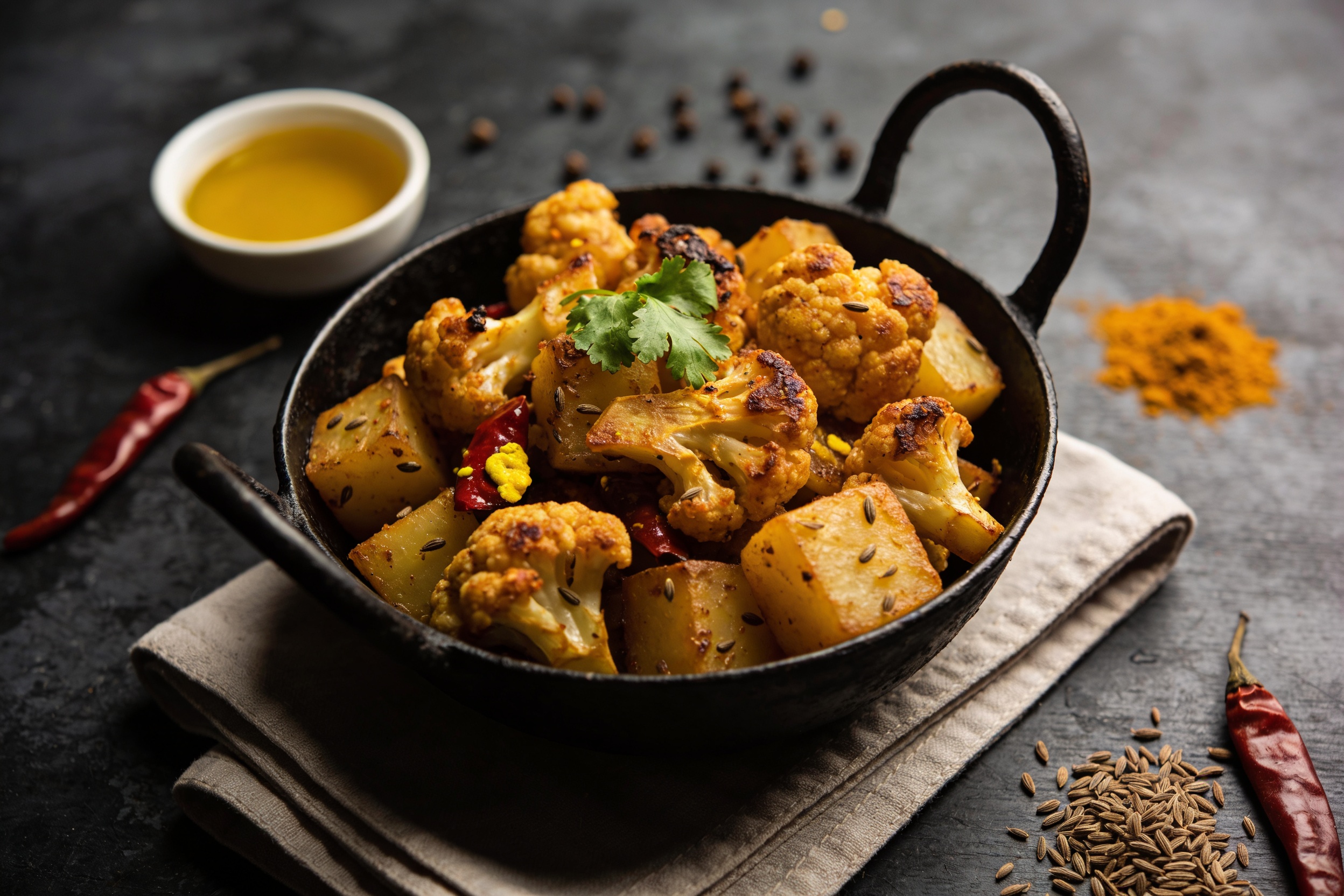
Serve: Ladle hot rasam over warm plain rice. Add a dab of ghee on the rice if you like. Eat with a side of papad or simple stir-fry vegetables.
How to store Plain Rice and Rasam
Refrigeration: Store rasam in a sealed container in the fridge for up to 2 days.
Rice keeps for 2 days as well. Cool both before storing.
Reheating: Warm rasam gently on low heat. Avoid vigorous boiling to preserve aroma.
Sprinkle fresh coriander just before serving.
Freezing: Rasam freezes well for up to 1 month. Freeze without the coriander garnish. Thaw in the fridge, then reheat gently.
Rice tip: Reheat rice with a small splash of water and keep covered to restore softness.
Why This Plain Rice and Rasam is Good for You
Digestive support: Pepper and cumin are known to aid digestion and improve appetite.
The warm broth is easy on the stomach.
Light yet nourishing: You get hydration from the broth, gentle protein from tomatoes and garlic, and steady carbs from rice.
Immune-friendly spices: Black pepper and garlic bring natural compounds that support overall wellness.
Low oil, high flavor: A small tadka goes a long way, keeping the dish light.
Mistakes to Avoid In Plain Rice and Rasam
Don’t overboil the rasam: A rolling boil dulls the aroma and can turn it bitter. Keep it at a gentle simmer.
Don’t grind spices too fine: A coarse grind releases flavor gradually and keeps the broth bright.
Don’t skip tempering: The tadka adds depth and ties the flavors together. It’s quick and essential.
Don’t over-thicken: Rasam should be brothy, not stewy.
Adjust water to keep it light.
Don’t add raw tamarind late: It needs a brief simmer to mellow its sourness and blend in.
Variations You Can Try In Plain Rice and Rasam
Lentil lift: Add 2 tablespoons cooked toor dal to the rasam for a slightly richer body.
Lemon twist: Skip tamarind and finish with fresh lemon juice off heat for a bright, clean flavor.
Ginger-garlic: Add 1 teaspoon grated ginger along with garlic for a soothing, cold-weather version.
Tomato-forward: Use 2 to 3 tomatoes and reduce tamarind for a gentler sourness and fuller mouthfeel.
Spice swap: Add a few fenugreek seeds to the tadka for slight bitterness, or a pinch of jaggery to round the edges.
Herb finish: Stir in a bit of chopped mint or extra coriander just before serving for a fresh lift.
FAQ about Plain Rice and Rasam
Can I make this without tamarind?
Yes. Use lemon juice at the end, off the heat, adjusting to taste. Start with 1 to 2 teaspoons and add more if needed.
What rice works best with rasam?
Short- or medium-grain white rice gives a soft, comforting texture that pairs well with broth.
Basmati also works if you prefer distinct grains.
Is there a substitute for curry leaves?
There’s no perfect substitute, but you can add a small bay leaf during simmering and finish with extra coriander. The flavor won’t be the same, but it will still taste good.
How do I fix rasam that’s too spicy?
Dilute with water, add a bit more tomato, and adjust salt. A pinch of jaggery can also balance the heat.
Can I use ground pepper and cumin instead of whole?
In a pinch, yes.
Use slightly less since pre-ground spices are more intense. Toast them lightly in the tadka to wake up the aroma.
Why did my rasam turn bitter?
Over-roasting spices, boiling too hard, or burning the tadka can cause bitterness. Keep heat moderate and timing short.
How do I make it gluten-free?
It’s naturally gluten-free.
If you’re sensitive to hing, use a gluten-free hing or skip it.
Can I use brown rice?
Yes, cook it according to package directions. The nuttier flavor works well with pepper and cumin, though the meal will feel heartier.
Wrapping Up On Plain Rice and Rasam
Plain Rice + Rasam (Pepper-Jeera) is the reliable, soothing bowl you can count on. It’s easy to make, full of clean flavor, and endlessly adaptable.
Keep the spice blend coarse, simmer gently, and finish with a bright tadka. Serve it hot over fluffy rice, and let simple, honest cooking do the rest.
Disclosure: This post may contain affiliate links.
If you make a purchase through these links, I may earn
a small commission at no extra cost to you.
prab chahal
Hi, I’m Prabjot Chahal – the heart (and taste buds) behind this blog!
Food has always been my love language – from experimenting with family recipes to discovering unique flavors from around the world. I believe that cooking isn’t just about following a recipe, it’s about creating moments, sharing stories, and connecting with others over something delicious. Through this blog, I want to build a vibrant food community where we share more than just recipes – we share inspiration, tips, and the joy of making and enjoying good food together. Whether you’re here for quick weekday dinners, festive treats, or creative seasonal ideas, you’re part of this table. So grab a fork (or a whisk!) and let’s cook, bake, and share our love for food – one recipe at a time.