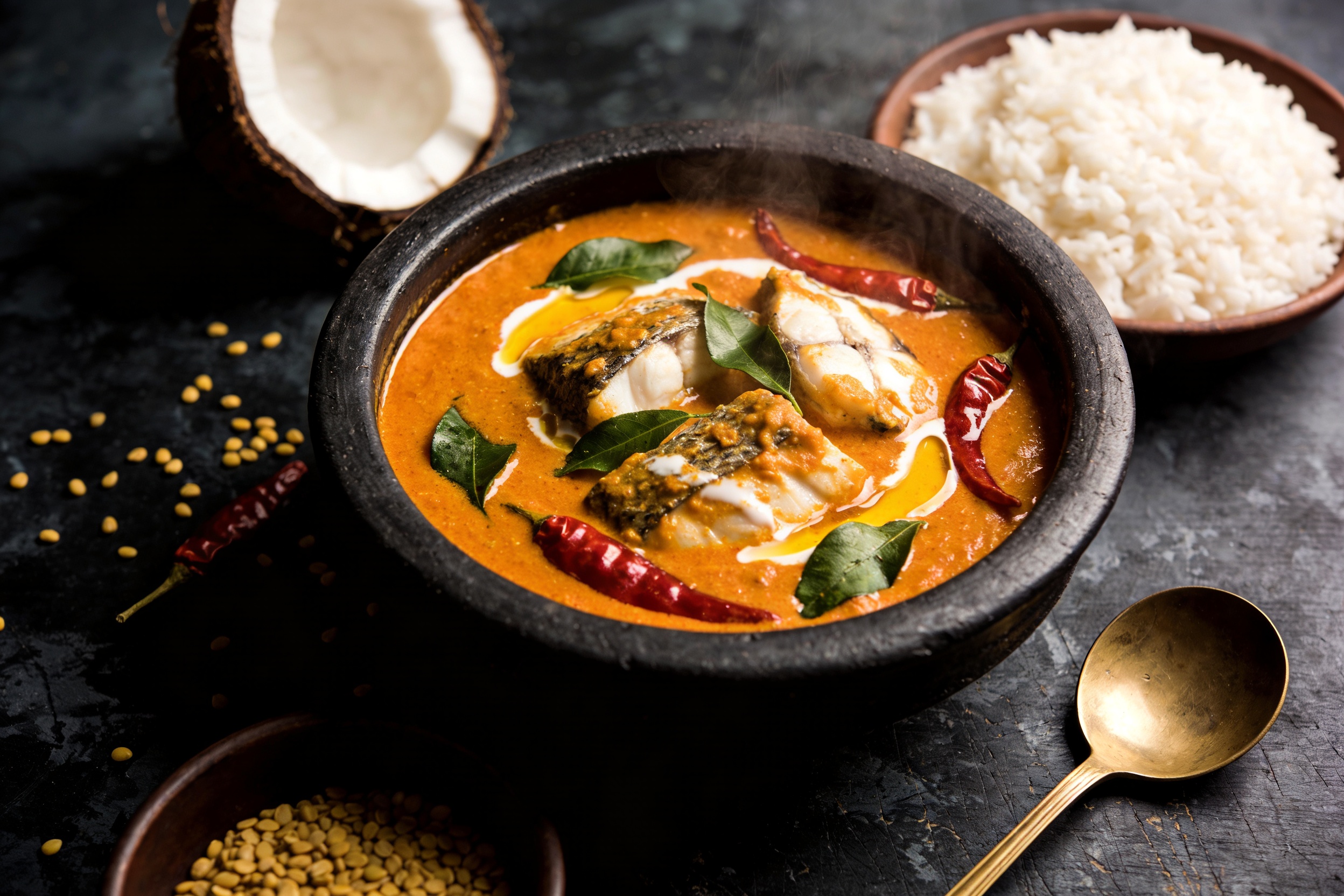
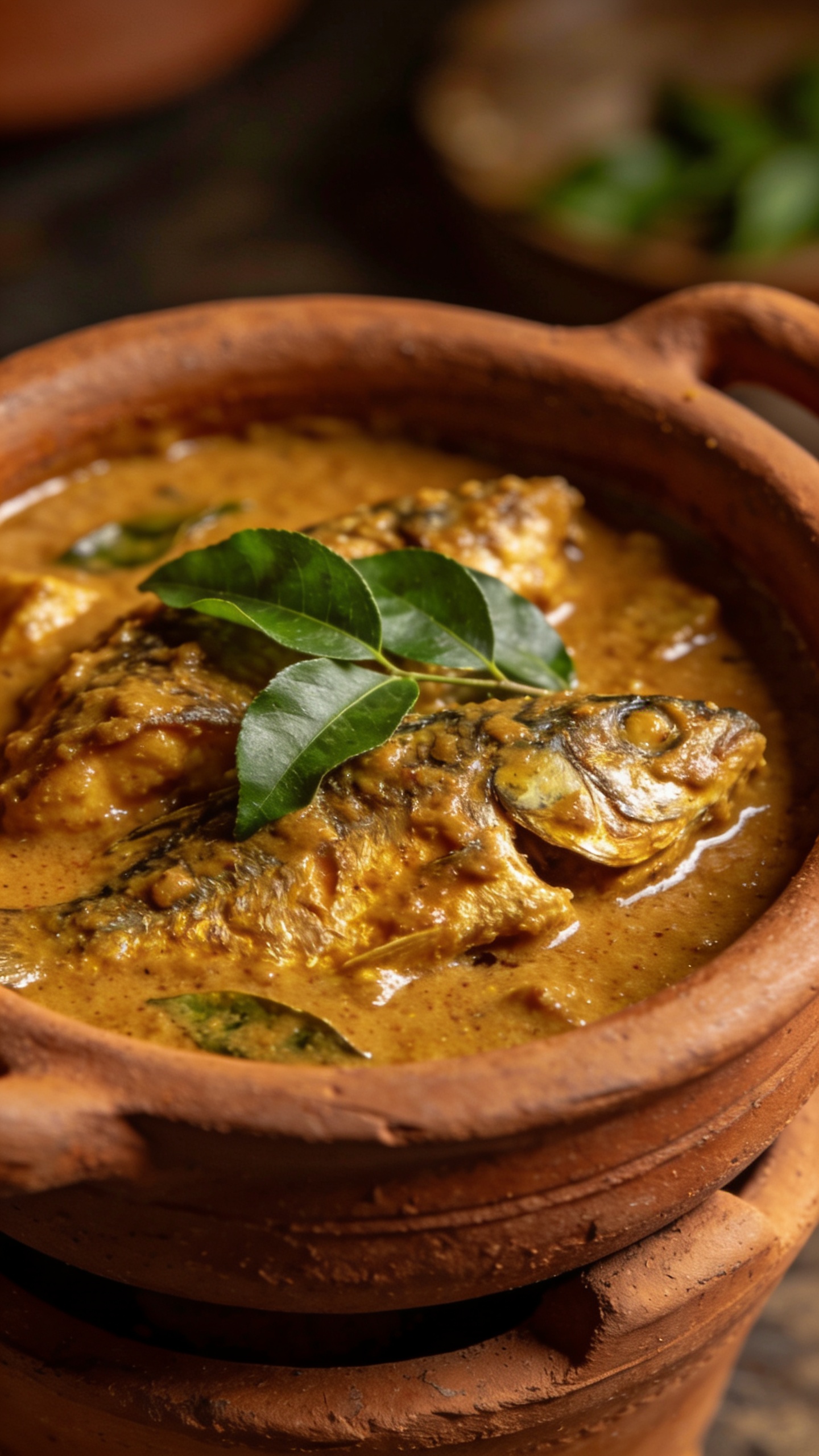
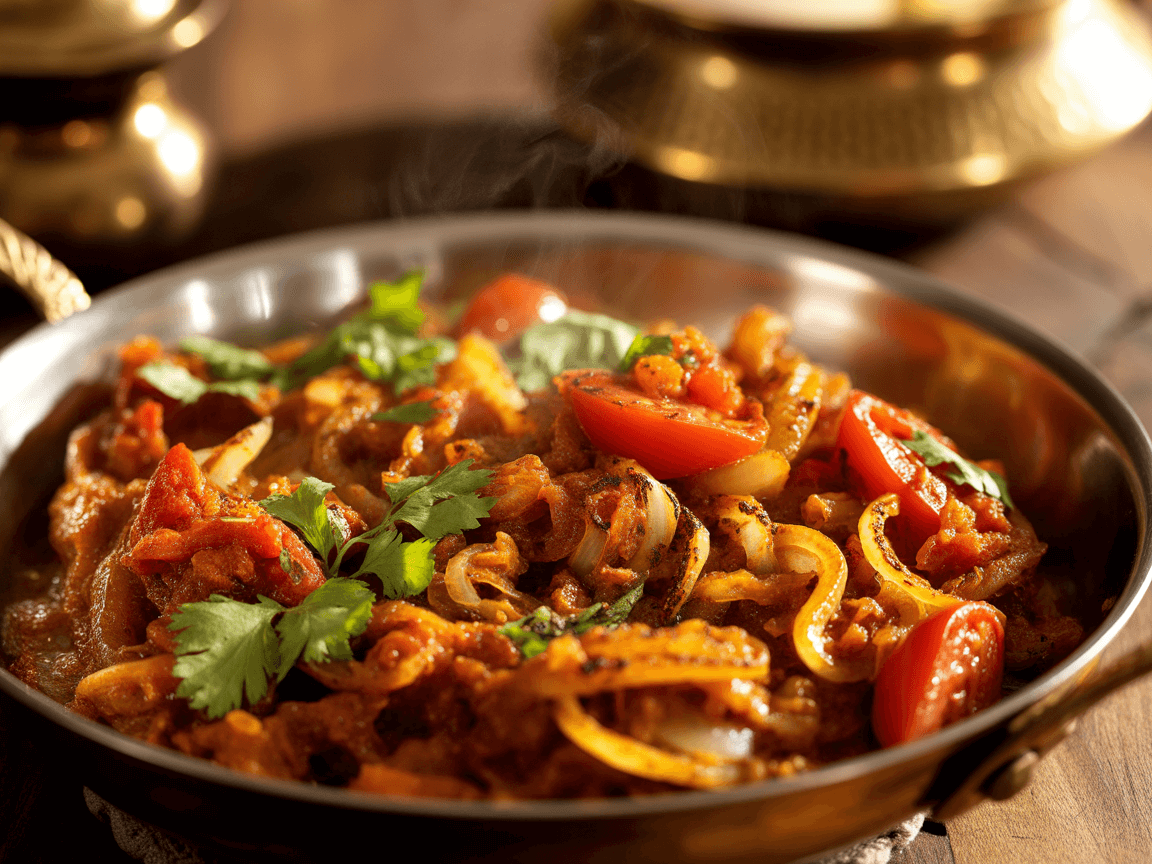
You want a fish curry that actually tastes like the coast? One that’s creamy from coconut, bold with spices, and doesn’t pretend to be “fusion”? Pull up a chair. This authentic Indian coconut fish curry delivers restaurant-level flavor without the drama. The sauce simmers into silky perfection, the fish stays tender, and your kitchen will smell like a seaside shack—aka heaven.
What Makes This Curry “Authentic” (and Why You’ll Care)
We’re talking coastal India vibes here—think Kerala, Konkan, and Goa—where coconut, tamarind, and fresh curry leaves do the heavy lifting. No cream, no sugar, no random shortcuts. The curry leans on:
Coconut in two forms: coconut oil for depth and coconut milk for body.
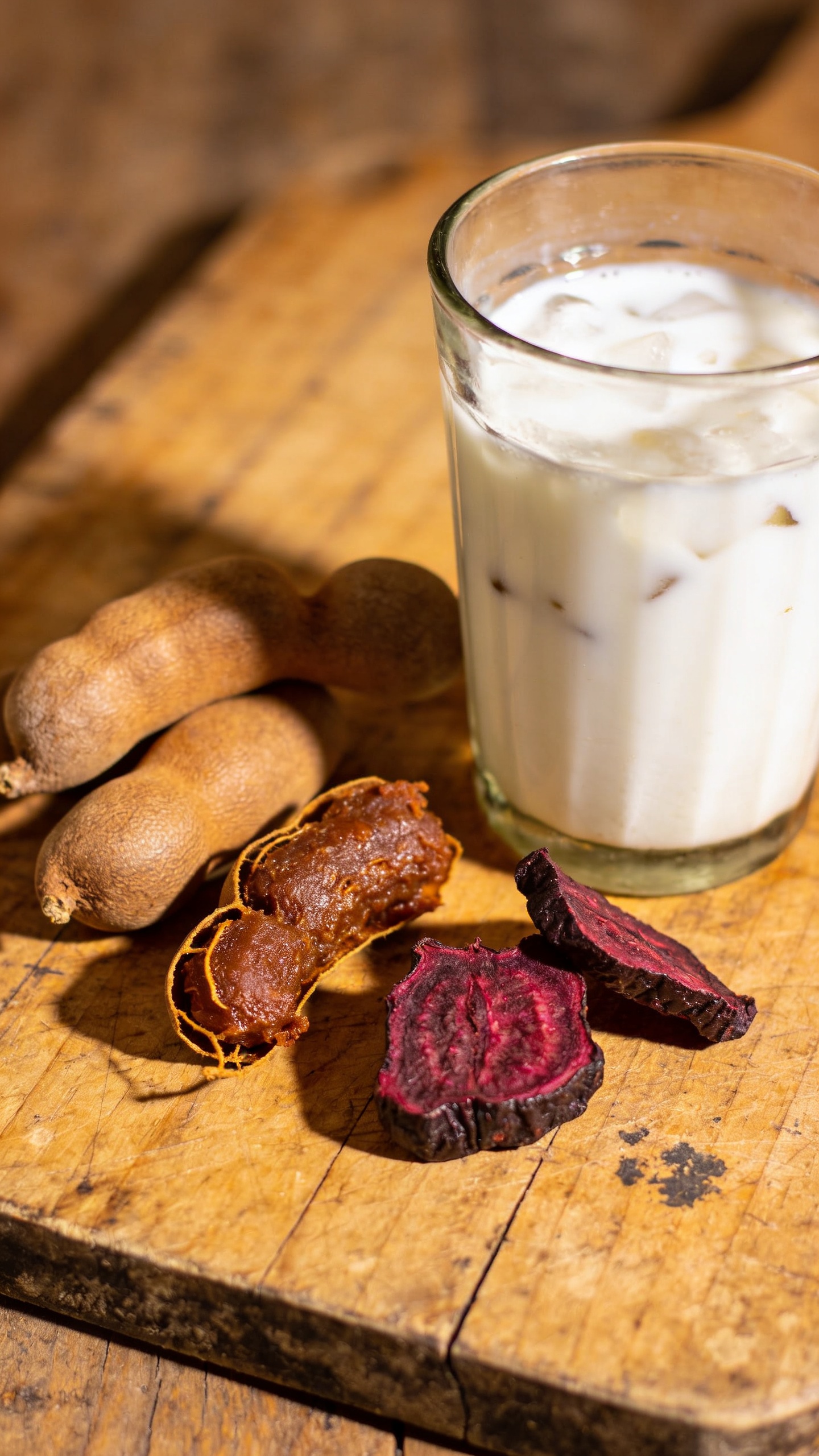
Acid to balance: tamarind pulp or kokum gives that tangy lift.
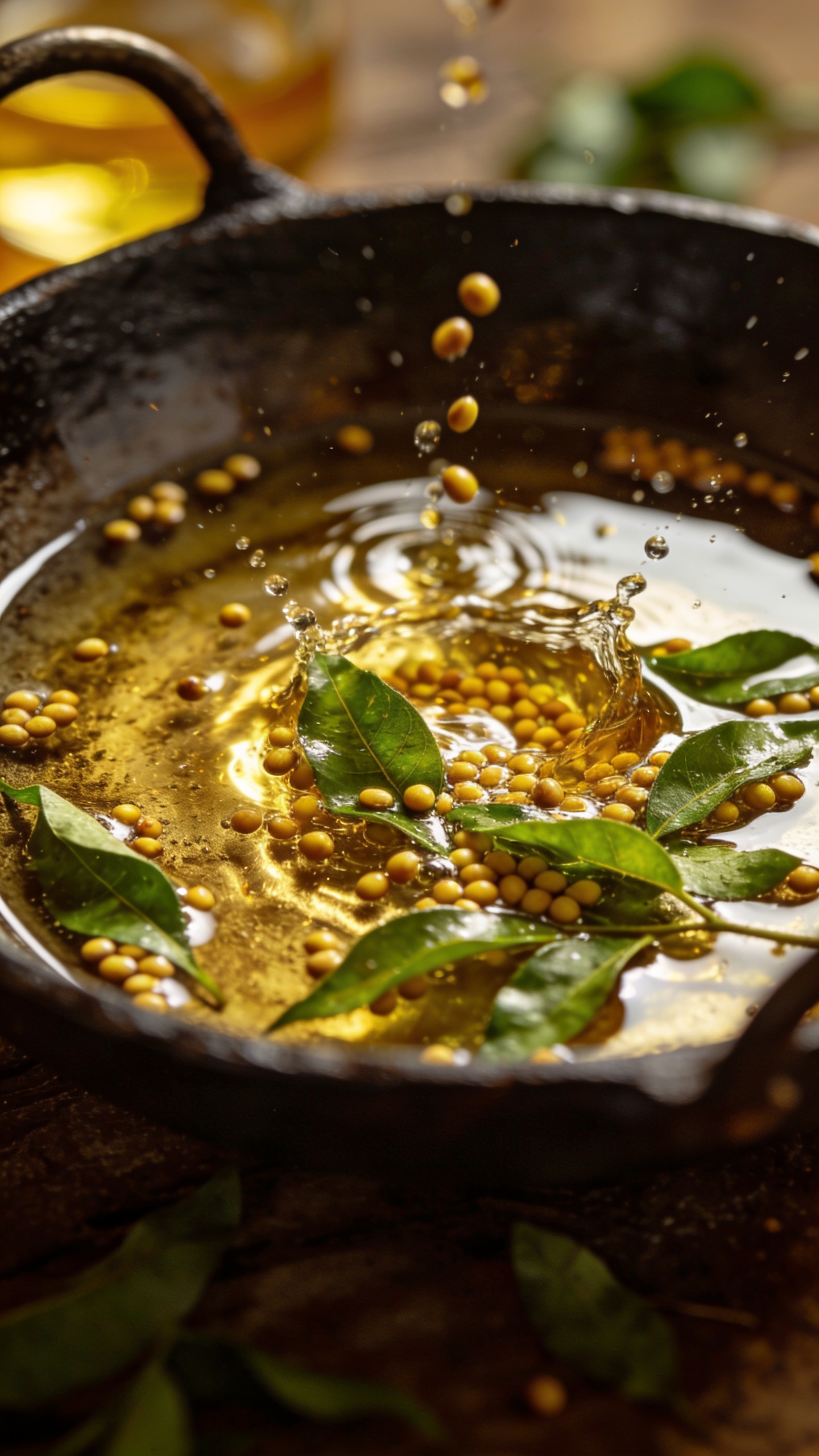
Whole spices bloomed hot: mustard seeds, fenugreek, and curry leaves explode with aroma.
Sound intense? It’s actually simple once you plan your steps.
The Star Players: Ingredients You Actually Need
Keep it focused. You don’t need a 30-spice matrix. Here’s the tight list for 4 servings:
Fish: 600–700 g firm, skinless chunks (kingfish, cod, tilapia, halibut, or seer). Avoid delicate fish that flakes into oblivion.
Coconut oil: 2–3 tbsp for that signature coastal taste.
Mustard seeds: 1 tsp
Fenugreek seeds: 1/4 tsp (go easy—bitter but magical)
Curry leaves: 12–15 fresh leaves
Onion: 1 medium, finely chopped
Ginger–garlic: 1.5 tbsp paste
Green chilies: 2, slit (adjust for heat)
Tomato: 1 small, chopped (for body, not sweetness)
Turmeric: 1/2 tsp
Kashmiri chili powder: 2 tsp (color + gentle heat)
Coriander powder: 1.5 tsp
Tamarind pulp: 1–2 tbsp (or 2–3 kokum petals)
Coconut milk: 1 can (400 ml), well-shaken
Salt: to taste
Fresh cilantro: a small handful, chopped (optional, but nice)
Choosing the Right Fish
– Oily fish like mackerel or sardines? Amazing but stronger flavor—go for it if you love bold. – White fish like cod or tilapia? Friendlier and easy to handle. – Boneless chunks around 1.5 inches cook evenly and don’t fall apart. FYI: don’t stir them like you’re folding laundry.
The Flavor Base: Build It Like You Mean It
This step determines if your curry sings or sulks. No pressure.
Bloom the spices: Heat coconut oil in a wide pan. Add mustard seeds and let them crackle. Add fenugreek and curry leaves—stand back for the sizzle.
Sauté the aromatics: Toss in onion with a pinch of salt. Cook until soft and just turning golden.
Ginger–garlic + chilies: Sauté 1 minute until the raw smell disappears. Don’t burn it. Burnt garlic equals sadness.
Spice powders + tomato: Add turmeric, Kashmiri chili, and coriander. Stir 20–30 seconds. Add tomato and cook down until jammy and shiny.
Tamarind Timing
– Stir in tamarind pulp here if you want a deeper tang woven through the sauce. – Or add it later, after coconut milk, for a brighter finish. IMO, earlier gives better balance.
Coconut Dreams: Getting the Sauce Just Right
Pour in the coconut milk and 1/2 cup water. Stir. Bring it to a gentle simmer—no wild boiling or you’ll split the sauce. Add salt, taste, and adjust the tang with extra tamarind if needed. You want a silky, slightly tangy, chili-warm base that makes you think of palm trees and naps.
Pro Tips for Silky Sauce
– Use full-fat coconut milk. Light versions taste like regret. – Keep the heat medium-low once the milk goes in. – If the sauce looks too thick, add a splash of hot water. Too thin? Simmer a minute longer before adding fish.
Fish In, Drama Out: Perfect Texture Every Time
Once your sauce tastes great, nestle the fish pieces into the pan in a single layer. Spoon sauce over the top. Simmer gently for 6–8 minutes, depending on thickness. Do not stir like a maniac. Just give the pan a gentle shake occasionally. When the fish turns opaque and flakes with slight pressure, you’re done.
– Add a few fresh curry leaves or chopped cilantro. – Drizzle 1 tsp coconut oil on top for that final aroma—tiny move, huge payoff. – Rest the curry 5 minutes off heat. Flavors settle, fish relaxes, life improves.
Serve It Right (Because You Came This Far)
You’ve got options, but some pairings just hit:
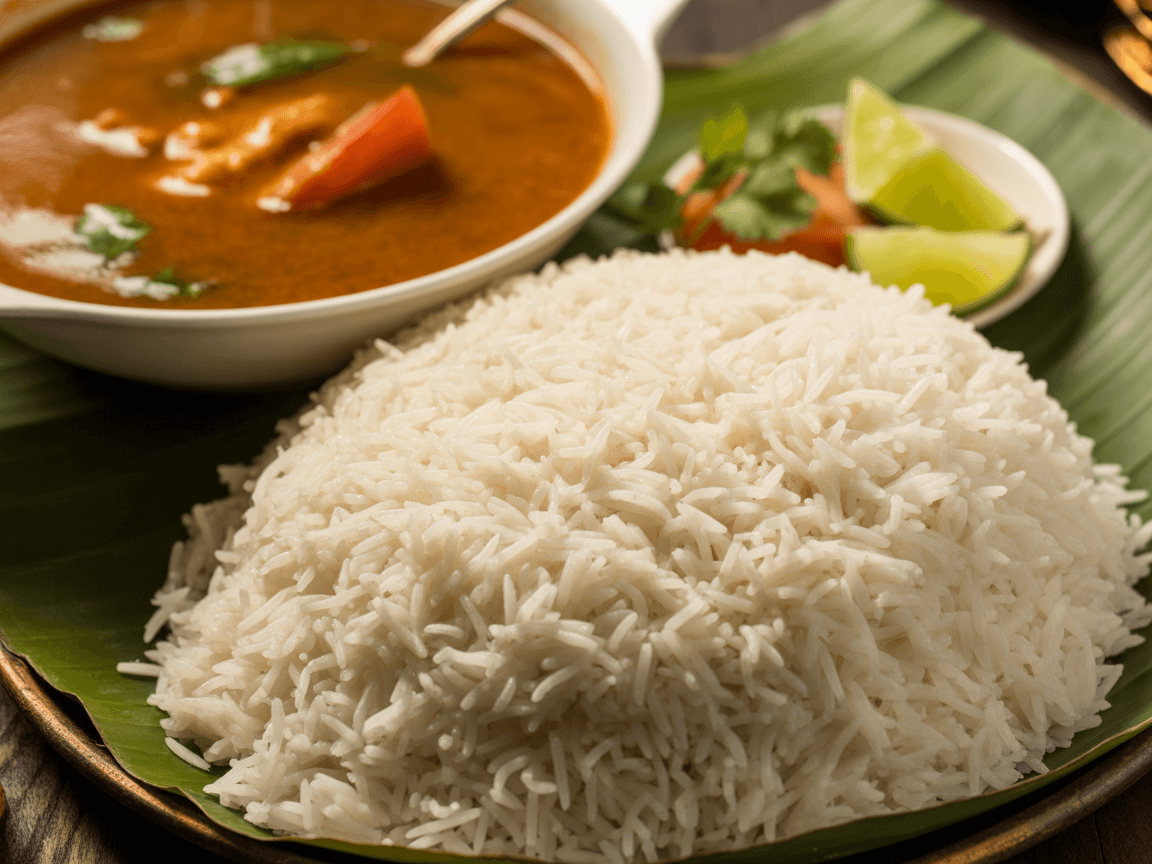
Plain steamed rice: The classic. Lets the curry shine.
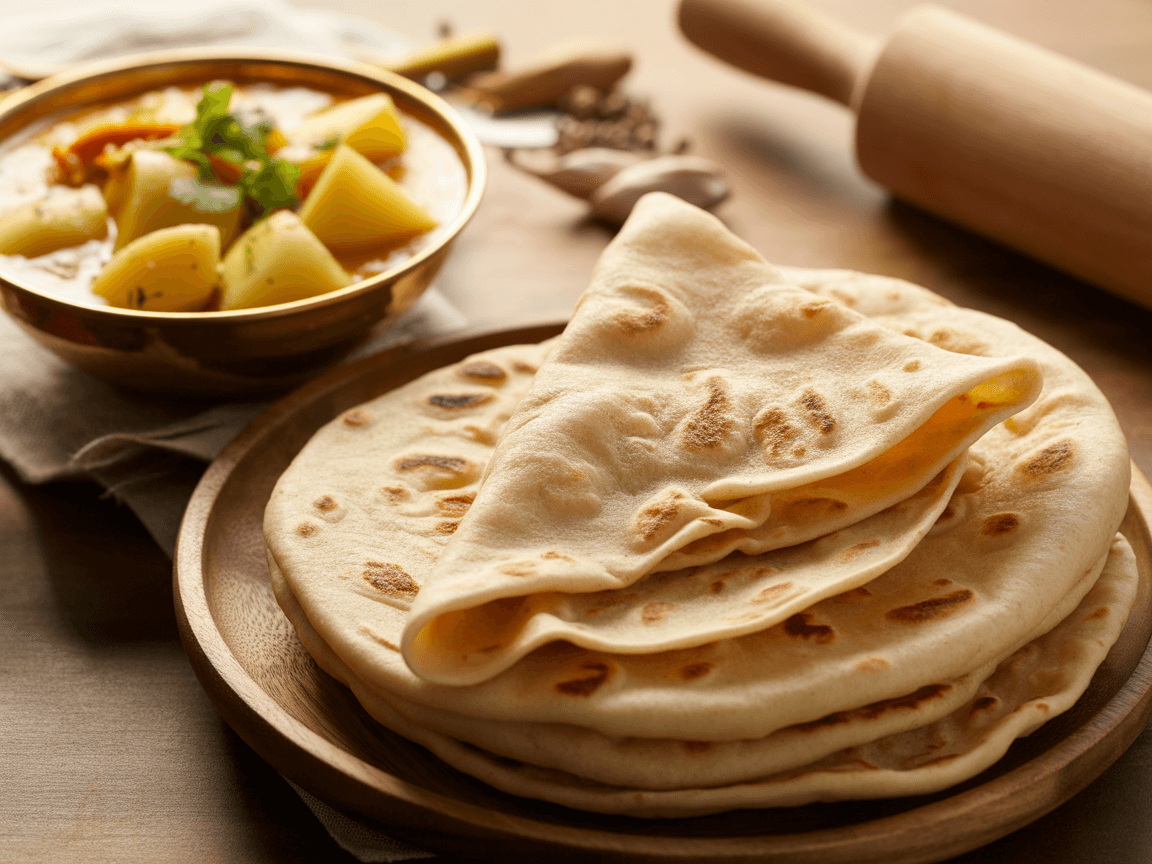
Neer dosa or appam: Soft, lacy, and perfect for scooping.
Jeera rice: Subtle spice, nice contrast, not traditional but tasty.
Add a quick side of cucumber-onion salad with lemon and salt. Crunch + freshness = balance.
Regional Twists You Can Try (Without Breaking the Soul)
– Kerala-style: Add 1/2 tsp black pepper, skip tomato, and finish with extra curry leaves. – Goan-style: Use a bit more tamarind, add 1/2 tsp ground cumin, and consider a pinch of sugar to balance—just a pinch, don’t go dessert mode. – Konkan-style: Toast and grind dry coconut with chili for a thicker, nuttier gravy. Bold and beautiful.
Smart Swaps
– No tamarind? Use 1–2 tsp lime juice at the end. Different, but works. – No fenugreek seeds? Skip them rather than overusing. Bitterness creeps fast. – Want it spicier? Add a hot red chili powder in place of some Kashmiri.
Make-Ahead, Leftovers, and Not Ruining It
– Make-ahead: Cook the sauce up to the point before adding fish. Chill up to 2 days. Reheat gently, then add fish fresh and simmer. – Leftovers: Keep in the fridge up to 2 days. Reheat slowly—low heat, covered. – Freezer? Freeze the sauce alone, not with fish. Cook fish fresh for best texture. – Fixes: Too salty? Add a splash of coconut milk or hot water and a squeeze of lime. Too tangy? Pinch of jaggery or sugar. Too thin? Simmer uncovered 2–3 minutes.
FAQ
Can I use frozen fish?
Yes, but thaw it fully in the fridge and pat it very dry. Excess water dilutes the sauce and messes with cooking time. Frozen works great for cod or tilapia—budget-friendly win.
What if I can’t find curry leaves?
They’re unique, but if you can’t get them, just skip them. Don’t swap with bay leaves—they’re not cousins. Add a tiny extra drizzle of coconut oil at the end to lift the aroma.
How do I stop the coconut milk from splitting?
Keep the heat moderate, don’t boil aggressively, and add salt after the milk goes in. Also, shake the can well or whisk the milk before pouring. Easy win.
Is there a dairy-free version?
It’s already dairy-free—coconut milk is the base. If you avoid coconut, you can try cashew cream, but FYI, the flavor veers away from coastal Indian.
Can I make it in an Instant Pot?
You can, but IMO stovetop gives you better control. If you must: sauté the base on Sauté mode, add coconut milk, bring to a simmer, switch to Keep Warm, add fish, and close the lid for 6–8 minutes without pressure. Gentle heat saves the texture.
How spicy is this?
Medium warmth. Kashmiri chili brings color more than heat. Add a fresh green chili or swap in a hotter red chili powder if you like fire.
Conclusion
That’s your authentic Indian coconut fish curry—bold, bright, and comfortingly creamy without heavy nonsense. You built layers, treated the fish gently, and balanced heat with tang. Serve it hot over rice, breathe in that coconut-spice aroma, and enjoy the smug satisfaction of making something legit at home. IMO, once you nail this, takeout won’t stand a chance.
Disclosure: This post may contain affiliate links.
If you make a purchase through these links, I may earn
a small commission at no extra cost to you.
prab chahal
Hi, I’m Prabjot Chahal – the heart (and taste buds) behind this blog!
Food has always been my love language – from experimenting with family recipes to discovering unique flavors from around the world. I believe that cooking isn’t just about following a recipe, it’s about creating moments, sharing stories, and connecting with others over something delicious. Through this blog, I want to build a vibrant food community where we share more than just recipes – we share inspiration, tips, and the joy of making and enjoying good food together. Whether you’re here for quick weekday dinners, festive treats, or creative seasonal ideas, you’re part of this table. So grab a fork (or a whisk!) and let’s cook, bake, and share our love for food – one recipe at a time.