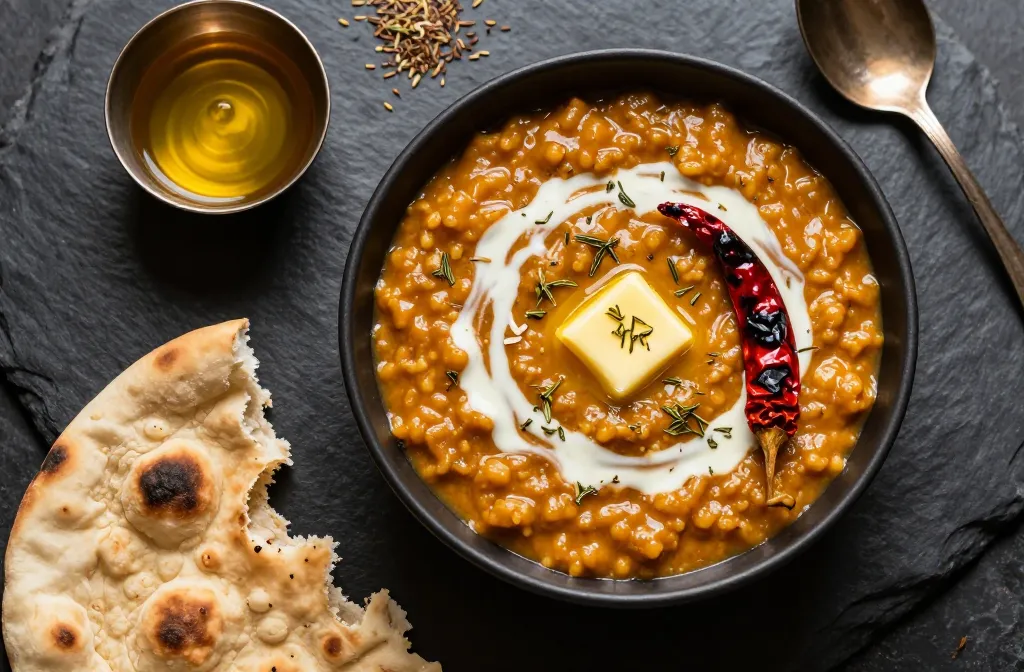
Dal Makhani doesn’t whisper; it sings. One spoonful and you get creamy, smoky, buttery comfort that feels like a warm hug from a Punjabi auntie who insists you eat more. It’s rich without being cloying, earthy without being dull, and honestly, it can turn a simple dinner into an event. Ready to make the kind of dal that people remember? Let’s dive in.
What Actually Makes Dal Makhani “Makhani”
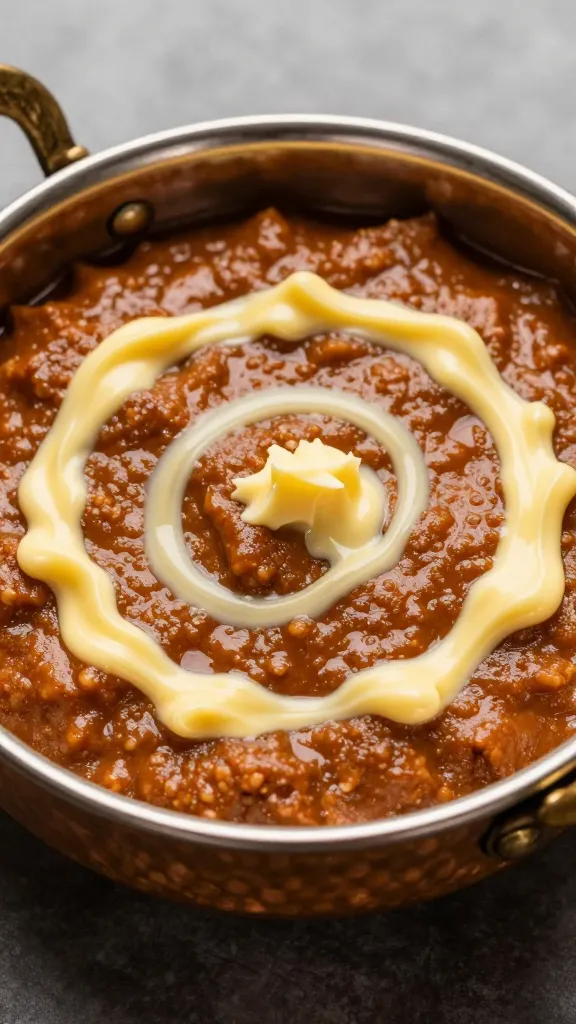
Dal Makhani translates to “buttery lentils,” and it earns the name. We’re talking whole black lentils (urad dal) and a handful of kidney beans (rajma), slow-cooked until they melt. Then you enrich them with butter and cream, plus that tomato-onion masala that carries smoky, tangy, and slightly sweet notes. The secret? Time. You can’t rush the gentle simmer that breaks down the lentils and blends the flavors. You’ll know it’s right when the dal looks glossy and coats the back of a spoon like velvet.
Core Ingredients (Don’t Skip These)
Whole urad dal (black gram): The backbone. Split urad won’t give the same body.
Rajma (kidney beans): Just a bit for texture and flavor depth.
Onion, tomato, ginger, garlic: Your aromatic quartet.
Spices: Cumin, coriander, Kashmiri red chili powder, garam masala, bay leaf.
Butter and cream: The “makhan” in Makhani. Ghee works too.
Kasuri methi (dried fenugreek): The finishing fairy dust.
The Slow-Simmer Magic (And Why Your Dal Needs It)
You can pressure cook the lentils to soften them, sure. But the real flavor develops during a long, lazy simmer with the masala. As it bubbles, the starches release and the fats emulsify. Sounds science-y? It’s just code for “tastes richer.” Aim for at least 45–60 minutes of simmering after the lentils cook. Stir often. Crush a few lentils against the pot to thicken things naturally. If it gets too thick, add hot water in small splashes until it turns lush again. IMO, this unhurried step makes the difference between “good” and “oh hello, second bowl.”
Tips for Best Results
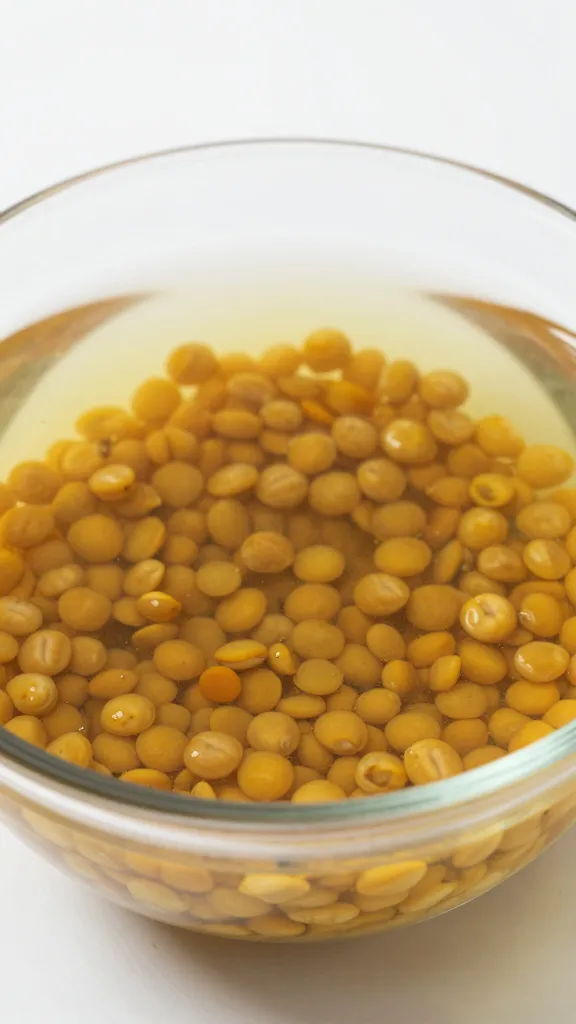
Soak overnight: Soak urad dal and rajma 8–12 hours for faster cooking and better texture.
Salt smartly: Salt the water while boiling, then adjust at the end to avoid a flat-tasting sauce.
Tomato balance: Use ripe tomatoes or a mix of fresh and a spoon of tomato paste for depth.
Butter timing: Add some butter early for body and some at the end for aroma.
Kasuri methi last: Rub it between your palms and add right before serving.
Let’s Cook: A Friendly, Flexible Method
You don’t need a culinary degree—just some patience and a solid pot. Here’s a straightforward path to greatness.
Soak and cook the lentils: Rinse 1 cup whole urad and 1/4 cup rajma. Soak overnight. Pressure cook with 4 cups water, 1 tsp salt, and a bay leaf until very soft (about 20–30 minutes in an Instant Pot on high, or 6–8 whistles in a stovetop cooker). No cooker? Boil and simmer until tender—might take 60–90 minutes. No judgment.
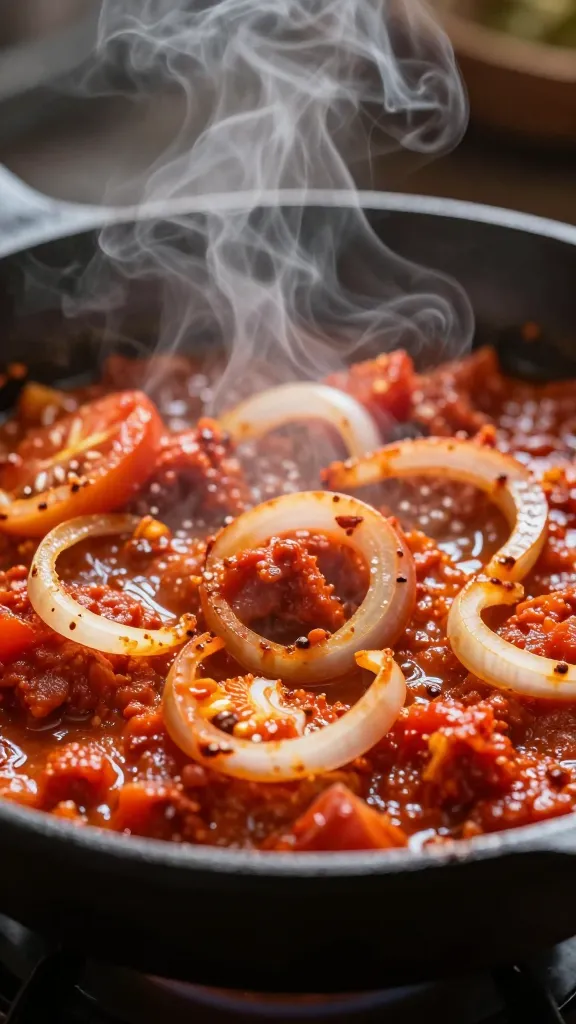
Make the masala: In a heavy pot, heat 2 tbsp ghee + 1 tbsp butter. Add 1 tsp cumin seeds, then 1 finely chopped onion. Sauté until golden. Add 1 tbsp ginger-garlic paste and cook until it stops smelling raw.
Build the flavor: Stir in 1.5 tsp coriander powder, 1 tsp Kashmiri chili powder (for color more than heat), and a pinch of turmeric. Add 2 grated or pureed tomatoes (or 1.5 cups), cook until the oil separates and the mixture looks jammy.
Combine and simmer: Add the cooked lentils (liquid and all). Stir, bring to a gentle bubble, and let it simmer uncovered for 45–60 minutes, stirring every 5–10 minutes so nothing sticks. Add hot water as needed to keep it creamy, not stodgy.
Finish like a pro: Stir in 2–3 tbsp cream, 1 tsp garam masala, 1 tsp crushed kasuri methi, and 1–2 tbsp butter. Taste for salt and heat. Simmer 5 more minutes. Optional: add a tiny knob of charcoal-smoke aroma (see next section). Serve with a swirl of cream.
Ingredient Swaps (When Reality Strikes)
No whole urad? Use split urad as an emergency fix, but reduce cook time and expect a lighter body.
No rajma? Skip it or sub small black beans. Texture changes, flavor stays solid.
Dairy-free? Use coconut cream cautiously or cashew cream for a neutral, rich finish. Swap butter/ghee with neutral oil + a splash of olive oil at the end.
Tomato shortage? Use crushed canned tomatoes plus a pinch of sugar to balance acidity.
That Smoky Restaurant Vibe (Without a Tandoor)
Restaurants often get a gentle smoky note from long cooking or tandoor proximity. You can fake it at home safely.
The Dhungar Trick (Charcoal Smoke)
Heat a small piece of natural lump charcoal until red-hot.
Place it in a steel bowl set over the dal (don’t submerge).
Drizzle 1/2 tsp ghee on the charcoal to release smoke, cover the pot 3–4 minutes, then discard the charcoal.
FYI: Don’t overdo it—too much smoke turns your dal into campfire soup.
Without Charcoal
Add 1/4 tsp smoked paprika with the spices.
Or stir in a few drops of liquid smoke at the end. Go gently.
Texture, Thickness, and The “Just Right” Creaminess
Dal Makhani should glide, not plop. If it’s too thick, add hot water. Too thin? Simmer uncovered and mash a few lentils with the back of your spoon. You want it to pour slowly and coat rice or naan like a boss. For creaminess, you control the dial:
Classic: 2–3 tbsp cream and 1–2 tbsp butter.
Ultra-luxe: 1/3 cup cream and 3 tbsp butter. Treat yourself.
Lighter: Skip cream; add a splash of milk or cashew cream at the end. Still dreamy.
Serving Ideas That Make It A Meal
Dal Makhani pairs with anything carb-y and comforting. Think of it as the main character—and set the stage accordingly.
Naan or tandoori roti: Charred edges, soft middle—perfect dunkers.
Jeera rice: The cumin fragrance lifts every bite.
Pickled onions and lemon: A pop of acidity keeps your palate awake.
Paneer tikka or grilled veggies: For a big spread.
Pro tip: Let the dal rest 15 minutes before serving. Flavors settle, texture evens out, and you look like you know exactly what you’re doing (because you do).
Make-Ahead and Reheating
Fridge: Keeps 3–4 days. It tastes even better the next day.
Freezer: Freeze without cream for up to 2 months. Add cream after reheating.
Reheat: Splash in hot water and simmer gently while stirring. Finish with fresh butter/cream and kasuri methi.
Common Mistakes (And How To Dodge Them)
Rushing the simmer: You’ll get thin, shy flavors. Give it time.
Under-salting: The cream and butter mute salt. Taste at the end and adjust.
Scorching the bottom: Stir often, keep heat low, and use a heavy pot. Burnt dal = sad dal.
Skipping kasuri methi: That final sprinkle screams “restaurant-quality.”
FAQ
Can I make Dal Makhani in an Instant Pot from start to finish?
Absolutely. Sauté the aromatics on Sauté mode, add soaked lentils and water, and pressure cook for 30–35 minutes. Natural release, then switch back to Sauté and simmer 15–20 minutes with butter, cream, and spices to thicken. Stir often—the bottom can catch.
It leans mild and comforting. Use Kashmiri chili for color and a gentle kick, and add green chili or regular chili powder if you want a bigger punch. Balance matters more than heat here IMO.
What’s the best cream substitute?
Cashew cream wins for neutrality and silkiness. Blend soaked cashews with a bit of water until smooth. Add near the end so it doesn’t split, and finish with a dab of vegan butter or olive oil for shine.
My dal tastes sour. What happened?
Likely too much tomato or tomato paste, or unbalanced acidity. Stir in a knob of butter, a pinch of sugar, and simmer 5–10 minutes. A little cream also softens sharp edges.
Do I need both butter and ghee?
No, but the combo tastes glorious. Ghee brings nutty depth; butter brings dairy sweetness. Use either alone if that’s what you have. Just don’t use strongly flavored oils that hijack the dish.
Can I skip the overnight soak?
You can quick-soak by boiling the lentils for 5 minutes, then resting them covered for an hour. It works in a pinch, but overnight soaking cooks them more evenly and gives a creamier finish. FYI, rajma especially benefits from a long soak.
Conclusion
Dal Makhani rewards patience with ridiculous payoff. You build layers, you simmer low and slow, and you finish with buttery confidence. The result hugs naan, flatters rice, and wins over every table. Cook it once on a lazy weekend, and you’ll have a new signature dish—no fancy gear, just time, taste, and a little kitchen swagger.
Disclosure: This post may contain affiliate links.
If you make a purchase through these links, I may earn
a small commission at no extra cost to you.
prab chahal
Hi, I’m Prabjot Chahal – the heart (and taste buds) behind this blog!
Food has always been my love language – from experimenting with family recipes to discovering unique flavors from around the world. I believe that cooking isn’t just about following a recipe, it’s about creating moments, sharing stories, and connecting with others over something delicious. Through this blog, I want to build a vibrant food community where we share more than just recipes – we share inspiration, tips, and the joy of making and enjoying good food together. Whether you’re here for quick weekday dinners, festive treats, or creative seasonal ideas, you’re part of this table. So grab a fork (or a whisk!) and let’s cook, bake, and share our love for food – one recipe at a time.