<pIf you’re tired of meals that don’t land right, you’re not alone. The #1 kitchen mistake everyone makes isn’t a missing gadget or a fancy ingredient; it’s something simpler, more universal, and harder to fix than it sounds. It sneaks into prep, cooking, and even how you store food. The moment you spot it, you unlock a cascade of tiny wins that compound into tastier, healthier, more reliable meals.
<pIn this guide, you’ll hear from real cooks—home chefs juggling busy schedules, parents feeding families, and aspiring cooks who want confidence at the stove. You’ll find practical, field-tested advice you can apply tonight. We’ll break down how this mistake happens, the exact steps to correct it, and how small habits can restore flavor, texture, and consistency to your cooking.
<pThink of this as a playbook you can follow, with clear wins, measurable results, and no fluff. By the end, you’ll know not just what to fix, but why it matters, and how to keep it from creeping back into your kitchen rhythm.
Key Takeaways
- Consistency beats intensity: small, repeatable steps beat big, one-off efforts.
- Preparation underpins flavor: mise en place isn’t optional, it’s flavor insurance.
- Temperature discipline matters: dominos of undercooked and overcooked vanish with proper heat control.
- Seasoning harmony: layering salt and acids early yields depth, not saltiness.
- Better timing reduces waste: smarter batch planning saves money and taste.
- Technique scales: skills like searing, deglazing, and resting transform simple ingredients.
- Tools matter, but habits matter more: the right routine outperforms the fanciest gadget.
- Mindful storage preserves freshness: how you store produces compounds across weeks, not hours.
Main Sections
Overview: What Is the #1 Kitchen Mistake?
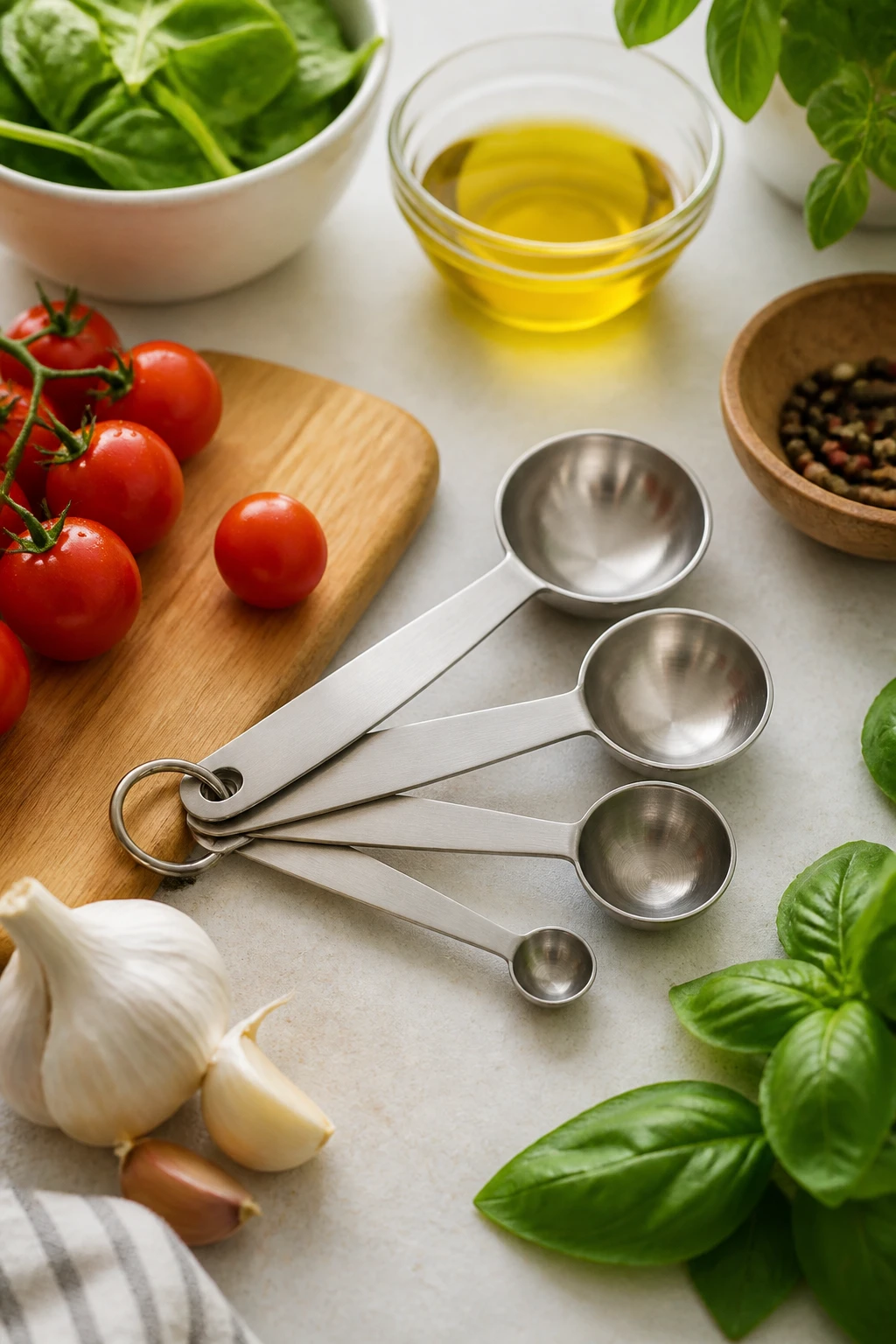
The single most damaging kitchen misstep isn’t a failed recipe or a misread thermometer; it’s not building a reliable, repeatable workflow. When cooks skip structure—whether in mise en place, seasoning, or timing—the result is inconsistency. A dish might taste good once, but it won’t land the same way again. Over time, that inconsistency erodes confidence and makes cooking feel like luck rather than a craft you control.
Think about it as a universal friction point: you have ingredients, you know the outcome you want, but you’re missing a dependable process to bridge the gap. The good news is that you can fix this with practical habits that fit real life, not with a kitchen overhaul.
Why This Mistake Undermines Meals (The Real Impact)
- Flavor inconsistency: meals swing from bland to bold without warning, wasting ingredients and motivation.
- Texture problems: uneven cooks or poorly rested proteins lead to dry edges, soggy middles, or rubbery bites.
- Time drag: lack of prep and planning adds guesswork, turning a 20-minute dinner into a 60-minute hunt for components.
- Waste and cost: mismanaged batches spoil, leading to waste and higher grocery bills.
- Stress and decision fatigue: when you’re unsure what to do next, the kitchen feels chaotic rather than comforting.
Core Principles Behind Fixing It
- Consistency is built in the small steps: establish a predictable routine for prep, cooking, and cleanup.
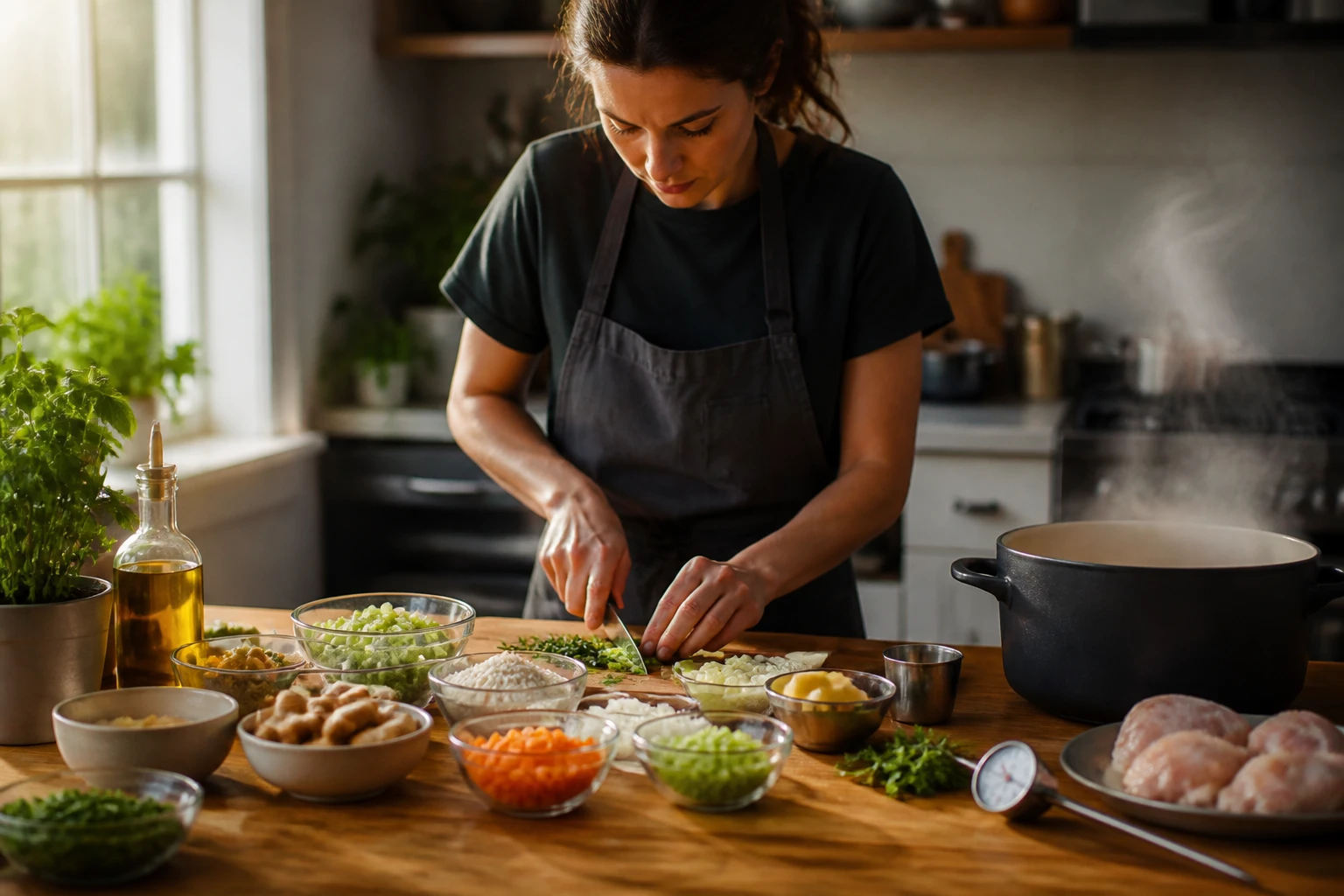
- Mise en place is flavor insurance: have ingredients measured, trimmed, and ready before heat hits the pan.
- Temperature control is a superpower: understand when to use high heat, when to lower it, and how resting improves texture.
- Seasoning builds depth, not saltiness: season in layers and balance acidity to your taste.
- Timing is your rhythm: use simple timing cues and chains of steps to stay coordinated.
Expert Observations: What Real Cooks Do Differently
Seasoned cooks don’t wait for the perfect moment to season. They season early, then adjust. They keep a sheet of common cook times handy for proteins and vegetables, so they aren’t guessing mid-cook. They rest meat to redistribute juices, and they deglaze pans to capture fond, turning a good dish into a great one.
Additionally, they build in a routine for leftovers. A “lifted lunch” mindset—transforming yesterday’s dinner into today’s meals—keeps flavor intact and reduces waste. This isn’t about fancy hacks; it’s about reliable patterns you can repeat on any weeknight.
Step-by-Step Roadmap to Fix the #1 Kitchen Mistake
- Create a one-page prep plan: List ingredients by dish, note vegetables to wash, proteins to trim, and pantry items to gather. Do this before you touch the stove.
- Mise en place ritual: Set up bowls or plates for salt, oils, spices, and sauces. Having everything within arm’s reach reduces decision fatigue.
- Set heat targets before you cook: For each dish, know the flame level and pan temperature you’ll use at the start, middle, and end.
- Season in layers: Salt early, a touch of sugar or acid if appropriate, finish with a bright splash of something vibrant at the end.
- Rest and compose: Let proteins rest for at least as long as you cooked them. Rest vegetables briefly to finish carryover cooking and texture.
- Plan your leftovers: If you’re cooking for 2, sketch a simple plan for lunches or another dinner from what’s left.
Real-Life Example: A Weeknight Chicken and Veggie Dinner
Imagine you’re cooking chicken breasts with roasted vegetables. The mistake many make is rushing through seasoning, cranking the oven to high, and serving immediately. The result can be dry chicken and unevenly roasted veggies.
- Prep plan: pat chicken dry, salt lightly, pepper, garlic powder. Cut carrots, broccoli, and onions into uniform bites. Toss with olive oil and a pinch of salt.
- Mise en place: place salt, pepper, garlic powder in a small bowl; have a spoon for oil; keep lemon wedges for finishing brightness.
- Heat plan: preheat oven to 425°F. Start veggies first for 10 minutes, then add chicken for 15–18 minutes, flipping halfway. Rest 5 minutes.
- Seasoning: salt chicken before searing, a quick squeeze of lemon after resting; veggies finish with a touch of herb.
You’ll notice better color, juicy chicken, and crisp vegetables. The meal feels instinctive rather than tentative, and leftovers taste nearly as good as fresh.
Expert Tips
Tip 1: Build a Flavor Baseline
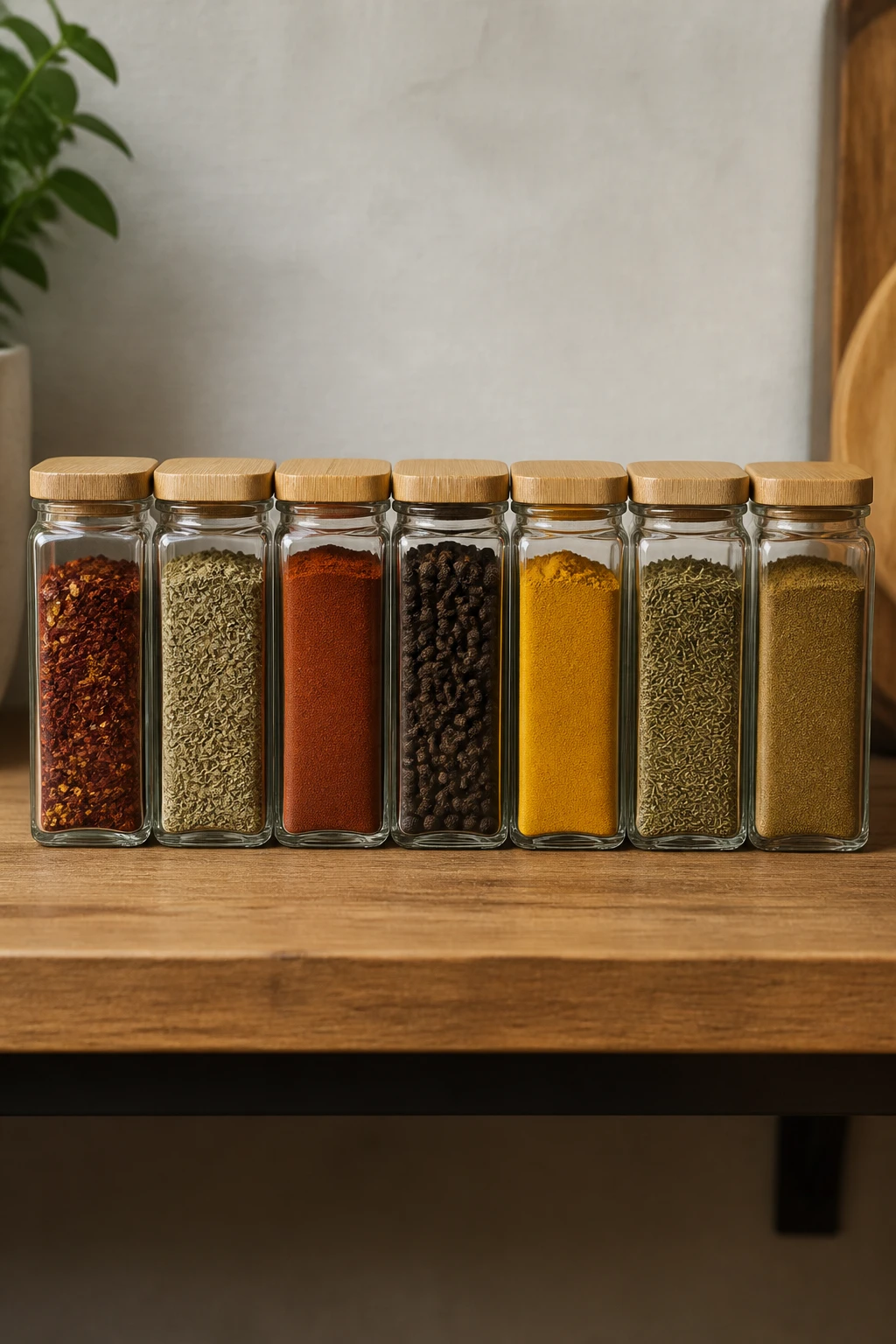
Keep a small “flavor baselines” kit: high-quality salt, cracked pepper, garlic powder, paprika, dried herbs, and a good oil. You’ll reach for these often and keep flavor consistent across meals.
Related Posts:






Tip 2: Use a Simple Thermometer Strategy
For proteins, aim for a quick check at the end of cooking. For example, chicken breast is safe at 165°F, pork at 145°F, and fish varies by thickness. Rely on thickness cues and a thermometer for reliability, not guesswork.
Tip 3: Deglaze for Depth
After searing, pour a splash of liquid (broth, wine, or water) to lift the fond from the pan. A few seconds of simmering creates a quick pan sauce that makes even simple dishes feel deliberate.
Tip 4: Resting Matters
Let proteins rest. Juices redistribute, making the final bite more cohesive. Rest vegetables briefly if needed to keep them crisp-tender rather than limp.
Common Mistakes To Avoid
Mistake 1: Skipping Mise En Place
Without prep, you’ll over-season, under-season, or overcook while searching for ingredients. Always set up before heat.
Mistake 2: Overcrowding the Pan
Overcrowding lowers pan temperature, causing steaming rather than searing. Give space so browning sticks to your texture goals.
Mistake 3: Inconsistent Salt Levels
Under-salting leads to-flat flavor; over-salting hides under-edged dishes later. Salt in stages and taste as you go.
Mistake 4: Rushing Rest Time
Skipping rest or rushing through it leaves you with less flavorful bites. Gentle patience pays off.
Best Practices for Beginners and Beyond
- For beginners: start with 1–2 reliable weeknight meals. Master mise en place and timing for those first, then expand.
- For intermediate cooks: add one new technique per week—searing, deglazing, or finishing with acid or herbs.
- For advanced cooks: optimize workflow, temperature mapping, and batch cooking for efficiency without sacrificing flavor.
Trends and Developments to Watch
- Automation meets USDA-grade guidelines: precise time-temperature control devices are becoming more accessible for home cooks with smart features that guide steps.
- Rested flavors: a greater emphasis on letting proteins rest and carryover cooking is gaining popularity for juicier results.
- Seasonal layering: pairing seasonal produce with a consistent flavor baseline to maximize natural sweetness and umami.
Frequently Overlooked Details
- Pan selection: nonstick vs stainless matters, but cleaning and heat distribution can derail your plan if you don’t consider the dish’s needs.
- Oil smoke point: choose oils that suit your heat level to avoid unwanted flavors and smoke.
- Ventilation: a well-ventilated kitchen keeps flavors pleasant and prevents lingering aromas from dulling taste perception over time.
- Storage windows: how you store greens, herbs, and dairy can preserve crispness and flavor for days longer than you expect.
Actionable Recommendations You Can Implement Tonight
- Prep in 15 minutes: wash, chop, measure. Place everything in labeled containers or bowls.
- One-pan meals: master 2–3 one-pan recipes that cover proteins and vegetables. They teach timing and seasoning without overwhelming you.
- Pan sauce weekly: once a week, finish a dish with a quick deglaze and reduce. It trains you to think in flavors, not just ingredients.
- Rest day: pick a dish that benefits from rest and plan to serve it on day two with minimal effort.
FAQ: Frequently Asked Questions
What is the most common kitchen mistake I should fix first?
Not having a plan for mise en place and an organized cooking flow. Start with a simple prep checklist and a consistent start-to-finish process for each dish.
How does resting meat improve flavor and texture?
Resting allows juices to redistribute, reducing flavor loss and improving juiciness. It also helps carryover cooking give a more even doneness.
What’s the best way to season evenly?
Season early in the cooking process in light layers, tasting as you go. Use a baseline salt amount, then adjust with acids or herbs at the end for brightness.
How can I avoid overcooking vegetables?
Cut vegetables to uniform sizes, monitor heat, and test doneness with a fork. Remove or transfer to a warm plate once they’re crisp-tender.
Can I apply these principles to batch cooking?
Yes. Build a core routine that applies to all meals: prep, portioning, seasoning, and cooling. Batch cooking benefits from a standard workflow to preserve texture and flavor across days.
What tools genuinely help, and which are distractions?
Essential tools include a sharp knife, a reliable thermometer, a good pan (nonstick or stainless depending on use), and a cutting board with a groove. Extra gadgets aren’t necessary if you have a solid workflow.
How do I build a better meal plan for the week?
Start with a protein and a veg or starch you enjoy. Create 2–3 adaptable sauces or seasonings, and map how leftovers will become lunches or another dinner. Keep one quick meal in rotation for days you’re extra busy.
Conclusion: Putting It All Together
Mastering the #1 kitchen mistake isn’t about chasing perfection every night. It’s about building a reliable rhythm that makes cooking predictable, enjoyable, and delicious. Start with mise en place, then layer your seasoning and timing. Practice resting, deglazing, and finishing with brightness. Before you know it, you’ll have a kitchen routine that consistently delivers meals you’re proud to share.
Expert Tips
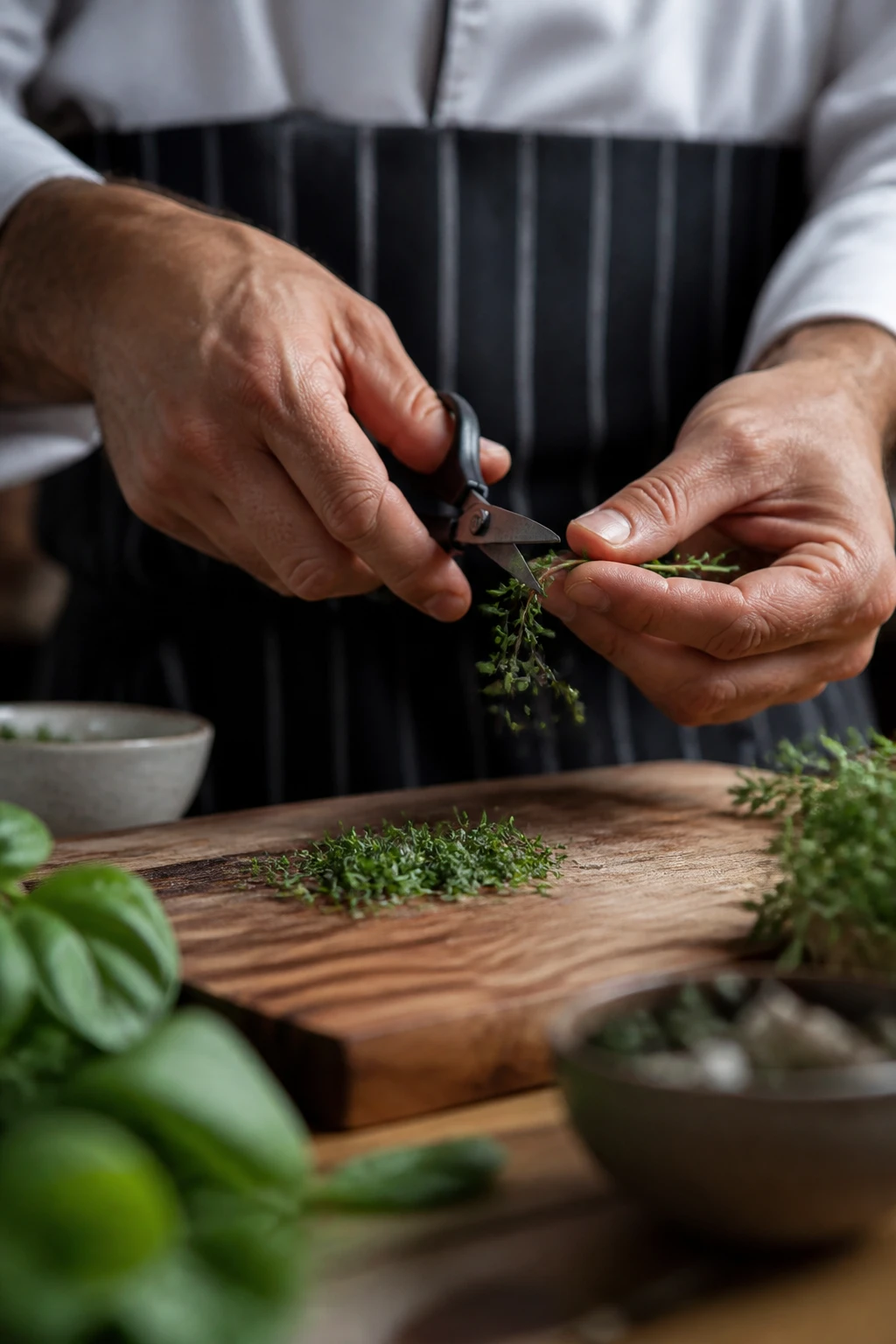
- Tip A: Preheat and Plan Preheat your pan or oven while you’re doing mise en place. This reduces waiting time and helps you stay on rhythm.
- Tip B: Visual Cues Learn simple visual cues for doneness: color on meat, gentle sizzle rather than loud popping, and tender-crisp vegetables.
- Tip C: Batch Smarter, Not Harder When you cook, think about the next two meals. Keep proteins and vegetables consistent for easy repurposing.
- Tip D: Clean As You Go A clean workspace reduces mistakes and speeds up subsequent steps, reinforcing the routine you’re building.
Common Mistakes To Avoid (Expanded)
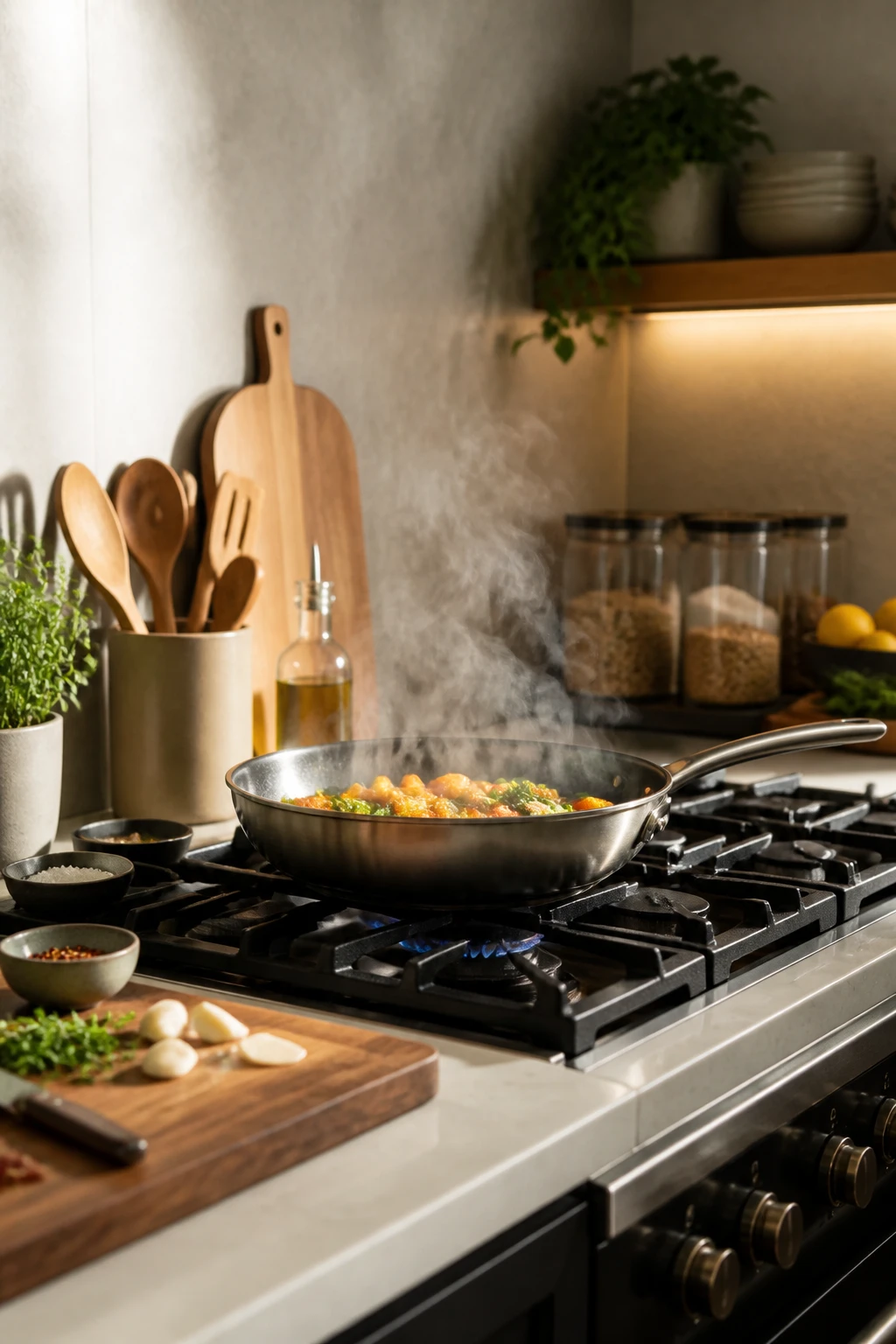
- Over-reliance on gadgets: A tool helps, but a solid method beats gadgets every time.
- Seasoning only at the end: Layer seasoning early and adjust to taste at the end for depth without saltiness.
- Ignoring resting time: Skipping resting time wrecks texture and juiciness.
- Underestimating time: Allocate a realistic window for prep, cooking, and rest. Rushing creates sloppy results.
- Neglecting leftovers: Don’t let good food go to waste—reheat with a plan or repurpose into new meals.
Frequently Asked Questions
Which meals benefit most from the #1 kitchen mistake fix?
Dinners that balance protein, vegetables, and starch benefit the most, especially weeknight meals that demand speed and consistency.
How long does it take to implement these changes?
Many cooks see measurable improvements within 1–2 weeks of committing to mise en place, layering seasoning, and resting properly.
Can this approach work for complex recipes?
Yes. Start with the core routine even for complex recipes, then add steps specific to the dish. The foundation helps keep the complexity controlled.
Is this suitable for families with kids?
Absolutely. A predictable routine reduces friction for kids and adults alike. Involve kids in simple steps like washing vegetables, measuring spices, or setting the table to build a kitchen-smart family workflow.
What if I don’t have time to rest meat?
Even a short 5-minute rest improves texture. If you’re pressed, rest while you finish sides or set the table; the extra time pays off in mouthfeel.
How do I scale this for larger batches?
Apply the same principles, but adjust quantities and equipment. Use larger pans, plan more rest time, and map out how leftovers will reappear in future meals.
What is the simplest way to start today?
Pick one dish you know well. Create a 1-page prep plan, set up a mise en place, and practice layering seasoning with small adjustments. The incremental improvements will compound quickly.
Final Thoughts
The kitchen is a workshop where small, repeatable routines outperform bursts of effort. The #1 kitchen mistake isn’t a flaw in your recipe; it’s the absence of a dependable process. Build a consistent workflow, season with intention, and respect the resting phase. You’ll taste the difference, feel more confident, and find yourself reaching for your skillet more often—not out of necessity, but out of anticipation.