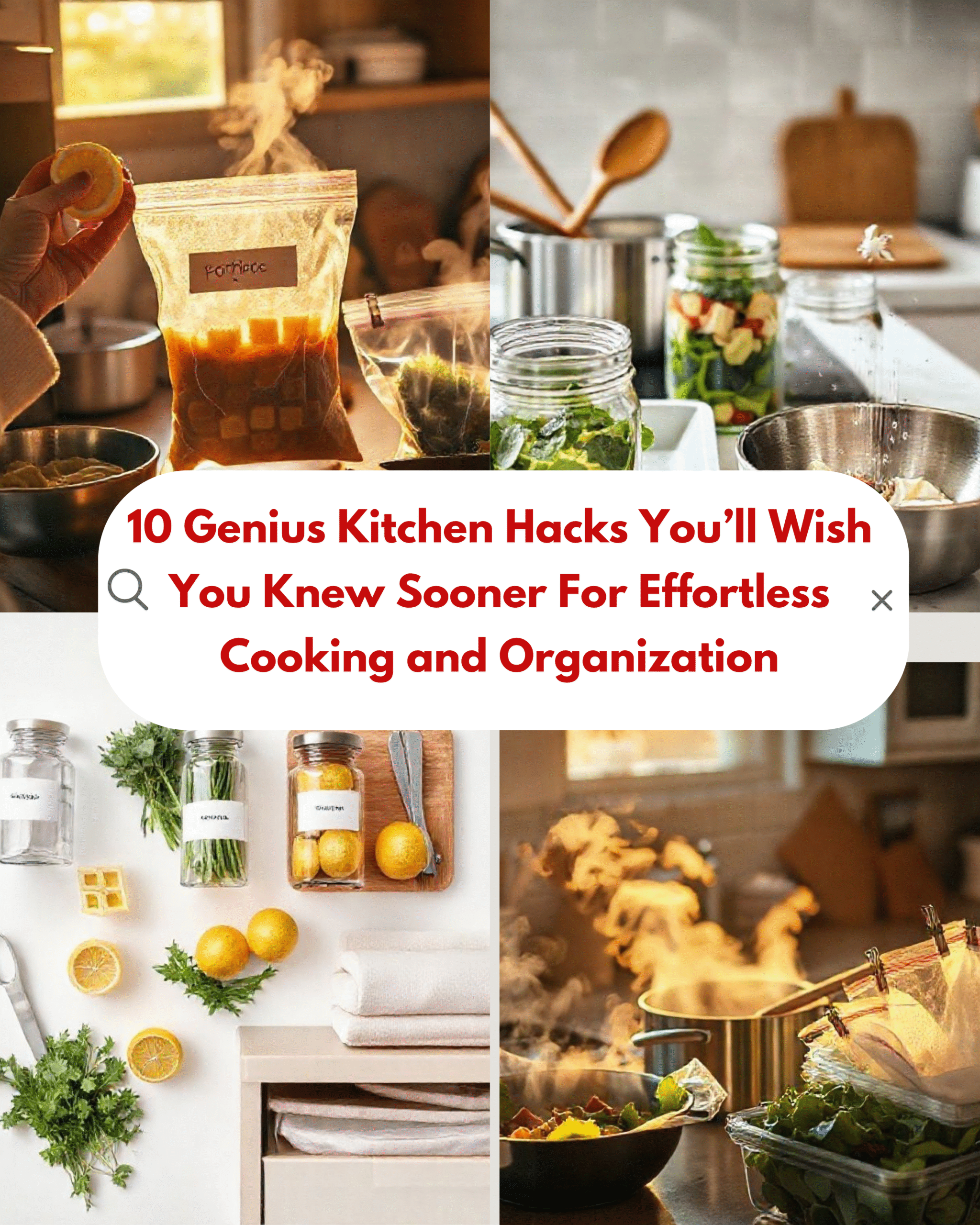
I’ve spent years cooking and experimenting in the kitchen, picking up simple tricks that save time, reduce waste, and make daily tasks easier. Some of these hacks are so effective that once you know them, you’ll wonder why you didn’t learn them sooner.
These 10 genius kitchen hacks cover clever storage solutions, quick prep methods, and ways to avoid common cooking frustrations, all designed to make your kitchen work more smoothly. With each tip, your cooking process will become more efficient and less stressful.
Whether you’re an experienced cook or just getting comfortable in the kitchen, these hacks can improve your routine in practical ways. I’ve chosen hacks that are easy to apply and deliver real results without complicated steps or special tools.
Maximize Storage With Creative Solutions (Kitchen Hacks)
I found that using every inch of available space in the kitchen makes a big difference in organization. Smart adjustments like better use of walls and drawers can open up a room where it feels like none exists.
Use Vertical Space Efficiently
I use tall shelving units or stackable storageto take advantage of vertical space. Installing shelves above counters or inside cabinets helps store infrequently used items without cluttering work areas.
Wall-mounted racks for spices, cutting boards, or even small jars keep my counters clear. Magnetic strips for knives or metal utensils also free up drawer space while keeping tools within reach.
Using hooks on the underside of shelves or inside cabinet doors creates more spots to hang small baskets or utensils. Vertical space can triple your storage without buying bigger cabinets.
Organize With Drawer Dividers
Drawer dividers let me neatly separate utensils, gadgets, and other small items. Using adjustable dividers allows customization based on the specific drawer and what I need inside it.
I sort silverware apart from cooking tools and keep measuring spoons or other loose pieces contained to prevent a jumbled mess. Clear dividers make it easy to spot what I need quickly.
For drawers with mixed items, modular trays with compartments work well. It minimizes digging and saves time when I’m preparing meals.
Hang Pots and Utensils
Hanging pots and utensils on a dedicated rack or bar frees up cabinet and drawer space. I hang heavy pots from sturdy hooks or ceiling-mounted racks near the stove, where they’re easy to grab.
For utensils, a wall rail with hooks keeps spatulas, ladles, and whisks accessible without cluttering drawers. This also helps with air drying and keeps tools visible.
Using hanging storage lets me use dead wall space while reducing clutter on countertops and in cabinets. It gives me better control over organization and access.
Speed Up Your Cooking Routine
Efficiency in cooking often comes down to preparation, tool use, and organization. I focus on strategies that reduce downtime and keep everything accessible, so I can move smoothly from step to step.
Prep Ingredients in Advance
I find that prepping ingredients before I start cooking saves a lot of time. Washing, chopping, and measuring out items upfront means I don’t have to stop midway to grab or prepare something.
Batch prepping can also help. For example, I peel and slice enough garlic or dice onions for several meals at once and store them in airtight containers. This approach cuts down on repetitive work during the week.
Labeling prepped ingredients and storing them properly keeps them fresh and ready. I always keep herbs wrapped in damp paper towels inside a sealed container in the fridge to maintain their flavor.
Use Food Processors for Chopping
A food processor is one of my best allies for speeding up prep work. It handles chopping, slicing, and even shredding faster and more evenly than doing it by hand.
For instance, when I need chopped onions, carrots, or nuts, I pulse them a few times in the processor. This reduces manual effort and provides consistent pieces, which improves cooking evenness.
I clean the processor parts immediately after use to prevent residue buildup, which keeps it functioning smoothly. Using this machine regularly helps me shave minutes off every meal prep.
Keep Essentials Within Reach
I organize my kitchen so that commonly used items are easy to grab. My spice rack, knives, cutting boards, and frequently used utensils are all near my cooking station.
Having a designated spot for essentials avoids distractions caused by searching for tools or ingredients. It lets me maintain a steady workflow without interruptions.
I also keep a small container or caddy on the counter with tools I use daily, like measuring spoons, peelers, and tongs. This keeps my hands free and expedites the cooking process.
Preserve Food for Longer Freshness
Keeping food fresh requires smart handling techniques tailored to different types of ingredients. I focus on specific storage methods and tools that extend the shelf life without sacrificing quality.
I treat fresh herbs like delicate flowers. Instead of throwing them in a plastic bag, I trim their stems and place them in a glass with water, covering loosely with a plastic bag.
For long-term storage, I dry or freeze herbs to lock in flavor. Wrapping herbs in a damp paper towel and sealing them inside a ziplock bag also helps maintain moisture and freshness in the fridge.
Avoid washing herbs before storage; moisture promotes spoilage. When ready to use, I wash them just before cooking to keep them fresh longer.
Freeze Ingredients Smartly
Freezing is essential for slowing down spoilage, but I avoid common mistakes like freezing large clumps or wet foods. I divide ingredients into small portions and dry them thoroughly before freezing.
I store frozen foods in freezer-safe bags or containers with the air squeezed out to prevent freezer burn. Labeling each package with dates helps me rotate and use older items first.
Certain ingredients, such as fresh garlic or onions, benefit from freezing after chopping. This method saves time and preserves flavor for later use.
Use Airtight Containers
Airtight containers drastically reduce exposure to air and moisture, two major causes of food spoilage. I use containers of various sizes to store dry goods, leftovers, and prepped ingredients.
Glass containers with silicone seals are my preferred choice for their durability and odor resistance. Plastic containers work well but need to be BPA-free.
I also use vacuum-sealed bags when possible, which remove nearly all the air and significantly extend freshness compared to standard containers.
Simplify Cleanup Effortlessly
Keeping the kitchen tidy during and after cooking saves time and stress. Using smart methods can reduce scrubbing and speed up cleanup without extra effort.
Line Baking Trays With Parchment
I always line my baking trays with parchment paper. It prevents food from sticking and protects the tray from baked-on residues.
You can reuse parchment paper for roasting vegetables or baking cookies in some cases, which saves resources. Cleanup is often as simple as tossing the paper.
Parchment also helps distribute heat evenly, improving cooking results. Using it means less scrubbing, saving time, and preserving the life of your trays.
Clean While You Cook
I set a rule to wash utensils, bowls, and cutting boards immediately after using them. This routine avoids a pileup of dirty dishes at the end.
Keeping a soapy water bowl next to me while prepping speeds this process up. It allows me to rinse or soak items quickly between steps.
This practice keeps the workspace orderly and prevents food residue from drying and hardening, making final cleanup easier.
Use Vinegar for Stain Removal
Vinegar is my go-to natural cleaner for removing tough kitchen stains. It breaks down grease and mineral buildup effectively.
I spray white vinegar on stained surfaces like countertops and cutting boards, let it sit for a few minutes, then wipe clean with a damp cloth.
For stubborn stains inside appliances or on cookware, soaking with a vinegar-water mix helps lift residue without harsh chemicals. It’s affordable and safe for most kitchen materials.
Repurpose Everyday Kitchen Tools
I often find that simple kitchen tools serve multiple purposes beyond their original use. Using items like jars and trays creatively can save space, keep things organized, and reduce clutter.
Use Mason Jars for Storage
Mason jars are sturdy and airtight, making them perfect for storing dry goods like rice, pasta, and spices. I use different sizes to separate ingredients and keep them visible. This helps prevent spoilage and makes it easy to grab what I need quickly.
They also work well for storage beyond food. I keep utensils, measuring spoons, and even small kitchen gadgets in jars. Labeling them with markers or tags adds a clear organization layer, so I never dig through drawers blindly.
Turn Ice Cube Trays Into Snack Holders
Ice cube trays are great for portioning small snacks like nuts, dried fruits, or candy. I fill each cube with a different item, which keeps snacks from mixing and makes serving easy, especially for kids.
Besides snacks, I use trays for organizing small kitchen items like herbs, grated cheese, or even paint colors for food decorating. They’re stackable and easy to clean, so I keep a few dedicated to this purpose.
Enhance Flavors With Minimal Effort
Small adjustments can significantly deepen the taste of your dishes without complicated techniques or long cooking times. Using infused liquids and strategic seasoning helps create layers of flavor with minimal work.
Infuse Oils and Vinegars
I find infusing oils and vinegars a powerful way to add distinct flavors to meals. You can quickly make herb-infused olive oil by warming olive oil with rosemary or garlic for 10-15 minutes, then straining it.
This method takes less than 30 minutes and gives you a versatile ingredient for dressings, drizzling, or sautéing. Vinegars infused with citrus zest, chili flakes, or herbs brighten salads and marinades effortlessly.
Store infused oils in a sealed container in a cool, dark place to preserve flavors. Avoid overheating oils as it can affect taste and nutrition. Infusions add a homemade touch to everyday cooking without extra hassle.
Season as You Go
Seasoning throughout the cooking process is key to building balanced flavors. I add salt and spices in stages—starting with a pinch during sautéing, adjusting seasoning after adding liquids, and finishing with a final check before serving.
Layering seasoning helps prevent blandness and reduces the need to over-salt at the end. Use coarse salt early on for better absorption. Fresh herbs or citrus zest added near the end maintain their brightness.
Tracking seasoning at each step ensures your dish tastes flavorful and well-rounded from start to finish. It saves time spent fixing under-seasoned food later.
Save Time With Smart Meal Prep
Meal prep saves valuable time during busy weeks by minimizing daily cooking and cleanup. Efficient planning and organization make it easier to stick to healthy eating habits without constant effort or stress.
Batch Cook Recipes
Batch cooking lets me prepare large portions of meals in one go. I choose recipes that freeze or refrigerate well, such as soups, stews, or casseroles. This reduces the need to cook multiple times a week.
I use airtight containers to store individual or family-sized servings. Labeling the containers with the date ensures I consume meals while fresh. Reheating a batch-cooked meal takes just minutes, freeing me to focus on other tasks.
Batch cooking also helps me reduce ingredient waste. Buying bulk items for a single recipe cuts down grocery trips and often lowers costs, making meal prep both practical and economical.
Label and Organize Meals
Proper labeling is essential for keeping track of my prepped meals. I use waterproof labels and permanent markers to note the meal name, cooking date, and reheating instructions. This saves me time deciding what to eat and prevents forgotten food from spoiling.
Organizing meals by type or day in the fridge or freezer streamlines choices during busy periods. For example, grouping dinners on one shelf and lunches on another helps maintain order and speeds up meal selection.
I also color-code labels or containers when prepping for multiple family members or dietary needs. This method improves efficiency and reduces confusion during hectic schedules.
Innovative Food Cutting Techniques
Mastering specific cutting techniques can save time and improve consistency in the kitchen. Using simple, often overlooked tools can also make slicing easier and more precise.
Slice Tomatoes With Dental Floss
I use unwaxed, unflavored dental floss to slice tomatoes quickly and cleanly. This method prevents the tomato from squashing under a knife’s pressure because the floss glides through the skin and flesh evenly.
To do this, place the tomato on a cutting board and stretch the floss taut over it. Hold both ends and pull straight down to create thin, even slices. This technique works well for other soft fruits like strawberries.
Dental floss is inexpensive and ensures no mess or uneven cuts. It’s also safer than using a knife in some cases, reducing the risk of slipping.
Cut Multiple Ingredients at Once
When I’m prepping meals quickly, I stack ingredients like zucchini, cucumbers, or thin slices of meat, then cut through the entire stack at once. This approach speeds up slicing and keeps portions uniform.
To do this effectively, place the items flat and stable on the cutting board. Use a sharp chef’s knife and apply steady pressure to slice cleanly through each layer without crushing the bottom pieces.
This method works best for items that have similar thickness and texture. Avoid this for delicate or irregularly shaped ingredients to maintain even cooking and presentation.
Small changes often make the biggest difference. By adding these genius kitchen hacks into your daily routine, you’ll not only cook smarter but also rediscover the joy of being in the kitchen. So go ahead — clear the clutter, simplify the process, and let your kitchen work for you, not against you.
Want just the essential recipe details without scrolling through the article? Get our printable recipe card with just the ingredients and instructions.
Disclosure: This post may contain affiliate links.
If you make a purchase through these links, I may earn
a small commission at no extra cost to you.
prab chahal
Hi, I’m Prabjot Chahal – the heart (and taste buds) behind this blog!
Food has always been my love language – from experimenting with family recipes to discovering unique flavors from around the world. I believe that cooking isn’t just about following a recipe, it’s about creating moments, sharing stories, and connecting with others over something delicious. Through this blog, I want to build a vibrant food community where we share more than just recipes – we share inspiration, tips, and the joy of making and enjoying good food together. Whether you’re here for quick weekday dinners, festive treats, or creative seasonal ideas, you’re part of this table. So grab a fork (or a whisk!) and let’s cook, bake, and share our love for food – one recipe at a time.