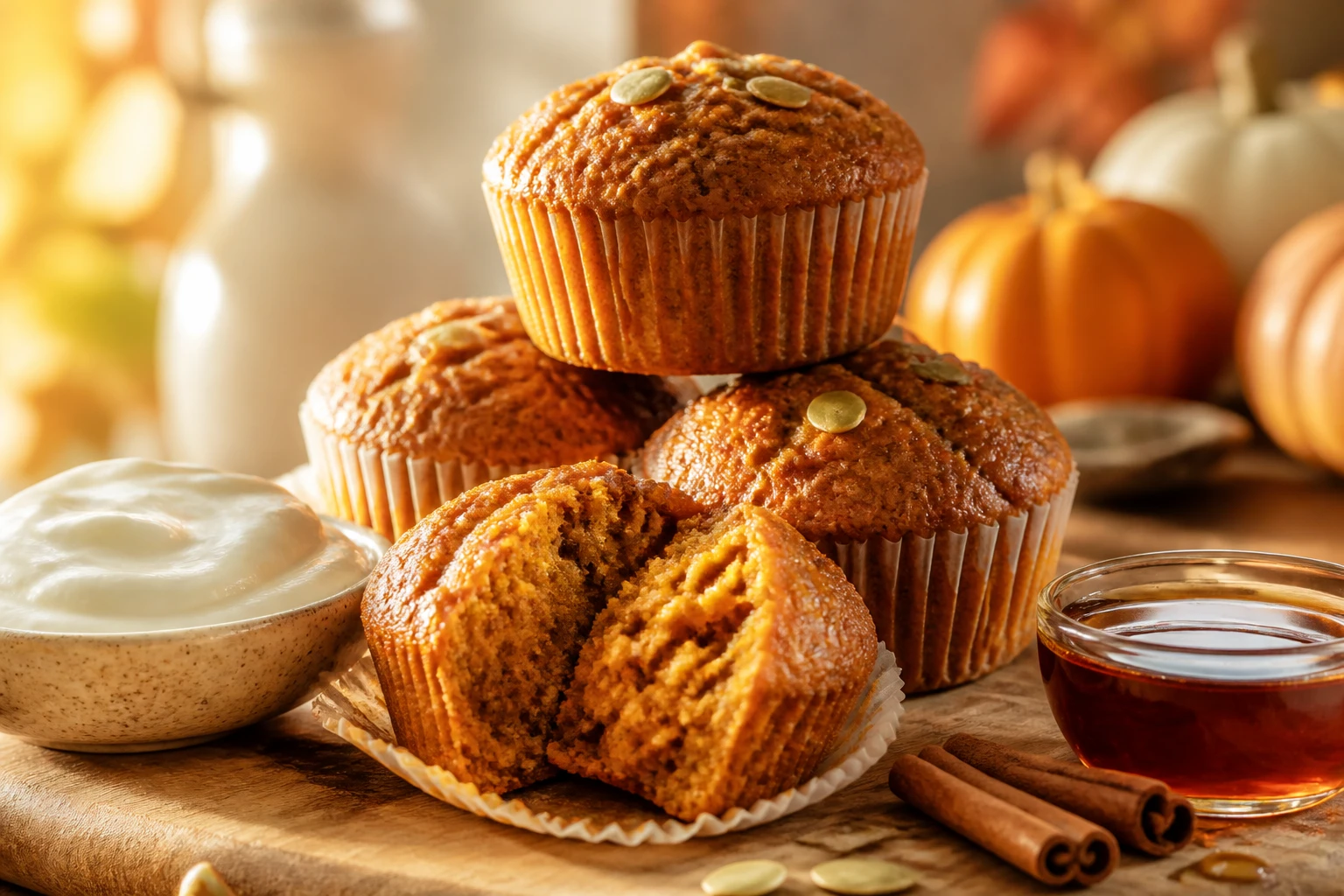
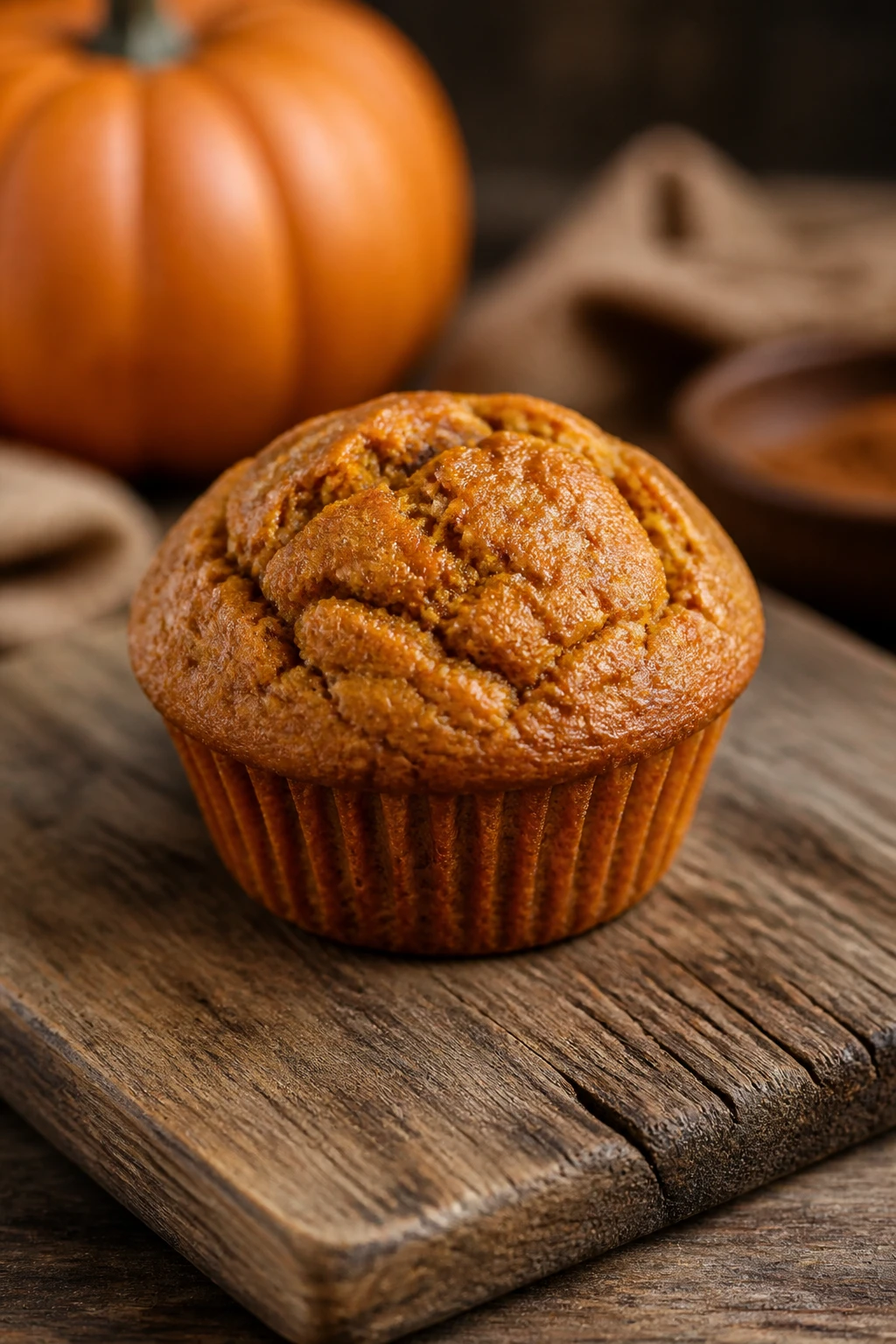
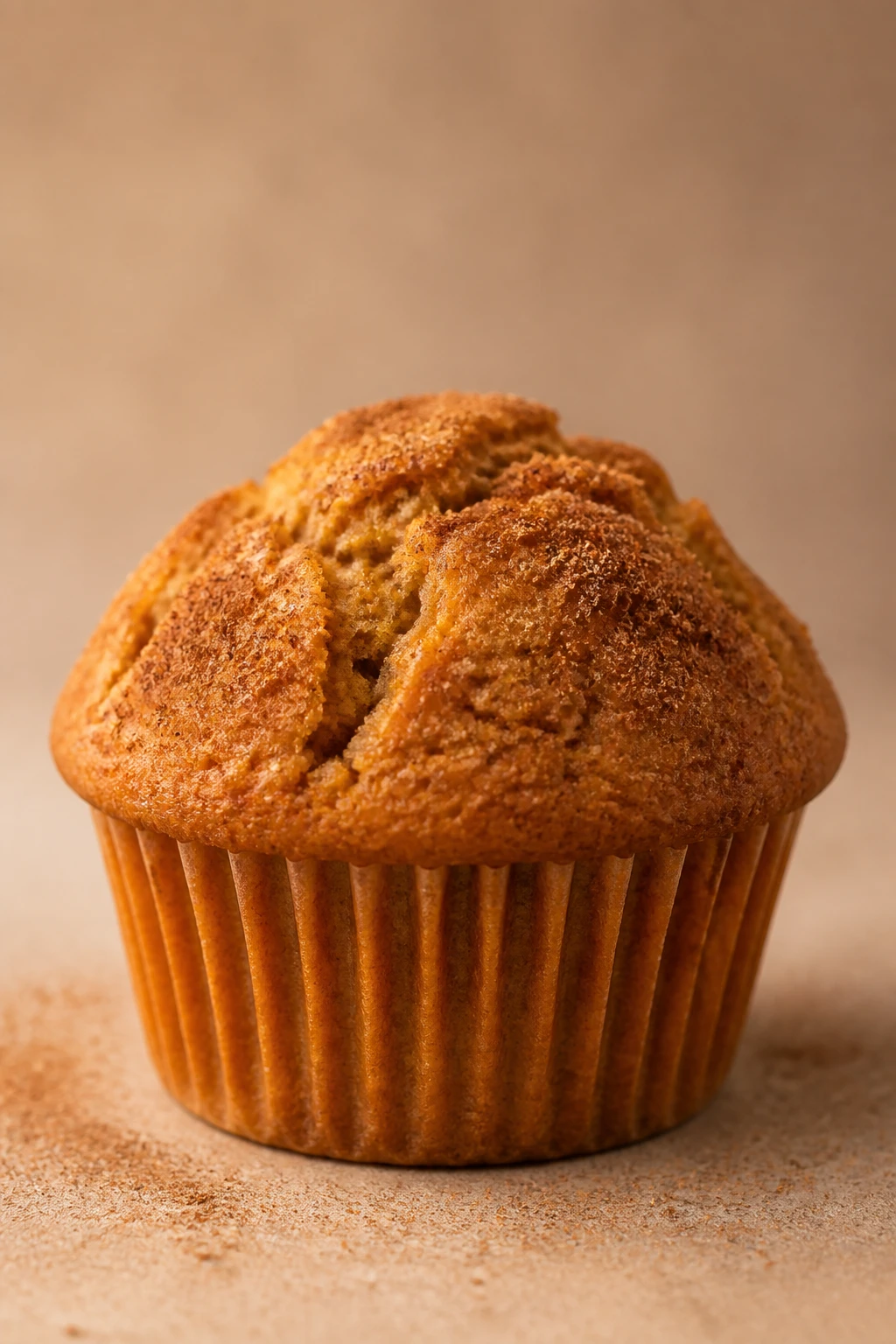
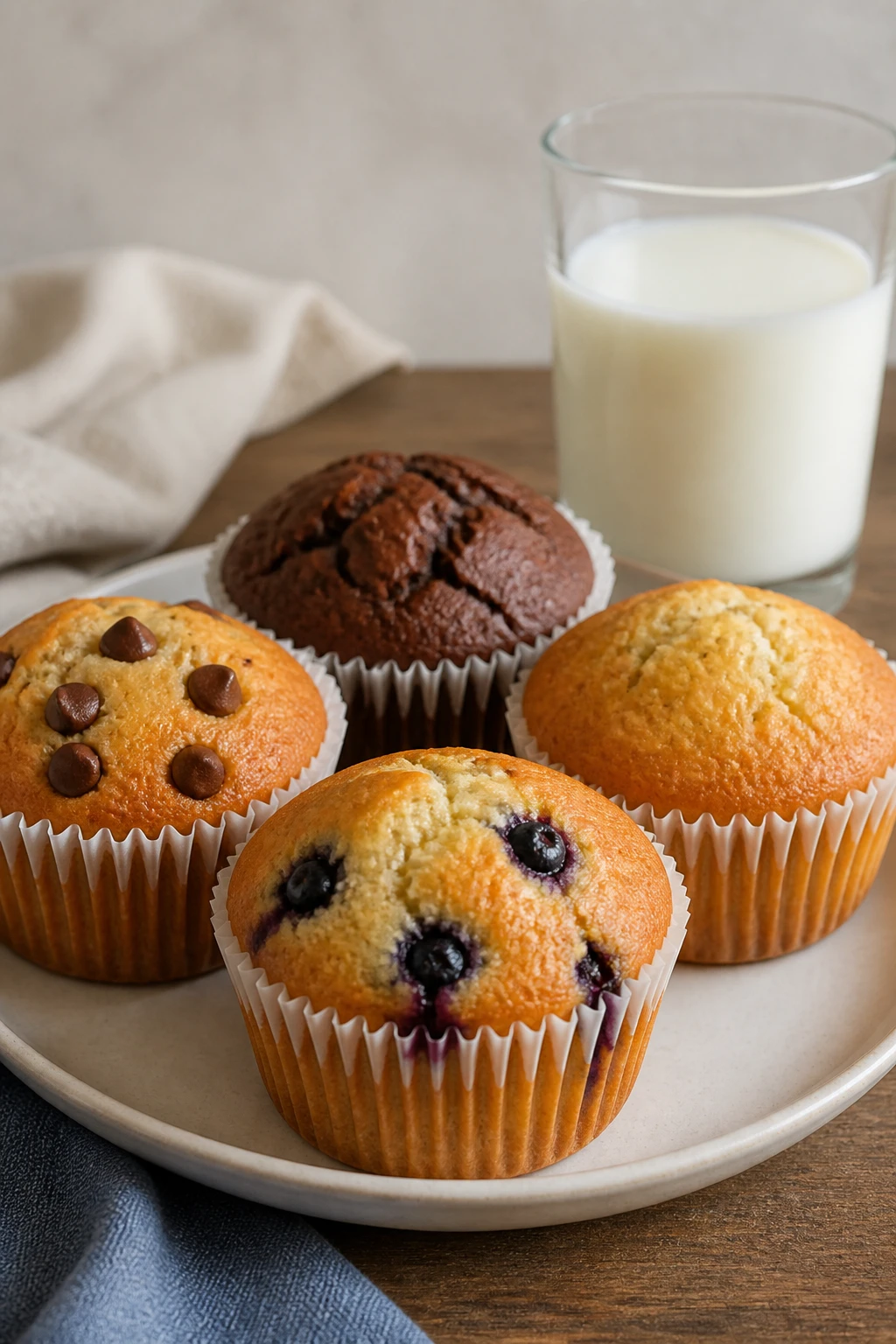
If you’re craving something that tastes like dessert but fuels your day, healthy protein pumpkin muffins are the answer. They blend autumnal pumpkin, cozy spices, and a protein boost into a muffin that stands up to real-life mornings. I’ve baked these for clients, athletes in season, and busy families—and the results are always the same: they disappear fast, taste amazing, and keep you fuller longer.
This guide dives into why pumpkin muffins work so well as a portable snack or breakfast, how to tune the texture with simple swaps, and how to avoid common pitfalls that turn muffins rubbery or dry. You’ll discover texture, protein balance, and flavor options you can customize to your needs. By the end, you’ll know exactly how to bake muffins that feel indulgent but stay aligned with healthy eating goals.
First, a quick reality check: not all protein muffins are created equal. Some rely on heavy sweets, fats, or chalky protein powder that leaves you disappointed. The secret is balancing moisture, structure, and protein—without sacrificing taste. Let’s bake confident, delicious muffins that you’ll reach for again and again.
Key Takeaways
Protein-enhanced muffins can be moist and fluffy when you balance wet and dry ingredients and choose the right protein powder.
Pumpkin adds moisture and fiber; pairing it with Greek yogurt or applesauce improves texture and protein density.
Common mistakes include overmixing, using too much leavening, and under-sweetening for the target audience.
Sweeten wisely with a mix of natural sugars, banana, or maple, not just white sugar.
Meal-prep friendly: muffins freeze well in individual portions and thaw quickly for a quick breakfast.
Flavor options range from cinnamon-apple to chocolate-peanut butter—use mix-ins to tailor to kids or adults.
Trends to watch: dairy- or nut-free versions, higher-protein blends, and gluten-free adaptations without sacrificing texture.
Keep flavor and texture goals in mind: light crumb, sturdy structure, and a creamy crumb from moisture sources.
Main Sections
Overview: Why This Recipe Works
Healthy protein pumpkin muffins rely on three core elements: moisture, structure, and protein. Mellow pumpkin puree provides moisture and fiber; Greek yogurt or a similar dairy alternative contributes protein and tenderness; and a balanced blend of flours or oats forms the muffin’s structure. A touch of sweetener keeps the muffin palatable without turning it into a sugar bomb. The result is a muffin that feels indulgent but supports steady energy release throughout the morning or a workout window.
Key Ingredients and Substitutions
Below is a practical, real-world pantry guide. Each item includes a common substitution to help you customize based on preferences, allergies, or what you have on hand.
Pumpkin purée (unsweetened): the star of the show. Use homemade or canned. For a thicker crumb, roast fresh pumpkin first and mash very smooth.
Protein source: Greek yogurt, cottage cheese, or a protein powder blend (whey, casein, or plant-based). If you’re using protein powder, adjust liquid to compensate for absorbency. For best texture, aim for a 1:1 ratio of protein powder to flour by weight and add moisture as needed.
Flour base: a mix of whole-wheat pastry flour, almond flour, or oat flour can be used. For gluten-free versions, combine gluten-free all-purpose flour with a bit more moisture and binding agents like xanthan gum. If using only oats, pulse until fine but not powdery to avoid chalkiness.
Eggs or flax eggs for an egg-free option. Eggs contribute structure and lift; flax eggs help with binding in vegan versions.
Leavening: baking powder and a pinch of baking soda. Avoid over-leavening; otherwise, muffins rise and then sink.
Moisture boosters: unsweetened applesauce, mashed banana, or a splash of milk (d dairy or non-dairy) to keep crumb tender.
Flavor boosters: cinnamon, nutmeg, vanilla, and a pinch of salt. Optional add-ins: walnuts, pepitas, raisins, or dark chocolate chips for variety.
Practical substitutions for common dietary needs:
Gluten-free: use a gluten-free flour blend with 1–2 tablespoons additional moisture per cup of flour.
Vegan: use flax eggs or chia eggs; choose a plant-based yogurt or applesauce; skip dairy-based add-ins.
Higher protein: increase protein powder by 1–2 scoops (adjust liquid accordingly) and consider adding extra Greek yogurt.
Lower sugar: reduce sweeteners by 25–30% and rely on ripe banana or applesauce for sweetness.
Texture and Structure: How to Nail the Crumb
A great muffin crumb should be moist but not soggy, with a tender interior and a slightly crisp top. Here’s how to achieve it:
Don’t overmix: mix until just combined. Lumps are okay and often desirable for a tender crumb.
Balance moisture: pumpkin brings moisture; yogurt or applesauce adds protein and tenderness; milk thins batter if needed.
Cook to the right temperature: muffins typically bake at 375–400°F (190–200°C). Bake until a toothpick comes out clean with a few crumbs clinging.
Structural liquids: a small amount of oil helps moisture but too much can weigh down muffins. A light oil or melted butter works well here.
Step-by-Step: Classic Healthy Protein Pumpkin Muffins
Follow these practical steps to bake reliably delicious muffins every time.
Preheat oven to 375–400°F (190–200°C). Line a 12-cup muffin tin or grease well.
Whisk wet ingredients: pumpkin purée, eggs (or flax eggs), yogurt, and vanilla until smooth.
In a separate bowl, mix dry ingredients: flour, protein powder, leavening, spices, and salt.
Combine wet and dry just until incorporated. Fold in mix-ins if using.
Portion evenly into muffin cups. A heaping 1/4 cup per cup works well for standard muffins.
Bake 18–22 minutes, or until a toothpick tests clean. Do not overbake.
Cool in the pan for 5 minutes, then transfer to a rack. Enjoy slightly warm or fully cooled.
Flavor Variations to Keep It Interesting
These tweaks let you rotate your muffins without reinventing the wheel.
<strongCinnamon-Apple: add 1/2 cup finely chopped apples and 1 teaspoon extra cinnamon.
Chocolate Boost: fold in 2–3 tablespoons cocoa powder and 1–2 tablespoons mini dark chocolate chips.
Brown Butter Maple: swap part of the oil for melted brown butter; add 1–2 tablespoons maple syrup for depth.
Crunchy Nut: add 1/3 cup chopped walnuts or pecans for crunch and healthy fats.
Pumpkin Spice Protein Burst: increase pumpkin spice to 1 1/2 teaspoons; add a pinch of cloves and allspice for warmth.
Nutrition and Portioning: What to Expect
Exact numbers depend on ingredients, but here’s a typical range for a standard, well-balanced muffin (per muffin, using whole-wheat flour and Greek yogurt):
Want to tailor macros for a specific plan? Adjust the protein powder amount, swap Greek yogurt for a lighter yogurt, or add/omit nuts for fat content changes. The batter is forgiving, so you can get closer to your goal with small tweaks.
Expert Tips
Tip 1: Use a Scale for Accuracy
Weigh ingredients to avoid variation from scoop-to-scoop. A digital kitchen scale helps you keep hydration and structure consistent, especially with protein powders.
Tip 2: Test Creaminess with a Simple Batter
If your batter looks too thick, add a tablespoon of milk at a time until it pours slowly and evenly. Aim for a thick, ribbon-like batter that just coats the spoon.
Tip 3: Don’t Rush the Bake
Ovens vary. Start checking at 18 minutes and pull muffins when the tops spring back and a toothpick comes out clean with a few moist crumbs.
Tip 4: Storage and Freshness
Store muffins airtight at room temperature for up to 3 days. For longer storage, freeze individually wrapped muffins for up to 2–3 months. Reheat in the microwave for about 15–20 seconds or in a toaster oven.
Common Mistakes To Avoid
Overmixing: Leads to dense, rubbery muffins. Stir until just combined.
Incorrect leavening: Too much baking powder can cause an airy rise then collapse. Use the right proportions for your flour choice.
Drier batter: Too much dry mix or not enough moisture makes muffins dry. Balance pumpkin, yogurt, and milk properly.
Overbaking: Dries out moisture and shrinks the crumb. Check early and remove when a toothpick has a few crumbs.
Flavor gaps: Under-seasoning leaves muffins bland. A pinch of salt and warm spices pull flavors together.
Expert Tips
These practical recommendations come from real kitchen testing and client feedback.
Batch consistency: Make a large batch with the same ratios, then freeze in portions. This helps you maintain consistency and saves time.
Texture balance: If muffins feel heavy, reduce protein powder by 1–2 tablespoons and add a bit more yogurt or applesauce.
Flavor layering: Add vanilla and a pinch of salt to heighten sweetness without more sugar.
Allergen-aware tweaks: For nut-free kitchens, use seeds (sunflower, pumpkin) and ensure equipment is clean to avoid cross-contamination.
Frequently Asked Questions
What makes muffins “healthy” besides protein?
Healthy muffins balance protein, fiber, and controlled sugar. They use whole-food ingredients, avoid excessive refined sugar, and keep fat to a moderate level so you don’t spike and crash energy.
Can I make these muffins gluten-free?
Yes. Use a gluten-free flour blend and consider adding a binding agent like xanthan gum if your blend lacks it. Expect a slightly different texture, but it can still be tender and flavorful.
Are these muffins suitable for meal prep?
Absolutely. They store well, freeze well, and reheat quickly. They’re an excellent make-ahead option for busy weeks.
Which protein powder is best for muffins?
Whey and milk-protein blends generally mix well and give a smooth texture. Plant-based proteins can work but may require adjustments to liquids and sweeteners for a better crumb.
How do I prevent a dry muffin?
Keep moisture sources generous but balanced, don’t overbake, and consider adding applesauce or banana to boost moisture and tenderness.
Can I make these dairy-free?
Yes. Use dairy-free yogurt or applesauce to replace yogurt, and choose a dairy-free protein powder if possible. Oil can help maintain moisture in dairy-free versions.
What is the best way to measure pumpkin flavor?
Use puree consistency to gauge flavor strength. If you want stronger pumpkin aroma, add a hint of pumpkin pie spice or a touch of orange zest for brightness.
How do I keep muffins moist during the day?
Store in an airtight container; consider placing a small slice of apple or a damp paper towel at the bottom of the container to keep humidity up. Reheat gently to refresh the crumb.
Are there savory versions of these muffins?
Yes. Try replacing part of the sweetener with a savory component like grated zucchini, a pinch of garlic powder, or shredded cheese for a brunch-friendly twist.
What if I don’t have pumpkin spice?
Use a mix of cinnamon, nutmeg, ground cloves, and a touch of allspice. It’s easy to approximate and still delicious.
Can I use steel-cut oats in the batter?
Ground oats or oat flour is a better choice for texture. Whole rolled oats can add a chewy texture and may require more liquid.
How do I customize for kids who are picky about texture?
Experiment with a sweeter flavor profile, add chocolate chips, or blend a small amount of applesauce into the batter for extra moisture and kid-friendly taste.
Comparisons and Quick References
Texture Outcomes Based on Ingredient Choices
Base
Protein Source
Texture
Notes
Flour mix + protein powder
Whey
Fluffy, springy
Best balance of lift and moisture
Oat flour + plant protein
Pea
Moist, tender
Great gluten-free option
Whole-wheat + dairy
Greek yogurt
Nutty, dense
Very filling
Gluten-free blend
Rice protein
Crumbly if undermoistened
Careful moisture management required
Flavor Pairings in a Nutshell
Sugar balance: maple, banana, or ripe date puree for natural sweetness
Warm spices: cinnamon, nutmeg, allspice, cloves
Crunch: walnuts, pecans, or pepitas
Chocolate: dark chips or cocoa powder for a dessert-like feel
Real-Life Examples and Scenarios
Athlete-Ready Mornings
For athletes, a muffin with higher protein and moderate carbs works well post-workout. Try 1 cup whole-wheat flour, 1/2 cup protein powder, 3/4 cup pumpkin purée, 1/2 cup Greek yogurt, 1 egg, 1/4 cup milk, 1/4 cup melted butter, 1/4 cup sugar, and 1 teaspoon cinnamon. The result is a muffin that sustains energy and repairs muscles after training.
Kid-Friendly Breakfast
Make it family-friendly by adding mini chocolate chips (or raisins) and substituting some yogurt with mashed banana for natural sweetness. A 1:1 ratio of pumpkin to yogurt keeps the texture light and not too dense for little palates.
Meal-Prep for the Week
Bake a big batch, then freeze in individual portions. In the morning, microwave for 20–30 seconds or warm in a toaster oven. Pair with a cup of yogurt or fruit for a balanced breakfast.
Trends and Developments
Healthy protein muffins are moving toward higher protein density without sacrificing moisture. Plant-based blends are improving in texture, thanks to better processing of proteins and enzymes that improve emulsification. Dairy-free options are becoming more mainstream, with better yogurts and nut-free seed-based options to maintain moisture. Seasonal flavors and clean labels—without artificial additives—are increasingly in demand, especially for parents stocking school lunches and busy professionals on the go.
Conclusion: Final Thoughts
Healthy protein pumpkin muffins combine the comforting flavors of pumpkin spice with practical nutrition. By balancing moisture, structure, and protein, you can bake muffins that are tasty, satisfying, and aligned with healthy eating goals. Use the variations and tips to tailor muffins for taste, dietary restrictions, and daily schedules. With practice, you’ll develop a go-to recipe that becomes a staple in your kitchen routine—delicious enough for guests, reliable enough for daily nourishment.
Final Thoughts
Healthy protein pumpkin muffins aren’t just a seasonal treat; they’re a versatile, practical solution for busy mornings, post-workout fuel, or kid-friendly snacks. Start with a trusted base, experiment with add-ins you love, and adjust proportions based on your protein source and flour choice. The result is a reliable muffin that tastes indulgent but keeps you energized and satisfied throughout the day.
Disclosure: This post may contain affiliate links.
If you make a purchase through these links, I may earn
a small commission at no extra cost to you.
prab chahal
Hi, I’m Prabjot Chahal – the heart (and taste buds) behind this blog!
Food has always been my love language – from experimenting with family recipes to discovering unique flavors from around the world. I believe that cooking isn’t just about following a recipe, it’s about creating moments, sharing stories, and connecting with others over something delicious. Through this blog, I want to build a vibrant food community where we share more than just recipes – we share inspiration, tips, and the joy of making and enjoying good food together. Whether you’re here for quick weekday dinners, festive treats, or creative seasonal ideas, you’re part of this table. So grab a fork (or a whisk!) and let’s cook, bake, and share our love for food – one recipe at a time.