An honest chat: going gluten-free isn’t a magic wand. It might improve some things, but it can also derail your nutrition, make meals more boring, and leave you chasing snacks you didn’t know you’d miss. Let’s pull back the curtain on a trend that’s easy to chase and hard to sustain.
Gluten-Free Isn’t Always Healthier—Here’s Why
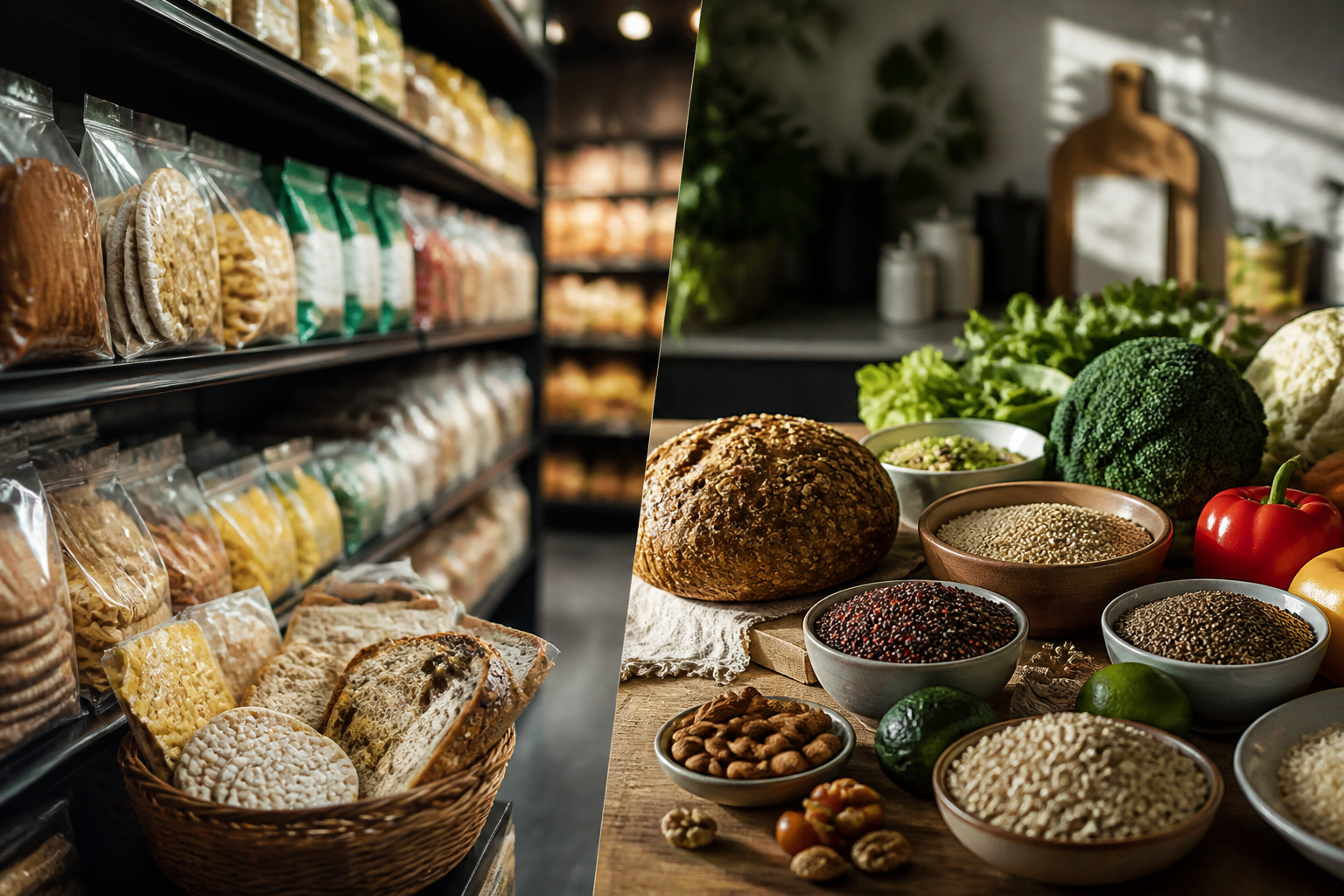
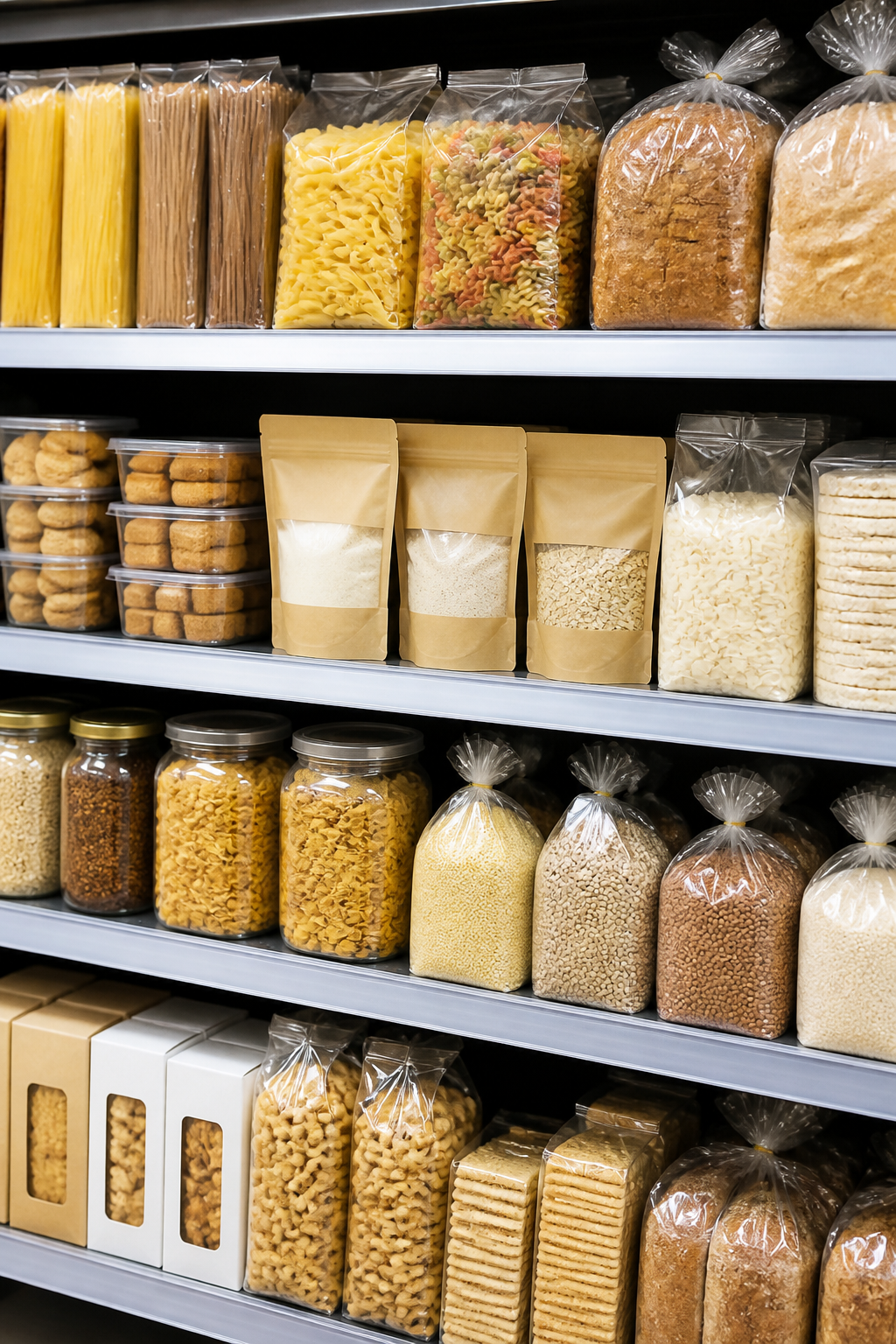
Gluten-free diets have become fashionable, but fashion isn’t nutrition. Many gluten-free products trade gluten for sugar, fat, or salt to hit the same texture and taste. You might end up eating more ultra-processed foods with fewer nutrients, not exactly the upgrade you were hoping for. FYI, whole grains offer fiber and micronutrients that gluten-free substitutes often lacks.
Who Actually Benefits: The Real Gluten-Free Audience
For people with celiac disease, non-celiac gluten sensitivity, or wheat allergy, gluten-free is non-negotiable. For everyone else, the benefits aren’t guaranteed. If you’re chasing weight loss or energy boosts, you might be chasing a placebo. IMO, focusing on balanced meals, not blanket banishments, usually yields better results.
The Hidden Costs of Going Gluten-Free
Cost: Gluten-free products can be pricey, and you don’t always get more nutrition for your money.
Variety: It’s easy to fall into a rut with similar substitutions.
Social friction: Dining out or traveling becomes more complicated.
Nutrient gaps: Some gluten-containing foods are good sources of fiber, iron, and B vitamins; cutting them out without planning can leave gaps.
Don’t Ditch the Whole Grains Too Fast
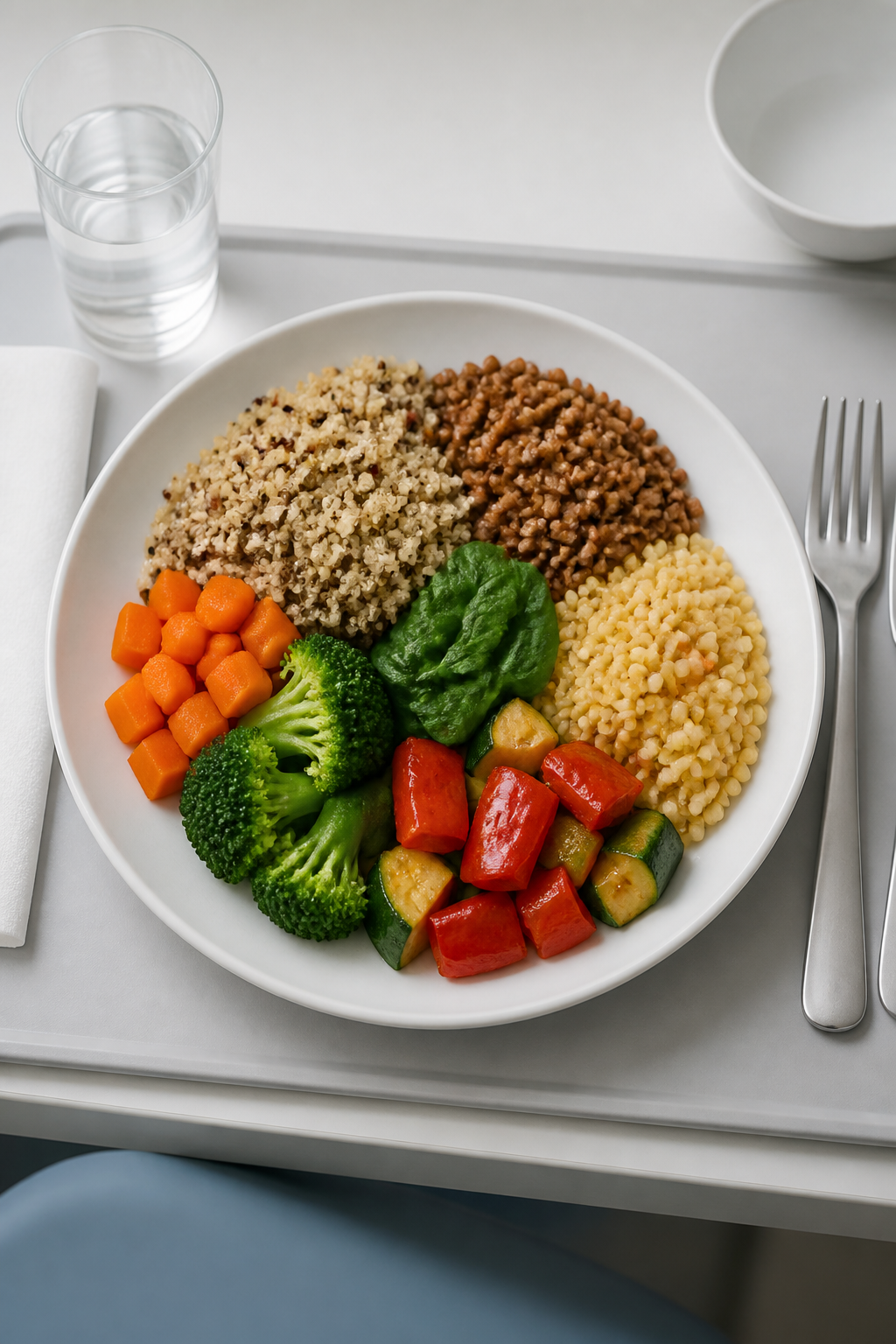
Whole grains like barley, farro, and whole-wheat varieties bring fiber, minerals, and lasting energy. When you remove gluten, you might replace those foods with refined starches that spike blood sugar and leave you hungry sooner. If you’re gluten-free by choice, aim for naturally gluten-free whole foods—rice, quinoa, oats labeled gluten-free (watch for cross-contamination), and buckwheat. Keep your meals balanced with protein, fat, and fiber to stay satisfied.
Fiber, Protein, and Satiety: The Best Friends You Might Forget
A lot of gluten-free products skimp on fiber and protein to improve texture. That’s a recipe for snacky cravings and blood sugar rollercoasters. Make sure your meals include:
High-fiber vegetables and fruit
Legumes, nuts, and seeds
Lean protein sources
Healthy fats
If you’re getting these from gluten-rich foods, you’ll need to replace them thoughtfully with gluten-free options. It’s not magic—it’s planning.
Deep Dive: Smart Swaps for Gluten-Free Fiber
Consider chia pudding, lentil or chickpea pastas, quinoa bowls with veggies, and brown rice with beans. These choices pack fiber and protein without sacrificing flavor. FYI, you don’t have to skip bread forever; there are high-fiber gluten-free bread options if you pick wisely.
Label Literacy: Reading What’s Inside Your Gluten-Free Pack
Gluten-free labels can be confusing. Look for:
Certified gluten-free stamps
Ingredient lists that avoid barley, rye, and wheat
Cross-contamination statements
Beware of hidden gluten in sauces, broths, and processed foods. If in doubt, call the brand or opt for whole foods that you prepare yourself.
Even if a product says gluten-free, it might have trace amounts. For some people with celiac disease, even tiny exposures trigger symptoms. Treat cross-contamination like a hot potato and keep dedicated utensils and to-go containers if you’re super sensitive.
Social Life and Food Freedom: Can You Actually Eat Out?
Eating gluten-free on the fly is a skill. Restaurants can be accommodating, but it takes planning. Call ahead, ask questions, and don’t be afraid to ask for substitutes. Being selective about ingredients and sauces can prevent a lot of gut drama. Curious tip: many cuisines naturally align with gluten-free options, like lean proteins and veggies in Mediterranean or Asian dishes.
Subsection: Dining Out Without Drama
Suggest dishes you know are gluten-free or request simple modifications. It’s reasonable to ask about cross-contamination and shared pans. Most places want to make you happy; they just need clear guidance.
Energy, Mood, and the Plate: Does Gluten-Free Boost Them?
Some people report feeling lighter or more energetic after going gluten-free, but correlation isn’t causation. If you cut out gluten and replace processed foods with whole foods, you might feel better. If you swap in gluten-free junk food, you’ll likely feel worse. It’s about what you actually eat, not the absence of gluten per se.
When It Might Backfire: A Quick Caution
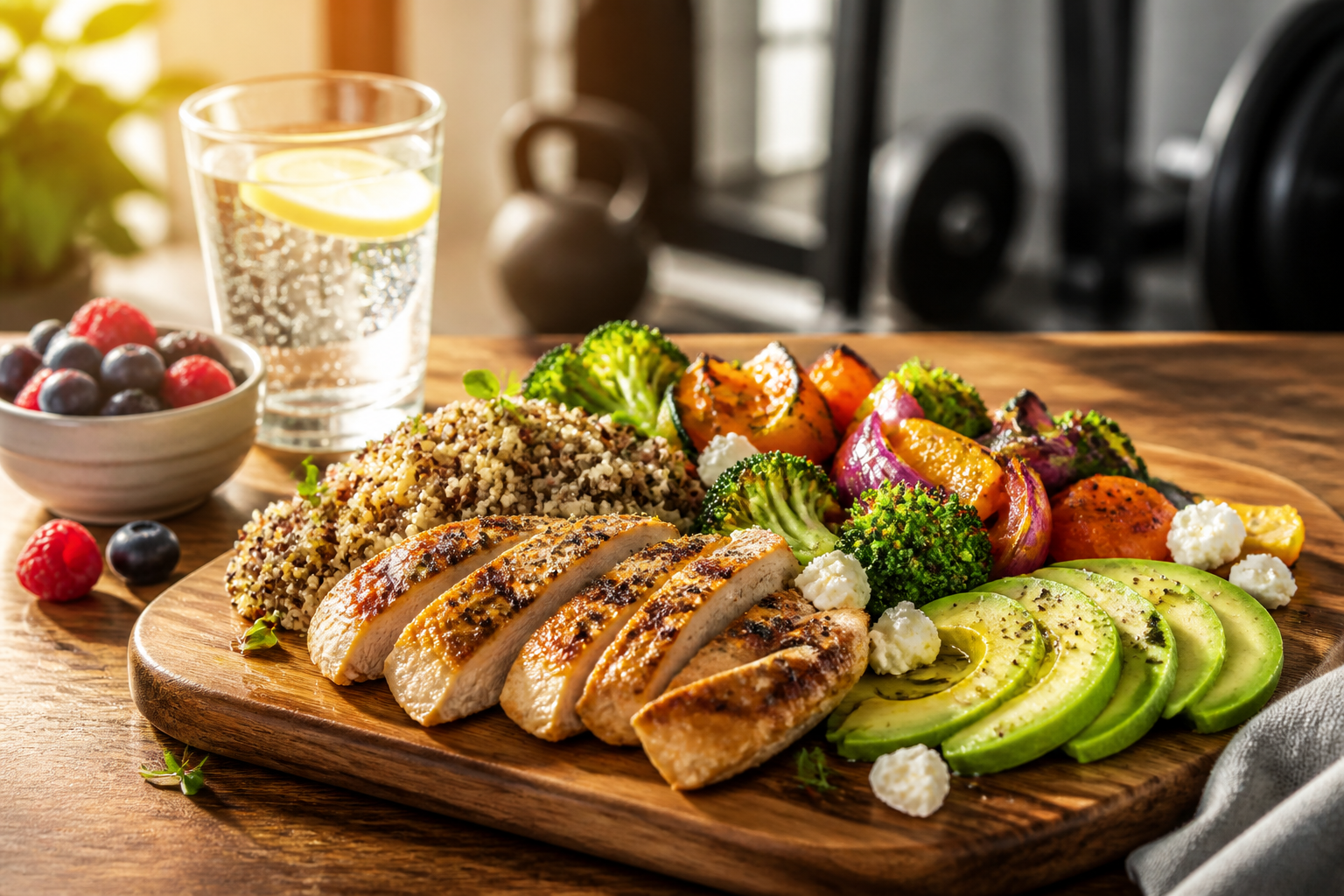
If your new gluten-free plan starves you of essential nutrients or calories, you’ll feel tired and cranky. Don’t under-eat to “prove a point.” Your body needs fuel, especially if you’re active or lifting weights.
Myths vs. Reality: Common Gluten-Free Myths Debunked
– Myth: I’ll automatically lose weight by going gluten-free. Reality: not unless you modify overall calories and food quality. – Myth: Gluten-free foods are healthier. Reality: often they’re not; they’re just gluten-free. – Myth: It’s easier to digest gluten-free foods. Reality: digestion is personal; gluten-free doesn’t guarantee better gut health for everyone. – Myth: It’s a no-brainer for energy. Reality: energy comes from balanced meals and consistent eating patterns, not gluten elimination alone. IMO, hype can blind us, but real food choices stand up in the end.
Putting It All Together: If You Still Want to Go Gluten-Free
If you have a medical reason, go for it with a plan. If you’re curious or it’s trendy, approach with curiosity and caution. Start by identifying your goals: energy, digestion, nutrient intake, or simply feeling better. Then map out a grocery list with natural gluten-free staples: fruits, vegetables, legumes, lean proteins, nuts, seeds, and gluten-free grains.
Practical Weekly Plan: How to Meal Prep Without Losing Your Mind
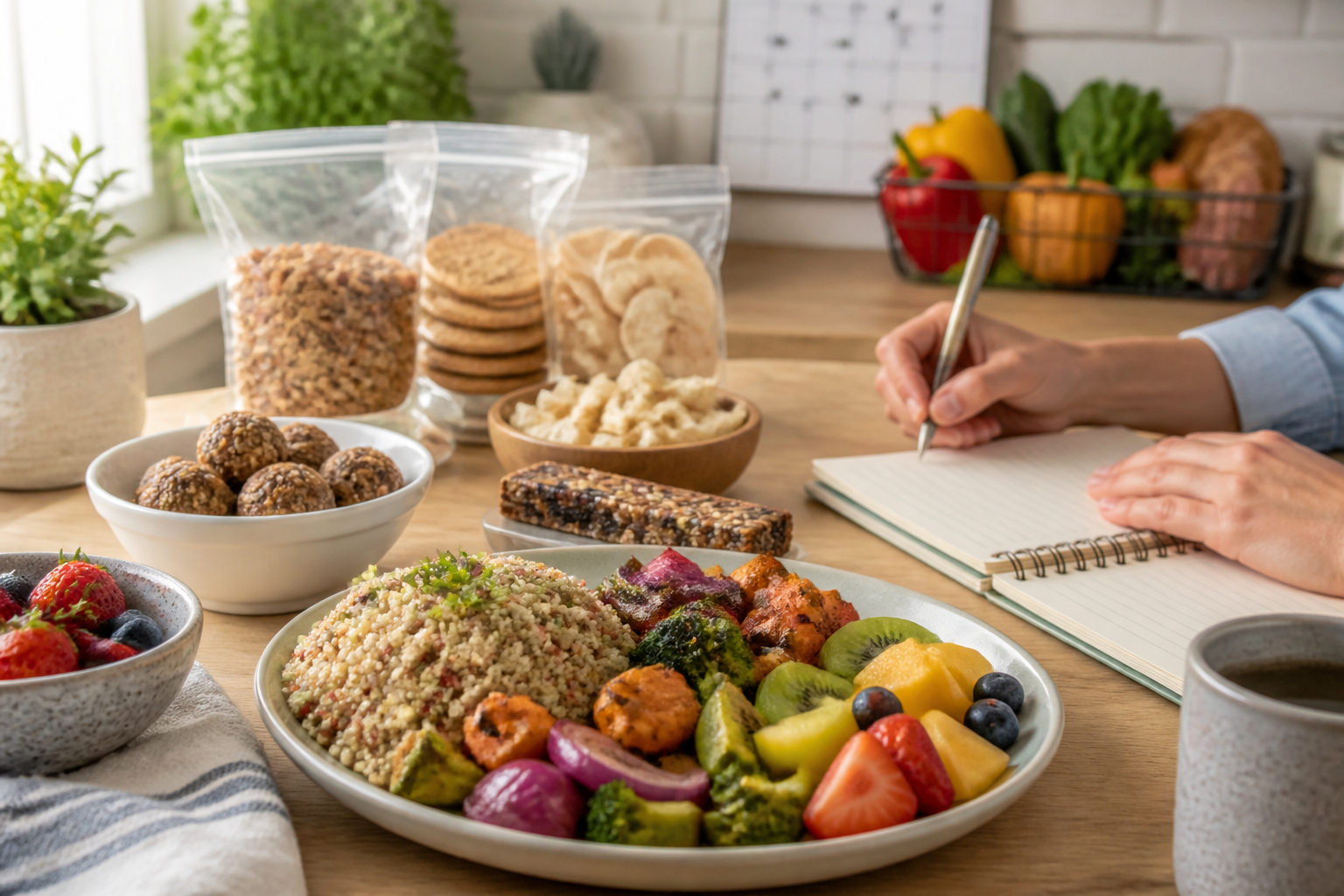
– Plan three main meals and two snacks daily. – Choose a protein source for each meal. – Load up on vegetables and a gluten-free grain or legume. – Treat yourself with a gluten-free indulgence sparingly.
Sample Day
– Breakfast: Greek yogurt with berries, chia seeds, and a sprinkle of gluten-free granola. – Lunch: Quinoa salad with chickpeas, cucumber, tomato, feta, and lemon-olive oil dressing. – Snack: Apple and almond butter. – Dinner: Grilled salmon, roasted sweet potatoes, and steamed broccoli. – Dessert: Dark chocolate square (gluten-free, of course).
FAQ
Is gluten-free inherently healthier for everyone?
No. For most people, gluten-free foods are not automatically healthier. They can be higher in sugar or fat to mimic texture, and you may miss out on fiber if you don’t plan well. If you don’t have a medical reason, focus on balanced meals rather than blanket avoidance.
What are easy gluten-free whole foods to focus on?
Think: fruits, vegetables, beans, lentils, nuts, seeds, lean proteins, eggs, dairy, and gluten-free grains like quinoa, rice, buckwheat, millet, and certified gluten-free oats. These give you fiber, minerals, and energy without the guesswork.
How do I handle cross-contamination at home?
Keep separate utensils, cutting boards, pans, and toasters for gluten-free cooking. Wash surfaces thoroughly and store gluten-containing products away from gluten-free foods. Simple habits prevent accidental exposures.
Can I still enjoy treats on a gluten-free diet?
Absolutely. Look for gluten-free options or make your own treats with gluten-free flours. Balance the rest of your day to avoid turning every meal into a dessert sprint.
What should I do if I don’t feel better after going gluten-free?
Reassess your diet: are you replacing gluten with nutrient-dense options? Are you accidentally eating more processed gluten-free foods? Consider consulting a registered dietitian to tailor a plan to your needs and ensure you’re not chasing a placebo.
Conclusion
If you’re considering gluten-free, do it with intention, not impulse. It can help certain people more than others, but the key is staying nutrient-dense, enjoying a variety of foods, and not letting the trend hijack your meals. Focus on whole foods, smart substitutions, and real-life meals you actually enjoy. And if you’re not gluten-sensitive, you may find that a well-rounded, balanced plate beats a blanket gluten ban every time.
Disclosure: This post may contain affiliate links.
If you make a purchase through these links, I may earn
a small commission at no extra cost to you.
prab chahal
Hi, I’m Prabjot Chahal – the heart (and taste buds) behind this blog!
Food has always been my love language – from experimenting with family recipes to discovering unique flavors from around the world. I believe that cooking isn’t just about following a recipe, it’s about creating moments, sharing stories, and connecting with others over something delicious. Through this blog, I want to build a vibrant food community where we share more than just recipes – we share inspiration, tips, and the joy of making and enjoying good food together. Whether you’re here for quick weekday dinners, festive treats, or creative seasonal ideas, you’re part of this table. So grab a fork (or a whisk!) and let’s cook, bake, and share our love for food – one recipe at a time.