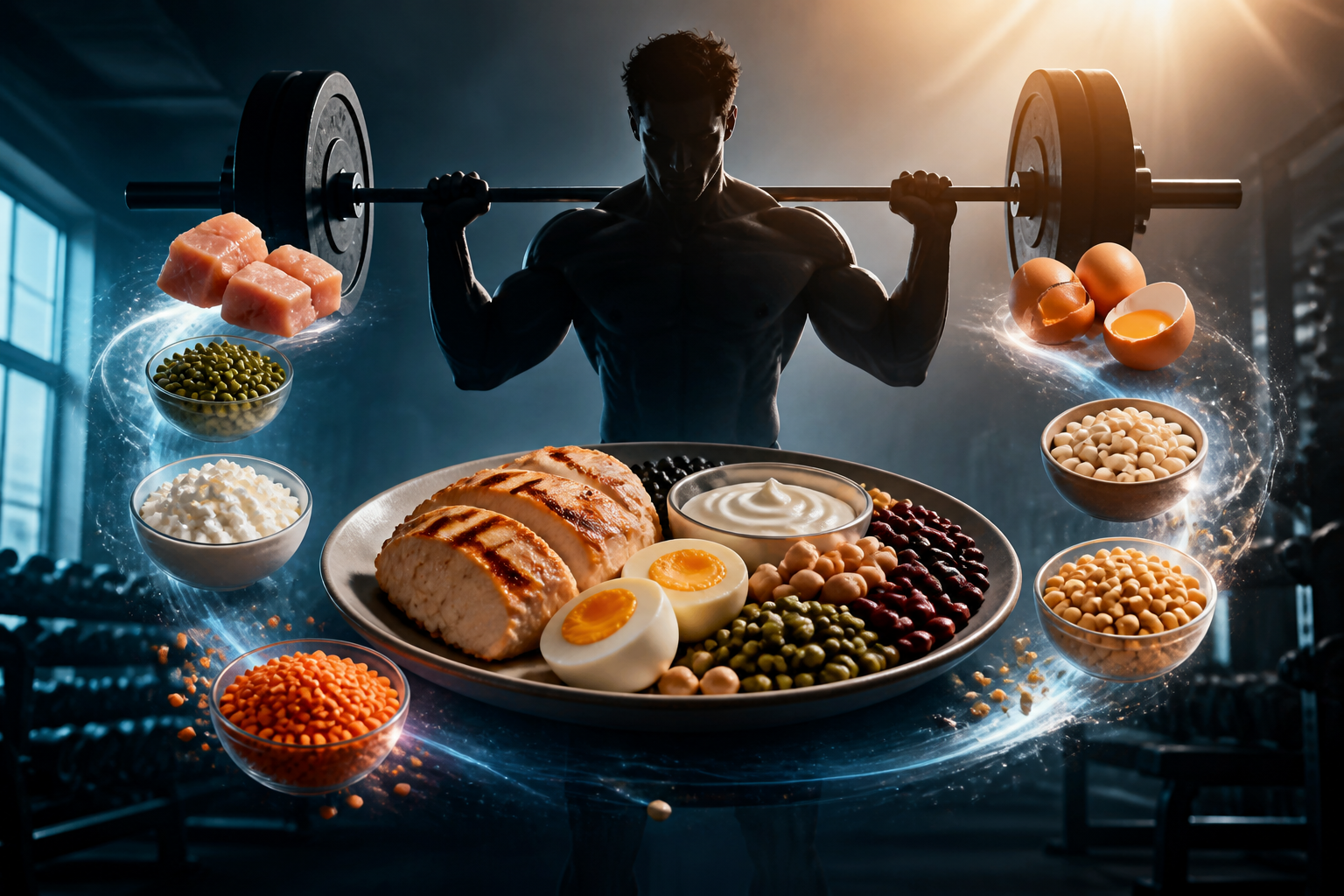
An 100g protein day sounds like a lot, but your body has secrets for handling it. Let’s break down what actually changes, what stays the same, and when you might want to throttle back. Grab a snack, and let’s dive into the protein rabbit hole.
Why 100g? Is That Really a Lot?
Protein needs vary, but 100g a day is a popular target for active folks and those chasing muscle gains. It’s high enough to matter, but not so high that you’re living at the gym with a protein shake as your soulmate. If you weigh 150 pounds or more, this range often makes sense, especially when you’re lifting regularly. FYI, your body can adapt, so what feels extreme at first can become normal after a few weeks.
What Happens to Your Muscles
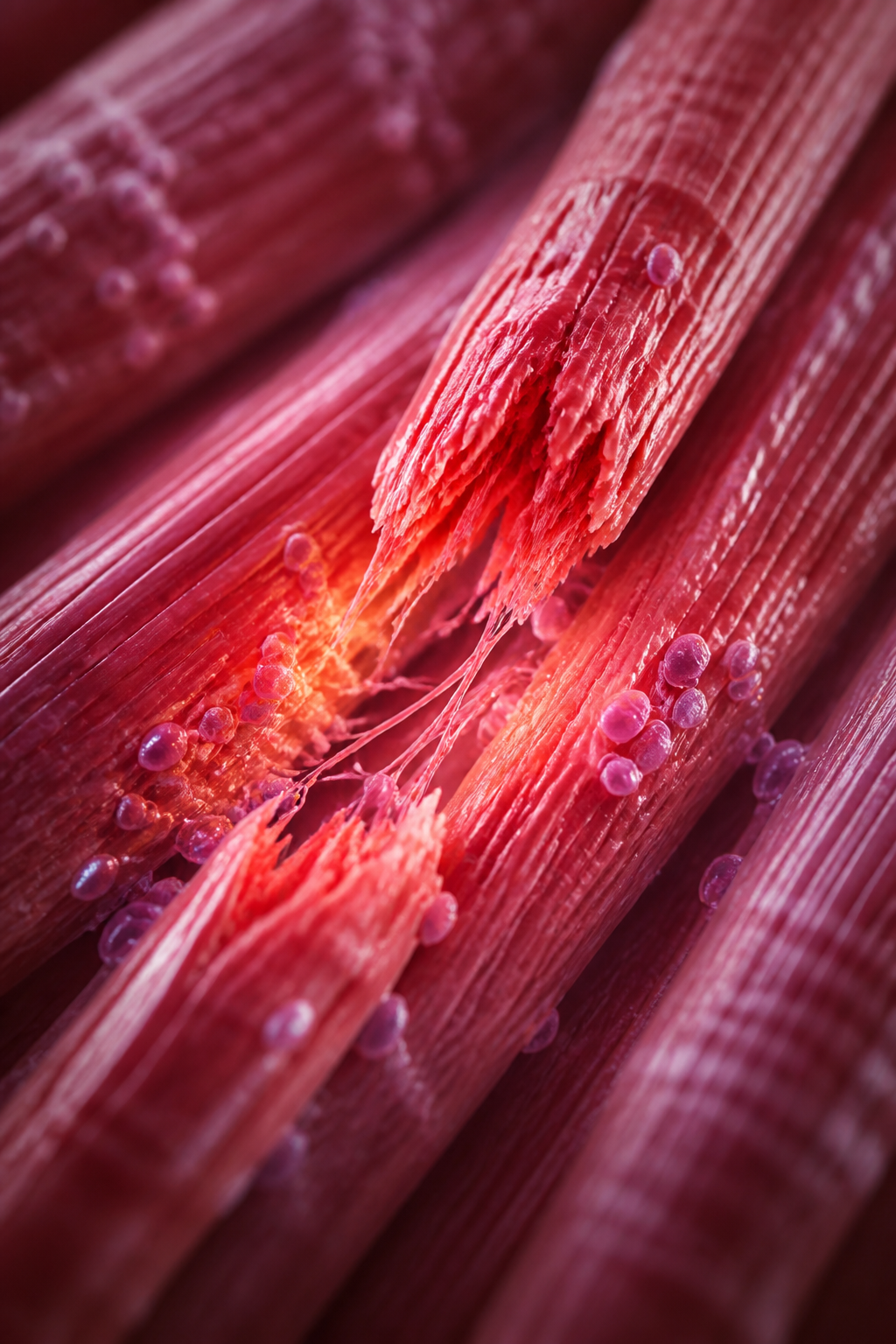
Muscle repair and growth take center stage with steady protein intake. When you work out, tiny muscle fibers tear, and protein helps rebuild them bigger and stronger. Hitting 100g daily gives your muscles a reliable supply to repair after workouts and fuel growth.
Protein timing and signaling
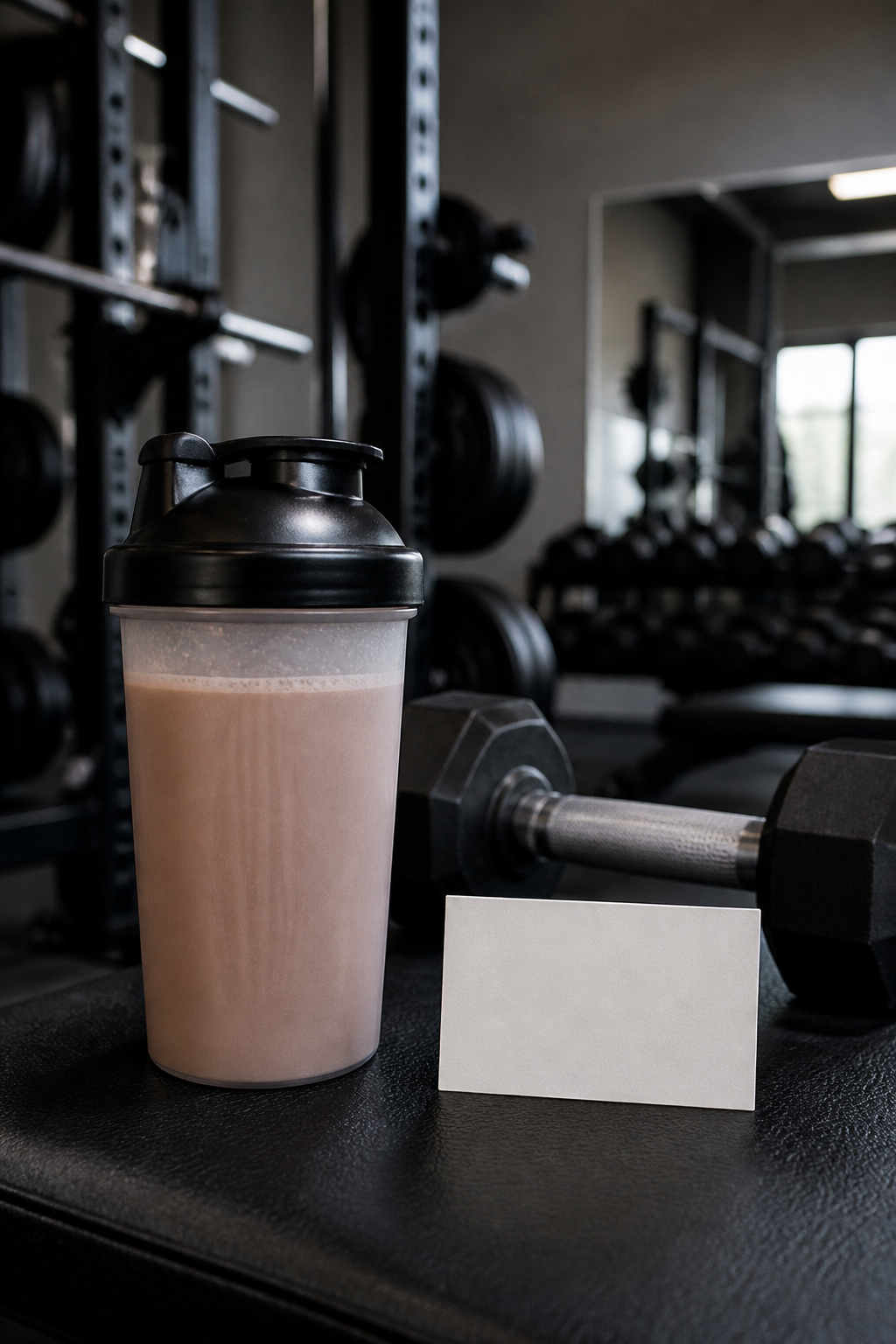
– After workouts, your body loves a quick protein hit to kickstart repair. – Spreading protein across meals keeps amino acids circulating, so you don’t crash into a wall mid-afternoon.
Satiety, Metabolism, and Hunger
Protein is the king of fullness. Eating 100g can help you feel fuller longer, which might curb snacking and support weight management. You’ll also get a modest metabolic boost because protein requires more energy to process than carbs or fats. This is the “thermic effect” in action—your body burns a bit more fuel just by digesting protein.
How much is too much for appetite control?
For most people, 25-40g per meal is a sweet spot to maintain satiety without leaving you stuffed. If you’re chasing fat loss, that can guide your meals, but don’t freak out if you crave a higher-protein day now and then. It’s about consistency, not perfection.
Energy Levels and Brain Fog
Protein isn’t a sugar crash fix, but it helps stabilize energy. When you avoid big carb swings and keep a steady protein intake, you can notice more even energy and fewer mid-day crashes. IMO, this makes workouts feel a little easier and afternoons a touch less snacky.
Protein and focus
– Amino acids support neurotransmitter production, which can influence mood and focus. – Pairing protein with fiber at meals can keep energy steady for longer, especially during busy days.
Kidneys, Hydration, and Safety
If you’re healthy, 100g protein daily isn’t likely to damage your kidneys. For people with preexisting kidney issues, talk to a doctor, obviously. Hydration matters more than you’d expect here—protein metabolism needs water, so drink up.
Red flags to watch
– Unexplained swelling or fatigue that lingers – Sudden changes in urine output – Persistent stomach upset after meals
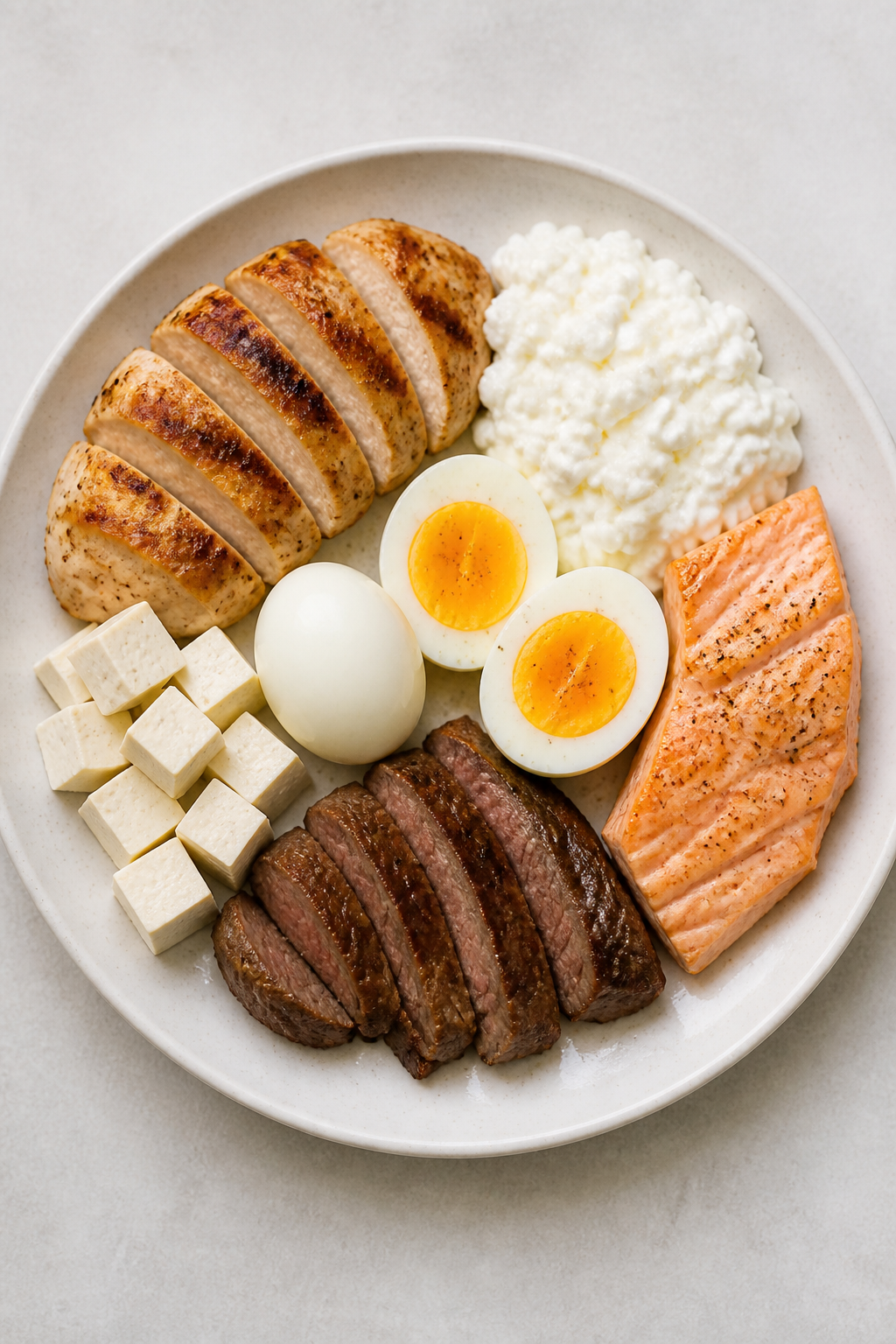
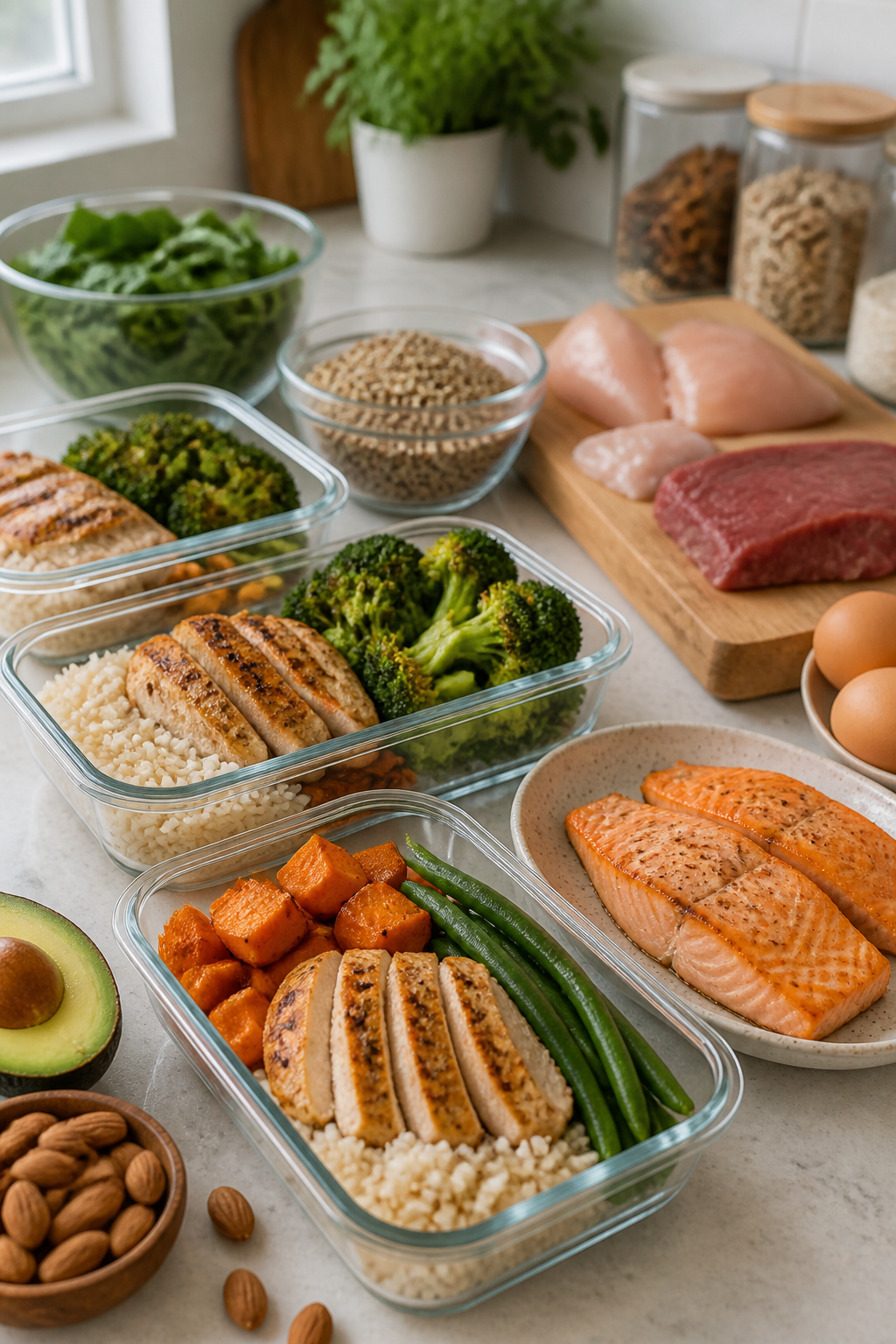
Not all protein is created equal. A well-rounded day includes a mix of animal and plant sources, plus a spectrum of amino acids. Think lean meats, fish, eggs, dairy, legumes, nuts, seeds, and whole grains. A varied plate helps cover all essential amino acids and keeps meals interesting.
Balanced plate example
– Breakfast: Greek yogurt with berries and a handful of nuts – Lunch: Grilled chicken salad with quinoa and veggies – Snack: Cottage cheese or a protein shake – Dinner: Salmon, roasted veggies, and a side of lentils
Digestive Tolerance and Gut Health
A big protein day can push your gut a bit, especially if your usual routine is lighter on protein. Most people adapt within a week or two, but watch for discomfort, gas, or bloating. Spreading protein over multiple meals usually helps your digestion ride the wave more smoothly.
Tips to ease digestion
– Chew thoroughly and eat mindfully – Include fiber-rich foods to support gut motility – Hydrate well, especially around workouts
Practical Myths vs. Reality
– Myth: 100g protein daily automatically builds massive muscle. Reality: It supports growth when paired with resistance training. – Myth: You’ll gain fat if you’re not burning enough calories. Reality: Fat gain depends on overall energy balance, not protein alone. – Myth: More protein means more kidney trouble. Reality: For healthy folks, 100g is typically fine; consult a clinician if you have kidney concerns.
What a Week Might Look Like
To keep things realistic, plan meals with roughly 20-30g of protein per meal and a couple of snacks around 15-25g. Here’s a simple template: – Monday to Sunday: 3 meals + 1-2 snacks – Aim for variety: rotate poultry, fish, dairy, legumes, and plant-based proteins – Adjust portions if you’re more active or have different goals
FAQ
Is 100g of protein a day safe for everyone?
For healthy adults, yes, 100g is generally safe and beneficial when paired with regular exercise. People with kidney disease or specific medical conditions should consult a healthcare professional before making big changes.
Will I gain weight if I eat 100g protein daily?
Weight gain depends on total calories. If you’re in a slight surplus, you’ll gain some weight, mostly as lean mass if you’re lifting. If you’re in a deficit, you’ll lose fat while preserving muscle better with higher protein.
Should I spread protein across meals or focus on post-workout protein?
Spread protein across meals to optimize muscle protein synthesis throughout the day. A post-workout protein hit helps repair, but don’t rely on one big shake—consistency wins.
Can plant-based protein alone meet 100g/day?
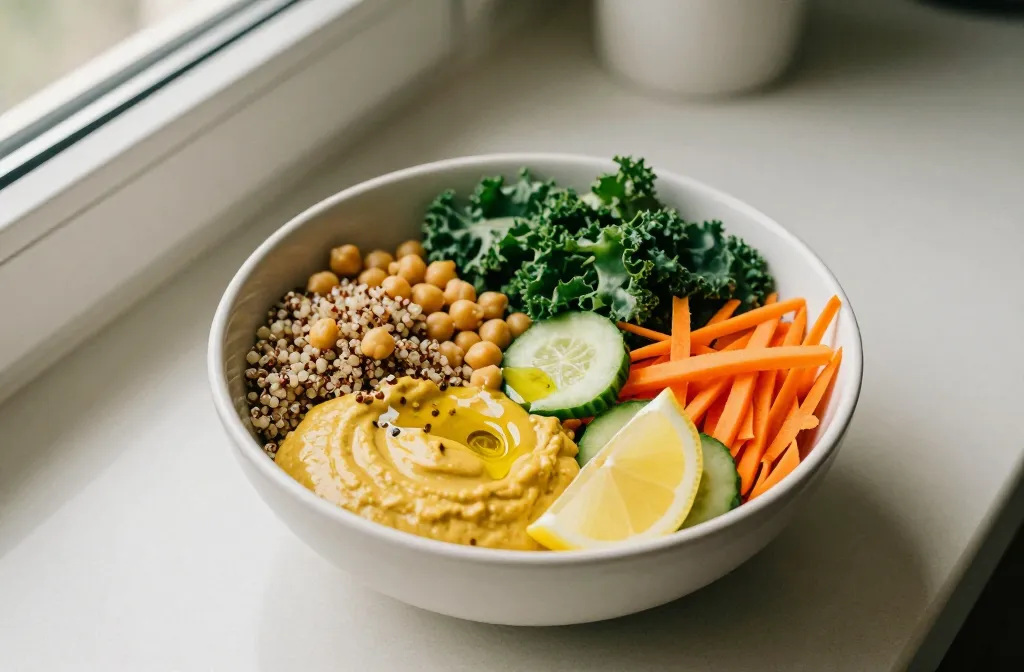
Yes, with planning. Plant proteins can be less complete in amino acid profile, so combine sources (rice and beans, lentils with quinoa) and consider fortified foods or supplements if needed.
What if I don’t like protein shakes?
No problem. You can reach 100g through real food: eggs, dairy, lean meats, fish, tofu, tempeh, legumes, and soy products. Shakes are just handy for convenience.
Conclusion
If you’re curious about optimizing body composition, energy, and performance, 100g of protein a day is a compelling experiment. It’s not a magic pill, but it sets a solid foundation for muscle maintenance, appetite control, and steady energy. IMO, the key is pairing it with a consistent workout routine, smart meal planning, and listening to your body. FYI, progress is a marathon, not a sprint—so stay curious, adaptable, and patient.
Disclosure: This post may contain affiliate links.
If you make a purchase through these links, I may earn
a small commission at no extra cost to you.
prab chahal
Hi, I’m Prabjot Chahal – the heart (and taste buds) behind this blog!
Food has always been my love language – from experimenting with family recipes to discovering unique flavors from around the world. I believe that cooking isn’t just about following a recipe, it’s about creating moments, sharing stories, and connecting with others over something delicious. Through this blog, I want to build a vibrant food community where we share more than just recipes – we share inspiration, tips, and the joy of making and enjoying good food together. Whether you’re here for quick weekday dinners, festive treats, or creative seasonal ideas, you’re part of this table. So grab a fork (or a whisk!) and let’s cook, bake, and share our love for food – one recipe at a time.