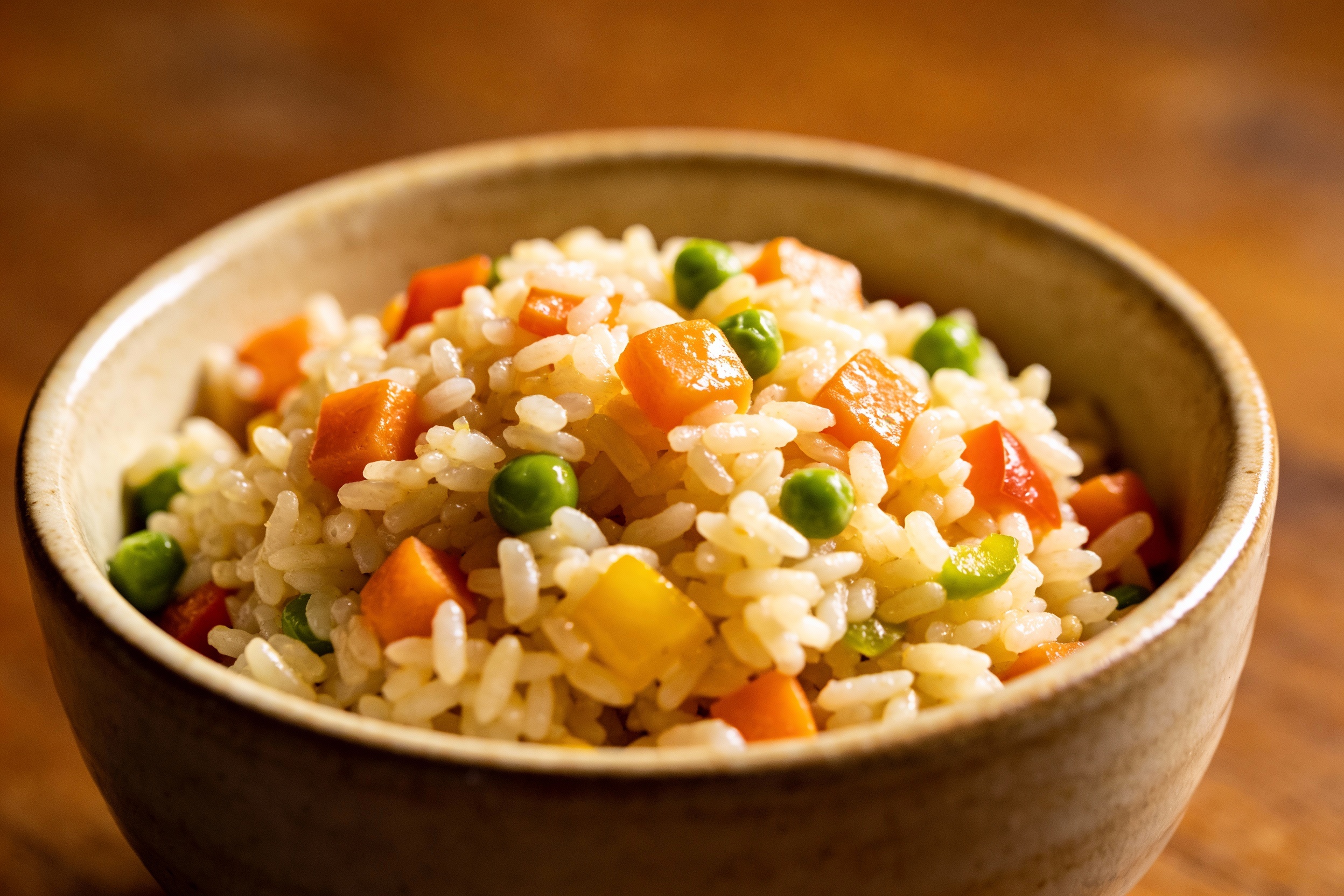
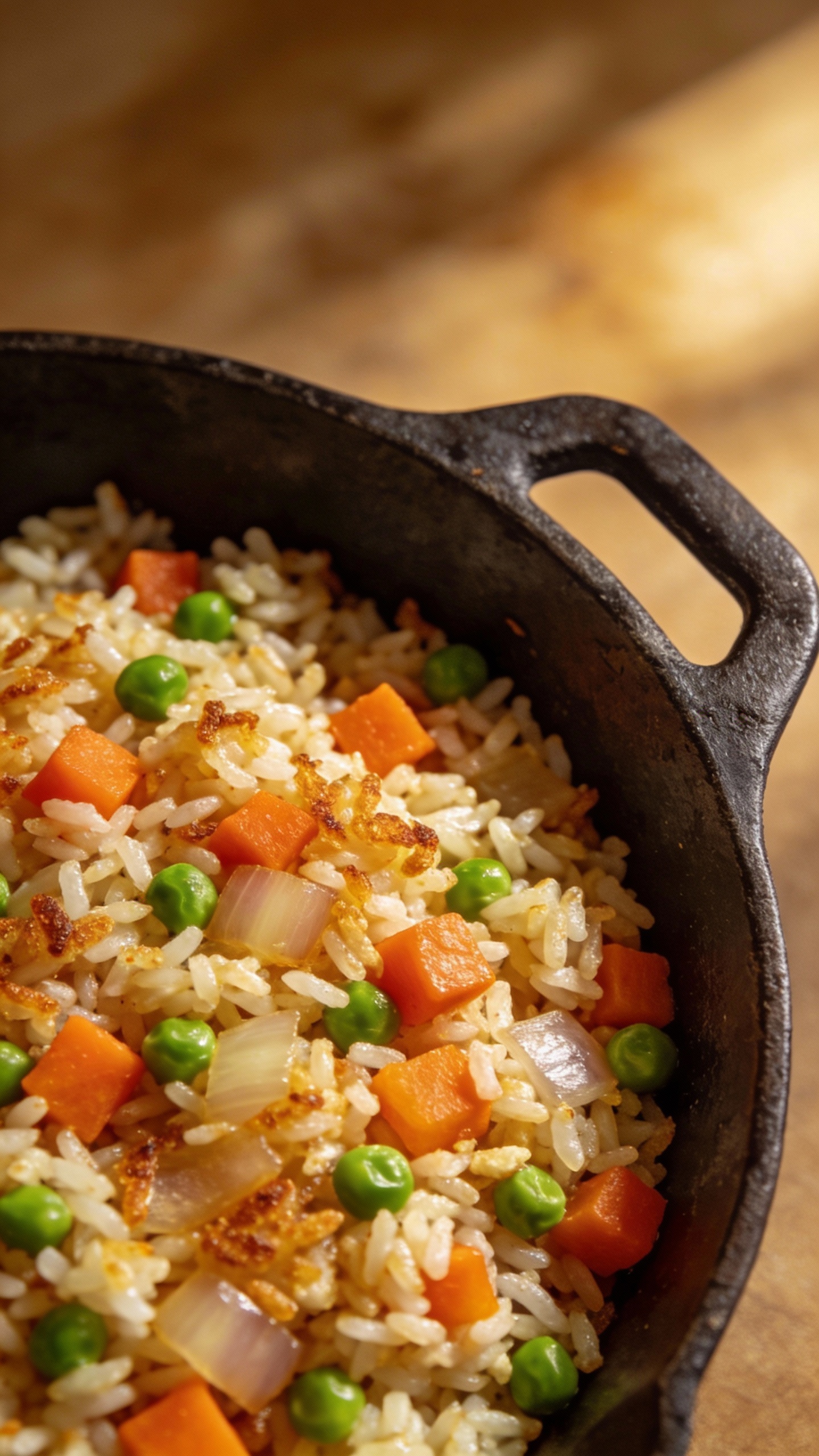
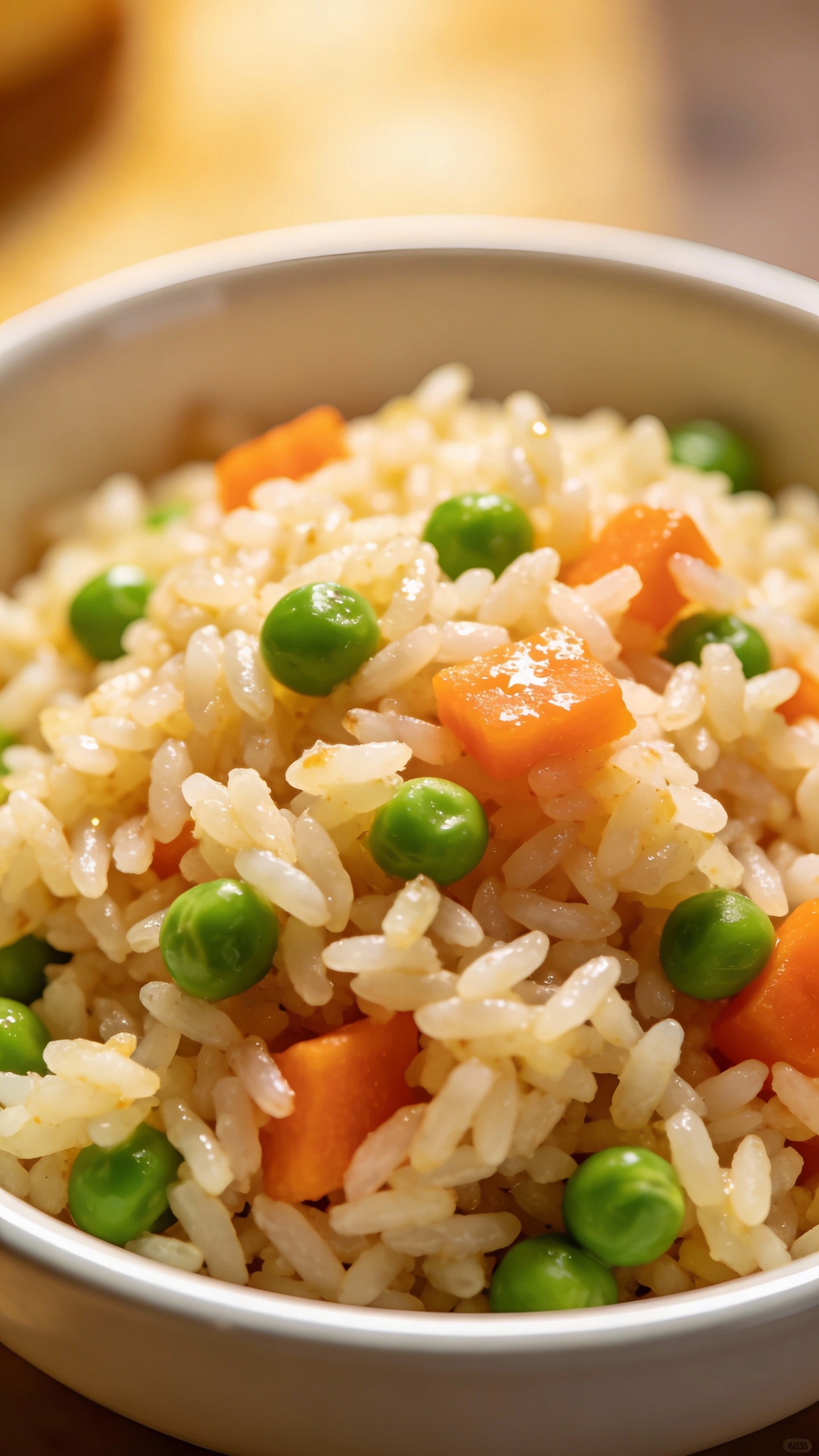
Vegetable rice pilaf does the absolute most with the absolute least. It’s cozy, colorful, and sneaky-delicious—like a side dish that low-key steals the spotlight. You sauté a few veggies, toast some rice, simmer, and boom: you’ve got a pot of fluffy, fragrant goodness. It’s the kind of dish that says, “Relax, I’ve got dinner handled,” and then actually delivers.
Why Pilaf Works (and Why You’ll Make It Again)
Pilaf is simple, but not basic. You cook rice in seasoned stock with aromatics, which builds flavor in every grain. The result feels more special than plain rice, but not fussy. You can make it with pantry staples and whatever veggies you’ve got wilting in the fridge. It scales well, tastes great leftover, and sits happily next to everything from roast chicken to tofu skewers. Honestly? It’s your weeknight MVP.
The Core Formula (Memorize This)
The best pilaf follows a neat little equation. Nail this, and you can improvise with confidence.
Rice: 1 cup long-grain (basmati or jasmine), rinsed
Fat: 2 tablespoons (olive oil, butter, or ghee)
Aromatics: 1 small onion or 2 shallots, plus 2-3 garlic cloves
Veg: 1 to 1.5 cups mixed vegetables (carrot, peas, bell pepper, green beans, corn, zucchini)
Liquid: 1.5 to 1.75 cups stock (veg or chicken), warmed
Seasoning: Salt, pepper, and a mild spice blend
Pro tip: Rinse the rice until the water runs mostly clear. You’ll wash off excess starch and get fluff instead of gloop. IMO, skipping this step leads to sadness.
Spice Roads to Flavor Town
Pick one vibe and stick to it—don’t throw in everything you own. Your pilaf deserves better.
Classic: Bay leaf, black pepper, a squeeze of lemon
Indian-ish: Cumin seeds, cardamom pods, a pinch of garam masala
Herby-fresh: Thyme, parsley, dill, lemon zest
Step-by-Step: The Pilaf Method
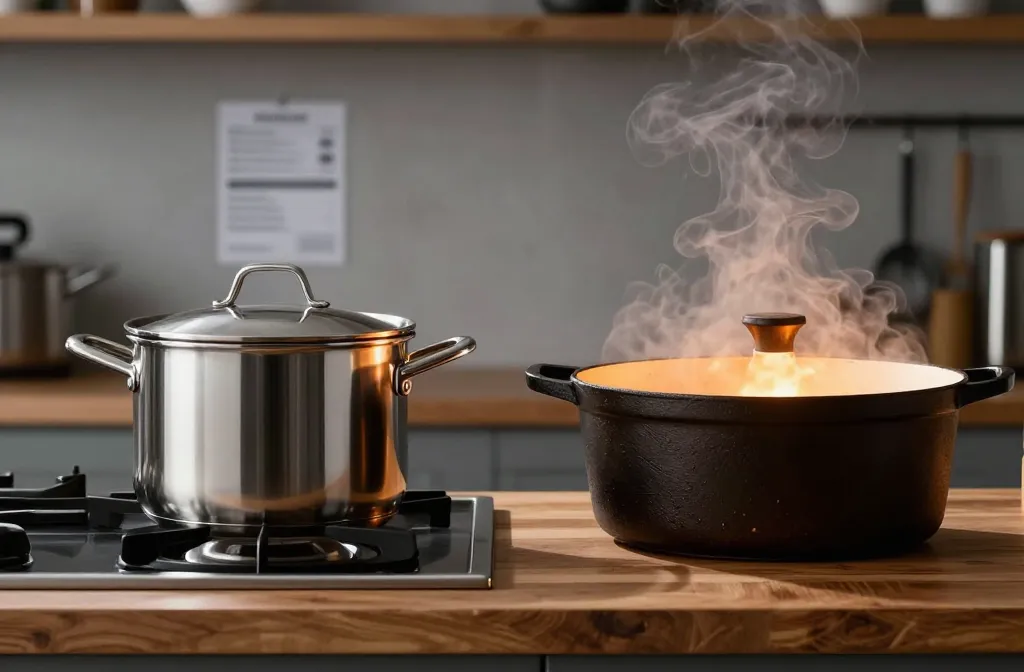
You don’t need a fancy pot—just one with a tight lid. A heavy-bottomed saucepan or Dutch oven works great.
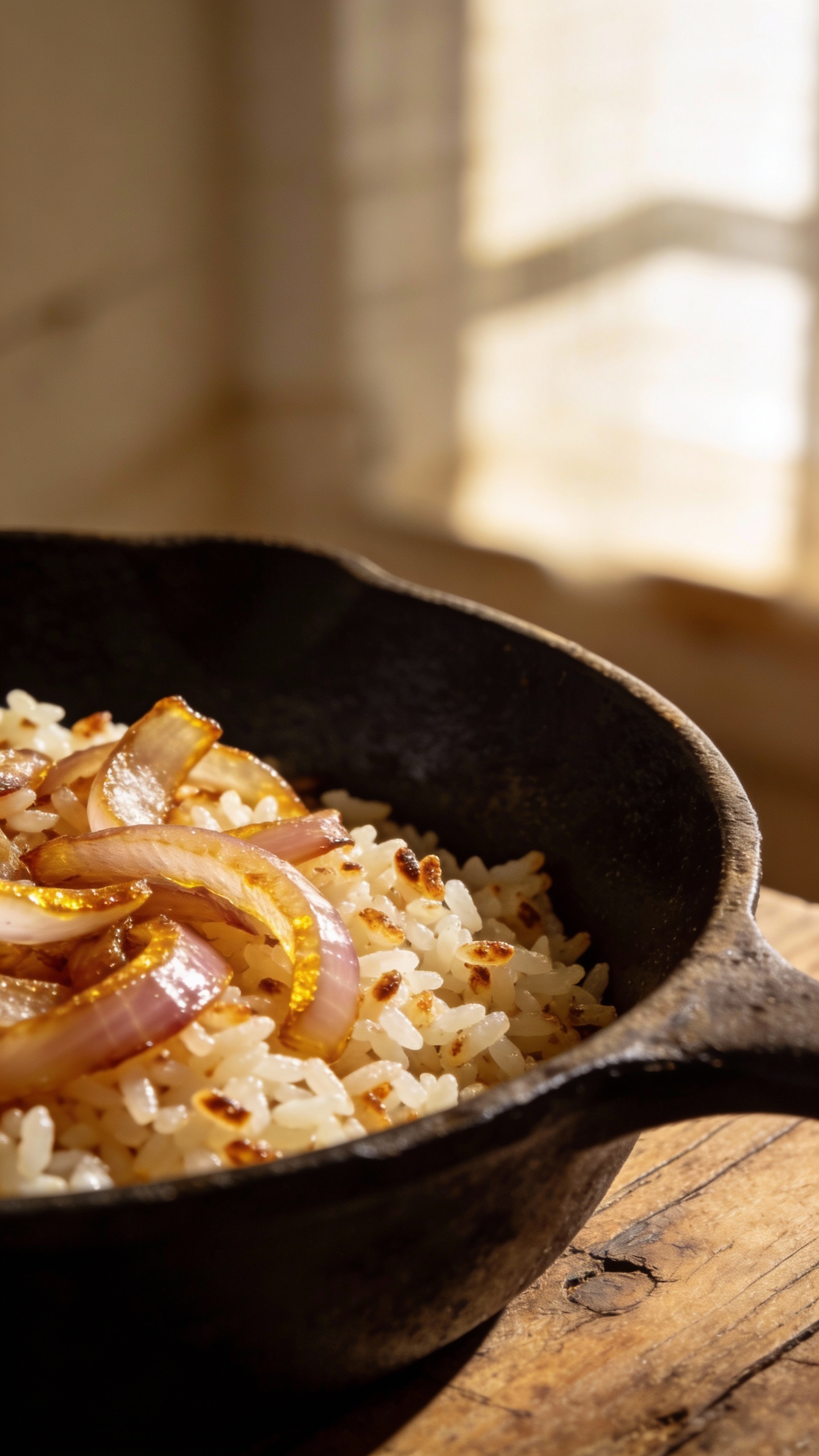
Sweat the aromatics: Heat fat over medium. Add onion and a pinch of salt. Cook until translucent, 4-5 minutes. Stir in garlic for 30 seconds.
Toast the rice: Add rinsed, drained rice. Stir to coat in fat. Cook 2-3 minutes until it smells nutty. Don’t rush this—flavor lives here.
Spice it up: Add your chosen spices. Bloom them for 30 seconds.
Veg time: Add firm veg (carrot, bell pepper, green beans). Cook 2-3 minutes. Save delicate veg (peas, zucchini, spinach) for later.
Add liquid: Pour in warm stock. Bring to a gentle simmer. Taste the liquid and adjust salt now—this seasons the whole pot.
Cover and cook: Lid on, low heat, 12-15 minutes until the rice absorbs liquid. No peeking. Seriously, resist.
Finish: Off the heat. Fold in delicate veg and herbs. Cover and steam 5-10 minutes. Fluff with a fork. Add a squeeze of lemon and a knob of butter or drizzle of olive oil.
What Not to Do (Learn from my chaos)
Don’t crank the heat high. You’ll scorch the bottom and undercook the top.
Don’t stir during cooking. That’s how you get mush.
Don’t drown it. More liquid doesn’t mean better rice.
Vegetable Combos That Always Hit
You can wing it, but these combos never let me down. FYI, frozen veg works perfectly—no thaw needed for peas or corn.
Market Classic: Carrot, peas, parsley, lemon zest
Summer Garden: Zucchini, cherry tomatoes (stir in at the end), basil
Fall Cozy: Mushrooms, kale, thyme, a splash of cream at the end
Color Pop: Red bell pepper, corn, scallions, cilantro
Green Scene: Broccoli florets (small), peas, dill, mint
Crunchy Toppings = Instant Upgrade
Texture wins. Add one of these and watch the compliments roll in.
Toasted nuts: Almond slivers, pistachios, cashews, or pine nuts
Crispy onions or shallots: Store-bought or homemade
Seeds: Pumpkin or sesame for a nut-free crunch
Crumbled feta or goat cheese: Salty, tangy, dreamy
Make It a Meal
Pilaf plays nice with everything. But if you want it to carry the plate, bump up the protein and richness.
Plant-powered: Chickpeas (stir in at the end), pan-seared tofu cubes, or crispy tempeh
Eggs: A jammy egg or a fried egg on top—yes please
Seafood: Shrimp sautéed in garlic butter
Meat: Leftover roast chicken, sausage coins, or meatballs
Creamy angle: A spoonful of yogurt or tahini sauce on top
Sauces That Slap
A drizzle changes everything. These take 60 seconds and zero stress.
Tahini lemon: Tahini + lemon + water + cumin + salt
Rice Talk: Choosing the Right Grain
You want long-grain for pilaf because it cooks fluffy and separate. Basmati gives a perfumey vibe. Jasmine leans softer and floral. Both work. If you only have short-grain rice, you can still make it, but you’ll get a stickier texture. Not wrong—just different. Brown basmati also shines here; use a little more liquid and cook longer.
Timing for Different Rices
White basmati/jasmine: 12-15 minutes cook + 5-10 minutes steam
Brown basmati: 35-40 minutes cook + 10 minutes steam; use 2 cups liquid per cup rice
Wild rice blend: 40-45 minutes; add sturdy veg later so they don’t turn to mush
Leftovers and Meal Prep (AKA Future You Will Cheer)
Pilaf keeps well and reheats like a champ. Store it in an airtight container for up to 4 days. Cool it fast before refrigerating to keep the rice safe and the texture snappy. Reheat on the stovetop with a splash of water or stock and a lid to steam it back to life. In the microwave, cover loosely and heat in short bursts, fluffing between. Add fresh herbs and a squeeze of lemon to wake it up. IMO, day-two pilaf often tastes better.
FAQ About Vegetable Rice Pilaf
How do I prevent mushy pilaf?
Rinse the rice, toast it in fat, and measure your liquid. Keep the heat low once it simmers and don’t stir while it cooks. Let it rest off-heat so the steam finishes the job without turning it gummy.
Can I use frozen vegetables?
Absolutely. Add firm frozen veg with the rice so they cook through, and add delicate ones like peas at the end during the resting phase. No need to thaw first.
What if I don’t have stock?
Use water and add more aromatics. A bay leaf, garlic, and a knob of butter work wonders. A splash of soy sauce or miso dissolved in the water adds umami without screaming “soy.”
Can I make it in a rice cooker?
Yes. Sauté aromatics and toast rice on the stovetop first, then transfer everything (including hot liquid) to the rice cooker and run a normal cycle. Fold in delicate veg at the end and let it rest on “warm” for 5-10 minutes.
How do I scale it for a crowd?
Double or triple everything, but keep your pot roomy so steam circulates. Cook time stays roughly the same; the resting phase might run a little longer. Finish with extra herbs and a big squeeze of lemon to keep flavors bright.
Can I make it dairy-free or gluten-free?
Easy. Use olive oil instead of butter and skip cheese for dairy-free. Pilaf is naturally gluten-free—just confirm your stock doesn’t sneak in any wheat-based additives.
Conclusion On Vegetable Rice Pilaf
Vegetable rice pilaf proves you don’t need twenty steps or cheffy drama to eat well. With a handful of veg, a few spices, and the right technique, you get a pot of rice that tastes like you actually planned dinner. Keep the formula in your back pocket, swap in whatever you’ve got, and top it with something crunchy. Then sit back and enjoy the applause—silent or otherwise.
Disclosure: This post may contain affiliate links.
If you make a purchase through these links, I may earn
a small commission at no extra cost to you.
prab chahal
Hi, I’m Prabjot Chahal – the heart (and taste buds) behind this blog!
Food has always been my love language – from experimenting with family recipes to discovering unique flavors from around the world. I believe that cooking isn’t just about following a recipe, it’s about creating moments, sharing stories, and connecting with others over something delicious. Through this blog, I want to build a vibrant food community where we share more than just recipes – we share inspiration, tips, and the joy of making and enjoying good food together. Whether you’re here for quick weekday dinners, festive treats, or creative seasonal ideas, you’re part of this table. So grab a fork (or a whisk!) and let’s cook, bake, and share our love for food – one recipe at a time.