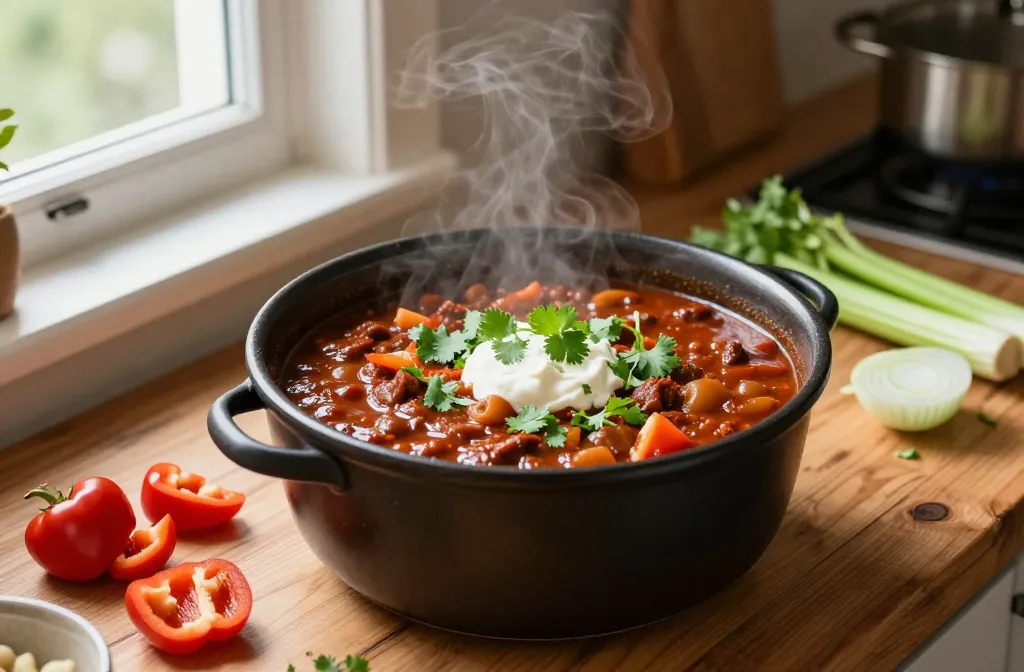
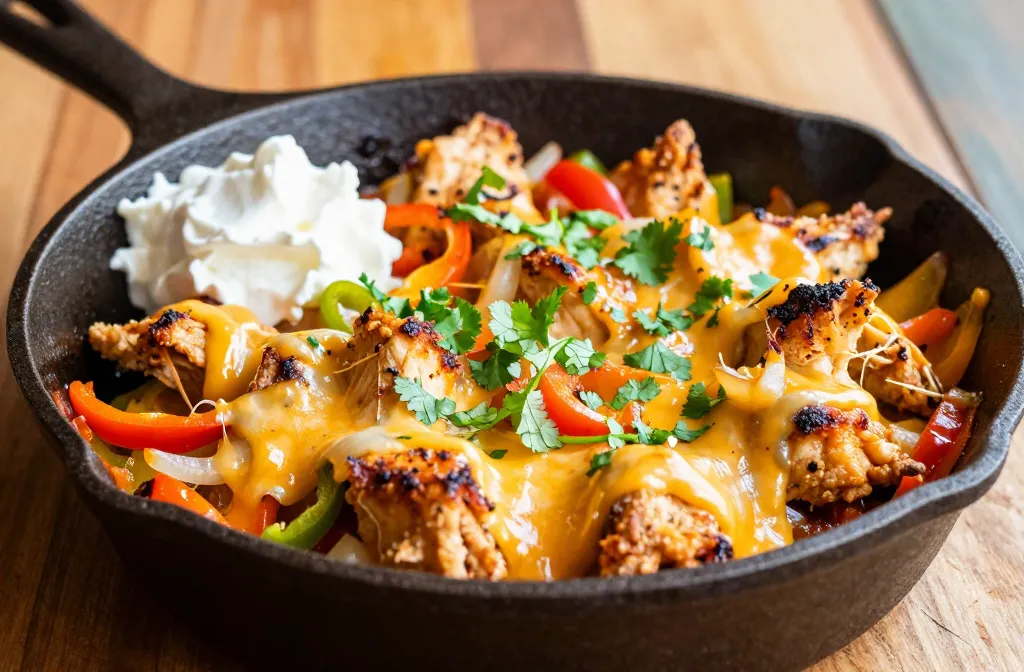
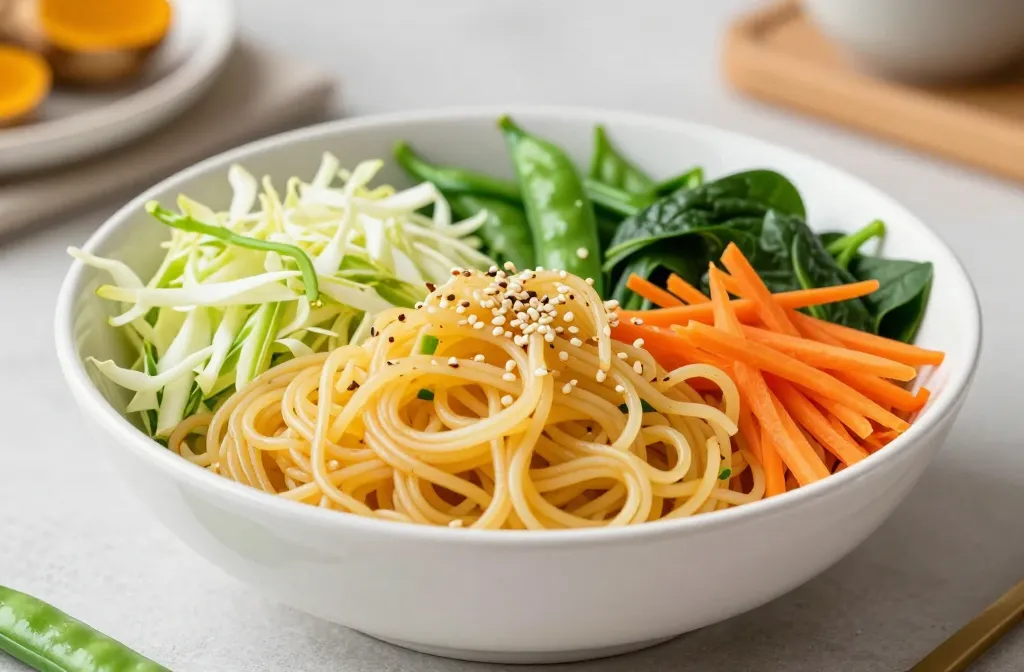
An epic workout deserves an even better plate. If you’re chasing strength gains, fuel is your secret weapon—not a boring afterthought. This guide breaks down tasty, high-protein meals that power your lifts without slowing you down.
What Makes a Meal “Strength-Training Ready”?
Strength training needs more than just protein. You want the right mix of protein, carbs, and healthy fats to optimize recovery, keep energy steady, and reduce fatigue. Think balanced plates, not protein shakes with a side of guilt.
Protein: 25–40 grams per meal, depending on your size and goals.
Carbs: Refill glycogen stores after lifting—opt for complex carbs plus some fruit for a quick hit.
Fats: A little goes a long way; focus on quality fats like olive oil, nuts, and avocado.
Micros: Don’t skip veggies and fiber; they help digestion and satiety.
High-Protein Breakfasts That Kick-Start Your Day
Breakfast sets the tempo for your workout window. You want something tasty, quick, and protein-forward.
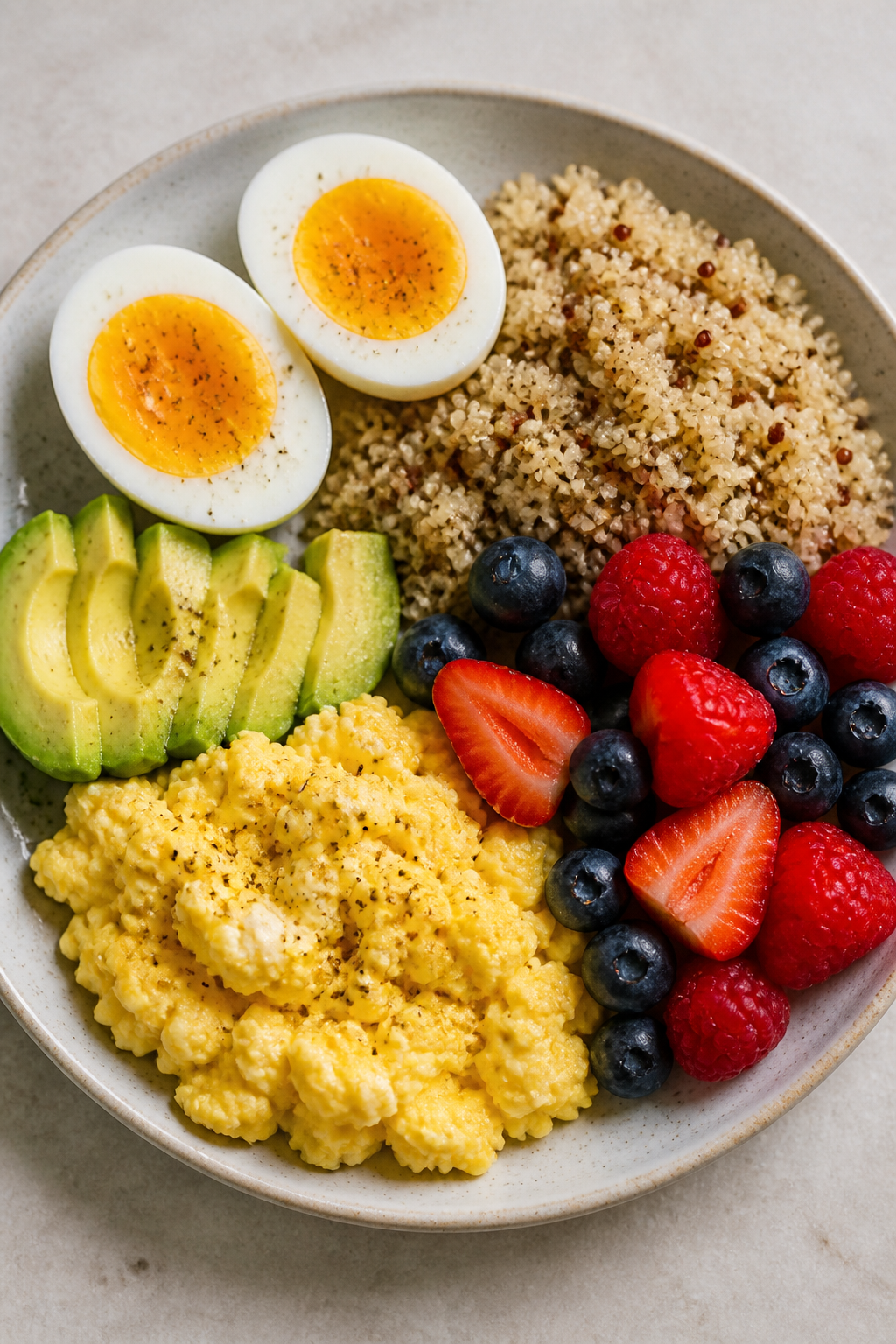
1) Egg-White Power Scramble with Veggies
Scramble a bunch of egg whites with spinach, peppers, and mushrooms. Add a sprinkle of feta for tang and a slice of whole-grain toast. Purpose: 30–35 grams of protein, a solid dose of fiber, and low grease.
2) Greek Yogurt Parfait with Berries and Granola
Layer Greek yogurt (20–25g protein per cup) with mixed berries and a crunchy granola. FYI, the nuts in the granola add healthy fats and extra protein. Quick, delicious, and portable for a rush-hour morning.
Lunches That Sustain Hardcore Training Sessions
Lunchtime should feel like your mid-day win. Lean proteins, smart carbs, and vibrant veggies keep you going till your next session.
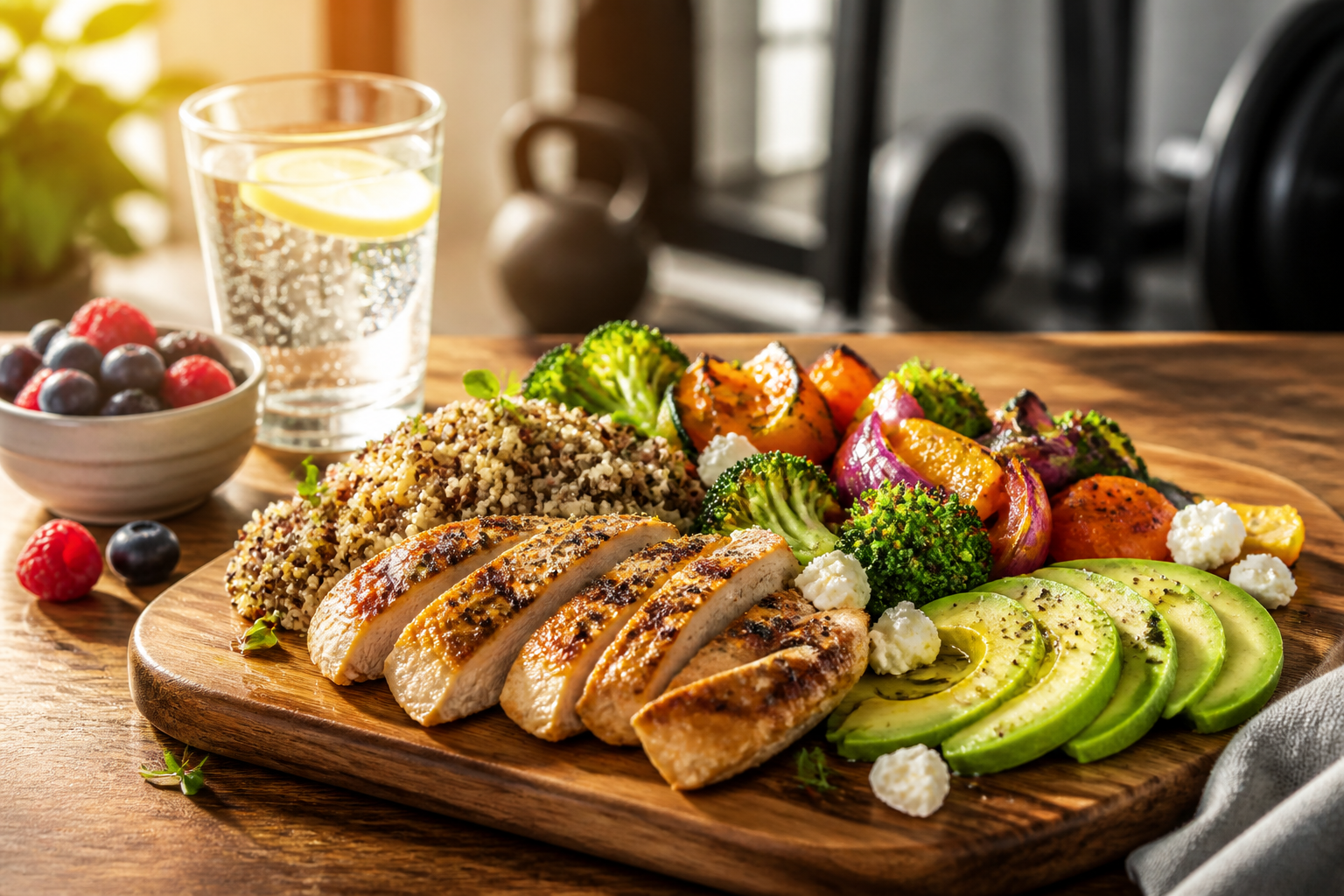
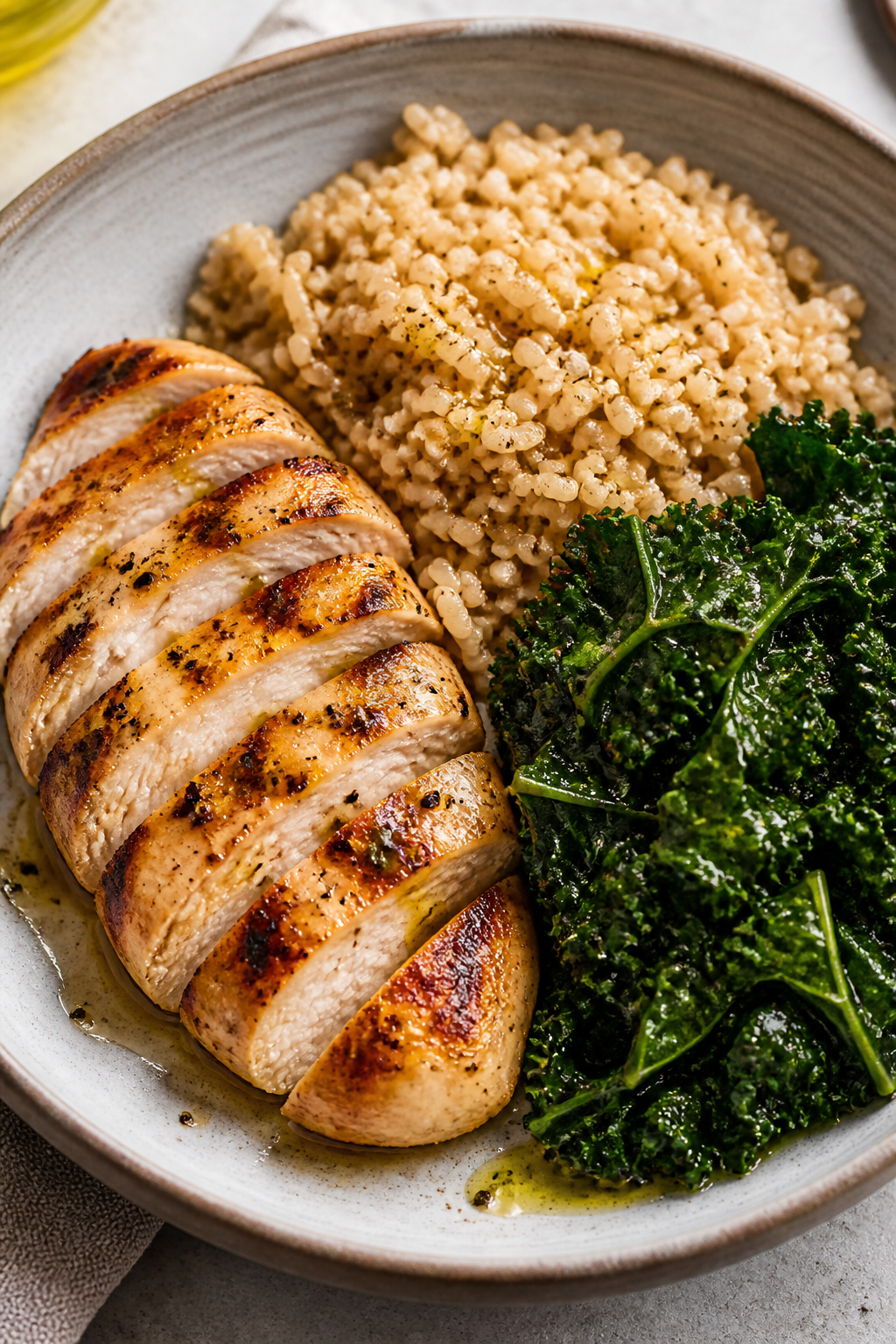
3) Chicken Quinoa Bowl with Roasted Veggies
Roast chicken breast, quinoa, and a rainbow of vegetables. Drizzle olive oil and lemon for zing. Protein hits 40+ grams, quinoa provides complete amino acids, and veggies supply fiber.
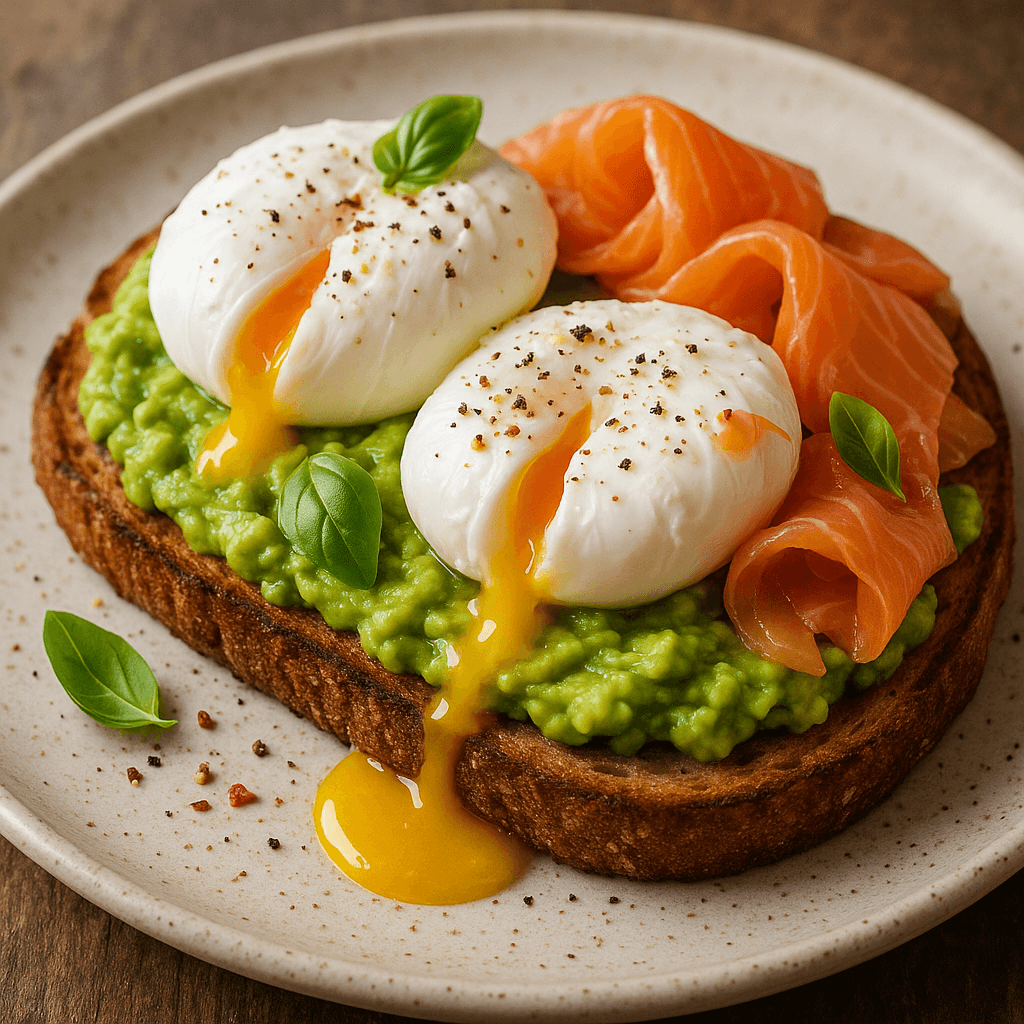
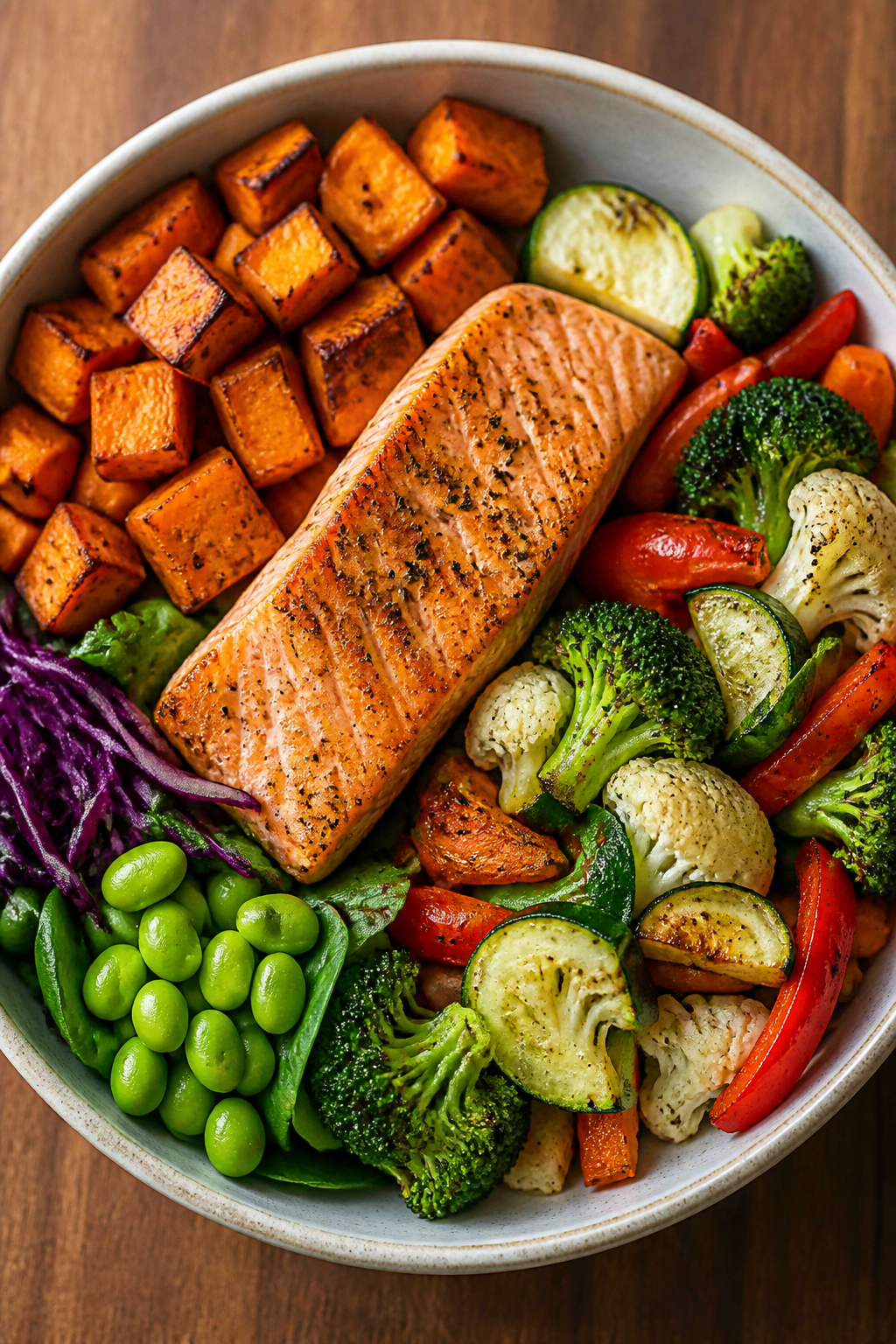
4) Salmon, Sweet Potato, and Greens Plate
Pan-sear salmon, bake a sweet potato, and toss in a kale salad. Salmon brings omega-3 fats that support recovery, while sweet potato refuels glycogen. Simple, satisfying, and premium-feeling.
Dinners That Repair and Replenish
Even if you train late, you still want a meal that fuels recovery overnight without weighing you down.
5) Lean Beef Stir-Fry with Brown Rice
Stir-fry lean beef strips with broccoli, snap peas, and carrots. Serve over brown rice. Tip: keep the sauce on the lighter side to avoid feeling bloated. Expect around 35–40g protein depending on beef portion.
For a plant-forward option, combine cooked lentils, cubed tofu, quinoa, and a sesame-ginger glaze. Fiber-rich lentils plus protein-packed tofu make a dynamic duo.
Post-Workout Snacks That Actually Help You Grow
You don’t need a stadium of snacks, but you do want options that hit protein fast.
7) Chocolate Peanut Butter Protein Shake
Blend whey or a plant-based protein with milk, ice, and a spoonful of peanut butter. A sweet treat that packs 25–35g protein and a quick hit of carbs.
8) Cottage Cheese and Pineapple Small Bowl
Cottage cheese serves up casein gently, ideal for a slow-protein effect overnight. Add pineapple for brightness and a spoonful of chia for texture.
Plant-Forward Power: Tips for Veggie Lovers
If you’re avoiding meat, you can still hit those protein targets without huffing and puffing.
9) Chickpea, Spinach, and Halloumi Skillet
Sear halloumi for savoriness, toss in chickpeas and spinach, finished with lemon zest. Expect a protein punch in the 25–30g range per serving, plus iron and calcium.
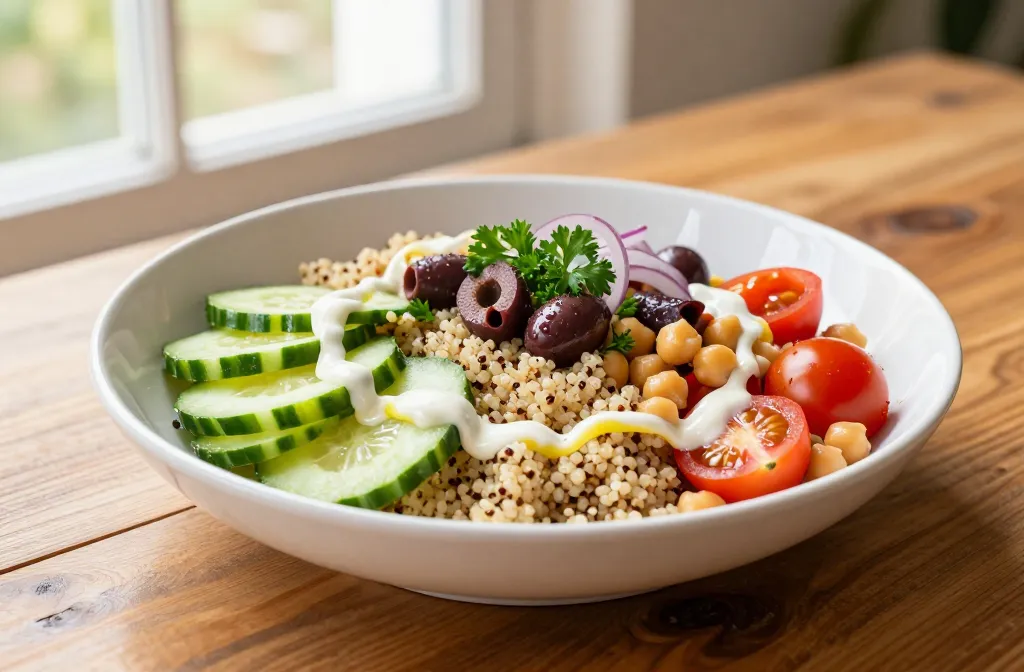
10) Black Bean and Avocado Salad with Quinoa
A zesty mix of black beans, avocado, quinoa, tomatoes, and corn. It’s colorful, filling, and protein-rich for a meatless day.
How to Build Your Own High-Protein Meal Plan
Creating a plan that sticks beats winging it every day. Here’s a simple framework.
Pair each protein with a starch and a veggie for balance.
Dial in portions to hit 25–40g protein per meal.
Prep in batches: grill a bunch of chicken, boil a pot of quinoa, roast a tray of veggies.
How to Time It Right
Post-workout, aim for a meal within 1–2 hours. If you train late, a solid snack right after can tide you over until dinner.
Micros That Make a Difference
Protein is king, but micronutrients are the loyal squad.
Iron supports oxygen transport for endurance workouts. Red meat, beans, spinach—your call.
Calcium and Vitamin D for bone health, critical when you’re lifting heavy. Think dairy or fortified alternatives, plus sunlight exposure.
Magnesium helps with sleep and muscle function. Nuts, seeds, and whole grains are tasty sources.
FAQ
What if I don’t like eggs or dairy?
There are plenty of non-dairy options that still bring protein to the table. Think Greek-style dairy-free yogurts, soy, pea protein, lentils, chickpeas, and fortified plant milks. Mix and match to hit your protein target.
How much protein do I really need per day for strength gains?
It depends on body weight and training intensity, but a common range is 1.6–2.2 grams per kilogram of body weight. If you’re active and chasing gains, aim for the higher end. FYI, spreading protein across 4–6 meals often works best for muscle synthesis.
Are protein powders necessary?
Not strictly. They’re convenient and reliable for topping up protein, especially around workouts. Whole foods offer other nutrients that shakes can miss. Use them if you like them; don’t rely on them as your sole protein source.
Can I eat vegetarian and still gain strength?
Absolutely. It takes a bit more planning, but plant-based meals can hit protein targets with lentils, beans, tofu, tempeh, seitan, quinoa, and soy-based products. Just ensure you’re getting complete amino acids across meals.
What’s a quick high-protein snack I can grab on the go?
A handful of almonds with a string cheese, a protein bar with minimal sugar, or a portable yogurt cup work well. If you’re veggie-forward, hummus with whole-grain crackers or a bean-based dip is tasty and filling.
Conclusion
Fueling for strength isn’t about eating like a bodybuilder on a strict diet. It’s about smart, tasty choices that fuel hard workouts and speedy recovery. Mix and match the meals above to build a routine that feels effortless, satisfying, and effective. Remember: consistency beats perfection, and your muscles will thank you for the consistent protein punch.
Disclosure: This post may contain affiliate links.
If you make a purchase through these links, I may earn
a small commission at no extra cost to you.
prab chahal
Hi, I’m Prabjot Chahal – the heart (and taste buds) behind this blog!
Food has always been my love language – from experimenting with family recipes to discovering unique flavors from around the world. I believe that cooking isn’t just about following a recipe, it’s about creating moments, sharing stories, and connecting with others over something delicious. Through this blog, I want to build a vibrant food community where we share more than just recipes – we share inspiration, tips, and the joy of making and enjoying good food together. Whether you’re here for quick weekday dinners, festive treats, or creative seasonal ideas, you’re part of this table. So grab a fork (or a whisk!) and let’s cook, bake, and share our love for food – one recipe at a time.