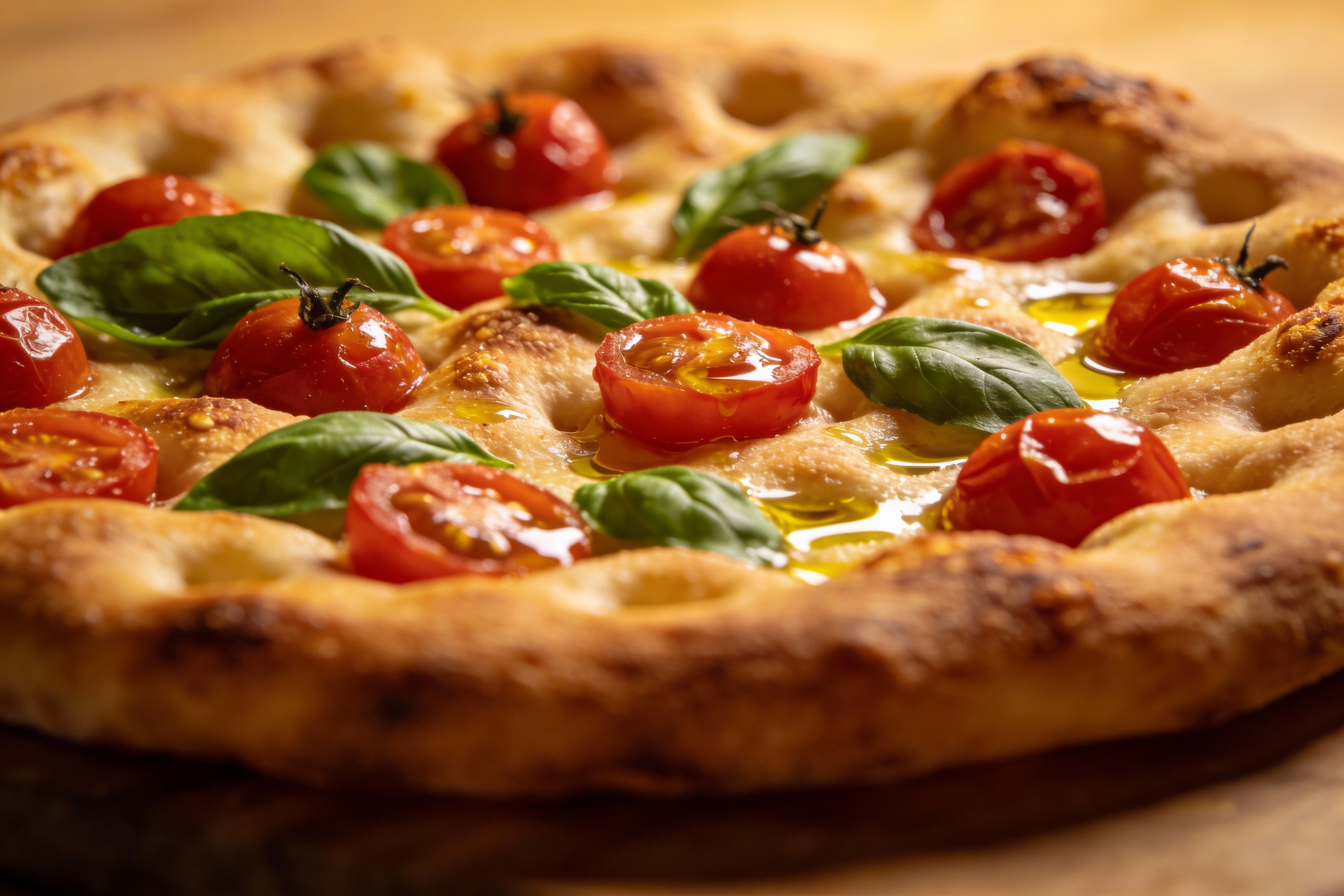
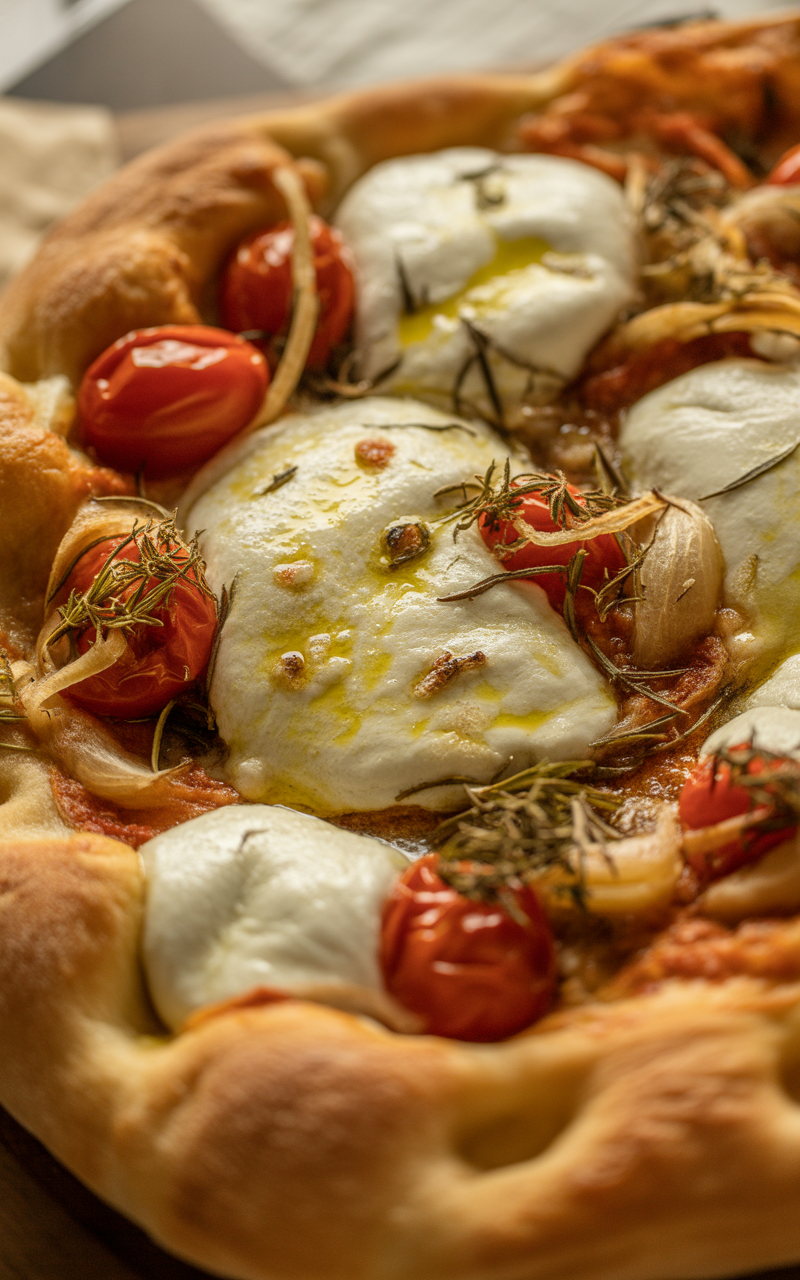
You want pizza with a thick, pillowy crust that crunches on the edges and soaks up olive oil like a sponge? Enter focaccia pizza. It tastes bakery-fancy but uses pantry ingredients and almost no technical drama. You’ll mix, you’ll wait, you’ll stretch, and you’ll eat too much. Worth it.
Why focaccia makes incredible pizza
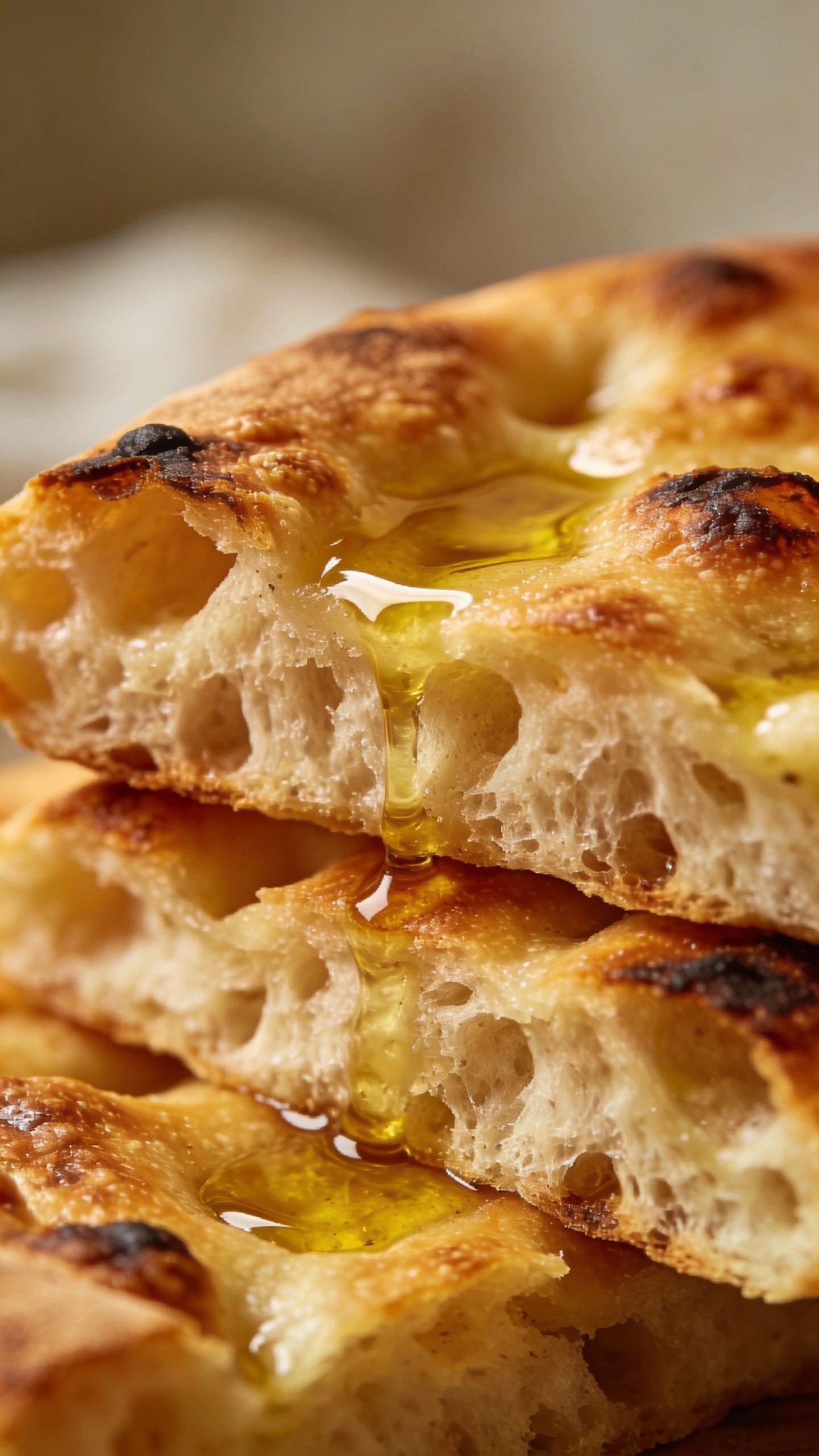
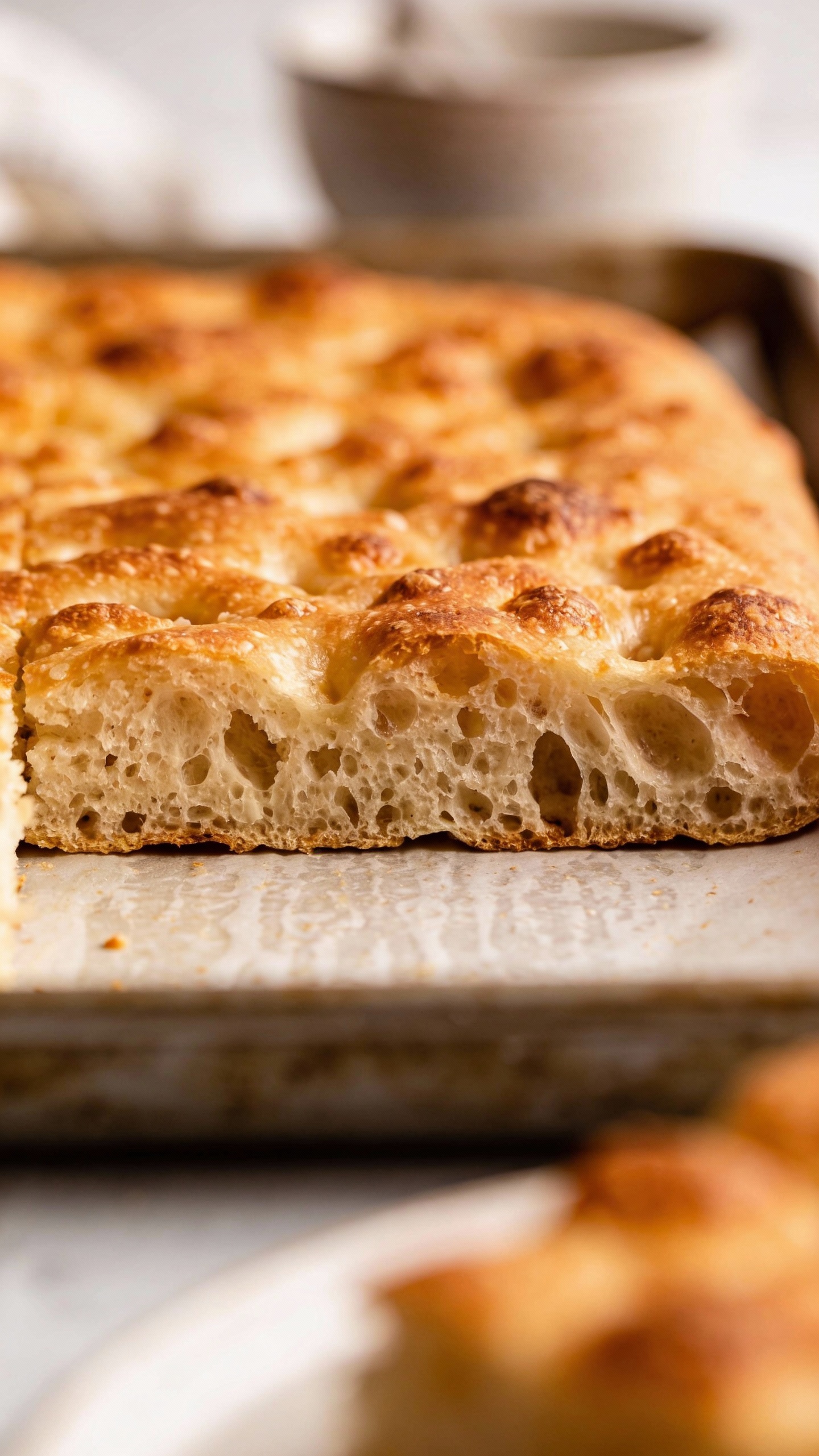
Focaccia gives you a thick, airy base with a gentle chew and a crisp, golden bottom. It basically acts like a built-in breadstick under your toppings. You get structure without toughness and flavor without fuss. Plus, the olive oil factor? Huge. Focaccia drinks up oil and bakes to a crunchy, frico-like edge that regular pizza dough can’t touch. And because the dough relaxes in a pan, you don’t need pizza stones or fancy peels. Just a sheet pan and good vibes.
Essential ingredients (keep it simple)
You only need a handful of staples. Don’t overthink it.
Flour: Bread flour gives more chew and height. All-purpose works fine if that’s what you’ve got.
Water: Warm-ish, around 95–105°F. Not hot, unless you like sad yeast.
Yeast: Instant or active dry. Both work. Instant mixes straight in.
Salt: Flavor booster. Don’t skimp.
Olive oil: Choose something tasty. You’ll use more than you think.
Sugar or honey: Optional, but helps yeast and browning.
Toppings: Crushed tomatoes, low-moisture mozzarella, Parm, and a couple flavor bombs like pepperoni, olives, or roasted veg.
Recommended ratios (for a 13×18 inch sheet pan)
500 g flour (about 4 cups)
400–425 g water (1 3/4 cups), aim for a 80–85% hydration dough
10 g salt (1 3/4 tsp)
6–8 g yeast (2–2 1/4 tsp active dry; 2 tsp instant)
10 g sugar or 1 tbsp honey (optional)
50–60 g olive oil total (3–4 tbsp) for dough and pan
FYI: Higher hydration means bigger bubbles. Messy dough equals great focaccia. Embrace the sticky.
Step-by-step: from bowl to bliss
You don’t need a stand mixer, though it makes life easier. Either way, this is low-effort and high-reward.
Mix: Combine flour, yeast, and salt in a bowl. Add water and sugar/honey. Stir until shaggy and fully hydrated. Add 1 tbsp olive oil and fold it in. The dough should feel loose and sticky. Perfect.
Rest and fold: Cover and rest 15 minutes. Do 2–3 rounds of stretch-and-fold every 15 minutes: wet your hand, grab the dough edge, stretch up and fold over. Rotate the bowl and repeat 4–6 times each round. You’ll see it smooth out and strengthen.
First rise: Oil the bowl lightly. Cover and let rise until doubled, 60–90 minutes at warm room temp. Or stash in the fridge for 12–24 hours for better flavor. IMO, an overnight cold rise tastes best.
Pan and proof: Generously oil a 13×18 pan (2–3 tbsp oil). Plop the dough into the pan and turn to coat. Gently stretch it toward the edges. If it springs back, chill. Let it relax 15 minutes, then stretch again. Cover and proof 45–60 minutes until puffy.
Dimple and top: Drizzle more oil. With oiled fingertips, dimple the dough all over—like you’re playing the world’s softest piano. Spoon on a light layer of sauce, scatter cheese, then toppings. Don’t overload or you’ll squish the rise.
Bake hot: 475–500°F, middle rack, 18–25 minutes. Rotate once. You want deep golden edges and bubbling cheese. If the top’s perfect but the bottom needs more color, finish 2–3 minutes on the lowest rack.
Finish and rest: Slide onto a rack, shower with grated Parm and fresh basil. Rest 5–10 minutes so the cheese sets. Slice squares. Try not to burn your mouth (you will anyway).
Choose-your-own-topping adventure
Make it your canvas, but keep balance in mind. Focaccia pizza shines when you let the crust do half the talking.
Classic pepperoni: Crushed tomatoes + low-moisture mozz + pepperoni cups + a drizzle of hot honey post-bake.
Margherita-ish: Light tomato + torn fresh mozz + basil after baking + olive oil. Keep it minimal.
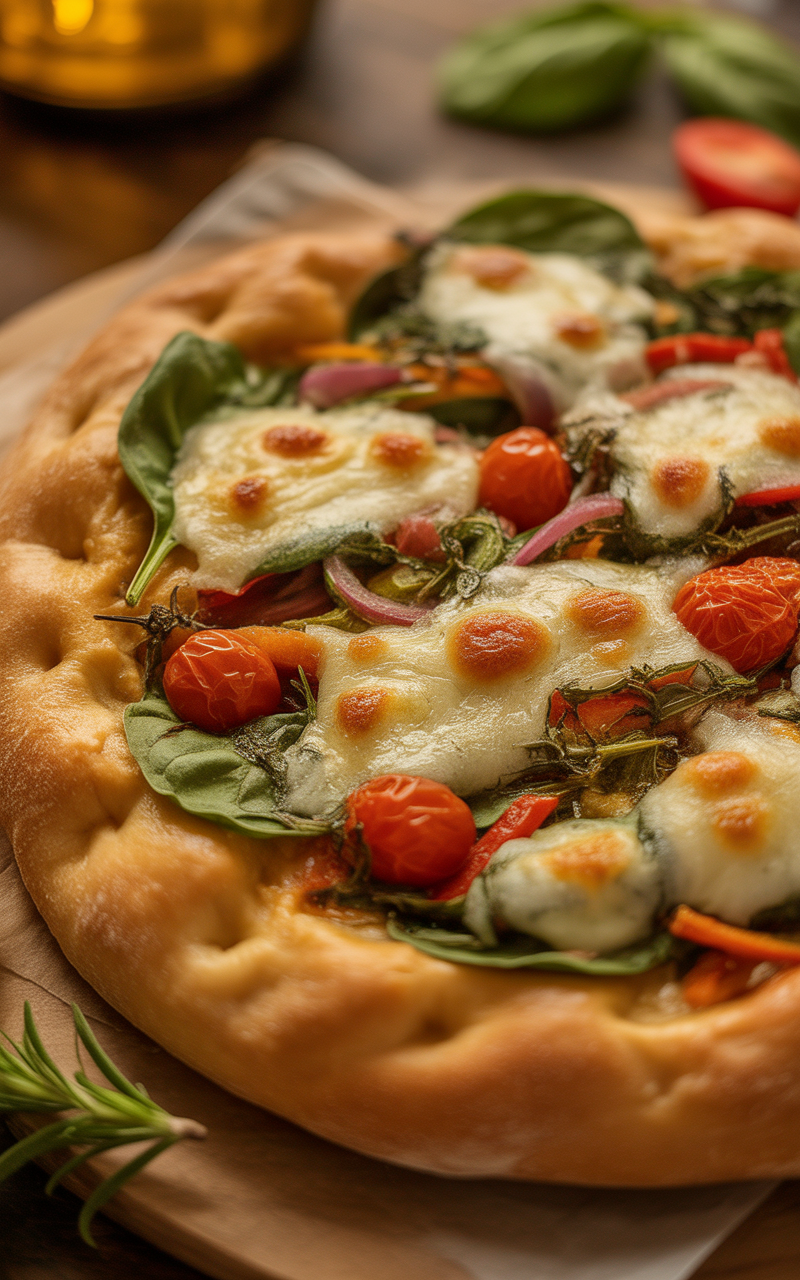
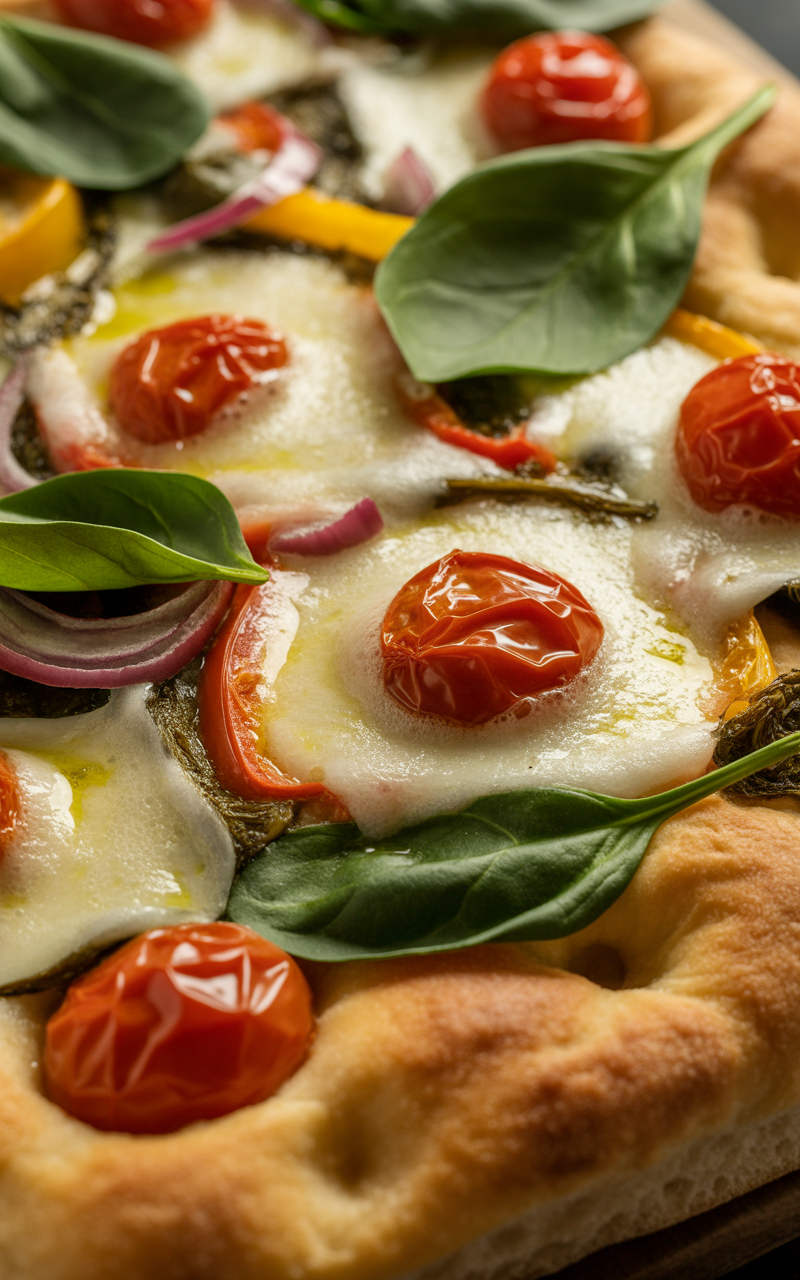
Veg-forward: Roasted mushrooms, caramelized onions, marinated artichokes, olives. Finish with arugula and lemon zest.
White pie: Garlic-olive oil base + dollops of ricotta + mozz + lemon zest + black pepper + thyme.
Spicy-salty: ‘Nduja or Calabrian chili paste + mozz + feta or provolone + pickled chilies.
Pro tips for toppings
Dry your mozz: Pat it or use low-moisture. Excess water equals soggy patches.
Precook watery veg: Zucchini, mushrooms, peppers—roast or sauté first.
Layer smart: Cheese first, then toppings, then a little cheese to glue everything together.
Texture secrets you’ll taste
You want big bubbles and crisp edges, right? Nail these details.
Hydration: Don’t drop below 75%. The wetter the dough, the lighter the crumb.
Oil the pan generously: That’s your fried bottom and crunchy rim.
Heat: Preheat fully. Hot oven equals rapid spring and fast browning.
Patience: Let the dough relax between stretches. Forcing it just deflates the rise.
Salt levels: Season the sauce and finish with flaky salt if your toppings run mild.
What if the bottom isn’t crisp?
Move the pan to the lower rack for the last 3–5 minutes, or preheat a second, empty sheet pan and set your pizza pan on top to jump-start bottom heat. You can even remove the pizza from the pan for 2 minutes directly on the rack to finish.
Shortcut vs. show-off: timing options
Different days, different energy. Both routes deliver.
Same-day, fast track: Use warm water, a full 2–2 1/4 tsp yeast, and proof in a slightly warm oven (off, light on). You’ll bake in about 3 hours start to finish.
Overnight “bakery flavor”: Cut the yeast to 1–1 1/2 tsp and cold-ferment 12–24 hours. The dough gets bubbly, complex, and easier to digest. IMO, it’s worth the wait.
Scaling up or down
Half-sheet pan (13×18): Use the full formula above.
Quarter-sheet (9×13): Halve the recipe.
Cast-iron (12-inch): Use about 60% of the dough. Killer crust.
Make-ahead, storage, and reheating
Plan ahead and eat well for days. Or hours. Let’s be honest.
Make-ahead dough: Keep it in the fridge up to 48 hours. Pan and proof the day you bake.
Leftovers: Cool completely, store in an airtight container in the fridge up to 3 days.
Reheat: 400°F oven or toaster oven for 6–8 minutes. Skillet with a lid works too. Microwave only if you like rubbery cheese (don’t).
Freeze: Freeze baked slices wrapped tight up to 2 months. Reheat straight from frozen at 425°F for 10–12 minutes.
FAQ
Can I use sourdough starter instead of yeast?
Absolutely. Use about 150 g active starter and reduce water slightly to maintain a similar dough feel. Expect a longer rise and proof, and deeper flavor. Keep the dough warm and watch for puff rather than the clock.
Why did my dough resist stretching to the corners?
It needs a timeout. High-hydration dough tightens after handling. Oil the top, cover, and rest 15–20 minutes, then try again. Two or three short rests usually get you to the edges without tearing.
Do I need to par-bake the crust?
Nope, not for most toppings. If you plan heavy sauce or super-wet veggies, you can par-bake 6–8 minutes after dimpling, then add toppings and finish. Otherwise, full bake in one go gives better oven spring.
What’s the best sauce for focaccia pizza?
Crushed, well-seasoned tomatoes with a pinch of salt, sugar, and oregano. Keep it light. You want a thin layer that kisses the crumb, not a soup. A garlic-oil base also slaps for white pies.
My bottom stuck to the pan. Help?
Use more oil next time and make sure your pan isn’t scratched to oblivion. If you have trouble, line with parchment and still oil generously. Let the pizza cool 2–3 minutes, then loosen with a thin spatula.
Can I make gluten-free focaccia pizza?
Yes, but use a solid 1:1 GF flour blend meant for yeast breads and bump the hydration a bit. Add 1 tsp xanthan gum if your blend lacks it. Expect less rise but still great flavor and texture.
Conclusion
Focaccia pizza hits the sweet spot between weeknight-easy and weekend-epic. Mix a wet dough, drown it in good olive oil, let it puff, and bake it hot. You’ll get a crust that crunches, a crumb that clouds, and a pan that empties fast. FYI: once you make it this way, regular pizza might feel a little… thin.
Disclosure: This post may contain affiliate links.
If you make a purchase through these links, I may earn
a small commission at no extra cost to you.
prab chahal
Hi, I’m Prabjot Chahal – the heart (and taste buds) behind this blog!
Food has always been my love language – from experimenting with family recipes to discovering unique flavors from around the world. I believe that cooking isn’t just about following a recipe, it’s about creating moments, sharing stories, and connecting with others over something delicious. Through this blog, I want to build a vibrant food community where we share more than just recipes – we share inspiration, tips, and the joy of making and enjoying good food together. Whether you’re here for quick weekday dinners, festive treats, or creative seasonal ideas, you’re part of this table. So grab a fork (or a whisk!) and let’s cook, bake, and share our love for food – one recipe at a time.