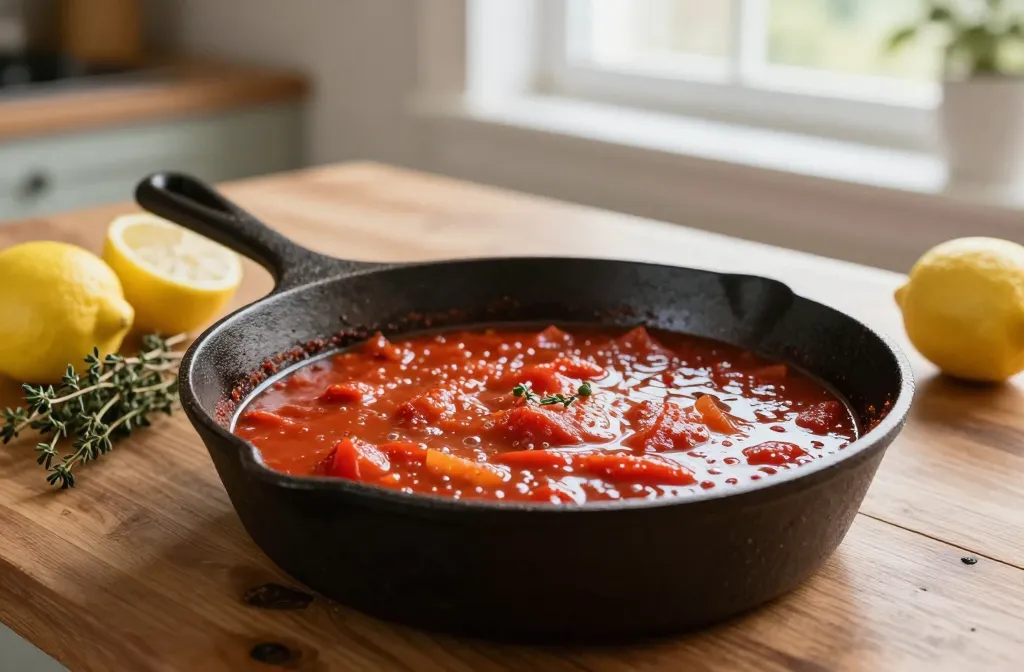
Is cast iron safe for acidic foods? Short answer: mostly yes, with a few caveats. If you’re worried about your sauce turning into a science experiment or your stew picking up battery vibes, you’re in the right kitchen chat. Let’s break down what happens when acid meets iron, and how to cook confidently without turning your pan into a chemistry lab.
What actually happens when acid meets cast iron?
– Cast iron is, well, iron with a thick seasoning. That seasoning is basically a polymerized layer of oil baked onto the surface.
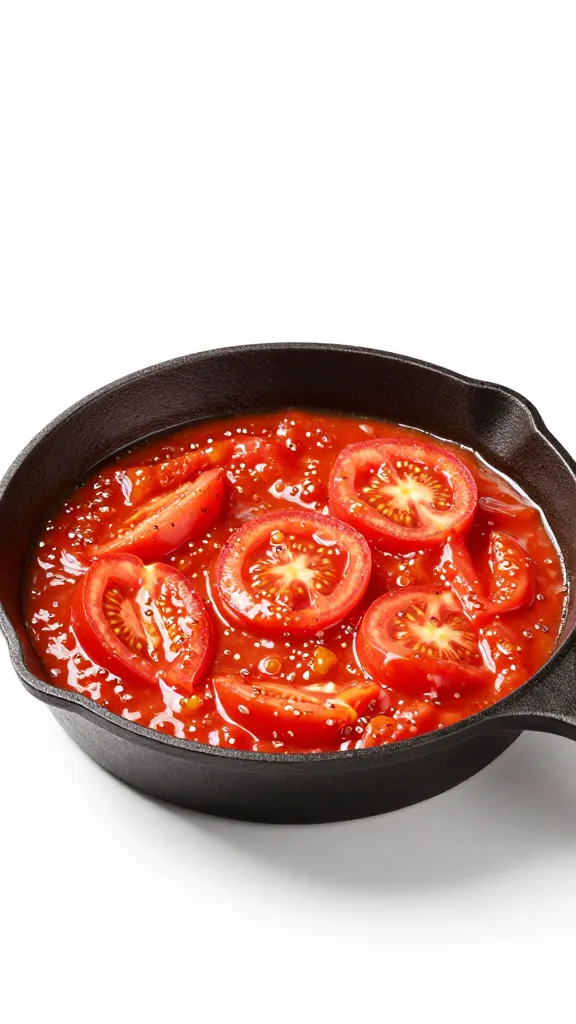
– When you cook acidic foods (tomato, citrus, vinegar-based sauces) in cast iron, tiny amounts of iron can migrate into the food. That’s not a health red flag—iron is a nutrient for most people.
– The real drama is flavor and seasoning. Acid can strip or dull the seasoning over time, especially if the pan is not well-seasoned or is heated too aggressively.
Is it safe for every acidic dish?
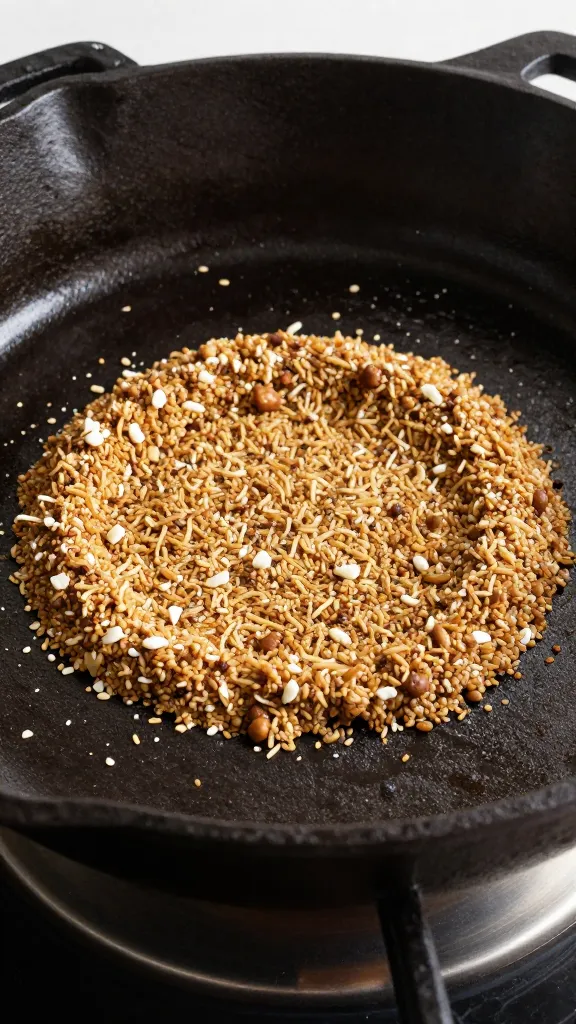
– For most recipes, yes. Tomato sauces, lemony chicken, or apple cider braises work just fine.
– If your pan is severely rusted, damaged, or badly pitted, you’re asking for trouble. Acid can accelerate seasoning loss and expose bare metal, which isn’t ideal.
– FYI, if you’re cooking haute cuisine with ultra-low and ultra-high acidity levels for hours, you might want to switch to enameled cast iron or stainless steel for peace of mind.
How much iron are we actually talking about?
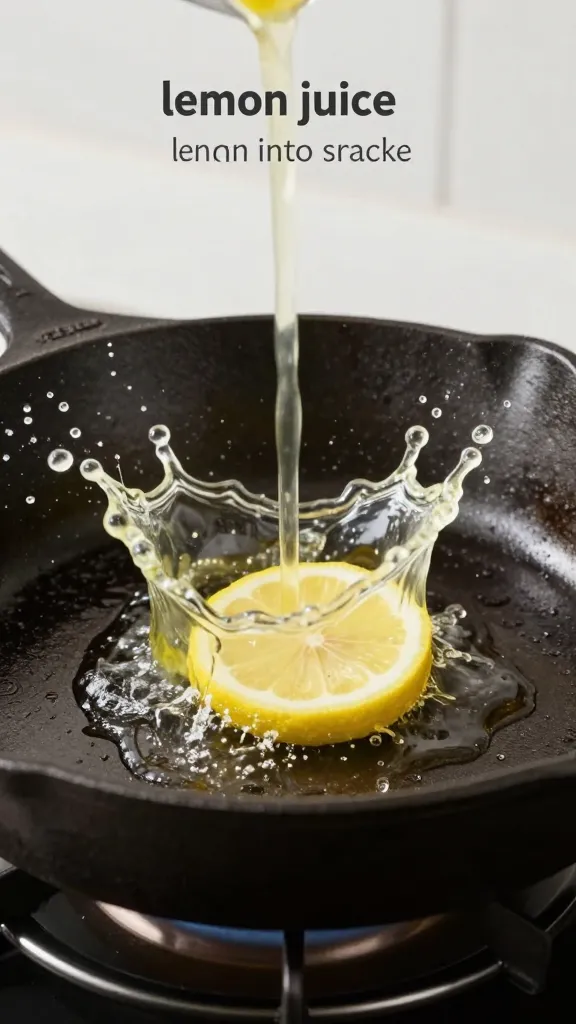
Don’t sweat a tiny two-second simmer. Iron migration is usually modest and often beneficial for folks who crave a little extra iron in their diet. If you’re taking iron supplements or have hemochromatosis concerns, chat with your doc, but mainstream cooking won’t poison you.
Seasoning, acid, and the delicate balance
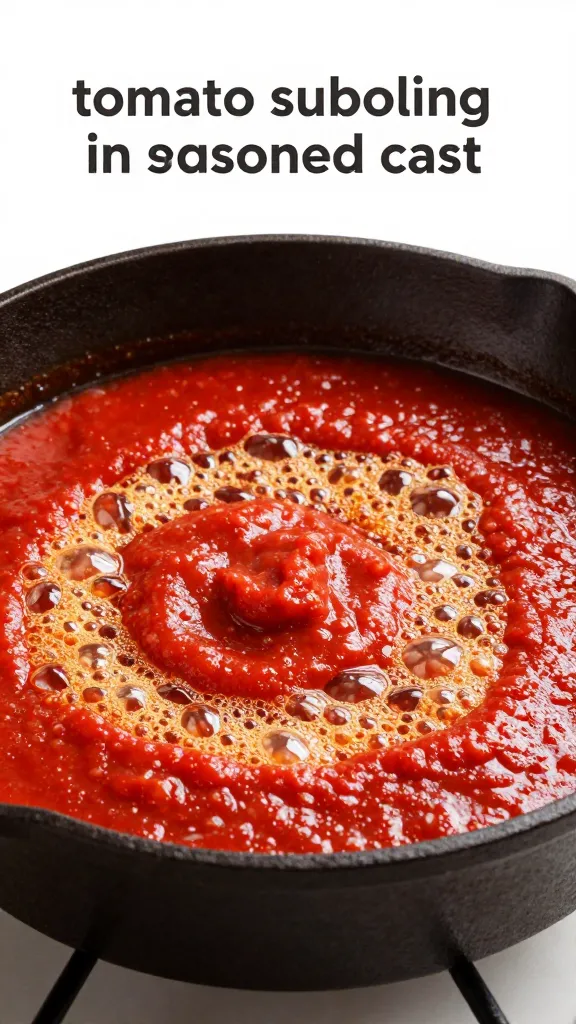
Acid can slowly strip seasoning. Here’s how to keep things tasty and intact:
- Keep the seasoning layer robust. A well-pathed, well-oiled surface resists acid better.
- Avoid long, aggressive simmering of very acidic foods in a new pan. Let the pan build up its seasoning first.
- Don’t scrub with steel wool after cooking acidic dishes. Gentle washing helps preserve the patina.
Best practices for cooking acidic foods in cast iron
Want to keep your cast iron happy and your meals flavorful? Try these tips.
Related Posts:





- Use a well-seasoned pan. If you’re unsure, reseason and test with low-acid simmering first.
- Heat management matters. Start with medium heat, then adjust. High heat can scorch oil and lift seasoning faster.
- Limit time in the pan. If you’re making a long tomato sauce, consider finishing in the oven or transferring to a non-reactive pan for long simmering.
- Wash wisely. Rinse with warm water, scrub lightly, and dry promptly to prevent rust.
- Oil after washing. A light coat helps maintain the patina and fend off acid attack.
Common kitchen scenarios: how it plays out
Let’s walk through a few everyday situations and how to handle them without freaking out your pan.
Tomato sauce on a well-seasoned pan
Usually fine. If your sauce simmers for an hour, you’re fine. If you notice dulling or sticking, reseason after washing and dry thoroughly.
Lemon-butter chicken in cast iron
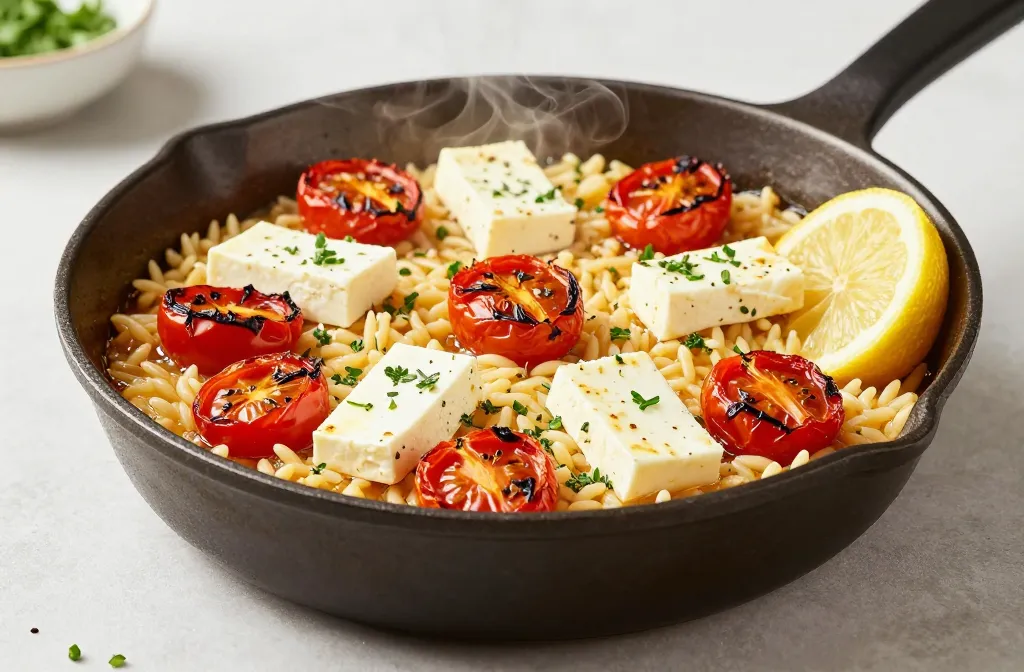
Delicious. Don’t panic if you see a bit of color change on the surface. It’s just the seasoning negotiating with acid. Wipe, dry, re-oil, and you’re good to go.
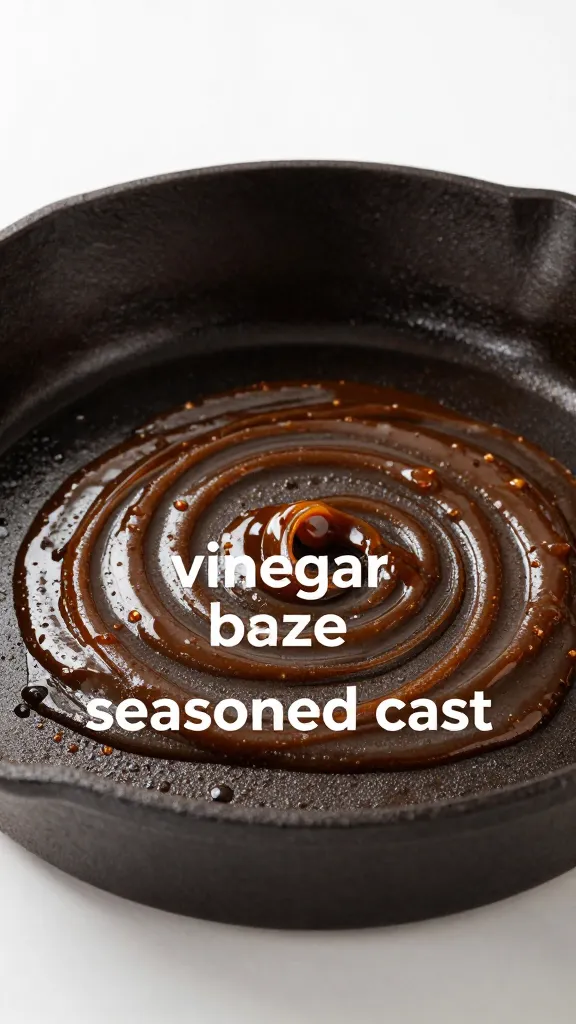
Vinegar-based glaze
Nice tang, but rinse and wipe promptly after cooking. Long soaks of vinegar can dull the finish over time if you neglect maintenance.
Pro tips for long-term love
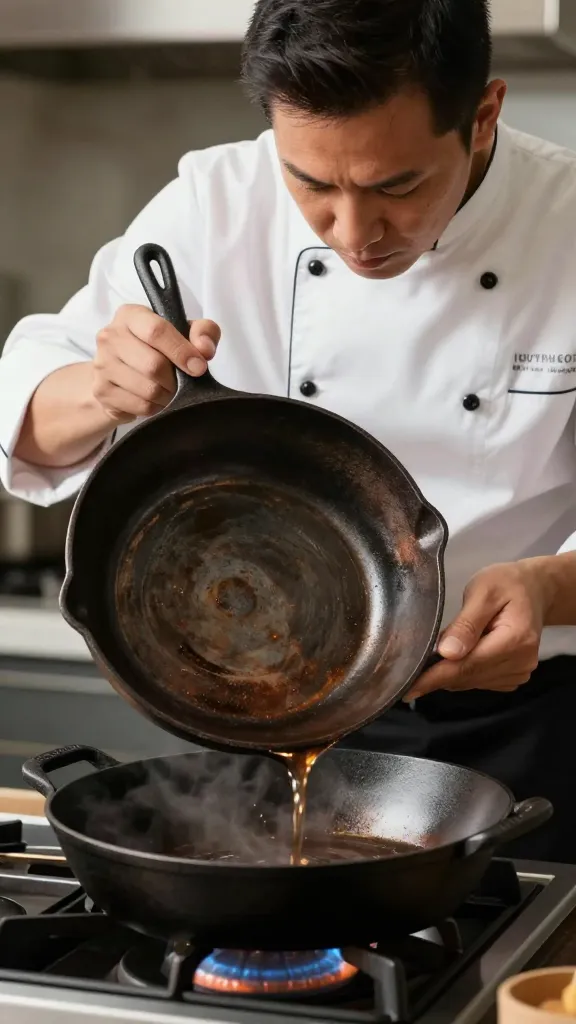
- Pro tip: Build a thick seasoning by cooking small amounts of oil at high heat after each use. It’s like armor for your pan.
- Pro tip: Don’t soak a hot cast iron pan in water. Let it cool first, then wash. Sudden temperature shifts can crack enamel if you have it, or warp plain cast iron.
- Pro tip: If you notice rust, scrub gently with a non-metal brush, rinse, dry, then reseason. Rust is a signal to pause and refresh your patina.
Common mistakes
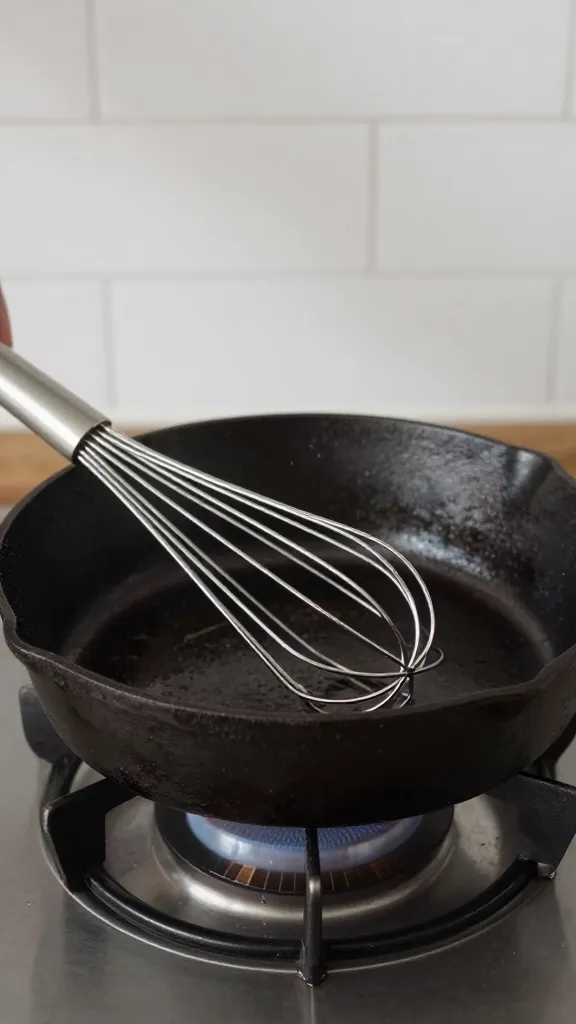
- Cooking acidic foods in a rusty or poorly seasoned pan. Not ideal, friend.
- Scrubbing seasoning off with harsh abrasives. Stop that. You’re dulling your armor.
- Leaving moisture on the surface after washing. Dry thoroughly, then oil.
Variations

Different flavors, same pan. Here are a few variations you can try, with minimal panic about the surface.
- Use enamel-coated cast iron for ultra-acidic recipes if you want zero seasoning risk.
- Stick to stainless steel for very long simmering acidic sauces and dairy-heavy preparations if you’re worried about iron pickup.
- Consider a well-seasoned skillet for everyday cooking, and reserve a separate pan for ultra-acidic or long-cook jobs.
Comparison blocks
Seeing the landscape helps decide when to swap gear.
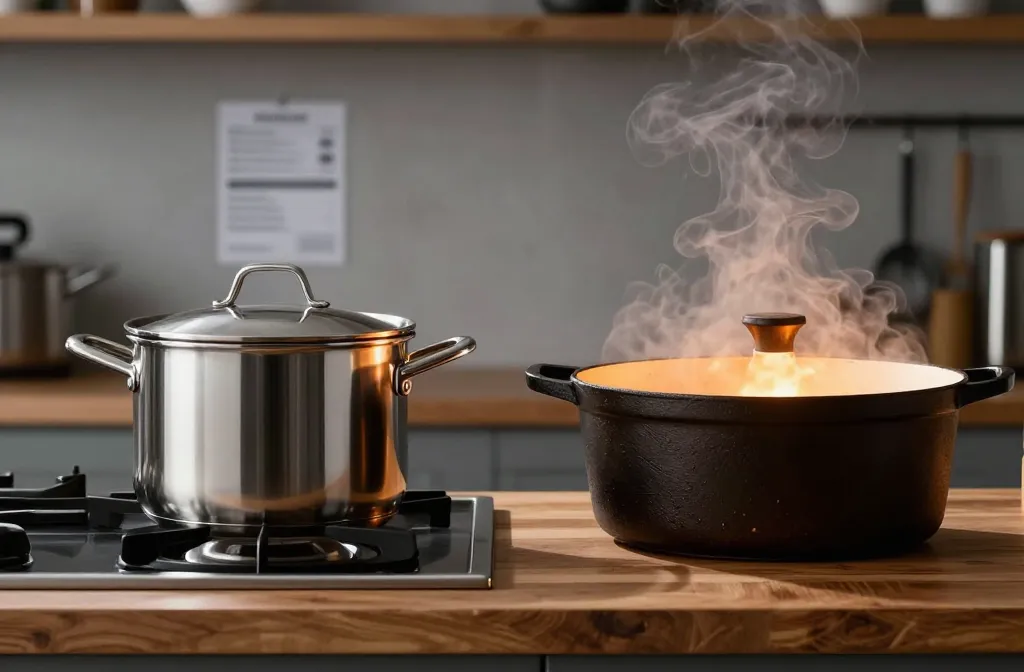
- Unenameled cast iron – Great heat retention, requires maintenance. Acid can wear seasoning faster; watch longer simmer times.
- Enameled cast iron – No seasoning worries, non-reactive surface. Ideal for tomatoes and citrus, but heavier and pricier.
- Stainless steel – No iron transfer risk, ultra-clean non-reactive surface. Lacks the dramatic fond of cast iron but is forgiving with acids.
FAQ
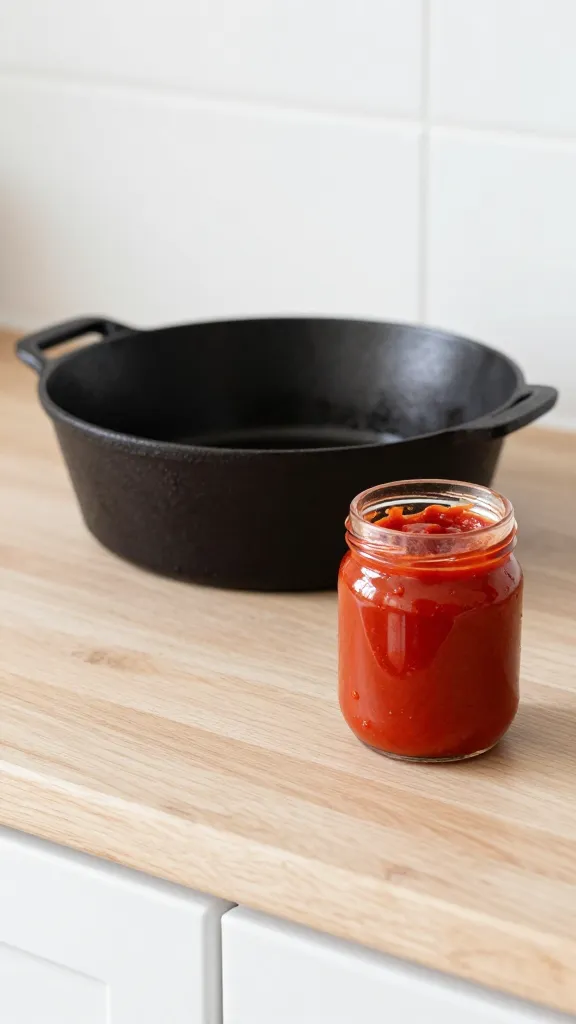
Is it safe to cook tomato sauce in cast iron? Yes. It’s not just safe; it’s a common practice. Just keep an eye on your seasoning and don’t boil the surface away.
Will my pan rust if I cook acidic foods? Not typically, as long as you dry it well and oil after use. If you see rust, fix it ASAP and reseason.
Does acid affect flavor? Sometimes. Acid can intensify iron flavor if the seasoning is worn. Most people don’t notice, but if you’re picky, reseason and start with a well-seasoned surface.
Tips for best results, ingredient swaps
- Ingredients swap: If you’re worried about iron flavor, add a small pat of butter or a splash of olive oil at the end to mellow notes.
- Cooking tip: Deglaze with wine or broth after browning meat to protect the seasoning and add depth without slapping the pan with harsh acids all at once.
- Storage tip: Store in a dry place. Moisture invites rust, especially after using acidic dishes.
Conclusion
Cast iron is surprisingly forgiving with acidic foods. You’ll get nice flavor, a touch of iron transfer, and a seasoning that gets better with use. Just don’t neglect maintenance: build a solid patina, dry after washing, oil lightly, and you’ll enjoy many happy meals without drama. If you’re ever unsure, FYI, enamel-coated options exist for a no-fuss alternative. Happy cooking!