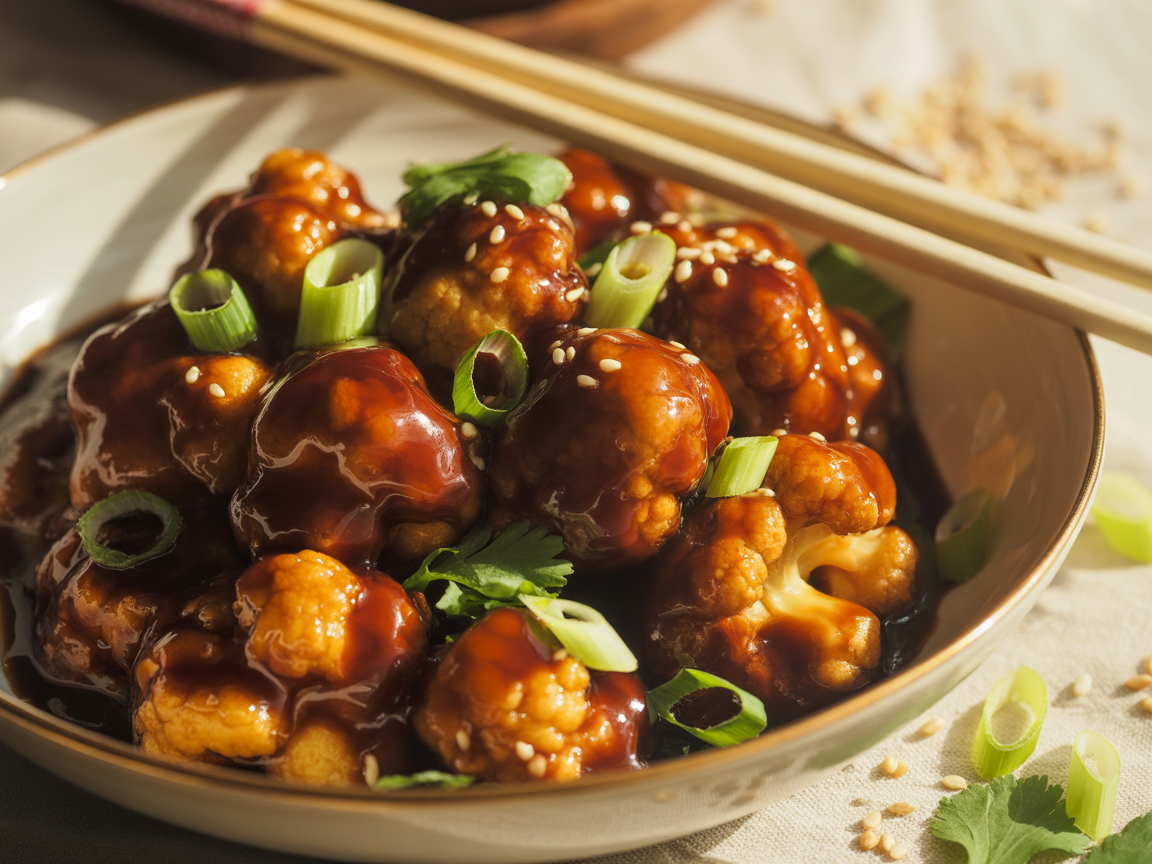
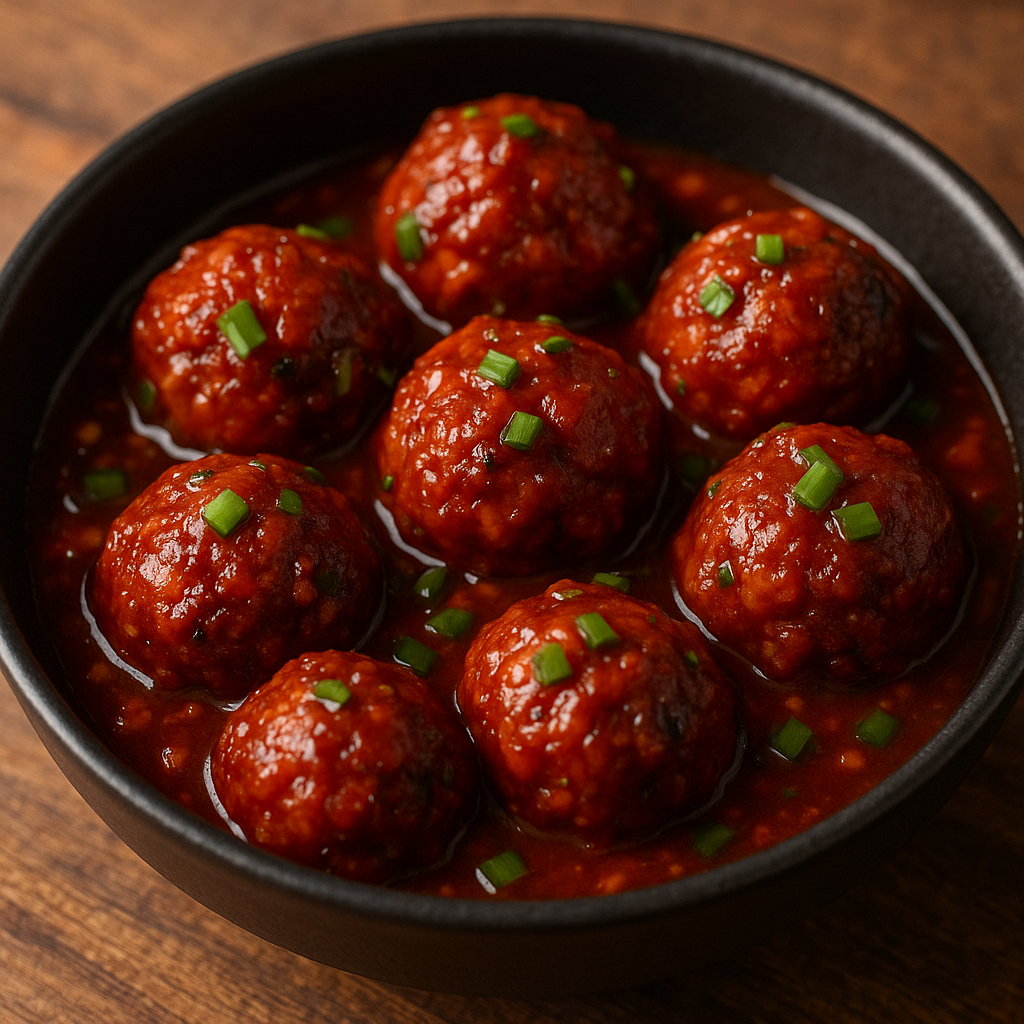
Spice up your meals with homemade Indo-Chinese Manchurian! Whether you love crispy vegetable balls or tender chicken balls, this recipe teaches you how to make them in a flavorful garlic-soy gravy. Perfect with fried rice, noodles, or as a snack, our step-by-step guide makes it easy to enjoy restaurant-style Manchurian right at home.
Manchurian is one of the most popular Indo-Chinese recipes. People all throughout India and around the world adore it. It combines Indian flavours with Chinese cooking methods to provide a dish that is robust, spicy, and filling.
Manchurian is basically deep-fried balls of beef or veggies that can be served dry as an appetiser or with gravy as a main dish. The sauce is thick, spicy, and sour, and it usually has soy sauce, garlic, ginger, and green chillies in it.
This dish isn’t really Chinese; it’s an Indian version of Chinese flavours. That’s why it’s so popular at Indo-Chinese restaurants. This dish is great for people who like strong flavours and a blend of crunchy and saucy delights, whether it’s veggie Manchurian, chicken Manchurian, or the always-popular gobi Manchurian.
Where Indo-Chinese Manchurian Comes From
Manchurian came from the Indian-Chinese community in Kolkata, especially chef Nelson Wang in the 1970s. Wang added soy sauce, garlic, and ginger to his Indian-style cooking when he was told to make something else. It quickly became known as Manchurian.
It’s interesting that the name “Manchurian” doesn’t come from the Chinese province of Manchuria. Instead, it was given a creative name that made it sound Chinese and taste good to Indians. People love Manchurian, a typical Indo-Chinese comfort food, at street vendors, fancy restaurants, and at home.
Important Parts of Indo-Chinese Manchurian
Manchurian is beautiful because it can be used in many ways. You can use veggies, chicken, paneer, or even cauliflower to prepare it. But there are some things that are always in Indo-Chinese food, no matter whatever version you sample.
Soy sauce, vinegar, chilli sauce, garlic, ginger, onions, and green chillies are common ingredients in the gravy or sauce. The gravy gets thicker with cornflour, and the Manchurian balls stick together with it. The sauce is made thicker for the dry version and maintained saucier for the gravy version.
2–3 spring onionsfinely chopped, greens + whites separated
2–3 garlic clovesminced
1–2 green chiliesfinely chopped, optional
2tablespoonsall-purpose flourmaida
2tablespoonscornflourcornstarch
Salt to taste
Black pepper to taste
Oil for deep frying
Ingredients for Manchurian Gravy
2tablespoonsoil
1tablespoonfinely chopped garlic
1tablespoonfinely chopped ginger
2–3 green chiliesslit or chopped, adjust spice level
¼cupfinely chopped onion
¼cupfinely chopped capsicumbell pepper
2–3 tablespoons soy sauce
1tablespoontomato ketchup
1tablespoonchili sauceadjust spice level
1teaspoonvinegar
1tablespooncornflour mixed with 3 tablespoons waterslurry for thickening
1 ½cupswater or vegetable stock
Salt to taste
Black pepper to taste
Spring onion greens for garnish
Method
Step 1: Prepare the vegetables
Finely chop or grate 1 cup of cabbage, 1/2 cup of carrot, and 1/2 cup of capsicum.
Cut off the white parts of 2–3 spring onions and set the green parts aside to use as a garnish.
Put the chopped vegetables in a big bowl, sprinkle them with a little salt, toss them, and let them sit for 5 to 7 minutes. This will help them dry out.
Step 2: Get rid of the extra water
After 5 to 7 minutes, put the vegetables in a clean towel or muslin and squeeze out as much water as you can.
Taking out moisture helps the balls stay together and stay crunchy.
Step 3: Mix the Manchurian
Put the vegetables that have been pressed into a bowl. Add 2 tablespoons of all-purpose flour, 2 tablespoons of cornflour, 1 to 2 finely chopped green chillies (if you want), salt, and pepper.
Mix well. Press on a small amount to see if it stays together. If the dough is too loose, add ½ tsp of flour at a time until it sticks together.
Step 4: Shape the balls
Take small pieces (about the size of a walnut) and roll them into tight balls. Press down hard so they don’t break apart while cooking. Set them on a tray.
Step 5: Fry the balls.
Put oil in a deep pan and heat it to medium-high (about 175–190°C / 350–375°F).
Put a small piece of bread in the water to see if it works. It should make a sizzle sound and slowly rise.
Fry the balls in small groups until they are golden brown and crispy. This should take about 3 to 5 minutes for each group.
Use a slotted spoon to take it out and let it drain on paper towels. Keep warm
Tip: If you want less oil, cook them in a small pan over medium heat or air-fry them at 200°C for 12–15 minutes, turning them halfway through, until they are brown.
Step 6: Prepare the base for the gravy
Put 2 tablespoons of oil in another pan and heat it over medium heat.
Add 1 tablespoon of minced ginger and 1 tablespoon of minced garlic.
Cook for 30 to 45 seconds, or until the smell is strong.
Put in 2–3 chopped green chillies, ¼ cup chopped onion, and ¼ cup chopped capsicum.
Stir-fry for one to two minutes, making sure the veggies stay crisp.
Step 7: Make the sauce
Add 1 tablespoon of chilli sauce, 1 tablespoon of tomato ketchup, and 1 tablespoon of soy sauce. Stir and heat for 30 to 45 seconds.
Bring to a medium boil after adding 1 to 1½ cups of vegetable stock or water.
Taste it and add salt and pepper as needed. Be careful with soy sauce because it makes everything salty.
Step 8: Thicken the gravy
Stir the cornflour slurry again (it settles) and slowly add it to the sauce that is already boiling.
Keep stirring the sauce as you add the cornflour. For 1 to 2 minutes, or until the sauce is shiny and sticks to the back of a spoon, cook it.
If it gets too thick, add some water and cook it again.
Step 9: Put the gravy on the balls and mix them.
Carefully add the fried Manchurian balls to the hot gravy and stir them around so that they are all covered. Heat for one to two minutes so the balls soak up some flavour but stay a little crunchy.
Add the chopped spring onion greens after turning off the heat. Toss it a little.
Video
What are the different types of Manchurian?
There are now many different kinds of Manchurian, so it can be eaten by both vegetarians and non-vegetarians. Each version has its own charm.
How to Make Chicken Manchurian
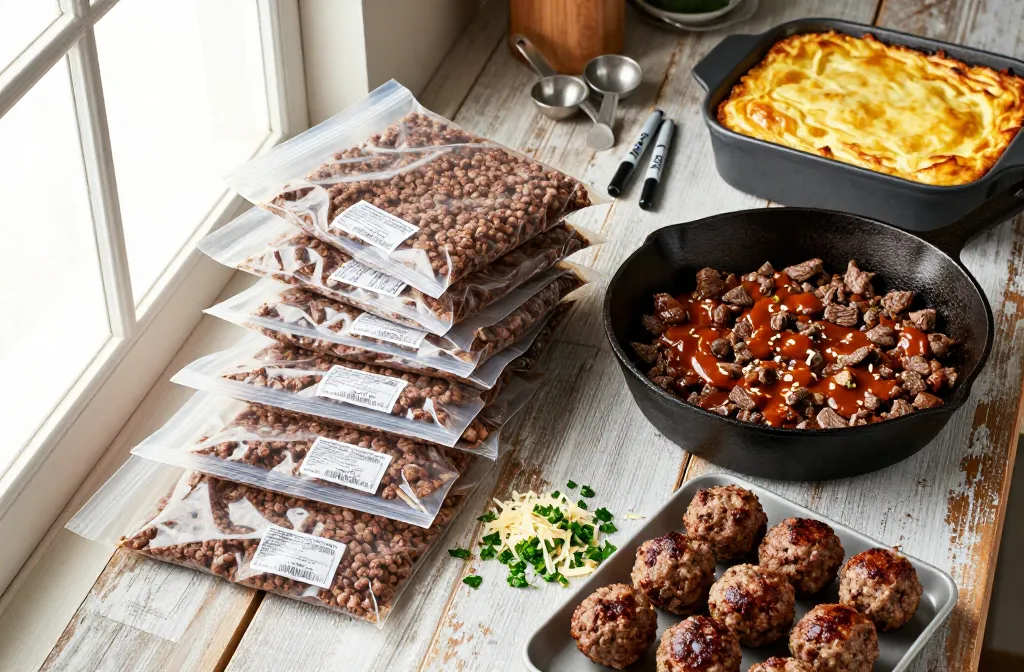
People who love meat enjoy Chicken Manchurian. You mix minced chicken with spices and cornflour, roll it into balls, and fry them until they are soft. After that, they are cooked in the same Indo-Chinese gravy. The outcome is juicy chicken balls covered in a spicy, acidic sauce that goes well with noodles or steaming rice.
Manchurian Gobi (Cauliflower)
Some people say that Gobi Manchurian is the most popular street food variation. You dip cauliflower florets in a spicy cornflour batter, fry them until they are crispy, and then cover them in a dry or semi-dry sauce. The dry form is a great appetiser, while the gravy style combines well with fried rice.
Manchurian’s Health Benefits
People normally think of Manchurian as a restaurant or street food treat, but you can make it healthy at home by limiting the oil and ingredients you use.
Vegetable Manchurian’s Nutritional Value
Vegetable Manchurian is good for you because the vegetables have fiber, vitamins, and minerals in them. When you pan-fry it instead of deep-frying it, it gets lighter. Ginger and garlic in the gravy also help with inflammation. You shouldn’t use the sauces too often, though, because they might have too much salt. This meal can be good for you if you use low-sodium soy sauce and add more fresh vegetables.
Making Manchurian: Common Mistakes
Many people who are cooking Manchurian for the first time run into the same problems. Adding too much flour to the vegetable mix is the most common mistake. This makes the balls doughy instead of crisp. Another problem is frying at the improper temperature. If the oil isn’t hot enough, the balls soak up too much oil and go mushy.
If you add too much cornflour to the gravy, it can get thick instead of silky. Not tasting and altering the sauces might sometimes make them too salty or bland.
How to Make the Best Indo-Chinese Manchurian Dish
Keep these ideas in mind to make Manchurian like you would at a restaurant:
Chop the vegetables very small so the balls stay together.
For the best crunch, fry the balls over medium-high heat.
Make sure your sauces are in balance. Soy, chilli, and vinegar should work together, not against each other.
Instead of deep frying, try air frying or shallow frying the balls for a healthier option.
Serve right away so the balls stay crunchy in the gravy.
Manchurian with Sides
Manchurian goes great with other Indo-Chinese dishes. The best way to eat it is with fried rice or hakka noodles since the gravy sticks to the rice or noodles so well. You can serve it with steamed rice for a lighter meal. You can also serve dry Manchurian as an appetiser with spring rolls or chilli paneer.
A dish of gobi Manchurian with schezwan sauce is sure to impress everyone at a party. Manchurian can be the main dish of any Indo-Chinese supper because it has strong flavours.
FAQ Indo-Chinese Manchurian
1. Is Manchurian a cuisine that came from China?
No, Manchurian is not Chinese. It was made in India as part of Indo-Chinese cuisine, which mixes Indian spices and flavours with Chinese culinary methods like stir-frying.
2. What is the difference between dry Manchurian and Manchurian with gravy?
Gravy Manchurian is served with a rich, tangy sauce that goes well with fried rice or noodles. Dry Manchurian, on the other hand, is served with very little sauce, so it’s more like a snack or appetiser.
3. Is it possible to make Manchurian without frying it?
You can bake or air-fry the Manchurian balls instead of deep-frying them. It will feel a little different, but it’s a better choice for your health.
4. What goes well with Manchurian?
Fried rice, Hakka noodles, or plain steamed rice are the most popular sides. They are the perfect complement to the thick Manchurian sauce.
5. Is it possible to make Manchurian without gluten?
Yes, for sure. Use rice flour or cornflour instead of all-purpose flour, and gluten-free soy sauce for the gravy. It will still taste great.
6: How can I keep Manchurian balls from getting soggy in gravy?
Always add the fried Manchurian balls to the hot gravy just before serving. They lose their crispiness if they sit for too long and soak up the sauce.
Want just the essential recipe details without scrolling through the article? Get our printable recipe card with just the ingredients and instructions.
Disclosure: This post may contain affiliate links.
If you make a purchase through these links, I may earn
a small commission at no extra cost to you.
prab chahal
Hi, I’m Prabjot Chahal – the heart (and taste buds) behind this blog!
Food has always been my love language – from experimenting with family recipes to discovering unique flavors from around the world. I believe that cooking isn’t just about following a recipe, it’s about creating moments, sharing stories, and connecting with others over something delicious. Through this blog, I want to build a vibrant food community where we share more than just recipes – we share inspiration, tips, and the joy of making and enjoying good food together. Whether you’re here for quick weekday dinners, festive treats, or creative seasonal ideas, you’re part of this table. So grab a fork (or a whisk!) and let’s cook, bake, and share our love for food – one recipe at a time.