Table of Contents
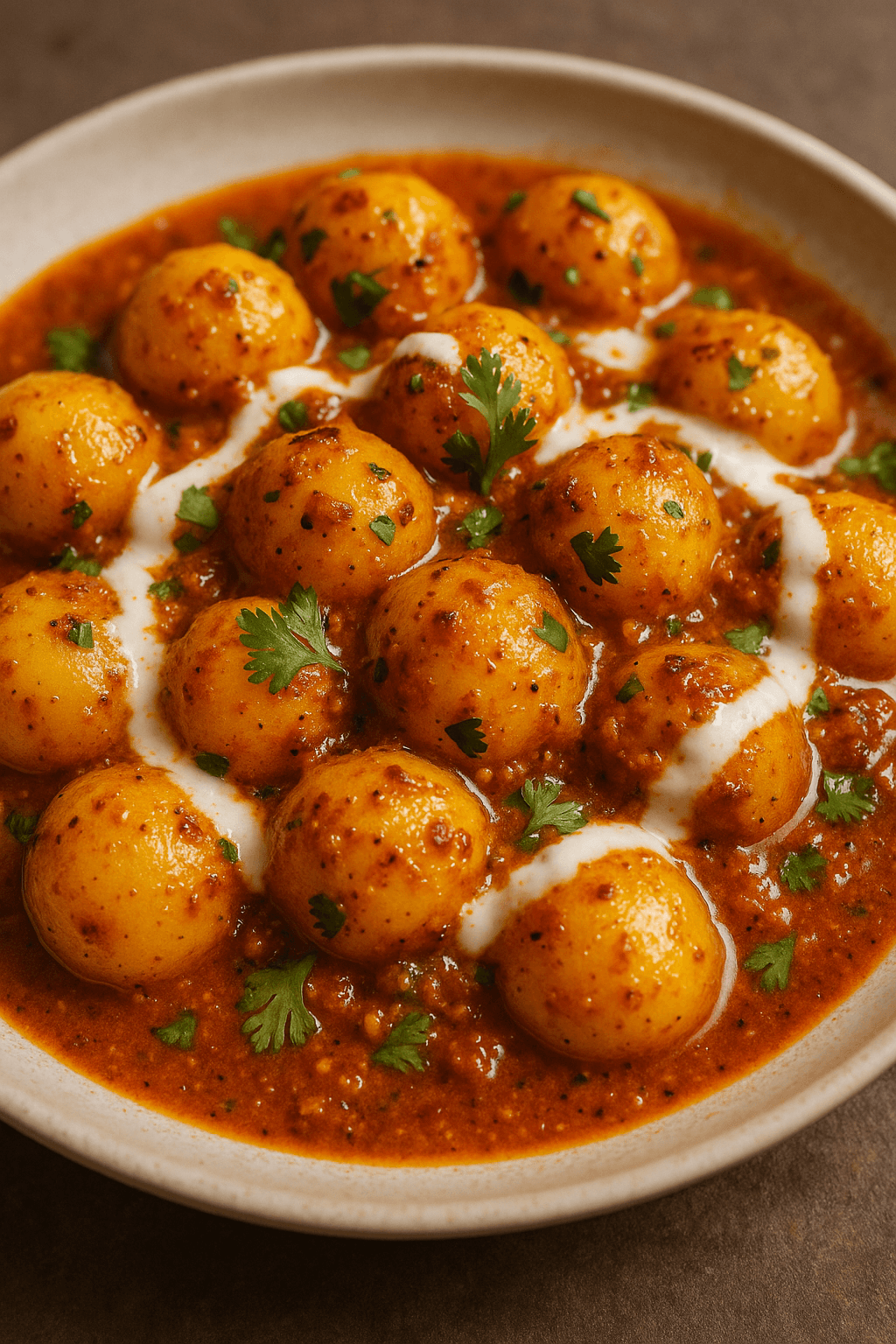
Indian food has a magical way of making even the simplest ingredients taste great. The secret is the spices. Likely, baby potatoes. They are small vegetables on their own, but when you cook them into an Indian-style sabji, the most comforting food ever.
People love this baby potato sabji because it tastes good and can be used in many ways. You can eat it with soft chapatis, fluffy puris, or even just a bowl of steamed rice. It’s a meal that feels good and fills you up.
In this blog, we’ll talk about what makes Indian baby potatoes so special, go over the recipe step by step, talk about the health benefits, look at different ways to make them, and give you some tips to make your sabji truly unforgettable.
What are Indian Baby Potatoes?
Indian baby potatoes, or “aloo” in Hindi, are small potatoes that are picked before they are fully grown. These bite-sized gems are different from regular potatoes in that they have a smooth texture and a slightly sweet taste that takes on other flavors well.
How are they different from regular potatoes?
- Size: Baby potatoes are much smaller and cook faster.
- Texture: The inside is creamier and the skin is thin, so you don’t always have to peel them.
- Taste: A little sweeter and more earthy, which makes them great for spicy Indian food.
Because of these qualities, baby potatoes are often used in festive dishes like Dum Aloo, street-style Aloo Chaat, and of course, the homely baby potatoes sabji.
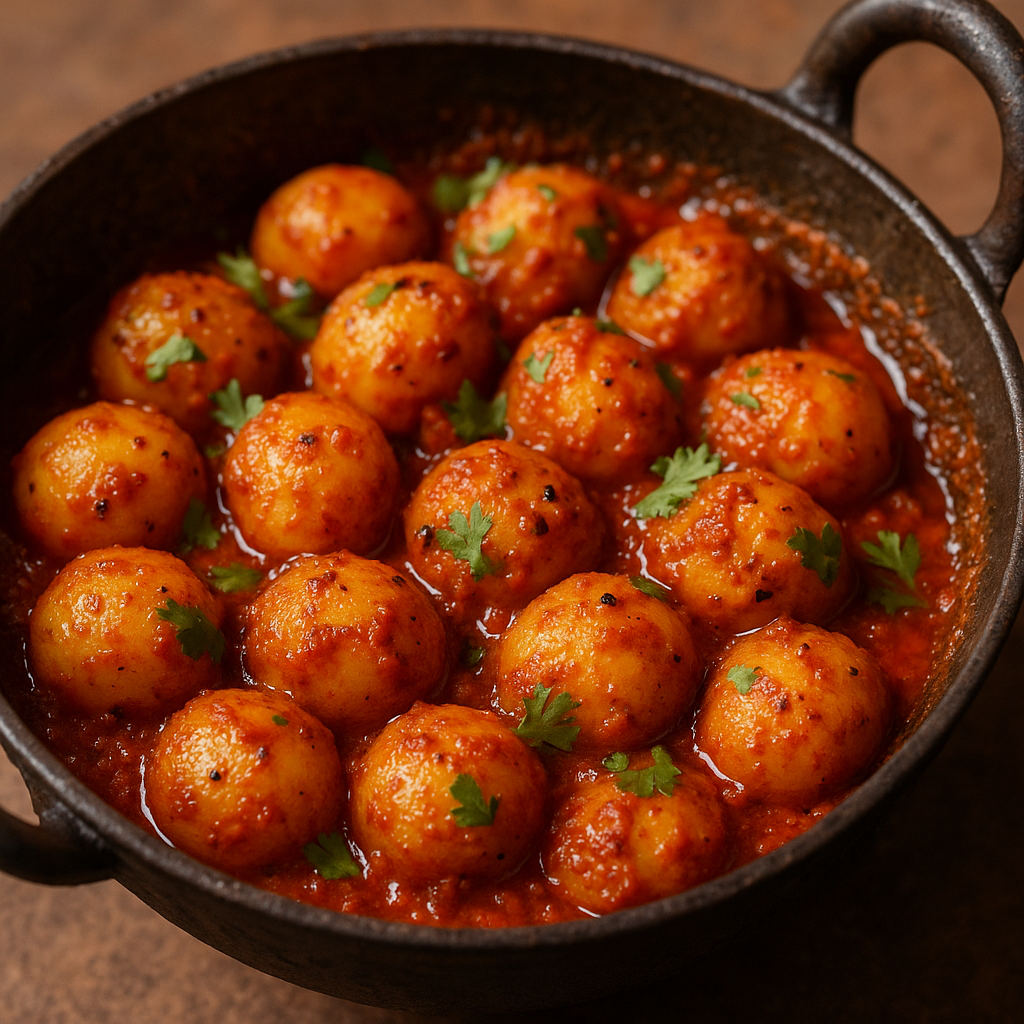
Indian Baby Potatoes
Ingredients
Method
- Wash the baby potatoes thoroughly and pressure cook or boil until soft but not mushy.
- Peel the skin gently (you can keep the skin on for extra fiber and texture).
- Heat oil in a pan. Add cumin seeds and let them crackle.
- Add chopped onions and sauté until golden brown.
- Add ginger-garlic paste and sauté until the raw smell disappears.
- ed chili powder, coriander powder, and cumin powder. Stir well to release the aromas.
- Add tomato puree and cook until the masala thickens and oil separates from the sides.
- Gently drop the boiled baby potatoes. Stir to coat them evenly with the masala.
- Add salt and cook on a low flame for 5–7 minutes so the potatoes absorb all the flavors.
- Sprinkle garam masala and fresh coriander leaves.
- Serve hot with chapati, puri, or rice.
Notes
What are the Health Benefits of Indian Baby Potatoes?
People often don’t give potatoes enough credit, but they can be very healthy when cooked with little oil and sparingly.
Full of vitamins and minerals
Baby potatoes have a lot of iron, potassium, vitamin B6, and vitamin C. These nutrients help the immune system, blood flow, and nerve health.
Good for Digestion
Baby potato skins have fiber that makes it easier to digest and helps prevent constipation.
Helps You Lose Weight
Potatoes are naturally low in fat, and cooking them with less oil can help you feel full for longer, which can help you stop snacking when you don’t need to.
What are the Different Variations of Indian Baby Potatoes Sabji?
Indian food is beautiful because there are so many different ways to make the same dish in different places and homes. You can try some of these popular changes:
With Garlic and Onion
This is the classic North Indian way to make masala with onions, garlic, and tomatoes. Full of flavor and rich, great for everyday meals.
With spices and yogurt
When you mix in beaten yogurt with the masala, it makes a tangy, creamy sauce. People often eat this with parathas or pooris.
With Curry Leaves and Coconut
Grated coconut and curry leaves are popular in South India and give the sabji a nutty and fragrant flavor. The best way to eat it is with rice.
How can you make the best Indian Baby Potatoes Sabji?
Picking the Right Potatoes
Always choose baby potatoes that are firm and fresh. Stay away from ones that are wrinkled or have sprouted.
Adding the Right Spices
Lightly roasting your spices before adding them will make them taste better. Garam masala is the last thing you need to add to the sabji to make it taste great.
Adding the Right Spices
Lightly roasting your spices before adding them will make them taste better. Garam masala is the last thing you need to add to the sabji to make it taste great.
Time and temperature for cooking
A low flame is good for you. The spices will soak into the potatoes if you cook them slowly, which will make every bite taste good.
Conclusion
Indian Baby Potatoes Sabji shows that even the most basic vegetables can taste great when you add the right spices. Its smell, creamy texture, and many flavors make it a favorite in many homes. There is a version of this dish for everyone, whether you like it dry, with yogurt, or with coconut.
The next time you find a bag of baby potatoes in your kitchen, don’t make the boring boiled potato salad. Instead, try this Indian sabji that is full of flavor. Your taste buds will be happy!
Frequently Asked Questions — Indian Baby Potatoes Sabji
1) Do I have to peel the baby potatoes, or can I cook them with the skin on?
You can cook them with the skin on — in fact, the recipe itself mentions that leaving the skin adds fiber, texture, and nutrients. Just be sure to wash them thoroughly (scrub any dirt) before boiling or cooking. If you prefer a smoother look, peel them; otherwise, unpeeled potatoes work beautifully and reduce waste.
2) How do I get the spices to stick and really flavor the potatoes?
Here are the key steps:
Optionally, you can shallow fry the boiled potatoes briefly before mixing them into the masala—that gives a slightly crispy outer layer which helps the spices cling and gives extra texture.
Boil or pressure cook the potatoes first until they’re just soft but not mushy.
After adding the masala base (onion, tomato, spices), allow it to cook until oil separates—this ensures the spices are well “cooked in.”
Then add the potatoes and stir gently to coat all sides with the masala, and cook on a low flame for several minutes so the flavors meld into the potatoes.
3) Can I use regular potatoes instead of baby potatoes?
Cut regular potatoes into small cubes that are easy to eat so they all cook at the same time. Larger pieces will take longer to cook and soak up flavour, so keep that in mind. Also, whether or not you peel regular potatoes can change how they feel and look.
4) How can I reduce the spice heat (make it less spicy) without compromising flavor?
To tone down the heat while keeping the taste:
Cut back on or leave out the green chillies and/or red chilli powder.
Simple Way Out
Add less garam masala or add it at the end so it adds flavour but doesn’t make the spice stronger.
To make the spices less strong, add a little yoghurt, cream, or coconut milk near the end. This will make the dish creamier and less hot.
Add a little sugar to balance out the strong heat (sweetness helps cut down on the bitterness of the chilli).
For colour with less heat, use milder chilli types like Kashmiri chilli powder.
5) Which oil is best for this dish to maximize flavor?
The recipe says to use mustard oil for the best flavour because it has a strong, slightly sharp smell that goes well with the spices.
You can use vegetable oil or sunflower oil instead of mustard oil, but the taste will be a little less strong. You could also use ghee (clarified butter) to make it richer, either in part or as a finishing drizzle. However, this will change the taste a little.
Explore more of our Indian recipes, perfect for making your dinner parties unforgettable.
Printable Recipe Card
Want just the essential recipe details without scrolling through the article? Get our printable recipe card with just the ingredients and instructions.