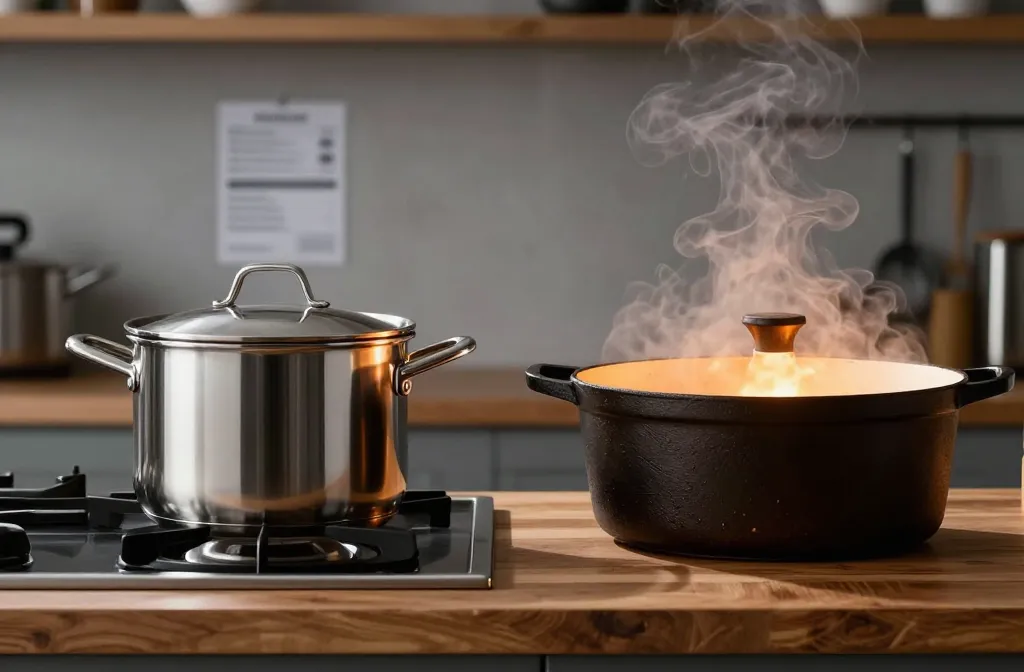
Dust off the “which pan is best?” debates: Dutch oven vs stainless steel. Spoiler: there isn’t a single winner, but there is a clear winner for certain tasks. If you cook more than microwaved leftovers, you’ll want both in rotation. Let’s break down where each shines, where they struggle, and how to tweak your technique so your meals taste amazing every time.
What a Dutch oven actually does for you
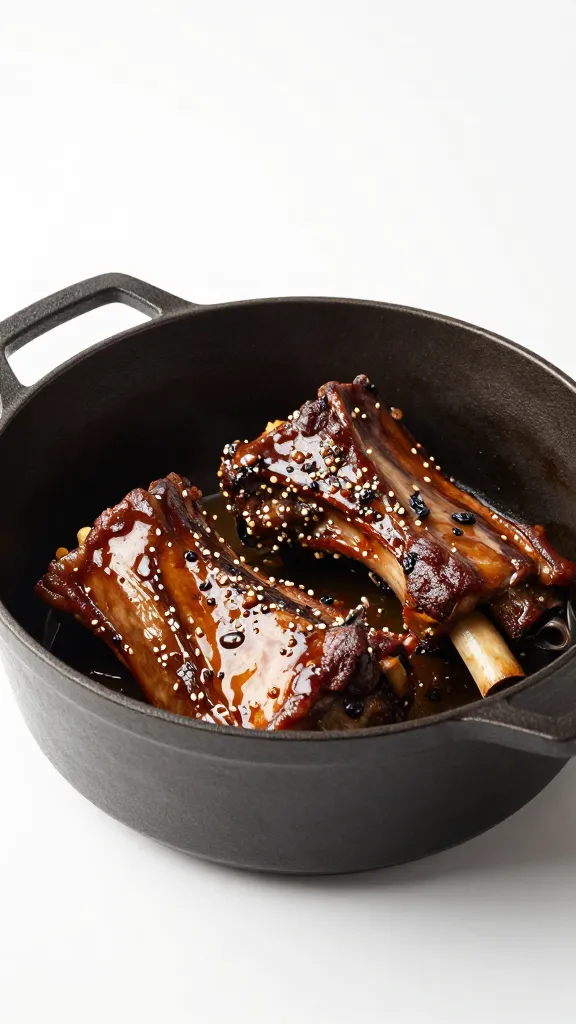
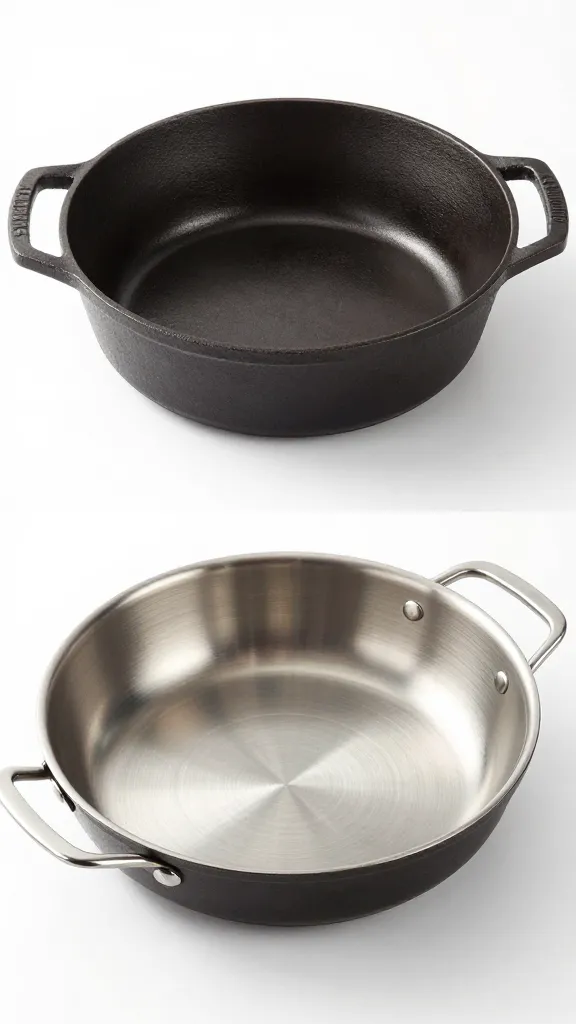
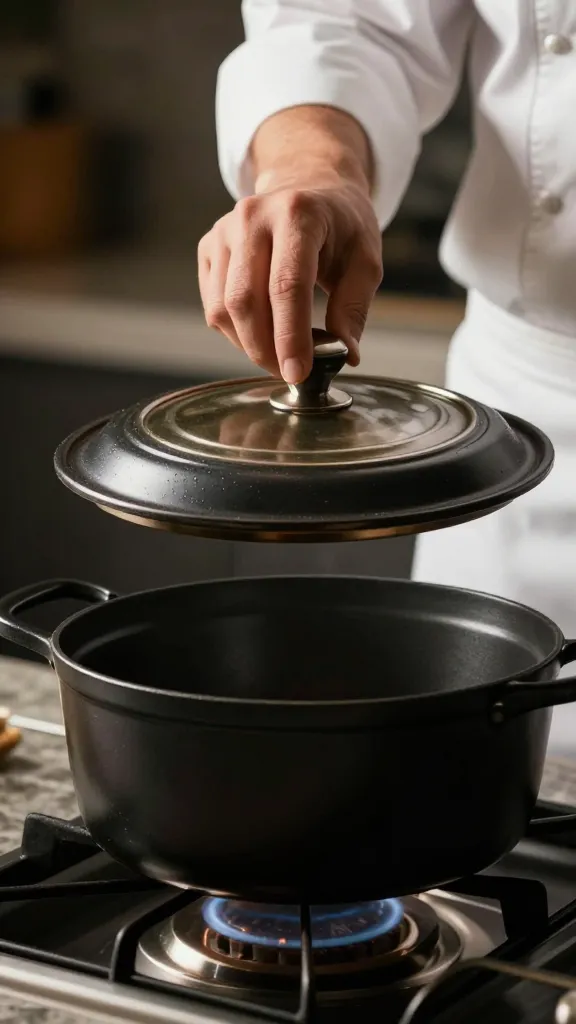
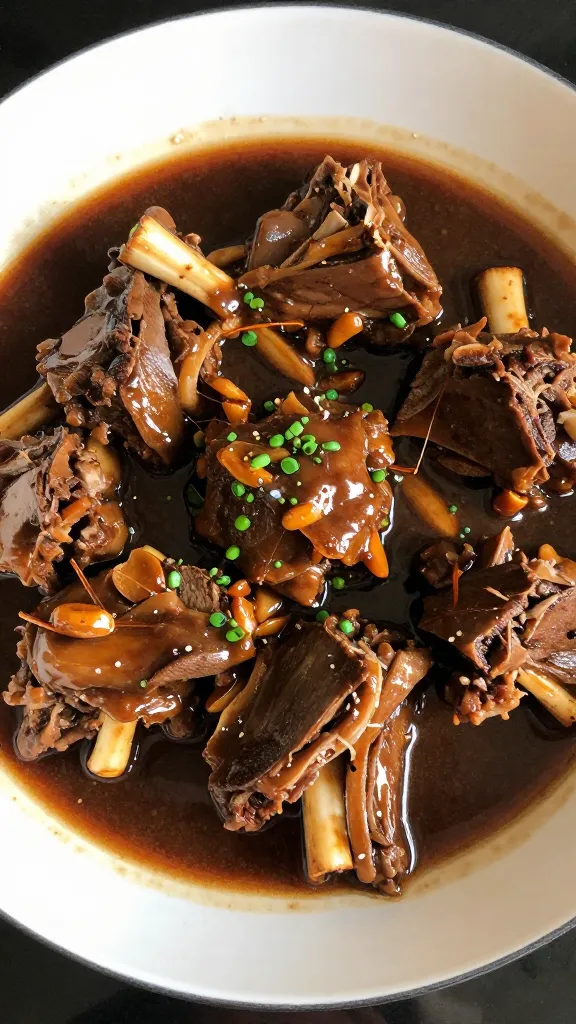
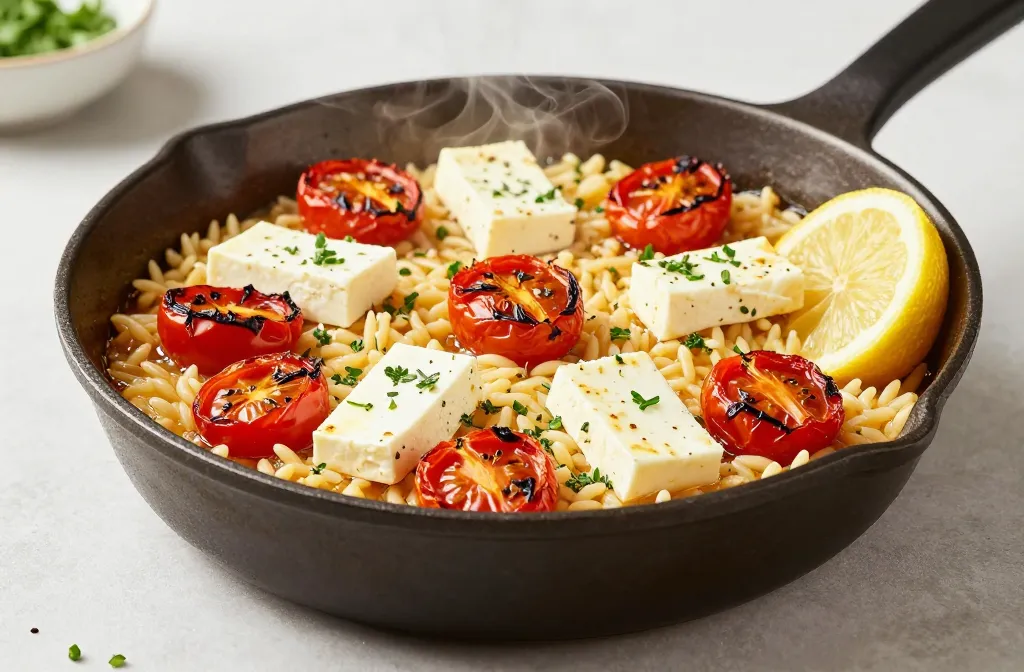
A Dutch oven is basically a heavy pot with a snug lid, usually cast iron (often enameled or bare). It’s your best friend for searing, braising, and slow-cooking. The key power move? It traps moisture and distributes heat evenly, turning tough cuts into tender miracles. – Pros in a sentence: incredible heat retention, versatile for stovetop to oven transitions, great for braises and soups. – Cons you’ll notice: heavier than your average skillet, slower to heat, and sometimes overkill for quick searing. If you’ve ever braised short ribs until they melt in your mouth or pulled lamb from a pot that smelled like Sunday dinner, you know the vibe. FYI, you don’t need to buy a million pots—just a quality Dutch oven covers a lot of ground.
What stainless steel brings to the table
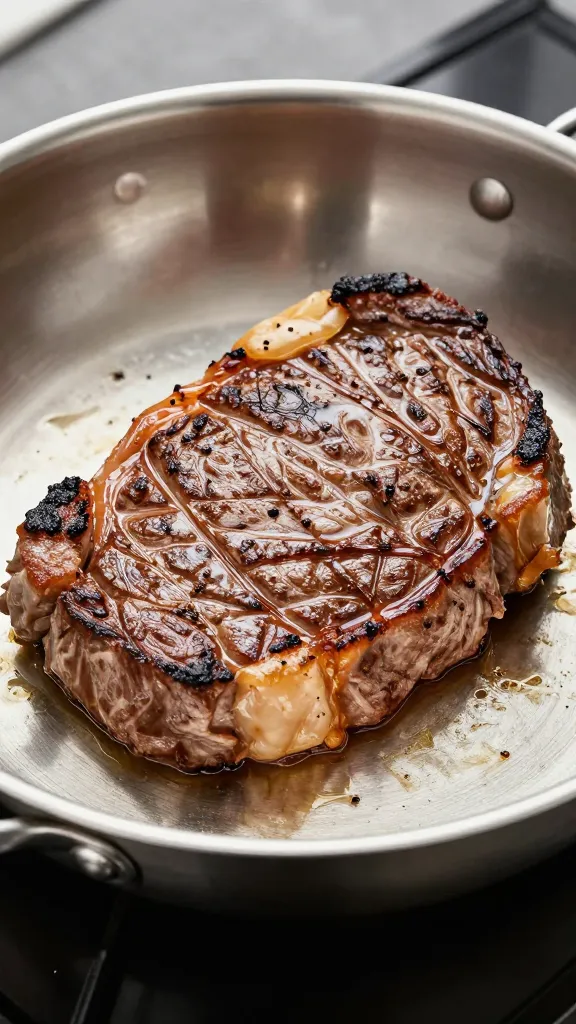
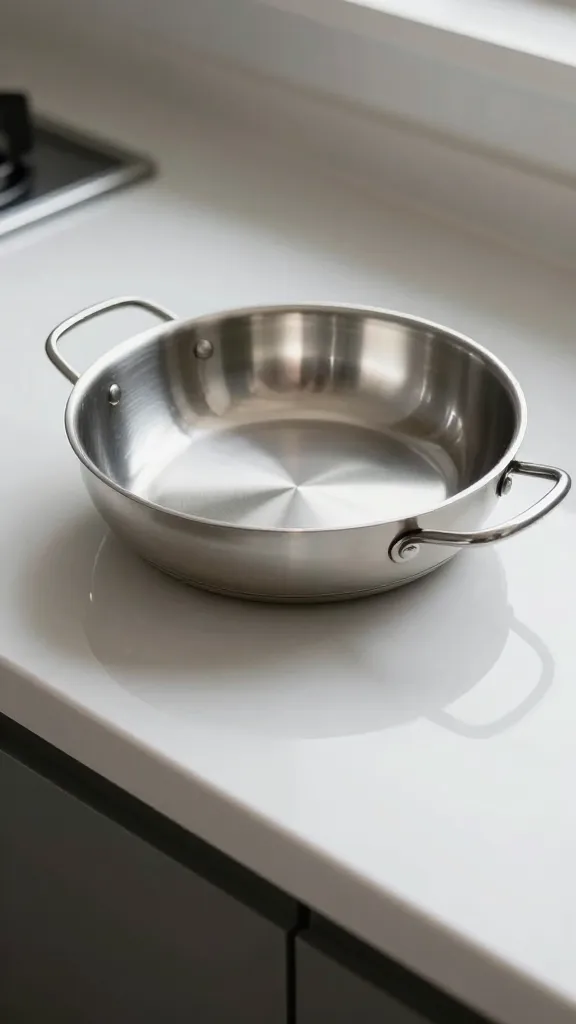
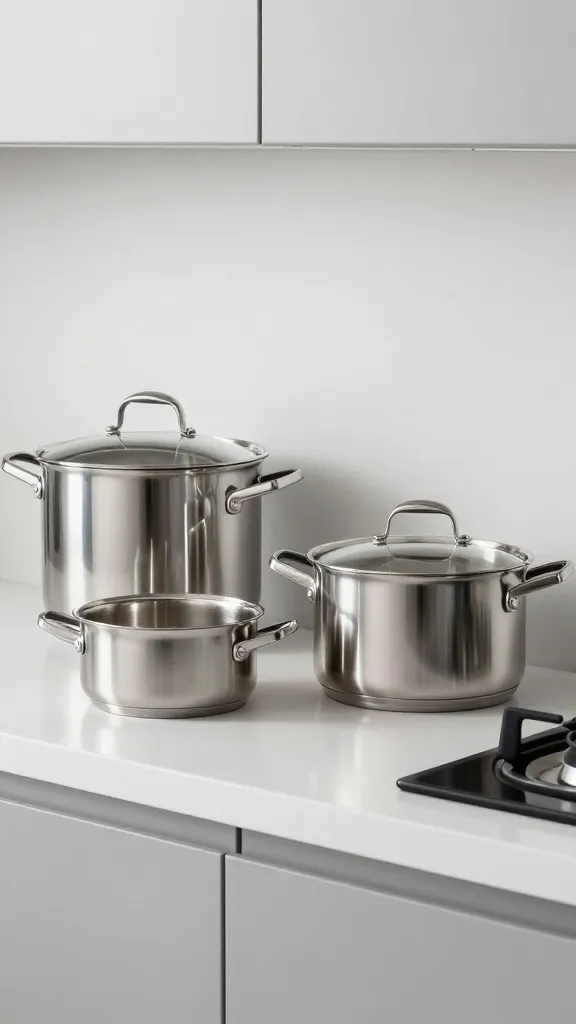
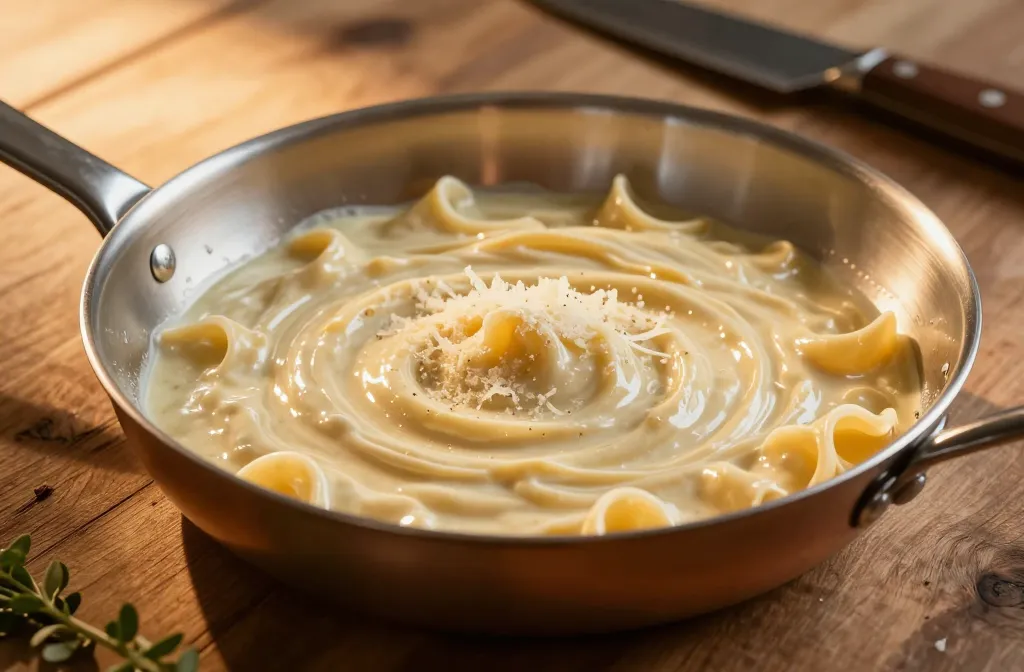
Stainless steel pots and pans are the workhorses of the kitchen. They’re fast to heat, easy to maneuver, and respond quickly to temperature changes. No coating to worry about, and cleanup is usually a breeze. – Pros in a sentence: lightweight-ish options, quick heating and cooling, superb for high-heat searing and deglazing. – Cons you’ll notice: less forgiving on low-and-slow cooking, heat distribution can be spotty if you don’t have a thick-bottomed model. If you want a pan to handle weeknight pasta, a stir-fry, or a pan sauce after you sear a steak, stainless steel is your buddy. It doesn’t brag about big braises, but it nails day-to-day cooking with minimal fuss.
Two different jobs, two different vibes: real-world kitchen scenarios
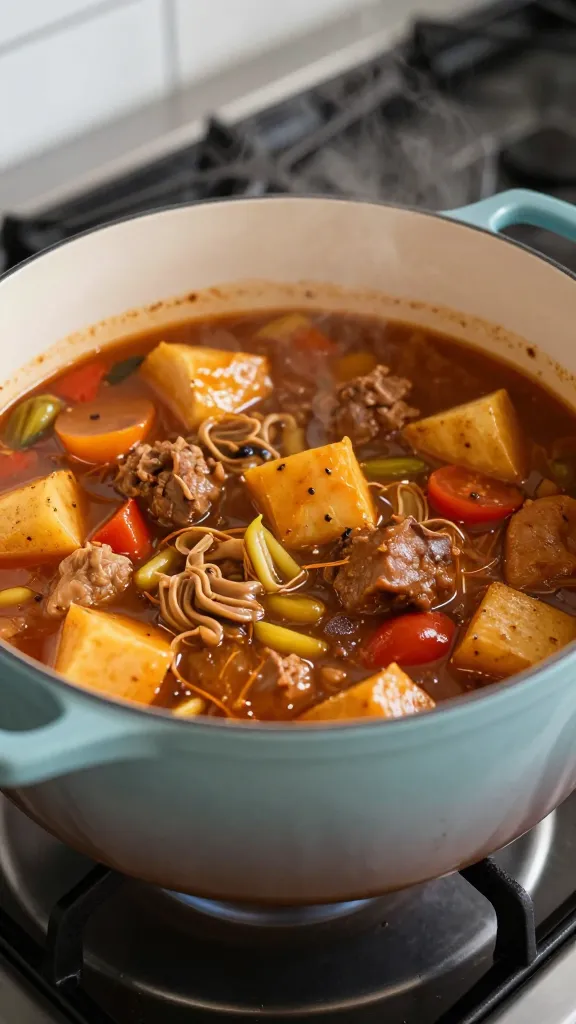
Let’s talk settings. You’re making a weeknight chili or a weekend pot roast. The Dutch oven shines with long, low-heat cooks where you’re stacking flavors and breaking down collagen. The stainless steel pan handles quick sears, vibrant deglazing, and delicate sauces. – Chili and braises: Dutch oven wins because it loves to keep heat steady and moisten the meat until it falls apart. – Weeknight searing and quick sauces: stainless steel wins for speed, control, and clean-up ease. Why the difference matters: heat retention vs heat responsiveness. Think of a Dutch oven as your slow-cook soulmate; stainless steel as your speedy sidekick.
Choosing between enameled vs bare cast iron
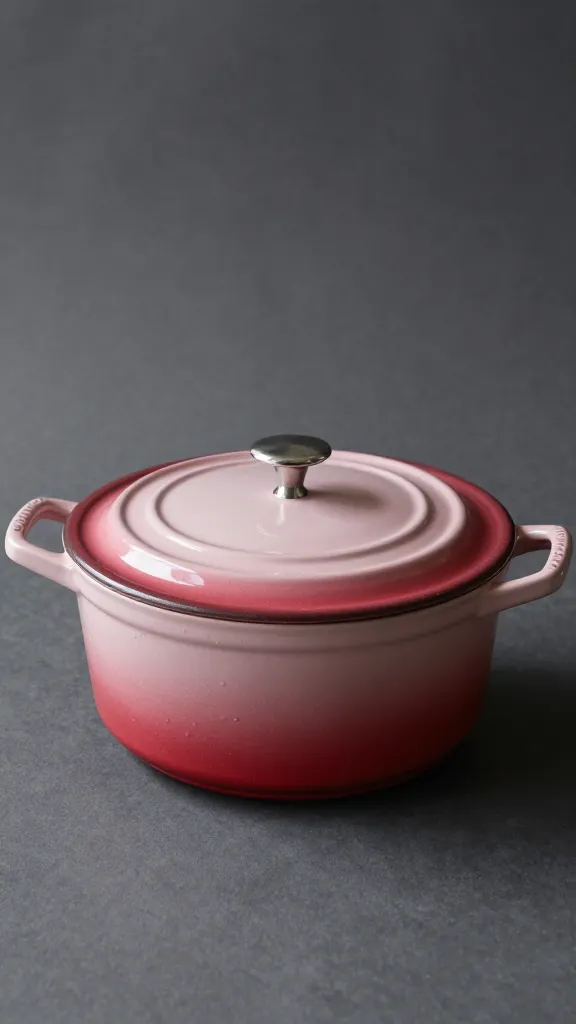
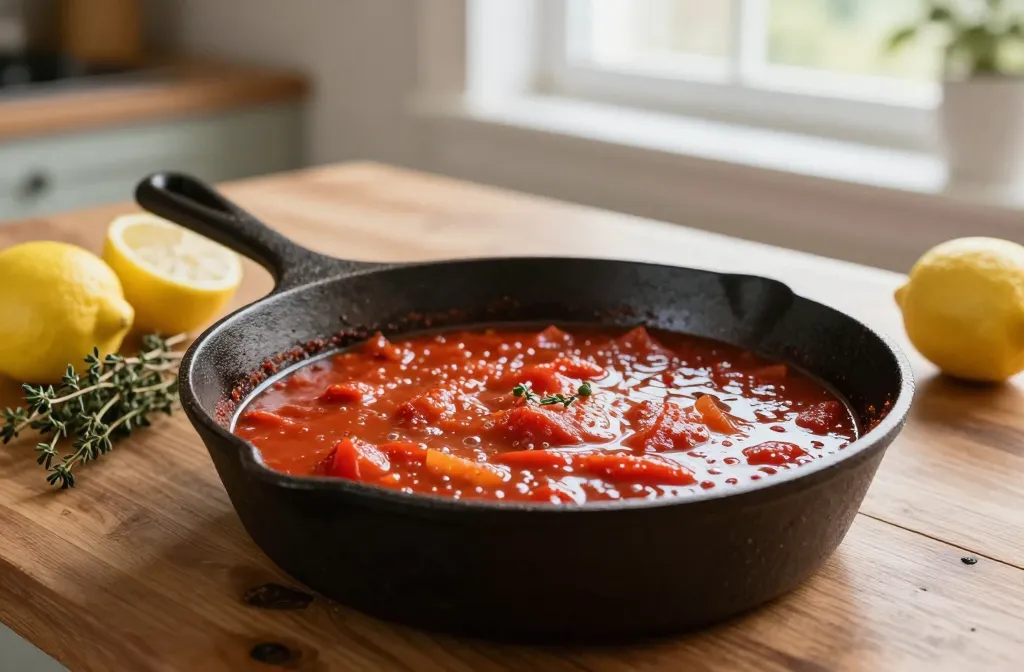
If you’re leaning toward a Dutch oven, you’ll find two flavors: enameled and bare cast iron. – Enameled Dutch ovens: No post-season oiling, easier to clean, friendly for acidic foods like tomato sauces. Compared to bare cast iron, you avoid rust if you neglect it—though you still need to dry it properly. – Bare cast iron: Incredible seasoning, unbeatable heat retention, and usually lighter on the wallet. It does require a bit more upkeep (seasoning, drying, avoiding prolonged soaking). Tips for best results: – For tomato-heavy sauces, enameled wins because nothing will stain or impart metallic flavors. – For extreme heat searing, bare cast iron can achieve a superior crust if you maintain a proper seasoning.
Maintenance and care: easy wins and common traps
No one wants a cookware drama. Here’s the quick-and-dirty on how to keep both playing nicely in the kitchen sandbox. – Cleaning: Hand wash most pots; avoid dishwasher unless the manufacturer explicitly says it’s safe. Dry thoroughly to avoid rust. – Storage: Keep lids ajar or in a dry spot to prevent moisture buildup. – Seasoning (bare cast iron): A light coat of neutral oil after cleaning helps preserve the patina and prevent rust. – Avoid shocks: Sudden temperature changes can warp or crack, especially with bare cast iron. Common mistakes: – Not preheating long enough: You won’t get a good sear and you’ll lose fond. – Crowding the pan: Too much food lowers surface heat, leading to steaming rather than searing. – Cooking acidic sauces too long in bare cast iron: Depending on your seasoning, you may get a metallic tang.
Here are some easy, practical tips to get the most out of both tools. Pro tips: – Deglaze early: After searing, don’t skip deglazing. It lifts all that delicious fond from the bottom and turns it into flavor gold. – Use the right temperature: Start high to sear, then lower for simmering in a Dutch oven. In stainless, you can maintain a strong simmer without scorching if you monitor closely. – Add moisture strategically: For braises, add hot liquid to maintain a steady simmer and avoid cold shock that slows cooking. Variations: – Enameled vs bare: If you cook acidic dishes often, enameled is your friend. If you love char and a seasoned crust, bare cast iron wins. – Size matters: For families or batch cooks, a 5-6 quart Dutch oven covers most recipes. Stainless sets often come in versatile 3-6 quart sizes too. – Oven-to-table: Dutch ovens are excellent for going from stovetop to oven for braises. Stainless setups play nicely on the stovetop and in the oven for certain dishes, but you might need a compatible pot with a heavy lid. Tips for best results: – Preheat your Dutch oven before adding oil to fix heating inconsistencies. – For stainless, use a little oil and a properly heated surface to avoid sticking. – When braising, keep the lid on tight—the steam is your friend, not your foe.
Comparison blocks
– Searing power: Stainless steel has a fast, intense sear with proper preheating; Dutch, especially bare cast iron, also sears beautifully but requires patience with heat distribution. – Heat retention: Dutch oven wins hands down; stainless steel loses heat faster but gives you quicker control. – Cleaning: Enamelled Dutch ovens and most stainless options are easy to clean. Bare cast iron rewards proper drying and seasoning but can be stubborn if neglected. – Versatility: Dutch ovens excel in one-pot meals and oven-to-table use; stainless shines for everyday cooking, sauces, and quick meals.
FAQ
– Do I need both? Yes, if you cook a lot. A sturdy stainless pot or pan for quick tasks and a Dutch oven for braises and soups covers most kitchens. – Can I use a Dutch oven on high heat? Bare cast iron tolerates high heat, but enamel can crack if overheated. Always follow manufacturer guidelines. – Is enamel safe for acidic foods? Yes, enamel-coated Dutch ovens handle tomatoes and citrus without reacting like bare metal can.
Common mistakes
– Neglecting to preheat: Skips a good sear and dulls flavor development. – Overcrowding pan: Your food will steam instead of caramelizing. – Neglecting seasoning on bare cast iron: Rust and sticking can ruin a batch faster than you can say “oops.”
Ingredient swaps
– Meat: For braises, tougher cuts like chuck roast, brisket, or lamb shanks shine in a Dutch oven. In stainless, you can still braise, but you’ll want to control heat and simmer more cautiously. – Acid: Tomatoes, wine, vinegar—these work well in enameled Dutch ovens. In bare cast iron, limit long exposure to acidic ingredients to protect seasoning. – Aromatics: Onions, garlic, carrots, and herbs always elevate any dish. They’ll perfume the pot and the final dish beautifully.
Conclusion
So, which wins the crown for good? It depends on the job. If you’re building a one-pot champion for slow-cooked meals, go Dutch oven. If you want a nimble, responsive pan for searing, deglazing, and quick sauces, stainless steel earns a place in your cabinet. FYI, your kitchen will be happier with both, because they complement each other like PB&J—each brings something the other can’t quite do as well. If you’re new to the world of Dutch ovens and stainless steel, start with a midsize Dutch oven (5-6 quarts) for braises and soups, and a solid stainless steel skillet or sauté pan for weeknights. You’ll find yourself reaching for either pan with confidence, and your meals will thank you.
Disclosure: This post may contain affiliate links.
If you make a purchase through these links, I may earn
a small commission at no extra cost to you.
prab chahal
Hi, I’m Prabjot Chahal – the heart (and taste buds) behind this blog!
Food has always been my love language – from experimenting with family recipes to discovering unique flavors from around the world. I believe that cooking isn’t just about following a recipe, it’s about creating moments, sharing stories, and connecting with others over something delicious. Through this blog, I want to build a vibrant food community where we share more than just recipes – we share inspiration, tips, and the joy of making and enjoying good food together. Whether you’re here for quick weekday dinners, festive treats, or creative seasonal ideas, you’re part of this table. So grab a fork (or a whisk!) and let’s cook, bake, and share our love for food – one recipe at a time.