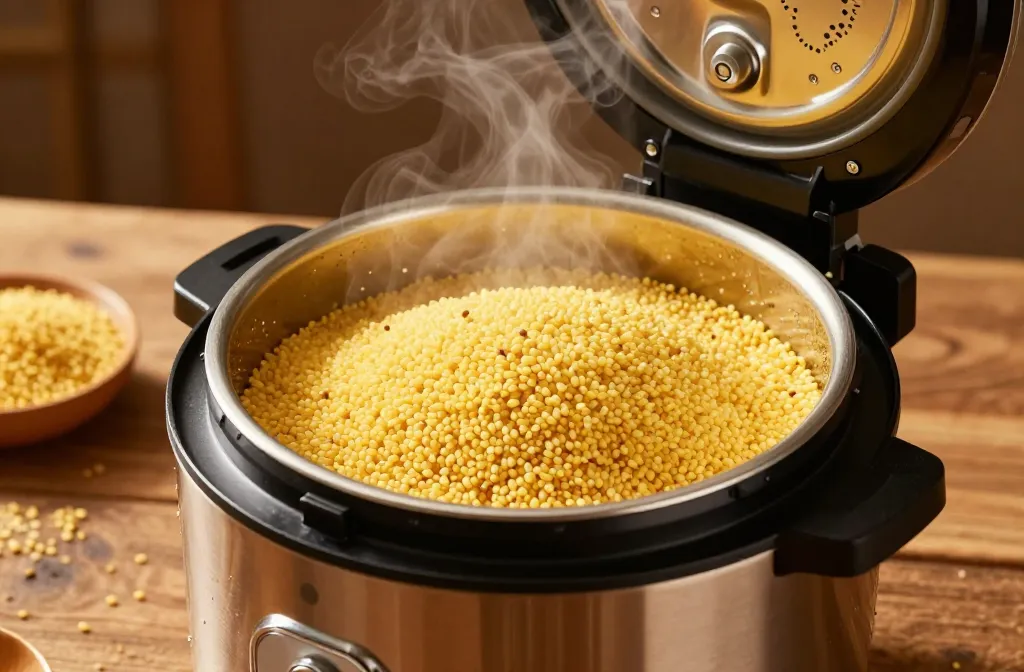
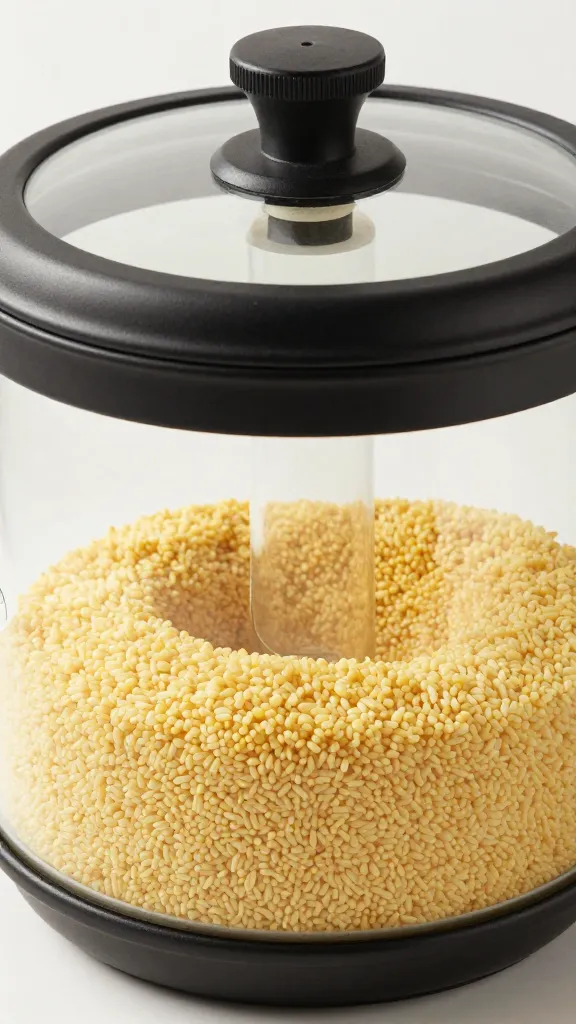
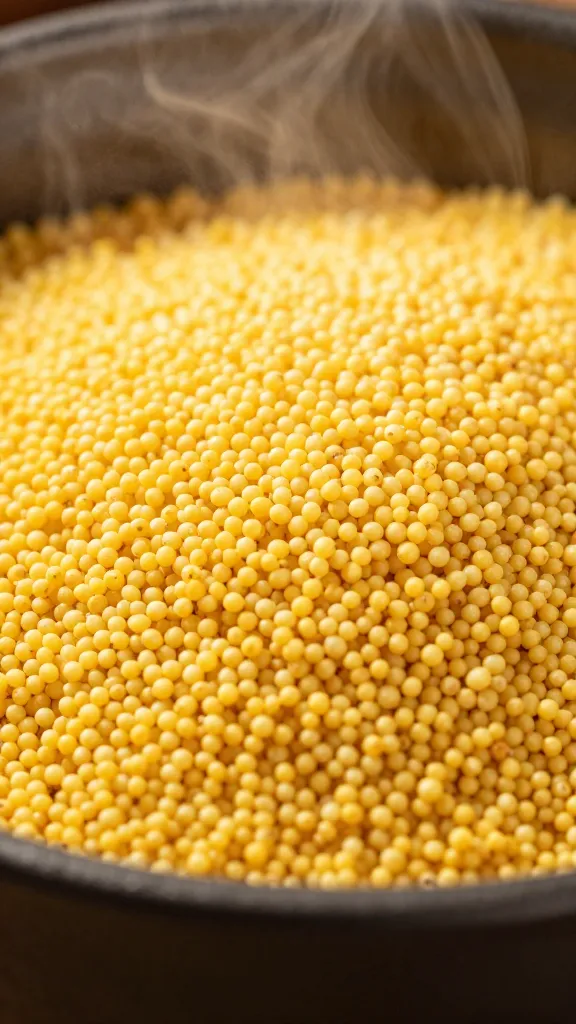
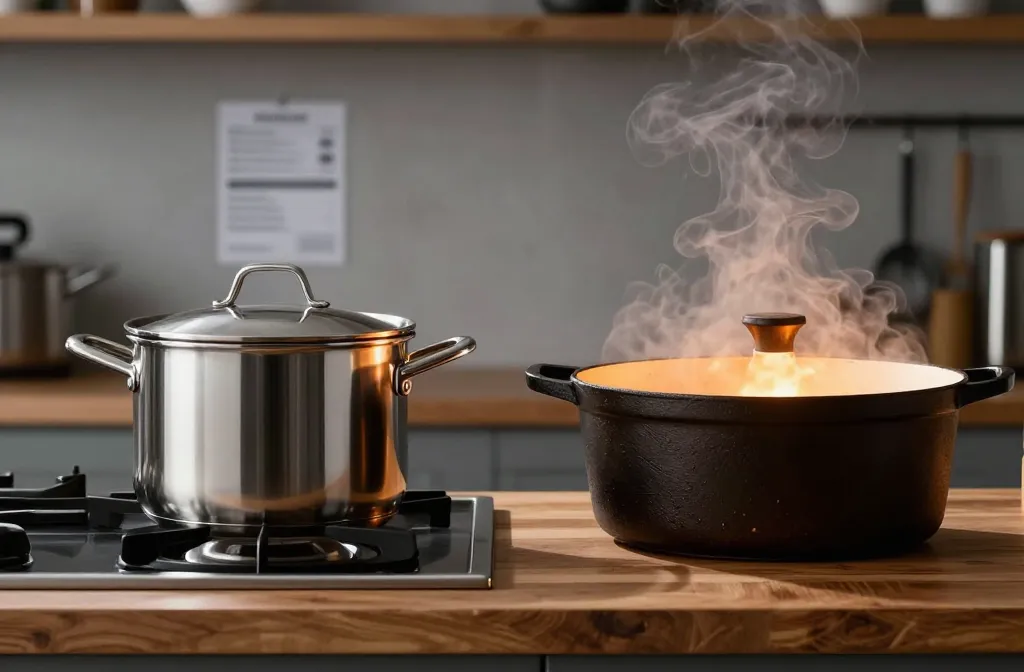
Every grain deserves a chance to shine, and millet is no exception. Pressurized steam, tiny seeds, big texture—this combo can get glorious if you play it right. Let’s unlock perfect texture in your pressure cooker so millet tastes hearty, not mushy, and never meh.
Why millet in a pressure cooker anyway?
Millet cooks quickly, but on the stove it can drift between underdone and gluey without constant babysitting. The pressure cooker pinpoints the heat and times things just right, giving you a fluffy, separate-grain texture every time. FYI, you’re not sacrificing flavor—millet’s nuttiness comes through even under pressure. Ready to level up texture without babysitting the stove? Let’s go.
Choosing the right millet and prepping it
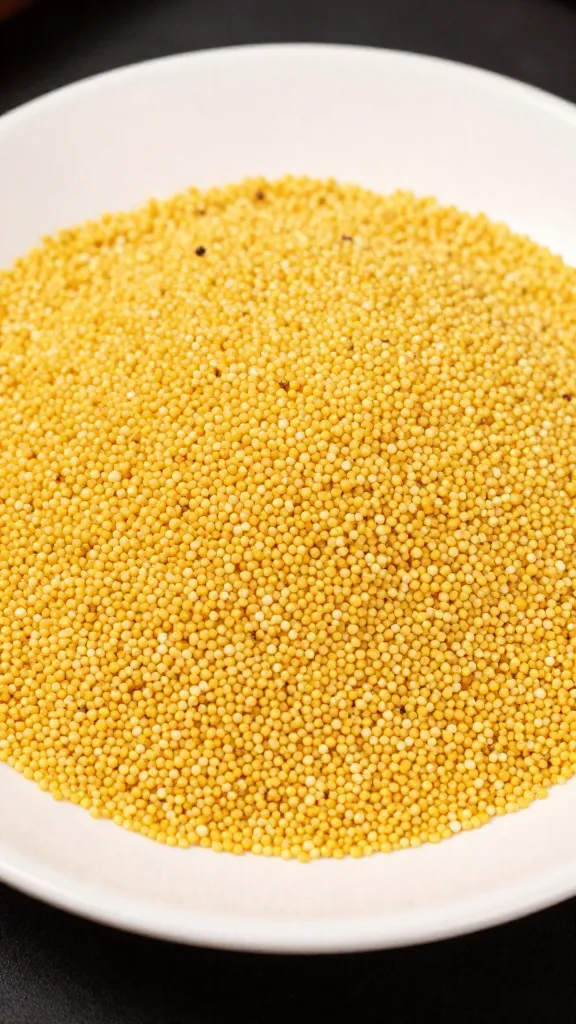
Type matters: Look for hulled millet for the most even texture. Some varieties are a touch creamier; others stay pleasantly separate.
Rinse well: A quick rinse removes dust and the natural coating that can make millet slimy. It also helps with even absorption.
Optional toast: A quick toast in a dry pot for 2 minutes deepens the nutty flavor and improves texture stability.
Tips for best results
Use fresh millet. Old millet can taste a bit stale and behave differently.
Keep water consistent: too little = crunchy; too much = mushy.
Season early: a pinch of salt or veggie stock boosts flavor right from the start.
Water ratios and pressure timing
If you’re overthinking, you’ll overcook. The goal is steady, fluffy grains that hold their shape. A good starting point is a 1:2 ratio of millet to water for most models, then tweak from there based on your cooker and altitude.
Common timing cheat sheet
Unsoaked millet: 6–8 minutes at high pressure, natural release 5–10 minutes, then quick release if needed.
Soaked millet (4–6 hours): 4–6 minutes at high pressure, quick release.
Flip scenario: If you want a drier texture, pull the pressure a little earlier and fluff with a fork.
Flavor ideas: turning plain millet into a star
Millet loves flavor—stir in miso for umami, lemon zest for brightness, or curry powder for a cozy bowl. In a pressure cooker, you can even cook millet with broth instead of water and toss in veggies at the end. Here are a few combos:
Herby lemon millet with peas and feta
Turmeric coconut millet with roasted cauliflower
Mushroom thyme millet with spinach
Ingredient swaps
Swap water for broth (veg or chicken) for deeper flavor.
Use coconut milk or a splash of dairy for creaminess, if you like.
Swap a portion of millet with quinoa for texture variety.
Texture mastery: how to avoid mush or grit
Texture is king here. If you can nail this, you’ll never dread millet again. Key levers: rinse, soak (or not), ratio, and cook time.
Rinse and drain well to remove excess starch.
Don’t peek: keep the pressure and finish the natural release if you can.
Fluff gently with a fork after resting; avoid stirring vigorously, which can break grains.
Common problems and quick fixes
Mushy millet: reduce water by 1–2 tablespoons next time or shorten pressure time by 1 minute.
Crunched edges: pre-soak millet a bit longer or increase resting time after cooking.
Soggy bottom: add a quick brief simmer uncovered after pressure to evaporate excess moisture, then fluff.
Meal ideas: millet in real life
Millet is versatile beyond breakfast porridge. Think bowls, stuffings, and sides that don’t steal the show from your main dish.
Millet bowl with roasted veggies, tahini drizzle, and chickpeas
Stuffed peppers where millet replaces rice
Side of millet pilaf with almonds and herbs
Breakfast pilot: millet porridge done right
Cook millet in milk or a milk substitute with a touch of vanilla and cinnamon. Top with almonds, berries, or maple syrup. It feels indulgent, but it’s secretly practical and protein-packed.
FAQ
Can I cook millet in a pressure cooker without soaking?
Yes, you can. Rinse thoroughly, use a 1:2 ratio of millet to water, and aim for a 6–8 minute high-pressure cook time with a natural release. Expect a fluffy, not gluey, texture if you keep an eye on the water amount.
What size pressure cooker works best for millet?
Any size works, but a 6-quart or 8-quart gives you a little wiggle room for adding veggies or broth without overflowing. If you’re tiny-pot challenged, a model with a stable controlled release is a bonus for millet texture control.
How do I avoid millet sticking to the pot?
Rinse well and consider a quick toast before adding liquids. Also, a light coating of oil or a scented broth at the start helps. Let the pot rest after cooking and fluff with a fork to finalize texture.
Absolutely. Cool completely, portion, and freeze in airtight containers or bags. Reheat gently with a splash of water or broth to restore fluffiness.
Is millet gluten-free?
Yes. Millet is naturally gluten-free, but check labels if you’re buying blends or cross-contaminated facilities. FYI, cross-contamination happens more in processing than in the cooking itself.
Conclusion
Millet in the pressure cooker is a tiny game changer. With the right rinse, ratio, and timer, you get a fluffy, distinct grain that behaves—not a sad, soggy afterthought. Experiment with broths, herbs, and toppings, and you’ll build a repertoire that makes millet the MVP of your weeknight meals. Ready to impress yourself (and a hungry friend or two)? Try a small batch tonight and taste the magic.
Disclosure: This post may contain affiliate links.
If you make a purchase through these links, I may earn
a small commission at no extra cost to you.
prab chahal
Hi, I’m Prabjot Chahal – the heart (and taste buds) behind this blog!
Food has always been my love language – from experimenting with family recipes to discovering unique flavors from around the world. I believe that cooking isn’t just about following a recipe, it’s about creating moments, sharing stories, and connecting with others over something delicious. Through this blog, I want to build a vibrant food community where we share more than just recipes – we share inspiration, tips, and the joy of making and enjoying good food together. Whether you’re here for quick weekday dinners, festive treats, or creative seasonal ideas, you’re part of this table. So grab a fork (or a whisk!) and let’s cook, bake, and share our love for food – one recipe at a time.