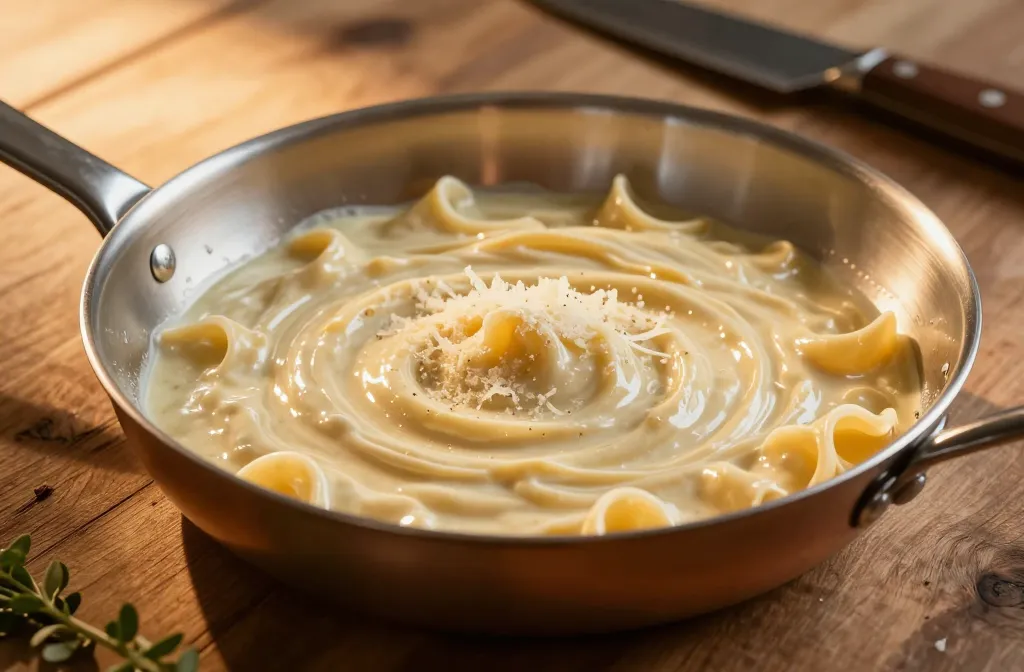
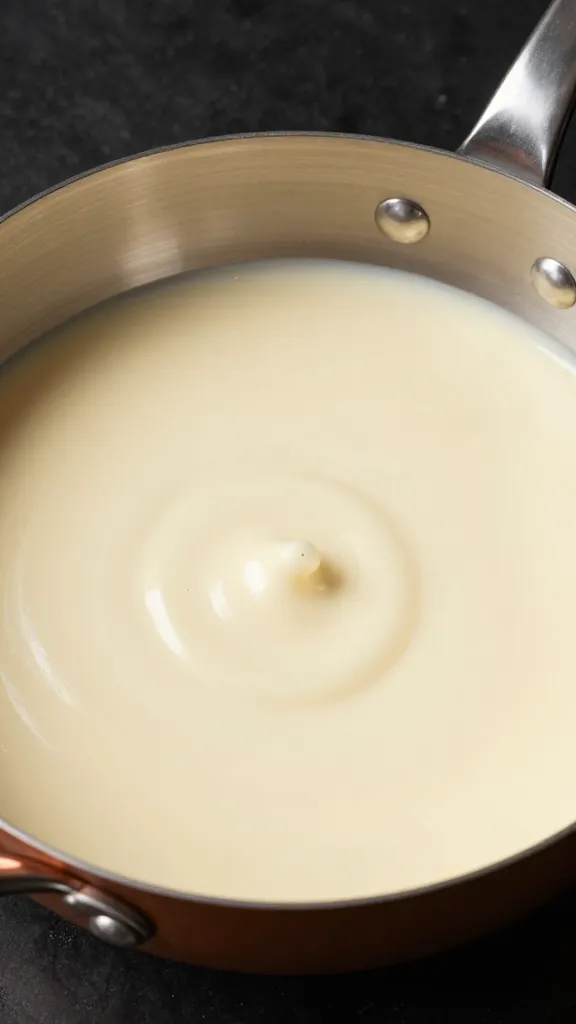
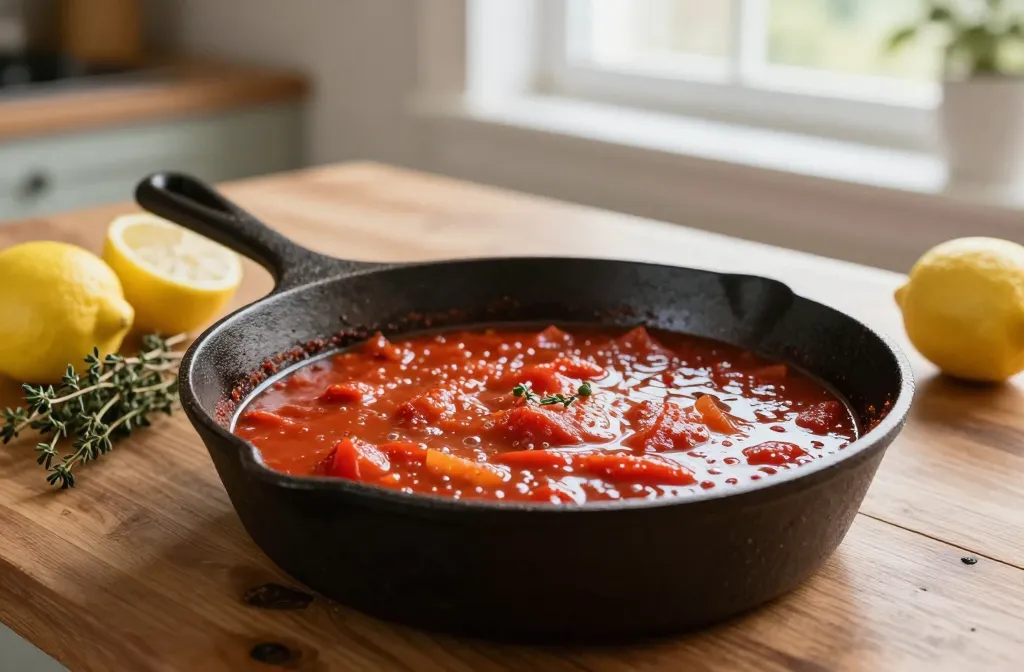
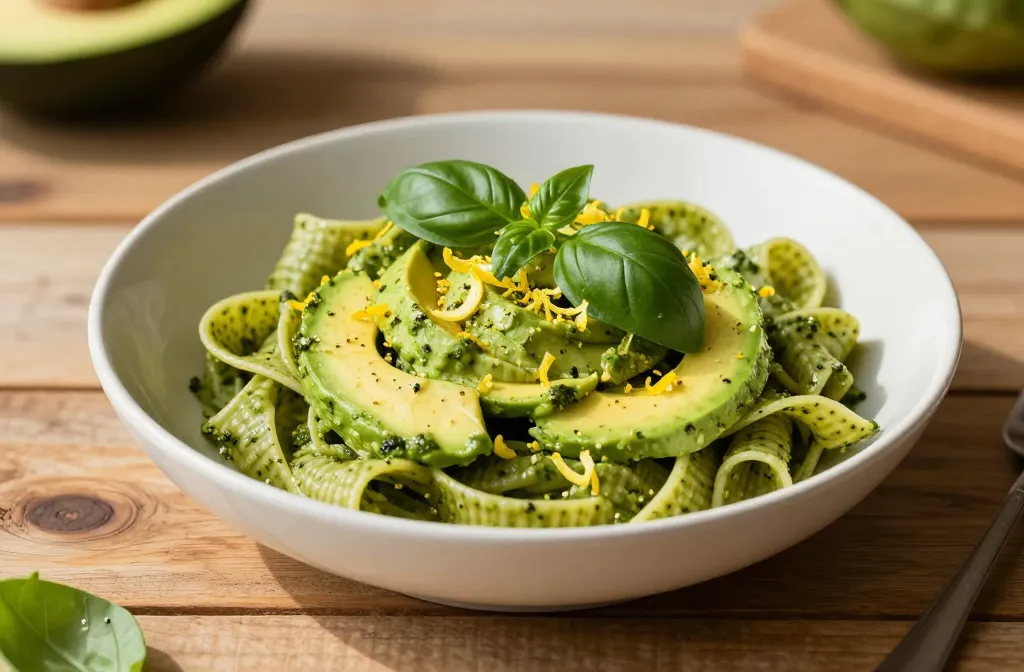
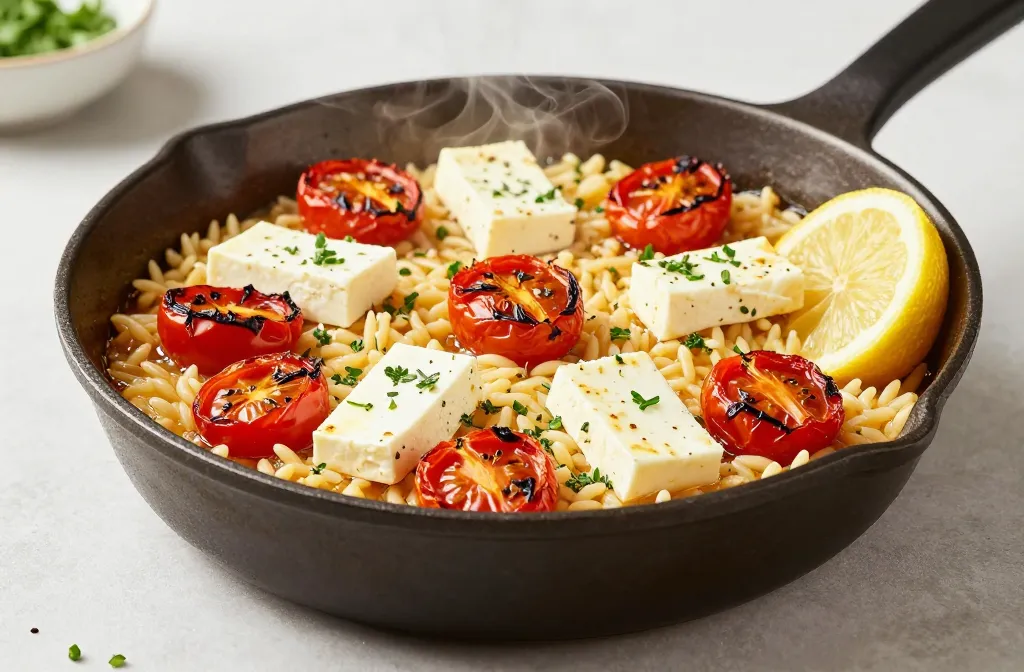
The creaminess fight starts in the pan. If your pasta sauce clags, your noodles stick, or your Alfredo looks more like glue, you’re not alone. The right cookware can turn a DIY weeknight into a creamy dream. Let’s talk gear, technique, and a few cheats to get that silken, glossy sauce every time.
Why the right pan matters for creamy pasta
Creamy sauces crave steady, even heat and nonstick-friendly surfaces. A great skillet doesn’t just keep your sauce from scorching; it helps emulsify fat, keep starches in check, and make that glossy finish sing. Think of cookware as the stage lights for your sauce: without them, even your best efforts get dull.
Skillet showdown: what to use for best creaminess
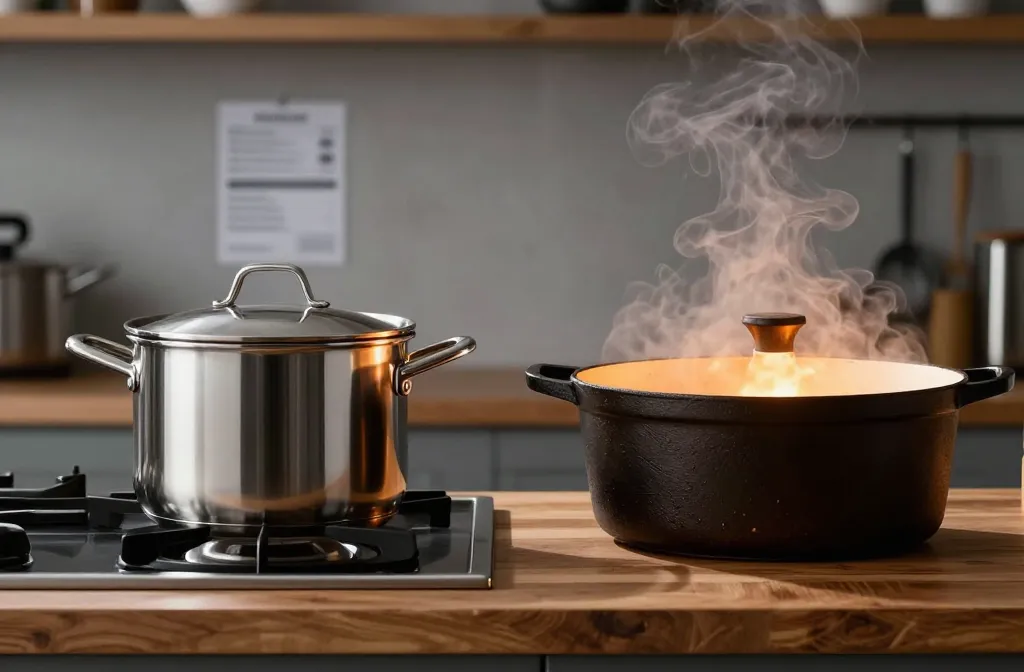
Stainless steel with a copper or aluminum core — The workhorse. It heats evenly, resist sticking, and you can deglaze like a champ. Great for white sauces and tomato-cream blends.
Nonstick with a metal-safe base — Easy cleanups, perfect for delicate emulsions. Look for pans that can handle a light sear without warping. FYI, avoid overheating a pure nonstick, or you’ll lose that slick sauce.
Enameled cast iron — Holds heat like a dream and keeps sauce at a gentle simmer. Excellent for longer reductions or richer dairy-forward sauces.
Carbon steel — Lightweight, fast to heat, and develops a nice patina that feels almost magical with cream sauces after a few uses.
Tip: You don’t need all of them. A sturdy stainless steel with good heat control and a nonstick-ish inner surface is a solid backbone for creamy pasta.
Size and shape: not all pans are created equal
Pasta sauce loves surface area. You want enough room to swirl and emulsify without splashing. A 10–12 inch skillet is a sweet spot for 2–4 servings. If you’re cooking for a crowd, grab a wide, shallow sauté or a straight-up saucier with a gentle curve at the sides. Those high, sloped sides make whisking a dream and reduce splatter—bonus points for keeping your kitchen spotless.
Layering flavor: how the pan helps emulsify
Creamy sauces rely on stable emulsions. Heat, fat, and starch do a delicate dance, and your pan plays choreographer. A pan with evenly distributed heat helps fats melt into the sauce without scorching. Deglazing after sautéing aromatics pulls up all the stuck bits, adding depth without gritty bits of fond ruining your silkiness.
Heat control: gentle simmer beats roaring boil
Ever added cream to a boiling sauce and watched it split? That’s heat mismanagement. Use a medium-low simmer once your dairy hits the pan, and keep a steady, gentle bubble. In a pinch, you can vary your flame or switch pans to move heat around. FYI, a pan with a wide, flat base helps spread heat evenly—less hot spots, less awkward lumps.
Warm dairy first: Warm the cream or milk separately before adding to the pan. Cold dairy can seize up the sauce and cause curdling.
Emulsify with a whisk: A quick whisk or wooden spoon works wonders to fuse the fat and liquid together. Don’t abandon ship after 20 seconds; keep swirling until glossy.
Starch control: Some الناس starch helps, some avoid. If you’re using pasta water, reserve a cup and whisk it in gradually. The starch in the water helps emulsify and thicken without becoming gluey.
Finish with butter off heat: A small knob of butter whisked in at the end can impart luscious sheen, but don’t overdo it—this isn’t a sauce alchemy class; it’s a quick finish.
Subsection: Ingredient swaps
Swap cream for half-and-half for a lighter sauce, but keep temperature gentle to avoid splitting.
Use whole milk plus a pinch of cornstarch for a lighter emulsified finish.
Try mascarpone or cream cheese for extra body and tang in a white sauce.
Subsection: Pro tips
Always season early with salt and a pinch of pepper. Salt helps emulsification and flavor development.
Reserve some pasta cooking water. The starch helps tighten and emulsify the sauce as you finish.
Don’t dump in cold dairy after adding hot stock or you’ll get curdling. Temper by adding a small amount of hot liquid first.
Common mistakes that sabotage creaminess
Cranking the heat to high. High heat makes dairy split and fats separate.
Over-reducing sauce that should stay silky. A long simmer can dry things out or thicken too much.
Using aluminum pans that warp or hot spots scorch the sauce. Invest in better heat control.
Overworking the sauce with vigorous stirring. Gentle emulsification wins the race.
Comparison blocks
Here’s a quick side-by-side to help you pick:
<strongStainless steel: Even heat, great for emulsions; slightly stick-prone unless seasoned and whisked well.
<strongNonstick: Easy cleanup, perfect for delicate sauces; avoid scorching and high heat.
<strongEnameled cast iron: Superior heat retention; best for long simmered cream sauces but heavier to handle.
<strongCarbon steel: Lightweight and responsive; needs a seasoned finish to prevent sticking.
Variations: different creamy pasta styles, different pans
Whether you adore a lush Alfredo, a tangy vodka cream, or a garlicky mushroom cream, your pan choice nudges the end result.
<strongAlfredo-ish: Thickened with parmesan and a touch of cream, simmer gently in a wide skillet to stay glossy.
<strongVodka cream: Needs a broad pan to splash in vodka and deglaze; finish with a splash of pasta water for silk.
<strongMushroom cream: Sauté mushrooms first in a sturdy pan to release moisture; then flick in cream for a savory depth.
FAQ
Q: Can I make creamy pasta without nonstick cookware? A: Absolutely. Stainless steel or enameled cast iron works well if you manage heat and use a bit of oil or butter to prevent sticking. Add a splash of pasta water to emulsify later.
Q: How do I prevent curdling? A: Heat dairy gently, temper cold dairy with hot liquid, and avoid vigorous boiling once the cream hits the pan. If it splits, whisk vigorously while lowering heat and add a splash of starch-rich pasta water to re-emulsify.
Q: Is it okay to add cheese early? A: Yes, but add it off heat or very low heat to avoid graininess. A quick whisk with residual heat usually yields a smooth finish.
Pro tips
Use pasta water as your secret emulsifier. It contains starch that helps the sauce cling to noodles.
Finish the dish off the heat for a glossy, stable sauce. The residual heat does the rest.
Keep a towel handy—avoids splashes, and you can dab up rogue splatters like a champ.
Variations and personal twists
Ready to experiment? Try different combos:
Garlic-parmesan with a squeeze of lemon for brightness.
Spicy cream sauce with a pinch of chili flakes and roasted sun-dried tomatoes.
Herby cream with lemon zest and a handful of wilted spinach.
Conclusion
Here’s the bottom line: the creaminess of your pasta starts with the pan, then your technique ties the bow. Pick a pan that heats evenly, gives you room to swirl, and handles the finish you want. With the right gear and a few smart tricks, you’ll whip up glossy, restaurant-grade sauces at home—no stress, just silky satisfaction. IMO, practice makes perfect, so grab a skillet, a whisk, and some good cream, and get saucy.
Disclosure: This post may contain affiliate links.
If you make a purchase through these links, I may earn
a small commission at no extra cost to you.
prab chahal
Hi, I’m Prabjot Chahal – the heart (and taste buds) behind this blog!
Food has always been my love language – from experimenting with family recipes to discovering unique flavors from around the world. I believe that cooking isn’t just about following a recipe, it’s about creating moments, sharing stories, and connecting with others over something delicious. Through this blog, I want to build a vibrant food community where we share more than just recipes – we share inspiration, tips, and the joy of making and enjoying good food together. Whether you’re here for quick weekday dinners, festive treats, or creative seasonal ideas, you’re part of this table. So grab a fork (or a whisk!) and let’s cook, bake, and share our love for food – one recipe at a time.