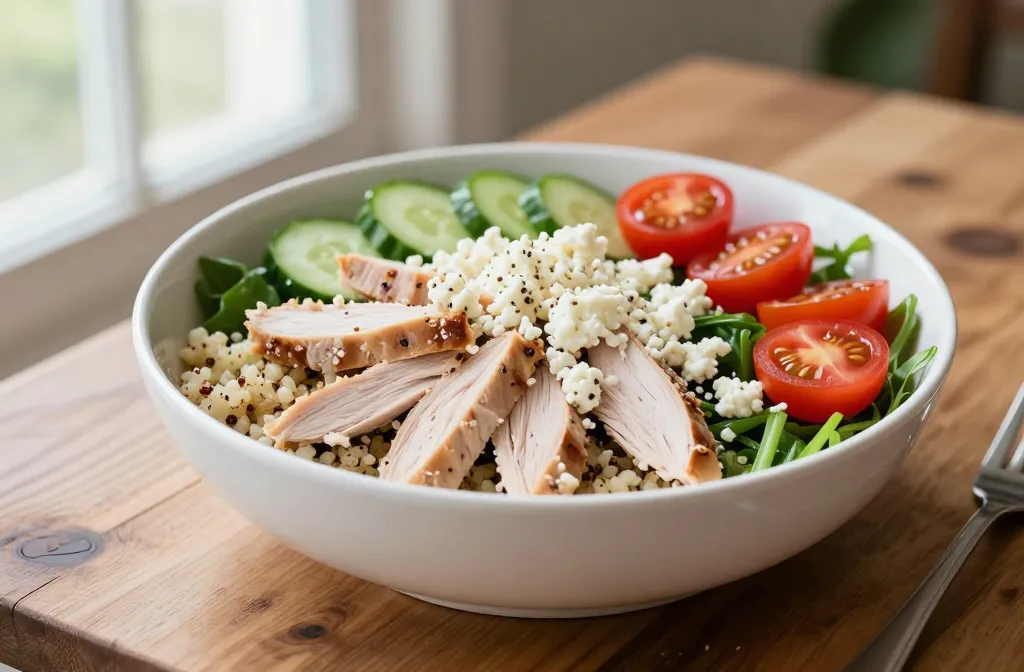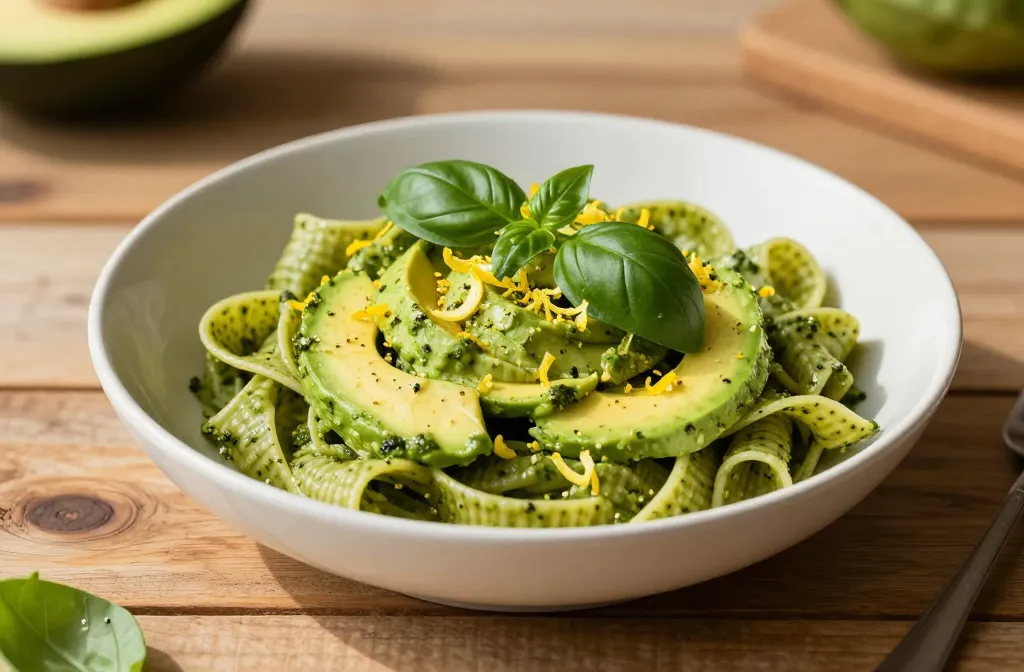
I’m not here to pretend pasta is your enemy. I am here to help you eat pasta that loves your joints as much as your taste buds. Anti-inflammatory pasta can be tasty, vibrant, and easy to pull off after a long day. Let’s dive into five recipes that prove you don’t have to choose between flavor and calm immune system vibes.
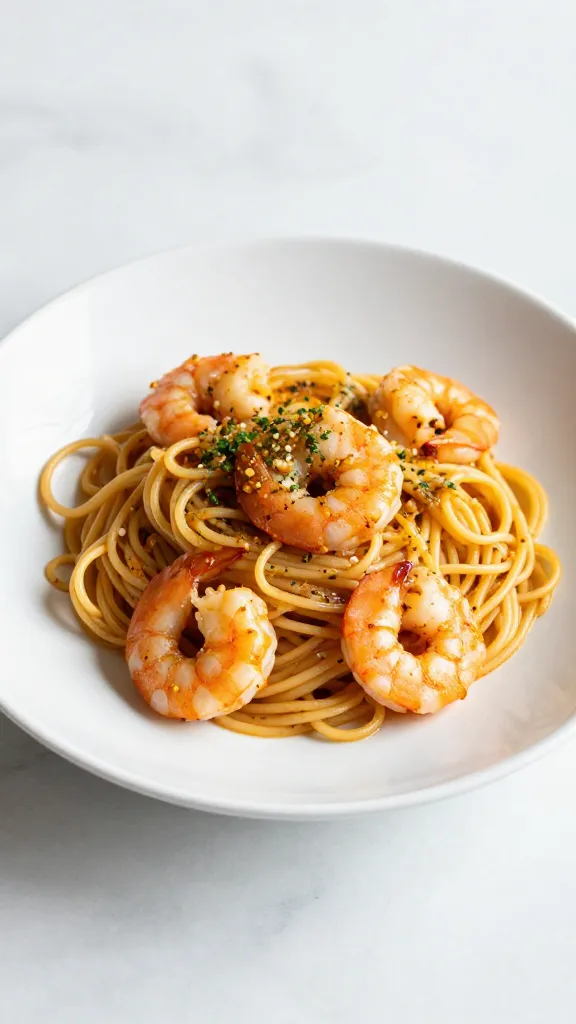
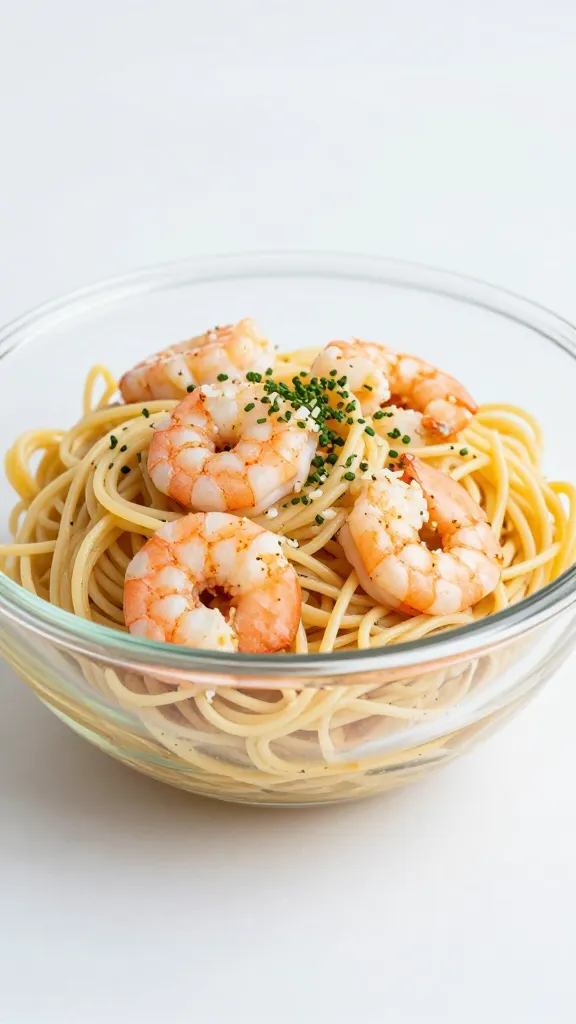
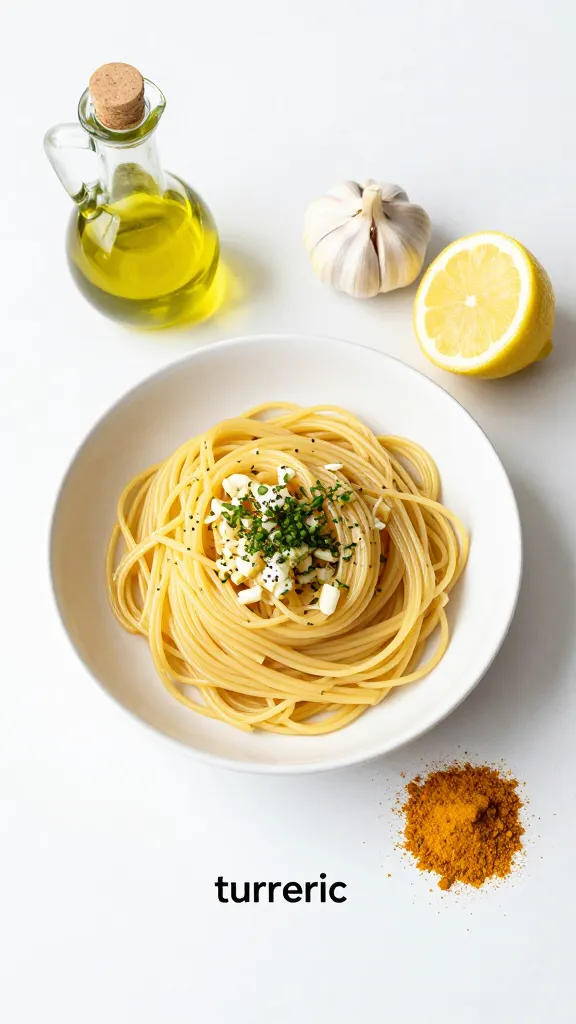
1. Bright Lemon Garlic Shrimp Pasta with Turmeric Twist
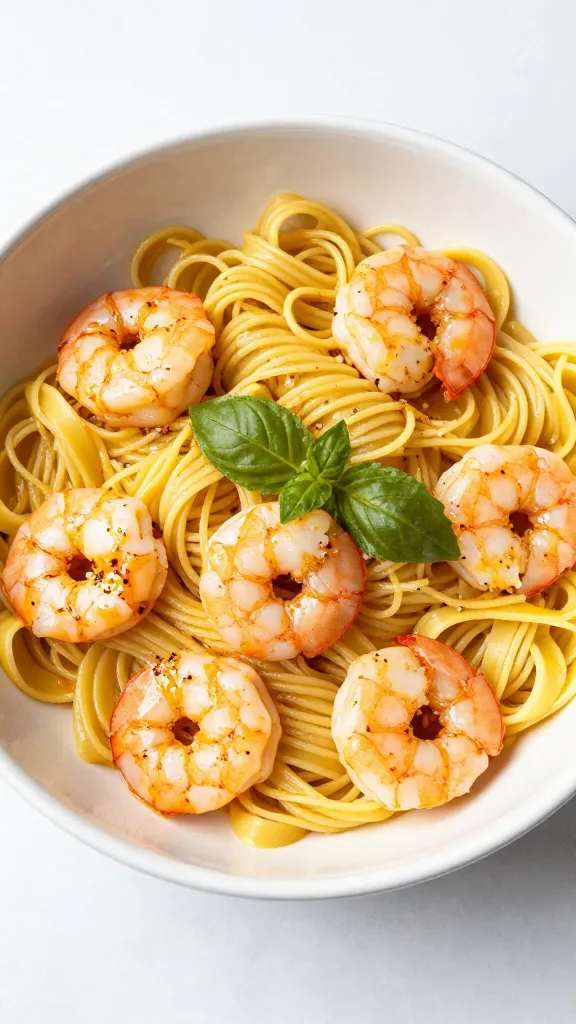
This dish brings sunshine to your plate and a gentle anti-inflammatory nudge from turmeric. It’s fast, zippy, and keeps the kitchen from turning into a war zone of pots.
– Why it’s anti-inflammatory: Turmeric contains curcumin, a noted inflammation buster, and olive oil helps absorption. Shrimp adds protein without heaviness.
– Core flavors: Lemon, garlic, a whisper of chili, and a saffron-like glow from the turmeric.
- Cook whole-wheat spaghetti or chickpea pasta until al dente.
- Sauté garlic in olive oil, add shrimp until pink, then splash in lemon juice and zest.
- Stir in a pinch of turmeric, chili flakes, and black pepper. Toss with pasta and a handful of parsley.
Tips for best results
- Grate lemon zest directly into the pan for a bright aroma.
- Finish with a drizzle of extra virgin olive oil to amp up flavor.
Ingredient swaps
- Use kale or spinach for extra greens if you’re skipping seafood.
- Try gluten-free pasta if you’re sensitive to gluten.
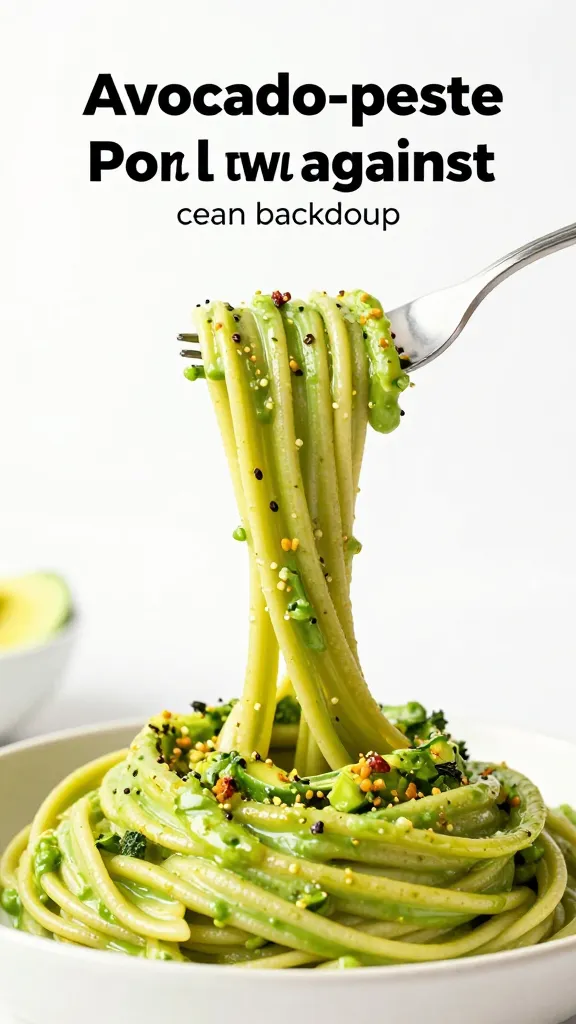
2. Creamy Avocado-Pesto Pasta with Spinach and White Beans
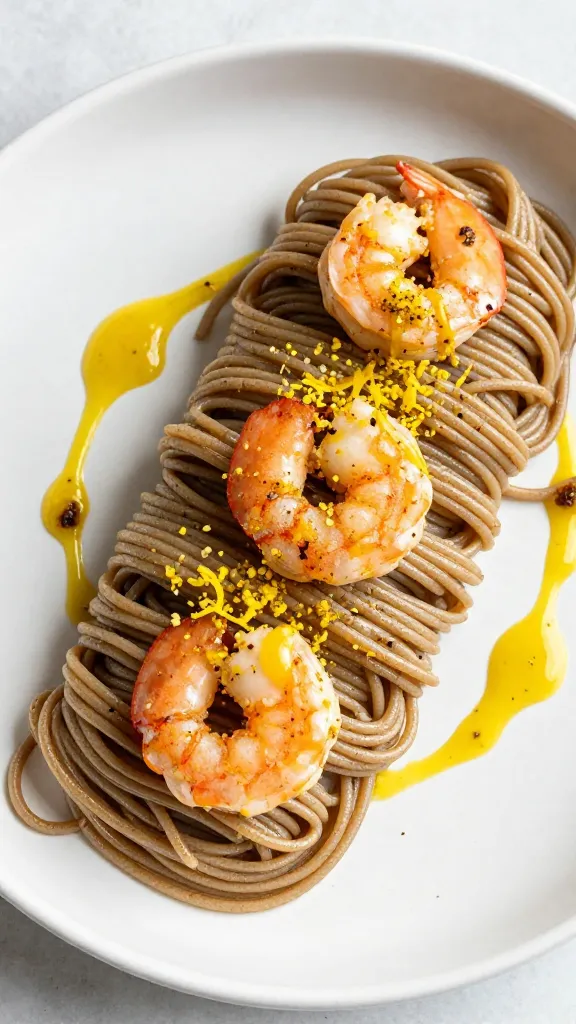
Creaminess without heavy cream? Yes please. This one gets its velvety texture from avocado and a sunshine-green pesto.
– Why it’s anti-inflammatory: Avocado brings healthy fats; olive oil, garlic, and spinach load up on antioxidants.
– Core flavors: Basil, garlic, lemon, and a surprising hit of white beans for texture and fiber.
- Boil pasta of choice; reserve a splash of starchy water.
- Blend avocado, fresh basil, lemon juice, garlic, and a splash of water to make a quick pesto.
- Toss pasta with pesto, sauteed spinach, and rinsed white beans. Warm through.
Pro tips
- Warm the beans for a minute or two to release their creaminess.
- Season pesto well; this is where the flavor really lives.
Common mistakes
- Over-blending the pesto can make it gluey. Pulse until smooth, not pureed.
- Skip the lemon if you forget it? It’s not the end of the world, but you’ll miss the zing.
3. Roasted Veggie-Olive Orecchiette with Chickpeas
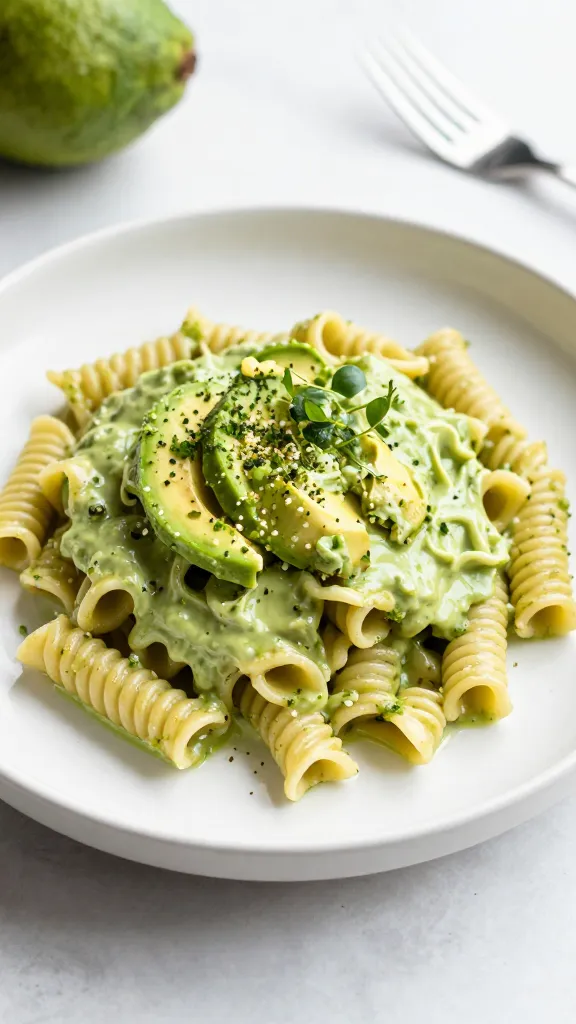
Who doesn’t love a roasted veggie bowl that somehow ends up in pasta form? This one leans on powerful vegetables and a caper-briny punch.
– Why it’s anti-inflammatory: A rainbow of veggies means a spectrum of antioxidants; olive oil and garlic keep the fats healthy and tasty.
– Core flavors: Roasted peppers, zucchini, tomatoes, olives, and a lemony finish.
- Roast mixed vegetables (peppers, zucchini, cherry tomatoes) until lightly caramelized.
- Sauté garlic in olive oil, add chickpeas and olives to warm through.
- Toss with orecchiette and roasted veggies; finish with lemon zest and parsley.
Variations
- Switch to a gluten-free pasta like corn or chickpea if needed.
- Top with toasted pine nuts for crunch.
4. Spicy Tomato-Tahini Pasta with Kale
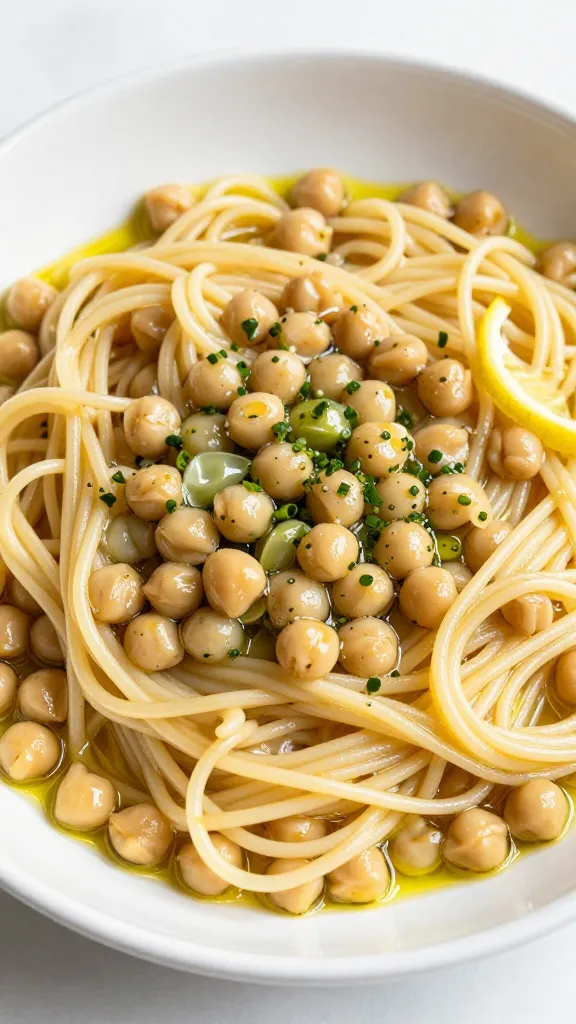
A little heat, a lot of green, and tahini to bind everything in a creamy, dairy-free hug.
– Why it’s anti-inflammatory: Tahini provides plant-based fats and calcium; kale adds vitamins A, C, and K.
– Core flavors: Smoky tomato sauce, garlic, chili, and the nutty kick of tahini.
- Cook pasta and set aside with a bit of pasta water reserved.
- Sauté garlic and chili pepper, add crushed tomatoes, and simmer briefly.
- Whisk in tahini, toss with kale until wilted, then combine with pasta.
Tips for best results
- Stir in a splash of pasta water to loosen the sauce if it thickens.
- Massage kale with a pinch of salt before adding to the pan to soften it faster.
Ingredient swaps
- Use spinach if kale isn’t your vibe.
- Replace tahini with blended white beans for extra creaminess without sesame.
5. Garlic-Infused Mushroom and Whole-Wheat Fusilli
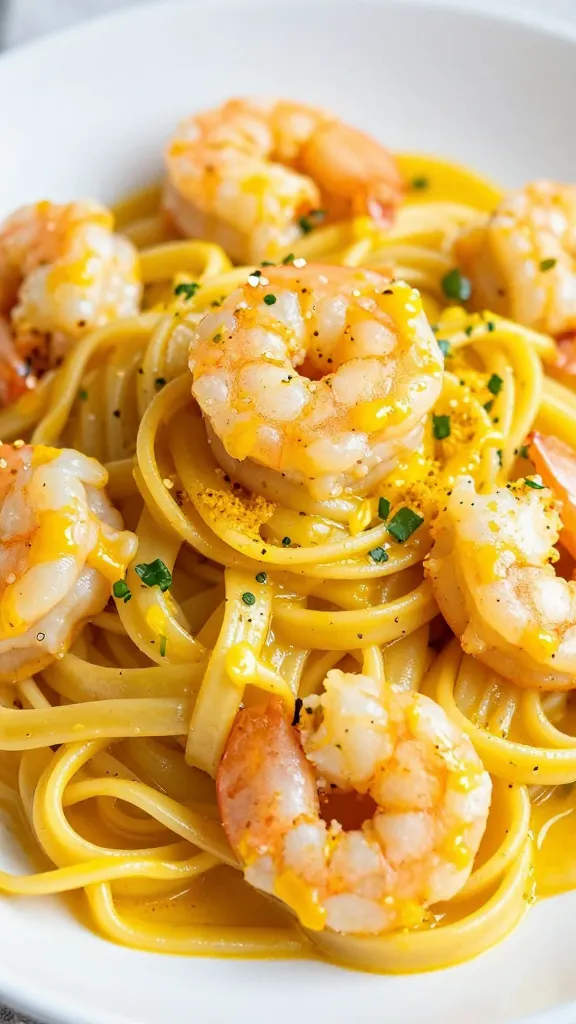
Earthy mushrooms, garlic, and a touch of wine create a comforting bowl that still respects your anti-inflammatory goals.
– Why it’s anti-inflammatory: Mushrooms bring beta-glucans and minerals; garlic and olive oil level up the cardio-nutrition factor.
– Core flavors: Umami mushrooms, white wine, thyme, and a peppery finish.
- Sauté sliced mushrooms in olive oil until they release their juices and brown.
- Deglaze with a splash of white wine, add minced garlic, thyme, and veggie stock.
- Toss with fusilli and finish with chopped parsley and a squeeze of lemon.
Thoughts on timing
- Don’t crowd the pan; give mushrooms space to brown for depth of flavor.
- Let the wine reduce for a few minutes so the sauce isn’t watery.
Tips for best results
- Use a mix of mushrooms for more texture and depth.
- Finish with a drizzle of olive oil to bring all the flavors together.
Comparison blocks: How these stacks compare
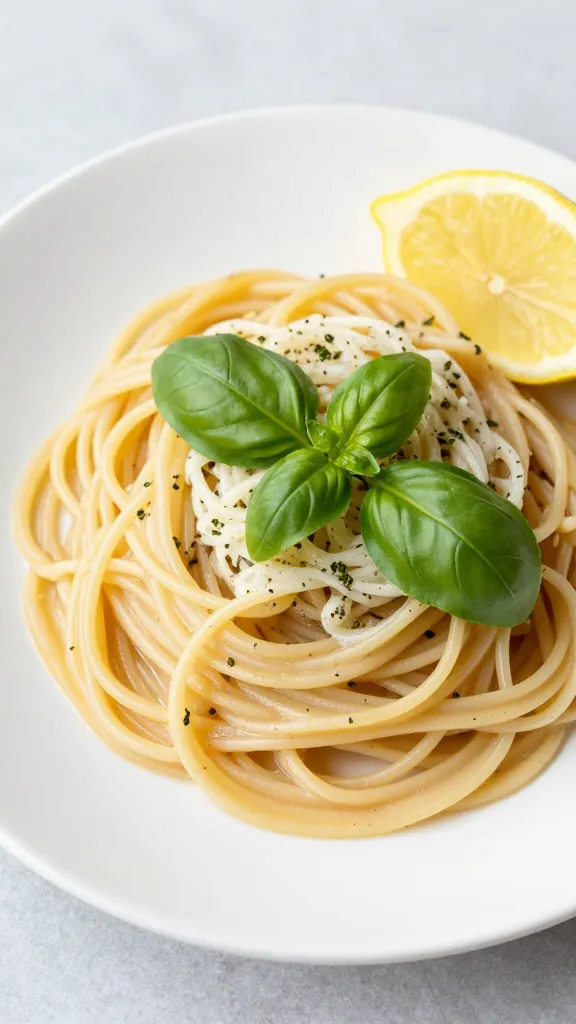
Flavor profile
All five lean into vibrant, bold flavors, but some skew brighter (lemon, peppers) while others lean earthy (mushrooms, greens).
Texture variety
From creamy avocado pesto to hearty beans and roasted veggies, you get a spectrum. Pick based on what you’re craving that night.
Protein options
Shrimp and beans are your quick protein bets. You can also swap in tofu or lentils if you want plant-forward meals.
Pro tips
- Always reserve pasta water. It helps emulsify sauces and adjust thickness without adding extra fat.
- Finish with a bright squeeze of lemon or a sprinkle of fresh herbs for that “wow” factor.
Common mistakes
- Overcooking pasta. It should stay slightly firm to hold up to the sauce.
- Skipping greens. They’re not just greens; they’re anti-inflammatory powerhouses.
Variations
- Make it dairy-free: use avocado pesto or tahini sauces (like the spicy tomato-tahini version).
- Make it kid-friendly: skip the heat in the chili and go for milder spices.
FAQ
Q: Can I freeze these sauces? A: Most of these sauces freeze well, especially the tomato-tahini and avocado pesto—but keep the pasta separate from the sauce if you plan to reheat. Reheat gently to avoid breaking emulsions.
Related Posts:



Q: Do I need to cook with anti-inflammatory spices every night? A: Not every night. But integrating them a few times a week supports a balanced approach without turning your kitchen into a science lab.
Q: Are these recipes gluten-free? A: Most can be made gluten-free by choosing pasta alternatives like chickpea or corn-based options. Check sauces for hidden thickeners if you’re sensitive.
Conclusion
If you’re chasing meals that taste fantastic and feel kinder to your body, these five anti-inflammatory pasta recipes have your back. They prove you don’t have to choose between flavor and gut-friendly, joint-friendly nourishment. FYI, you’ll likely want seconds—and that’s totally okay. So pick a recipe, grab your favorite pasta, and get saucy with it.