Table of Contents
Imagine wrapping your hands around a warm bowl of creamy rice pudding, simmered slowly with milk, sugar, and vanilla until it reaches the perfect velvety consistency. A hint of cinnamon drifts through the air. This is comfort in every spoonful.
Rice pudding is a classic childhood dessert enjoyed worldwide, but it holds a special place in the hearts of those who remember it bubbling on Grandma’s stove. Today, we return to that simple pleasure. It requires only basic pantry ingredients, one pot, and a little patience. Whether you serve it warm on a rainy day or chilled for a refreshing treat, this recipe delivers natural comfort without breaking the budget.
Rice Pudding: A Quick Personal Note
Growing up, the smell of warm milk and vanilla meant one thing: patience was about to be rewarded. My grandmother never rushed her rice pudding. She taught me that the secret wasn’t a fancy ingredient—it was the low, slow simmer. I’ve tested this recipe dozens of times to recreate that exact texture.
It’s not just about cooking rice in milk; it’s about coaxing the starch out gently so the pudding thickens itself. This recipe is my love letter to those slow Sunday afternoons in her kitchen.
Why This Recipe Gives Perfect Creamy Rice Pudding Every Time
Cooking rice pudding seems simple, yet many home cooks face common frustrations. You might end up with a dessert that is too thick and gluey, or perhaps too runny and soupy. Sometimes the rice is undercooked while the milk scorches on the bottom of the pan.
This recipe solves those problems through specific techniques:
Related Posts:






- The Golden Ratio: We use the correct rice-to-milk ratio to guarantee creaminess without needing eggs or heavy thickeners.
- The Simmer: Slow simmering prevents burning and ensures the rice grains are tender all the way through.
- Rice Selection: Using the right grain creates that signature texture—tender but not mushy.
- Flavor Balance: Gentle sweetness and vanilla warmth highlight the rice rather than overpowering it.
- Customizable Texture: You have full control to adjust the consistency to your liking right at the end.
Related Post: “The Best Lemon Loaf You’ll Ever Make — Ultra Moist & Bursting With Fresh Lemon”
Rice Pudding: Ingredients Breakdown
Understanding your ingredients is the key to mastering this dish.
1. Rice (Short-Grain or Medium-Grain)
- This is the most critical component. Short or medium-grain rice (like Arborio or regular sushi rice) releases more starch than long-grain varieties. This starch is what thickens the milk naturally. Long-grain rice will result in a thinner, less cohesive pudding.
2. Milk
- Whole milk provides the necessary fat content for richness. For an ultra-creamy version, you can swap a cup of milk for heavy cream.
3. Sugar
- Granulated white sugar adds sweetness and helps the rice absorb flavors. You don’t need much; the milk has its own natural sweetness as it reduces.
4. Butter
- A pat of salted butter stirred in at the end boosts the richness and gives the pudding a glossy, smooth mouthfeel.
5. Vanilla Extract
- Use pure vanilla extract for a classic flavor upgrade. If you are feeling fancy, a vanilla bean scraped into the milk takes this to a gourmet level.
6. Cinnamon or Nutmeg (Optional)
- A dusting of these spices creates that warm, old-fashioned flavor profile synonymous with comfort food.
7. Salt
- Never skip the salt. A small pinch enhances the sweetness and depth of the vanilla.
Substitution Chart:
- Milk: Almond milk, oat milk, or coconut milk (see variations below).
- Sugar: Honey, maple syrup, or monk fruit sweetener.
- Rice: Arborio is best, but standard white rice works in a pinch (adjust cooking time).
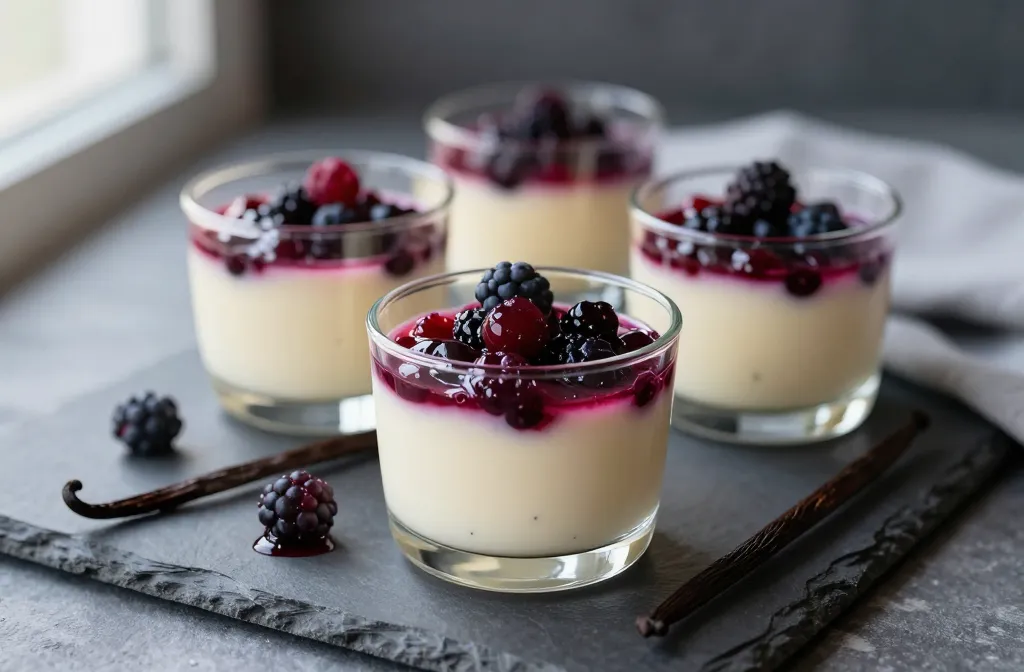
Related Post: A Soft Spoon Dessert of Vanilla Milk Pudding for Spring Evenings
Rice Pudding: Texture & Flavor Notes
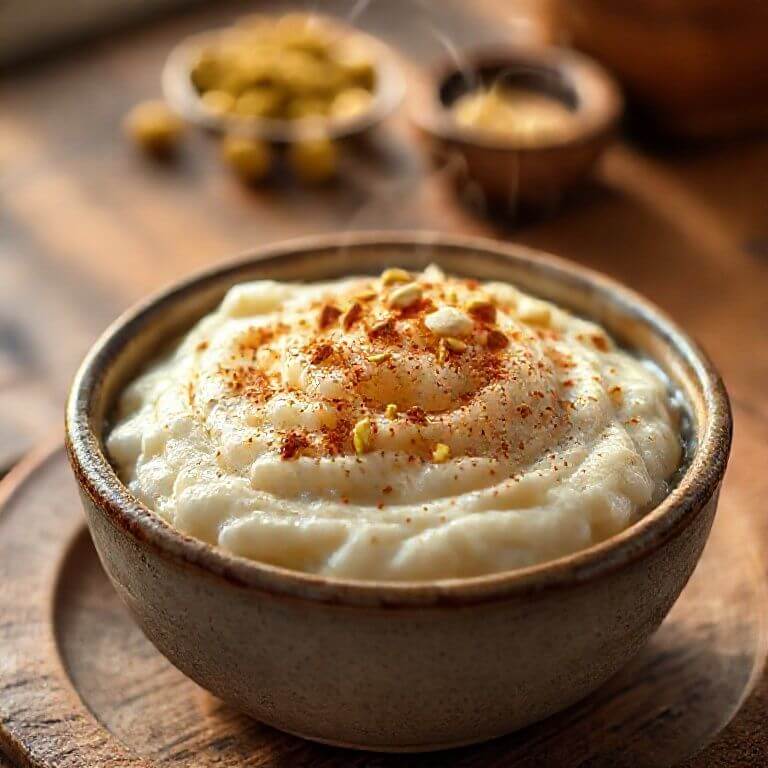
Texture: Expect a lush, velvety consistency similar to a loose risotto. The rice grains should be swollen and tender, suspended in a thick, sweetened milk sauce. It should not be a solid block of rice; it should flow slowly from the spoon.
Flavor: The primary notes are milky and sweet with a strong vanilla backbone. It is mild, not overpowering, allowing toppings like cinnamon or fruit to shine.
Rice Pudding: Equipment Needed
You don’t need fancy gadgets, but the right pot matters.
- Heavy-Bottomed Pot or Dutch Oven: Crucial for preventing the milk from scorching on the bottom.
- Wooden Spoon or Silicon Spatula: For frequent stirring.
- Measuring Cups and Spoons.
- Ladles or Serving Bowls.
Step-by-Step: How to Make Old-Fashioned Rice Pudding
Step 1: To Rinse or Not to Rinse?
- Do not rinse your rice for this recipe. We want that surface starch! It helps thicken the pudding as it cooks. Rinsing washes away the very thing that makes this dessert creamy.
Step 2: Combine Ingredients
- In your heavy-bottomed pot, combine the rice, milk, sugar, and salt. Turn the heat to medium-high just until the milk begins to steam and bubble around the edges. Do not let it boil over.
Step 3: Simmer Slowly
- Reduce the heat to low immediately. The mixture should be at a very gentle simmer. Cook uncovered for 45 to 50 minutes. Stir occasionally to keep the rice from sticking to the bottom.
Step 4: Add Butter & Flavorings
- Once the rice is tender and the mixture has thickened to the consistency of yogurt, remove the pot from the heat. Stir in the butter and vanilla extract.
Step 5: Adjust Consistency
- If the pudding looks too thick, stir in a splash of warm milk. If it’s too thin, let it sit for a few minutes; it thickens significantly as it cools.
Step 6: Serve
- Serve warm for maximum comfort, or transfer to the fridge to serve cold.
Related Post: An Easy, Old-Fashioned Bread Pudding Just Like Grandma Made
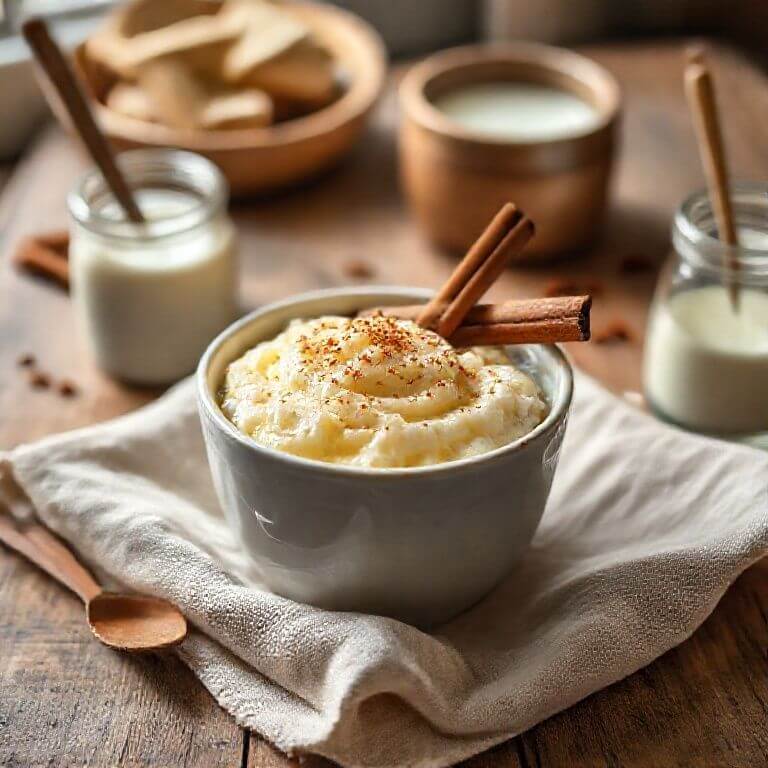
Creamy, Cozy, Old-Fashioned Rice Pudding Like Grandma Made
Video
If you like this, check out How To Make perfect Lemon panna cotta At Home
What Makes This Rice Pudding SO Creamy?
The science behind the creaminess lies in amylopectin. Short-grain rice is high in this starch molecule, which breaks down during the slow simmer and gelatinizes in the liquid.
Additionally, milk proteins concentrate as water evaporates, naturally thickening the sauce. The final addition of butter emulsifies into the hot mixture, adding a silky finish that coats the tongue.
Rice Pudding: Flavor Variations
Don’t be afraid to twist the classic recipe.
- Cinnamon Raisin: Stir in 1/2 cup of raisins during the last 15 minutes of cooking so they plump up.
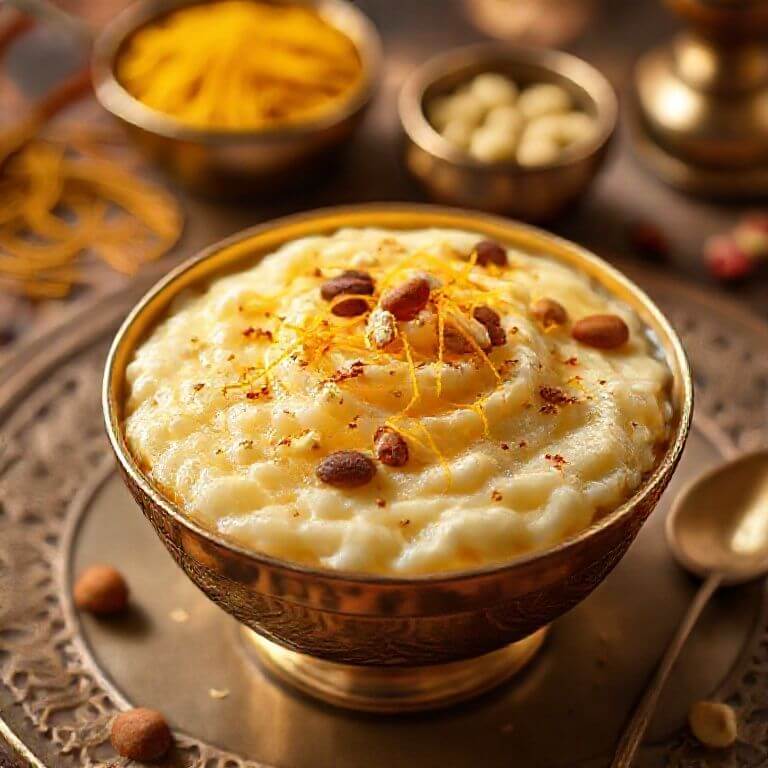
- Indian-Style (Kheer): Add cardamom pods, saffron strands, and chopped pistachios.
- Coconut Rice Pudding: Replace half the dairy milk with full-fat coconut milk and top with toasted coconut flakes.
- Citrus Zest: Add strips of lemon or orange peel during the simmer, then remove them before serving for a bright, floral note.
- Chocolate: Whisk in 2 tablespoons of cocoa powder or stir in chocolate chips at the end until melted.
- Vegan: Use oat milk (it creates the creamiest non-dairy texture) and vegan butter.
Rice Pudding: My Best Tips for This Recipe
- Stir Often: Milk loves to burn. Stirring distributes the heat and agitates the rice to release more starch.
- Watch the Heat: If the milk boils too vigorously, it can curdle or evaporate too quickly, leaving you with undercooked rice. Low and slow is the rule.
- The “Soup” Rule: Take the pudding off the heat when it still looks slightly soupy. It will tighten up considerably as it cools. If you cook it until it looks perfect in the pot, it will be dry in the bowl.
- Tempering Eggs (Optional): Some recipes call for eggs. If you want a custard-like pudding, whisk an egg yolk with a little hot pudding in a separate bowl, then stir that mixture back into the main pot to cook for 2 more minutes. This prevents scrambling.
Related recipe: How To Make Mango panna cotta at home
Rice Pudding: Storage, Freezing & Reheating Guide
- Refrigerator: Store in an airtight container for 3–4 days. Press plastic wrap directly onto the surface of the pudding to prevent a “skin” from forming.
- Freezer: You can freeze rice pudding for up to 3 months, though the texture may change slightly. Thaw in the fridge overnight.
- Reheating: Rice pudding turns into a solid block in the fridge. To reheat, scoop the desired amount into a saucepan or microwave-safe bowl. Add a splash of milk and heat gently, stirring to break up the clumps until creamy again.
Rice Pudding: Serving Ideas
Elevate your bowl with these toppings:
- Fresh berries or sliced bananas
- A drizzle of honey or maple syrup
- Toasted pecans or walnuts
- A dollop of whipped cream
- Warm caramel sauce
Frequently Asked Questions About Rice Pudding
Q: Should I rinse the rice?
A: No. Retaining the starch on the rice grains is essential for achieving a creamy texture naturally.
Q: Why is my rice pudding too thick?
A: It likely cooked too long or the heat was too high, evaporating too much liquid. Stir in a little extra warm milk to loosen it up.
Q: Can I use leftover cooked rice?
A: Yes, but the result won’t be as creamy because the rice won’t release starch into the milk while cooking. Reduce cooking time to just 15-20 minutes if using cooked rice.
Q: Can I make rice pudding without sugar?
A: Yes, you can rely on the natural sweetness of lactose in the milk and add sweet spices like cinnamon, or use alternative sweeteners like stevia.
Q: Can I make this in an Instant Pot?
A: Absolutely. Combine ingredients and cook on the “Porridge” setting for 20 minutes, then allow a natural pressure release.
Final Thoughts On Rice Pudding
This creamy, old-fashioned rice pudding is more than just a dessert; it’s a connection to the past. It captures the nostalgia and simplicity of generations before us. Whether you stick to the classic vanilla version or experiment with chocolate and coconut, you are creating a memory in a bowl.
Have you tried this recipe? Pin it for later, leave a comment below, or share your own variation!
Related Post: The Softest, Most Fragrant Cardamom Tea Cake: A Recipe to Savor and Share
Printable Recipe Card
Want just the essential recipe details without scrolling through the article? Get our printable recipe card with just the ingredients and instructions.