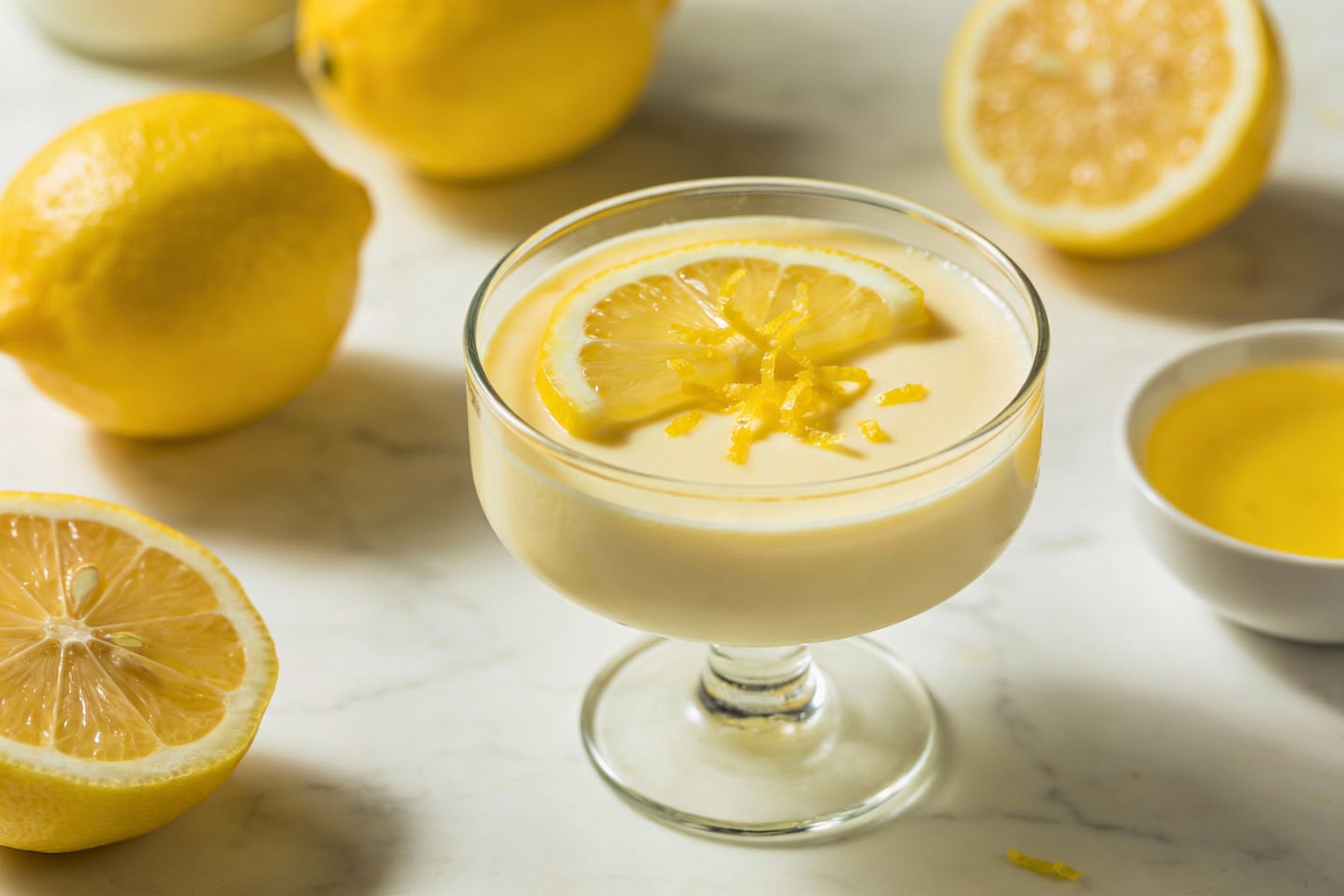
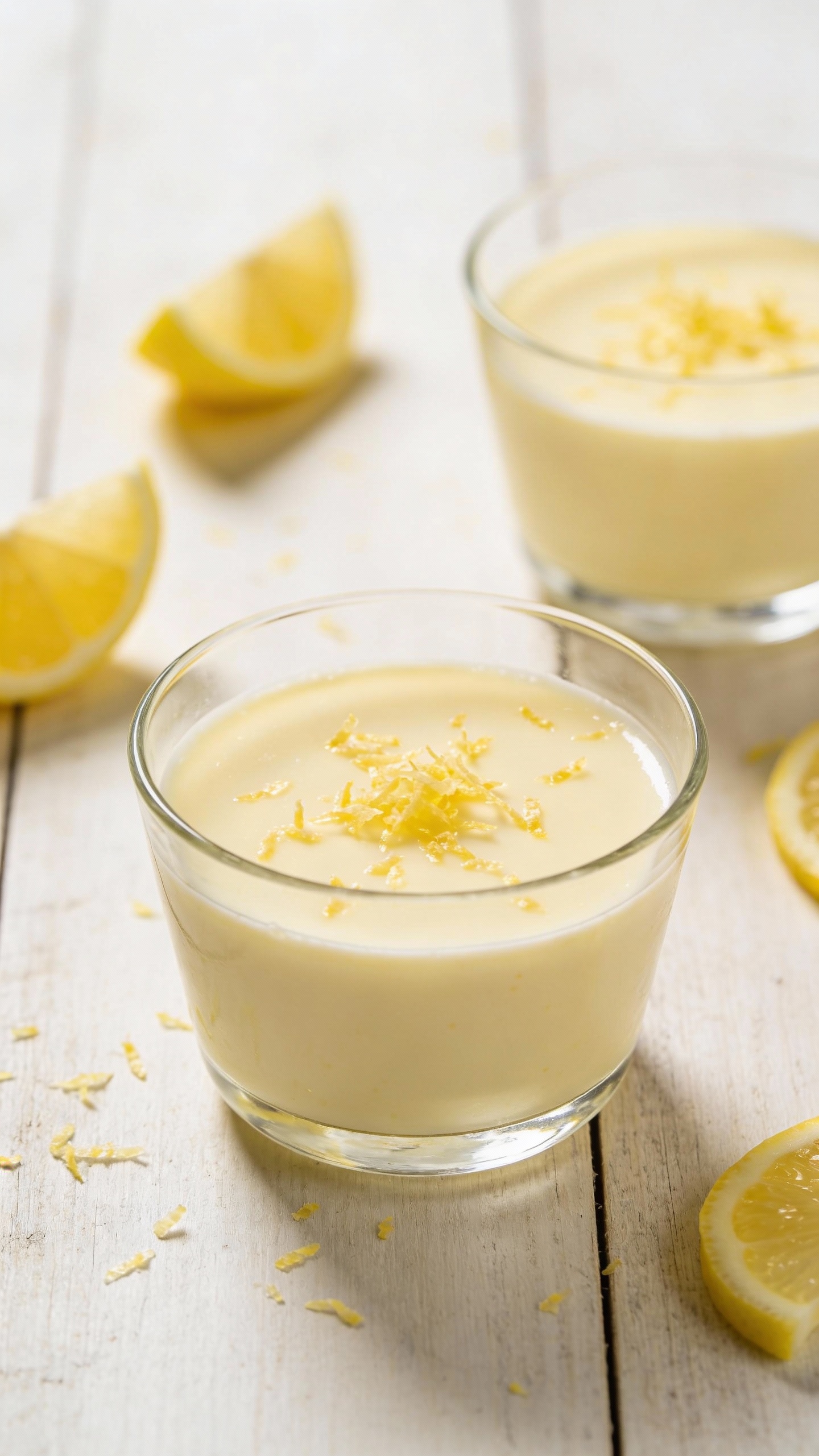
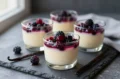
Lemon panna cotta tastes like sunshine in silk. It looks fancy, sets like a dream, and honestly? It’s easier than making pancakes. If you can heat cream and pour it into cups without tripping, you’ve basically got this. Let’s get that creamy, citrusy wobble on the table with zero drama and maximum bragging rights.
Why Lemon Panna Cotta Wins Every Time
You get a cool, creamy dessert that feels elegant but takes 15 minutes of hands-on time. It sets in the fridge while you pretend you worked very hard. The lemon cuts through the richness, so it tastes light, bright, and totally refreshing. Serving dinner guests? You’ll look like a culinary mastermind with suspiciously clean countertops.
What You’ll Need (No Weird Ingredients)
Serves 6 small portions or 4 generous ones
2 cups (480 ml) heavy cream
1/2 cup (120 ml) whole milk
1/3 cup (65–70 g) granulated sugar
1 packet (2 1/4 tsp or 7 g) powdered gelatin
2 tbsp fresh lemon juice (about 1 large lemon)
1–2 tsp finely grated lemon zest
1 tsp vanilla extract (or 1/2 tsp vanilla paste for extra oomph)
Pinch of fine sea salt
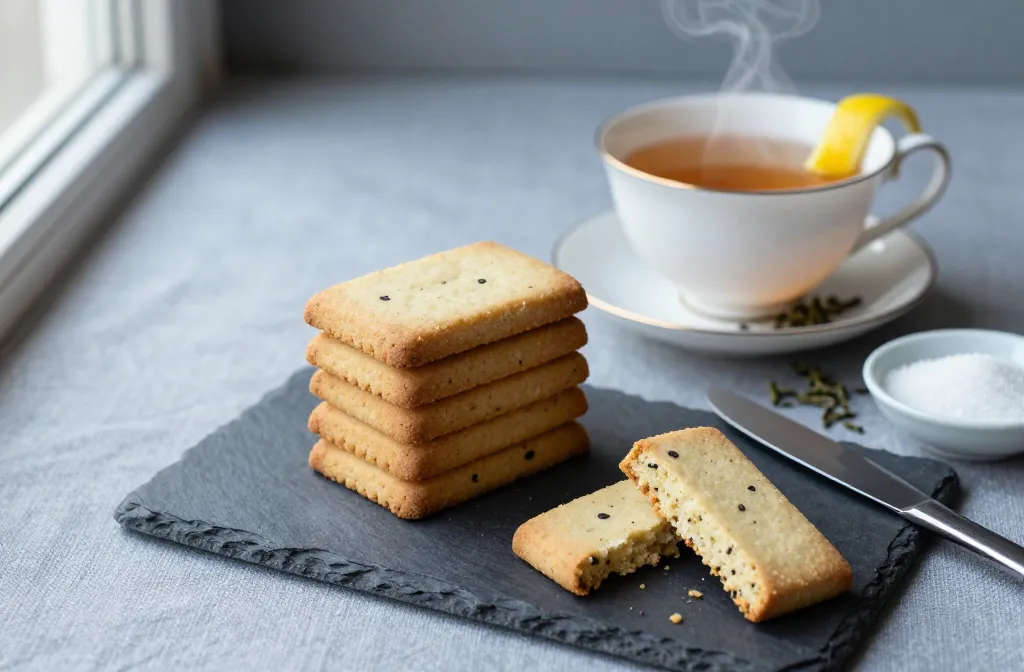
Optional toppings: fresh berries, lemon curd, crushed shortbread, mint
Equipment:
Small saucepan
Whisk
Fine-mesh strainer (highly recommended)
Four to six ramekins or small glasses
The Game Plan (Step-by-Step)
Bloom the gelatin: Sprinkle gelatin over the cold milk in a small bowl. Let it sit for 5–10 minutes until it looks spongey. No heat yet—gelatin needs that cold moment to hydrate.
Heat the cream: In a saucepan, combine cream, sugar, lemon zest, vanilla, and salt. Warm over medium heat, whisking gently until the sugar dissolves and the cream steams. Do not boil. If it boils, it can taste cooked and the texture can go meh.
Melt in the gelatin: Remove the pan from heat. Whisk in the bloomed gelatin-milk mixture until completely dissolved. If you see tiny granules, keep whisking—they’ll melt.
Add lemon juice last: Stir in the lemon juice off the heat. This keeps the citrus bright. Taste. Want more lemon zing? Add another 1/2 tsp of juice, but don’t go wild or it can curdle vibes and mess with the set.
Strain and pour: Pour the mixture through a fine strainer into a measuring jug to catch zest bits and any undissolved specks. Divide evenly among ramekins or glasses.
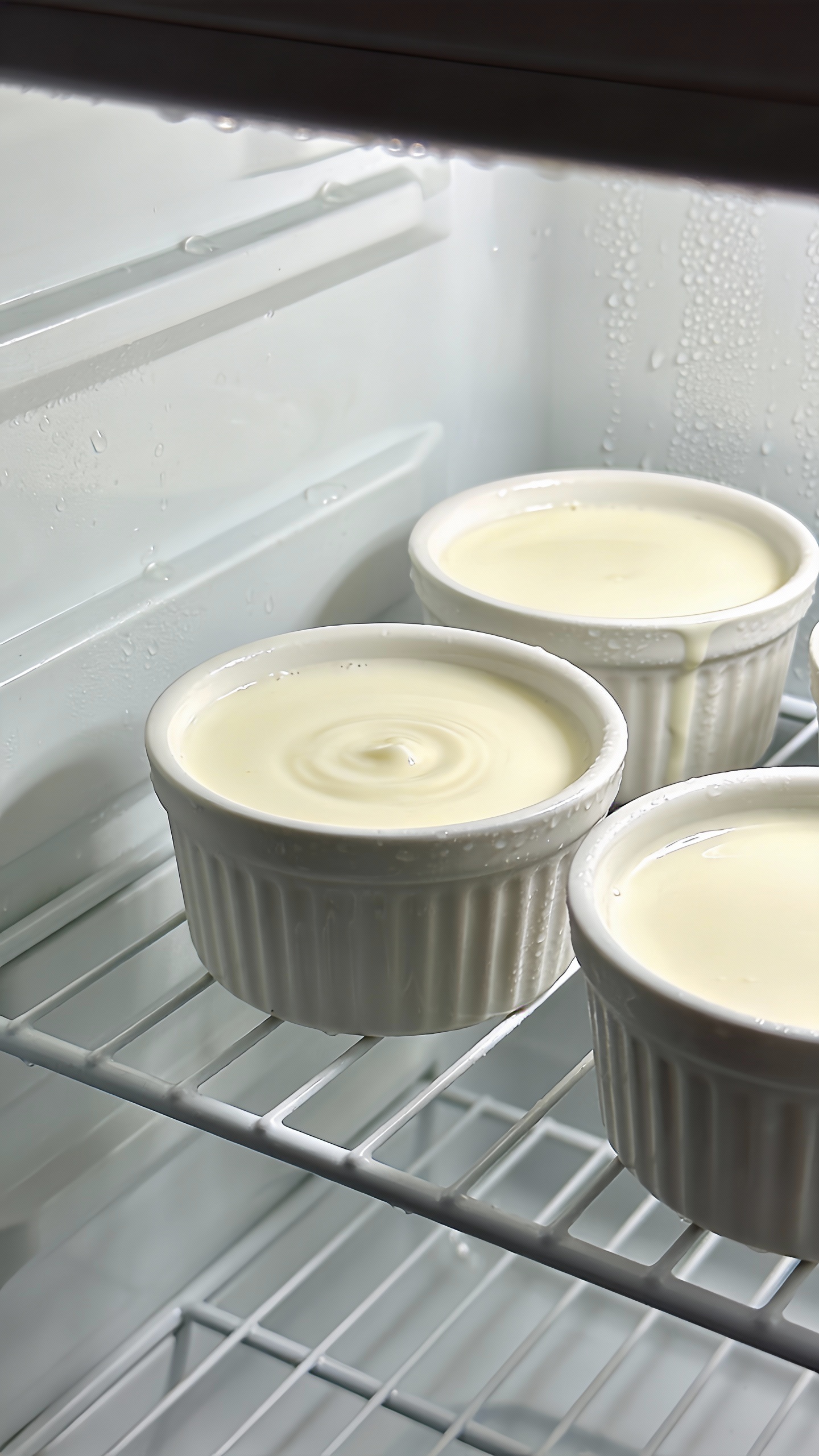
Chill: Let them cool on the counter 15–20 minutes. Cover and refrigerate 4 hours (or overnight) until set with a gentle wobble.
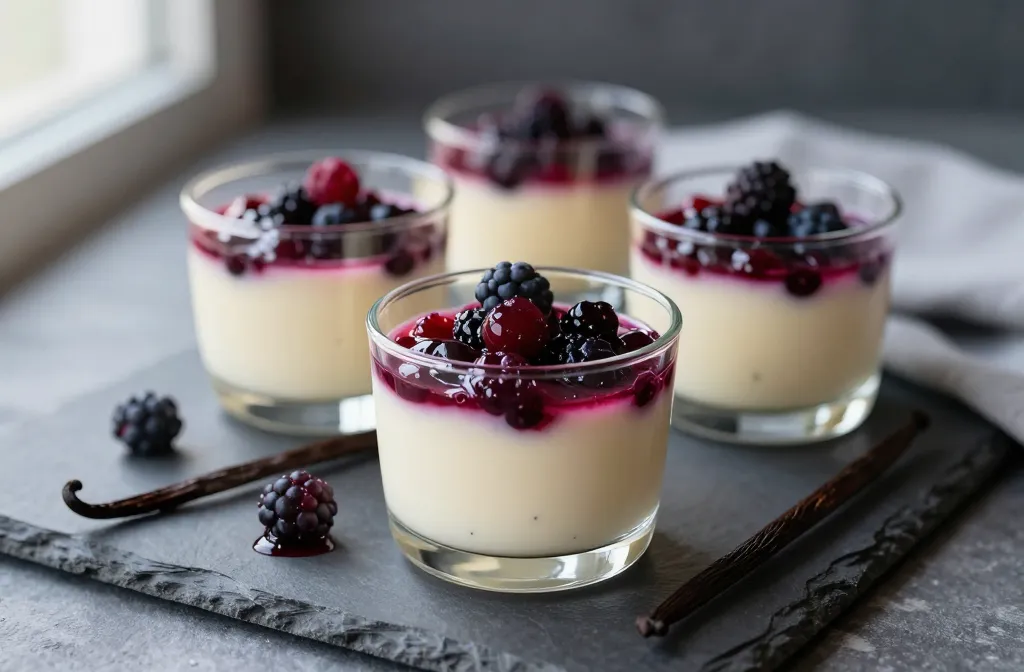
Top and serve: Add berries, a dab of lemon curd, or crushed shortbread. Channel your inner minimalist or go full extra. Your call.
Texture Secrets: That Perfect Wobble
You want soft, silky, barely-holds-a-spoon perfection. Overdo gelatin and you’ll get lemon-flavored erasers. Underdo it and you’ll get lemon soup—delicious, but not the brief.
Gelatin Ratios That Just Work
2 1/4 tsp powdered gelatin per 2.5 cups liquid gives soft-set panna cotta. That’s our recipe.
Prefer firmer? Add 1/4 tsp more gelatin. Prefer softer? Reduce by 1/4 tsp.
Using sheet gelatin? Sub 3 gold sheets, bloomed in cold water, then squeezed dry and whisked into the hot cream.
Avoiding Lumps and Weirdness
Bloom in cold liquid. Skip this and lumps happen. FYI, lumps are a pain.
Don’t boil the cream. Gentle heat melts gelatin better and preserves flavor.
Strain. Straining equals five-star smoothness. IMO, totally worth the extra dish.
Flavor Upgrades (When You Want Extra Flair)
Keep it simple or make it fancy without turning your kitchen into a lab.
Easy Twists
Lemon-vanilla bean: Swap extract for paste or scrape a pod. Steep, then strain.
Lemon-thyme: Add a small thyme sprig during heating; strain before pouring.
Lemon-limoncello: Stir in 1–2 tbsp limoncello with the lemon juice for a grown-up vibe.
Yogurt swirl: Whisk 1/3 cup whole Greek yogurt into the mixture before straining for tang.
Toppings That Make It Pop
Berry compote: Simmer berries with a bit of sugar and lemon juice for 5 minutes; cool.
Crushed shortbread or amaretti: Adds crunch so your mouth doesn’t get bored.
You can make this dessert ahead without stress. Honestly, panna cotta loves a fridge nap.
Make-ahead: Prepare 1–2 days before serving. The flavor actually improves.
Storage: Keep covered in the fridge up to 4 days. Don’t freeze—freezers ruin the texture.
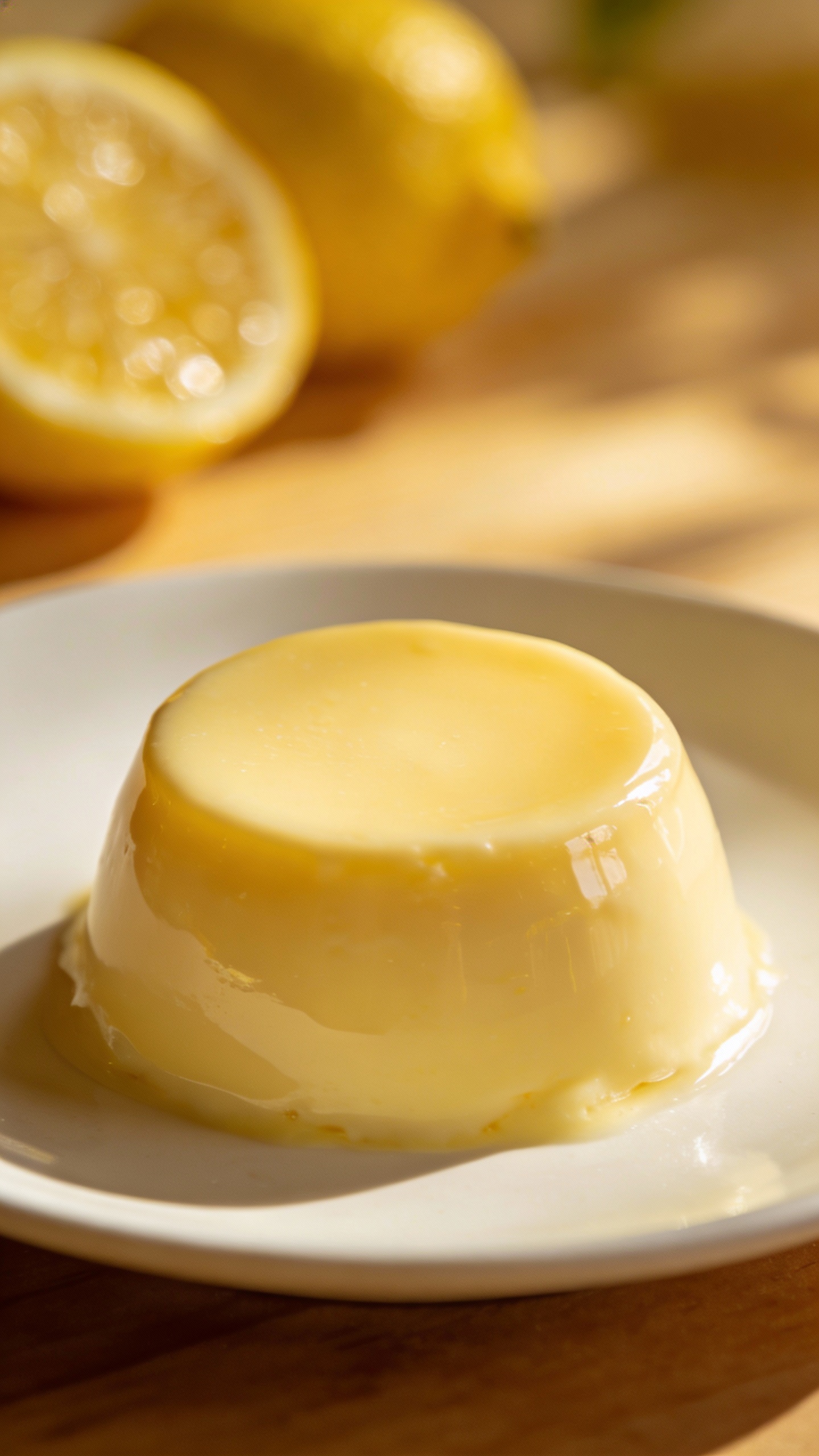
Unmolding: Run a thin knife around the edge, dip the ramekin in warm water for 10–15 seconds, and invert onto a plate. Or skip drama and serve in glasses.
Serving temp: Serve chilled but not icy. Let it sit at room temp 5–10 minutes for the creamiest texture.
Common Mistakes (And How To Dodge Them)
Boiling the cream: Keep it under a simmer. Boiling dulls the flavor and messes with gelatin.
Adding lemon juice too early: Add it off heat to keep things smooth and bright.
Skipping the strain: You’ll get zest bits and potential gelatin specks. Not tragic, but not silky either.
Rushing the chill: It needs at least 4 hours. Overnight sets like a dream. Patience, chef.
Too much zest: A little sings; too much turns bitter. 1–2 tsp max, IMO.
FAQ
Can I make this dairy-free?
Yes, with a caveat. Use full-fat coconut milk (1 can, about 13.5 oz) plus 1 cup unsweetened almond or oat milk, and use the same gelatin. It will taste coconut-lemon (delicious), not classic dairy panna cotta. For vegan, swap gelatin for agar-agar (about 1 tsp agar powder simmered 2 minutes), but the texture turns slightly firmer and less creamy.
Why did my panna cotta separate or look grainy?
You probably overheated or boiled the cream, or you added the lemon juice while it simmered. Heat gently, dissolve gelatin fully, and add lemon off the heat. Straining also helps you win the smoothness game.
Can I use Meyer lemons?
Absolutely. Meyer lemons taste sweeter and floral, so reduce the sugar slightly (to about 1/4 cup) or keep it as-is if you like a dessert-sweet profile. Taste and tweak like the kitchen boss you are.
Double it easily: 4 cups cream, 1 cup milk, 2/3 cup sugar, 2 packets gelatin. Use a larger jug for pouring and more ramekins. Chill time stays roughly the same unless you pour into deep molds.
Can I set it in one big mold?
Yes, but use a lightly greased 1-quart mold and chill overnight. Unmold by warming the outside with a hot towel or dipping in warm water briefly. Slice like a fancy custard cake and serve with berries.
What if I only have half-and-half?
Use 2 cups half-and-half and skip the milk. It will set slightly lighter than heavy cream, still lovely. Don’t expect the same luxe texture, but it’s a solid substitute, FYI.
Conclusion
Lemon panna cotta gives you maximum payoff for minimal effort—bright, creamy, and ridiculously classy. You stir, you chill, you flex. Keep it classic, or add herbs, liqueur, or a crunchy topping and pretend you run a bistro. Either way, you’ll nail it, spoon clink and all.
Disclosure: This post may contain affiliate links.
If you make a purchase through these links, I may earn
a small commission at no extra cost to you.
prab chahal
Hi, I’m Prabjot Chahal – the heart (and taste buds) behind this blog!
Food has always been my love language – from experimenting with family recipes to discovering unique flavors from around the world. I believe that cooking isn’t just about following a recipe, it’s about creating moments, sharing stories, and connecting with others over something delicious. Through this blog, I want to build a vibrant food community where we share more than just recipes – we share inspiration, tips, and the joy of making and enjoying good food together. Whether you’re here for quick weekday dinners, festive treats, or creative seasonal ideas, you’re part of this table. So grab a fork (or a whisk!) and let’s cook, bake, and share our love for food – one recipe at a time.