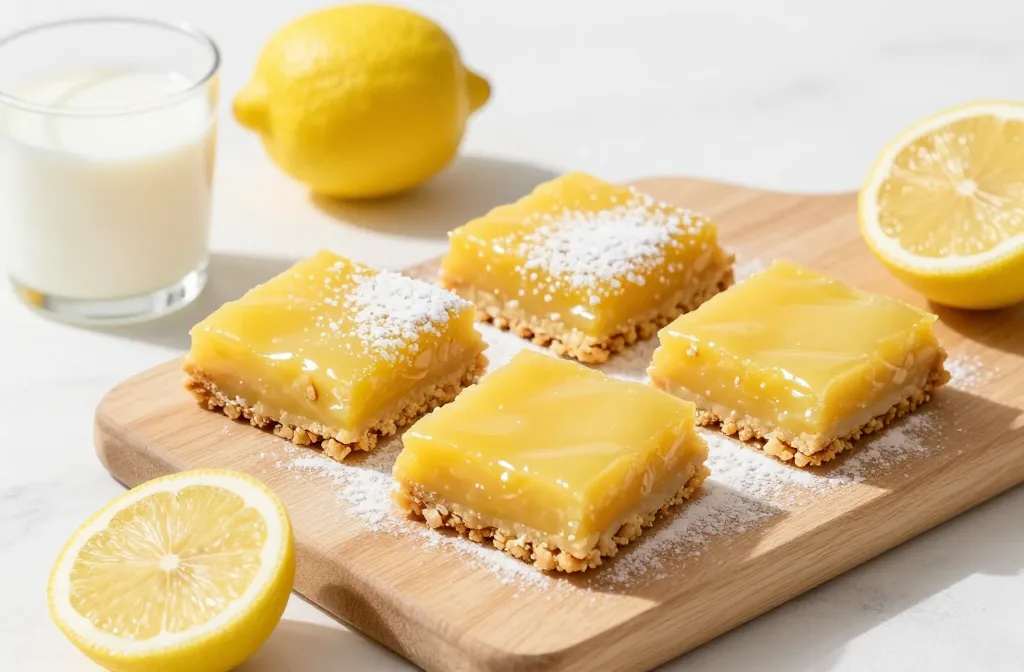
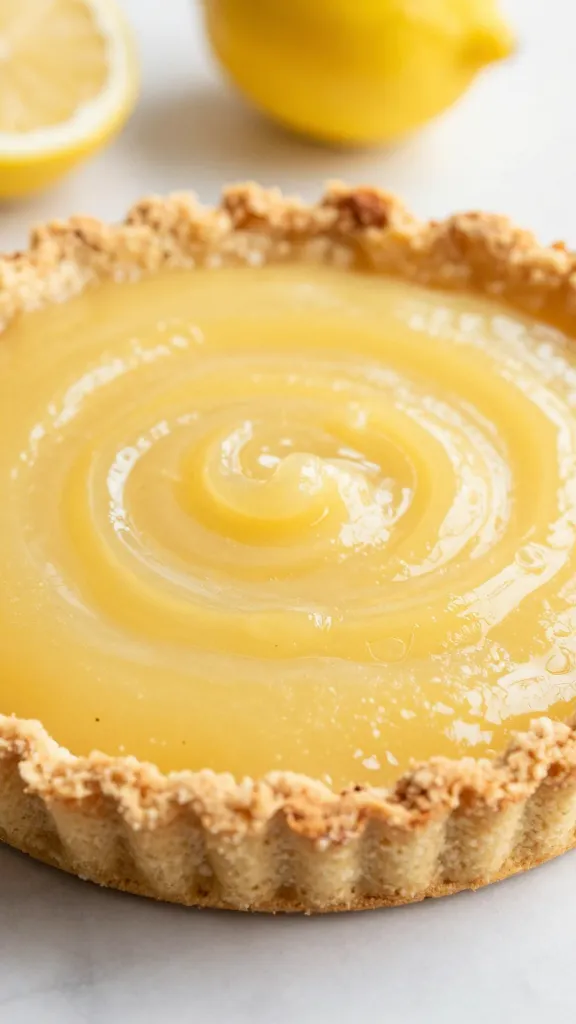
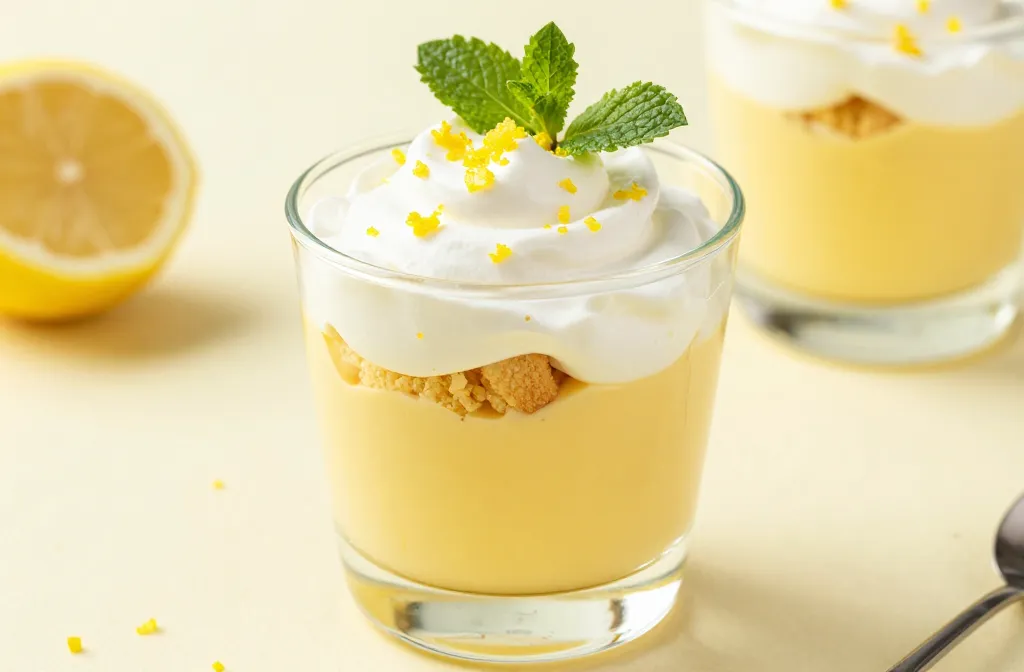
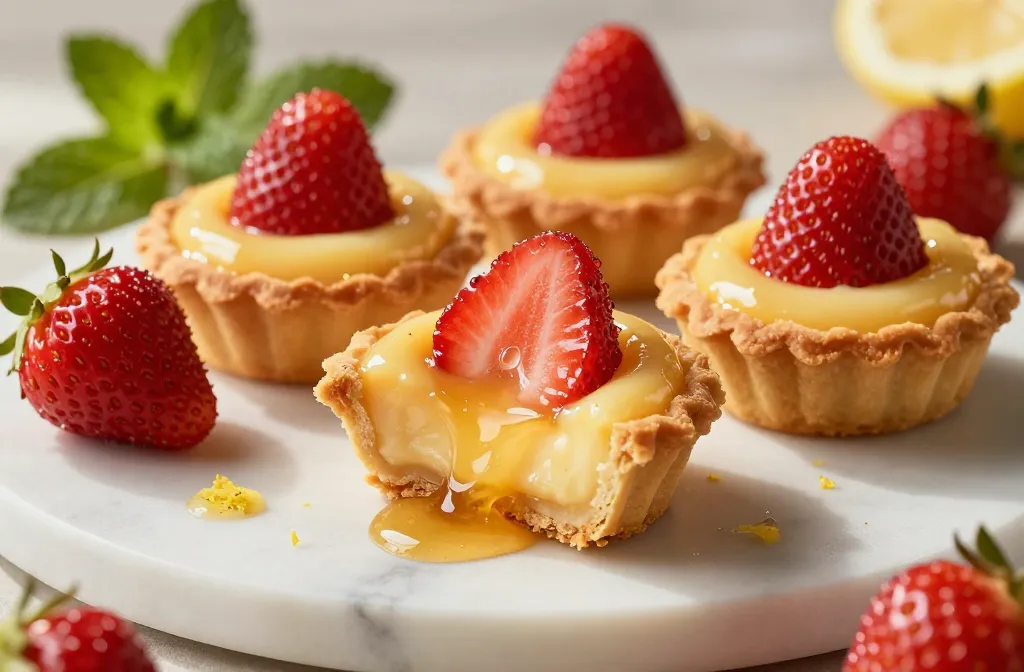
It’s lemon bar season, and gluten free vegan lovers, you’re in for a citrusy, shareable treat that actually ages well on the counter. No dairy, no gluten drama, just bright sunshine in every bite. FYI, this is the kind of dessert you bring to a party and steal all the compliments.
What makes gluten free vegan lemon bars so delicious
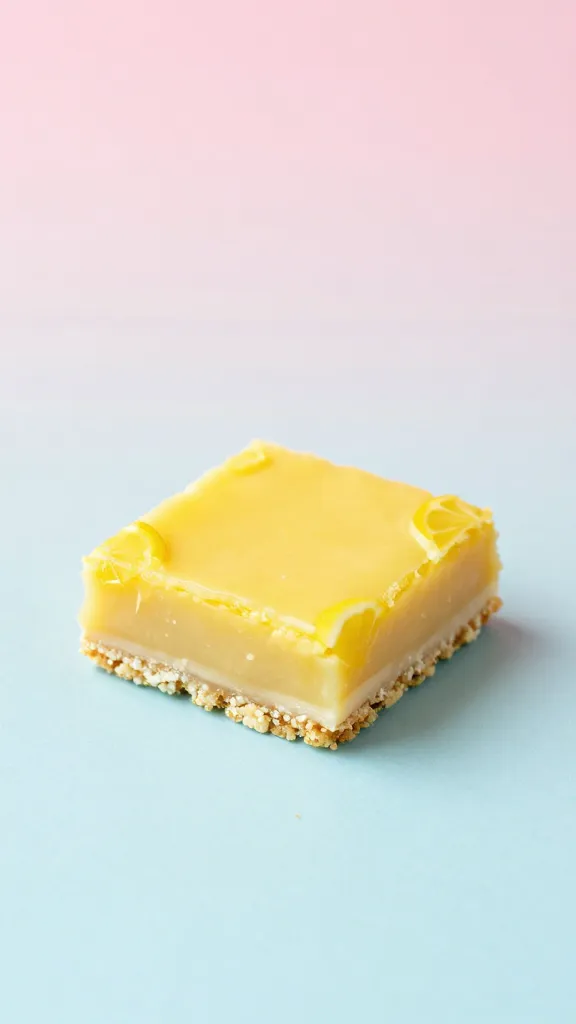
– They’re naturally dairy-free and gluten-free, but that doesn’t mean they skip flavor. The lemon zing hits bright and tart, while the crust stays crumbly and chewy in all the right ways. – The texture balance is everything: a tender shortbread-like crust with a glossy lemon filling on top. It’s basically sunshine on a plate. – Simple pantry science helps here: nut flours or oat flour provide structure, cornstarch or arrowroot gives the filling that glossy set, and a little coconut oil or neutral oil keeps everything smooth.
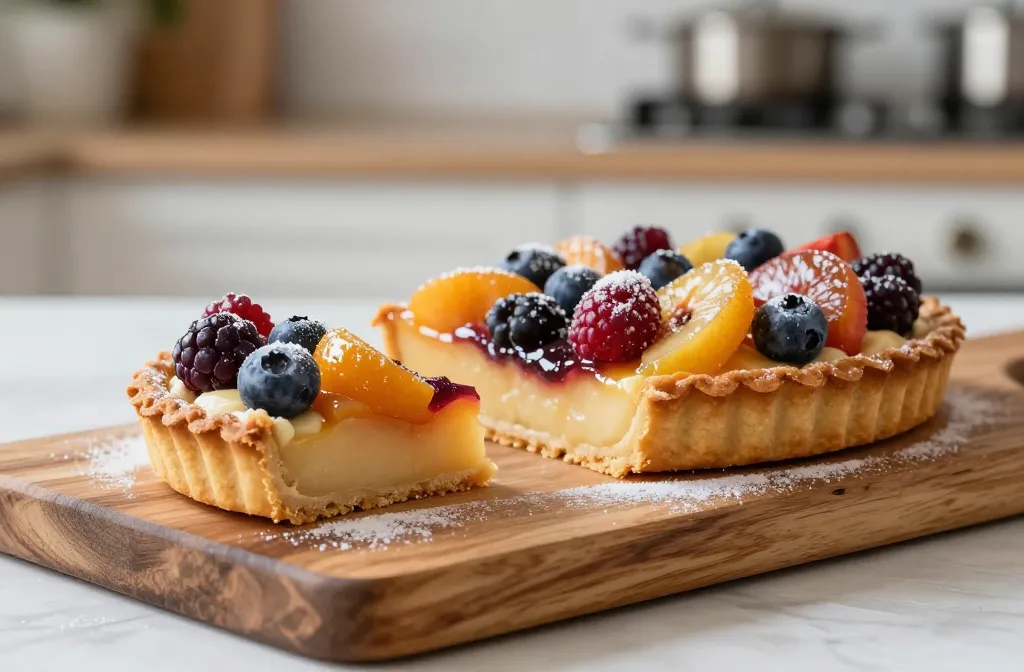
Two layers, one mission: crust and filling
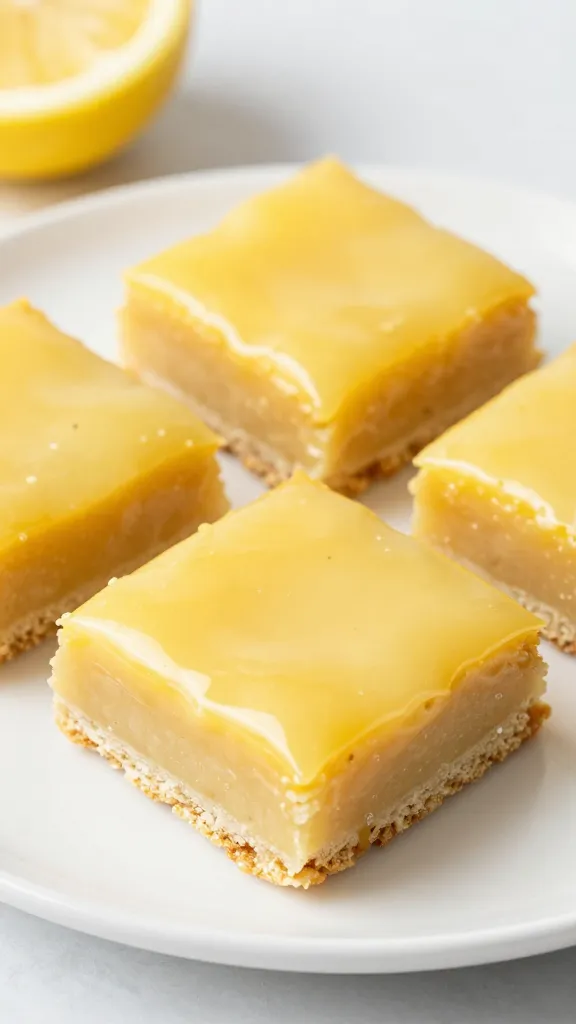
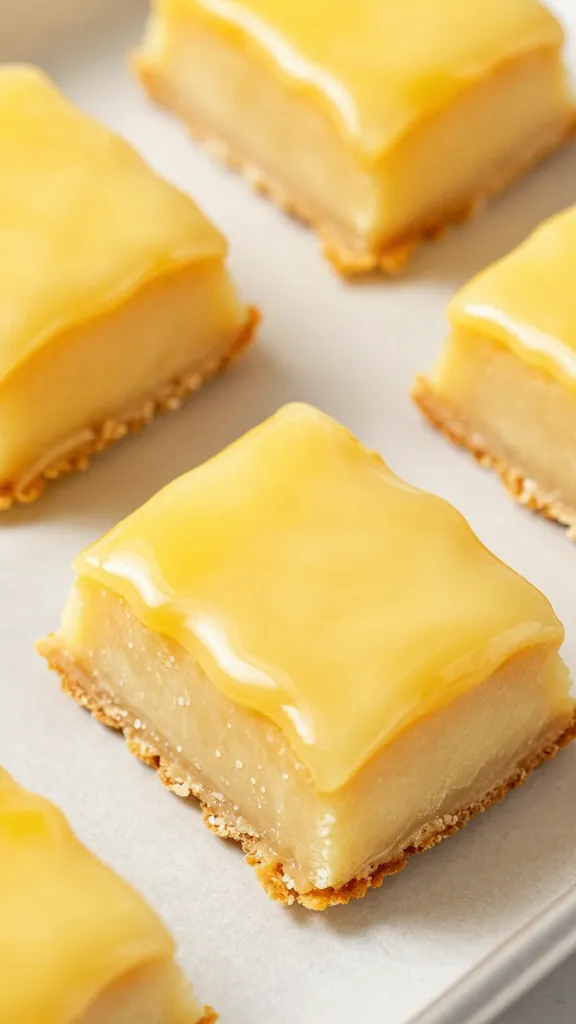
– Crust: Think shortbread vibes with a gluten-free twist. Almond flour or a gluten-free all-purpose blend work well. Add a touch of sugar and a pinch of salt, then bind with a little coconut oil or neutral oil. – Filling: A bright, tart lemon filling that sets like a dream. Lemons, sugar, cornstarch for that jiggle, plus a splash of non-dairy milk to keep it smooth. – The trick: bake the crust first until it just starts to set, then pour the filling and bake again until the lemon surface looks glossy. Don’t overbake or the edges get tough.
Flour power: gluten-free options that actually perform
Tip: choose your base
– Almond flour: Adds richness and a nice crumb, but can brown quickly. Keep an eye on the bake. – Oat flour: Mild flavor, good structure, but you may need a touch more binding. – Gluten-free all-purpose blends: Convenient and balanced, often a reliable stand-in. – Coconut flour: Very absorbent, use sparingly. Too much makes bars dry and crumbly.
Tip: binders and texture
– Use a tiny bit of psyllium husk or ground flaxseed in some recipes to help hold it together without tearing. – A pinch of xanthan gum can stabilize the filling if you’re using a more delicate flour mix.
Ingredient swaps
– Swap lemon zest for an extra lemon juice kick if you want punchier flavor. – Swap maple syrup for sugar or coconut sugar if you’re aiming for a lighter or darker crust color.
Pro tips for perfect lemon bars every time
– Use room-temperature ingredients. They combine smoother and bake more evenly. – Zest lemons before juicing to maximize aroma—don’t skip the zest, it brightens the whole bar. – Strain the filling to remove any pulp for a silky top. No lumps, just gloss. – Bake the crust until it’s just starting to color at the edges. If the middle remains pale, you’ll be grateful later. – Let the bars cool completely before slicing. The Filling needs time to set, or you’ll get a runny disaster.
Common mistakes and how to avoid them
– Overbaking the filling: It sets up fast, so pull it when the edges look just firm and the center still has a jiggle. – Not enough binding: If the crust crumbles, add a tablespoon of extra oil or a splash of non-dairy milk to bring it together. – Skimping on acid: If your lemons are bland, your bars feel flat. Use the lemon juice and zest generously. – Cutting too soon: Give them at least 2 hours in the fridge or overnight to firm up.
Variations to mix things up
– Coconut lemon bars: Swap some of the crust fat for coconut oil and add a light sprinkle of shredded coconut to the crust. – Berry lemon bars: Add a thin layer of berry jam under the lemon filling or swirl a little jam into the top for a marble look. – Ginger lemon bars: Add a tiny amount of grated ginger to the filling for a spicy sunny kick. – Minty finish: A few drops of mint extract in the filling make them summer-perfect.
Comparison blocks: quick recipe feel
Traditional lemon bars (gluten, dairy, egg)* vs. gluten free vegan version
– Crust: Wheat flour shortbread and butter vs gluten-free blend with coconut oil – Filling: Butter-based with eggs vs lemon, sugar, cornstarch, plant milk – Texture: Dense but tender vs light-yet-firm and glossy – Allergen lineup: Common allergens present vs dairy-free, egg-free, gluten-free
Can I make gluten free vegan lemon bars ahead? Yes! They chill beautifully. Wrap tightly and store in the fridge for up to 4 days, or freeze for up to a month. Thaw in the fridge and give them a quick pinch of lemon zest to freshen the aroma.
Are there crust variations for nut-free diets? Absolutely. Use a gluten-free oat flour base with a bit of white rice flour, a touch of psyllium husk for binding, and safe oil. If you must avoid coconut, skip the coconut oil and use a neutral oil like canola or sunflower.
Why is my filling so runny? Likely not enough starch or too much liquid. Add a teaspoon or two of cornstarch or arrowroot to the filling and bake a little longer at a lower temperature to let it set.
Can I adjust sweetness? Start with less sugar, then taste and add more if needed. If you use very tart lemons, you may want to keep the sugar higher. FYI, bitterness comes from lemon zest—balance with a whisk of extra sugar if needed.
Final thoughts: serve, savor, repeat
These gluten free vegan lemon bars are proof that you can have bold lemony brightness without gluten or dairy slipping into the mix. They’re easy to tweak, travel-friendly, and secretly impressive at gatherings. IMO, a good lemon bar is the kind of dessert you remember long after the party ends—bright, a little cheeky, and somehow classy without trying too hard. If you’re ready to bake, grab your zesters and a couple of lemons, and get ready to wow your friends with a crust that actually sticks around and a filling that shines all on its own. And hey, if a slice doesn’t look perfect straight from the pan, no big deal—cut, dust with a bit of powdered sugar or lemon zest, and serve with a wink. You got this.
Disclosure: This post may contain affiliate links.
If you make a purchase through these links, I may earn
a small commission at no extra cost to you.
prab chahal
Hi, I’m Prabjot Chahal – the heart (and taste buds) behind this blog!
Food has always been my love language – from experimenting with family recipes to discovering unique flavors from around the world. I believe that cooking isn’t just about following a recipe, it’s about creating moments, sharing stories, and connecting with others over something delicious. Through this blog, I want to build a vibrant food community where we share more than just recipes – we share inspiration, tips, and the joy of making and enjoying good food together. Whether you’re here for quick weekday dinners, festive treats, or creative seasonal ideas, you’re part of this table. So grab a fork (or a whisk!) and let’s cook, bake, and share our love for food – one recipe at a time.