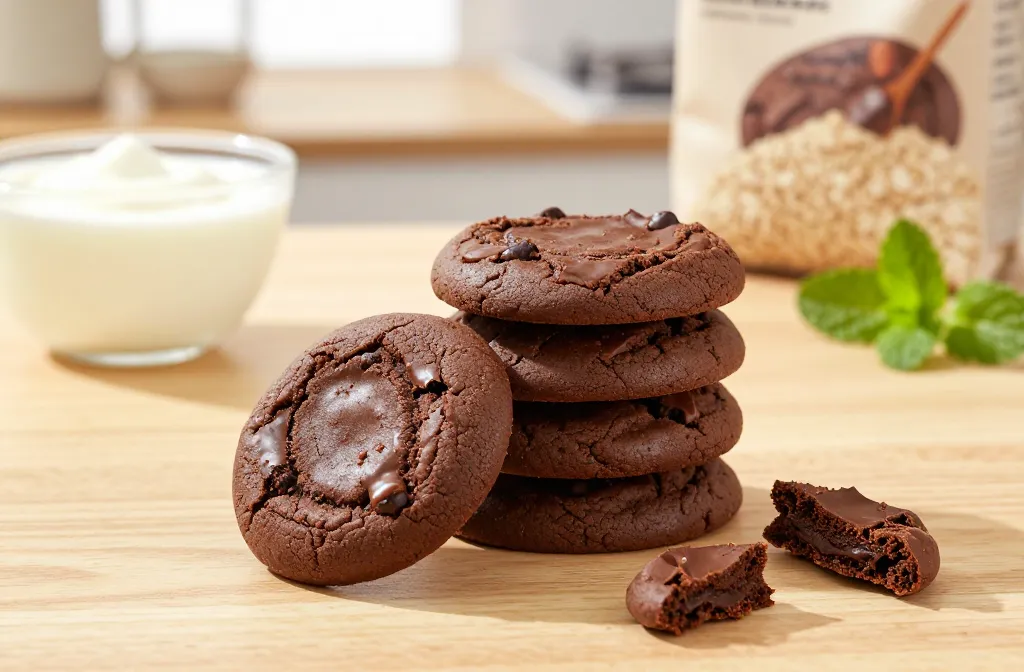
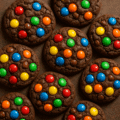
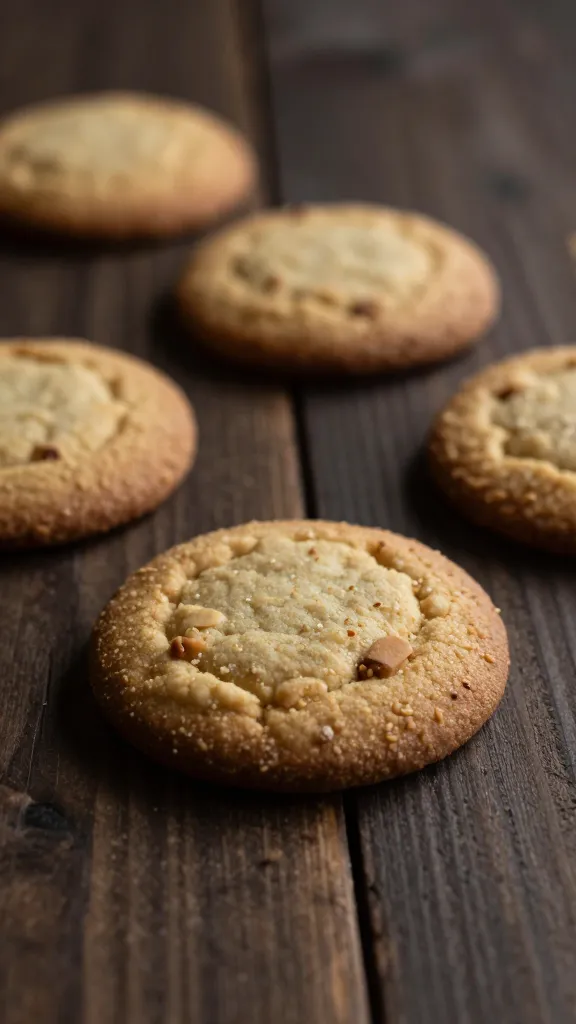
From the first bite, you’ll swear there’s gluten in these cookies—that’s the magic of double chocolate. Spoiler: there isn’t. These gluten-free vegan cookies are rich, fudgy, and surprisingly soft in the middle. Ready for cookies you can feel good about sharing with friends who aren’t vegan or gluten-free? Let’s bake.
Why gluten-free vegan double chocolate cookies hit differently
Who doesn’t want a dessert that wins at both flavor and mood-boosting mission? Gluten-free vegan cookies tread a fine line between chewy and fudgy, and these do a happy dance in the middle. The goal isn’t “health cookie” vibes; it’s indulgence with a clean conscience. FYI, you don’t need a magic pantry—just smart swaps and a little patience.
Key ingredients that actually work
You’ll notice two big players here: gluten-free flour and vegan binding. The right combination makes a huge difference. – Gluten-free flour blend: Look for a blend with a mix of rice flour, almond flour, and a binder like xanthan gum. If yours already has xanthan, you’re halfway there. – Cuddlers of moisture: applesauce or mashed banana adds tenderness, but you can also use dairy-free yogurt for extra softness. – Binding and richness: flax eggs or chia eggs replace conventional eggs, and dairy-free butter or coconut oil keeps things rich and glossy. – Cocoa kick: unsweetened cocoa powder plus a touch of melted vegan chocolate makes it double chocolate heaven. – Sweetness: coconut sugar or brown sugar keeps the cookies chewy and adds a subtle caramel note.
Texture tips: getting that fudgy center and crisp edge
What you’re chasing is contrast: crisp outer edges with a moist, fudgy center. Here’s how to dial it in. – Chill the dough: soft dough loves to spread. A 30-minute fridge nap keeps things under control. – Don’t overmix: mix until just combined. Overworking gluten-free blends can make cookies dense and dry. – Use parchment or silicone mats: they prevent sticking and promote even bake. – Bake to the edge, not to a perfect circle: you want domed cookies with slightly cracked tops. – Let them rest: a few minutes on the sheet after baking helps set the center without crumbling.
Simple steps to cookie bliss
Here’s a straightforward, no-stuzzle approach.
Preheat to 350°F (175°C). Line a baking sheet.
Whisk dry ingredients: gluten-free flour blend, cocoa powder, baking soda, and a pinch of salt.
Beat wet ingredients: vegan butter, sugar, and your chosen binder until fluffy.
Combine, then fold in chips or chunks of dairy-free chocolate. Don’t overmix.
Chill the dough for 30 minutes. Prepares you for cookie glory.
Spoon dough balls onto the sheet, about 2 inches apart.
Bake 9–11 minutes until the edges look set and the centers look a touch soft.
Cool on the sheet for 5 minutes, then transfer to a rack.
Common mistakes (and how to dodge them)
We all learn from flops, right? Here are the most common pitfalls and how to avoid them. – Too much liquid: gluten-free doughs hate extra moisture. If the dough is too wet, add a tablespoon of flour at a time until it firms up. – Skipping the chill: yes, patience tests us. The chill is the secret weapon to prevent flat cookies. – Overbaking: they’ll look done, but the center may be dry. Pull them when they still look a tad underdone in the middle. – Substituting poorly: not all gluten-free flours are equal. If you’re new to the blend, stick to one that’s designed for cookies.
Pro tips
– Test batch: bake a single test cookie first. It saves you from waste and heartbreak. – Storage: keep in an airtight container up to 5 days, or freeze dough balls for later baking. – Flavor boosters: a teaspoon of espresso powder enhances the chocolate without making it coffee-flavored. IMO optional, but delicious. – Texture tweaks: swap half the sugar for coconut sugar for a richer caramel edge. – Chewy or crisp: add an extra 1–2 tablespoons of syrupy sweetness (like maple) for extra chew.
Ingredient swaps
If you’re missing something, you can swap without losing the vibe. – Flour: if you don’t have a GF blend, try a 1:1 mix of almond flour and rice flour with an extra teaspoon of xanthan gum. – Butter: use refined coconut oil for a neutral taste, or nut butter for a chewy twist (be mindful of oil separation in nut butter). – Sugar: brown sugar adds moisture; white sugar makes them crisper. Mix to taste. – Chips: white chocolate chips or crushed vegan dark chocolate bar work well in place of chips. – Binder: flax eggs clock in at 1 tablespoon ground flaxseed + 3 tablespoons water per egg. Let it gel.
Subsection: Variations you can try
– Mint chocolate GF vegan cookies: add 1/2 teaspoon peppermint extract and a handful of dairy-free chocolate with a minty edge. – Espresso kick: add 1 teaspoon instant espresso powder to deepen the cocoa flavor. – Nutty crunch: fold in chopped toasted almonds or pecans for texture. – Sea salt finish: sprinkle a pinch of flaky salt on top right after baking for a salty-sweet contrast.
Subsection: FAQ
– Do I have to chill the dough? Yes, chilling helps control spread and improves flavor. If you’re in a rush, a 15-minute chill is better than nothing. – Are gluten-free cookies healthier? Not necessarily. They can be easier on the stomach for some folks, but they’re still cookies. Enjoy in moderation. – Can I bake them in a brown butter style? You can for a richer nutty flavor, but stick to vegan butter if you want the fully dairy-free result.
– Gluten-free vs regular: gluten-free uses blends and binders to mimic structure, while regular cookies lean on gluten and eggs for chew. The vegan switch changes dairy and egg behavior; you’ll notice different hydration needs and a more tender crumb. – Dark chocolate vs semisweet chips: semisweet adds a balanced sweetness, while extra-dark chocolate intensifies cocoa depth. If you’re a chocoholic, go dark.
Flavor, texture, and a little science nerdiness
You might wonder why these cookies feel so luxurious without gluten. The answer lies in fat, sugar, and moisture management. – Fat helps tenderness and gloss. Coconut oil or vegan butter coat proteins, reducing toughness. – Sugar caramelizes and tenderizes. Brown sugar traps moisture, giving that soft bite. – Moisture balance matters. Too much moisture makes cakey cookies; too little makes them crumbly. You want that balanced fudgy center cushion.
Variations and player preferences
– Dairy-free, egg-free, gluten-free, and delicious: yes, you can absolutely pull off a crowd-pleasing batch. – Kid-friendly tweaks: replace a portion of dark chocolate with white chocolate chunks. The contrast is a hit. – Spicy chocolate tease: a pinch of chili powder adds warmth without overpowering the chocolate.
How to know when they’re done
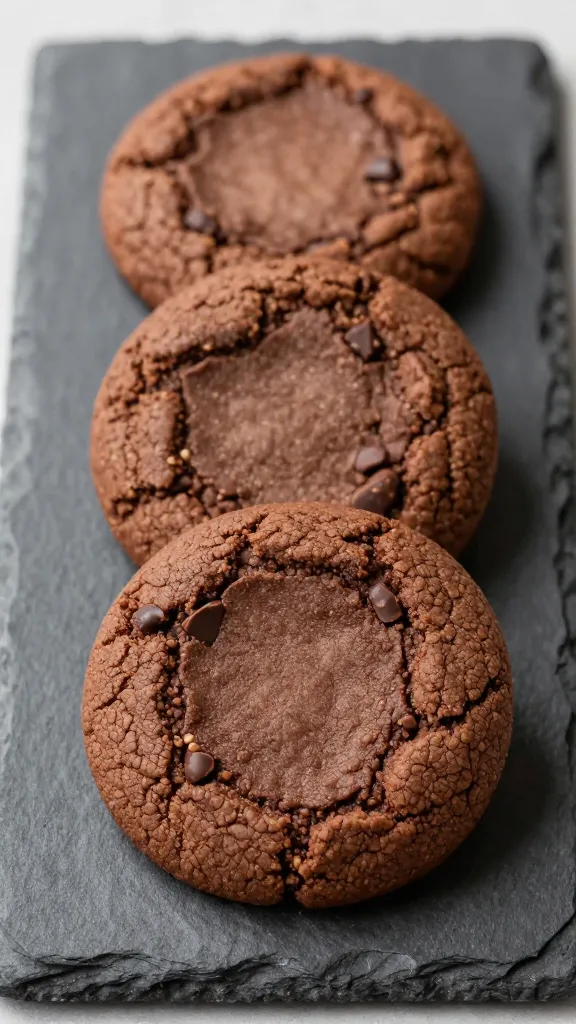
Edges should look set, centers look slightly underdone, and the tops should have a glossy crackle. If you press gently, they should spring back a little but still feel soft. They firm up as they cool, so resist the urge to overbake.
Quick recap: steps that actually work
– Use a good gluten-free blend with a binder. – Chill the dough to tame spread. – Bake until edges set and centers are soft. – Let them rest on the sheet briefly, then cool completely.
Common sense, common mistakes, and quick fixes
– Mistake: dough too sticky. Fix: chill longer or add a tablespoon of GF flour at a time. – Mistake: cookies flattening into discs. Fix: ensure sufficient chilling and use parchment. – Mistake: flavor is flat. Fix: boost vanilla, and consider a pinch of espresso powder or salt.
Conclusion
If you’re craving chocolatey comfort that’s also kind to gluten intolerance and vegan needs, these cookies deliver. They’re fudgy, a touch chewy, and deeply chocolatey without relying on dairy or gluten. IMO, they’re the kind of treat you make when you need a hug in edible form. So grab your mixer, dust off that GF flour blend, and bake with confidence. FAQ snippets to wrap things up – Are these cookies easy to scale for a party? Yes. Multiply ingredients and chill in batches if your oven can’t handle a big sheet. The flavor stays strong across batches. – Can I freeze the dough? Absolutely. Freeze shaped dough balls and bake from frozen for a quick chocolate fix later. – Will they taste gluten-free? If you use a solid GF blend and good chocolate, the flavor will rival traditional cookies. The texture might be a touch different—so embrace the fudgy delight rather than compare. Enjoy the ritual of baking, the aroma filling your kitchen, and the happy moment when someone bites in and says, “Whoa, these are amazing.” You’ve earned it.
Disclosure: This post may contain affiliate links.
If you make a purchase through these links, I may earn
a small commission at no extra cost to you.
prab chahal
Hi, I’m Prabjot Chahal – the heart (and taste buds) behind this blog!
Food has always been my love language – from experimenting with family recipes to discovering unique flavors from around the world. I believe that cooking isn’t just about following a recipe, it’s about creating moments, sharing stories, and connecting with others over something delicious. Through this blog, I want to build a vibrant food community where we share more than just recipes – we share inspiration, tips, and the joy of making and enjoying good food together. Whether you’re here for quick weekday dinners, festive treats, or creative seasonal ideas, you’re part of this table. So grab a fork (or a whisk!) and let’s cook, bake, and share our love for food – one recipe at a time.