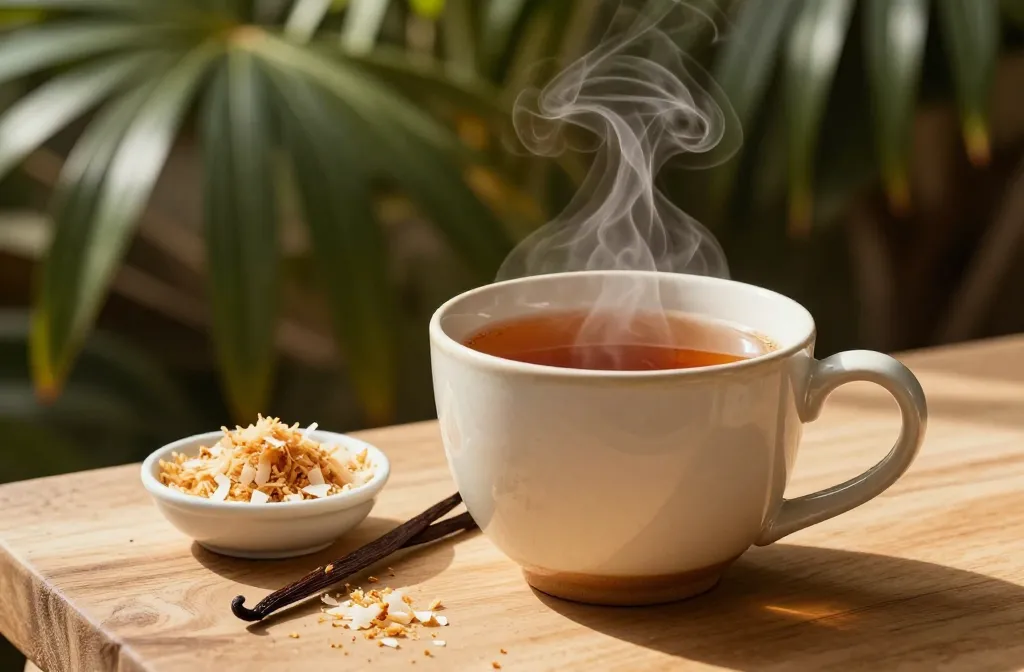
I brewed this tea for you, and it immediately felt like a warm hug in a mug. Stress relief in a cup? Yes, please. Ashwagandha tea isn’t just trendy—it’s surprisingly soothing, and yes, it can actually help with the jitters without making you crash like a sugar rush. Let’s sip our way to a calmer brain, one cup at a time.
What makes stress-relief Ashwagandha tea different
Ashwagandha is an adaptogen, which means it’s allegedly good at helping your body handle stress. When you combine that with a comforting tea base, you get something that feels like self-care in liquid form. It’s not a magic wand, but it can help steady mood, quiet racy thoughts, and give you a little extra staying power through a wild day.
But hold up—this isn’t guaranteed serenity in every cup. Results vary by person, dose, and how consistently you drink it. Some folks notice a measurable difference in sleep quality or energy the next day; others feel a gentle nudge rather than a shove. IMO, giving it a fair try for two weeks is a smart move.
Best ways to brew a calming cup
You want flavor that doesn’t fight with the herb. Here are easy, friendly ways to brew:
- Simple classic: 1 teaspoon dried ashwagandha root or powder per cup, steep in hot water for 8–10 minutes. Add a splash of honey or lemon if you like.
- Tea blend magic: mix ashwagandha with chamomile, lemon balm, or tulsi for extra mellow vibes. Keep ratios simple so the flavors don’t compete.
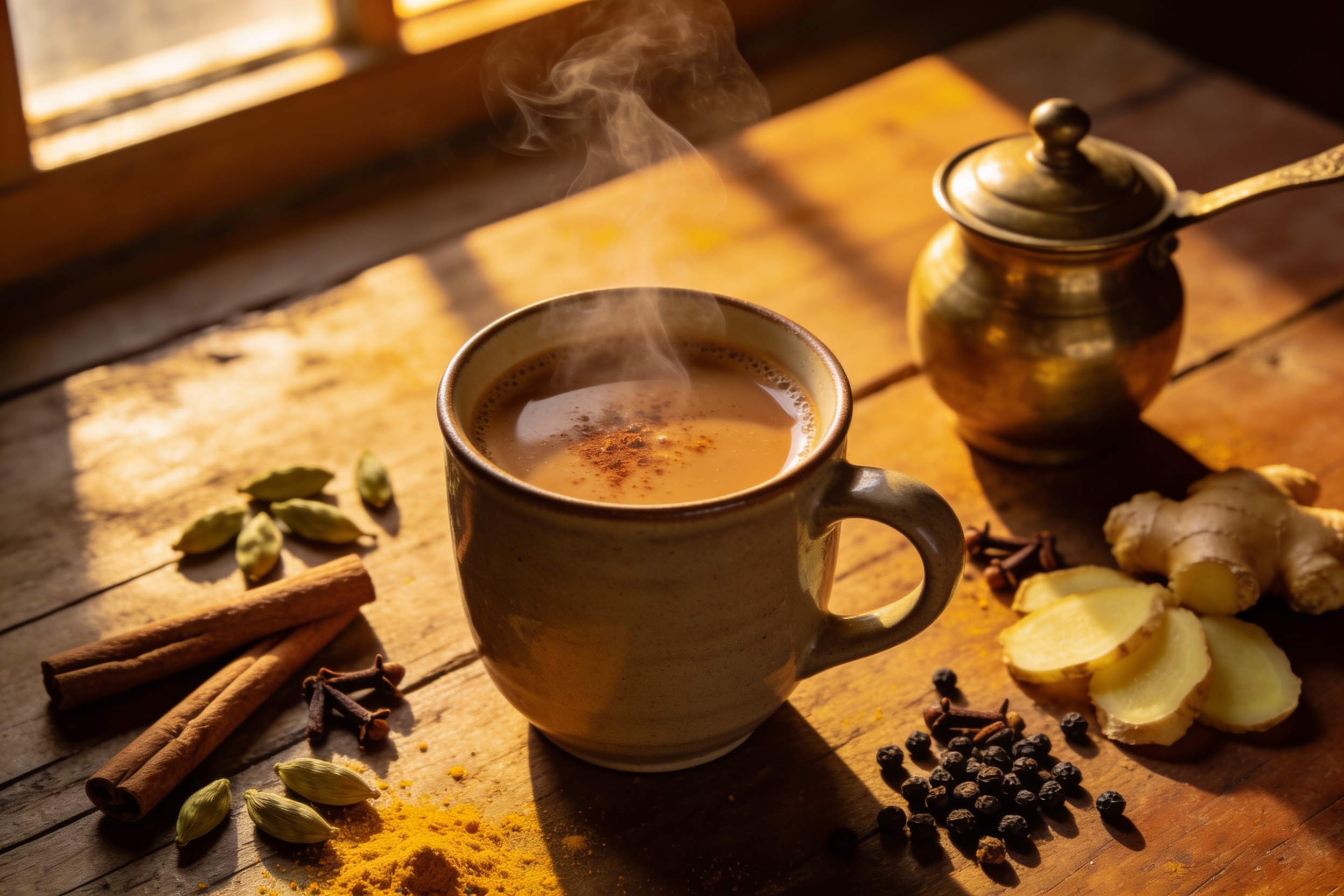
- Golden twist: blend with a pinch of cinnamon and a small amount of ginger for warmth that doesn’t overwhelm the adaptogen.
How to dose without turning it into a science project
Dosing matters, but you don’t need a lab notebook to enjoy it. Start small and tune in to your body.
- Begin with 1/2 teaspoon per cup for the first few days to test your tolerance.
- Most folks find 1 teaspoon per cup works well for daily use.
- If you’re taking meds or have health conditions, check with your clinician—adaptogens aren’t a free pass for everyone.
Tips for best results
- Drink consistently for a couple of weeks before judging results.
- Pair your tea with a brief breathwork session or a short grounding ritual to amplify calm.
- Choose caffeine-free brewing times if you’re sensitive to late-day effects.
Flavor hacks that keep you sipping, not sighing

Ashwagandha has a earthy, slightly bitter note that isn’t everyone’s jam. Try these to keep it tasty:
- Sweeten thoughtfully: a touch of honey or maple syrup can smooth edges without masking benefits.
- Milk or plant milk: a splash of creaminess can mellow the bite. Oat milk vibes here.
- Spice it up: cinnamon, vanilla bean, or a whisper of cardamom can elevate the cup without overpowering the herb.
Ingredient swaps for personal taste
- Fill in for taste: if dried root feels too heavy, swap in ashwagandha powder mixed into a larger tea blend.
- Library of blends: try pairing with valerian for sleep, or matcha for a subtle energy lift—just watch the caffeine if you’re sensitive.
What science-ish folks say (and what they don’t)
Science on ashwagandha is promising but not definitive. Some studies show reduced cortisol levels and improved stress resilience; others show modest benefits or mixed results. FYI, many studies use higher doses or longer durations than a casual cup allows. The point? It’s a helpful tool, not a cure-all.
If you’re chasing sleep, some people report better sleep quality with regular use. If anxiety is your signal flare, results range from noticeable to barely there. Remember: lifestyle plays a big role—sleep, hydration, exercise, and social moments count, too.
Routine ideas: turning tea into a stress-proof ritual

A ritual makes relief feel easier to reach. Try one of these:
- Morning calm: swap your regular coffee with a cup of ashwagandha tea for a gentler wake-up ritual.
- Midday reset: a quick 5-minute stretch and a cup between meetings can stop the spiral before it starts.
- Evening wind-down: pair with light reading or journaling to cue your nervous system that the day is done.
Subtle but powerful pairing ideas
- Combine with lavender or chamomile for an extra lullaby vibe.
- Put it in a sturdy mug and treat it like a moment to yourself, not a mission you must complete.
Allergen and safety notes (so you don’t roast yourself with guesswork)
Most people tolerate ashwagandha well, but there are caveats:
- Avoid high doses if you’re pregnant or breastfeeding unless your clinician says it’s fine.
- People with autoimmune conditions should check in with a healthcare pro first—adjusting immune signals isn’t something to DIY on a whim.
- Some meds can interact with adaptogens (like thyroid meds or sedatives). FYI, a quick chat with your doctor can save drama later.
FAQ
Can I drink ashwagandha tea every day?
Yes, many people drink it daily and notice calmer days. Start with a lower dose and monitor how you feel. If you start to feel groggy or off, cut back or take a day off.
Will ashwagandha tea make me sleepy?
It can, especially if you drink it in the evening. It tends to dampen excessive arousal, which often helps with sleep. If you’re sensitive to drowsiness, sip earlier in the day.
Related Posts:






Is it okay to combine ashwagandha tea with caffeine?
Sure, but don’t overdo it. The goal is balance. If you’re caffeine-sensitive, consider decaf tea bases or just one cup a day with both components.
Are there herbal substitutions if I don’t like the taste?
Absolutely. You can hide it in blends with stronger flavors like peppermint, lemon-ginger, or chai spices. You’ll still get the adaptogenic benefits with less earthy bite.
What’s the best time to drink it?
Try mid-morning or mid-afternoon if you want a steady mood lift without messing with sleep. If your goal is wind-down, sip 30–60 minutes before bed.
Conclusion
Ashwagandha tea isn’t a miracle, but it’s a friendly, approachable tool for handling daily stress. It offers a gentle nudge toward calm when you need it and a cozy ritual that’s easy to stick with. If you’re curious, start small, play with blends, and listen to your body. IMO, the best part is turning a simple cup into a little moment of self-care you actually look forward to. So brew, sip, and let the tension loosen its grip—one peaceful mug at a time.