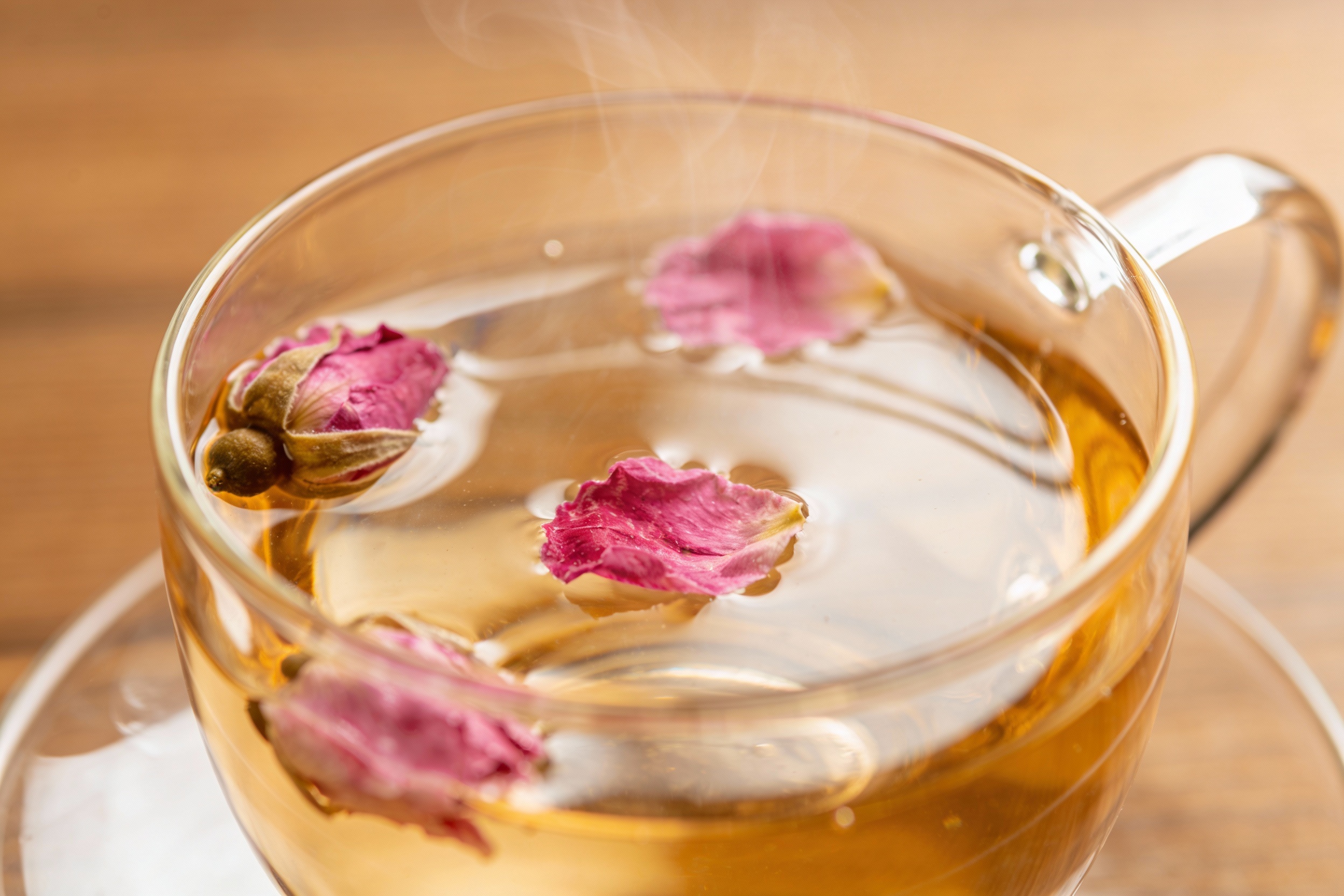
Rose petal tea looks dainty, sure, but don’t let the pretty pink vibes fool you. This cup packs legit antioxidant power and a calming floral hug you can sip. If you want a soothing daily ritual that also supports your skin, digestion, and mood, this brew delivers. Let’s spill the tea (literally) on why rose petals deserve a spot in your mug.
So… what exactly is rose petal tea?
It’s a simple infusion: dried (or fresh) rose petals steeped in hot water. That’s it. Zero caffeine, gentle flavor, and a soft floral aroma that feels like a spa day in a cup.
You can brew it solo or blend it with green tea, hibiscus, or chamomile for more flavor and benefits. And yes, it’s safe for most people when you use edible, pesticide-free petals. We like our tea without a side of chemicals, thanks.
Why people love it: the antioxidant story
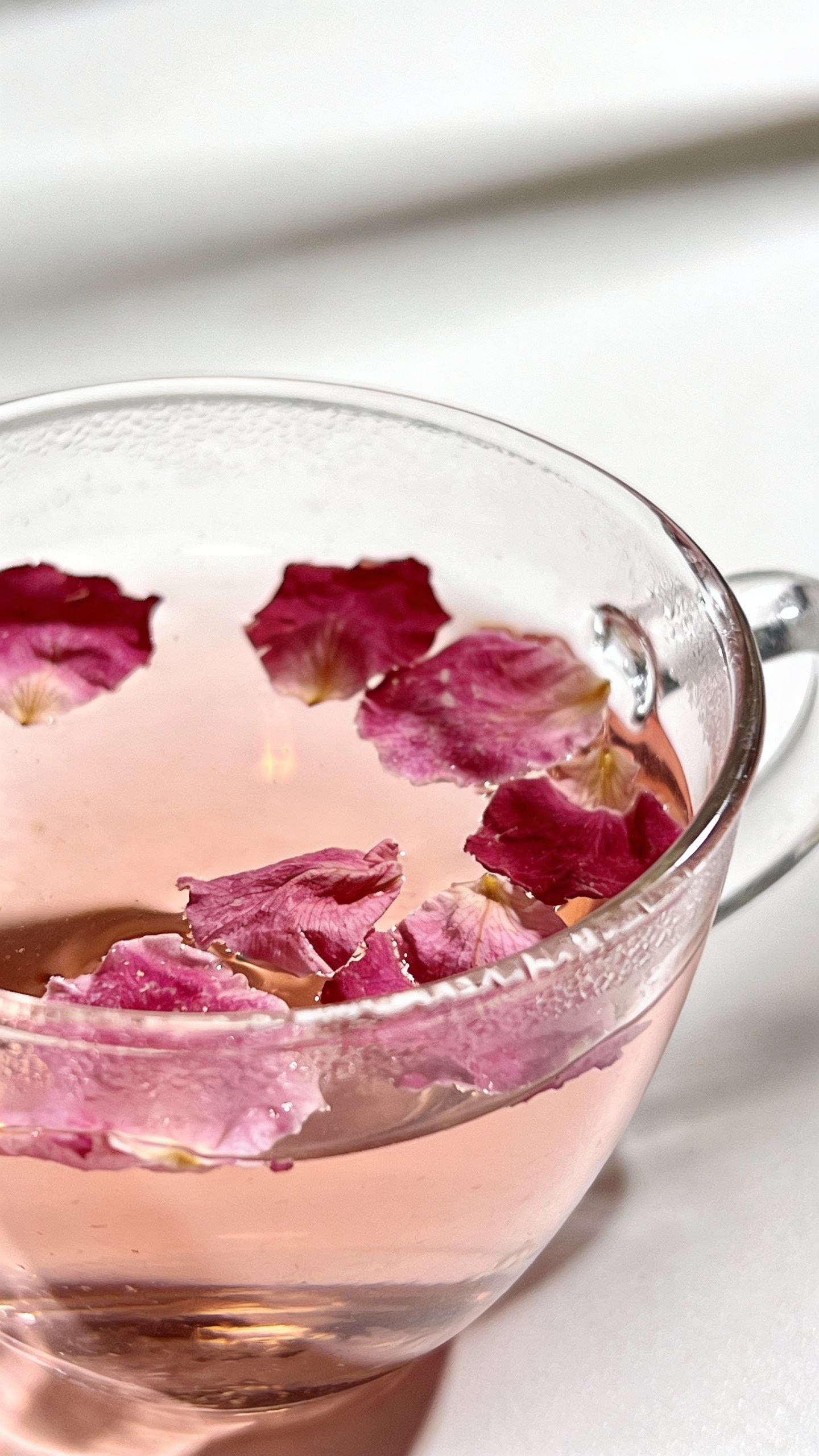
Rose petals contain a mix of polyphenols and flavonoids that act like tiny bodyguards against everyday oxidative stress. These antioxidants help neutralize free radicals—those unstable troublemakers linked to aging, inflammation, and dull skin. No, rose tea won’t turn back time (Cher tried), but it supports your body’s natural defenses.
What’s inside the petals?
- Anthocyanins: Plant pigments that support blood vessels and skin vitality.
- Flavonols (like quercetin): Known for anti-inflammatory and antioxidant effects.
- Vitamin C (varies by variety): Supports collagen and immune function, though brewing reduces the amount—still a nice bonus.
Antioxidants, but make it practical
You won’t feel fireworks after one cup. Consistency matters. Sip it daily for gentle, cumulative support. Think small upgrades over time, not overnight miracles.
Benefits you can actually feel
Ok, here’s where rose petal tea quietly shines. No hype, just steady wins.
- Calmer mood: That soft aroma? It helps you drop your shoulders a few inches. Great for winding down after work.
- Happy gut: Many people report gentler digestion and less bloat. Rose acts mildly as a digestive relaxant.
- Skin support: Antioxidants + hydration = a glow friend. Not a substitute for SPF, obviously.
- Hydration without caffeine: Perfect evening sip. No 2 a.m. ceiling-staring.
Quick reality check
It’s tea, not a cure-all. Pair it with sleep, balanced meals, and SPF. IMO, that combo does more for your skin than any fancy serum alone.
How to brew it like you mean it
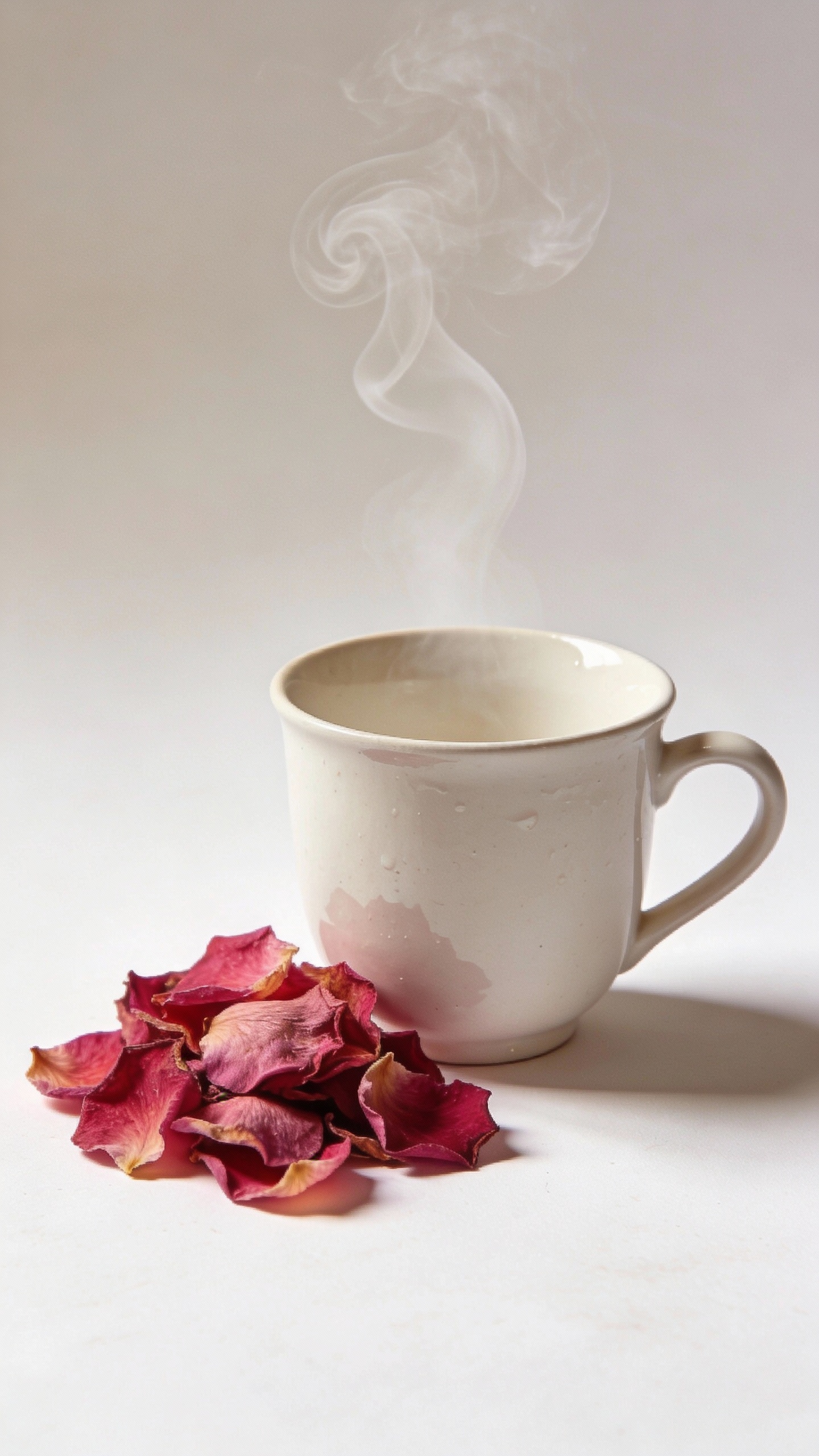
You only need petals and hot water, but technique matters. Don’t drown your roses in boiling rage.
- Source: Use culinary-grade, pesticide-free rose petals. Damask and Rosa centifolia varieties taste especially lovely.
- Water temp: Heat to about 190–200°F (just off a boil). Boiling water can make it bitter.
- Ratio: Use 1–2 teaspoons dried petals (or 1 tablespoon fresh) per 8 oz cup.
- Steep: 5–7 minutes. Taste at 4 minutes. Longer gets stronger (and slightly more tannic).
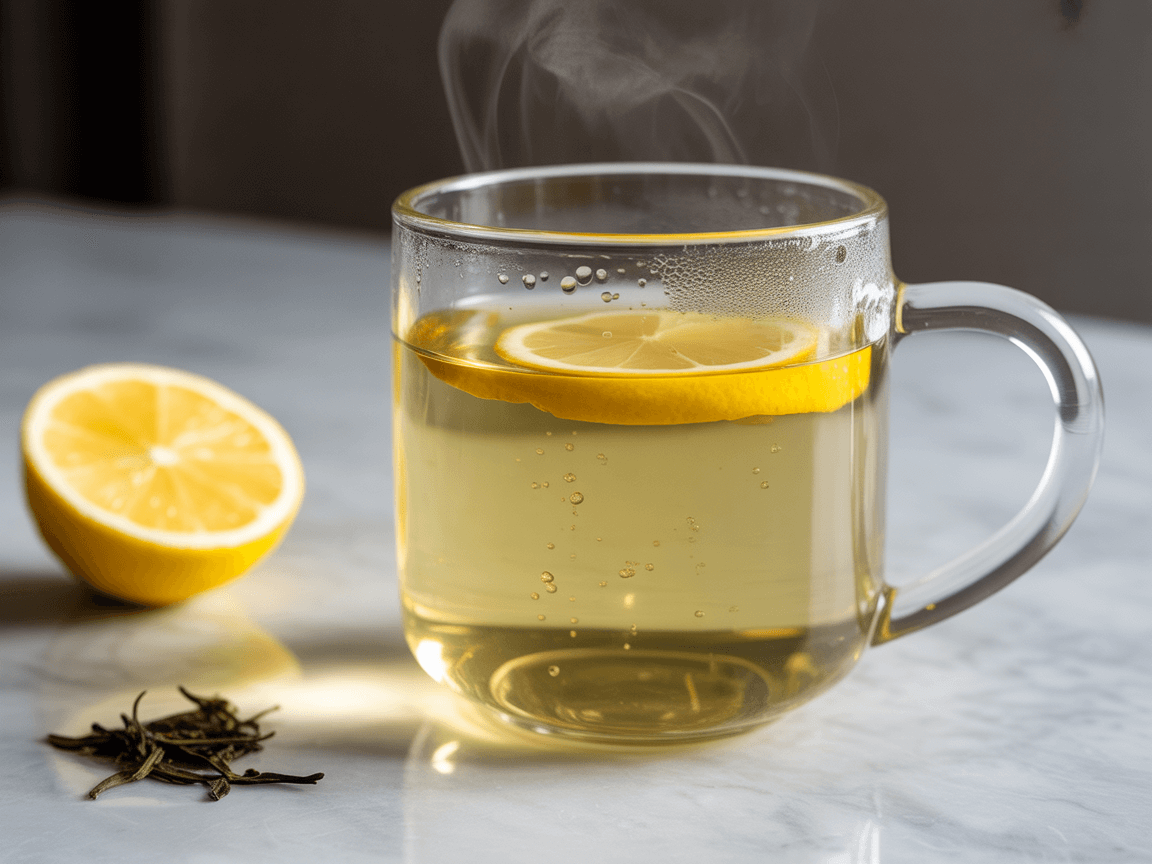
- Strain and sip: Add honey or lemon if you like. Or a splash of vanilla for dessert vibes.
Cold brew method (zero fuss)
Add 2 tablespoons dried petals to a quart of cool water. Refrigerate 6–8 hours, strain, and serve over ice. Cold brew tastes smoother and preserves more delicate aromatics. FYI, it looks gorgeous in a glass pitcher.
Flavor upgrades you’ll actually use
Rose plays well with others. If straight floral isn’t your jam, try these blends:
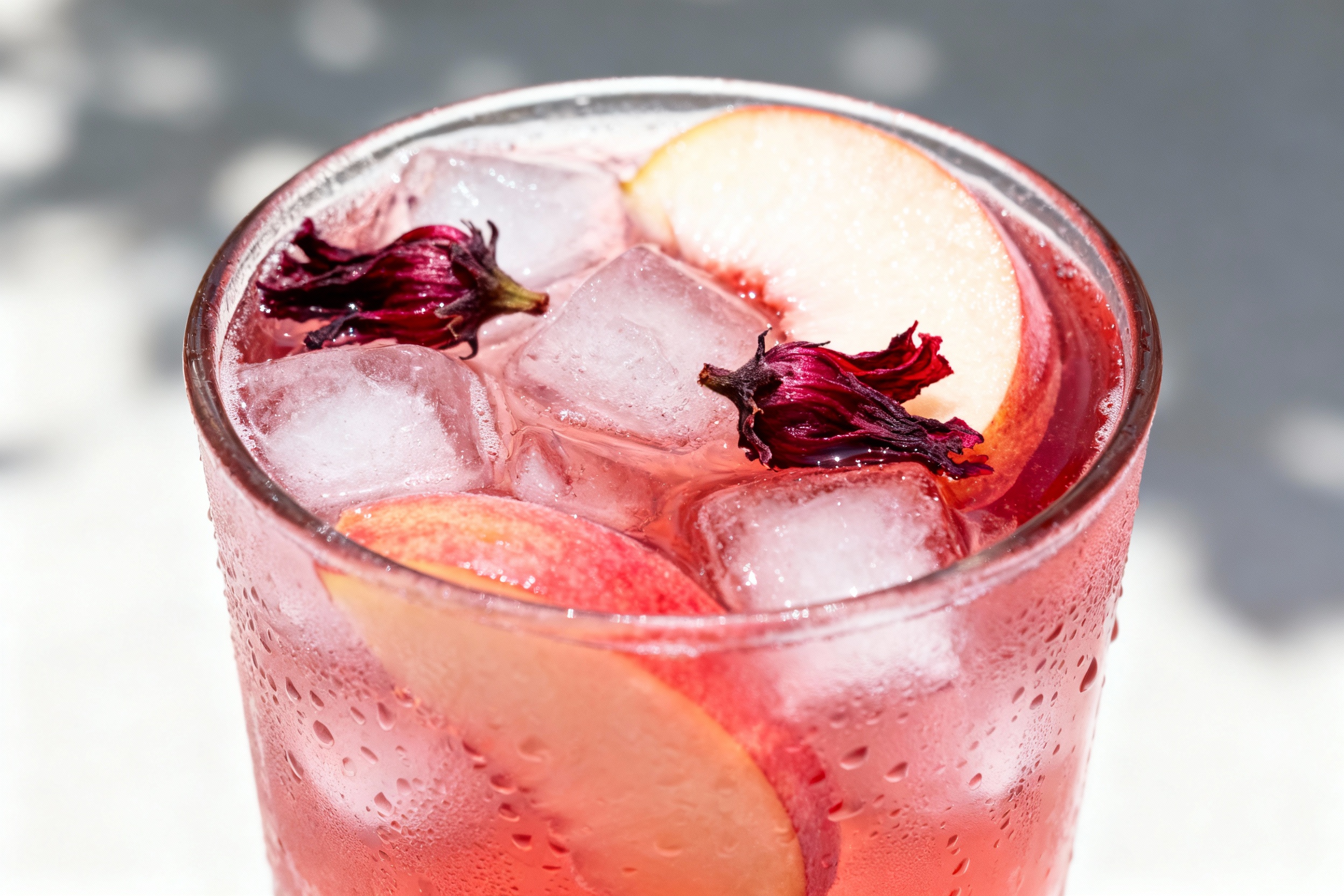
- Rose + hibiscus: Tangy, ruby-red, extra antioxidants.
- Rose + green tea: Gentle caffeine, clean focus, major polyphenols.
- Rose + chamomile: Sleepy-time chill that tastes like a lullaby.
- Rose + cardamom + honey: Cozy and slightly exotic—like a hug from a spice market.
Sweeteners that don’t ruin the vibe
Use honey, maple, or a tiny bit of coconut sugar. Keep it light so you don’t bulldoze the delicate floral notes.
Related Posts:


How rose tea fits in your wellness routine
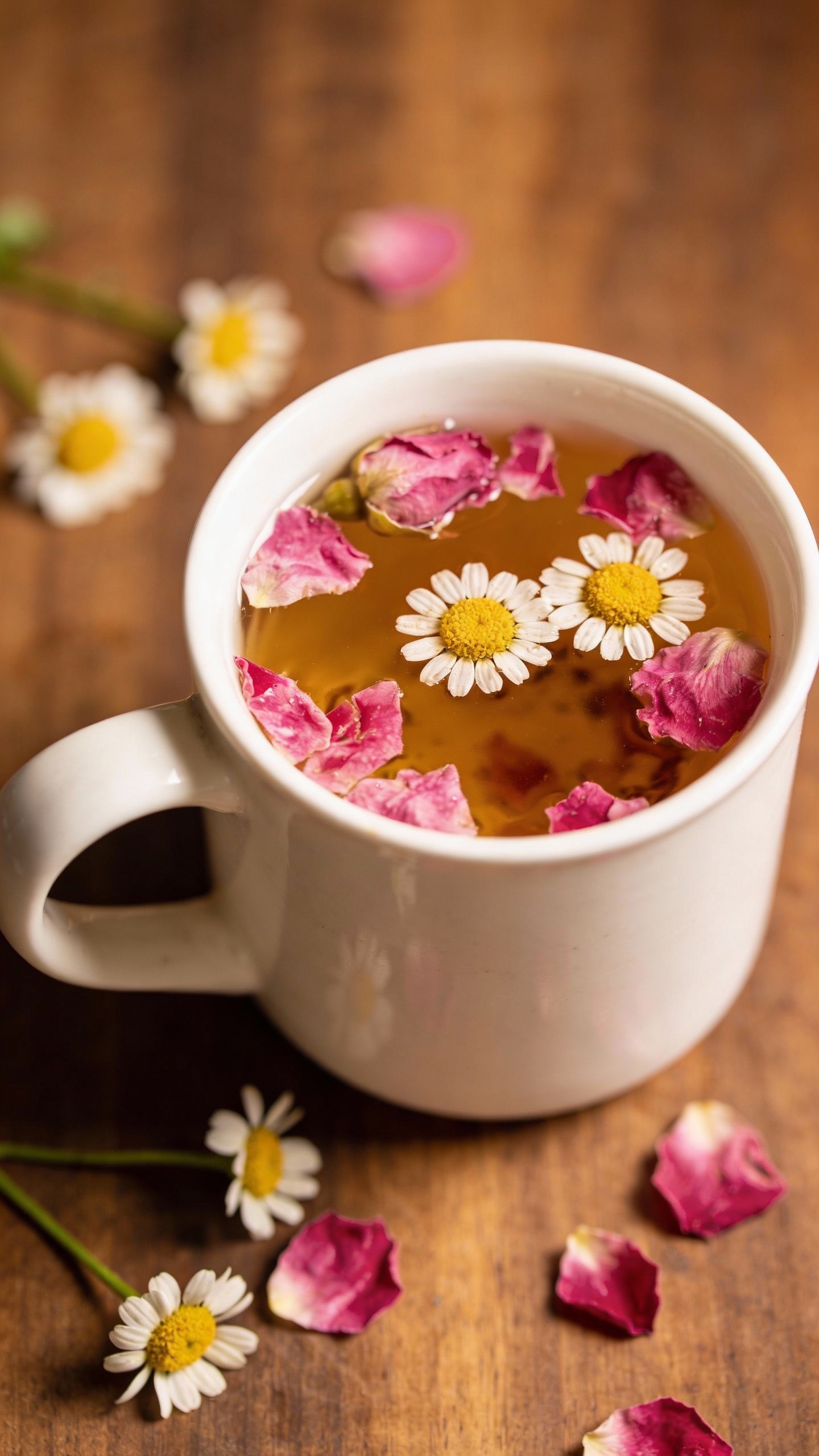
Treat it like a ritual. You brew, you breathe, you let your brain slow down for five minutes. That alone reduces stress.
Try these moments:
- Morning hydration: Start with warm rose tea before coffee. Your digestion will thank you.
- Afternoon reset: Swap your 3 p.m. caffeine hit for roses if you want better sleep.
- Evening wind-down: Pair with a book or stretch session. Yes, you’re that person now—and it’s great.
Choosing the right petals (don’t mess this up)
All roses aren’t created equal. Some are sprayed to the heavens and taste like it. You want edible, unsprayed petals.
- Look for: Certified organic, culinary-grade, whole petals (not dusty crumbs).
- Avoid: Florist roses, mystery garden roses, and anything non-edible.
- Storage: Keep them sealed, cool, and out of sunlight so the flavor stays bright.
Can you use fresh petals?
Yes, if you grew them yourself or sourced edible, unsprayed varieties. Rinse gently, pat dry, and use a bit more than dried. The flavor tastes softer and greener—lovely in summer.
Fun extras: syrups, lattes, and spritzers
You can go beyond plain tea without turning your kitchen into a lab.
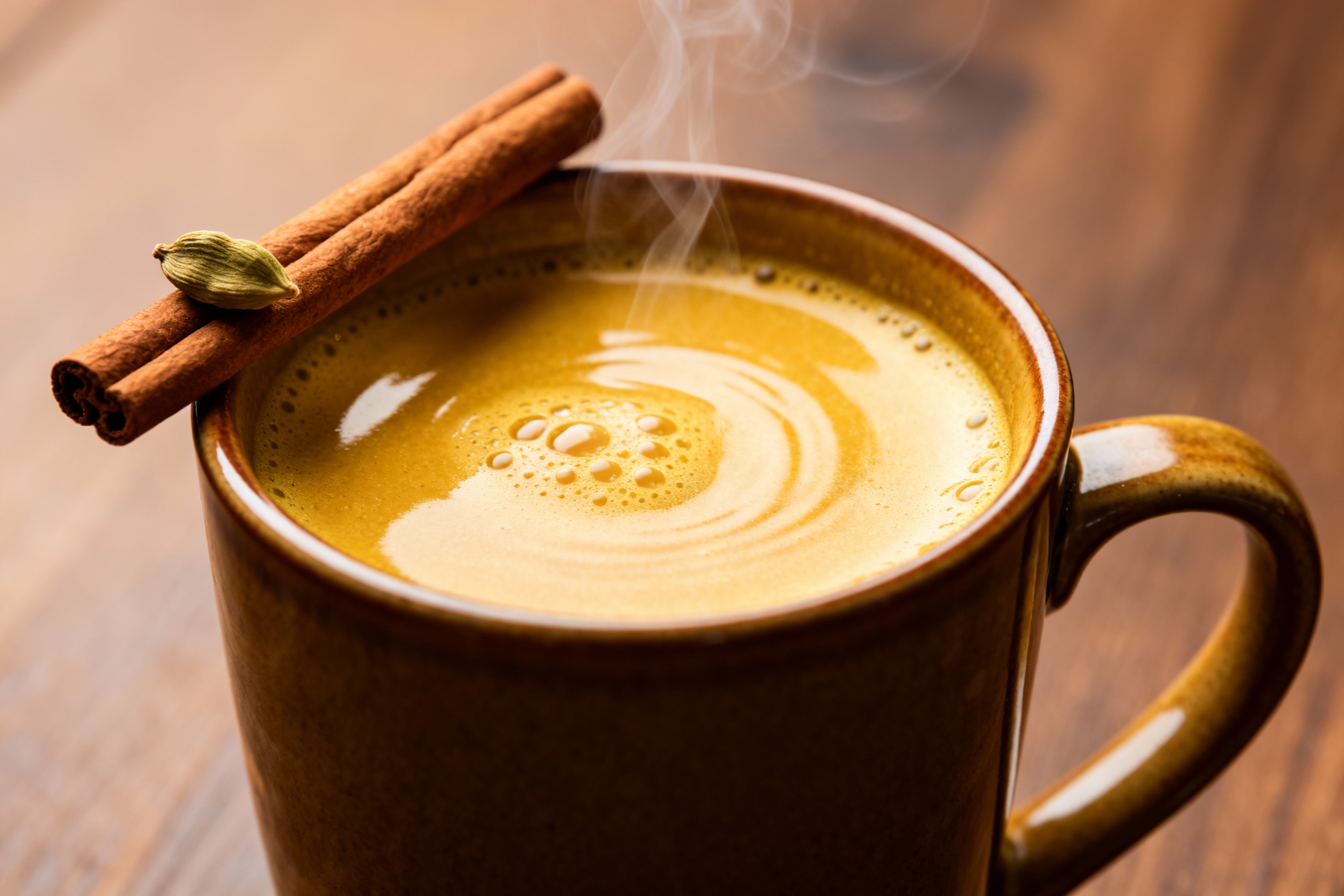
- Rose tea latte: Brew strong, add warm milk (oat works great), a dab of honey, and a pinch of cardamom.
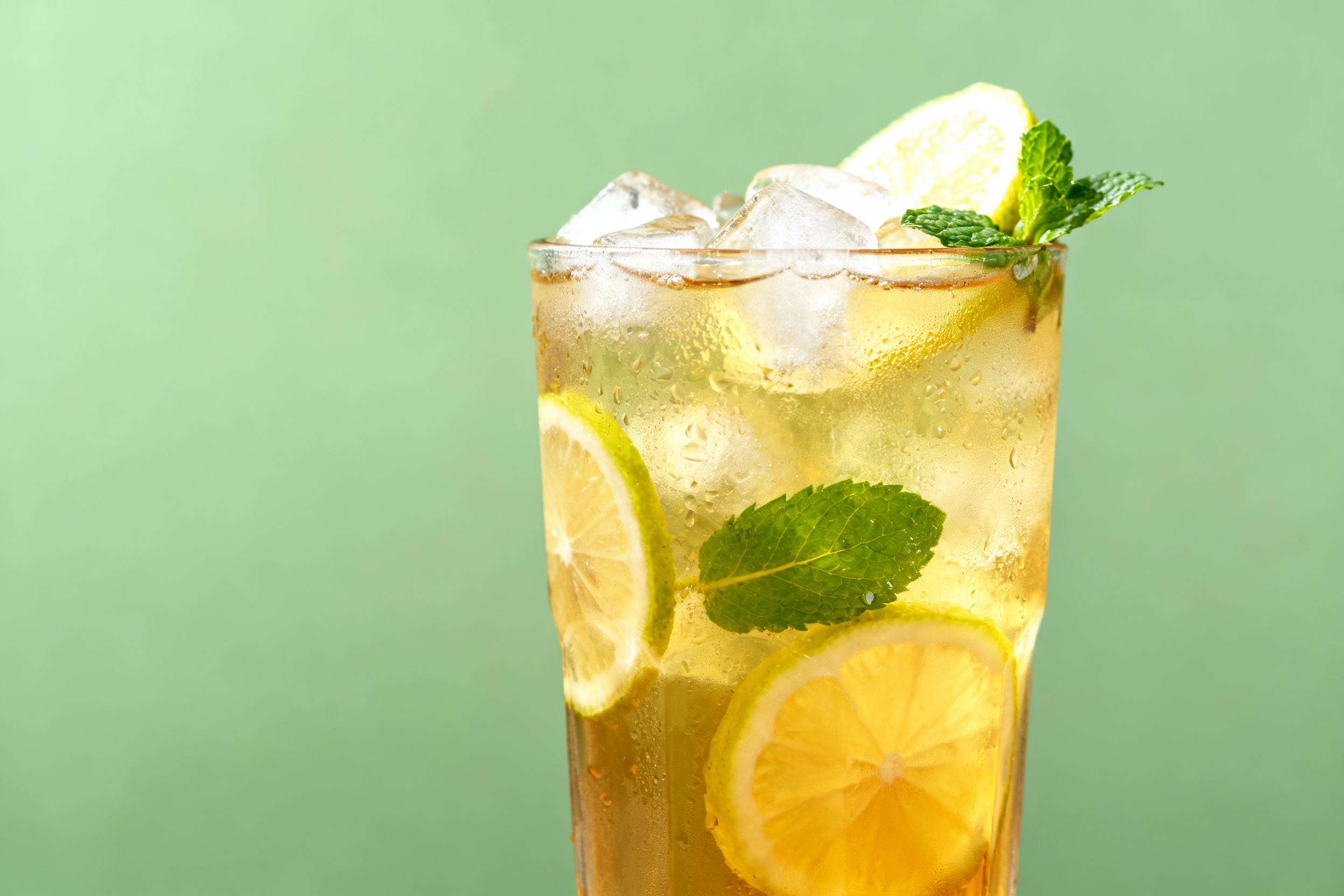
- Iced rose spritzer: Cold-brew rose tea + sparkling water + lemon slice. Fancy without trying.
- Rose simple syrup: Simmer equal parts water and sugar, steep petals 15 minutes, strain. Stir into iced tea or drizzle over fruit.
FAQ
Does rose petal tea have caffeine?
Nope. It’s naturally caffeine-free, which makes it perfect any time of day. If you blend it with green or black tea, you’ll add caffeine—so keep that in mind.
Is rose tea safe during pregnancy?
Generally, people tolerate rose petal tea well, but pregnancy needs extra caution. Check with your healthcare provider first, especially if you drink herbal teas daily. Keep it moderate and stick to culinary amounts.
Can it help with skin health?
Yes, indirectly. The antioxidants and hydration support your skin’s natural defenses and barrier function. Don’t expect miracles, but regular sips can contribute to a healthier glow—IMO, especially when combined with good sleep and SPF.
Will it help digestion?
Many people find rose tea gently soothing for the gut. It can ease mild bloating and support regularity when you stay hydrated overall. If you have ongoing digestive issues, talk to a professional rather than DIY-ing forever.
What does it taste like?
Light, floral, slightly sweet, and a tiny bit tannic if you oversteep. If you fear “perfume tea,” blend it with hibiscus or green tea—you’ll get balance without losing the rose.
Any side effects?
Rarely, someone might experience mild stomach upset or an allergic reaction (especially if they have sensitivities to flowers). Start small. Also, avoid florist roses and anything treated with pesticides—non-negotiable.
Conclusion
Rose petal tea brings a calm, antioxidant-rich moment to your day without drama or caffeine jitters. It tastes elegant, supports your skin and digestion, and turns five quiet minutes into a ritual you’ll actually look forward to. Brew it simple, blend it playful, and let those petals do their gentle, rosy thing. FYI: your future self will thank you.