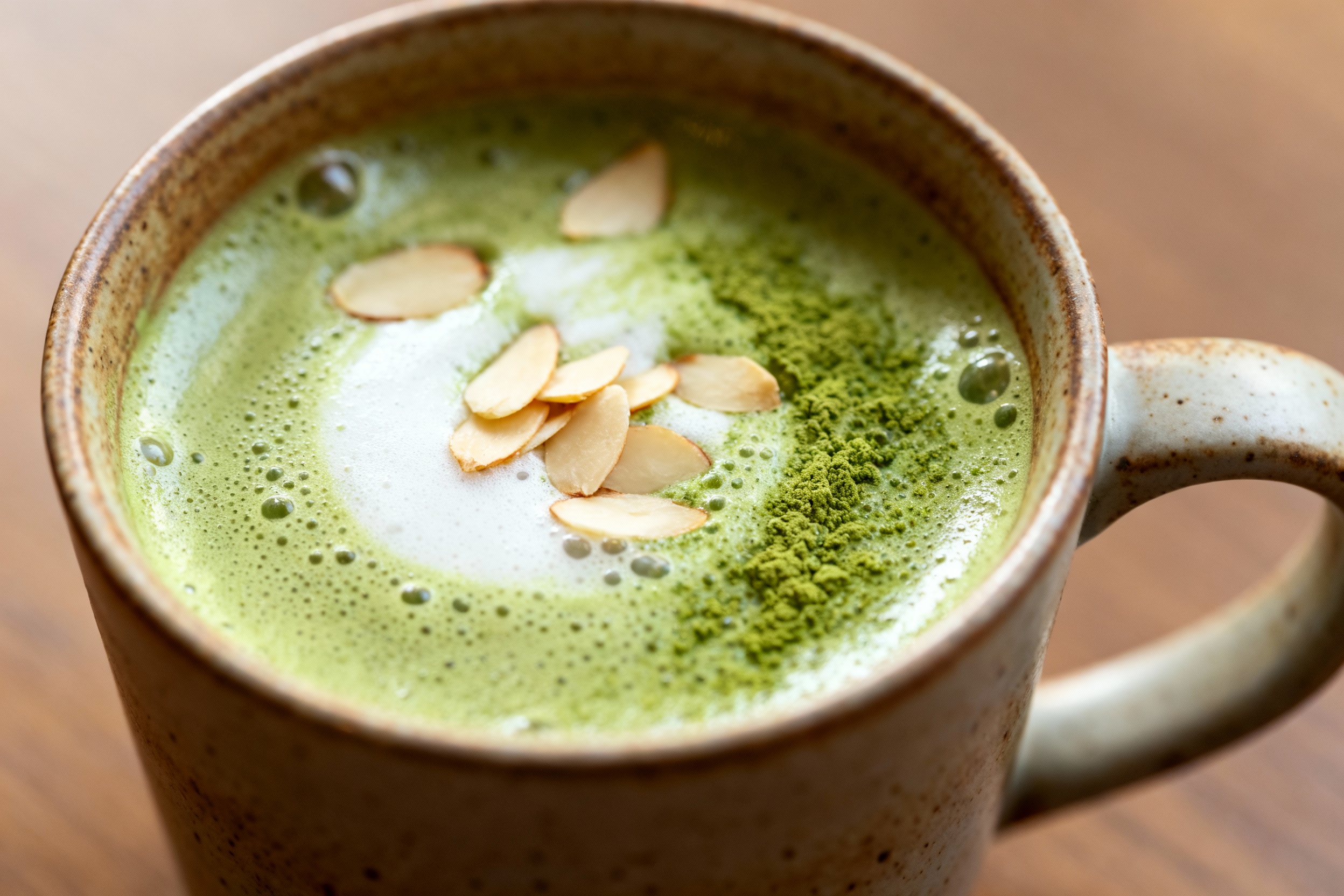
Matcha almond milk lattes don’t whisper; they strut. One sip and you get creamy, slightly sweet, earthy, and just the right amount of “I have my life together.” You can pay $7 for one, sure, but why not learn how to make it at home like a smug little beverage wizard? Let’s talk how, why, and what to tweak so your cup tastes cafe-level—without the line, the upcharge, or the forced smile.
Why Matcha almond milk latte Just Works
Matcha brings grassy, umami vibes and a clean, focused buzz. Almond milk adds a light nuttiness and a silky texture that doesn’t steal the show. Together, they taste balanced, a bit sweet, and very sippable.
The real magic: almond milk doesn’t drown matcha’s delicate flavor. You get green tea brightness with a softer, creamier finish. It’s like the latte version of comfy-but-cute.
Ingredients needed for Matcha almond milk latte
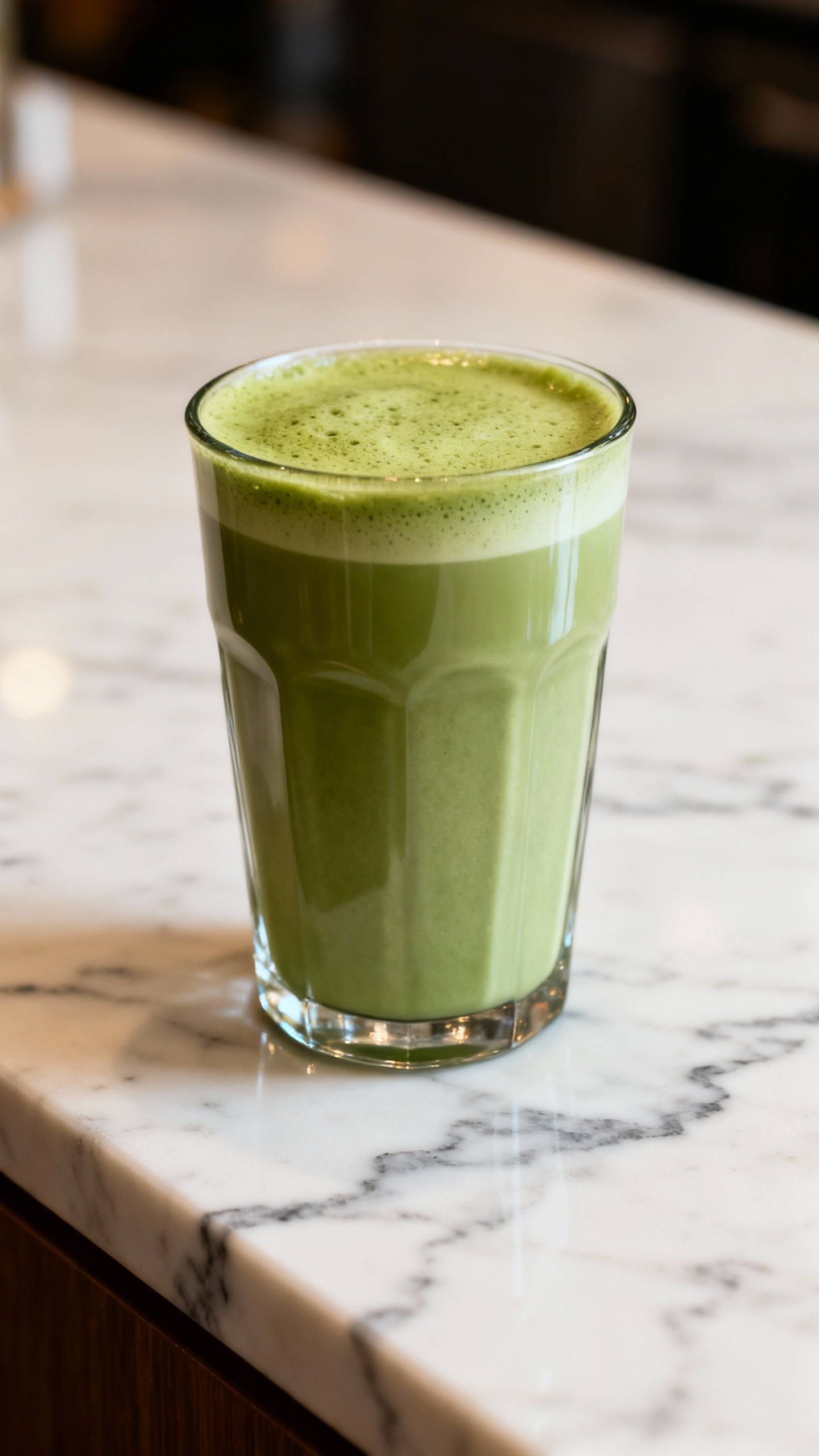
You don’t need a $300 frother throne. Keep it simple:
- Matcha powder: Preferably ceremonial grade for lattes. Culinary-grade tastes more bitter and works better for baking.
- Almond milk: Barista-style if you love microfoam, unsweetened if you want control over sweetness.
- Hot water: Not boiling—about 160–175°F (70–80°C). Boiling water makes matcha taste harsh.
- Whisk or frother: A bamboo whisk (chasen) blends best, but a handheld frother or even a firm shake in a jar works.
- Sweetener (optional): Maple syrup, honey, or simple syrup pair beautifully.
Ceremonial vs. Culinary Matcha
– Ceremonial: Bright green, smooth, slightly sweet. Best for drinking.
– Culinary: Duller color, stronger and a bit bitter. Best for smoothies and baking.
IMO, spend a little more for ceremonial. Your taste buds will thank you.
How to Make a Matcha Almond Milk Latte (Fast)
This takes five minutes if you don’t overthink it. Which you won’t. Right?
- Sift 1–2 teaspoons matcha into a bowl or mug. Sifting = fewer lumps and less swearing.
- Add 2–3 tablespoons hot water (not boiling). Whisk in a zigzag motion until frothy and smooth.
- Heat 1 cup almond milk. Steam it if you can, or warm it gently on the stove/microwave. Froth if you like foam.
- Sweeten to taste. Start with 1–2 teaspoons of maple or honey. Adjust from there.
- Combine. Pour milk into the matcha base, stir, and taste. Add more sweetener or matcha if needed.
Matcha almond milk latte: Iced Version (Because Sweat Happens)
– Whisk matcha with cold water until smooth.
– Fill a glass with ice.
– Add sweetener to the milk so it actually dissolves.
– Pour matcha over iced almond milk, stir, and sip.
FYI: iced lattes sometimes need a touch more sweetener to balance the chill.
Related Posts:






Dialing In the Flavor
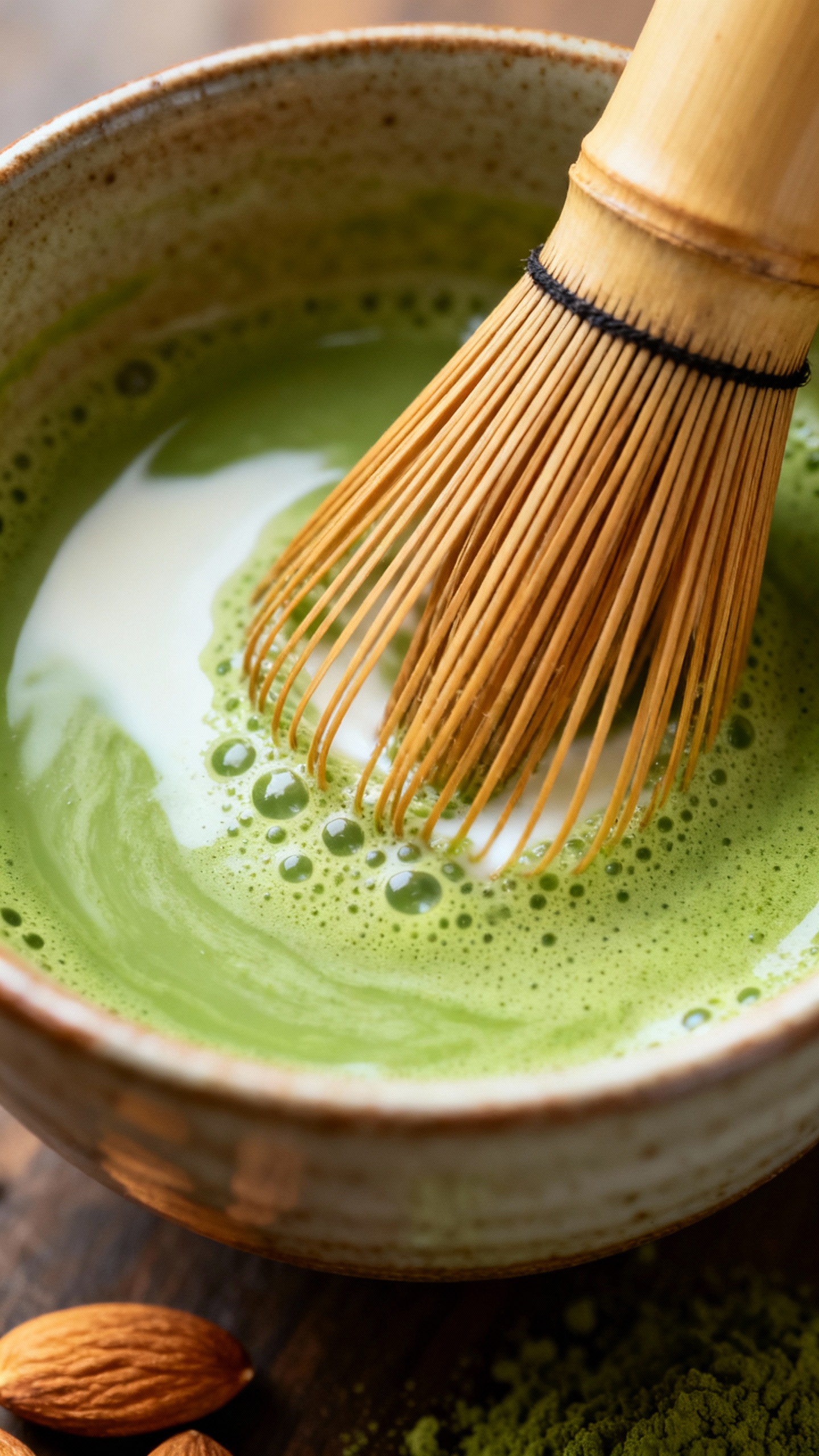
Matcha can taste too grassy or too weak if you don’t tweak the ratios. Don’t panic—just adjust.
- Too bitter? Lower water temperature, add a bit more milk, or a teeny splash of vanilla.
- Too thin? Use barista almond milk or whisk 1 teaspoon almond butter into the milk. Silky city.
- Not green enough? Your matcha might be old. Fresh, vibrant matcha looks neon. Store it airtight and away from light.
- Too sweet? Cut sweetener and add a pinch of sea salt to round out flavors.
Matcha almond milk latte: Flavor Boosters (Subtle, Not Basic)
– Vanilla extract: A few drops = dessert-adjacent.
– Cinnamon: Warm and cozy, especially in fall.
– Cardamom: Floral and elegant—your latte’s little black dress.
– Ginger powder: Zippy and great for mornings.
– Collagen or protein: For extra staying power. Blend well to avoid clumps.
Nutrition and Energy: What’s the Deal?
Matcha carries caffeine differently than coffee. You get steady focus without the crash. That’s the L-theanine working with the caffeine to keep your brain calm but alert. Like a gentle nudge instead of a shove.
Almond milk perks: lower calories than dairy, easy on the stomach, and often fortified with calcium and vitamin D. Just check the label—some brands load sugar. Look for unsweetened or barista versions and sweeten it yourself. IMO, a little maple syrup beats mystery ingredients any day.
Rough Nutrition Snapshot (12–14 oz latte)
– 1–2 tsp matcha: ~0–10 calories, ~60–70 mg caffeine (varies).
– 1 cup unsweetened almond milk: ~30–40 calories.
– 1–2 tsp maple syrup: ~20–40 calories.
Net: ~60–90 calories without heavy sweeteners. Reasonable for something that tastes like a treat.
Matcha almond milk latte: Common Mistakes (And How to Fix Them)
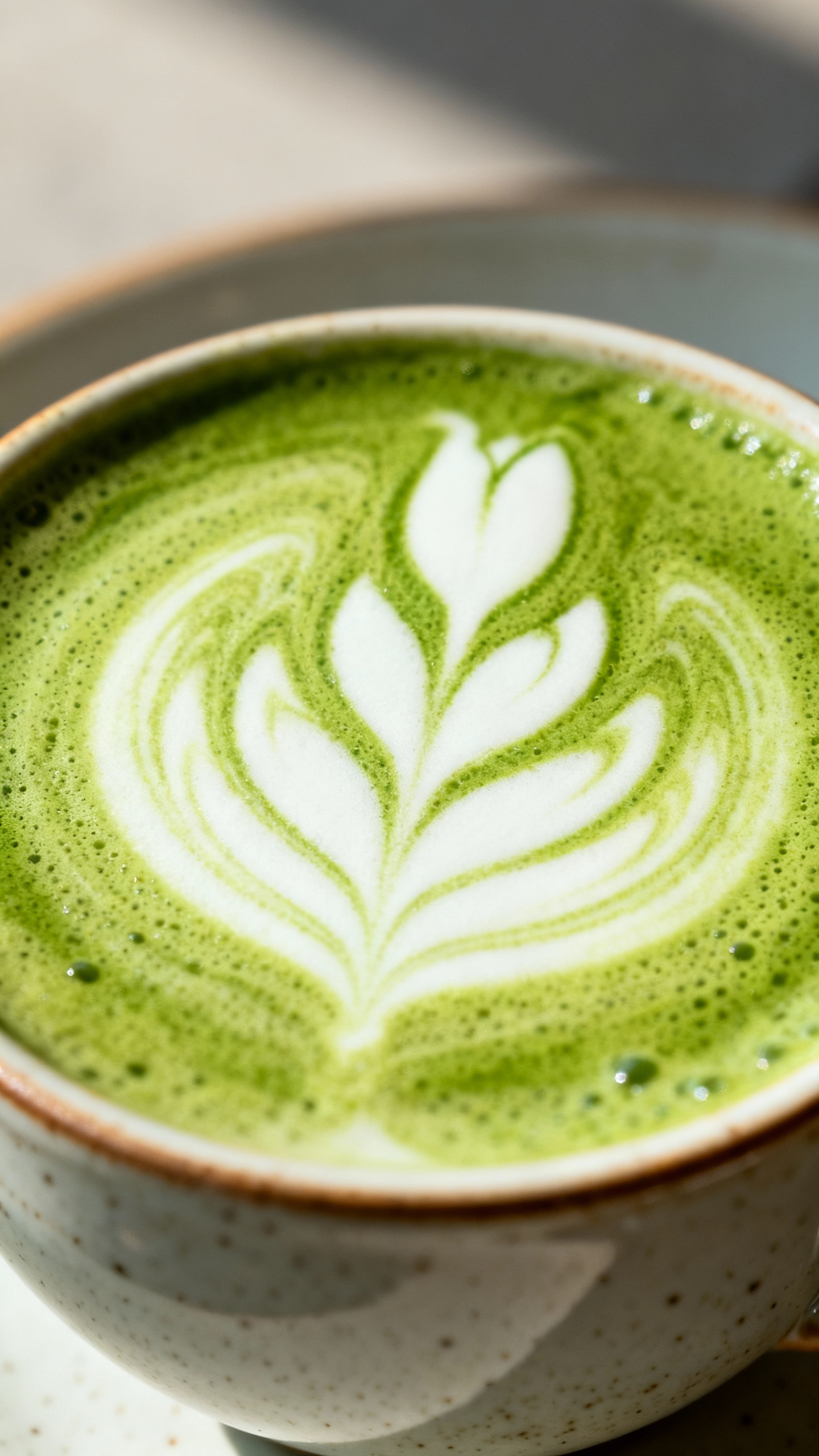
We’ve all been there. Learn the easy way.
- Boiling water: Scorches matcha. Use hot, not volcanic.
- No sifting: Enjoy your matcha pebbles, I guess? Sift for smoothness.
- Skimping on whisking: Whisk vigorously for 15–20 seconds. Lean into the foam.
- Using thin milk: If it tastes watery, switch to barista almond milk or froth longer.
- Old matcha: If it’s olive-drab and flat, it’s past its prime. Fresh matcha = better flavor and color.
Matcha almond milk latte: Variations Worth Trying
You’re the barista now. Play around.
- Vanilla Matcha Almond Latte: Add 1/4 teaspoon vanilla and a dash of cinnamon. Cozy in a cup.
- Salted Maple Matcha: 2 teaspoons maple syrup + a tiny pinch of flaky salt. Sweet-salty magic.
- Matcha Horchata Vibes: Add cinnamon and a drop of almond extract. Unexpectedly delightful.
- Dirty Matcha (coffee + matcha): Add a shot of espresso for bold energy. Not traditional, still delicious.
- Protein Latte: Blend almond milk with unflavored or vanilla protein before heating. No chalky vibes if you blend well.
Hot vs. Iced: Flavor Notes
– Hot: Creamier mouthfeel, softer sweetness, more aromatic.
– Iced: Brighter, punchier, slightly more bitter, so sweeten accordingly.
Choose your fighter based on the weather or mood swings.
Buying Tips: Matcha and Milk That Won’t Let You Down
A little savvy shopping saves money and disappointment.
- Color test: Look for bright, vibrant green. Dull or yellowish = lower quality.
- Origin: Japan-grown matcha tends to offer the cleanest flavor.
- Grind and texture: Ultra-fine powder dissolves better and tastes smoother.
- Almond milk label: Minimal ingredients, no heavy gums if your stomach hates them. Barista blends foam better.
FAQs About Matcha Almond Milk Latte
Can I make it without a whisk?
Yes. Use a handheld frother or shake matcha with water in a sealed jar until smooth. Then add warm almond milk. Not as silky as a bamboo whisk, but close enough for weekday mornings.
How much caffeine does it have?
A latte with 1–2 teaspoons of matcha typically lands around 60–70 mg of caffeine. That’s less than most coffees but enough to wake your brain without the jitters. FYI, quality and serving size change the exact number.
Why does my matcha taste bitter?
Usually water that’s too hot, older matcha, or too much powder. Cool your water a bit, reduce the matcha by 1/2 teaspoon, and sweeten lightly. A tiny pinch of salt can also mellow harshness.
Is almond milk the best plant milk for matcha?
“Best” depends on your vibe. Almond milk tastes light and nutty—great for delicate matcha. Oat milk gets creamier and sweeter but can overshadow the tea. Soy sits in the middle and delivers good foam. IMO, almond wins for clean flavor.
Can I prep it ahead?
You can whisk matcha concentrate (matcha + water) and store it in the fridge for 2–3 days. Shake before using. Add almond milk and sweetener right before drinking for the freshest taste and foam.
Do I need ceremonial matcha for lattes?
You don’t need it, but it helps. Ceremonial tastes smoother and sweeter. If you love lattes, the upgrade feels worth it. If you’re mixing lots of flavors, high-quality culinary matcha can still shine.
Conclusion On Matcha almond milk latte
A great matcha almond milk latte comes down to fresh matcha, not-too-hot water, and milk that actually supports the flavor. Keep the method simple, tweak the ratios, and add little upgrades like vanilla or a pinch of salt. Make it hot, make it iced, make it yours—and enjoy that quietly smug satisfaction of nailing a cafe-level drink at home. Cheers to green, creamy goodness.
Related Recipe: This Golden Milk Is What Tired Evenings Need